
Yes—lower chest exercises can help emphasize the lower portion of your chest by changing exercise angles, arm paths, and movement patterns. Understanding how to train this area matters because many people struggle to build a balanced chest shape, even with regular bench pressing. When programmed correctly, lower chest exercises can support fuller pec development, better pressing strength, and improved overall chest symmetry.
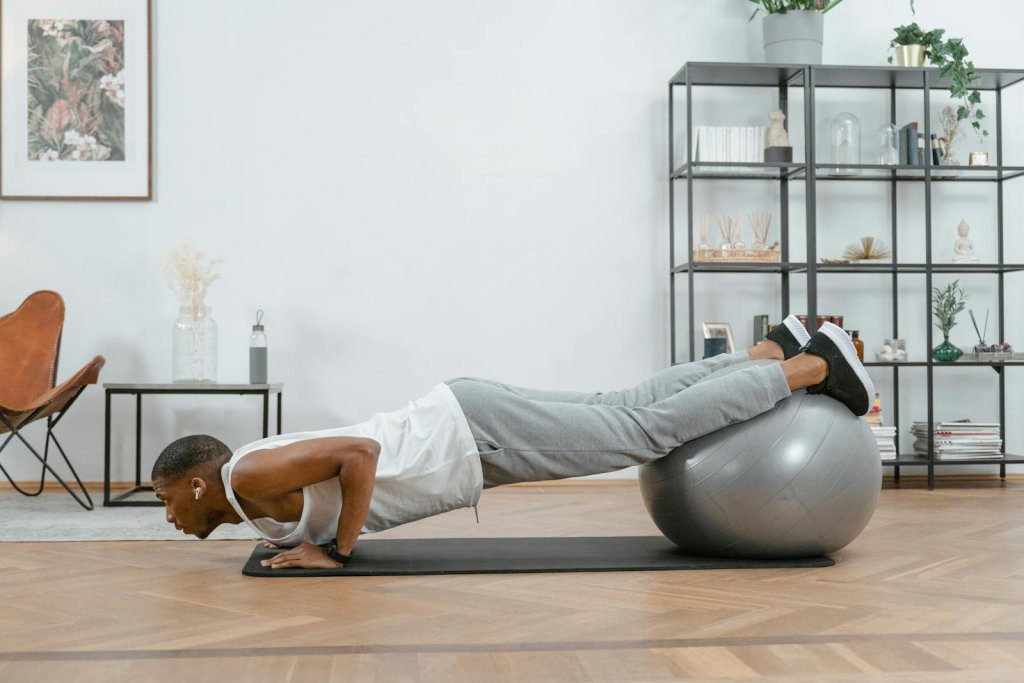
This guide explains exactly what lower chest exercises are, how they work, which movements are most effective, and how to train them safely—based on anatomy, biomechanics, and established strength-training guidelines.
11 Best Lower Chest Exercises
Below are the most effective and widely used lower chest exercises, organized by movement pattern.
1. Decline Barbell Bench Press
How to do it:
- Set a decline bench at a slight angle (10–20°)
- Lie back with feet secured and eyes under the bar
- Grip the bar slightly wider than shoulder width
- Lower the bar to the lower chest with control
- Press the bar upward until arms are fully extended
- Keep shoulder blades retracted and chest lifted throughout
Why it works:
The decline angle shifts the pressing line downward, which may increase activation of the lower fibers of the pectoralis major while reducing excessive front-shoulder involvement compared to steep inclines.
Muscles worked:
Primary: Lower pectoralis major
Secondary: Triceps brachii, anterior deltoids, serratus anterior
Trainer Tip:
Avoid excessive decline angles—slight decline is usually enough to emphasize the lower chest without stressing the shoulders or neck.
2. Decline Dumbbell Bench Press
How to do it:
- Set a decline bench and hold dumbbells at chest level
- Start with palms facing slightly forward
- Lower dumbbells slowly toward the outer lower chest
- Keep elbows at a comfortable angle (not flared)
- Press dumbbells upward and slightly inward
- Stop just before the dumbbells touch at the top
Why it works:
Dumbbells allow a greater range of motion and natural arm path, which can increase stretch and mechanical tension in the lower chest fibers.
Muscles worked:
Primary: Lower pectoralis major
Secondary: Triceps, anterior deltoids, stabilizing shoulder muscles
Trainer Tip:
Use lighter loads than the barbell version and focus on control—dumbbells reward precision more than brute strength.
3. Flat Barbell Bench Press
How to do it:
- Lie flat on a bench with feet planted firmly on the floor
- Grip the bar slightly wider than shoulder width
- Lower the bar to mid-to-lower chest level
- Keep elbows slightly tucked
- Press the bar upward in a controlled path
- Lock out without losing upper-back tension
Why it works:
The flat bench effectively activates both middle and lower chest fibers, making it one of the most efficient compound chest exercises overall.
Muscles worked:
Primary: Pectoralis major (middle and lower fibers)
Secondary: Triceps, anterior deltoids
Trainer Tip:
Think “push the bench away from you” to maintain full-body tension and chest engagement.
4. Flat Dumbbell Bench Press
How to do it:
- Lie flat holding dumbbells at chest level
- Start with palms facing forward or slightly angled
- Lower dumbbells slowly until elbows reach bench height
- Press upward while bringing dumbbells slightly inward
- Maintain wrist and elbow alignment
- Control both the lowering and lifting phases
Why it works:
Independent arm movement increases stabilizer demand and allows a more natural pressing arc, which can increase lower chest tension at the bottom of the rep.
Muscles worked:
Primary: Pectoralis major
Secondary: Triceps, shoulders, stabilizing muscles
Trainer Tip:
Pause briefly at the bottom to eliminate momentum and improve muscle control.
5. Chest Dips (Parallel Bars)
How to do it:
- Grip parallel bars and support your body at the top
- Lean your torso slightly forward
- Bend elbows and lower your body under control
- Descend until shoulders are just below elbows
- Press back up while maintaining the forward lean
- Avoid locking elbows aggressively at the top
Why it works:
Leaning forward shifts load away from the triceps and increases horizontal shoulder adduction, which emphasizes the lower chest.
Muscles worked:
Primary: Lower pectoralis major
Secondary: Triceps, anterior deltoids, core stabilizers
Trainer Tip:
If you feel dips mostly in your arms, lean slightly more forward and slow the descent.
6. Assisted Chest Dips
How to do it:
- Use an assisted dip machine or resistance band
- Place knees or feet on the assistance platform
- Lean slightly forward as you lower your body
- Control the descent and avoid bouncing
- Press back to the top with steady tension
- Keep shoulders down and chest open
Why it works:
Assistance reduces bodyweight load, allowing proper dip mechanics while still training the lower chest pattern.
Muscles worked:
Primary: Lower pectoralis major
Secondary: Triceps, shoulders
Trainer Tip:
Gradually reduce assistance over time instead of rushing to full bodyweight dips.
7. High-to-Low Cable Fly
How to do it:
- Set cable pulleys high above shoulder level
- Stand in a staggered stance with arms extended
- Pull handles downward and inward in an arc
- Bring hands together near lower chest or waist
- Squeeze chest briefly at the bottom
- Return slowly to the starting position
Why it works:
The high-to-low cable path aligns closely with the direction of lower chest fibers and maintains constant tension throughout the movement.
Muscles worked:
Primary: Lower pectoralis major
Secondary: Anterior deltoids, stabilizing shoulder muscles
Trainer Tip:
Think “hug downward” rather than “pull with the arms” to keep tension in the chest.
8. Decline Machine Chest Press
How to do it:
- Adjust seat so handles align with lower chest
- Grip handles firmly with wrists neutral
- Press handles forward and slightly downward
- Control the return phase fully
- Keep shoulders back against the pad
- Maintain steady breathing throughout
Why it works:
Machines provide a fixed path, allowing consistent lower chest loading without high balance or coordination demands.
Muscles worked:
Primary: Lower pectoralis major
Secondary: Triceps, shoulders
Trainer Tip:
Slow down the negative phase to increase time under tension.
9. Decline Push-Ups
How to do it:
- Place feet on a bench or elevated surface
- Set hands slightly wider than shoulder width
- Keep body in a straight line
- Lower chest toward the floor with control
- Press back up while maintaining core tension
- Avoid sagging hips or flared elbows
Why it works:
Elevating the feet changes the pressing angle, increasing resistance through the lower chest compared to standard push-ups.
Muscles worked:
Primary: Lower pectoralis major
Secondary: Triceps, shoulders, core
Trainer Tip:
Slow tempo push-ups can be just as challenging as weighted variations.
10. Resistance Band Decline Press
How to do it:
- Anchor band high behind you
- Step forward into a staggered stance
- Hold handles at chest level
- Press downward and forward
- Fully extend arms without locking elbows
- Return slowly to the start
Why it works:
Bands provide accommodating resistance, increasing tension as the arms extend while following a downward pressing path.
Muscles worked:
Primary: Lower pectoralis major
Secondary: Triceps, shoulders, core stabilizers
Trainer Tip:
Increase difficulty by stepping farther from the anchor rather than rushing reps.
11. Cable Decline Press
How to do it:
- Set cables slightly above chest height
- Step forward and lean slightly into the press
- Start with elbows bent and hands near chest
- Press handles downward and forward
- Bring hands together at the end of the movement
- Control the return to maintain tension
Why it works:
Cables keep continuous tension on the chest, especially at the top range where free weights often lose load.
Muscles worked:
Primary: Lower pectoralis major
Secondary: Triceps, anterior deltoids
Trainer Tip:
Focus on smooth, controlled reps rather than maximum load to maximize chest engagement.
How Lower Chest Exercises Work (Angle, Path, Tension)
Lower chest exercises work by changing how force is applied to the chest muscles.
- Angle: Flat and slight decline positions shift pressing force downward, which may increase lower chest involvement compared with steep inclines.
- Movement path: Downward and inward arm paths (dips, high-to-low cables) align better with lower chest fiber direction.
- Tension:
- Free weights load the chest most at the bottom of the movement
- Cables and bands maintain tension throughout the full range
Together, these factors help emphasize the lower portion of the chest without isolating it as a separate muscle.
How to Program Lower Chest Exercises
Lower chest exercises work best when included within a balanced chest routine.
- Train chest 2–3 times per week
- Include 1–2 lower-chest-focused exercises per session
- Perform 2–4 sets per exercise
- Combine compound lifts (presses, dips) with accessory work (cables, bands)
Flat pressing should remain the foundation, with decline and downward-path movements used as support.
Safety Considerations and Who Should Be Careful
Lower chest exercises are generally safe when performed with proper technique.
- Avoid extreme decline angles
- Use controlled tempo and full, pain-free range of motion
- Keep shoulders stable and avoid bouncing at the bottom
- Use assistance for dips if needed
Extra caution is advised for:
- Beginners to resistance training
- Individuals with shoulder or elbow issues
- Anyone experiencing persistent pain during chest exercises
If discomfort continues, reducing load or seeking professional guidance is recommended.
Common Mistakes With Lower Chest Exercises
- Using excessive weight and reducing range of motion
- Turning chest dips into triceps-only dips by staying too upright
- Overusing steep decline angles that strain the shoulders or neck
- Neglecting flat pressing, which still plays a major role in lower chest activation
Why Lower Chest Exercises Important
Training the lower chest is not just about aesthetics. Properly selected lower chest exercises may help support:
- More complete chest development (upper, middle, and lower fibers)
- Stronger pressing performance
- Better chest-to-shoulder balance
- Improved muscle engagement during compound lifts
Balanced chest training is also consistent with general resistance-training recommendations from organizations like the American College of Sports Medicine, which emphasize training all major muscle groups with appropriate variation.
Are Lower Chest Exercises Safe?
Lower chest exercises are generally safe when performed with proper form and progression. To reduce injury risk:
- Use controlled tempos
- Avoid bouncing at the bottom of presses or dips
- Stop short of painful shoulder ranges
- Progress volume and load gradually
If you have shoulder, elbow, or chest discomfort, consult a qualified fitness or medical professional before continuing.
Frequently Asked Questions
Do lower chest exercises really work?
Lower chest exercises can emphasize the lower portion of the chest by altering angles and movement paths, but they work best as part of a complete chest program.
Are decline presses better than flat bench?
Decline presses may bias the lower chest slightly more, but flat bench pressing remains one of the most effective overall chest exercises.
Can beginners do lower chest exercises?
Yes. Beginners can start with flat presses, assisted dips, and cable movements before progressing to heavier decline exercises.
Do dips build the lower chest?
When performed with a forward lean and controlled depth, dips may strongly engage the lower chest.
Can I train lower chest at home?
Yes. Decline push-ups, resistance band presses, and floor-based variations can effectively target the lower chest.
How many sets should I do for lower chest?
Most people benefit from 6–10 total chest sets per workout, with 2–4 sets coming from lower-chest-biased exercises.
Conclusion
Lower chest exercises are not about isolating a separate muscle—they are about smart angle selection, movement direction, and balanced programming. By combining flat presses, decline variations, dips, and cable movements, you can build a stronger, more defined chest without over-complicating your training.
If your goal is complete chest development, include lower chest exercises consistently, progress them gradually, and pair them with proper recovery and technique.
References
- Anatomy of the Pectoralis Major (lower fibers context) – StatPearls (NCBI Bookshelf)
- Effect of Bench Inclinations on Muscle Activation (0° vs incline angles) – IJERPH (2020)
- Influence of Bench Angle on Upper-Body Muscle Activation – European Journal of Sport Science (2016)
- EMG Analysis of Pectoralis Heads at Different Bench Angles – JSCR (2010)
- Bench, Bar, and Ring Dips: Kinematics and Muscle Activity – IJERPH (2022)
- Bench Press vs Push-Up at Comparable Muscle Activation – JSCR (2015)
- Weekly Training Volume and Hypertrophy (dose-response meta-analysis) – Schoenfeld et al. (2017)
- CDC Physical Activity Guidelines (strength training frequency baseline) – CDC