
The best pectoralis major exercises are presses and fly-style movements that train horizontal pushing and bringing the arms across the body (adduction). An effective chest program typically includes one main press, one angle variation, and one fly or cable movement so you can build strength while loading the muscle through different resistance patterns.
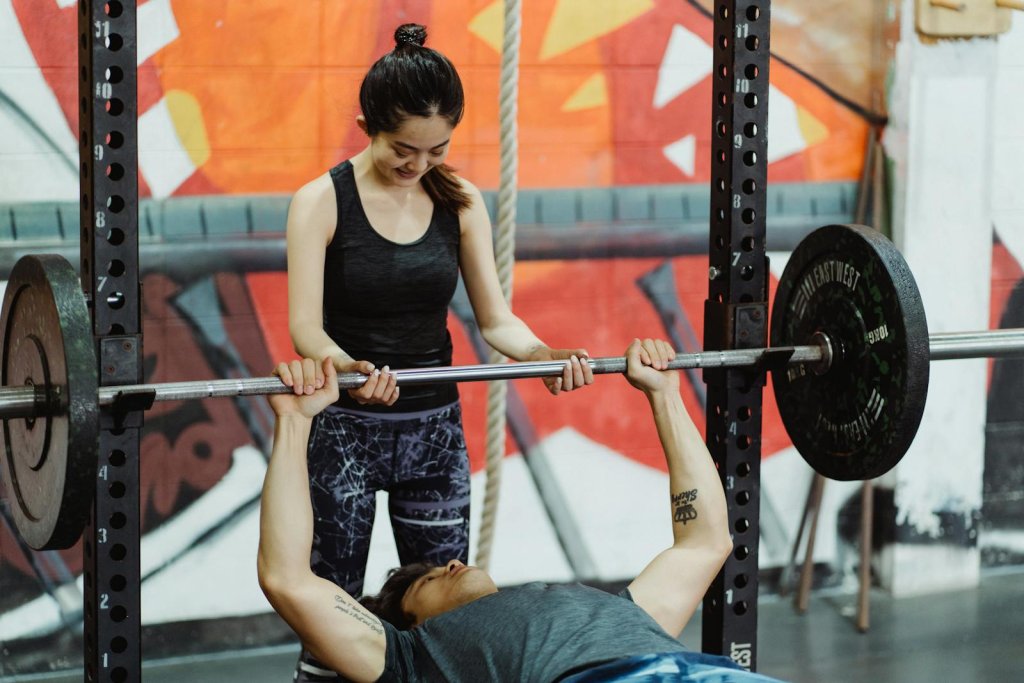
According to the National Center for Biotechnology Information (NCBI), these actions directly reflect the primary functions of the pectoralis major.
Understanding how the pectoralis major works helps you select exercises that truly target the chest, progress safely, and reduce unnecessary shoulder stress—especially as training volume or intensity increases.
What the pectoralis major does and why exercise selection matters
The pectoralis major is the large, fan-shaped muscle on the front of the chest. It contributes to arm flexion, horizontal adduction, and internal rotation at the shoulder joint, which explains why presses, push-ups, and fly movements consistently form the foundation of chest training. This functional role is outlined clearly in anatomical summaries from the NCBI.
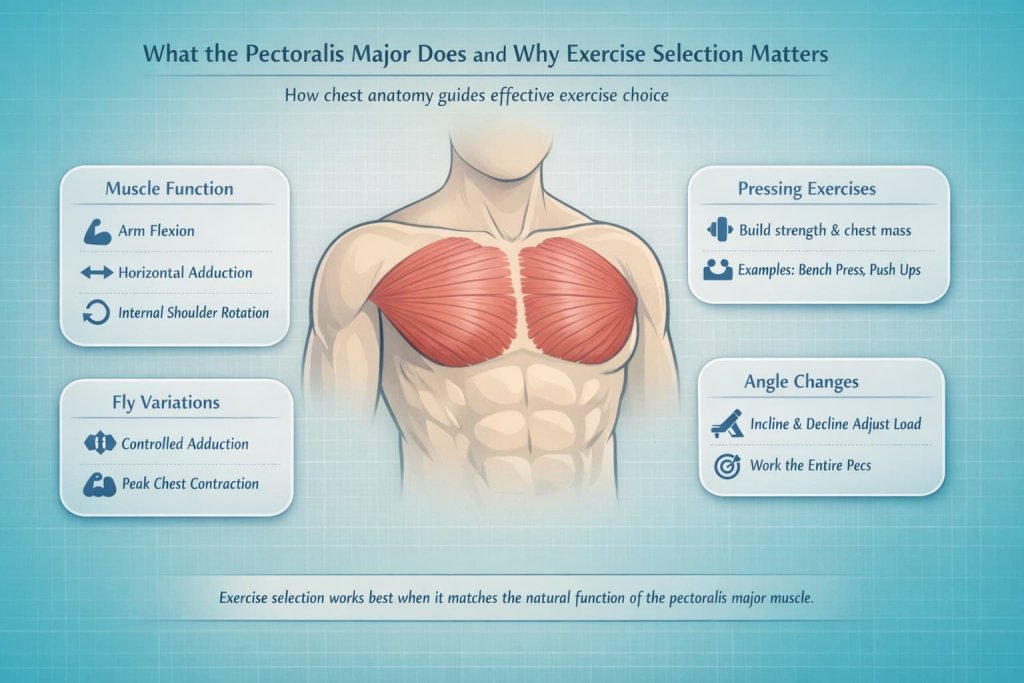
In practical training terms:
- Pressing exercises emphasize strength and overall chest mass.
- Fly variations focus more on controlled adduction and peak contraction.
- Incline and decline angles slightly alter load distribution while still training the same muscle.
Quick safety checklist before you start
Extra caution or professional guidance is recommended if you have:
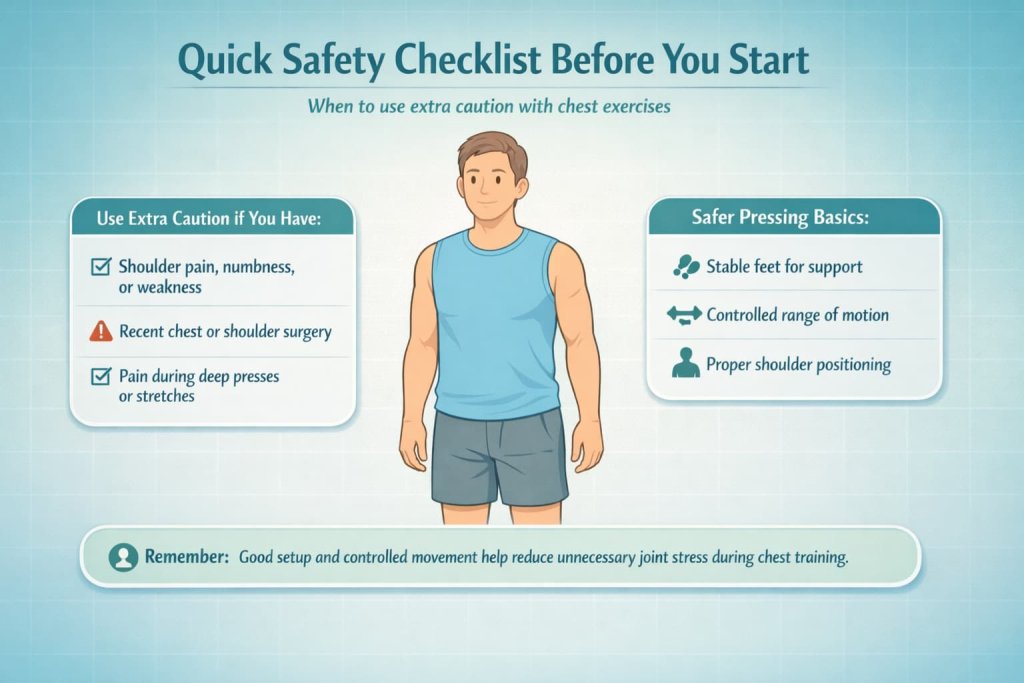
- New or worsening shoulder pain, numbness, or weakness
- A recent chest or shoulder surgery
- Pain that increases sharply in deep pressing or stretched positions
Basic pressing setup—stable feet, controlled range of motion, and proper shoulder positioning—helps reduce unnecessary joint stress. The Cleveland Clinic emphasizes these fundamentals as part of safe bench press mechanics.
12 Best Pectoralis Major Exercises
These pectoralis major exercises focus on pressing and arm-adduction movements that build chest strength, size, and control. Together, they cover free weights, machines, cables, and bodyweight options for balanced chest development.
1. Barbell Bench Press
Why it works:
The barbell bench press is a foundational compound lift that allows heavy loading through horizontal pressing, making it one of the most effective exercises for building overall pectoralis major strength and size. Evidence-based comparisons sponsored by the American Council on Exercise consistently place the bench press among the top movements for chest muscle activation, particularly when proper technique and progressive loading are used.
How to do it:
- Lie flat on the bench with eyes directly under the bar
- Plant both feet firmly on the floor for stability
- Grip the bar slightly wider than shoulder width
- Lower the bar under control to mid-chest
- Press the bar upward smoothly without bouncing or locking out aggressively
Trainer Tip:
If shoulder discomfort appears, reduce the load, limit the range slightly, and focus on shoulder positioning before increasing weight again.
2. Dumbbell Flat Bench Press
Why it works:
Dumbbells allow each arm to move independently, promoting balanced strength and a more natural pressing path. This freedom of movement can improve chest engagement while reducing compensations that sometimes occur with a fixed barbell.
How to do it:
- Start with dumbbells held at chest level while lying on a flat bench
- Press the dumbbells upward and slightly inward
- Keep elbows at a comfortable angle rather than flared wide
- Lower the weights slowly until you feel a controlled chest stretch
Trainer Tip:
Think about bringing your upper arms toward each other rather than just pushing the weights up.
3. Incline Dumbbell Press
Why it works:
Incline pressing increases shoulder flexion, which often shifts more workload toward the upper portion of the pectoralis major while still training the entire chest. It also adds variation to pressing patterns, which can help avoid overuse stress.
How to do it:
- Set the bench to a moderate incline
- Hold dumbbells at upper-chest level
- Press upward and slightly inward
- Lower slowly while keeping shoulders from rolling forward
Trainer Tip:
A lower incline angle often produces better chest engagement than very steep bench positions.
4. Decline Press or Decline Push-Up
Why it works:
The decline angle alters the pressing line and may feel more comfortable for lifters who experience shoulder irritation during flat or incline pressing, while still loading the pectoralis major effectively.
How to do it:
- Elevate your feet on a stable surface or use a decline bench
- Keep your body in a straight line from head to heels
- Lower with control
- Press upward smoothly without snapping the elbows
Trainer Tip:
Decline push-ups are a simple but effective progression once standard push-ups become easy.
5. Push-Up
Why it works:
Push-ups train the chest through bodyweight resistance while also requiring core and shoulder stability, making them highly transferable to everyday and athletic movement.
How to do it:
- Place hands under or slightly wider than shoulders
- Keep the body rigid from head to heels
- Lower with control until the chest nears the floor
- Press up without letting the hips sag
Trainer Tip:
Slowing the lowering phase can significantly increase difficulty without adding load.
6. Cable Crossover
Why it works:
Cable crossovers provide continuous tension throughout the movement and strongly emphasize horizontal adduction, a key function of the pectoralis major. This makes them ideal for controlled hypertrophy work.
How to do it:
- Set pulleys high and step forward into a split stance
- Maintain a slight bend in the elbows
- Bring the handles down and across the body
- Squeeze briefly at the midline before returning slowly
Trainer Tip:
Use a range of motion you can fully control rather than chasing an extreme stretch.
7. Pec Deck Machine
Why it works:
The pec deck machine minimizes balance demands and allows focused chest isolation, making it useful for accumulating quality training volume with consistent tension.
How to do it:
- Adjust the seat so handles align with mid-chest
- Keep shoulders down and back
- Bring arms together smoothly
- Control the return to the starting position
Trainer Tip:
A slower return phase keeps tension on the chest and reduces shoulder strain.
8. Machine Chest Press
Why it works:
Machine presses offer guided resistance, allowing you to train closer to muscular fatigue while maintaining consistent movement patterns.
How to do it:
- Adjust the seat so handles align with chest level
- Press evenly through both arms
- Avoid locking out forcefully
- Control the lowering phase
Trainer Tip:
Prioritize smooth, repeatable reps over maximal load.
9. Dumbbell Chest Fly
Why it works:
Chest flyes emphasize stretch and adduction, complementing pressing exercises by targeting the pectoralis major through a different movement pattern.
How to do it:
- Keep a slight bend in the elbows
- Lower arms wide until you feel a chest stretch
- Bring dumbbells together as if hugging a barrel
- Maintain control throughout
Trainer Tip:
Use lighter weights than presses to protect the shoulders.
10. Cable Chest Fly
Why it works:
Cables maintain tension throughout the entire range of motion, often making this variation easier to control and joint-friendly compared to dumbbells.
How to do it:
- Set pulleys at chest height
- Step forward for tension
- Bring hands together at midline
- Pause briefly before returning
Trainer Tip:
Ideal for higher-rep finishing sets at the end of a workout.
11. Resistance Band Chest Press
Why it works:
Resistance bands provide progressive tension and are highly accessible for home training. The Harvard Health team notes that bands can effectively support chest strength and functional fitness when loaded progressively.
How to do it:
- Anchor the band behind you at chest height
- Step forward to create tension
- Press forward with control
- Adjust stance to modify resistance
Trainer Tip:
Higher reps and slower tempo help compensate for lighter absolute resistance.
12. Svend Press
Why it works:
The Svend press combines pressing with constant inward pressure, emphasizing chest adduction and improving mind-muscle connection with relatively light loads.
How to do it:
- Press two plates together at chest level
- Maintain a strong squeeze
- Press forward slowly
- Return under control while keeping tension
Trainer Tip:
Best used as a finisher after heavier presses to fully fatigue the chest.
How to program pectoralis major exercises
A simple structure that works well for most people:
- 2 chest-focused sessions per week
- Each session includes:
- 1 main press
- 1 secondary press or angle variation
- 1 fly or cable exercise
Progress load gradually as strength improves. Position statements from the American College of Sports Medicine (ACSM) support increasing resistance once target rep ranges can be exceeded with good form.
How the Pectoralis Major Works
The pectoralis major is a large chest muscle that helps move and control the arm during pushing and reaching tasks. It connects the upper arm to the chest and collarbone, allowing the arm to move powerfully across the body.
Its main functions include:
- Horizontal adduction: bringing the arm toward or across the body (fly movements)
- Shoulder flexion: lifting the arm forward and upward (presses, push-ups)
- Internal shoulder rotation: assisting with control and stability during pushing
Because of these roles, the pectoralis major responds best to pressing exercises and fly-style movements performed with controlled technique and progressive loading.
Common mistakes that limit chest growth
- Letting shoulders roll forward during presses
- Using excessive weight on fly movements
- Bouncing weights instead of controlling the descent
- Neglecting upper-back strength, which supports shoulder mechanics
Who Should Be Careful With Pectoralis Major Exercises
Most people can safely train the chest, but extra caution is recommended if you have:
- Ongoing or worsening shoulder or chest pain
- A history of pectoral or shoulder injury
- Recent surgery involving the shoulder, chest, or upper arm
- Numbness, tingling, or weakness in the arm or shoulder
- Pain that increases with pressing or deep stretch positions
In these cases, starting with lighter loads, smaller ranges of motion, or machine-based exercises may be more appropriate, and professional guidance can help determine safe progression.
FAQs
Are pectoralis major exercises the same as chest exercises?
Yes. The pectoralis major is the primary chest muscle, so most chest exercises are designed to target it.
How many sets per week are ideal?
Many people respond well to 8–16 quality sets per week, depending on experience and recovery.
Can I build chest muscle at home?
Yes. Push-ups, resistance band presses, and band flys can effectively train the pectoralis major.
Do incline presses really target the upper chest?
Incline pressing increases shoulder flexion, which can shift emphasis toward the upper fibers of the pectoralis major for many lifters.
Are machines effective for chest growth?
Yes. Machines allow consistent tension and controlled loading, making them useful for hypertrophy.
What if I feel bench press mostly in my shoulders?
Reduce load, adjust elbow position, and focus on controlled range of motion before increasing intensity.
Conclusion
Building a stronger, fuller chest comes down to smart exercise selection, consistent progression, and controlled technique. Center your program on presses, support them with fly movements, and increase load gradually over time for steady, sustainable results.