
Common types of yoga include Hatha, Vinyasa, Ashtanga, Iyengar, Power, hot yoga, Yin, restorative, Kundalini, prenatal, chair yoga, and Yoga Nidra. They differ in pace, physical effort, and focus, giving you options for active movement, detailed instruction, supported rest, or meditation.
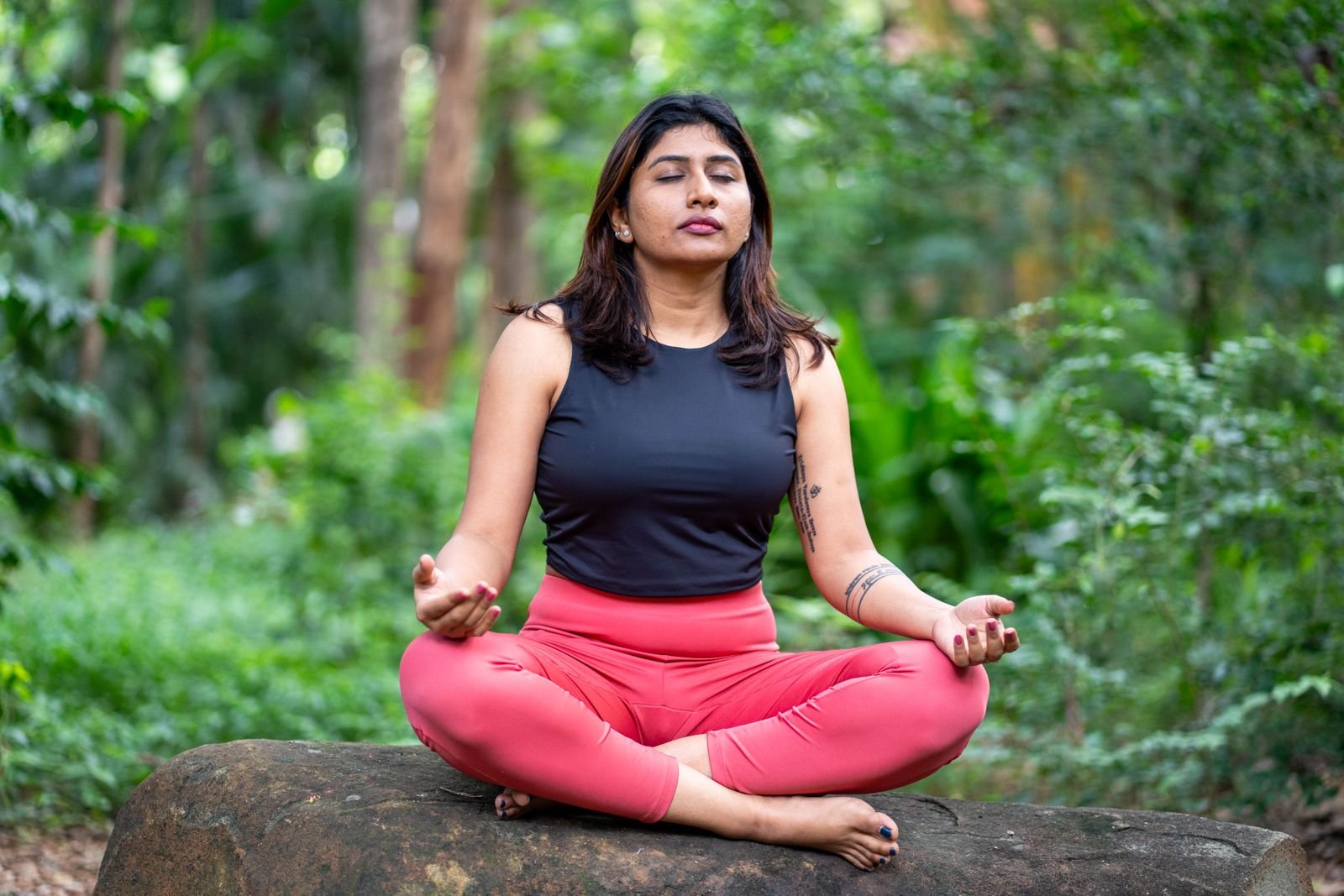
Understanding these differences helps you choose a class that fits your goals and experience. Start by checking the class level, pace, and available modifications.
This guide includes established styles and common class formats. Hot yoga describes a heated setting, chair and prenatal yoga involve adaptations, and Yoga Nidra centers on guided rest. These categories can overlap.
Types of Yoga at a Glance
The effort ratings below describe typical class demands. They are not standardized exercise-intensity measurements. A slow class can involve challenging holds, and a flowing class can be gentle.
| Type of yoga | Typical pace | Typical physical effort | Main focus |
|---|---|---|---|
| Hatha | Slow and deliberate | Often low to moderate | Foundational poses and breath awareness |
| Vinyasa | Flowing; slow to fast | Gentle to demanding | Movement linked with breathing |
| Ashtanga | Steady and structured | Often demanding | Prescribed sequences and progression |
| Iyengar | Deliberate | Variable | Detailed alignment and use of props |
| Power | Often active and flowing | Usually moderate to high | Physically challenging practice |
| Hot yoga, including Bikram | Depends on the style | Variable, with added heat exposure | Practicing in a heated room |
| Yin | Very slow | Little movement; stretches may feel demanding | Sustained positions and stillness |
| Restorative | Very slow | Usually very low | Supported comfort and relaxation |
| Kundalini | Variable | Gentle to challenging | Movement, breathing, mantra, and meditation |
| Prenatal | Usually measured and adapted | Variable, often gentle | Pregnancy-specific adaptations |
| Chair | Usually slow and adaptable | Often low; varies by class | Seated or supported movement |
| Yoga Nidra | Mostly still | Minimal | Guided rest and awareness |
12 Types of Yoga and What to Expect
1. Hatha Yoga
On a studio schedule, Hatha usually means a class that moves through poses at a measured pace. You may spend time exploring a position, adjusting your alignment, and noticing your breathing before moving on.
Hatha also has a broader meaning within physical yoga traditions, so the label does not guarantee one particular class format.
A beginner Hatha class can be a useful introduction if you want time to understand instructions. Check whether the session is introductory or mixed-level, especially if you are unfamiliar with common poses.
2. Vinyasa Yoga
Vinyasa links movement with breathing. Instead of treating every pose as a separate exercise, the instructor connects positions into a flowing sequence.
Classes vary considerably. Some use slow transitions and frequent pauses; others include continuous movement and more demanding sequences. The teacher may also change the sequence from one class to the next.
Consider Vinyasa if you enjoy movement and variety. Look for a beginner or gentle-flow description when starting, and ask how much instruction is provided during transitions. “Slow flow” describes pace, but longer holds can still require effort.
3. Ashtanga Yoga
Ashtanga follows prescribed sequences of poses linked with breathing. Its structured approach gives you a consistent practice to learn over time.
You may encounter instructor-led classes or Mysore-style sessions. In a Mysore class, students practice the portion of the sequence they have learned while receiving individual guidance from the teacher.
Ashtanga can be physically demanding, but beginners can learn progressively. Ask whether a class introduces the method gradually or expects students to know the sequence.
It may appeal to you if you enjoy repetition, clear structure, and developing familiarity with the same practice.
4. Iyengar Yoga
Iyengar emphasizes detailed instruction, alignment, and carefully organized sequences. Teachers may use blocks, straps, blankets, or other props to help students explore positions with appropriate support.
The slower teaching pace allows time for adjustments. However, holding a position and paying close attention to its details can still require considerable effort.
Consider an introductory Iyengar class if you appreciate specific instructions and want to understand how to adapt poses. Props are part of the method; using them does not indicate that you are doing a lesser version of the practice.
5. Power Yoga
Power yoga is a broad label commonly used for physically demanding classes, often drawing on flowing movement.
There is no universal Power yoga sequence. One class might emphasize continuous transitions, while another includes slower holds and substantial instruction. Classes may be heated or unheated.
Power yoga may suit you if you want an active, challenging session. Before booking, check the experience level, room temperature, and whether the instructor offers alternatives. The name alone cannot tell you how quickly the class moves or how accessible it will feel.
6. Hot Yoga, Including Bikram
Hot yoga means yoga practiced in a heated room. The underlying practice might involve flowing sequences, held positions, or a gentler format.
Bikram is a specific hot yoga format. A traditional class includes 26 postures and two breathing exercises over 90 minutes, typically at about 105°F with 40% humidity. Other heated classes may use different sequences, temperatures, and durations.
Heat does not establish that a class provides greater benefits. A 2025 systematic review covering 43 studies and 942 participants did not establish that hot yoga offers greater health benefits than other yoga. The researchers also identified limitations in the evidence.
Hot yoga adds overheating and dehydration risks. Check the temperature, class demands, and suitability for your health before choosing it.
7. Yin Yoga
Yin yoga uses sustained positions, commonly performed seated or lying down. You stay in a pose for several minutes rather than moving through frequent transitions.
Although there is little movement, a long-held position can create a noticeable stretching sensation and require patience. Yin should not automatically be described as easy.
It may appeal to you if you enjoy stillness and exploring comfortable ranges of movement. Ask about supports and adjustments, and avoid treating the hold time as a target you must reach.
Yin differs from restorative yoga, which places more emphasis on fully supported comfort and rest.
8. Restorative Yoga
Restorative yoga uses a small number of supported positions, often held for several minutes. Bolsters, blankets, pillows, and other props help reduce the effort needed to stay in a pose.
The emphasis is on settling comfortably and allowing time for quiet attention. You generally make fewer transitions than in an active class.
Consider restorative yoga when you want a practice centered on rest. Ask what equipment is provided, especially for an online session.
If a position feels uncomfortable, request an adjustment. Finding sufficient support is part of the practice.
9. Kundalini Yoga
Kundalini classes combine movement, breathing practices, meditation, and often mantra or chanting. A structured sequence of exercises is commonly called a kriya.
The physical demands vary. Some sessions involve gentle movement, while others include repetitive actions or more challenging exercises.
Kundalini may interest you if you want breathing, sound, and meditation to play a prominent role in your practice. Its spiritual concepts belong to the tradition and should not be confused with established medical explanations.
Ask what breathing practices and chanting the class includes, and tell the teacher if you are new.
10. Prenatal Yoga
Prenatal yoga adapts practice for pregnancy. Classes commonly include modified movement, breathing awareness, supported positions, and relaxation.
The key feature is instruction that accounts for pregnancy-related needs. A general gentle class may not provide the same adaptations.
Before starting, discuss your circumstances with your prenatal care professional and look for an instructor with relevant training. Let the instructor know about any restrictions or symptoms that affect your participation.
The American College of Obstetricians and Gynecologists advises avoiding hot yoga during pregnancy because of the risk of overheating.
11. Chair Yoga
Chair yoga uses seated positions, a chair for standing support, or a combination of both. It can incorporate elements of Hatha, flowing movement, or other approaches.
This format may appeal to people who prefer additional support, find floor transfers difficult, or want a seated movement break during the day. It is not limited to older adults.
Ask whether the whole class is seated or includes standing work. If you plan to join remotely, check the chair and space requirements beforehand so you can follow the session comfortably.
12. Yoga Nidra
Yoga Nidra is a structured practice of guided rest and awareness. You usually remain in a comfortable resting position while following spoken instructions.
A session may guide your attention through sensations in the body, breathing, or other aspects of your experience. It involves minimal physical exertion and does not require flowing through a sequence of poses.
Consider Yoga Nidra if you want a quiet practice with verbal guidance. Choose a comfortable position and a recording or instructor whose approach suits you. It should not be presented as a replacement for normal sleep.
How to Choose the Right Type of Yoga
Match the Class to Your Main Goal
Think about what you want from the session: movement, instruction, support, stillness, or guided meditation.
For example, someone who wants an active lunch-break class may prefer beginner Vinyasa. Someone who wants to spend that break resting may prefer restorative yoga or Yoga Nidra. Both choices can fit a useful routine, but they provide different experiences.
If you are interested in learning technique, compare introductory Hatha and Iyengar classes. If a familiar sequence helps you stay engaged, investigate a beginner Ashtanga program.
These are starting points for choosing a class, not rankings of which style produces the best health results.
Read Beyond the Style Name
Check the description or ask the instructor:
- Is this class designed for beginners?
- How quickly do you move between positions?
- How much standing, floor work, or balance work is included?
- Are props and alternative positions available?
- Is the room heated?
- Does the session include chanting, meditation, or demanding breathing practices?
A class labeled “all levels” may still assume familiarity with common movements. Ask what support a first-time student can expect.
Evaluate Your First Class
Afterward, consider whether you could follow the instructions, adjust the practice, and ask for help when needed.
You do not need to choose one style permanently. You might enjoy an active class on one day and a quieter practice on another. Give yourself room to compare teachers and formats before deciding what you want to repeat.
What Research Says About Yoga’s Benefits
According to the National Center for Complementary and Integrative Health, research suggests that yoga may support stress management, sleep, emotional well-being, and balance.
However, studies use different programs and participant groups. Findings about yoga generally do not establish that one of these 12 styles is the best choice for a particular health condition.
For everyday class selection, focus on a suitable practice you can participate in comfortably and consistently.
Does Yoga Count as Cardio or Strength Training?
It depends on what you do and how much effort it requires.
The CDC includes some yoga postures among muscle-strengthening activities. It also explains that aerobic activity must reach moderate or vigorous intensity to count toward aerobic activity recommendations.
A flowing class may contribute differently from restorative yoga or Yoga Nidra. Consider how yoga fits alongside the other aerobic and strengthening activities in your week, rather than assuming every class covers the same needs.
Yoga Safety Tips and When to Seek Guidance
Yoga is generally considered safe when practiced appropriately, but sprains and strains can occur.
Start with qualified instruction and a class appropriate for your experience. As a beginner, avoid extreme positions, advanced inversions, and forceful breathing practices.
People with existing injuries, glaucoma, severe high blood pressure, balance problems, or other relevant conditions may need modifications. Discuss individual needs with a healthcare professional and the instructor.
During a session:
- Ask for a different position when an instruction does not work for your body.
- Use available supports and take breaks when needed.
- Avoid forcing your body to match another person’s pose.
- Stop if a position causes pain and seek guidance before repeatedly attempting it.
If pain persists or a health condition limits movement, get individual advice instead of choosing a style based only on its reputation for being gentle.
Frequently Asked Questions
What Type of Yoga Is Best for Beginners?
A clearly labeled beginner Hatha, introductory Iyengar, or gentle-flow class can provide a useful starting point. Restorative or chair yoga may suit different preferences and support needs. The instructor, level, and available adaptations matter more than finding one universally best style.
What Is the Difference Between Hatha and Vinyasa Yoga?
Classes labeled Hatha usually allow more time in individual poses. Vinyasa emphasizes linking movement with breathing through connected sequences. Both can vary in difficulty, so check the class description.
Are Yin Yoga and Restorative Yoga the Same?
No. Yin commonly involves sustained positions with a stretching emphasis. Restorative yoga uses support to minimize effort and encourage comfortable rest. Both move slowly, but they can feel quite different.
Is Hot Yoga the Same as Bikram Yoga?
No. Hot yoga includes different practices performed in heated rooms. Bikram is one specific format with a prescribed sequence. A hot Vinyasa class, for example, does not have to follow the Bikram sequence.
Do You Need to Be Flexible Before Starting Yoga?
No. Choose a class that allows adjustments for your current range of movement. You can use props or alternative positions and learn gradually. You do not need to reach the same position as an instructor or another student.
Can You Practice Yoga Without Chanting or Spiritual Instruction?
Yes. Class formats vary, and some focus primarily on movement, breathing, and attention. Others include chanting, philosophy, or spiritual teachings. Read the description and ask the instructor what to expect.
Conclusion
The different types of yoga offer ways to explore movement, technique, breathing, and rest. Start with the class format that matches your goal, then check the level, instructor, and available support.
Choose one suitable beginner session, ask questions before it starts, and use the experience to decide what you would like to practice next.