
Stretching exercises help improve flexibility, support joint range of motion, and reduce muscle stiffness when performed regularly and safely. They are an essential part of a balanced fitness routine.
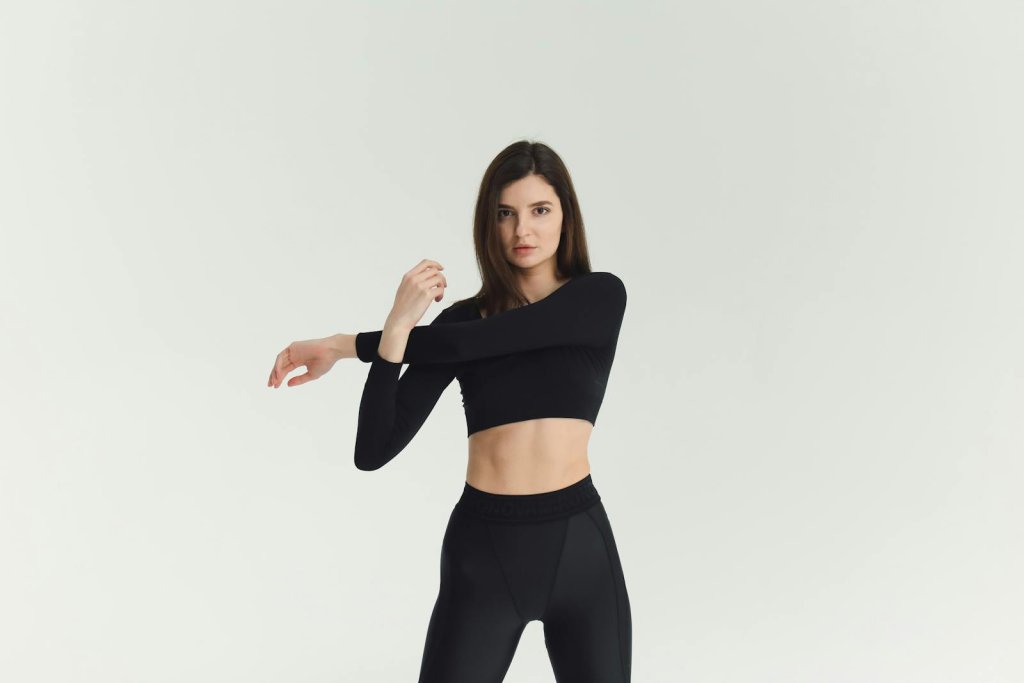
Understanding how to stretch correctly is important because poor flexibility may contribute to restricted movement, postural strain, and discomfort during daily activities. In this guide, you’ll learn what stretching exercises are, why they matter, and how to perform 15 of the best stretching exercises that can fit into almost any routine—whether you’re a beginner, desk worker, or active adult.
What Are Stretching Exercises?
Stretching exercises are controlled movements designed to gently lengthen muscles and allow joints to move through a comfortable range of motion.
They generally fall into two main categories:
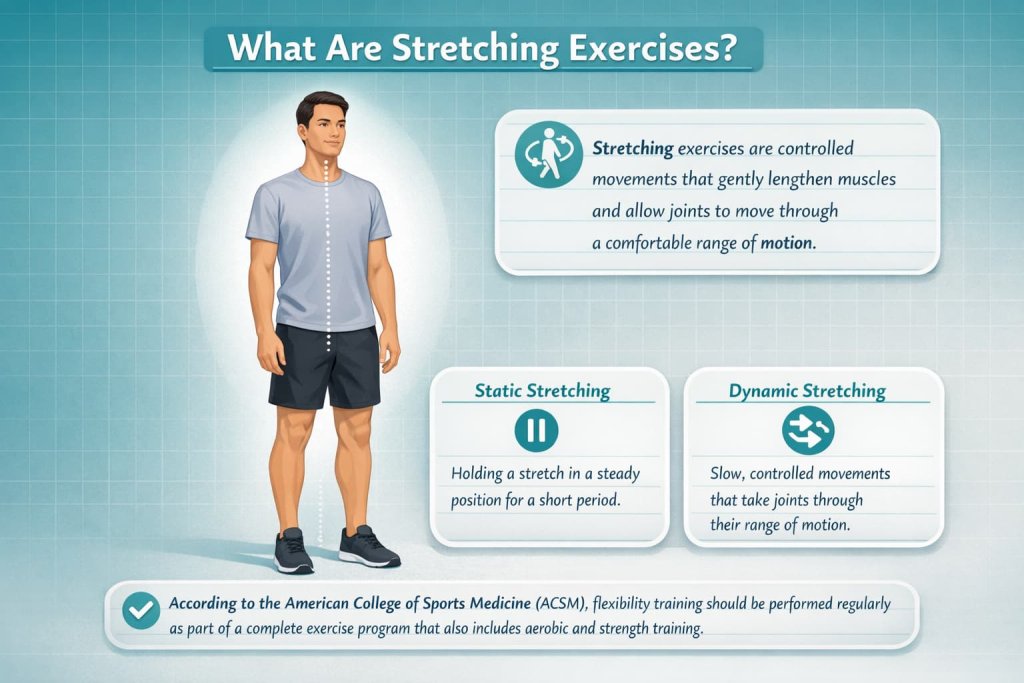
- Static stretching – holding a stretch in a steady position for a short period
- Dynamic stretching – slow, controlled movements that take joints through their range of motion
According to the American College of Sports Medicine (ACSM), flexibility training should be performed regularly as part of a complete exercise program that also includes aerobic and strength training.
15 Best Stretching Exercises
Stretching exercises are gentle movements designed to improve flexibility and reduce muscle stiffness. Practiced regularly, they may help support comfortable movement, better posture, and overall mobility.
1. Hamstring Stretch
How to do it:
- Sit on the floor with one leg extended and the other bent
- Keep your spine tall and hinge forward from the hips
- Reach toward your shin or foot until mild tension is felt
- Hold while breathing steadily
Trainer Tip:
Avoid rounding your lower back. The stretch should come from the back of the thigh, not the spine.
Why it works:
The hamstrings often become tight from prolonged sitting and limited hip movement. Stretching them may help support hip mobility, smoother walking mechanics, and reduced strain on the lower back during bending tasks.
2. Quadriceps Stretch
How to do it:
- Stand tall and hold a wall or chair for balance
- Bend one knee and bring your heel toward your glutes
- Gently hold the ankle and keep knees close together
- Maintain an upright torso
Trainer Tip:
Lightly squeeze your glutes to avoid arching your lower back during the stretch.
Why it works:
Tight quadriceps can limit knee bend and affect hip alignment. This stretch may help support knee comfort, posture, and smoother lower-body movement.
3. Calf Stretch
How to do it:
- Stand facing a wall with hands supported
- Step one foot back and keep the heel on the floor
- Bend the front knee while keeping the back leg straight
- Lean forward until tension is felt in the calf
Trainer Tip:
Slightly bend the back knee to bias the deeper soleus muscle.
Why it works:
Calf flexibility supports ankle motion needed for walking, stairs, and balance. Tight calves may increase strain on the feet and lower legs.
4. Hip Flexor Stretch
How to do it:
- Kneel on one knee with the other foot forward
- Keep your torso upright and gently shift hips forward
- Feel the stretch in the front of the hip on the kneeling side
- Maintain steady breathing
Trainer Tip:
Think “tall posture,” not leaning back. A small movement is usually enough.
Why it works:
Hip flexors often shorten with prolonged sitting. Stretching them may help support upright posture and smoother hip extension during walking.
5. Inner Thigh (Adductor) Stretch
How to do it:
- Stand with feet wider than shoulder width
- Shift weight gently to one side while keeping the other leg straight
- Keep toes forward and chest upright
- Hold at mild tension
Trainer Tip:
Move slowly and avoid bouncing, especially if you feel tightness near the groin.
Why it works:
Adductors play a key role in hip stability and lateral control. Stretching them may help support smoother side-to-side movement.
6. Glute Stretch
How to do it:
- Lie on your back with knees bent
- Cross one ankle over the opposite knee
- Pull the uncrossed leg toward your chest
- Hold the position comfortably
Trainer Tip:
If knee pressure feels uncomfortable, uncross slightly or reduce range.
Why it works:
Tight glutes can restrict hip motion and contribute to lower-back tension. Stretching them may help support hip rotation and sitting comfort.
7. Lower Back Stretch
How to do it:
- Lie on your back with knees bent
- Gently pull both knees toward your chest
- Keep shoulders relaxed against the floor
- Hold without forcing the range
Trainer Tip:
Rocking slowly side to side can add comfort, but keep movements controlled.
Why it works:
Gentle spinal flexion may help reduce stiffness and support comfort after prolonged sitting or standing.
8. Chest Stretch
How to do it:
- Stand tall and clasp hands behind your back
- Gently straighten arms and lift them slightly
- Open the chest without arching the lower back
- Hold with relaxed shoulders
Trainer Tip:
Think “wide collarbones,” not forcing the arms upward.
Why it works:
Tight chest muscles may contribute to rounded shoulders. This stretch may help support upright posture and easier breathing mechanics.
9. Shoulder Stretch
How to do it:
- Bring one arm across your chest
- Use the opposite hand to gently pull it closer
- Keep shoulders relaxed and level
- Hold and switch sides
Trainer Tip:
If you feel pinching in the shoulder, reduce pressure immediately.
Why it works:
Shoulder flexibility supports reaching, lifting, and overhead movement while reducing upper-body stiffness.
10. Triceps Stretch
How to do it:
- Raise one arm overhead
- Bend the elbow so the hand drops behind your neck
- Use the opposite hand to gently guide the elbow back
- Keep head and neck neutral
Trainer Tip:
Avoid pulling on the elbow joint—use light pressure only.
Why it works:
Flexible triceps support elbow and shoulder movement, especially during overhead tasks.
11. Neck Side Stretch
How to do it:
- Sit or stand upright
- Slowly tilt your head toward one shoulder
- Keep shoulders relaxed and down
- Hold briefly and switch sides
Trainer Tip:
Do not pull the head with your hand unless guided by a professional.
Why it works:
Neck muscles commonly tighten with screen use. Gentle stretching may help support neck comfort and head mobility.
12. Seated Spinal Twist
How to do it:
- Sit upright with feet flat on the floor
- Gently rotate your torso to one side
- Keep hips facing forward
- Hold, then switch sides
Trainer Tip:
Rotate from the ribcage, not the shoulders alone.
Why it works:
Spinal rotation supports daily movements such as turning, reaching, and balance control.
13. Child’s Pose Stretch
How to do it:
- Kneel on the floor and sit back on your heels
- Reach arms forward and lower your chest
- Rest forehead comfortably if possible
- Breathe slowly throughout
Trainer Tip:
Use a pillow or block under hips or chest if flexibility is limited.
Why it works:
This stretch gently lengthens the spine and hips while promoting relaxation and controlled breathing.
14. Standing Side Bend
How to do it:
- Stand tall with feet hip-width apart
- Raise one arm overhead
- Gently bend to the opposite side
- Keep hips stable
Trainer Tip:
Imagine lengthening upward before bending sideways.
Why it works:
Side bending helps maintain flexibility along the torso and may support spinal comfort.
15. Ankle Mobility Stretch
How to do it:
- Stand facing a wall
- Bend one knee forward while keeping heel down
- Move within a comfortable range
- Switch sides after holding
Trainer Tip:
Smooth control matters more than depth—avoid forcing the ankle forward.
Why it works:
Ankle mobility supports balance, walking efficiency, and smoother lower-body mechanics.
How Often and How Long Should You Stretch?
General evidence-based guidance suggests:
- Stretch at least 2–3 days per week, with daily stretching offering greater benefits
- Hold static stretches for 15–30 seconds
- Repeat each stretch 2–4 times per muscle group
- Stretch to the point of mild tension, not pain
Why Stretching Exercises Important
Regular stretching exercises may help support:
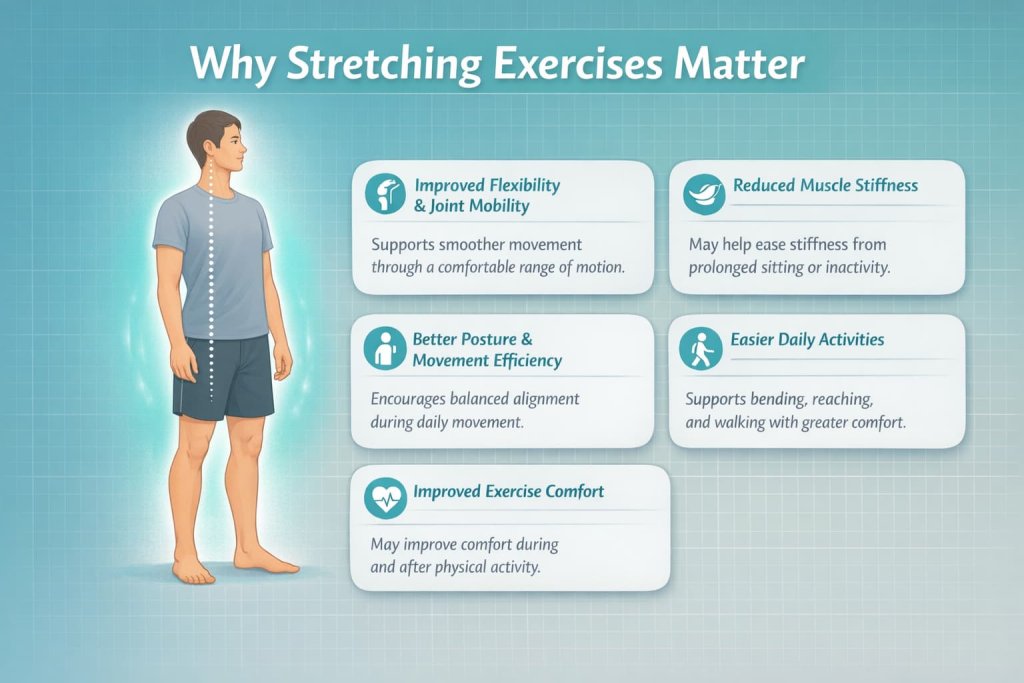
- Improved flexibility and joint mobility
- Reduced muscle stiffness from prolonged sitting or inactivity
- Better posture and movement efficiency
- Easier performance of daily activities such as bending, reaching, and walking
- Improved comfort during and after physical activity
How Stretching Improves Flexibility and Reduces Stiffness
Stretching improves flexibility by gently lengthening muscles and connective tissues, helping joints move more comfortably. When practiced regularly, it may also help reduce the feeling of stiffness caused by inactivity or prolonged sitting.
Stretching may help support flexibility and comfort by:
- Encouraging muscles to adapt to a longer resting length
- Reducing passive muscle tension
- Supporting smoother joint range of motion
- Promoting circulation to muscles and soft tissues
When Is the Best Time to Do Stretching Exercises?
- Before exercise: Use dynamic stretching after a light warm-up
- After exercise: Use static stretching to relax muscles
- During the day: Short stretch breaks may help reduce stiffness from sitting
Common Stretching Mistakes to Avoid
- Stretching cold muscles without warming up
- Bouncing or forcing a stretch
- Holding your breath
- Ignoring pain signals
- Stretching only one side of the body
Who Should Be Cautious With Stretching?
- People recovering from recent injury or surgery
- Individuals with joint instability or chronic conditions
- Anyone experiencing sharp or worsening pain
In these cases, professional guidance from a qualified healthcare or fitness professional is recommended.
Frequently Asked Questions
How often should stretching exercises be done?
Most guidelines recommend stretching at least 2–3 times per week, with daily stretching providing greater flexibility benefits.
Are stretching exercises good for beginners?
Yes. Gentle stretching exercises are suitable for beginners when performed slowly and within a comfortable range.
Should stretching hurt?
No. Stretching should create mild tension, not pain.
Is static or dynamic stretching better?
Both serve different purposes. Dynamic stretching is commonly used before activity, while static stretching is typically used after activity.
Can stretching help with stiffness from sitting?
Regular stretching may help reduce stiffness associated with prolonged sitting by encouraging movement and circulation.
How long does it take to see flexibility improvements?
Consistent stretching over several weeks is typically needed to notice measurable improvements.
Conclusion
Stretching exercises are a simple, accessible way to support flexibility, mobility, and overall movement quality. When practiced regularly and safely, they can help your body move more comfortably throughout the day and complement strength and cardio training.
If you’re new to stretching, start gently, stay consistent, and focus on proper form rather than pushing range. Over time, small daily efforts can lead to meaningful improvements in how your body feels and moves.
References
- Cleveland Clinic — Dynamic vs. static stretching: Is one better?
- Cleveland Clinic — Should you stretch before or after workouts?
- Page P. (2012) — Current concepts in muscle stretching for exercise and rehabilitation (Full text, PMC)
- U.S. Department of Health and Human Services — Physical Activity Guidelines for Americans, 2nd edition (PDF)