
Bodyweight back exercises are effective for building back strength, improving posture, and supporting spinal stability without any equipment. When programmed correctly, these exercises train the upper, mid, and lower back using your own body weight, controlled movement, and time under tension. Understanding how to use bodyweight back exercises properly matters because a strong back supports daily movement, athletic performance, and long-term spinal health—especially if you train at home or travel frequently.
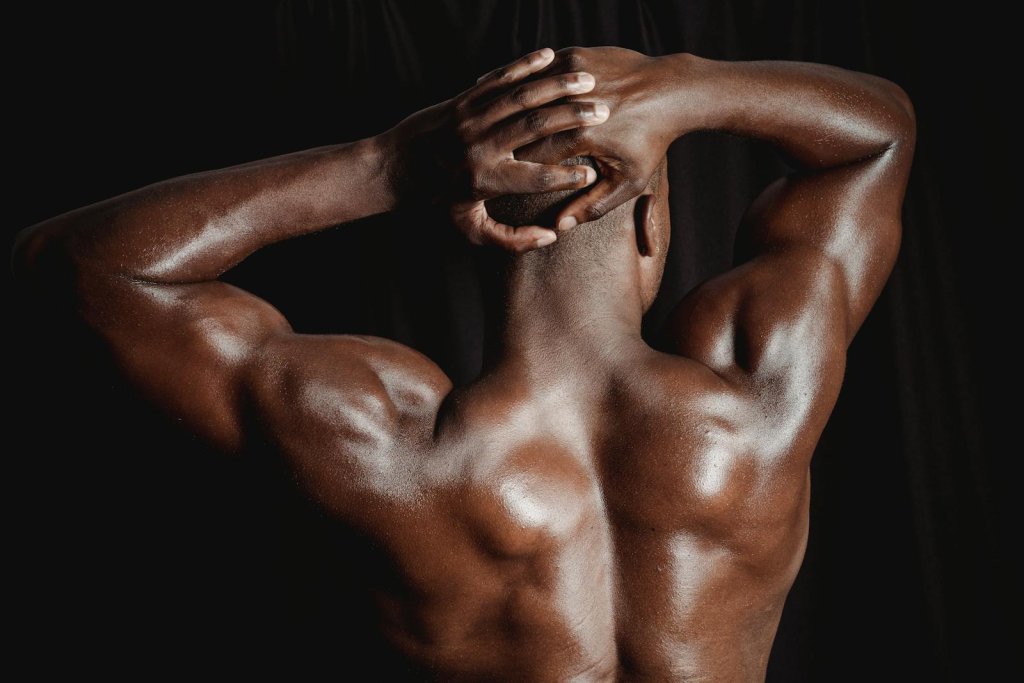
This guide explains exactly how bodyweight back exercises work, which muscles they target, how often to train, and the 13 most effective exercises you can do anywhere.
13 Best Bodyweight Back Exercises
Build back strength, improve posture, and support spinal stability using your own body weight. These 13 exercises require no equipment and are suitable for home workouts at any fitness level.
1. Superman Hold
How to do it
- Lie face down on the floor with legs straight and arms extended overhead
- Gently engage your core and glutes
- Lift your arms and legs a few inches off the floor at the same time
- Keep your gaze down so the neck stays neutral
- Hold the position while breathing steadily
Why it works
The Superman hold creates an isometric contraction through the entire posterior chain. Holding tension without movement helps improve endurance and control in the spinal extensors, which are essential for posture and daily activities.
Muscles worked
Erector spinae, glutes, upper-back stabilizers, posterior deltoids
Trainer Tip
Think “long, not high.” Small lifts with perfect control are more effective than excessive arching.
2. Bird Dog
How to do it
- Start on hands and knees with spine neutral
- Brace your core gently
- Extend the opposite arm and leg until they align with your torso
- Hold briefly, then return with control
- Alternate sides
Why it works
Bird dogs challenge cross-body coordination while keeping the spine stable. This improves neuromuscular control and helps reinforce proper movement patterns for the back.
Muscles worked
Erector spinae, deep core stabilizers, upper back, glutes
Trainer Tip
Imagine balancing a glass of water on your back to prevent rocking or twisting.
3. Reverse Snow Angels
How to do it
- Lie face down with arms resting by your sides, palms down
- Slightly lift your chest and arms off the floor
- Sweep arms outward and overhead in a slow arc
- Reverse the motion back to the starting position
Why it works
This movement strengthens the muscles responsible for shoulder blade motion, which supports posture and reduces excessive shoulder rounding.
Muscles worked
Middle trapezius, lower trapezius, rear deltoids
Trainer Tip
Move slowly and keep tension on the shoulder blades the entire time.
4. Prone Y Raise
How to do it
- Lie face down with arms extended overhead in a Y shape
- Thumbs point upward
- Lift arms slightly while keeping shoulders down
- Lower with control
Why it works
The Y raise targets the lower trapezius, a muscle commonly underactive in people with poor posture or desk-based lifestyles.
Muscles worked
Lower trapezius, upper-back stabilizers
Trainer Tip
If range is limited, lift only a few inches—quality matters more than height.
5. Prone T Raise
How to do it
- Lie face down with arms extended out to the sides
- Thumbs point upward
- Lift arms while squeezing shoulder blades together
- Lower slowly
Why it works
This exercise reinforces scapular retraction, helping balance shoulder mechanics and upper-back strength.
Muscles worked
Rhomboids, middle trapezius
Trainer Tip
Pause briefly at the top to reinforce muscle activation.
6. Prone W Raise
How to do it
- Lie face down with elbows bent and hands near shoulders
- Form a W shape with the arms
- Lift arms while squeezing shoulder blades down and back
- Lower under control
Why it works
The W raise emphasizes scapular retraction and external rotation, which are critical for shoulder health.
Muscles worked
Middle trapezius, rear deltoids, rotator cuff stabilizers
Trainer Tip
Keep shoulders away from ears to avoid neck tension.
7. Reverse Plank
How to do it
- Sit with legs extended and hands placed behind hips
- Press through hands and heels
- Lift hips until body forms a straight line
- Hold while maintaining steady breathing
Why it works
Reverse planks strengthen the posterior chain while opening the chest and shoulders, counteracting prolonged sitting.
Muscles worked
Upper back, glutes, spinal stabilizers, hamstrings
Trainer Tip
If wrists are uncomfortable, try bending knees slightly.
8. Wall Angels
How to do it
- Stand with back, head, and hips against a wall
- Elbows bent at 90 degrees, arms touching the wall
- Slide arms upward, then back down slowly
- Maintain contact with the wall throughout
Why it works
Wall angels reinforce proper shoulder and upper-back alignment while improving mobility and control.
Muscles worked
Upper back, shoulder stabilizers
Trainer Tip
Keep ribs down to prevent arching the lower back.
9. Scapular Push-Ups
How to do it
- Start in a plank position with arms straight
- Without bending elbows, squeeze shoulder blades together
- Push the floor away to spread shoulder blades
- Repeat with control
Why it works
This exercise isolates scapular motion, strengthening muscles that stabilize the shoulders during pushing and pulling tasks.
Muscles worked
Serratus anterior, upper back stabilizers
Trainer Tip
Think “shoulders move, arms stay straight.”
10. Quadruped Arm Lift
How to do it
- Begin on hands and knees
- Brace your core
- Lift one arm forward without shifting weight
- Hold briefly, then switch sides
Why it works
Removing one point of contact challenges stability and builds shoulder and upper-back control.
Muscles worked
Upper back, shoulder stabilizers, core
Trainer Tip
If balance is difficult, shorten the hold time.
11. Cobra Hold
How to do it
- Lie face down with hands under shoulders
- Gently lift chest using back muscles
- Keep hips and legs relaxed on the floor
- Hold within a comfortable range
Why it works
Cobra holds strengthen spinal extensors and encourage controlled extension of the spine.
Muscles worked
Erector spinae, upper back
Trainer Tip
Avoid locking the elbows or forcing range.
12. Prone Swimmers
How to do it
- Lie face down with arms extended overhead
- Lift opposite arm and leg
- Alternate sides in a controlled rhythm
Why it works
This dynamic pattern builds endurance, coordination, and balance through the back and core.
Muscles worked
Lower back, upper-back stabilizers, glutes
Trainer Tip
Move slowly to maintain alignment.
13. Isometric Back Extension Hold
How to do it
- Lie face down with arms alongside body
- Gently lift chest a few inches off the floor
- Hold while keeping neck neutral
- Lower with control
Why it works
Isometric holds improve endurance in postural muscles that support the spine throughout the day.
Muscles worked
Erector spinae, mid-back
Trainer Tip
Short, high-quality holds outperform long, sloppy ones.
How to Program Bodyweight Back Exercises
Bodyweight back exercises can be programmed similarly to traditional resistance training, using volume, frequency, and progression rather than external weight.
General programming guidelines:
- Frequency: 2–3 sessions per week
- Exercises per session: 4–6 movements
- Sets: 2–3 sets per exercise
- Repetitions or holds:
- 8–15 controlled repetitions, or
- 10–30 second isometric holds
- Rest: 30–60 seconds between sets
Progression can be achieved by slowing the tempo, increasing hold time, improving control, or performing more challenging variations. Maintaining proper form should always take priority over increasing volume.
Why Bodyweight Back Exercises Matter
Bodyweight back exercises may help support:
- Stronger upper and mid-back muscles for posture
- Improved shoulder blade control
- Better spinal stability during daily movement
- Reduced strain from prolonged sitting
- Safer strength training when equipment is unavailable
According to physical activity guidelines summarized by the CDC, adults should perform muscle-strengthening activities at least two days per week, and bodyweight training is a valid way to meet this recommendation.
Muscles Worked in Bodyweight Back Exercises
Depending on the movement, bodyweight back exercises can activate:
- Trapezius (upper, middle, and lower fibers)
- Rhomboids
- Latissimus dorsi (to a limited degree without pulling equipment)
- Erector spinae
- Serratus anterior
- Posterior deltoids
- Deep core stabilizers (multifidus, transverse abdominis)
Who Should Do Bodyweight Back Exercises
Bodyweight back exercises are appropriate for a wide range of individuals because they rely on controlled movement rather than external load. These exercises may help support back strength, posture, and movement quality when performed with proper technique.
They are generally suitable for:
- Beginners who are new to strength training
- People exercising at home without access to equipment
- Desk workers or sedentary individuals aiming to support posture
- Active adults looking to maintain back strength between gym sessions
- Older adults seeking low-impact strength work, with appropriate progression
Because intensity is adjustable through tempo, range of motion, and hold duration, bodyweight back exercises can be scaled to match different fitness levels.
Who Should Be Cautious or Seek Professional Guidance
While bodyweight back exercises are typically low-risk, some individuals should proceed with caution or seek guidance from a qualified healthcare or fitness professional before starting.
This includes individuals who:
- Have a recent back, neck, or spinal injury
- Have undergone recent surgery involving the spine or shoulders
- Experience persistent, worsening, or radiating pain
- Have known spinal conditions such as disc herniation or severe osteoporosis
- Are returning to exercise after a long period of inactivity
If any movement causes sharp pain, numbness, tingling, or loss of control, the exercise should be stopped immediately. Gradual progression and professional oversight may help reduce risk.
Common Mistakes to Avoid
- Rushing repetitions
- Over-arching the lower back
- Neglecting shoulder blade control
- Training through sharp or worsening pain
Frequently Asked Questions
Are bodyweight back exercises effective without equipment?
Yes. When performed with proper form and progression, they can improve strength, endurance, and posture.
Can bodyweight back exercises help posture?
They may help support better posture by strengthening upper- and mid-back stabilizers.
Do bodyweight back exercises build muscle?
They can build muscular endurance and modest strength, especially for beginners.
Are these exercises safe for beginners?
Most are beginner-friendly when performed slowly and with control.
How long should a bodyweight back workout be?
A focused session can be effective in 15–30 minutes.
Can I do these at home?
Yes. All exercises listed require no equipment.
Conclusion
Bodyweight back exercises are a practical, accessible way to strengthen your back, improve posture, and support spinal health—anytime, anywhere. By focusing on controlled movement, consistency, and proper progression, you can build a stronger back without weights or machines. Start with a few exercises, master the basics, and gradually increase volume as your control improves.
References
- CDC: Adult Physical Activity Guidelines (Overview)
- HHS: Physical Activity Guidelines for Americans, 2nd edition (PDF)
- WHO: Guidelines on Physical Activity and Sedentary Behaviour (2020)
- ACSM Position Stand (PubMed): Progression Models in Resistance Training for Healthy Adults (2009)
- International Journal of Sports Physical Therapy (PMC): Systematic Review on Scapular Stabilizer Exercise Ratios (2016)
- JOSPT Clinical Practice Guideline: Acute and Chronic Low Back Pain (2021)
- NIAMS (NIH): Back Pain (Symptoms, Types, and Causes)
- ACE Exercise Library: Bird Dog (Technique and Safety Cues)