
Pistachios are nutrient-dense nuts that may support heart health, weight management, gut health, and more.
These green nuts are packed with protein, fiber, and antioxidants, making them one of the healthiest snack options available. Understanding their science-backed benefits helps you include them wisely for better overall wellness.
What Makes Pistachios So Healthy?
Pistachios (Pistacia vera L.) are nutrient-dense tree nuts native to the Middle East and Central Asia, belonging to the cashew family (Anacardiaceae). They’ve been cultivated for thousands of years and are now widely grown in the United States, particularly in California’s Central Valley — which produces over 99% of the country’s pistachios.
These small green nuts are packed with complete plant protein, dietary fiber, heart-healthy fats, and powerful antioxidants. Unlike many other snack foods, pistachios provide sustained energy and a wide range of micronutrients that support cardiovascular, metabolic, and digestive health.
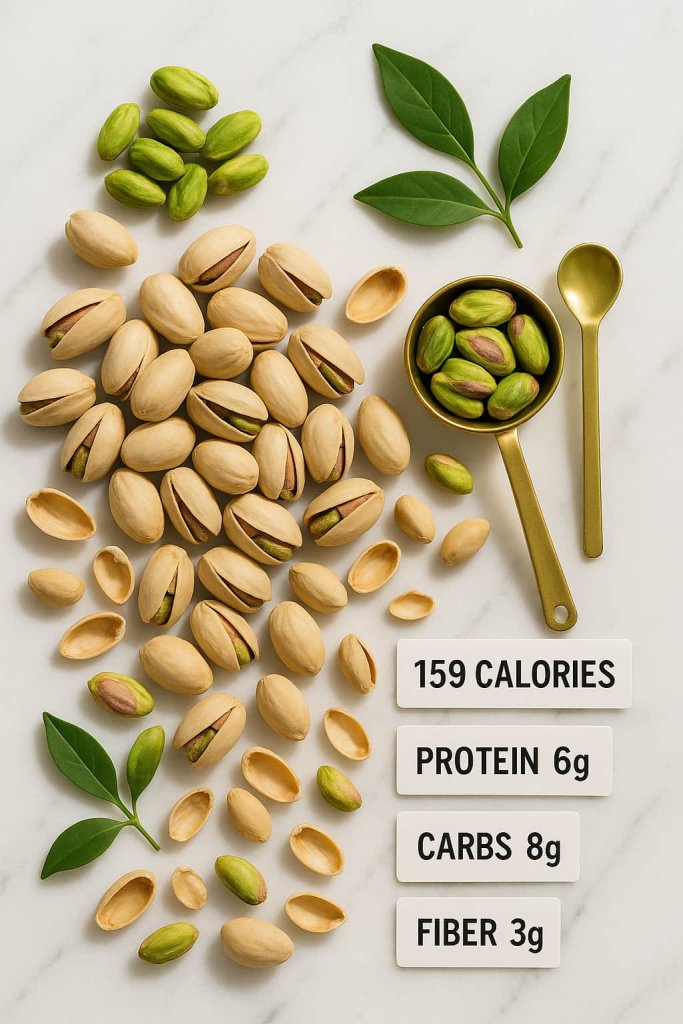
According to the USDA FoodData Central (2024 update), pistachios offer a balanced nutrient profile per 1-ounce serving (about 49 kernels).
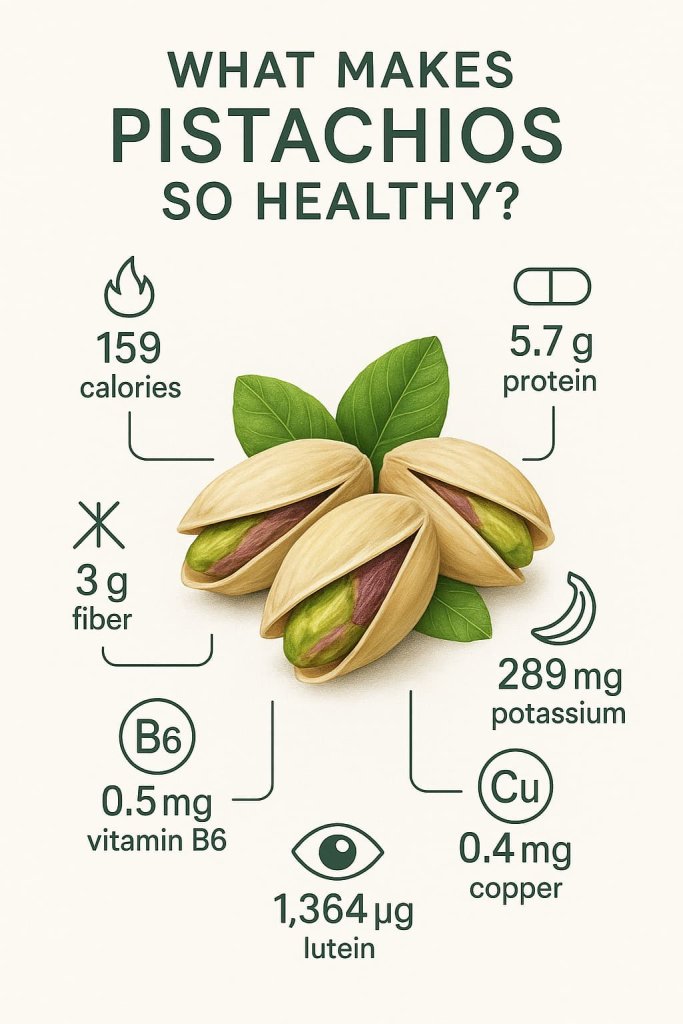
Nutritional Profile of Pistachios (Per 1 oz / 28 g Serving)
| Nutrient | Amount | % Daily Value (DV*) | Key Health Role |
|---|---|---|---|
| Calories | 159 kcal | — | Provides energy from healthy fats and protein |
| Protein | 6 g | 12 % | Builds and repairs body tissues |
| Total Fat | 13 g (mostly unsaturated) | 20 % | Supports heart and brain health |
| Carbohydrates | 8 g | 3 % | Provides sustained energy |
| Fiber | 3 g | 12 % | Aids digestion and supports satiety |
| Potassium | 290 mg | 6 % | Helps regulate blood pressure |
| Magnesium | 34 mg | 8 % | Supports muscle and nerve function |
| Vitamin B6 | 0.5 mg | 25 % | Vital for brain and immune function |
| Copper | 0.4 mg | 20 % | Promotes energy metabolism and iron absorption |
| Lutein + Zeaxanthin | 2.9 mg | — | Protects eyes from oxidative stress |
*Percent Daily Values are based on a 2,000-calorie diet.
Why It Matters:
This unique combination of protein, fiber, antioxidants, and healthy fats makes pistachios one of the most nutrient-efficient nuts for supporting long-term wellness.
Harvard’s Nutrition Source on Nuts notes that regularly consuming nuts such as pistachios is associated with better heart health, improved weight control, and reduced risk of chronic disease.
In short, pistachios deliver more nutrients per calorie than most other snack nuts — making them an ideal choice for both nutrition and overall wellness.
10 Proven Health Benefits of Pistachios (Backed by Science)
Pistachios are more than a crunchy snack — they’re a nutrient powerhouse that supports heart, gut, and overall metabolic health.
Here’s what modern research reveals about the top science-backed benefits of adding pistachios to your diet.
1. Supports Heart Health
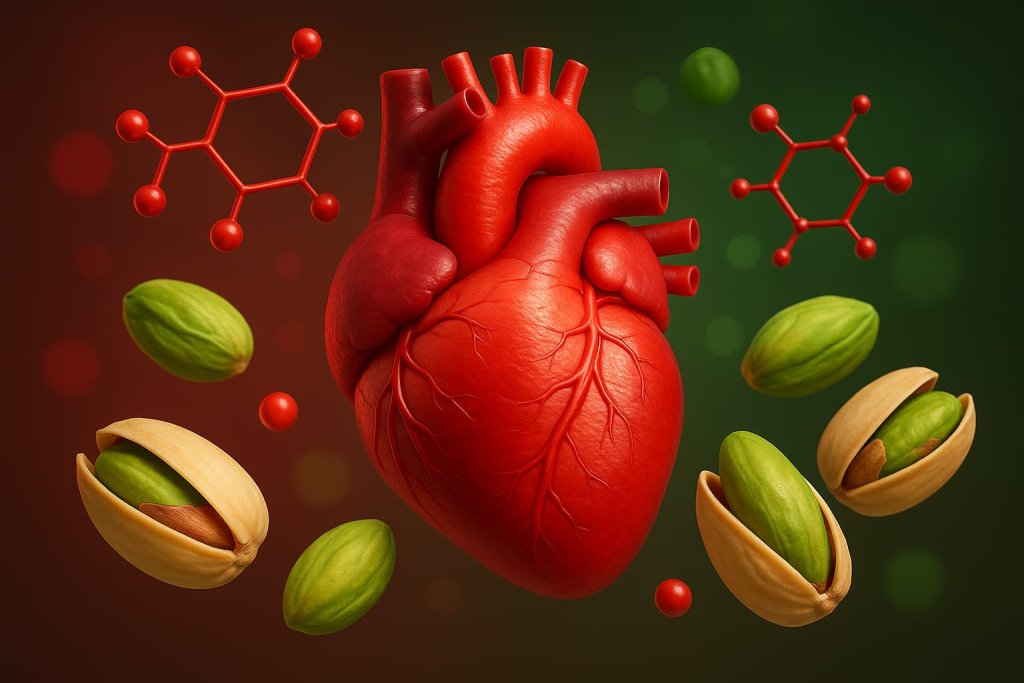
Pistachios are rich in monounsaturated fats, plant sterols, and antioxidants that may help maintain healthy cholesterol levels and blood vessel function.
A 2023 Nutrients meta-analysis found that regular pistachio intake reduced LDL (“bad”) cholesterol and triglycerides while increasing HDL (“good”) cholesterol.
These heart-protective effects are attributed to their fiber, potassium, and polyphenols, which support endothelial function and circulation.
According to the Harvard T.H. Chan School of Public Health, replacing saturated fats with unsaturated fats from nuts like pistachios may reduce cardiovascular disease risk.
Tip: Replace high-sodium processed snacks with unsalted pistachios to support healthy blood pressure and overall heart function.
2. Helps Manage Weight

Although pistachios are relatively high in calories, scientific evidence shows they can support healthy weight management when consumed in moderation. Their balance of plant-based protein, dietary fiber, and healthy fats promotes fullness and reduces the likelihood of overeating.
A 2020 randomized controlled trial published in the International Journal of Obesity (via PubMed Central) found that participants who included pistachios daily in a behavioral weight-loss program achieved similar weight loss to the control group but showed better diet quality, higher fiber intake, and improved cardiovascular risk markers. This suggests that pistachios can be part of a calorie-controlled plan without hindering progress — and may even enhance nutritional balance.
Researchers also highlight the “pistachio principle” — the idea that eating in-shell pistachios slows consumption, increases awareness, and naturally limits intake while maintaining satisfaction.
According to WebMD’s updated nutrition guidance, a 1-ounce serving (about 49 kernels) is ideal for most adults. Choosing unsalted, dry-roasted pistachios as a substitute for processed snacks can support satiety, weight maintenance, and long-term metabolic health.
Pro tip: Pair pistachios with high-protein or fiber-rich foods — such as Greek yogurt, oatmeal, or fresh fruit — to enhance fullness and sustain energy throughout the day.
3. May Support Blood Sugar Balance
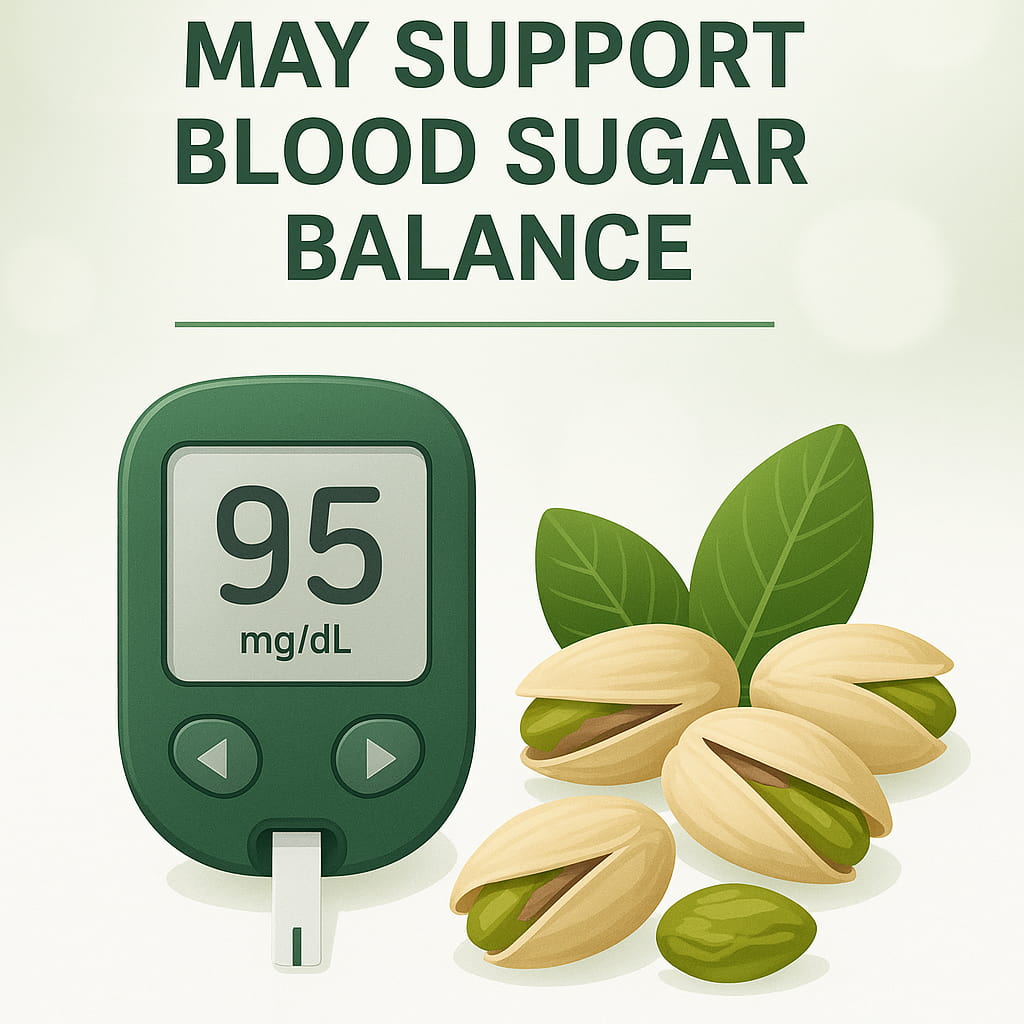
Pistachios have a low glycemic index and contain fiber, protein, and good fats that slow sugar absorption into the bloodstream.
In a Diabetes Care randomized controlled trial, adults with prediabetes who ate pistachios experienced improved fasting glucose, insulin sensitivity, and inflammation markers.
Their magnesium and polyphenol content may further support metabolic balance and insulin response.
Best practice: Pair pistachios with fruit or Greek yogurt for a satisfying, blood-sugar-friendly snack.
4. Promotes Gut Health
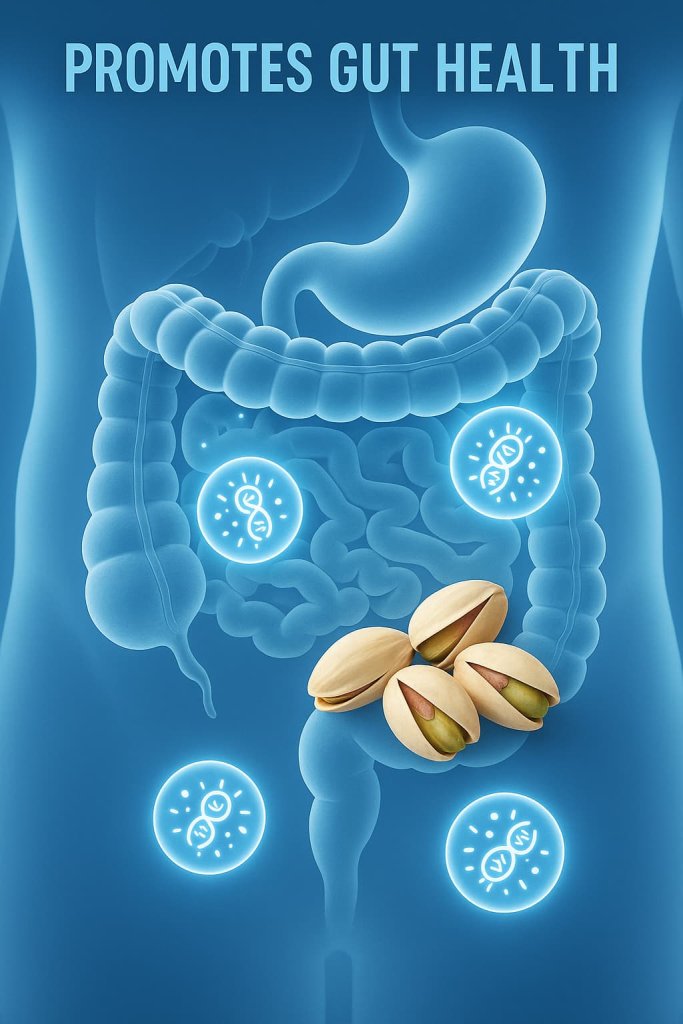
Pistachios naturally act as a prebiotic, providing fiber and compounds that feed beneficial gut bacteria.
A 2024 Penn State University study found that pistachio consumption increased beneficial bacteria such as Bifidobacterium and Lactobacillus, improving overall gut microbial diversity.
This microbiome balance supports digestion, immune health, and nutrient absorption.
Compared with almonds, pistachios deliver higher levels of prebiotic fiber and polyphenols, enhancing their gut-supporting potential.
Key takeaway: Regular pistachio intake can help maintain a healthy digestive system and microbiome.
5. May Support Eye Health
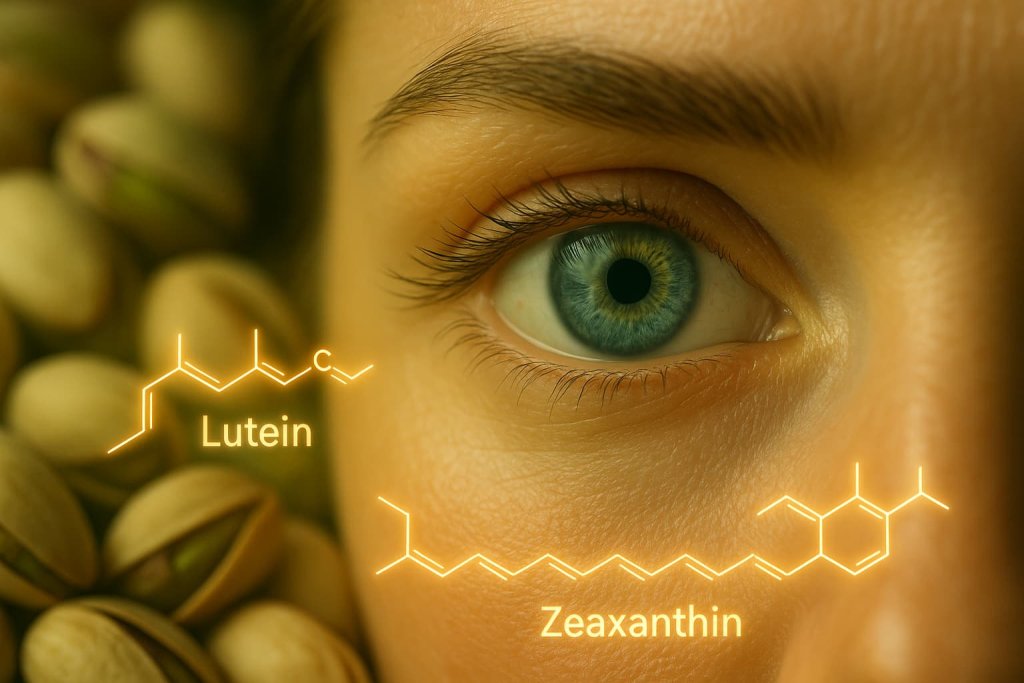
Pistachios are one of the few nuts rich in lutein and zeaxanthin, carotenoids vital for protecting eyes from oxidative stress.
The American Optometric Association explains these nutrients act as natural filters of blue light, potentially reducing the risk of age-related macular degeneration and cataracts.
Alongside leafy greens, pistachios provide a convenient way to support long-term visual wellness.
Quick tip: Add a handful of pistachios to salads or yogurt parfaits to boost daily intake of these eye-protective antioxidants.
6. Rich in Antioxidants
Pistachios are exceptionally rich in antioxidants such as polyphenols, anthocyanins, and vitamin E (gamma-tocopherol), which help protect cells from oxidative stress.
A Food Chemistry (2022) study found that pistachios have one of the highest total antioxidant capacities among common nuts, surpassing almonds and walnuts.
The NIH Office of Dietary Supplements notes that vitamin E supports immune health and skin protection by guarding cells against free-radical damage.
Regular intake of pistachios may help support healthy aging, strong immunity, and skin vitality.
7. Supports Healthy Blood Pressure
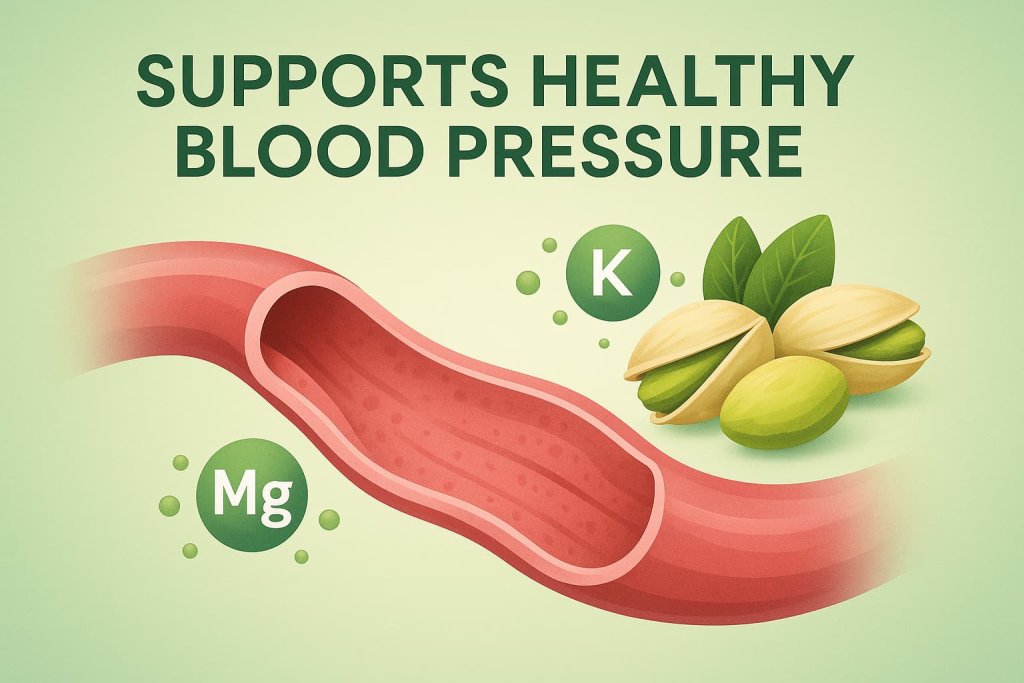
Pistachios contain significant amounts of potassium and magnesium, both crucial for blood-pressure regulation.
A review in Hypertension Research (2021) reported that pistachio intake improved vascular reactivity and reduced systolic blood pressure among adults with elevated levels.
Their amino acid L-arginine supports nitric-oxide production, which helps relax blood vessels and promote smoother circulation.
The American Heart Association includes pistachios among heart-friendly nuts beneficial for maintaining healthy blood pressure.
8. May Benefit Skin Health

The vitamin E, copper, and healthy fats in pistachios support skin integrity and hydration.
Vitamin E is an antioxidant that protects skin from UV-induced oxidative stress, while copper contributes to collagen formation and tissue strength.
The Cleveland Clinic notes that vitamin E-rich foods like pistachios may help maintain soft, resilient skin as part of a nutrient-balanced diet.
Pro tip: Combine pistachios with vitamin C-rich foods (like oranges or berries) to support collagen synthesis naturally.
9. May Support Brain and Nerve Function

Pistachios provide vitamin B6, vital for neurotransmitter production, including serotonin, dopamine, and GABA — key regulators of mood and cognition.
Research in Frontiers in Nutrition indicates that diets rich in B-vitamins may support mental alertness and reduce fatigue.
Pistachios also contain antioxidants and omega-9 fats that support neuronal health and circulation, potentially benefiting memory and focus.
Insight: Including a handful of pistachios daily may complement brain-supportive habits like regular exercise and omega-3 intake.
10. Supports Healthy Metabolism
Packed with protein, fiber, copper, manganese, and phosphorus, pistachios support energy metabolism and nutrient utilization.
Copper and manganese activate antioxidant enzymes, while protein and B-vitamins assist in building and repairing tissues.
According to the USDA FoodData Central, one ounce of pistachios provides 6 grams of protein and 3 grams of fiber — nutrients linked to steady energy and metabolic balance.
Including pistachios as part of a Mediterranean-style diet may further support long-term metabolic wellness and weight stability.
How to Eat Pistachios for Maximum Benefits
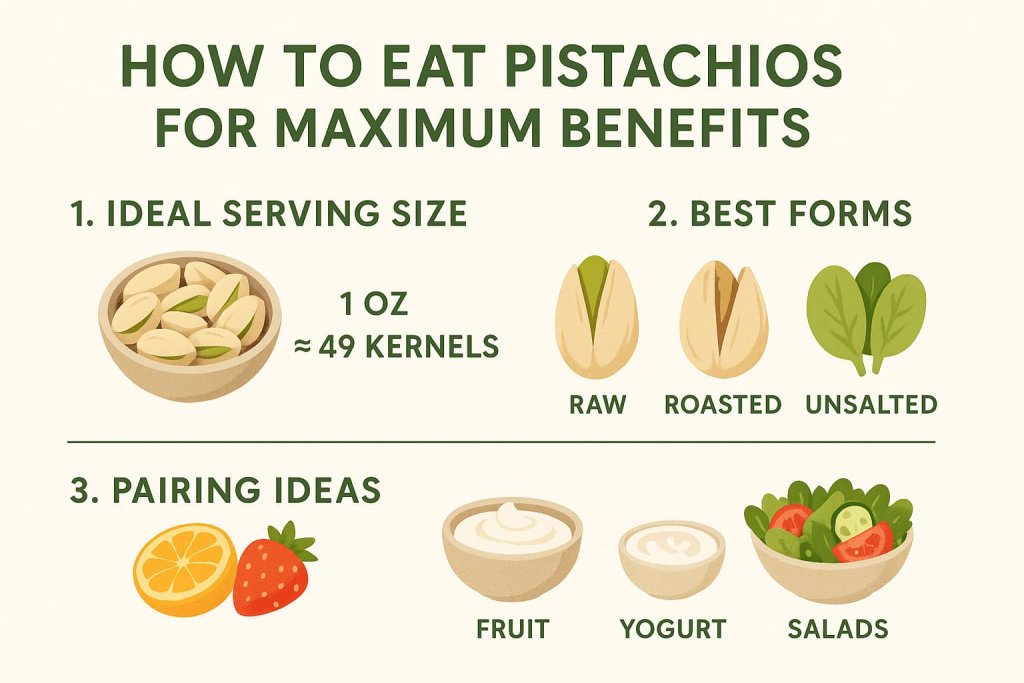
To get the most out of pistachios, focus on portion control, preparation, and smart pairing. The key is to enjoy them as part of a balanced diet — not as an add-on to excess calories.
Ideal Serving Size
The recommended daily serving of pistachios is about 1 ounce (28 grams or roughly 49 kernels), according to the latest guidance from the Harvard T.H. Chan School of Public Health. This portion delivers a balanced mix of healthy fats, plant-based protein, and dietary fiber without significantly increasing overall calorie intake.
A 1-ounce serving provides approximately 159 calories, 6 grams of protein, 3 grams of fiber, and 13 grams of mostly unsaturated fat, based on data from the USDA FoodData Central. This nutrient density makes pistachios one of the most efficient snacks for supporting heart, weight, and metabolic health.
If you’re managing weight, blood sugar, or cholesterol, measure your portion instead of eating straight from the bag. Consuming pre-portioned pistachios encourages mindful eating — a habit shown to improve dietary control and satiety.
Pro tip: Opt for unsalted or lightly salted pistachios to avoid excess sodium, and enjoy them as a mid-morning or afternoon snack for steady energy and balanced nutrition.
Best Forms
- Raw or dry-roasted: These retain maximum nutrients and healthy fats.
- Unsalted: Choose sodium-free or lightly salted pistachios to avoid raising blood pressure.
- Avoid: Candied or flavored varieties high in sugar or oil.
Healthy Pairings & Timing
- Midday snack: Combine with fruit (e.g., apple or banana) for balanced carbs and protein.
- Smoothies: Add shelled pistachios or pistachio butter for extra protein and creaminess.
- Salads or yogurt: Sprinkle crushed pistachios for crunch and added antioxidants.
- Post-workout: Pair with Greek yogurt for a protein-fiber combo that supports recovery.
Pro tip: Eating in-shell pistachios slows down snacking and increases portion awareness — a mindful habit often called the pistachio principle.
Possible Side Effects and Precautions (Safety & Compliance)
While pistachios are generally safe and nutritious, moderation and awareness are important. Below is a summary of potential risks and precautions.
| Concern | Description | Guidance |
|---|---|---|
| Allergies | Pistachios are tree nuts and can cause allergic reactions such as itching, swelling, or breathing difficulty in sensitive individuals. | Check the FDA’s Food Allergen Labeling and Consumer Protection Act for allergen labeling; avoid if diagnosed with a tree nut allergy. |
| Sodium Content | Salted pistachios may raise blood pressure and fluid retention. | Choose unsalted or lightly salted options to maintain heart health (Cleveland Clinic, 2024). |
| Portion Control | Overeating can add extra calories due to high energy density. | Stick to ~1 oz daily (≈49 kernels). |
| Oxalates and Kidney Health | Pistachios contain small amounts of oxalates, which can contribute to kidney stones in sensitive people. | Stay hydrated and limit intake if you have a history of kidney stones. |
| Medication Interactions | High potassium in pistachios may interact with certain medications for kidney or heart conditions. | Consult your healthcare provider if you’re on potassium-restricted medication. |
| Pregnancy & Breastfeeding | Pistachios are safe in food amounts and provide folate, healthy fats, and protein. | Avoid heavily salted or flavored types during pregnancy. |
Authoritative Source: Cleveland Clinic – Are Pistachios Good for You?
Storage and Food Safety Tips
Proper storage helps maintain the flavor, freshness, and nutrient quality of pistachios while preventing rancidity or mold growth.
- Storage Temperature: Keep pistachios in a cool, dry place (below 70°F / 21°C).
- Airtight Container: Store in airtight glass or BPA-free containers to prevent moisture absorption.
- Refrigeration: Extend shelf life up to 1 year when stored in the refrigerator.
- Freezing Option: Shelled pistachios can be frozen for 12–18 months without losing nutrients.
- Avoid Sunlight: Keep away from direct heat and light to prevent oxidation of healthy fats.
- Check Freshness: Discard pistachios with off odors or a bitter taste.
According to the USDA Food Safety and Inspection Service, dry, airtight, and temperature-controlled storage is key to preventing spoilage and maintaining safety.
Frequently Asked Questions (FAQ)
1. How many pistachios should I eat daily?
About 1 ounce (49 nuts) per day is a healthy serving for most adults — enough to get key nutrients without excess calories.
2. Are pistachios good for diabetics?
Yes. Pistachios have a low glycemic index and may help regulate blood sugar levels when eaten as part of a balanced diet (NIH, 2023).
3. Can pistachios cause bloating or gas?
Excessive portions may cause mild digestive discomfort due to fiber. Start with smaller servings if sensitive.
4. Are roasted pistachios less nutritious than raw?
Light roasting preserves most nutrients. Avoid heavily fried or flavored versions with added oils or sugar.
5. Can pistachios be eaten at night?
Yes — they’re a great evening snack. Pistachios contain melatonin, which may support better sleep quality.
6. Are pistachios safe during pregnancy?
Yes, in food amounts. They provide healthy fats, protein, and folate beneficial for maternal health.
7. Are pistachios healthier than other nuts?
They offer one of the highest antioxidant levels and more potassium per serving than almonds or walnuts, according to USDA FoodData Central.
Conclusion
Pistachios are one of the most nutrient-packed nuts available, providing a rich mix of protein, fiber, antioxidants, and heart-healthy fats that support whole-body wellness.
Scientific studies show they may help improve heart health, blood sugar balance, and gut function — while also supporting healthy weight and metabolism.
The key is moderation and quality: choose unsalted, dry-roasted pistachios, enjoy mindful portions, and store them properly for the best benefits.
This content is for informational purposes only and not medical advice.