
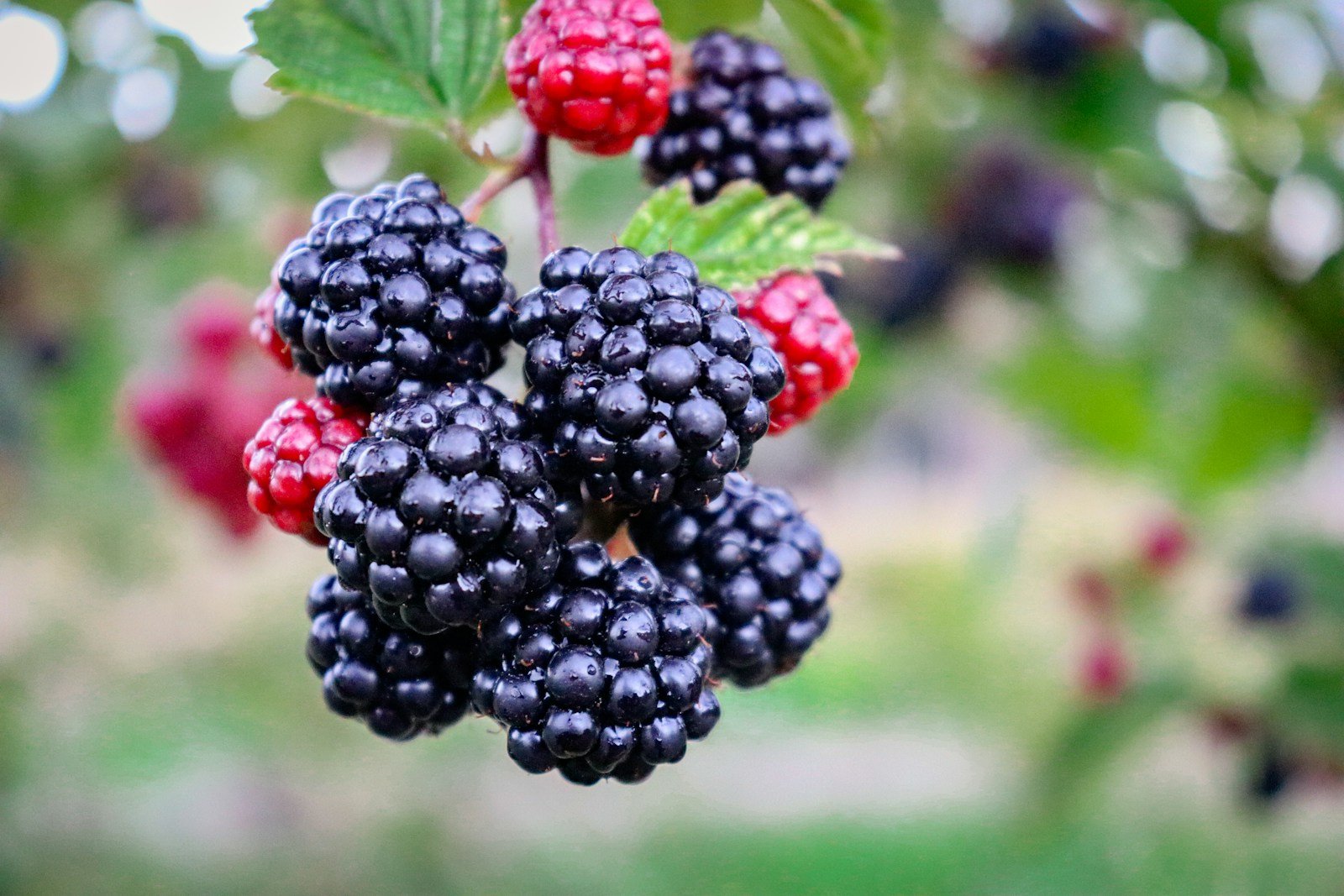
Blackberries are rich in vitamins, minerals, fiber, and powerful antioxidants that may support heart, brain, and immune health. Packed with anthocyanins, vitamin C, and polyphenols, these small dark berries offer a wide range of evidence-based wellness benefits. Understanding how blackberries support your body—from cellular protection to digestive balance—can help you make smarter, nutrient-rich choices.
This article explores the top 10 proven health benefits of blackberries, their nutritional value, and practical tips for including them in your diet, backed by current research (2024–2025) and authoritative sources such as the Harvard T.H. Chan School of Public Health, NIH, and USDA FoodData Central.
What Are Blackberries? (Overview and Nutrition Profile)
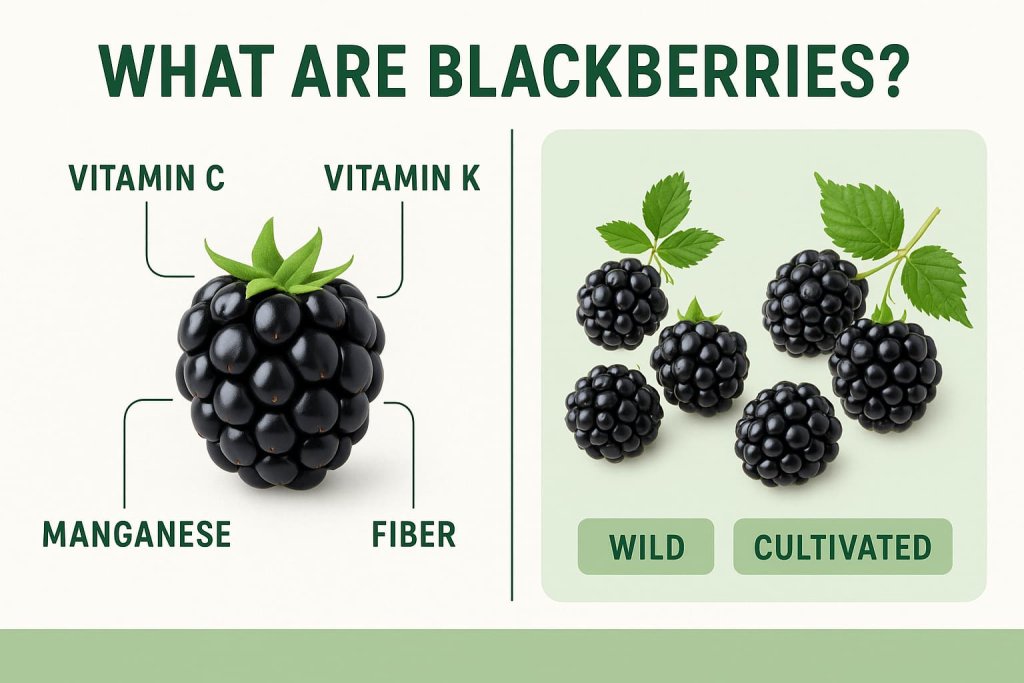
Blackberries (Rubus fruticosus) are nutrient-rich, dark-purple fruits belonging to the Rosaceae family, which also includes raspberries and strawberries. Technically, each “berry” is an aggregate fruit, made up of multiple tiny drupelets clustered around a central core—each containing its own seed and juice.
Native to Europe and North America, blackberries thrive in temperate climates and have been consumed for centuries for both their nutritional and medicinal value. Today, they’re widely cultivated across the U.S., particularly in Oregon, California, and the Pacific Northwest, which produce most of the country’s fresh blackberries.
Botanical Background and Varieties
The genus Rubus includes both wild (trailing or dewberries) and cultivated (thornless or hybrid) blackberry varieties.
- Wild blackberries: Often smaller, darker, and more tart, but tend to have higher concentrations of anthocyanins (natural pigments with antioxidant properties).
- Cultivated blackberries: Typically larger, sweeter, and juicier with fewer thorns, making them ideal for commercial harvesting and consumption.
Both varieties are nutrient-dense and contribute valuable vitamins, minerals, and fiber.
Nutritional Profile (Per 1 Cup, ~144 g — Source: USDA FoodData Central, 2024)
| Nutrient | Amount | % Daily Value (approx.) |
|---|---|---|
| Calories | 62 kcal | — |
| Water | 88% | — |
| Carbohydrates | 14 g | — |
| Dietary Fiber | 7.6 g | 27% |
| Protein | 2 g | 4% |
| Fat | 0.7 g | 1% |
| Vitamin C | 30.2 mg | 33% |
| Vitamin K | 28.5 µg | 24% |
| Folate (B9) | 36 µg | 9% |
| Manganese | 0.9 mg | 43% |
| Potassium | 233 mg | 5% |
| Magnesium | 29 mg | 7% |
Nutritional Insights
Blackberries are low in calories and fat, yet high in fiber, vitamin C, and manganese, making them a nutrient-dense food that supports heart health, immunity, and digestion. Their deep color is due to anthocyanins, powerful plant compounds with antioxidant and anti-inflammatory properties that may help protect cells from oxidative damage.
They also contain ellagic acid, quercetin, and catechins, which contribute to their broad spectrum of bioactive benefits.
10 Proven Health Benefits of Blackberries (Backed by Science)
Blackberries are a nutrient-dense fruit rich in antioxidants, fiber, and vitamins that support overall wellness. Scientific research shows they may help protect against oxidative stress, promote cardiovascular function, and contribute to digestive, brain, and skin health.
1. Provides Powerful Antioxidants
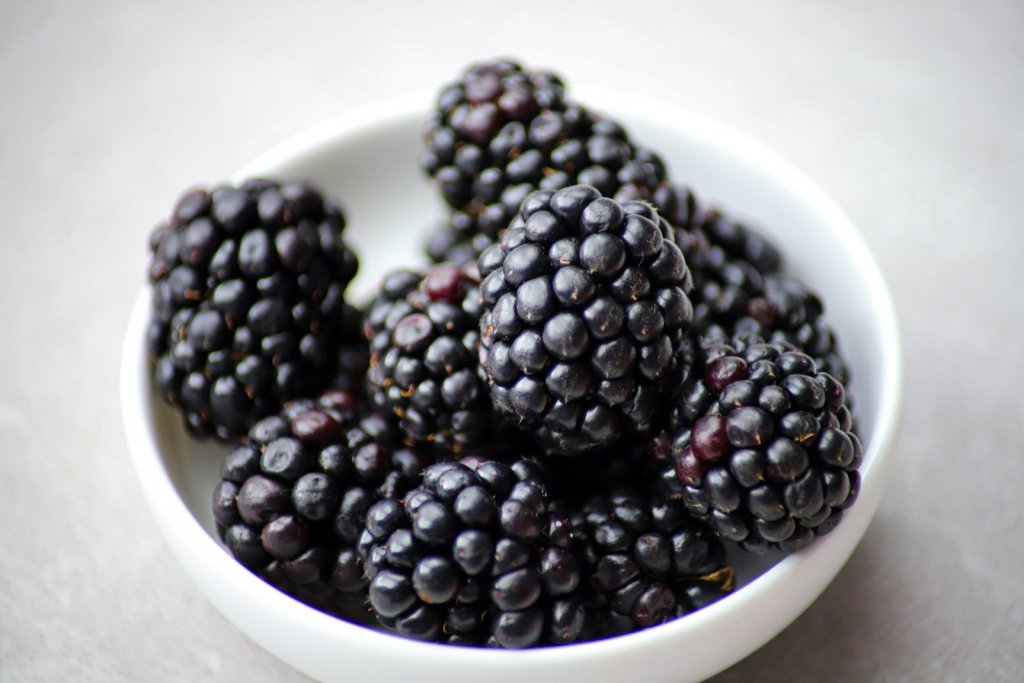
Blackberries are among the most antioxidant-rich fruits available, containing anthocyanins, ellagic acid, and flavonols. These compounds help neutralize free radicals and reduce oxidative stress that contributes to cellular aging.
A 2024 review published in Frontiers in Nutrition found that blackberry polyphenols demonstrate strong antioxidant and anti-inflammatory properties, potentially supporting long-term cellular and metabolic health (Frontiers in Nutrition, 2024).
Including a variety of dark berries like blackberries in your diet may help maintain oxidative balance and promote healthy aging.
2. Supports Heart and Cardiovascular Health
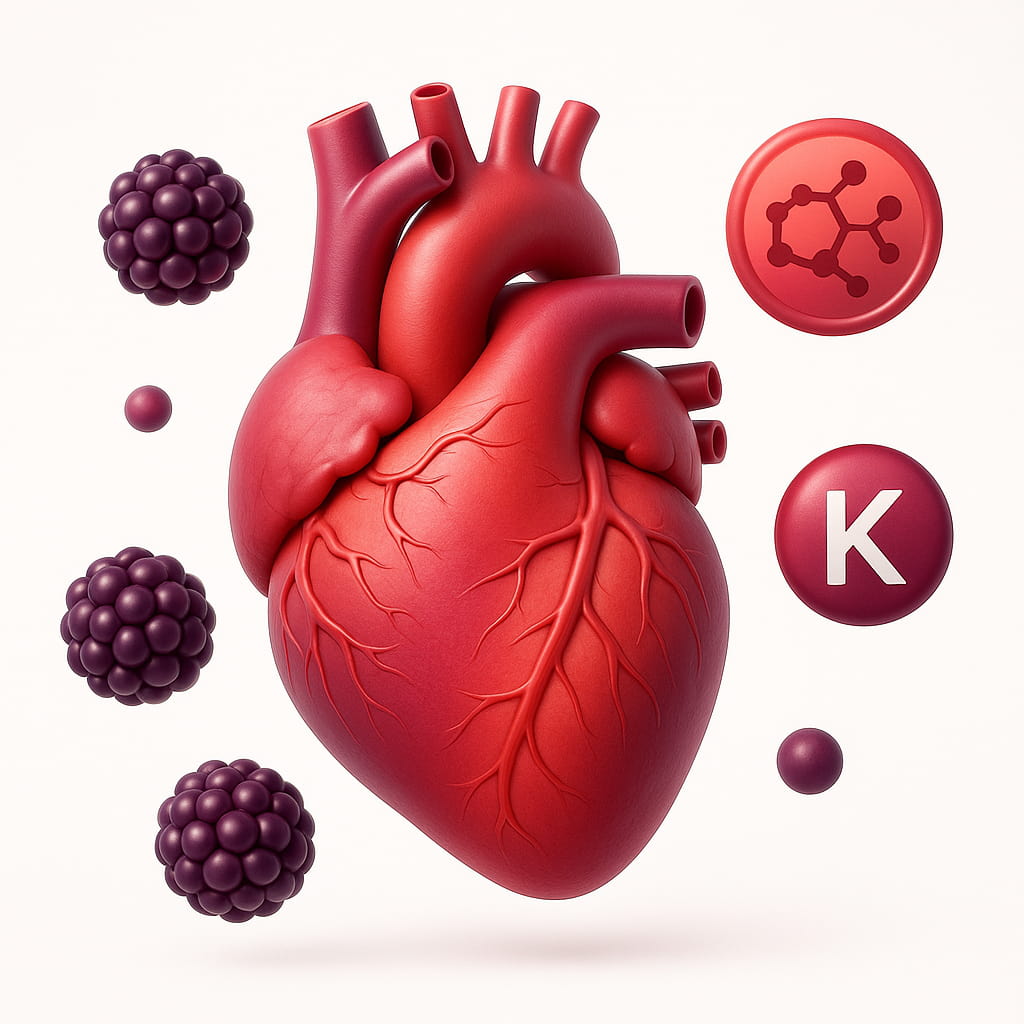
Blackberries are naturally rich in anthocyanins and potassium, which may support normal blood pressure and vascular elasticity. These nutrients work synergistically to help maintain healthy circulation and reduce oxidative stress in blood vessels.
A 2025 PubMed-indexed study found that blackberry extract produced vasorelaxant and hypotensive effects, suggesting a role in promoting vascular health and blood flow (PubMed, 2025).
Including blackberries regularly as part of a heart-healthy eating pattern—such as the DASH or Mediterranean diet—may further support cardiovascular function.
3. Promotes Brain and Cognitive Function

Blackberries are rich in polyphenols and anthocyanins, compounds that may help support brain and cognitive health by protecting neurons from oxidative stress and promoting healthy communication between brain cells. These bioactives are known to influence memory, coordination, and learning by reducing inflammation and enhancing neuronal signaling pathways.
A 2021 systematic review published in Nutrients found that regular consumption of berry-derived anthocyanins was associated with improved memory performance, executive function, and brain blood flow in adults. Researchers concluded that berries such as blackberries may help preserve cognitive function and slow age-related decline through their potent antioxidant effects (Nutrients, 2021 – PMC).
Incorporating blackberries and other deeply pigmented fruits—like blueberries and raspberries—into your diet can be a natural way to support long-term brain wellness and mental clarity, especially as part of a balanced diet emphasizing whole plant foods and antioxidants.
4. Supports Digestive and Gut Health

With nearly 8 grams of dietary fiber per cup, blackberries are a natural fiber powerhouse. Dietary fiber supports bowel regularity and feeds beneficial gut bacteria, which play a key role in digestion and immune balance.
According to the Harvard T.H. Chan School of Public Health, fiber-rich fruits like blackberries contribute to a healthy gut microbiome and are associated with reduced risk of chronic conditions such as type 2 diabetes and heart disease.
Pairing blackberries with probiotic foods like yogurt may further enhance digestive support.
5. Helps Regulate Blood Sugar and Insulin Response
Blackberries have a low glycemic index and are rich in polyphenols and soluble fiber, which help slow carbohydrate absorption and promote steady blood glucose levels.
A controlled dietary study published on the National Institutes of Health’s PMC database found that consuming blackberries improved insulin sensitivity and fat oxidation in overweight men.
Including blackberries as part of balanced meals or snacks may support metabolic health and stable energy levels throughout the day.
6. Supports Immune Function
One cup of blackberries provides about 30 mg of vitamin C, roughly one-third of the daily requirement for adults. Vitamin C supports immune cell activity, collagen formation, and antioxidant defense.
The NIH Office of Dietary Supplements highlights vitamin C as essential for immune function and for protecting the body from oxidative stress.
Regular intake of vitamin C–rich fruits like blackberries may help your body defend against everyday environmental stressors.
7. Promotes Healthy Skin and Aging

The combination of vitamin C, ellagic acid, and anthocyanins in blackberries supports collagen production and helps protect the skin from premature aging caused by UV exposure and oxidative stress.
A 2024 study in MDPI Cosmetics reported that blackberry extract enhanced skin elasticity and hydration, confirming its potential in skin-supportive nutrition (MDPI Cosmetics, 2024).
Incorporating blackberries and other colorful fruits may support radiant skin and healthy cellular renewal.
8. May Support Bone and Cellular Health
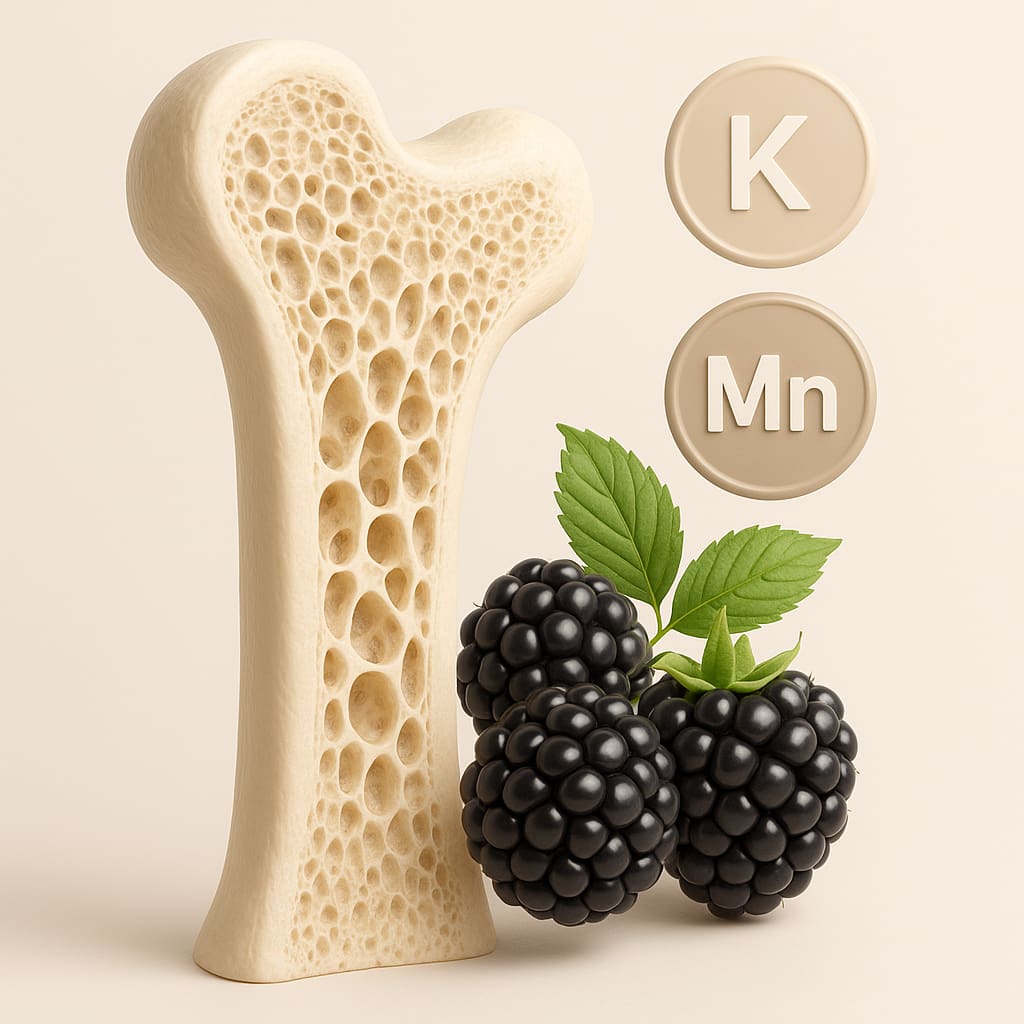
Blackberries contain vitamin K, manganese, and magnesium, all vital for bone metabolism and tissue repair. Vitamin K supports calcium utilization in bone tissue, while manganese assists in collagen formation.
The NIH Office of Dietary Supplements states that adequate vitamin K intake is associated with better bone density and lower fracture risk.
Enjoying blackberries regularly can complement a calcium-rich diet for long-term skeletal health.
9. May Aid Weight Management
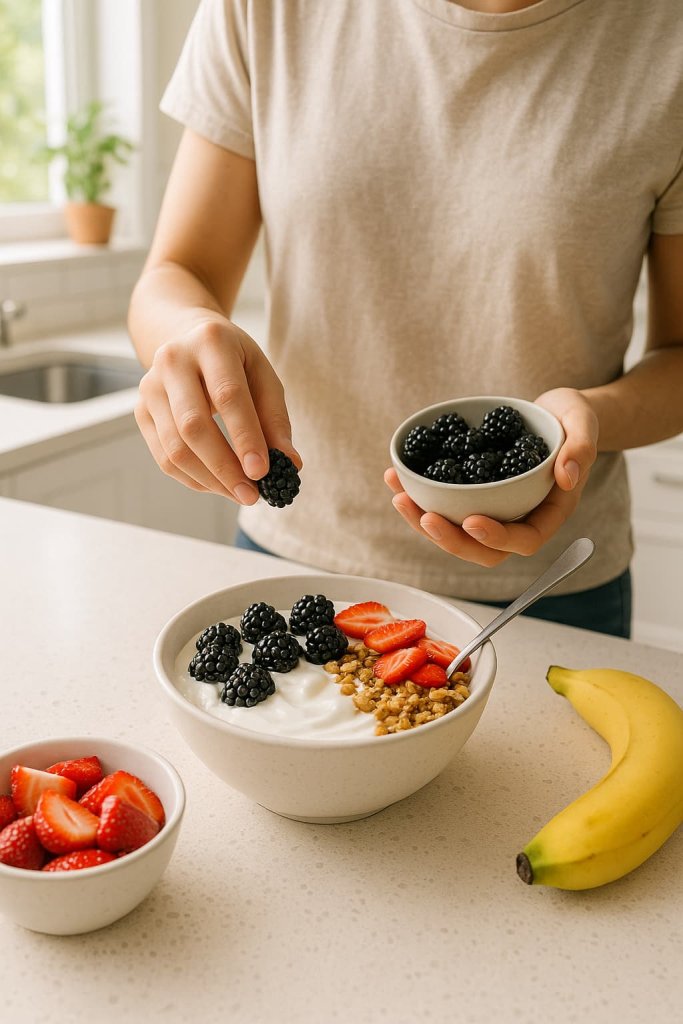
Blackberries’ high fiber and water content make them both satisfying and naturally low in calories—about 62 calories per cup. The fiber helps promote satiety by slowing digestion, stabilizing blood sugar, and moderating hunger hormones, which can support a healthy calorie balance throughout the day.
The Centers for Disease Control and Prevention (CDC) emphasizes that foods low in energy density—such as fruits and vegetables—can help with healthy weight management because they allow you to eat larger, more satisfying portions for fewer calories (CDC – Cutting Calories While Eating Healthy).
Adding blackberries to yogurt, oatmeal, or leafy salads offers a nutrient-dense way to satisfy sweet cravings while supporting a balanced, weight-friendly diet rich in fiber, antioxidants, and hydration-promoting foods.
10. Supports Detoxification and Liver Health

Blackberries are rich in anthocyanins and ellagitannins, compounds that may help support liver detoxification pathways and reduce oxidative stress in hepatic tissues.
A 2023 study in Nutrients highlighted how berry polyphenols contribute to protecting liver cells from oxidative injury and enhancing the body’s natural detox systems (MDPI Nutrients Journal, 2023).
Including blackberries as part of a diet emphasizing plant-based antioxidants may support overall liver and metabolic wellness.
How to Eat and Store Blackberries
Blackberries are delicate, highly perishable fruits that should be handled and stored with care to preserve their nutrients, freshness, and flavor. Following proper food safety practices ensures you enjoy their full health benefits while minimizing the risk of contamination.
Safe Washing and Handling (FDA Guidelines)
According to the U.S. Food and Drug Administration (FDA), blackberries should be washed only right before eating or cooking, not in advance, as moisture accelerates spoilage.
- Washing: Rinse gently under cool running water. Avoid using soap, bleach, or vinegar.
- Handling: Dry with a clean paper towel and discard any moldy or bruised berries.
- Utensils: Always use clean hands and utensils when preparing or serving blackberries to prevent cross-contamination. The FDA recommends washing cutting boards, knives, and surfaces with hot, soapy water after contact with raw foods and before using them for fresh produce.
- For full safety guidance, see the FDA – Selecting and Serving Produce Safely.
Refrigeration and Storage
- Temperature: Store fresh blackberries in the refrigerator at or below 40°F (4°C).
- Packaging: Keep in a breathable container or a paper towel–lined box to absorb excess moisture.
- Shelf life: Typically 3–5 days for fresh berries; discard if soft spots or an off-odor develop.
Freezing and Drying Tips
- Freezing: Spread washed and dried berries on a baking sheet, freeze until solid, and transfer to airtight freezer bags. Frozen blackberries retain most nutrients for up to 6 months.
- Drying: Dehydrate at low temperature (135°F/57°C) until leathery; store in a cool, dark place in sealed jars.
Serving and Pairing Ideas
- Blend into smoothies or protein shakes for an antioxidant boost.
- Top oatmeal, yogurt, or salads for natural sweetness and fiber.
- Use in homemade sauces or baked goods for added flavor and nutrition.
Possible Side Effects and Precautions
While blackberries are generally safe for most people, a few precautions should be considered for those with specific sensitivities or medical conditions.
1. Mild Allergies or Cross-Reactivity
Some individuals may experience mild oral allergy symptoms (e.g., itching or tingling) after eating blackberries, particularly if they are also sensitive to other berries or birch pollen. Such reactions are usually rare and mild.
2. Interaction with Anticoagulant Medications
Blackberries naturally contain vitamin K, a nutrient essential for blood clotting and bone health. For individuals taking anticoagulant medications such as warfarin (Coumadin®), it’s important to maintain a consistent vitamin K intake to prevent fluctuations in medication effectiveness. Sudden increases or decreases in vitamin K consumption can interfere with how these drugs regulate blood clotting.
The U.S. Food and Drug Administration (FDA) advises that food–drug interactions can significantly affect how medications work and should always be discussed with a healthcare provider. Reading medication labels carefully and consulting your doctor before changing your diet helps ensure both safety and drug efficacy (FDA – Drug Interactions: What You Should Know).
3. Digestive Sensitivity
Due to their high fiber content (7.6 g per cup), consuming large amounts may cause temporary bloating or gas in sensitive individuals. Gradually increasing fiber intake and staying hydrated helps minimize discomfort.
Overall, moderate daily consumption of blackberries is considered safe for healthy adults and can be part of a balanced diet.
Frequently Asked Questions (FAQ)
1. Are blackberries good for heart health?
Yes. Blackberries are rich in anthocyanins, potassium, and fiber, which support healthy blood pressure and vascular function when consumed regularly.
2. Do frozen blackberries have the same benefits?
Yes. If flash-frozen soon after harvest, frozen blackberries retain most vitamins, minerals, and antioxidants, making them just as nutritious as fresh ones.
3. Are blackberries safe for diabetics?
Yes. With their low glycemic index and high fiber content, blackberries may help stabilize blood sugar levels when eaten in moderation.
4. Can blackberries improve skin health?
Their vitamin C and anthocyanins support collagen synthesis and protect skin from oxidative stress, promoting a healthy, youthful appearance.
5. How many blackberries should I eat per day?
A standard serving of about 1 cup (150 g) per day provides beneficial nutrients and antioxidants as part of a balanced diet.
6. Are organic blackberries healthier?
Organic varieties reduce pesticide exposure, but both organic and conventional blackberries deliver similar nutrient and antioxidant profiles.
7. Can blackberries cause stomach upset?
Only in rare cases of excessive consumption or sensitivity to fiber; otherwise, they are generally well tolerated.
Conclusion
Blackberries are a nutrient-dense, antioxidant-rich fruit that supports heart, brain, immune, and digestive health while being low in calories. Their versatility makes them easy to include in both fresh and frozen forms—whether blended into smoothies, added to oatmeal, or enjoyed on their own.
Incorporating blackberries into your regular diet may support long-term wellness, balanced nutrition, and healthy aging.
This content is for informational purposes only and not medical advice.
References