
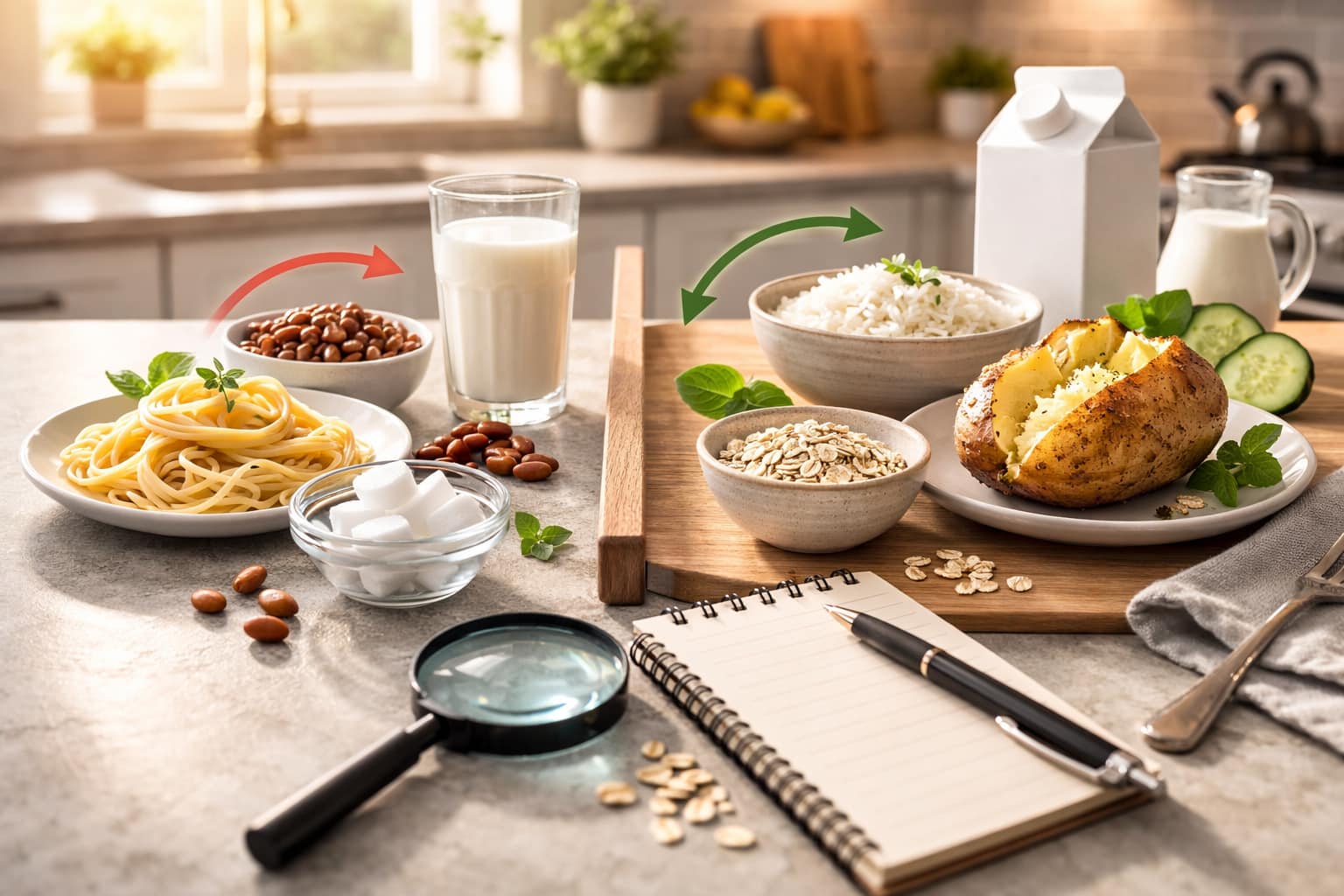
The worst foods for IBS are the ones that trigger your specific symptoms—most often high-FODMAP foods, fried/high-fat meals, spicy foods, caffeine, alcohol, and sugar alcohols. If you know your biggest triggers (and what to swap in), you can often reduce bloating, pain, diarrhea, constipation, or urgency without over-restricting. According to the National Institute of Diabetes and Digestive and Kidney Diseases, common diet approaches for IBS include adjusting fiber, avoiding gluten for some people, and trying a structured low-FODMAP plan—ideally with guidance.
What makes a food “bad” for IBS
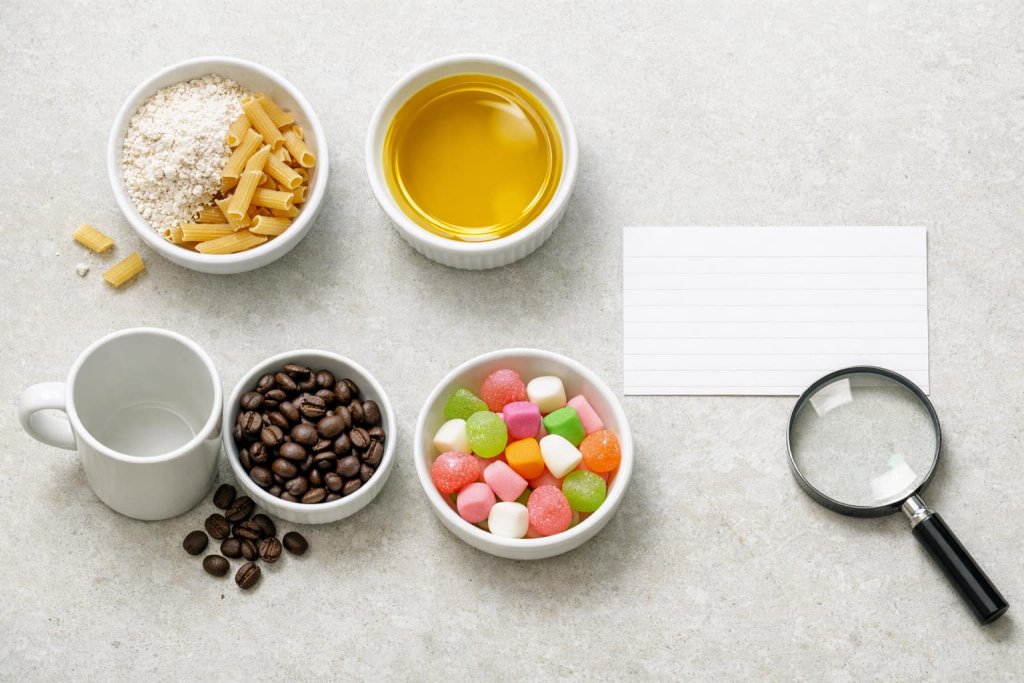
IBS triggers usually fall into a few categories:
- High-FODMAP carbohydrates that ferment in the gut and can worsen gas, bloating, pain, and bowel changes in sensitive people. The low-FODMAP approach was developed to help identify which FODMAPs you personally react to. According to Monash University, the Low FODMAP Diet limits foods high in certain short-chain carbs that can aggravate IBS symptoms.
- High-fat foods that may speed gut motility (often worsening diarrhea/urgency for some) or feel harder to digest.
- Irritants and stimulants like caffeine, alcohol, carbonation, and spicy foods, which can worsen symptoms for some people.
- Sugar alcohols (common in “sugar-free” products) that can draw water into the bowel and ferment.
IBS type matters (IBS-D vs IBS-C vs mixed)
IBS triggers can look different depending on your main pattern:
- IBS-D (diarrhea-predominant): People often react more to caffeine, alcohol, higher-fat meals, and sugar alcohols, and large portions can worsen urgency.
- IBS-C (constipation-predominant): Many do better with a gradual increase in soluble fiber (not bran-heavy insoluble fiber) plus consistent fluids.
- IBS-M (mixed): Triggers can shift week to week, so structured tracking and re-testing foods is especially useful.
If you’re not sure which type you have, a clinician can help classify symptoms and rule out other causes.
15 worst foods for IBS and safer swaps
These are “common triggers,” not universal rules. If a food here never bothers you, you don’t need to avoid it.
1) Onion
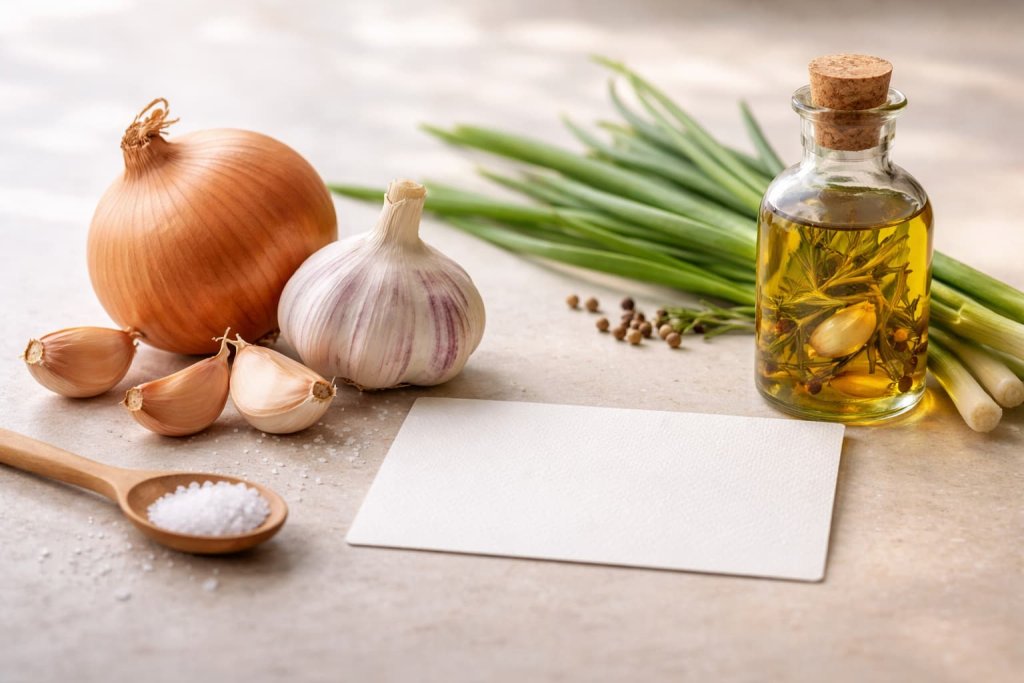
Onions are a frequent high-FODMAP trigger and are also commonly hidden in restaurant foods, soups, sauces, and seasoning blends. The NHS lists onions among foods that can be harder to digest for some people with IBS.
Safer swaps:
- Use green onion tops (scallion greens) or chives for onion flavor.
- Infuse flavor with garlic– or onion-infused oil (the flavor transfers, but the FODMAPs don’t dissolve well into oil).
2) Garlic
Garlic is another common high-FODMAP trigger and often “hides” in sauces, marinades, and spice mixes.
Safer swaps:
- Garlic-infused oil
- Asafoetida (hing) in tiny amounts (strong flavor)
3) Wheat-based bread
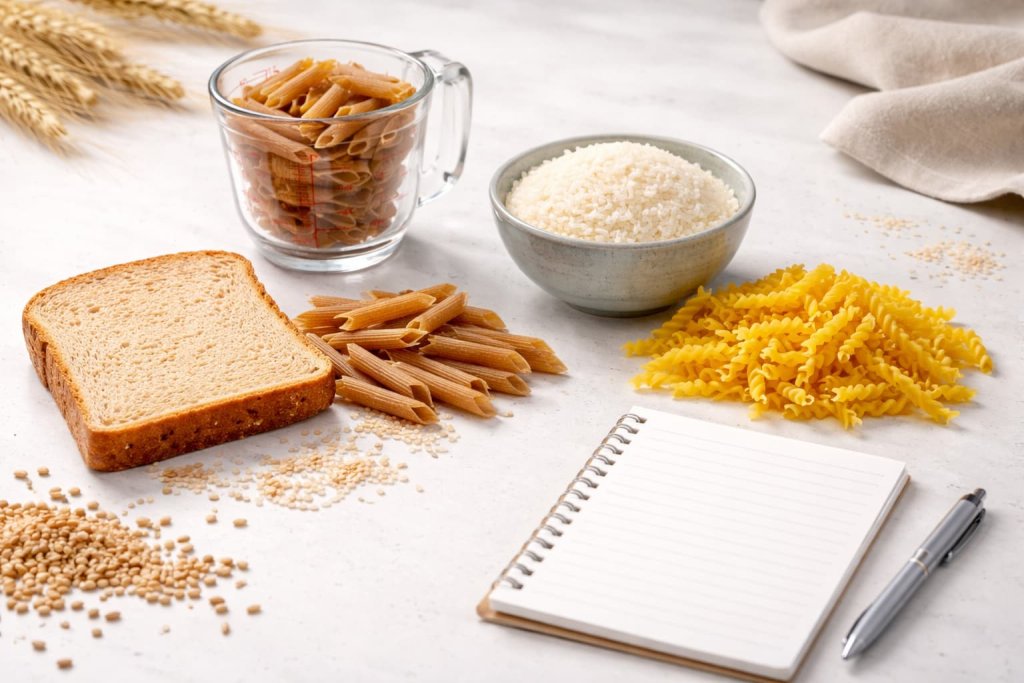
Wheat can trigger symptoms for many IBS patients, often due to fructans (a FODMAP). The American College of Gastroenterology notes that restricting FODMAPs can improve IBS symptoms for many people, especially when food clearly connects to symptoms.
Safer swaps:
- Gluten-free bread
- Rice cakes or corn tortillas (check tolerance)
- If you tolerate it, some people test sourdough-style breads in smaller portions
4) Regular pasta (wheat pasta)
Wheat pasta can be a double-trigger: fructans + large portion sizes.
Safer swaps:
- Rice pasta or corn/quinoa pasta
- Smaller portions plus more low-FODMAP veggies and protein
5) Beans (especially larger portions)
Beans are nutritious, but they’re a common gas/bloating trigger because they can be high-FODMAP and fermentable.
Safer swaps:
- Canned lentils/chickpeas in small portions (often better tolerated than cooked-from-dry for some people)
- Firm tofu or eggs for protein
6) Cow’s milk (lactose)
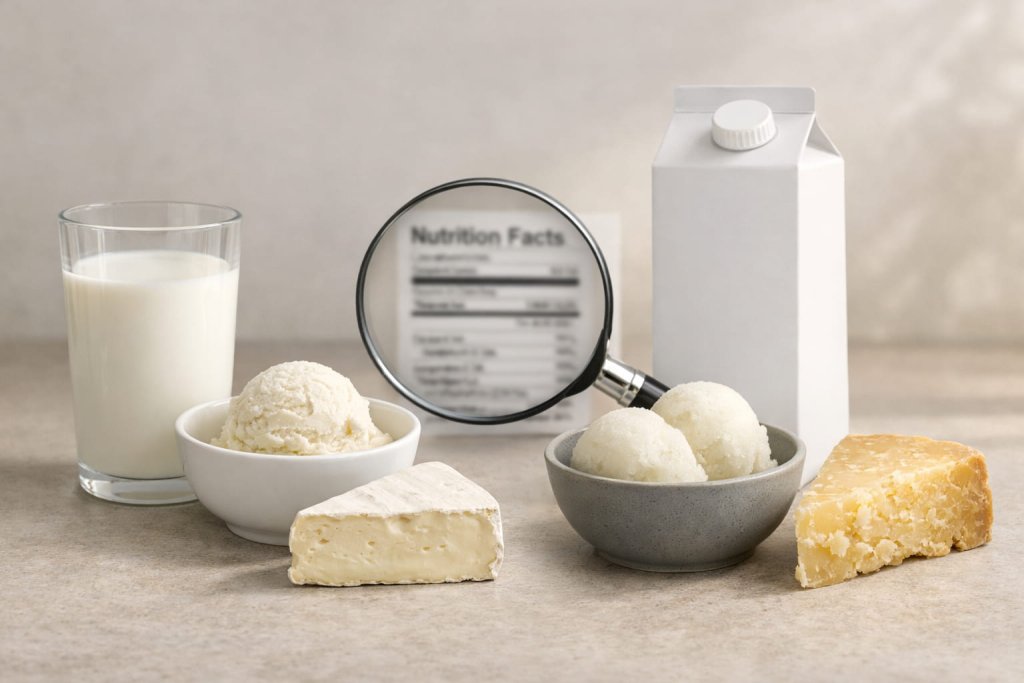
If you’re lactose sensitive (common), milk can worsen cramps, gas, and diarrhea.
Safer swaps:
- Lactose-free milk
- Calcium-fortified plant milks that you tolerate (check ingredients for added inulin/chicory root if that triggers you)
7) Ice cream
Ice cream is often a triple-trigger: lactose + fat + sometimes sugar alcohols in “light” versions.
Safer swaps:
- Lactose-free ice cream (if tolerated)
- Simple sorbets made without your known trigger fruits (portion matters)
8) Soft cheeses (sometimes)
Some soft cheeses may be higher in lactose than harder aged cheeses, and higher-fat portions can also trigger symptoms in some people.
Safer swaps:
- Aged cheeses in small portions (often lower lactose)
- Lactose-free dairy options
9) Apples
Apples are a common trigger for some people due to fructose and polyols in many servings. With FODMAP-style triggers, portion size can be the difference between “fine” and “flare.”
Safer swaps:
- Oranges, grapes, kiwi, or strawberries (often better tolerated—portion matters)
10) Mango
Mango can be a trigger for some people due to higher fructose in typical servings.
Safer swaps:
- Pineapple or cantaloupe (often easier for many, in sensible portions)
11) “Sugar-free” gum and candy (sorbitol and other sugar alcohols)
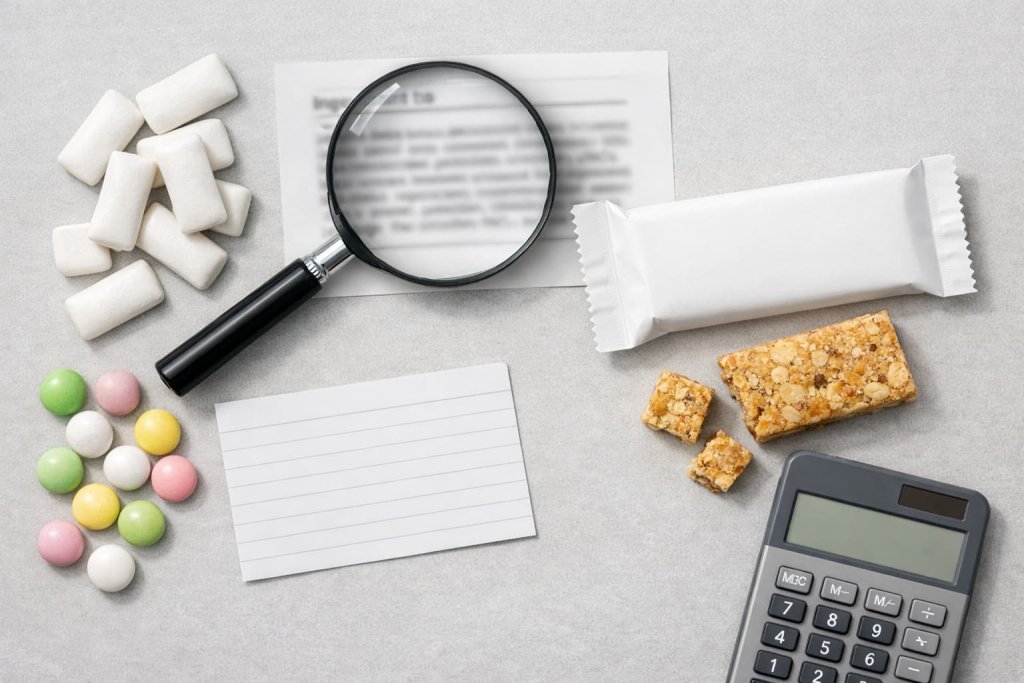
Sugar alcohols (polyols) like sorbitol are widely recognized IBS triggers because they can draw water into the bowel and ferment.
Safer swaps:
- Polyol-free options (check labels carefully)
- Peppermint lozenges without sugar alcohols (if tolerated)
12) Diet “protein bars” and “keto” sweets (often polyols + added fibers)
Many bars and diet sweets contain sugar alcohols and added fibers (like inulin/chicory root) that can worsen gas and diarrhea for some people.
Safer swaps:
- Simple snacks: rice cakes + peanut butter, lactose-free yogurt, a small handful of nuts you tolerate
- Homemade snacks with fewer ingredients (easier to troubleshoot)
13) Fried foods (fried chicken, fries, donuts)
High-fat fried foods are a common trigger for IBS symptoms for many people and can worsen urgency/diarrhea for some people.
Safer swaps:
- Baked, grilled, air-fried versions
- Choose lean protein + low-FODMAP carbs (rice, potatoes) with a modest amount of fat
14) Spicy foods (hot sauce, chili-heavy meals)
Spicy foods are commonly reported to trigger IBS symptoms in some people.
Safer swaps:
- Use herbs, ginger, cumin, smoked paprika, or lemon for flavor instead of heavy heat
- Keep spice, if you use it, low and consistent
15) Coffee and energy drinks (caffeine)

Caffeine can trigger diarrhea or urgency for some people with IBS.
Safer swaps:
- Decaf coffee (some people still react—test it)
- Peppermint tea or ginger tea if tolerated
- If you want caffeine, try smaller amounts and avoid it on an empty stomach
Quick swap table
| Trigger food | Why it can flare IBS | Safer swaps to try |
|---|---|---|
| Onion, garlic | High-FODMAP; often hidden | Chives, scallion greens, infused oils |
| Wheat bread/pasta | FODMAP fructans; big portions | Gluten-free, rice/corn pasta, smaller servings |
| Beans (large servings) | Fermentable carbs | Small portions of canned lentils, firm tofu |
| Milk/ice cream | Lactose; fat | Lactose-free dairy, simple sorbets (portion-aware) |
| Sugar-free gum/candy | Sorbitol/polyols | Polyol-free options; check labels |
| Fried foods | High fat | Grilled/baked; lean protein + rice/potato |
| Spicy foods | Gut irritation for some | Mild seasoning, herbs, ginger |
| Coffee/energy drinks | Caffeine stimulation | Decaf, tea, smaller dose |
Soluble fiber can help, but the type and pace matter
Not all fiber affects IBS the same way. Many people do better with soluble fiber than with bran-heavy insoluble fiber. NIDDK notes that increasing fiber slowly can help reduce gas and bloating that can happen when fiber increases too fast.
Practical ways to try soluble fiber:
- Start with oats/oatmeal or psyllium (small amount).
- Increase gradually (small step-ups every few days).
- If symptoms spike, scale back and re-try more slowly.
Note: Some IBS-D readers feel worse with very high fiber intake—portion size and type matter.
How to figure out your personal IBS triggers (without cutting everything)

Start with the “big five” most people overlook
- Portion size (even “safe” foods can trigger symptoms in large servings)
- Hidden onion/garlic in sauces and seasonings
- Sugar alcohols in “sugar-free” products
- High-fat meals
- Caffeine + alcohol timing (especially on an empty stomach)
Quick label check for hidden IBS triggers
When symptoms feel “random,” hidden ingredients are often the reason. Use this quick checklist on packaged foods:
- Sugar alcohols: sorbitol, mannitol, xylitol, maltitol, isomalt, erythritol
- Common high-FODMAP add-ins: inulin, chicory root fiber, fructo-oligosaccharides (FOS)
- Onion/garlic: onion powder, garlic powder, “natural flavors” in savory snacks/sauces
- Wheat-based thickeners: wheat flour in soups, gravies, sauces (even when the main food isn’t bread/pasta)
If one category shows up repeatedly before flares, that’s a strong clue for a targeted trial.
Use a simple 2-week food-symptom check
- Pick 1–2 likely triggers to reduce first (not 10 foods at once).
- Keep meals consistent.
- Track: what you ate, portion, timing, stress, sleep, symptoms.
Eating habits that can trigger IBS even when the food is “safe”
Sometimes symptoms come from how you eat, not just what you eat:
- Large meals (especially late) can increase cramping and urgency.
- Eating fast or distracted can increase swallowed air and bloating.
- Skipping meals and then overeating later can worsen symptoms.
Try this simple routine for 1–2 weeks:
- Aim for regular meal timing and smaller, steadier portions.
- Chew thoroughly and slow down meals.
- Keep fat portions moderate at one sitting (even “healthy fats”).
When a low-FODMAP trial makes sense
If your symptoms are frequent and hard to predict, a structured low-FODMAP approach can help identify specific carbs that trigger you. The American College of Gastroenterology supports the low-FODMAP diet as an evidence-based option for improving overall IBS symptoms in many patients.
Who should be careful with restrictive elimination diets
A low-FODMAP or multi-food elimination approach can be useful, but it can also become overly restrictive. Consider extra support (clinician or dietitian) if you:
- Are underweight or unintentionally losing weight
- Have a history of disordered eating
- Are pregnant, breastfeeding, or supporting a growing teen
- Already follow a restricted diet (for allergies, vegan, etc.)
The goal is always the least-restrictive pattern that controls symptoms while meeting nutrition needs.
Over-the-counter options some people use (ask a pharmacist/clinician)
Diet changes are the foundation, but some people use OTC products for specific symptoms. The NHS notes that a pharmacist can advise on options that may help IBS symptoms, including approaches for cramps and diarrhea.
Common categories people discuss:
- For cramps/spasms: antispasmodics may help some people
- For diarrhea: antidiarrheals may help some people
- For bloating/pain: peppermint oil is used by some people
If you’re pregnant, have reflux/GERD, take multiple medications, or have frequent severe symptoms, check with a clinician before trying new products.
When to get medical advice instead of self-treating
IBS can overlap with other conditions. If you have warning signs like rectal bleeding, unexplained weight loss, low iron/anemia, or new symptoms later in life, you should get checked. The American College of Gastroenterology lists warning signs that may require further evaluation.
Frequently asked questions
Are dairy foods always bad for IBS?
No. Some people tolerate dairy well. Others react mostly to lactose, so lactose-free milk or certain lower-lactose dairy choices may help.
Is gluten the same as FODMAPs?
No. Wheat contains gluten and also contains fructans (a FODMAP). Some people feel better avoiding gluten, others are reacting to the FODMAP content, and some react to both. NIDDK notes that doctors may suggest avoiding gluten or trying a low-FODMAP diet depending on symptoms.
How long does it take to know if a trigger food is the problem?
Many people can spot patterns within 1–2 weeks if they keep portions consistent and reduce one major trigger category at a time. If you change too many things at once, it’s hard to know what actually helped.
Should I avoid raw vegetables if I have IBS?
Some people tolerate cooked vegetables better than raw, especially during flare-ups. If salads seem to worsen bloating or urgency, try smaller portions, peeled options, or cooked vegetables for a short trial and compare symptoms.
Are “healthy” foods like beans and broccoli bad for IBS?
They can be triggers for some people because they’re harder to digest and more fermentable. The key is tolerance and portion size, not whether a food is “good” or “bad.”
Do probiotics help IBS symptoms?
Sometimes, but results vary by person and product. If you try one, use a single product for a few weeks, track symptoms, and stop if it worsens bloating or pain.
What’s the fastest food swap to try for IBS bloating?
A common quick win is removing onion/garlic and sorbitol/sugar alcohols for 1–2 weeks, since they’re frequent hidden triggers in packaged and restaurant foods.
Conclusion
If you’re trying to identify the worst foods for IBS, focus on the most common trigger categories first: high-FODMAP foods (especially onion/garlic and wheat), sugar alcohols, fried/high-fat meals, spicy foods, caffeine, and alcohol. Start with a short, targeted trial, use safer swaps, and keep portions realistic—then re-test foods one at a time so your diet doesn’t get unnecessarily restrictive. If you notice warning signs like bleeding or weight loss, get medical advice promptly.
This content is for informational purposes only and not medical advice.
Sources/References
- National Institute of Diabetes and Digestive and Kidney Diseases — Eating, Diet, & Nutrition for Irritable Bowel Syndrome
- Monash University — About FODMAPs and IBS
- NHS — Diet, lifestyle and medicines for IBS
- American College of Gastroenterology — Low FODMAP Diet