
Green beans, also known as snap beans or string beans, are one of the healthiest vegetables you can add to your plate.
Yes — eating green beans regularly can improve heart health, strengthen bones, enhance digestion, and support glowing skin, according to leading nutrition experts like the Cleveland Clinic and WebMD.
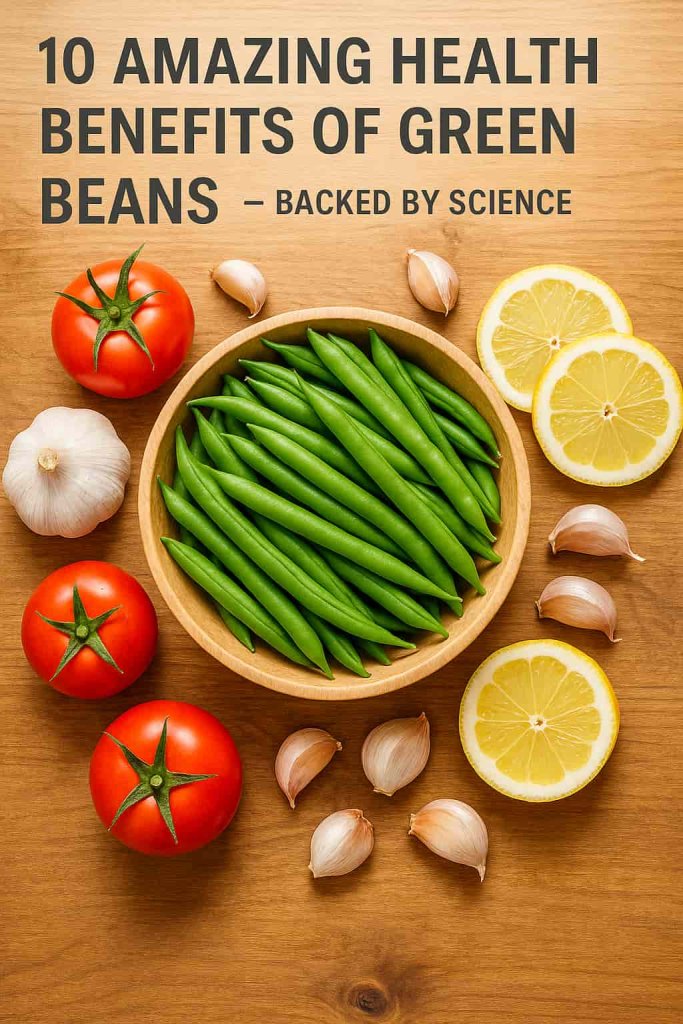
Understanding the health benefits of green beans helps you make smarter dietary choices. Packed with fiber, vitamins, and antioxidants, this crisp vegetable supports nearly every part of your body — from your heart to your brain. In this guide, you’ll discover the top 10 science-backed benefits of green beans, along with tips on how to enjoy them daily for maximum nutrition.
What Are Green Beans?
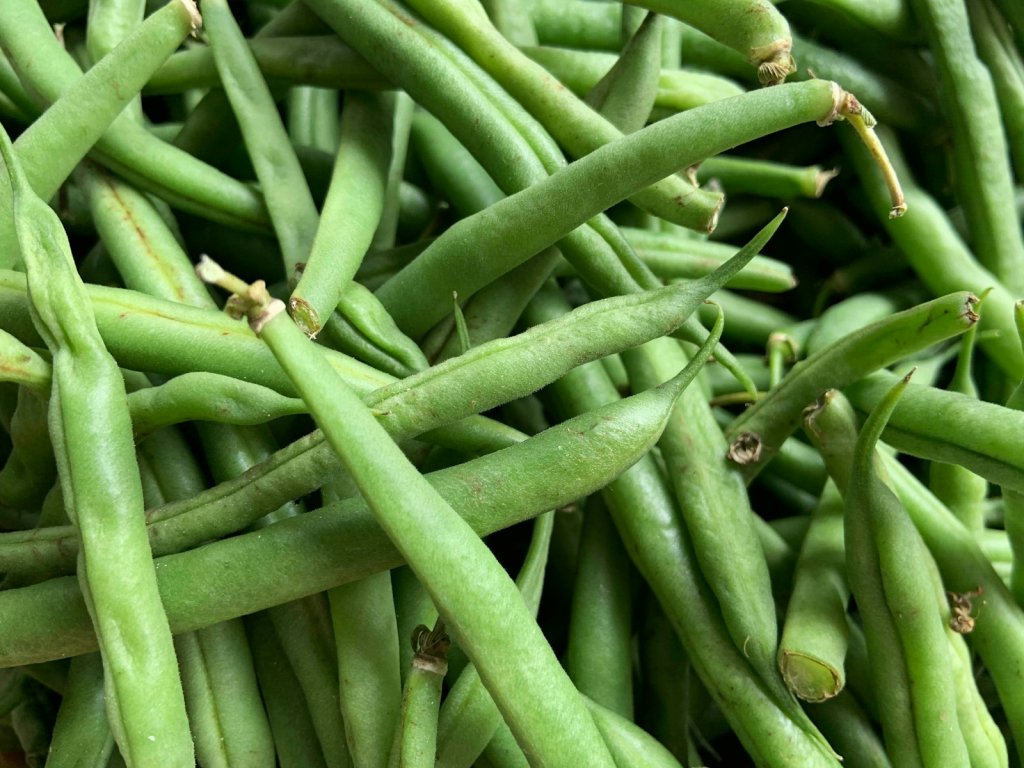
Green beans (Phaseolus vulgaris) are the young, tender pods of the common bean plant, part of the legume family that also includes lentils, peas, and black beans. They’re harvested while the pods are still soft and edible, which gives green beans their crisp texture and mild, slightly sweet flavor.
Also called snap beans, string beans, or French beans, green beans are widely used around the world because they’re affordable, versatile, and nutrient-dense.
Varieties of Green Beans
Most green beans fall into three main types:
- Bush Beans
Compact plants that grow without support. Common examples include Provider and Contender.
Ideal for home gardens and short growing seasons. - Pole Beans
Climbing varieties that grow on vines and need trellises. Popular types include Kentucky Wonder and Blue Lake.
Known for longer pods and a slightly sweeter flavor. - French Beans (Haricots Verts)
Thinner, more tender beans often used in gourmet cooking and quick sautéed dishes.
Nutritional Composition of Green Beans
Green beans are nutrient-dense and low in calories, making them an excellent choice for healthy, balanced diets.
They provide a combination of fiber, vitamins, and antioxidants that promote heart, bone, and immune health.
Here’s a quick look at their nutritional content per 1 cup (100 g) of raw green beans:
| Nutrient | Amount | % Daily Value (DV) |
|---|---|---|
| Calories | 31 kcal | — |
| Carbohydrates | 7 g | — |
| Dietary Fiber | 3.4 g | 12% |
| Protein | 2 g | — |
| Vitamin C | 12 mg | 18% |
| Vitamin K | 20 mcg | 36% |
| Folate | 41 mcg | 9% |
| Iron | 1 mg | 6% |
| Potassium | 211 mg | 4% |
| Magnesium | 25 mg | 6% |
| Water | 90% | — |
(Source: Cleveland Clinic, 2024 and U.S. Department of Agriculture – FoodData Central)
10 Amazing Health Benefits of Green Beans — Backed by Science
Green beans (Phaseolus vulgaris) are more than just a low-calorie side dish — they’re a nutritional powerhouse packed with vitamins, minerals, and antioxidants that protect your heart, brain, bones, and more.
Below are ten science-backed health benefits of green beans, explained in detail and supported by expert medical and nutrition sources.
1. Supports Heart Health
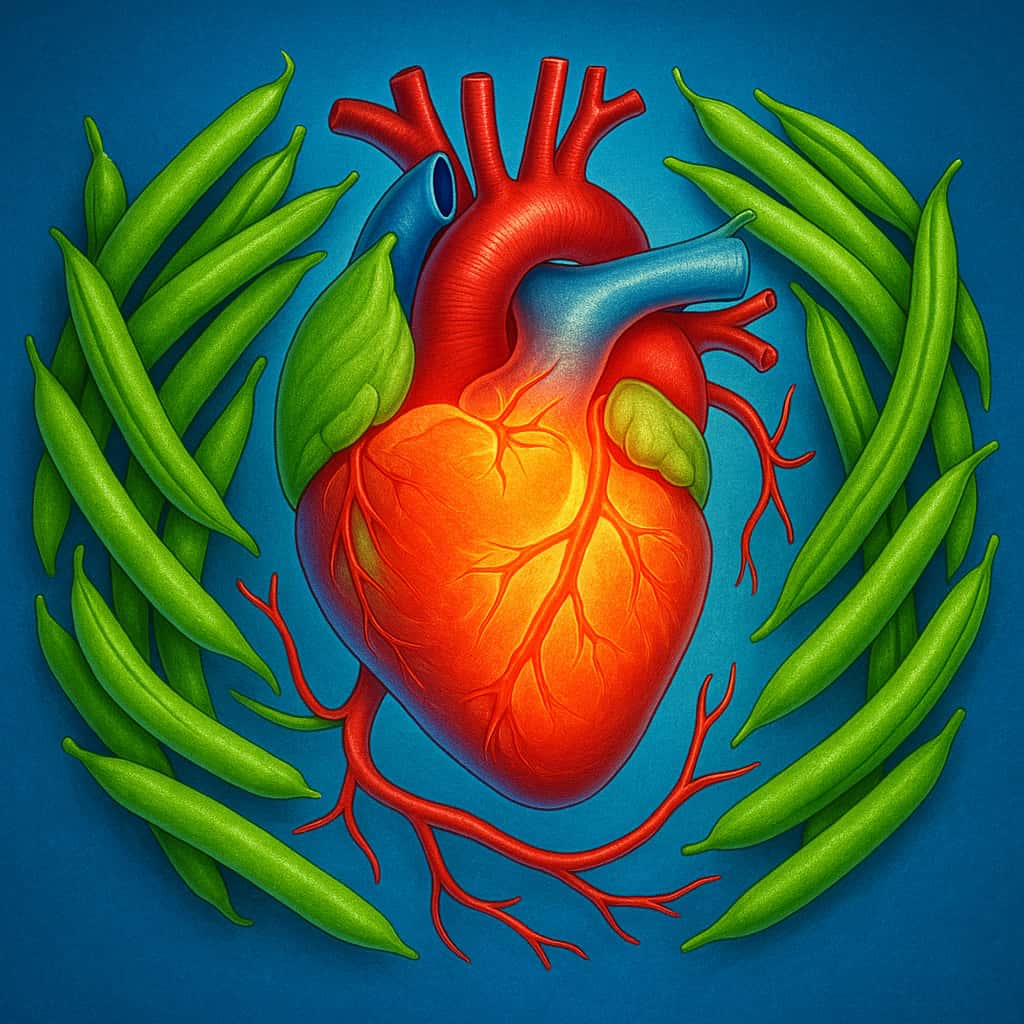
Green beans play a key role in promoting cardiovascular health.
They’re loaded with dietary fiber, potassium, and folate, all of which help regulate cholesterol levels and blood pressure.
According to the Cleveland Clinic (2024), soluble fiber in green beans binds to LDL (“bad”) cholesterol in the bloodstream and helps remove it from the body — lowering overall cholesterol levels naturally.
Meanwhile, potassium works as a vasodilator, relaxing blood vessel walls and promoting smooth circulation. Folate contributes to heart health by reducing homocysteine, an amino acid linked to arterial damage and inflammation.
➡️ Quick Tip: Replace high-sodium side dishes with steamed or roasted green beans to improve heart health naturally.
2. Boosts Brain and Nerve Function
Green beans are rich in B-vitamins, especially folate (vitamin B9) and thiamine (vitamin B1), which are crucial for nerve transmission and brain performance.
Folate supports the creation of neurotransmitters like dopamine and serotonin, which regulate mood, memory, and cognitive function.
A 2023 study in the Nutrients Journal found that diets high in B-vitamins and antioxidants enhance memory and reduce cognitive decline in aging adults.
Additionally, antioxidants such as flavonoids and carotenoids in green beans protect neurons from oxidative stress — a major contributor to age-related cognitive decline and neurodegenerative diseases.
3. Strengthens Bones and Joints
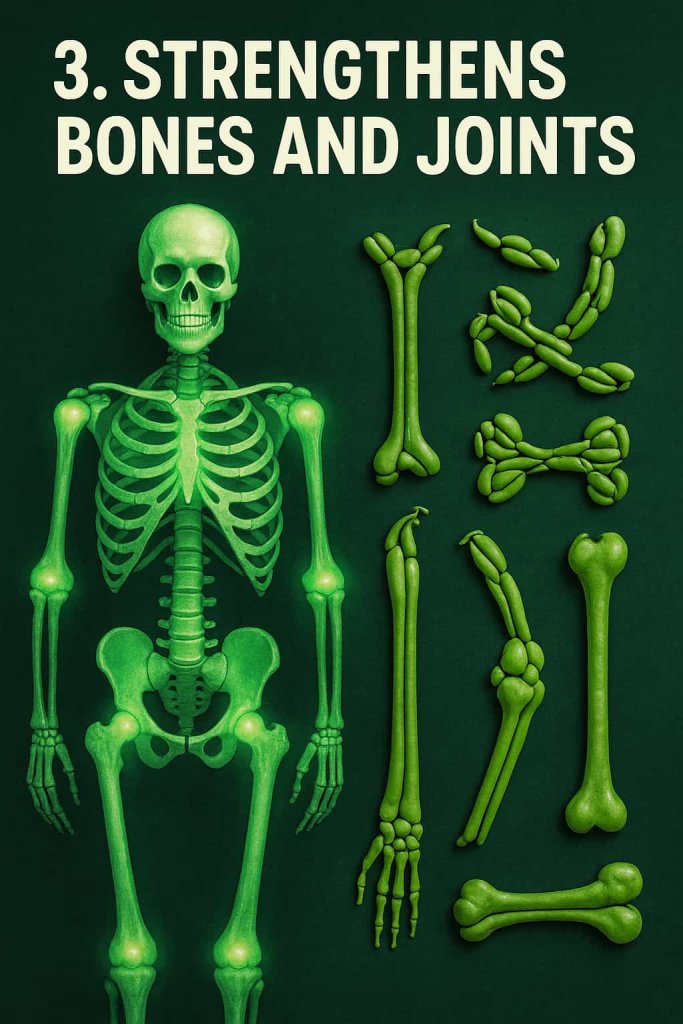
Strong bones depend on key nutrients like vitamin K, calcium, and magnesium — all found in abundance in green beans.
Vitamin K helps transport calcium into bones, while magnesium supports bone matrix formation and joint flexibility.
According to EatingWell (2024), people who consume sufficient vitamin K show a lower risk of fractures and osteoporosis.
Green beans also contain silica, a trace mineral essential for collagen production — improving bone elasticity and joint health.
➡️ Did you know? Just one cup of cooked green beans provides about 20% of your daily vitamin K requirement.
4. Promotes Healthy Skin and Hair
Your skin and hair thrive on nutrients like vitamin C, silica, and antioxidants — all present in green beans.
Vitamin C stimulates collagen synthesis, which keeps skin firm, elastic, and wrinkle-free.
Meanwhile, silica strengthens connective tissue in hair and nails, giving them shine and resilience.
The American Academy of Dermatology (AAD) highlights vitamin C’s role in protecting against UV damage and skin aging.
Flavonoids and carotenoids in green beans also combat oxidative stress, helping prevent fine lines, dullness, and dryness.
➡️ Pro Tip: Pair green beans with olive oil or almonds — the healthy fats improve absorption of fat-soluble antioxidants.
5. Helps Manage Weight Naturally
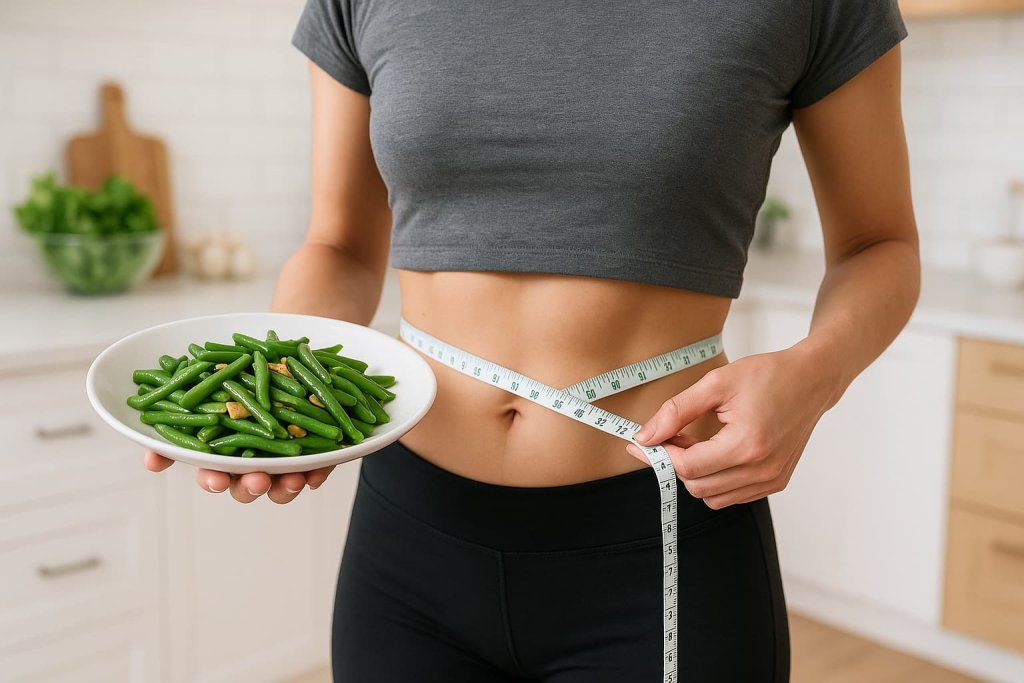
Green beans are a weight-loss-friendly food — low in calories but high in fiber and water, making you feel full faster and longer.
One cup contains only 31 calories and 3.4 grams of fiber, according to WebMD (2024).
This combination slows digestion, stabilizes blood sugar levels, and helps reduce cravings for processed foods.
Green beans also support metabolic health thanks to their low glycemic index (GI), preventing insulin spikes that promote fat storage.
➡️ Tip: Add steamed green beans to salads or stir-fries for a filling, nutrient-dense meal that supports steady energy levels.
6. Supports Digestive and Gut Health
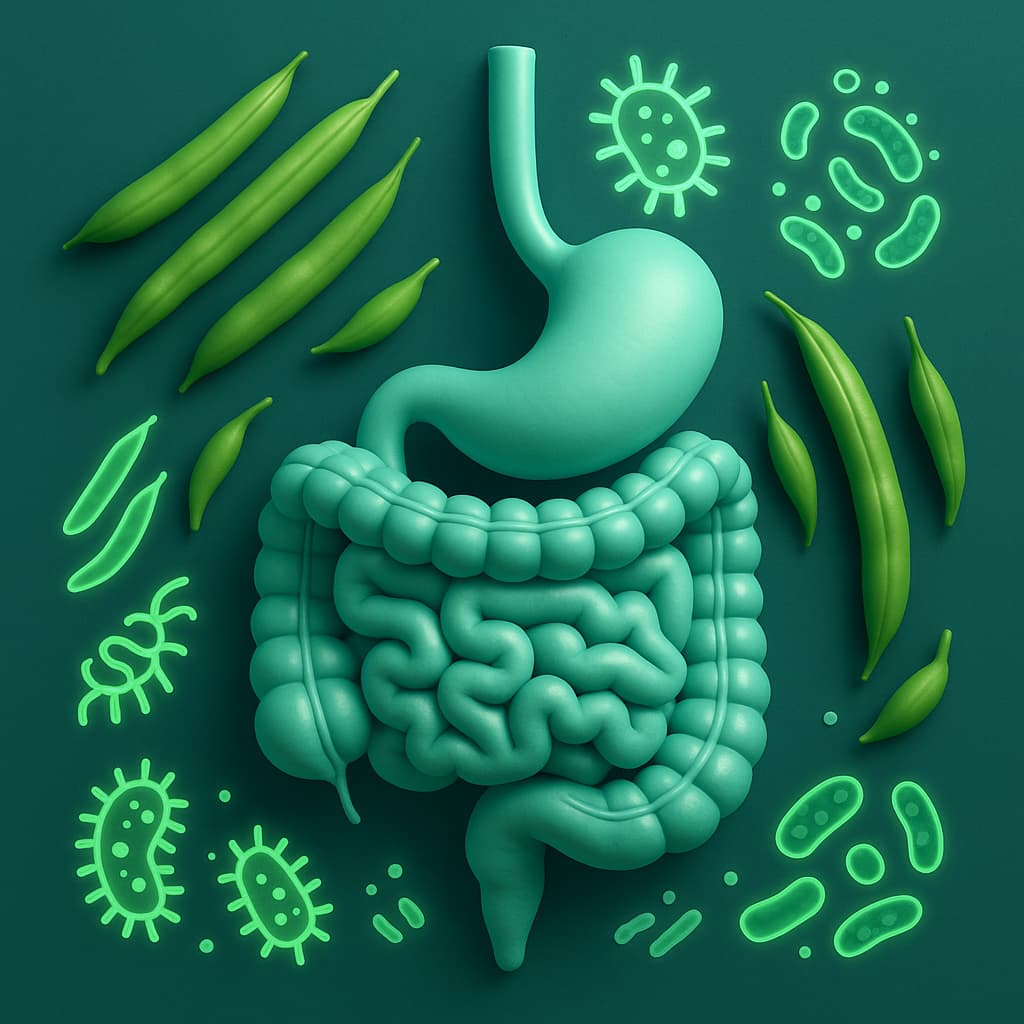
Fiber is the foundation of good gut health — and green beans are an excellent source.
They promote regular bowel movements, prevent constipation, and serve as food for beneficial gut bacteria.
The American Association of Naturopathic Physicians (AANMC, 2024) explains that green beans are low-FODMAP (fermentable carbs that cause bloating), making them ideal for people with IBS or sensitive digestion.
Their gentle fiber content and mild prebiotic effect help restore gut balance and reduce inflammation in the intestinal tract.
➡️ Healthy Habit: Combine green beans with fermented foods like yogurt or kimchi for an extra gut-health boost.
7. Regulates Blood Sugar Levels
Green beans have a naturally low glycemic index and can help maintain balanced blood sugar levels.
They contain chlorogenic acid, an antioxidant compound shown to improve glucose metabolism.
According to Medical News Today (2023), chlorogenic acid may reduce post-meal sugar spikes and enhance insulin sensitivity — making green beans beneficial for people with type 2 diabetes.
Additionally, fiber slows the absorption of glucose, preventing sudden fluctuations in blood sugar.
➡️ Best Tip: Pair green beans with a protein source (like salmon or eggs) to stabilize blood sugar even further.
8. Strengthens the Immune System
Thanks to their vitamin C, vitamin A, and polyphenol content, green beans support a robust immune response.
Vitamin C boosts the production of white blood cells, while vitamin A maintains the integrity of mucous membranes — your body’s first line of defense against pathogens.
Research from the Harvard School of Public Health (2024) confirms that vitamin C-rich foods like green beans enhance immune cell activity and shorten recovery time during illness.
Regular consumption also helps protect against seasonal colds and infections by reducing oxidative stress in immune tissues.
➡️ Immune Tip: Enjoy green beans with a vitamin D source (like mushrooms or cod liver oil) to further strengthen your immunity.
9. Protects Eye Health and Vision
Your eyes benefit greatly from the lutein and zeaxanthin in green beans — two carotenoids that filter harmful blue light and prevent retinal damage.
These antioxidants are known to support long-term vision and reduce the risk of macular degeneration and cataracts.
The American Optometric Association (2024) notes that a diet rich in lutein and zeaxanthin slows age-related vision decline and supports optimal eye health.
Regular intake of green beans, especially when combined with carrots or leafy greens, delivers these vital nutrients naturally.
➡️ Vision Tip: Lightly steam green beans instead of boiling to preserve their carotenoid content.
10. May Lower the Risk of Chronic Diseases
Green beans are brimming with antioxidants and polyphenols that protect cells from oxidative damage — one of the main causes of chronic diseases.
Compounds such as quercetin, kaempferol, and catechins reduce inflammation and improve metabolic function.
A review published in Frontiers in Nutrition (2023) reported that regular consumption of legumes, including green beans, is associated with a lower risk of cardiovascular disease, diabetes, and certain cancers.
The combination of fiber, antioxidants, and plant proteins creates a powerful defense against cellular aging and inflammation.
➡️ Wellness Tip: Include green beans in your weekly diet at least 3–4 times for long-term protection against chronic illnesses.
Best Ways to Add Green Beans to Your Diet
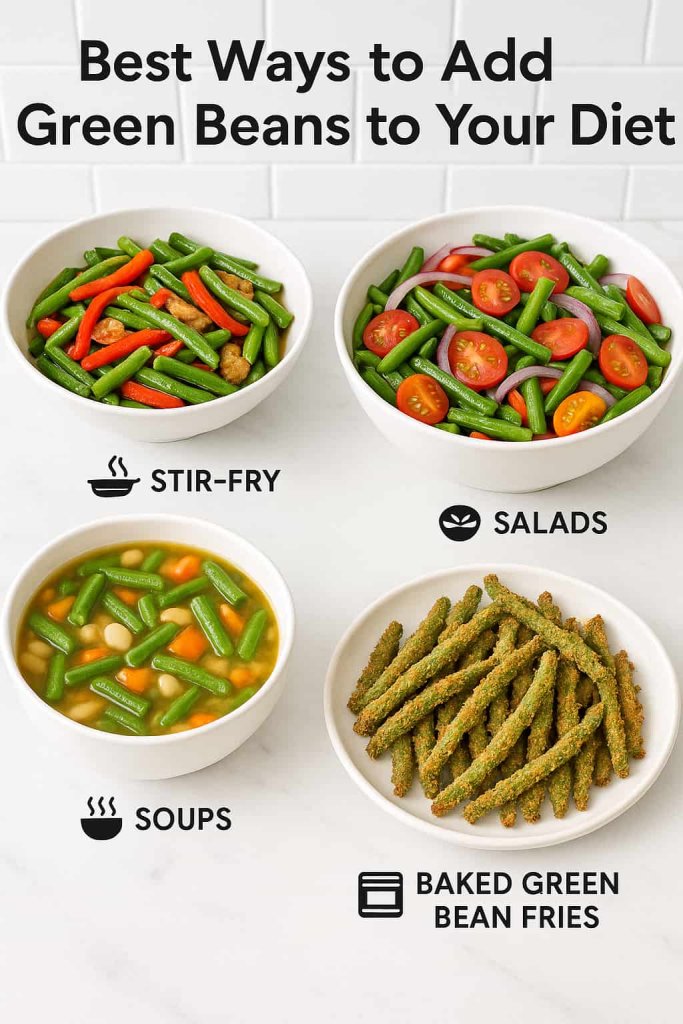
Green beans are among the most versatile vegetables — you can steam, roast, sauté, or toss them into nearly any meal. Their mild flavor pairs beautifully with grains, proteins, and healthy fats, making them ideal for balanced nutrition.
Delicious and Healthy Ways to Enjoy Green Beans
- Steam or boil lightly for 3–5 minutes and drizzle with olive oil and lemon juice for a quick side dish.
- Sauté with garlic and almonds for a heart-healthy, Mediterranean-style meal.
- Add to soups and stews — they blend perfectly in vegetable or chicken broth.
- Toss into salads with cherry tomatoes, feta cheese, and vinaigrette for color and crunch.
- Make baked green bean fries by coating with whole-grain breadcrumbs and roasting until crisp.
- Add to stir-fries or rice bowls with tofu, mushrooms, and sesame seeds for a protein-packed, plant-based meal.
Cooking Tips to Retain Nutrients
According to the U.S. Department of Agriculture (USDA), overcooking green beans reduces vitamin C and folate content.
To preserve nutrients:
- Steam instead of boiling.
- Cook until tender-crisp (bright green, slightly firm).
- Use minimal water and avoid prolonged high heat.
- Store cooked beans in airtight containers to prevent oxidation.
💡 Quick Tip: Rinse canned green beans under cold water for 10–15 seconds to remove up to 40 % of added sodium before eating. (Cleveland Clinic, 2024)
Recommended Daily Intake, Safety & Storage
Green beans can safely be eaten daily as part of a balanced diet. They’re suitable for most age groups and health conditions, including pregnancy and diabetes.
Recommended Daily Intake
| Age Group / Condition | Recommended Amount | Notes |
|---|---|---|
| Children (4–12 yrs) | ½–1 cup/day | Lightly cooked for easy digestion |
| Adults | 1–2 cups/day | Fits within 2.5 cups vegetables/day (USDA guideline) |
| Pregnant or Breastfeeding Women | 1–2 cups/day | Excellent source of folate and iron |
| Older Adults | 1–1.5 cups/day | Supports bone density and heart health |
| People with Diabetes | 1 cup/day | Low GI, helps regulate blood sugar |
Cooking Safety & Nutrient Tips
- Always wash beans thoroughly to remove dirt and pesticide residue.
- Avoid raw beans in large amounts; light cooking destroys lectins that can irritate digestion.
- Don’t overcook — it can reduce vitamin C by up to 40 % and folate by up to 35 %.
- For those on a low-FODMAP diet, green beans are generally safe in moderate portions (up to 75 g per meal) per Monash University’s FODMAP guide.
Storage Guidelines
- Fresh: Keep unwashed beans in a perforated bag in the refrigerator for up to 5 days.
- Cooked: Store in airtight containers for up to 3 days.
- Frozen: Blanch for 2–3 minutes, cool, then freeze for up to 8 months.
Potential Side Effects & Precautions
Green beans are safe for most people, but a few precautions ensure optimal digestion and health.
Possible Digestive Effects
Eating excessive amounts (especially raw) may cause gas or mild bloating, due to their fiber content. Introduce them gradually if your diet is currently low in fiber.
Lectins and Raw Beans
Raw green beans contain small amounts of lectins — natural plant compounds that can interfere with nutrient absorption and cause stomach discomfort if eaten in excess.
Cooking or steaming destroys these compounds, making beans safe to eat. (WebMD, 2024)
Pesticide Concerns
Conventionally grown beans can carry pesticide residue.
The Environmental Working Group (EWG) recommends washing thoroughly or choosing organic produce when possible. (EWG Produce Guide, 2024)
Allergies (Rare)
Allergic reactions to green beans are uncommon but may occur in people allergic to other legumes (e.g., peanuts, soy). Symptoms include mild itching or swelling — consult a doctor if these appear.
How to Choose & Store Fresh Green Beans
Choosing quality green beans ensures freshness, flavor, and nutrient retention.
How to Choose
- Look for bright green, smooth pods without wrinkles or brown spots.
- Pods should snap cleanly when bent — a sign of freshness.
- Avoid limp or soft beans, which indicate age or poor storage.
- For best flavor, buy beans in season (summer to early fall).
How to Store
- Refrigerator: Keep unwashed beans in a perforated bag in the crisper drawer.
- Freezing: Blanch for 2–3 minutes, cool quickly in ice water, dry, and freeze.
- Canned or Frozen Beans: Convenient and nutritious alternatives — choose low-sodium or no-salt-added options for better heart health.
(Harvard School of Public Health)
Tip for Meal Prep
Blanch a large batch of beans once a week and refrigerate. Add them cold to salads, stir-fries, or pasta dishes for quick, nutrient-rich meals.
Frequently Asked Questions (FAQ)
1. Can I eat green beans every day?
Yes — they’re safe for daily consumption and provide essential nutrients for heart, bone, and gut health.
2. Are canned green beans healthy?
Yes, if you choose low-sodium varieties and rinse them before use to reduce salt content.
3. Do green beans help with weight loss?
Definitely. They’re low in calories, rich in fiber, and promote fullness — key for healthy weight control.
4. Are green beans good for diabetics?
Yes. Their low glycemic index and chlorogenic acid content help regulate blood sugar and insulin response. (Medical News Today, 2023)
5. What’s the best way to cook green beans?
Lightly steam or sauté to preserve texture, color, and nutrients like vitamin C and folate.
6. Can I eat raw green beans?
Small amounts are fine, but cooking is recommended to eliminate lectins and improve digestibility.
7. How do I know if green beans have gone bad?
Spoiled beans develop a slimy texture, dull color, or sour smell — discard immediately.
Conclusion
Green beans are one of nature’s simplest yet most powerful superfoods.
From promoting heart and bone health to boosting immunity and digestion, their nutrient profile makes them an essential part of a balanced diet.
Whether steamed, roasted, or tossed in a salad, green beans are a delicious, budget-friendly way to support your health every day.
👉 Add green beans to your meals 3–4 times per week — a simple, science-backed habit that fuels your body with fiber, vitamins, and antioxidants for lifelong wellness.