
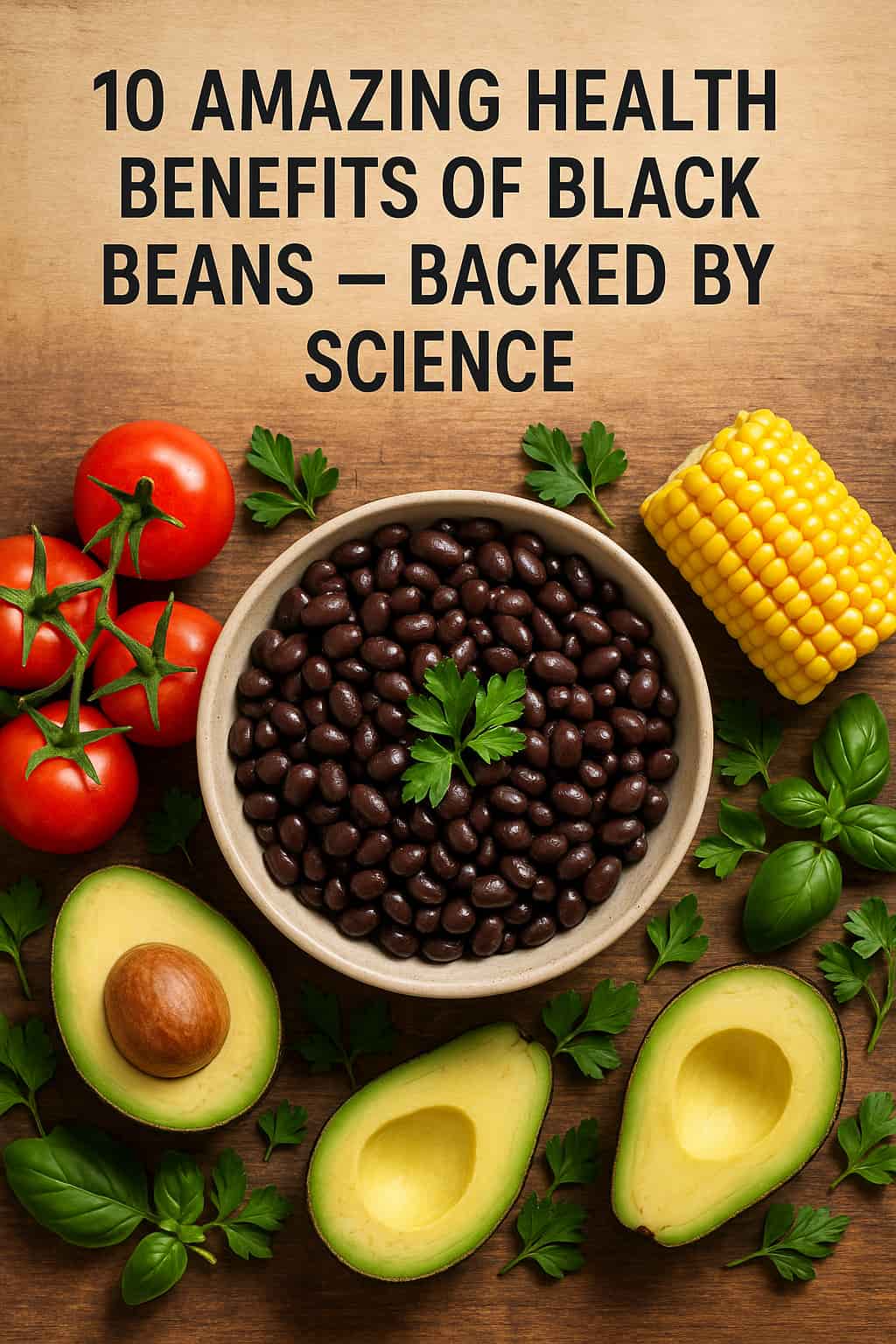
Black beans are one of the healthiest and most nutrient-dense foods you can add to your diet. They’re packed with plant-based protein, fiber, and antioxidants that support heart health, digestion, and even weight management.
Understanding the benefits of black beans is important because they’re an affordable, versatile superfood proven by science to fight inflammation, regulate blood sugar, and improve overall health. Whether you eat them in soups, salads, or burritos, black beans offer lasting energy and powerful disease-fighting nutrients.
Let’s explore the top 10 science-backed health benefits of black beans, plus practical tips, safety advice, and answers to common questions.
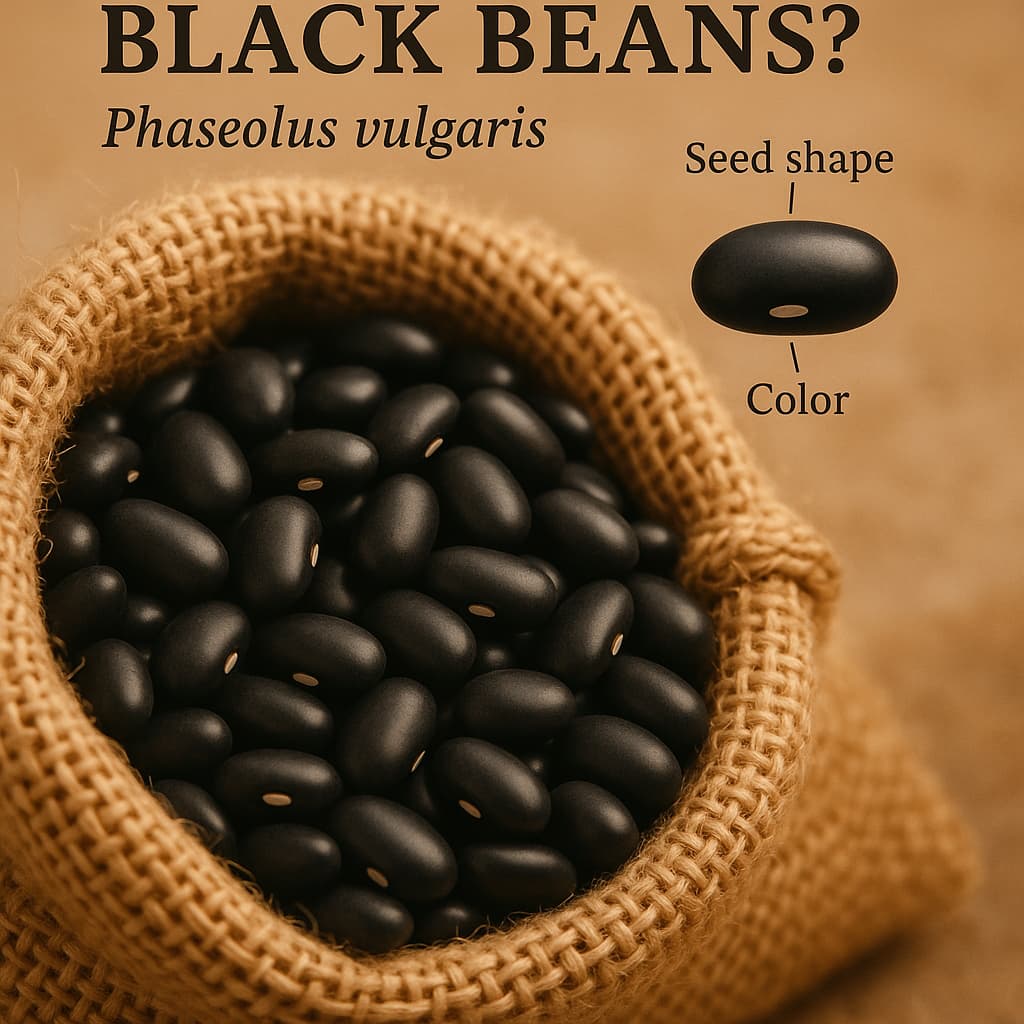
What Are Black Beans?
Black beans (Phaseolus vulgaris) are small, shiny, black-colored legumes belonging to the same plant family as kidney beans and pinto beans. They are also known as “turtle beans” because of their hard, glossy shell-like appearance.
Originating in Central and South America, black beans have been a dietary staple for over 7,000 years. They’re widely used in Latin American, Caribbean, and Southwestern cuisines, appearing in popular dishes such as black bean soup, Cuban rice and beans (Moros y Cristianos), tacos, and burritos.
Nutritionally, black beans are renowned for being rich in plant-based protein, fiber, and essential minerals, making them an excellent choice for both vegetarians and vegans. Their dense nutrient profile and low cost have made them a global superfood, often recommended by organizations like the U.S. Department of Agriculture (USDA) and Harvard T.H. Chan School of Public Health.
Fun Fact: Unlike many other legumes, black beans retain their dark color and creamy texture after cooking, making them ideal for everything from hearty stews to plant-based burgers.
In addition to being naturally gluten-free and cholesterol-free, black beans are praised for their versatility — they can be blended into dips, baked into brownies, or tossed into salads for an instant nutritional upgrade.
👉 Key takeaway: Black beans are a nutrient-rich legume from the Americas that support heart health, energy, and longevity — a staple in modern plant-based and high-protein diets worldwide.
Nutritional Profile of Black Beans
Before diving into their health benefits, it’s essential to understand what makes black beans so nutritionally powerful. One cup (172 grams) of cooked black beans offers an impressive combination of macronutrients, vitamins, and minerals that support nearly every system in the body.
Nutrition Facts (Per 1 Cup Cooked Black Beans — 172g)
| Nutrient | Amount | % Daily Value (DV) |
|---|---|---|
| Calories | 227 kcal | — |
| Protein | 15.2 g | 30% |
| Dietary Fiber | 15 g | 60% |
| Total Carbohydrates | 40 g | 13% |
| Folate (Vitamin B9) | 256 µg | 64% |
| Iron | 3.6 mg | 20% |
| Magnesium | 120 mg | 30% |
| Potassium | 611 mg | 13% |
| Phosphorus | 240 mg | 34% |
| Copper | 0.4 mg | 45% |
| Zinc | 1.9 mg | 18% |
Source: USDA FoodData Central, 2025
Key Nutrients Explained
- Protein: At over 15 grams per cup, black beans are one of the best non-meat protein sources, supporting muscle growth and repair.
- Fiber: Both soluble and insoluble fiber aid digestion, control blood sugar, and reduce cholesterol levels.
- Folate (Vitamin B9): Essential for red blood cell formation and brain health, especially important for pregnant women.
- Magnesium: Promotes energy production and helps regulate blood pressure.
- Potassium: Balances fluids and reduces sodium’s negative effects on the heart.
- Antioxidants: The dark color of black beans comes from anthocyanins and flavonoids — powerful antioxidants that fight inflammation and oxidative stress.
According to Healthline, black beans are also rich in resistant starch, a type of carbohydrate that resists digestion and acts as a prebiotic — improving gut health and boosting metabolism.
Did you know? Eating just one cup of black beans provides over half your daily fiber needs, making them one of the most fiber-dense foods on the planet.
10 Amazing Health Benefits of Black Beans — Backed by Science
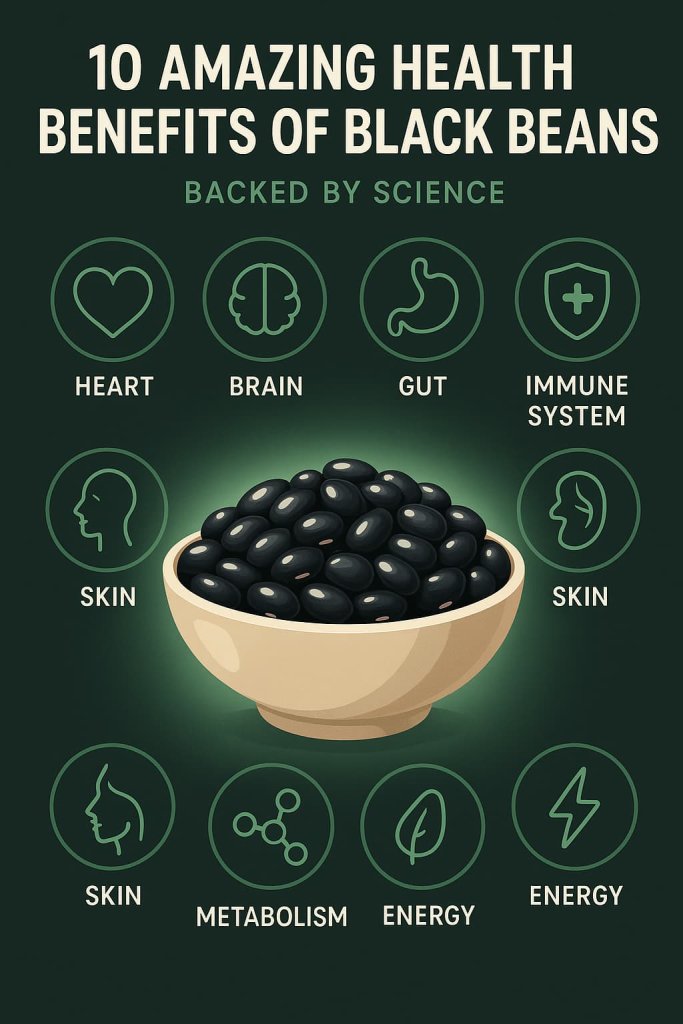
Black beans are far more than a pantry staple — they’re a nutrient-dense superfood packed with protein, fiber, and disease-fighting antioxidants. From improving heart health to stabilizing blood sugar, these humble legumes are supported by decades of clinical research and dietary science.
According to the U.S. Department of Agriculture (USDA), one cup of cooked black beans provides over 15 grams of protein, 15 grams of fiber, and key nutrients like magnesium, folate, and potassium — all vital for optimal body function.
Below are 10 amazing, science-backed health benefits of black beans, with practical tips on how to include them in your diet for maximum results.
1. Supports Heart Health
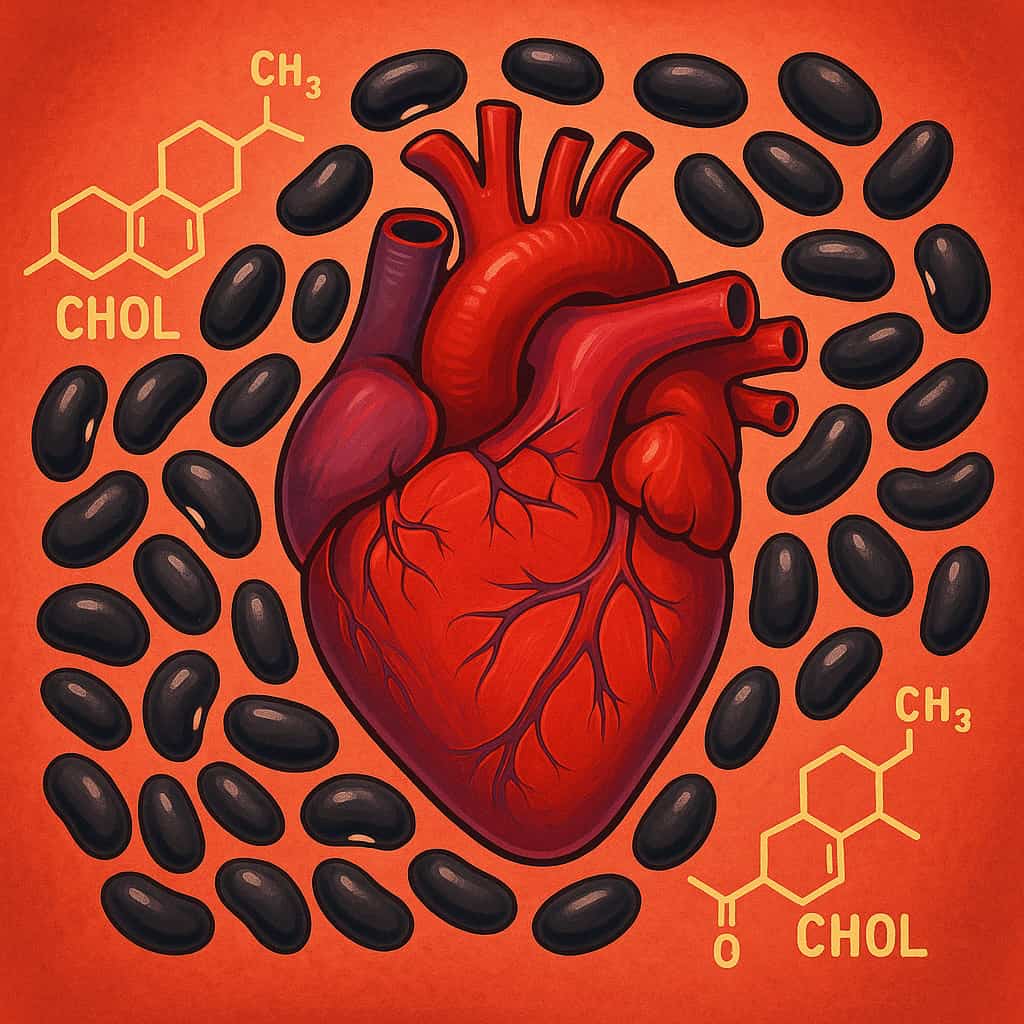
Black beans are one of the best plant-based foods for maintaining a healthy heart. Their soluble fiber helps reduce LDL (“bad”) cholesterol and triglycerides while raising HDL (“good”) cholesterol — a crucial balance for preventing heart disease.
A 2024 UCLA Health study found that adults who ate the equivalent of ½ cup of cooked black beans daily experienced a 28% drop in LDL cholesterol and a 37% reduction in triglycerides within weeks. This improvement is largely attributed to soluble fiber and plant sterols that block cholesterol absorption in the intestines.
Black beans also contain magnesium and potassium, two minerals that regulate blood pressure and support healthy blood vessels.
👉 Tip: Add black beans to your soups, burritos, or tacos 3–4 times a week to naturally strengthen your cardiovascular system and maintain balanced cholesterol levels.
2. A Great Source of Plant-Based Protein

Each cup of black beans contains over 15 grams of high-quality plant protein, making them an excellent alternative to meat. Unlike animal protein, black beans are low in saturated fat and rich in nutrients that aid in muscle repair, hormone balance, and energy production.
When combined with grains like brown rice or quinoa, black beans form a complete amino acid profile, meaning they provide all nine essential amino acids your body can’t produce on its own.
According to Harvard T.H. Chan School of Public Health, regular consumption of legumes like black beans supports lean muscle mass, boosts satiety, and helps maintain stable blood sugar levels after exercise.
👉 Pro Tip: Combine black beans + whole grains + healthy fats (like olive oil) for a perfectly balanced, muscle-supporting meal.
3. Helps Manage Weight and Appetite
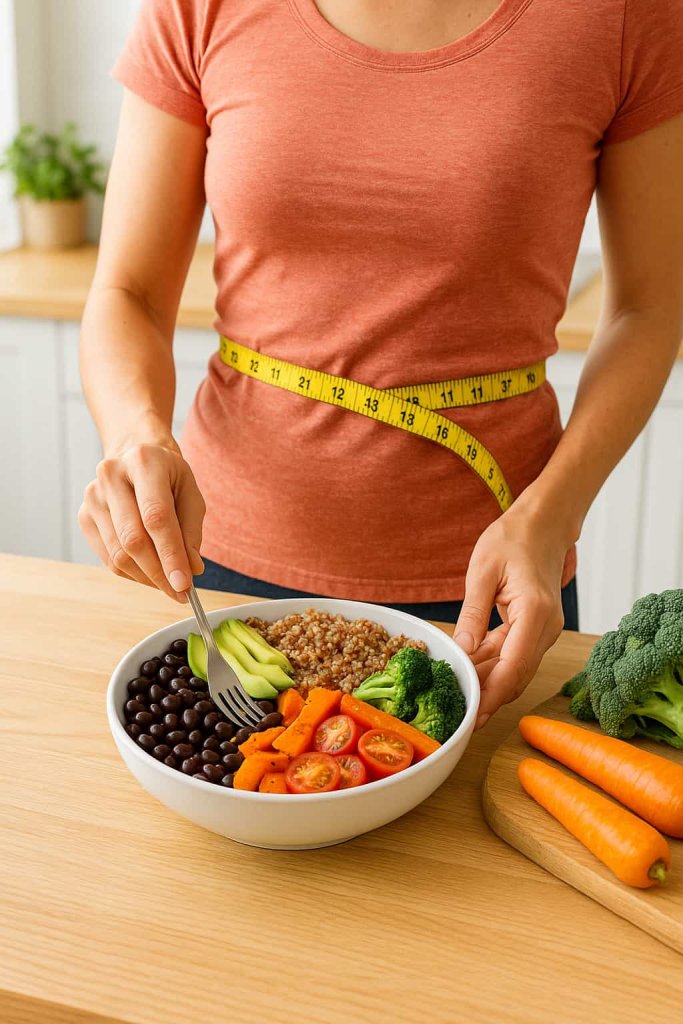
If you’re aiming for healthy weight management, black beans are your best friend. Their unique blend of fiber, protein, and resistant starch promotes fullness and reduces hunger hormones.
Research summarized by UCLA Health shows that people who eat beans regularly have smaller waistlines and lower body weights than those who don’t. The fiber content slows digestion, preventing rapid spikes in blood sugar and keeping you satisfied longer.
Because they digest slowly, black beans also sustain energy levels, helping to curb snacking and overeating throughout the day.
👉 Try this: Replace meat with black beans in chili, tacos, or veggie burgers — you’ll save calories while gaining long-lasting satiety.
4. Regulates Blood Sugar and Improves Insulin Sensitivity
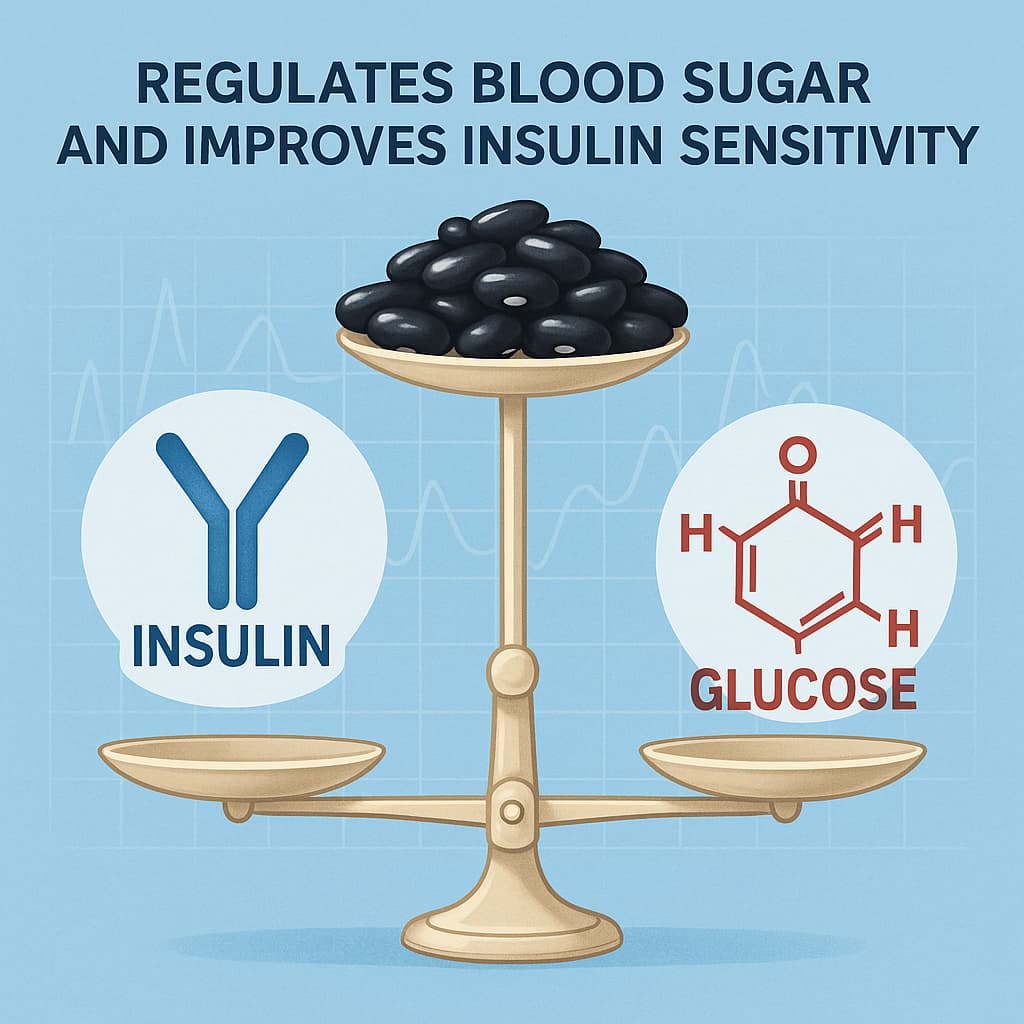
Black beans have a low glycemic index (GI ~30), meaning they release sugar slowly into your bloodstream — ideal for people managing diabetes or prediabetes.
A clinical trial in the British Journal of Nutrition found that eating a black-bean meal significantly reduced post-meal insulin spikes compared to meals with the same fiber content.
Similarly, a USDA study reported an 87% improvement in insulin sensitivity among test subjects who consumed regular portions of black beans. This is due to their fiber, magnesium, and antioxidant content, which improves the body’s response to insulin and stabilizes blood sugar.
👉 Tip: Substitute refined carbs with black beans in one meal daily to balance glucose levels naturally.
5. Supports Digestive and Gut Health
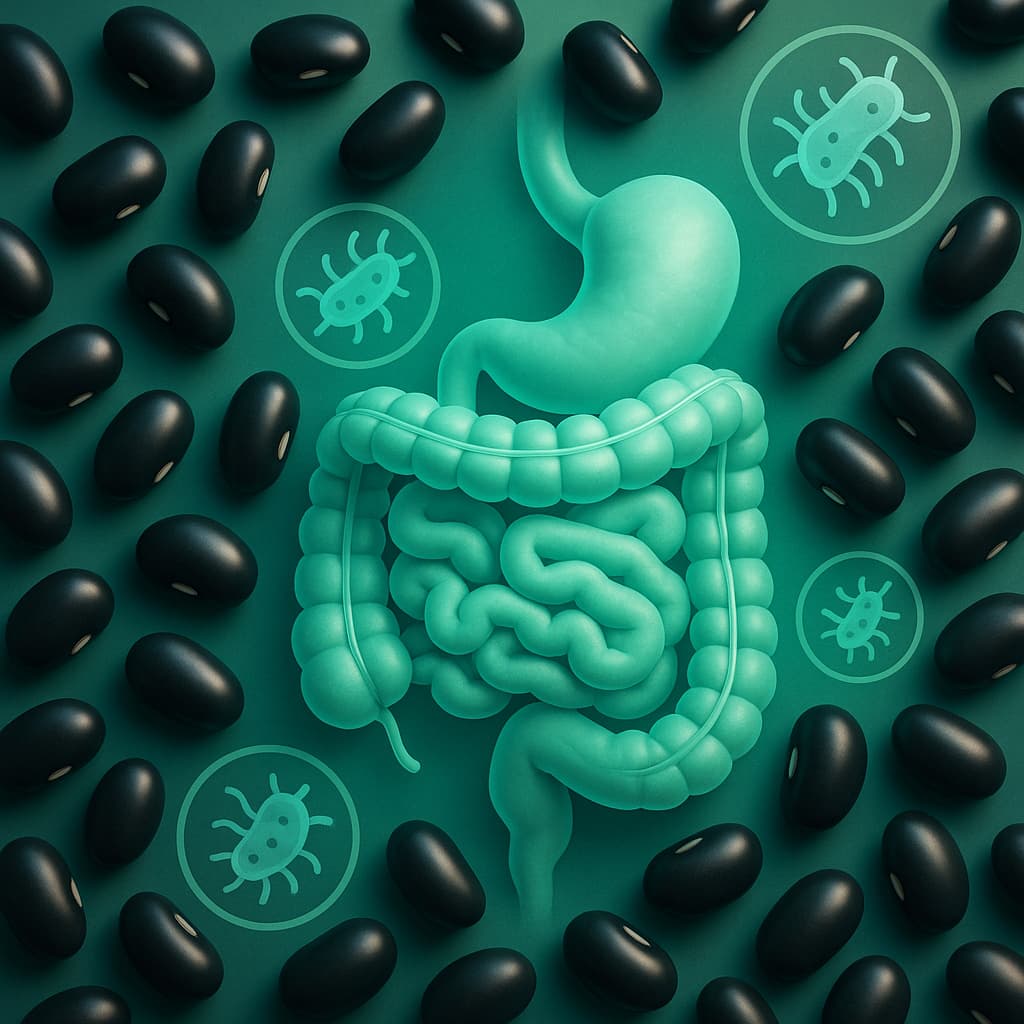
Black beans are a top source of both soluble and insoluble fiber, making them a digestive powerhouse. Insoluble fiber promotes regular bowel movements, while soluble fiber feeds healthy gut bacteria.
According to the Cleveland Clinic, the resistant starch in black beans acts as a prebiotic, nourishing beneficial gut microbes that produce short-chain fatty acids (SCFAs). These compounds help lower inflammation and protect the colon from disease.
Regular consumption of black beans has also been linked to a reduced risk of colon cancer and improved gut barrier function.
👉 Pro Tip: Start with ½ cup per day and increase gradually to prevent bloating as your digestive system adjusts.
6. Boosts Brain Health and Memory

Black beans are excellent for supporting brain health and memory thanks to their rich content of folate, magnesium, and antioxidants — all crucial nutrients for proper nerve function and cognitive performance.
- Folate (Vitamin B9) aids in neurotransmitter synthesis and helps regulate mood and focus. Adequate folate intake is associated with improved mental clarity and a lower risk of age-related cognitive decline.
- Magnesium contributes to neural communication, memory recall, and overall relaxation by supporting energy production in brain cells.
- Anthocyanins and flavonoids, the pigments responsible for the black bean’s dark color, act as powerful antioxidants that protect neurons from oxidative stress and inflammation — two major contributors to brain aging.
Recent research published in Frontiers in Public Health (2023) found that diets rich in legumes and plant-based foods are linked to better cognitive performance and slower cognitive decline. These foods supply polyphenols and essential micronutrients that support brain plasticity and reduce oxidative damage over time.
👉 Try this: Combine black beans with leafy greens, whole grains, and olive oil for a nutrient-dense, brain-boosting meal that delivers folate, omega-3s, and antioxidants in every bite.
7. Supports Healthy Blood Pressure
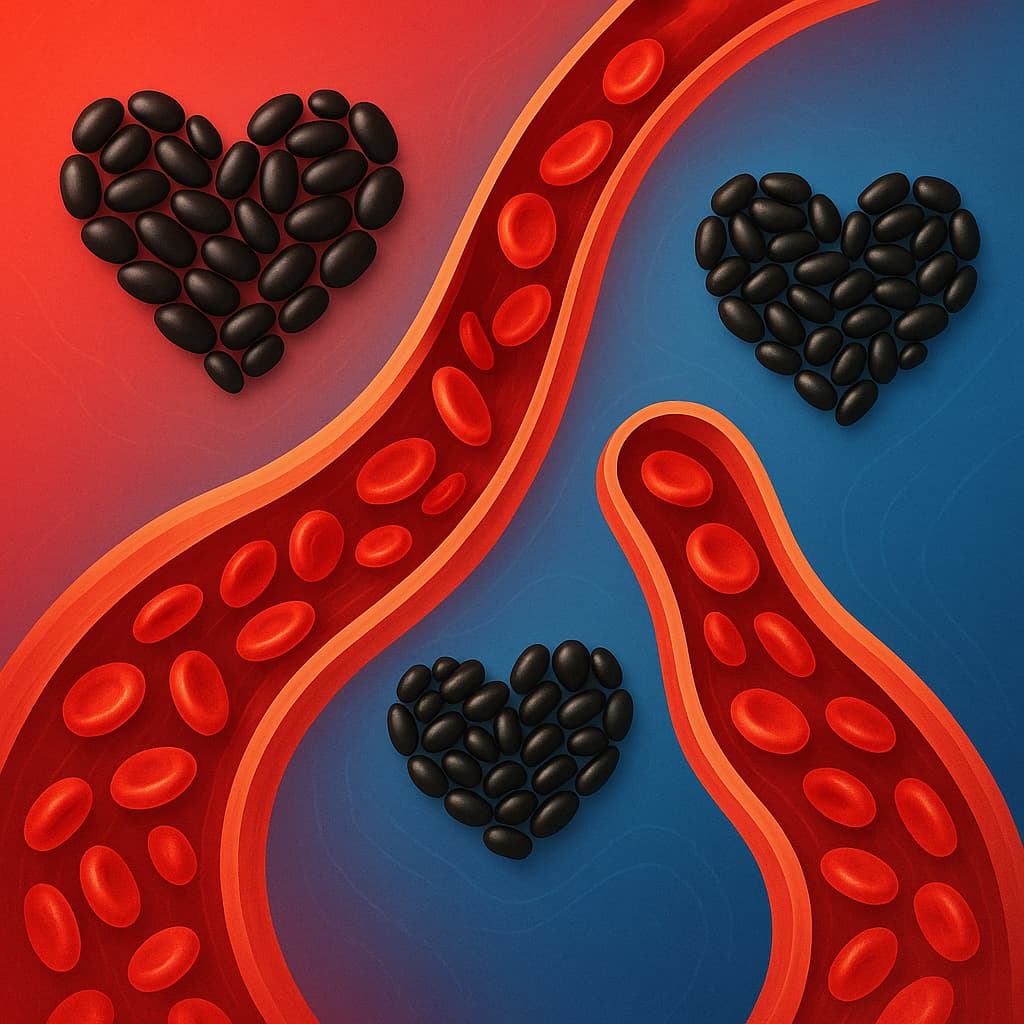
Hypertension affects millions worldwide, but black beans can help. They’re rich in potassium, magnesium, and calcium, which work synergistically to regulate blood pressure and improve blood vessel elasticity.
According to the American Heart Association (AHA), potassium-rich foods help counteract sodium’s harmful effects — reducing strain on arteries and improving circulation.
Black beans are also naturally low in sodium, making them an ideal food for people managing high blood pressure.
👉 Recommended Intake: Eat 1–2 cups of cooked black beans per week to maintain healthy blood pressure and promote better circulation.
8. Improves Skin Health

Black beans are loaded with antioxidants like quercetin, polyphenols, and anthocyanins, which protect your skin from oxidative stress and premature aging.
Their rich mineral content — especially iron, zinc, and B vitamins — supports collagen formation, enhances wound healing, and gives skin a natural glow.
Pairing black beans with vitamin E-rich foods like avocado or olive oil enhances antioxidant absorption, helping your skin retain moisture and elasticity.
👉 Tip: Try a black bean and avocado salad with olive oil for a delicious, skin-nourishing meal.
9. Strengthens the Immune System
Black beans are an excellent source of zinc, iron, and folate, nutrients essential for white blood cell production and immune defense.
Their antioxidants — particularly flavonoids — reduce inflammation and oxidative stress, both of which can weaken immune response.
According to Healthline, black beans support immune resilience and protect against infection when eaten regularly as part of a balanced diet.
👉 Pro Tip: Combine black beans with citrus or tomatoes to boost iron absorption and further strengthen immunity.
10. May Help Prevent Chronic Diseases
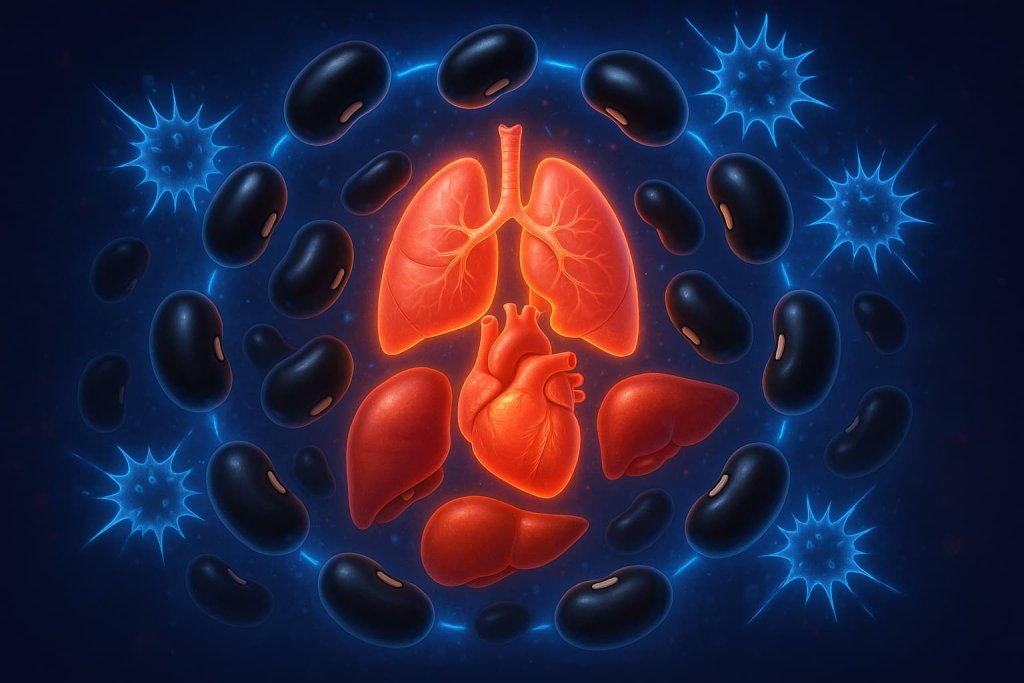
Multiple studies published in the National Library of Medicine confirm that legumes like black beans play a major role in reducing the risk of chronic illnesses such as type 2 diabetes, obesity, cardiovascular disease, and certain cancers.
Their high fiber content lowers cholesterol, their antioxidants fight cellular damage, and their low-fat profile supports long-term metabolic health.
Anthocyanins in particular help neutralize free radicals, preventing DNA damage and reducing inflammation throughout the body.
👉 Takeaway: Replacing processed foods with black beans a few times per week can dramatically improve long-term wellness.
Best Ways to Add Black Beans to Your Diet
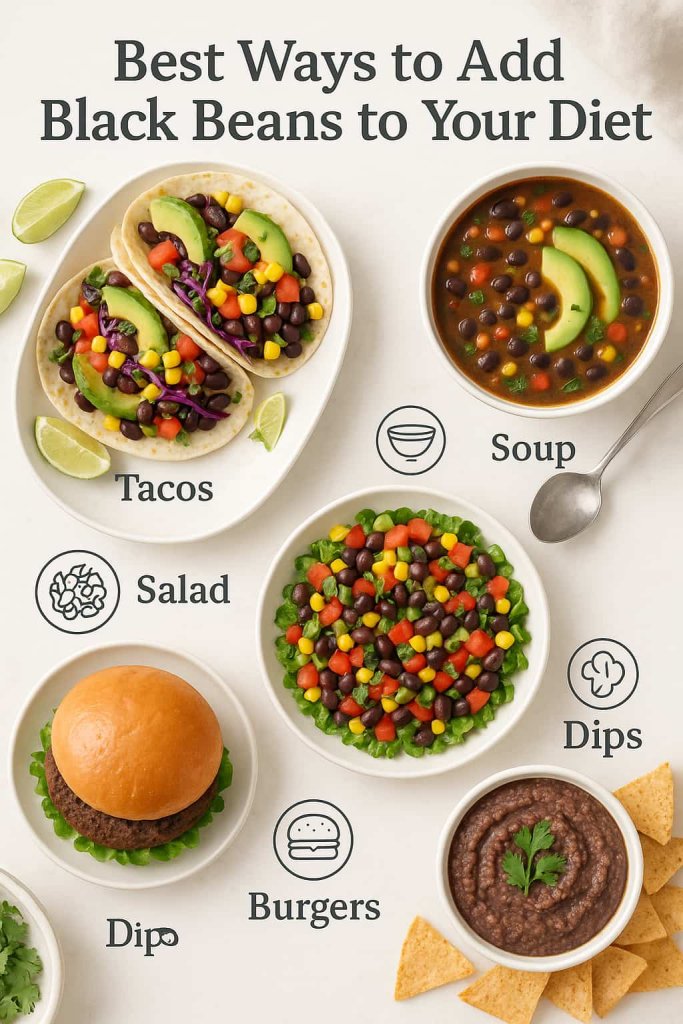
Black beans are incredibly versatile, affordable, and easy to include in almost any meal. Whether you’re vegan, vegetarian, or just looking to eat healthier, there are countless delicious ways to enjoy them.
Here are some practical and tasty ideas to make black beans part of your daily diet:
1. Add to Salads and Bowls
Toss cooked black beans into green salads, quinoa bowls, or grain salads for extra protein and fiber.
They pair beautifully with avocado, corn, lime, and tomatoes.
2. Make Hearty Soups and Stews
Add them to vegetable soups, chili, or bean stews for thickness and nutrition. Try a Cuban-style black bean soup with onions, garlic, and olive oil for a comforting meal.
3. Use in Tacos and Burritos
Swap out meat for black beans in tacos, burritos, or enchiladas. They offer a satisfying texture and are naturally rich in protein and antioxidants.
4. Create Veggie Burgers
Mash black beans with oats, spices, and diced vegetables to make homemade black bean burgers. These are great for grilling or air frying.
5. Blend into Dips and Spreads
Blend black beans with garlic, lemon juice, and olive oil for a creamy dip — a healthy alternative to hummus.
6. Sneak into Baked Goods
Surprisingly, black beans can even be used in brownies or muffins! Their smooth texture adds richness while cutting down on flour and fat.
💡 Quick Tip:
Always rinse canned black beans under running water for 30 seconds to remove excess sodium — this can cut sodium levels by up to 40%, according to the American Heart Association.
👉 Purpose: Adding black beans to your meals 3–4 times per week supports heart health, digestion, and stable energy levels — all backed by science.
Recommended Daily Intake, Safety & Storage
Black beans are safe for most people when eaten in moderation and properly cooked. However, because they’re rich in fiber and certain plant compounds, it’s important to consume them the right way.
Recommended Daily Intake
| Group | Recommended Amount (Cooked) | Notes / Benefits |
|---|---|---|
| Adults (General) | ½–1 cup daily | Excellent for heart and gut health |
| Diabetics | ½–1 cup daily | Helps regulate blood sugar (low GI) |
| Children (4–12 years) | ¼–½ cup daily | Great plant-based protein source |
| Pregnant Women | ½–1 cup daily | Rich in folate for fetal development |
| Athletes | 1 cup post-workout | Supports muscle recovery and satiety |
Source: Mayo Clinic – Nutrition and Healthy Eating
Safety Tips
- Soak before cooking: Soaking black beans overnight (8–12 hours) helps reduce compounds that cause bloating and shortens cooking time.
- Avoid raw or undercooked beans: They contain lectins, which can cause digestive discomfort if not fully cooked.
- Start gradually: If you’re not used to high-fiber foods, begin with small portions and increase slowly.
- Allergies: Rare, but possible — discontinue if you experience unusual digestive issues.
Storage Guidelines
| Type | Storage Duration | Storage Method |
|---|---|---|
| Dried Beans (Uncooked) | Up to 1 year | Airtight container, cool dry place |
| Cooked Beans (Fridge) | 3–4 days | Airtight glass or BPA-free container |
| Cooked Beans (Freezer) | 2–3 months | Freeze in meal-size portions |
Source: Cleveland Clinic – Storing Cooked Beans Safely
⚠️ Tip: Add a pinch of cumin or ginger while cooking beans to make them easier to digest and reduce gas formation.
Frequently Asked Questions (FAQ)
1. Can I eat black beans every day?
Yes — eating ½ to 1 cup of black beans daily is safe and beneficial. They’re rich in fiber, protein, and antioxidants that support heart, gut, and metabolic health. According to the Cleveland Clinic, regular bean intake helps lower cholesterol, stabilize blood sugar, and improve digestion.
2. Do black beans help with weight loss?
Yes. Black beans are high in fiber and protein, both of which promote fullness and reduce appetite. Research from UCLA Health found that regular bean consumers tend to have smaller waistlines.
3. Are canned black beans healthy?
Yes — canned black beans retain nearly the same nutrients as cooked ones. Choose low-sodium or no-salt-added versions and rinse them before use to remove excess salt.
4. Are black beans good for diabetics?
Yes. Black beans have a low glycemic index (GI ~30) and help stabilize blood sugar. Studies show they reduce post-meal glucose spikes, making them an ideal food for diabetics.
5. Do black beans cause gas or bloating?
They can — especially for those new to high-fiber foods. Soaking beans overnight and rinsing before cooking helps remove oligosaccharides (compounds responsible for gas).
6. Can I eat black beans on a keto or low-carb diet?
In small portions, yes. Although they contain carbohydrates, the high fiber offsets much of the net carb count, making them suitable for moderate low-carb diets.
7. What’s the best time to eat black beans?
Lunch or dinner works best, as they provide slow-release energy throughout the day and pair well with grains, vegetables, and lean proteins.
Conclusion
Black beans are a nutrient-dense, affordable, and versatile superfood that deliver powerful benefits — from better digestion and heart health to improved energy and weight management.
Backed by modern research from institutions like UCLA Health, Cleveland Clinic, and the USDA, these humble legumes prove that eating healthy doesn’t have to be expensive or complicated.
They’re packed with protein, fiber, and antioxidants, making them a must-have for anyone following a balanced or plant-based diet.
🌟 Start today: Add a serving of black beans to your next salad, soup, or taco.
It’s a simple, delicious step toward a stronger heart, sharper mind, and healthier you!