
If you’re wondering about the health benefits of prunes, the short answer is that prunes may help support digestion, bone health, heart health, and overall wellness thanks to their rich fiber, antioxidants, and essential minerals.
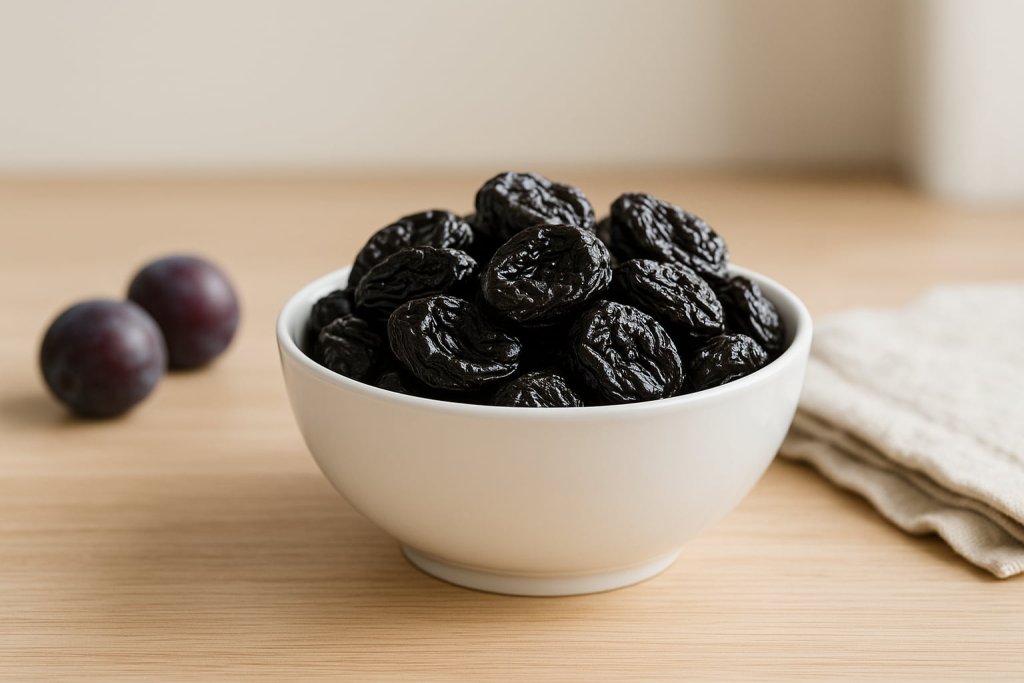
Understanding how prunes fit into your diet is important, especially because they offer a unique combination of fiber, sorbitol, potassium, vitamin K, and polyphenols, all of which support different areas of health. This guide breaks down science-backed benefits, safe portions, and who should be cautious, with links to authoritative nutrition and health sources.
What Makes Prunes Nutritious?
Prunes (dried plums) are one of the most nutrient-dense dried fruits, offering a concentrated source of fiber, antioxidants, vitamins, minerals, and natural sorbitol. Their nutritional profile helps explain many of their science-backed health benefits, from digestive support to bone and heart wellness.
According to nutrient data from the USDA FoodData Central, a 100-gram serving of prunes typically provides:
- Calories: ~240
- Total fiber: ~7 g (soluble + insoluble)
- Potassium: ~700 mg
- Vitamin K: ~59 µg
- Carbohydrates: ~64 g
- Natural sorbitol: present in meaningful amounts
- Polyphenols: chlorogenic acids and other antioxidants
Reference: USDA FoodData Central
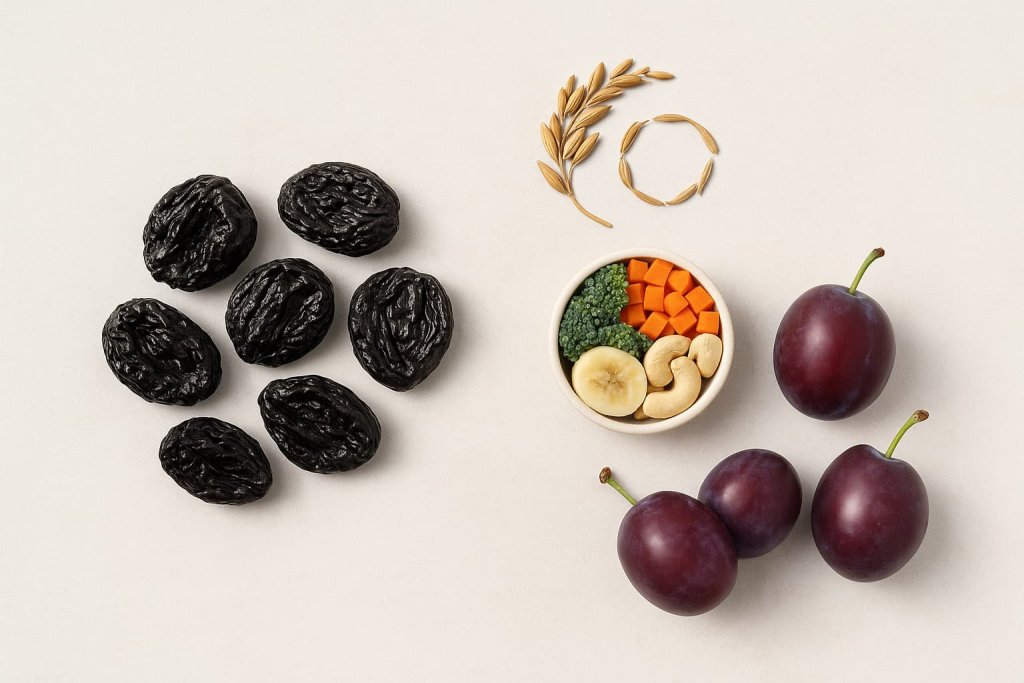
Key Nutritional Components Explained
High Fiber Content
Prunes provide soluble and insoluble fiber that supports digestion, satiety, cholesterol balance, and steadier blood sugar control.
Natural Sorbitol
Sorbitol is a naturally occurring sugar alcohol that draws water into the intestines, gently supporting regular digestion without stimulants.
Potassium and Bone-Supporting Minerals
Prunes supply potassium for blood pressure and nerve function, along with boron and magnesium that support bone and metabolic health.
Polyphenol Antioxidants
Rich in phenolic compounds such as chlorogenic acids, prunes help reduce oxidative stress and support cellular protection.
Low Glycemic Index
With a low GI (around 29), prunes release sugar slowly, supporting more stable blood glucose responses despite their natural sweetness.
10 Proven Health Benefits of Prunes Backed by Nutrition Science
Prunes are one of the most nutrient-dense dried fruits, known for their exceptional blend of dietary fiber, polyphenols, sorbitol, potassium, vitamin K, and bone-supportive minerals. Together, these compounds may support digestive health, bone strength, heart function, and metabolic wellness. Below are ten research-backed benefits, each grounded in credible health and nutrition science.
1. May Help Support Regular Bowel Movements
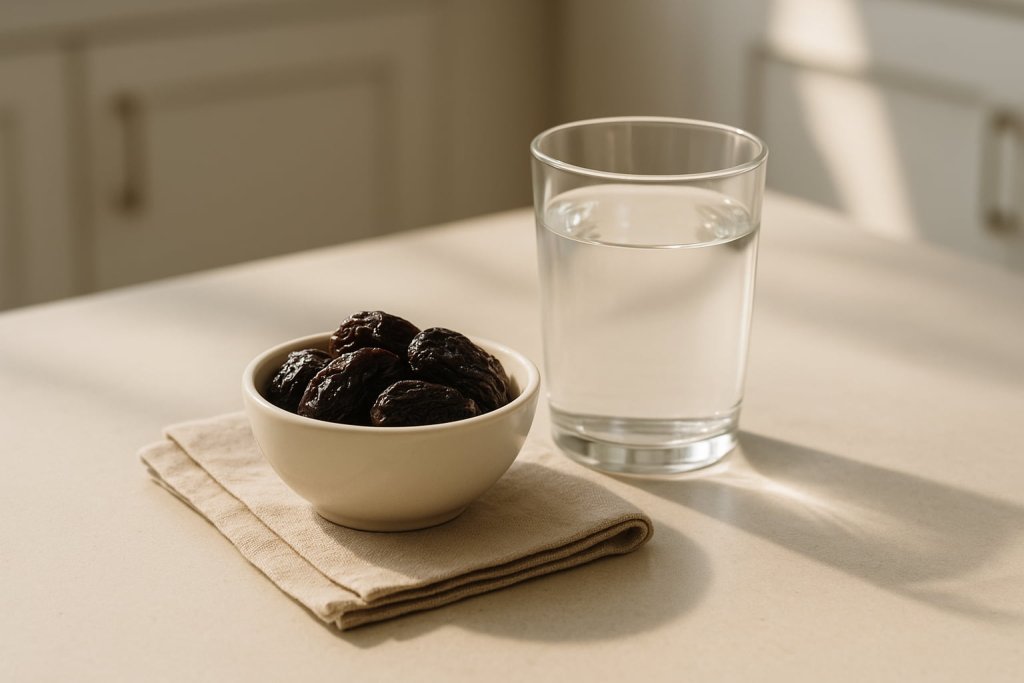
Prunes are widely recognized for their digestive benefits. Their unique composition includes insoluble fiber, which adds bulk to stool, and soluble fiber, which helps absorb water and soften it. This combination supports smoother, more regular bowel movements.
Prunes also contain sorbitol, a natural sugar alcohol that draws water into the colon, acting as an osmotic agent that may help relieve occasional constipation. Additionally, prune polyphenols may help support overall colon function and promote a healthier bowel movement pattern over time.
According to the digestive health guidance from the Cleveland Clinic – Digestive Health, prunes are considered one of the most effective food-based strategies for improving stool consistency and easing digestive discomfort when consumed with adequate hydration.
2. Supports Bone Health in Postmenopausal Women
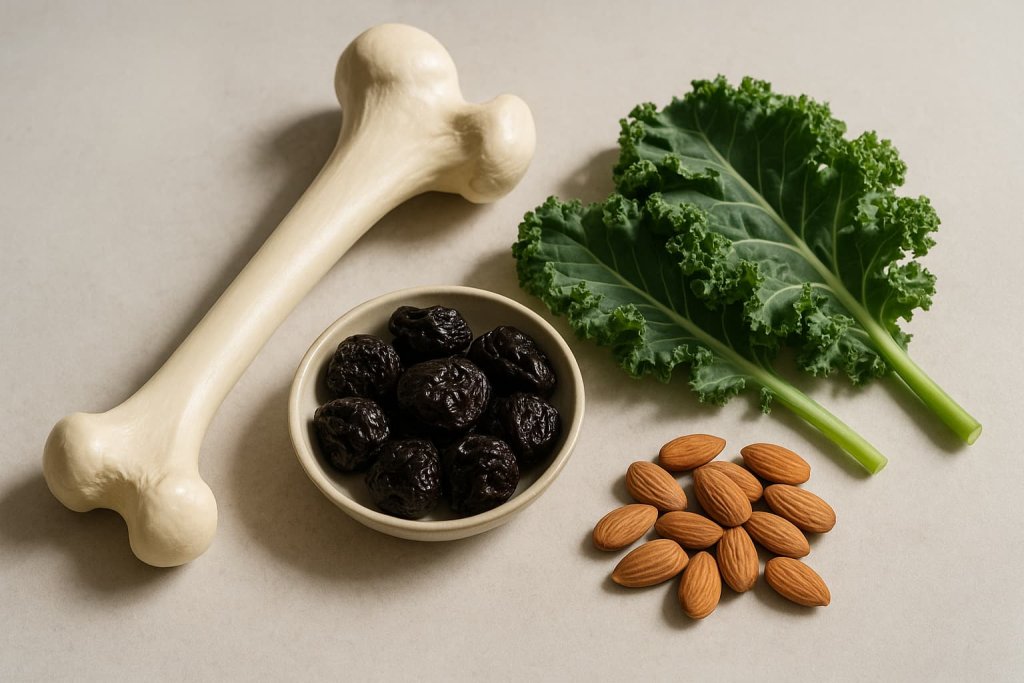
Bone density naturally declines with age, especially during and after menopause due to reduced estrogen levels. Prunes may support bone preservation because they contain a combination of vitamin K, potassium, magnesium, and boron—all essential for bone metabolism.
Vitamin K helps activate proteins involved in bone building, potassium helps reduce calcium loss through urine, magnesium supports bone mineralization, and boron contributes to bone structure and hormonal balance.
Emerging human research is promising. Multiple studies using 50 g of prunes daily (about 5–6 prunes) show potential to help reduce markers of bone turnover and support bone mineral density. Nutrition researchers at Penn State University – Nutrition Research highlight that regular prune consumption may help preserve hip bone density, one of the strongest predictors of fracture risk.
3. High in Potassium, Which Supports Healthy Blood Pressure
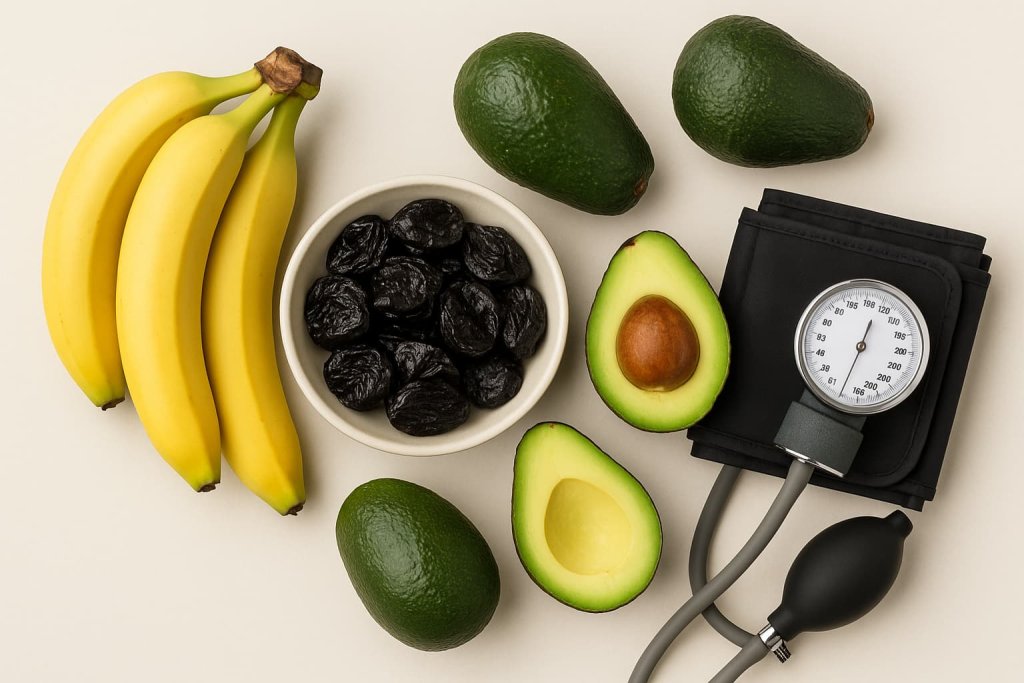
Potassium is a mineral the body uses to maintain normal blood pressure and fluid balance. Prunes offer a naturally high potassium content relative to serving size, making them a heart-supportive fruit option.
Potassium works by helping blood vessels relax and by counterbalancing sodium’s effects. Many adults consume too much sodium and too little potassium, increasing the risk of high blood pressure.
The American Heart Association – Potassium and Your Heart emphasizes that potassium-rich foods can help support healthy blood pressure when included as part of a balanced eating pattern that limits excess sodium.
4. Rich in Antioxidants That May Reduce Oxidative Stress
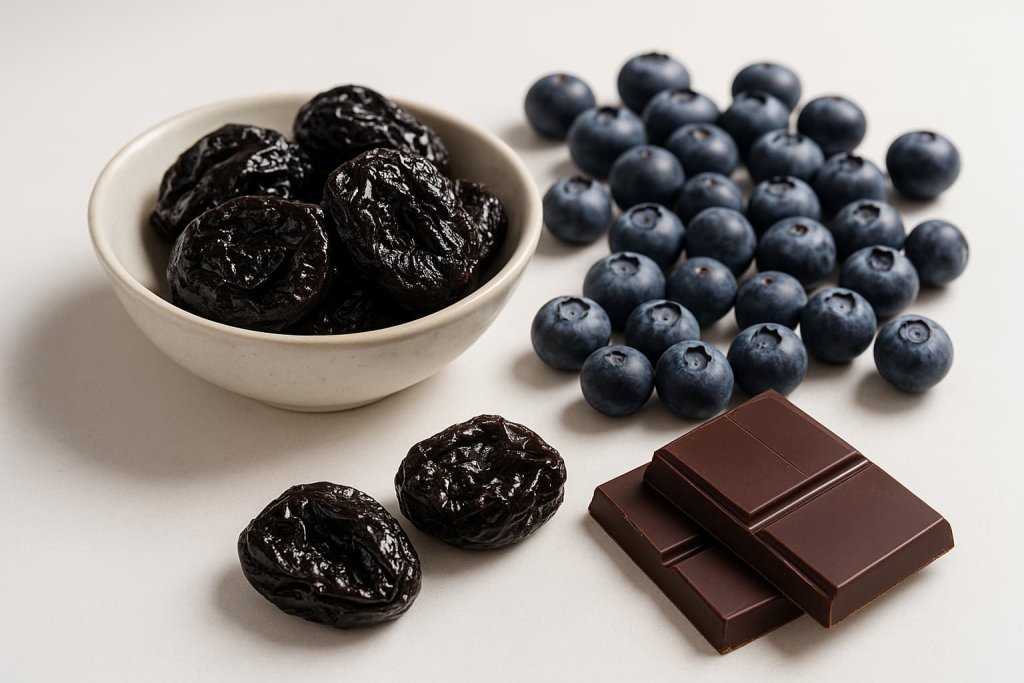
Prunes contain powerful phenolic antioxidants, including chlorogenic acids and neochlorogenic acid. These compounds help neutralize free radicals—unstable molecules that contribute to oxidative stress.
Oxidative stress is associated with aging, inflammation, and chronic health conditions. Eating antioxidant-rich foods may support cellular protection and overall health.
The NIH – Antioxidants Overview explains that antioxidants help support the body’s natural defense systems, and fruits like prunes contribute valuable antioxidant activity as part of a nutrient-dense diet.
5. May Support a Healthy Gut Microbiome
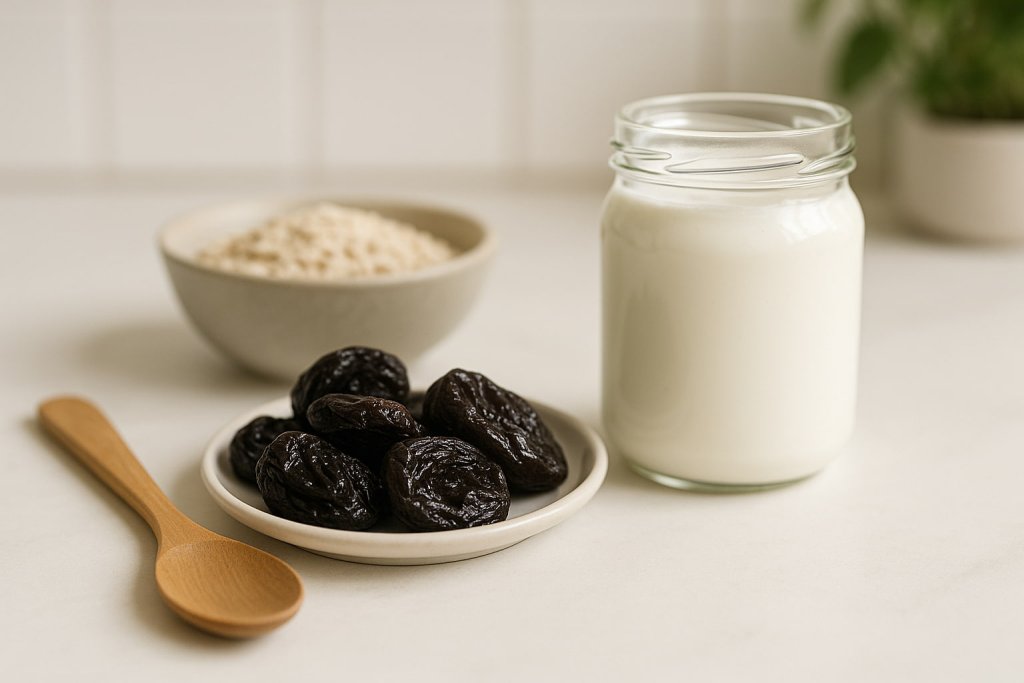
The gut microbiome plays a central role in digestion, immune function, and metabolic health. Prunes provide fermentable fibers and polyphenols, which may help nourish beneficial gut bacteria.
As gut microbes break down prune fiber, they produce short-chain fatty acids (SCFAs) such as butyrate, acetate, and propionate. SCFAs help support colon cell integrity, immune health, and metabolic balance.
Research summarized by the Harvard – Fiber and the Microbiome shows that diets rich in fiber increase microbial diversity and support long-term digestive wellness. Prunes may contribute to these benefits when consumed regularly and in moderate amounts.
6. Low-GI Energy Source for Steadier Blood Sugar
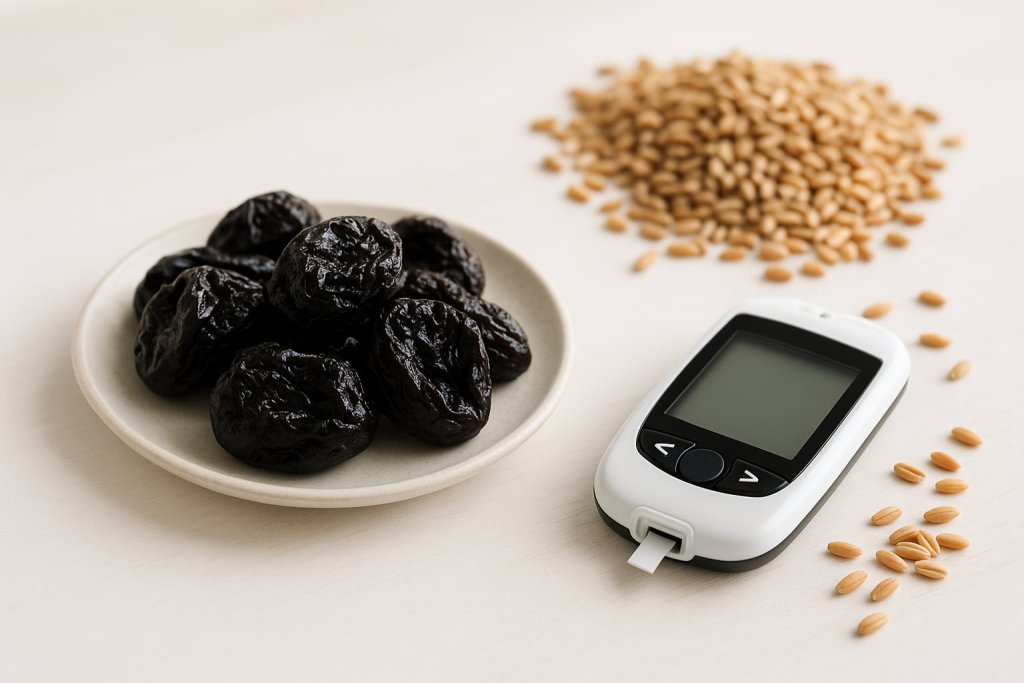
Although prunes contain natural sugars, they have a low glycemic index (around 29). Their combination of fiber, natural sorbitol, and antioxidants slows digestion and glucose absorption, resulting in a more gradual rise in blood sugar.
For people seeking steady energy or monitoring blood sugar, prunes may be a more nutrient-dense option compared to refined sweet snacks. They also pair well with protein or healthy fats for even greater stability.
The American Diabetes Association – Fruit and Diabetes confirms that low-GI fruits can fit into balanced eating plans for diabetes and prediabetes when portion sizes are appropriately managed.
7. May Support Heart Health Markers
Prunes contribute nutrients associated with cardiovascular support, including fiber, potassium, and antioxidants. Fiber helps support healthy cholesterol levels by binding bile acids, while potassium helps maintain healthy blood vessel function.
Polyphenols in prunes may also support endothelial function and help reduce oxidative stress markers linked to cardiovascular health.
The Harvard – Fiber and Heart Health explains that higher fiber intake is associated with reduced cardiovascular risk and improved lipid profiles. Regularly choosing fiber-rich fruits such as prunes may contribute to these benefits as part of an overall heart-supportive lifestyle.
8. Supports Healthy Weight Management Through Fiber
Prunes may support weight management because their dietary fiber helps increase fullness and reduce appetite. Fiber slows the emptying of the stomach, helping reduce between-meal hunger urges.
Prunes also offer natural sweetness, which may help satisfy sweet cravings without relying on highly processed snacks. Their low-GI nature supports more stable energy levels, which may reduce cravings for quick-sugar foods.
The USDA – Dietary Guidelines for Americans emphasizes that eating more dietary fiber is linked to improved weight outcomes and better metabolic health. Prunes can help contribute to daily fiber targets while adding important micronutrients.
9. Provides Vitamin K and Bone-Supporting Minerals
Vitamin K is required for normal blood clotting and helps activate proteins involved in bone formation, such as osteocalcin. Prunes naturally contain vitamin K along with magnesium and boron—minerals needed for bone structure and mineralization.
These nutrients work synergistically: vitamin K supports bone protein activation, magnesium contributes to bone matrix formation, and boron influences calcium and magnesium utilization.
The NIH – Vitamin K Fact Sheet outlines the essential role of vitamin K in bone metabolism and explains why adequate intake is important for long-term skeletal health.
10. Convenient, Shelf-Stable Fruit to Boost Daily Intake

Prunes are easy to store, require no refrigeration, and make a convenient on-the-go snack. Their long shelf life makes them a practical fruit source during travel, busy days, or seasons when fresh produce is less available.
According to the USDA MyPlate – Fruit Intake Recommendations, ¼ cup of dried fruit counts as ½ cup of fruit toward the daily recommended fruit intake. This can help adults reach the guideline of 1.5–2 cups of fruit per day.
Because prunes are nutrient-dense and easy to incorporate into meals or snacks, they can help individuals consistently meet their fruit and fiber goals.
How Many Prunes Should You Eat Per Day?
The ideal number of prunes to eat per day depends on your goals, digestive tolerance, and overall dietary patterns. Because prunes are nutrient-dense and naturally sweet, portion control ensures you gain their health benefits without consuming too many calories or natural sugars at once.
Most people do well with 2–6 prunes per day. This amount provides fiber, antioxidants, and potassium while remaining easy to digest for the majority of adults. Starting with 2 prunes daily and gradually increasing the amount helps your body adjust to their fiber and sorbitol content.
For bone support, many clinical trials use 50 grams of prunes per day (about 5–6 prunes). This amount has been associated with bone preservation in postmenopausal women in research summarized by Penn State University – Nutrition Research.
For digestive support, some studies use slightly higher amounts, but individuals may experience gas, bloating, or loose stools if intake increases too rapidly.
Because prunes contain natural sugars and calories, people tracking total carbohydrate intake—such as individuals with diabetes—should treat prunes as part of their daily carb allowance. Guidance on fruit portions from the American Diabetes Association – Fruit and Diabetes supports mindful portioning.
Possible Side Effects and Safety Precautions
While prunes are generally safe for most people, their fiber, sorbitol, and mineral content may cause digestive or metabolic concerns when eaten in excess. The following considerations ensure safe, balanced use, especially for individuals with specific health conditions.
Digestive Sensitivity
Prunes are naturally high in fiber and sorbitol. Eating too many can lead to:
- Gas
- Bloating
- Cramping
- Loose stools
People with IBS, FODMAP sensitivity, or digestive disorders may be more affected. Introducing prunes slowly and drinking adequate water can help reduce discomfort.
Potassium Considerations
Prunes contain a substantial amount of potassium, an important mineral for heart and muscle function. While potassium supports normal blood pressure, individuals with kidney disorders may need to limit potassium intake.
The National Kidney Foundation advises that potassium must be managed carefully in chronic kidney disease, where the kidneys may not regulate potassium effectively.
Reference: National Kidney Foundation – Potassium Guidelines
Chronic Kidney Disease (CKD)
People with CKD should avoid or minimize high-potassium foods such as prunes unless instructed otherwise by their healthcare professional. Excess potassium may lead to serious complications because the kidneys cannot remove it efficiently.
Diabetes or Prediabetes Considerations
Although prunes have a low glycemic index, they still contain natural sugars and carbohydrates. Individuals managing blood sugar should:
- Monitor portions carefully
- Count prunes within their daily carbohydrate allowance
- Pair prunes with protein or healthy fats for steadier blood sugar
Dental Health
Prunes are sticky and may cling to teeth. This may increase the risk of cavities if proper oral hygiene is not practiced. Following guidance from dental resources such as the American Dental Association can help protect dental health. Rinse your mouth with water after eating dried fruit and maintain consistent brushing and flossing routines.
Who Should Avoid or Limit Prunes?
This section is essential for safety because certain individuals are more vulnerable to the effects of potassium, fiber, or natural sugars found in prunes.
Individuals With Chronic Kidney Disease
Prunes contain high levels of potassium, which may accumulate in the bloodstream if kidney function is impaired. People with CKD should avoid or strictly limit prunes unless otherwise advised by their renal dietitian or healthcare professional.
People Taking Potassium-Elevating Medications
Medications such as ACE inhibitors, ARBs, potassium-sparing diuretics, or certain heart failure therapies can raise potassium levels. Adding high-potassium fruits like prunes may increase the risk of hyperkalemia. Consultation with a healthcare provider is recommended.
Those With IBS or FODMAP Sensitivities
Prunes contain sorbitol (a FODMAP) and fiber, which may cause bloating or discomfort in individuals with IBS. Smaller portions or alternative fruits may be better tolerated.
People Managing Diabetes or Prediabetes
While prunes can fit into a balanced eating plan, their natural sugars require careful portion control. Tracking carbohydrate intake and pairing prunes with protein helps maintain stable blood sugar.
Individuals Monitoring Caloric Intake
Prunes are calorie-dense (about 23–25 calories per prune). People intentionally reducing caloric intake should consume small, controlled portions.
Those Prone to Dental Issues
Because prunes are sticky and sweet, individuals with dental decay or sensitivity should rinse their mouth after consuming them and follow strong oral hygiene practices.
How to Add Prunes to Your Diet
Adding prunes to your diet can be simple, flexible, and delicious. Because they are shelf-stable and naturally sweet, prunes work well in both sweet and savory recipes.
Practical Ways to Enjoy Prunes
- As a snack: Eat 2–4 prunes on their own for a quick, fiber-rich energy boost.
- In oatmeal or yogurt: Chop prunes into morning oatmeal or Greek yogurt for natural sweetness.
- Blended into smoothies: Add prunes for sweetness and fiber without added sugar.
- Baking: Use pureed prunes to replace part of the sugar or fat in muffins, breads, or brownies.
- Trail mix: Combine prunes with nuts and seeds for a balanced snack.
- Salads and grain bowls: Add sliced prunes to salad greens, quinoa, or couscous for sweetness and texture.
- Savory dishes: Use chopped prunes in braised meats, tagines, or vegetable stews for depth of flavor.
The USDA MyPlate – Fruit Intake Recommendations encourages including more fruit throughout the day, and prunes offer a convenient way to meet these recommendations.
Frequently Asked Questions (FAQs)
Are prunes good for digestion?
Yes. Their fiber, sorbitol, and polyphenols may help support regular bowel movements.
How many prunes should I eat daily?
Most people do well with 2–6 prunes per day. For bone health, research often uses 50 g (5–6 prunes) daily.
Do prunes raise blood sugar?
Prunes have a low glycemic index, but they still contain natural sugars. Portion control is recommended for those managing blood sugar.
Are prunes better than prune juice?
Whole prunes contain more fiber than prune juice, which may offer stronger benefits for digestion and satiety.
Are prunes safe for kidney patients?
People with kidney disease should limit prunes due to their high potassium content unless a healthcare provider advises otherwise.
Can I eat prunes every day?
Most healthy adults can include prunes daily in moderate amounts, but those with digestive sensitivity or kidney concerns should adjust intake.
Are prunes good for weight loss?
Prunes may support fullness due to their fiber content, making them a useful part of a balanced weight-management plan.
Conclusion
Prunes are a nutrient-dense fruit offering fiber, potassium, antioxidants, and bone-supportive minerals that may benefit digestion, metabolic wellness, cardiovascular health, and bone strength. When eaten in sensible portions and incorporated into balanced meals, prunes can be a convenient and powerful addition to a healthy diet.
This content is for informational purposes only and not medical advice.