
Black seed oil benefits are supported by growing scientific evidence, and research shows it may help support cardiometabolic wellness, antioxidant balance, and skin health. While black seed oil is not a cure for any condition, several studies highlight meaningful ways it may support overall well-being when used safely and as part of a balanced lifestyle.
Understanding these effects is important because supplements can influence digestion, inflammation, cholesterol levels, and even how certain medications work. Below, you’ll find research-based guidance, current safety updates, and practical insights from authoritative sources such as the National Library of Medicine, the Cleveland Clinic, and the U.S. Food and Drug Administration.
What Is Black Seed Oil? (Overview and Nutrition Profile)
Black seed oil is a plant-derived oil extracted from the seeds of Nigella sativa, a flowering herb traditionally used in Middle Eastern and South Asian cultures. Its growing popularity in modern nutrition comes from its naturally occurring compounds—especially thymoquinone—which have been widely studied for antioxidant and inflammation-supportive effects. Research compiled by the National Library of Medicine indicates increasing scientific interest in how these compounds may support overall wellness when used appropriately.
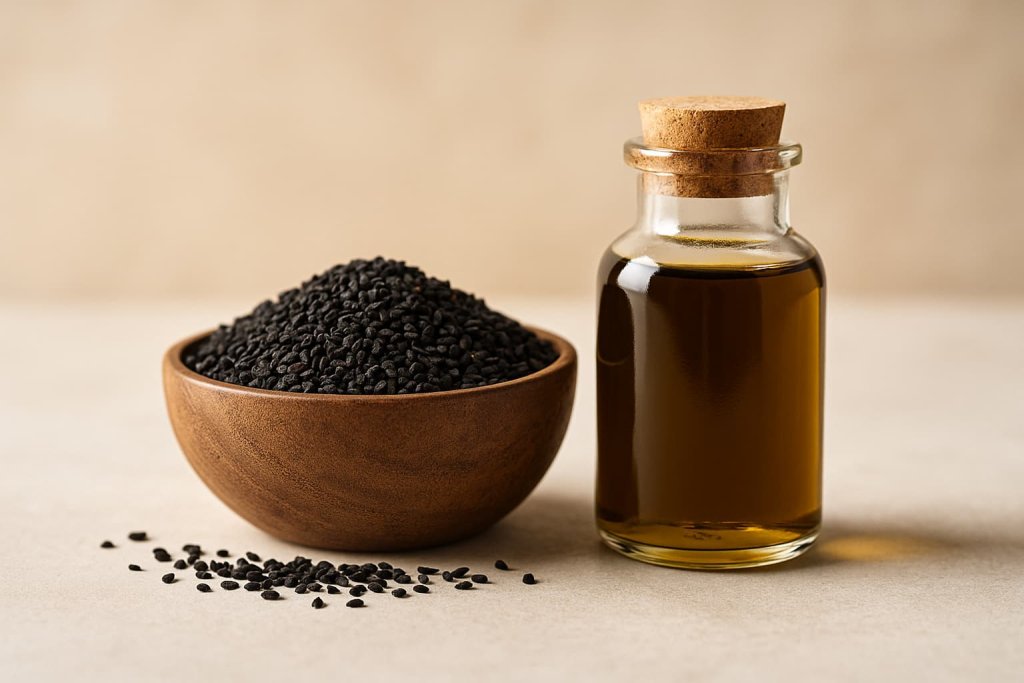
Overview of Key Nutritional Components
Black seed oil is not used as a major source of vitamins or minerals. Instead, its value lies in its mix of fatty acids, volatile oils, and plant-based phytochemicals. These components work together to support general cellular balance and antioxidant activity. Because supplement quality can vary significantly, the National Institutes of Health encourages consumers to select products with transparent labeling and independent testing.
Nutrition Profile of Black Seed Oil
The table below outlines general characteristics commonly found in high-quality black seed oil. Actual composition varies depending on seed origin, extraction method, and manufacturer quality.
| Nutritional Component | Typical Presence / Function | Notes |
|---|---|---|
| Thymoquinone (TQ) | Primary bioactive compound | Associated with antioxidant and inflammation-supportive effects |
| Linoleic Acid (Omega-6) | ~50–60% of total fatty acids (varies) | Essential fatty acid important for skin and cellular function |
| Oleic Acid (Omega-9) | ~20–25% of total fatty acids | Monounsaturated fat also found in olive oil |
| Palmitic Acid | ~10–15% of total fatty acids | Naturally occurring saturated fat in plant oils |
| Volatile Oils | Includes thymohydroquinone, α-thujene, p-cymene | Contribute to aroma and plant-based functional activity |
| Phytochemicals / Antioxidants | Trace amounts depending on extraction quality | Support overall oxidative balance |
| Vitamins & Minerals | Present in very small amounts | Not a significant micronutrient source |
| Calories (per 1 tsp) | Approximately 40 calories | Similar to other culinary oils due to fat content |
How Black Seed Oil Is Commonly Used
Consumers typically choose from three formats:
- Liquid oil: Measured in small servings for nutritional support
- Capsules or softgels: Provide consistent, standardized dosing
- Topical preparations: Used in skin-supportive routines
Each format serves different wellness preferences, but quality and purity remain essential regardless of form.
Why Black Seed Oil Stands Out in Nutrition
While not a primary macronutrient source, black seed oil’s unique phytochemical profile distinguishes it from traditional culinary oils. These compounds may complement balanced eating patterns aligned with guidance from the Dietary Guidelines for Americans, supporting overall wellness when combined with nutrient-dense meals, movement, and adequate hydration.
Research-Backed Black Seed Oil Benefits
1. May Support Healthy Blood Pressure
Emerging evidence suggests that black seed oil may support healthy systolic blood pressure when used consistently within a balanced wellness routine. Research from the National Library of Medicine highlights that adults with elevated levels experienced modest improvements after 8–12 weeks of supplementation. These findings point to a supportive role rather than a primary intervention. Maintaining healthy blood pressure also requires lifestyle steps emphasized by the Centers for Disease Control and Prevention, including movement, nutrient-dense foods, and stress management.
2. Supports Balanced Cholesterol Levels
Systematic reviews and meta-analyses have observed that black seed preparations may support healthier cholesterol patterns over time. According to the National Library of Medicine, improvements have been seen in total cholesterol, LDL cholesterol, and triglycerides, with stable or slightly increased HDL levels. These outcomes appear most consistent among individuals already practicing supportive eating habits. This aligns with dietary approaches endorsed by the Dietary Guidelines for Americans, which highlight whole grains, vegetables, and heart-supportive fats as part of long-term cardiovascular wellness.
3. May Help Maintain Healthy Blood Sugar and Insulin Balance
Black seed oil may support balanced fasting blood sugar and insulin responsiveness in individuals with metabolic challenges. Findings summarized by the National Library of Medicine show improvements in several glucose-related markers, especially when combined with nutrient-dense meals, fiber intake, and physical activity. Because supplements can influence glucose regulation, the National Institutes of Health advises individuals who use glucose-lowering medications to consult a clinician before adding any new dietary product.
4. May Support Healthy Weight Patterns
Several controlled trials indicate that black seed oil may support modest reductions in body weight and BMI when integrated into a balanced lifestyle. Research from the National Library of Medicine shows that these shifts are generally small but meaningful when combined with whole-food eating patterns, hydration, and consistent movement. This emphasizes a supportive rather than transformative effect, aligning with long-standing nutrition guidance from the U.S. Department of Agriculture that prioritizes calorie balance and nutrient density for weight-related outcomes.
5. Provides Antioxidant and Inflammatory Support
Black seed oil contains thymoquinone, a compound widely studied for its antioxidant activity. According to evidence reviewed by the National Library of Medicine, black seed preparations may support antioxidant enzyme function and help maintain inflammatory balance. These effects are relevant for cellular wellness, immune support, and the body’s response to everyday oxidative stress. While promising, these findings are characterized as supportive rather than therapeutic, meaning they complement — not replace — established health practices.
6. Supports Overall Cardiometabolic Wellness
When changes in blood pressure, lipids, blood sugar, weight, and inflammatory markers are viewed together, black seed oil may support a more favorable cardiometabolic profile. Summaries from the National Library of Medicine indicate that consistent daily use over 8–12 weeks is associated with broad, modest improvements across several indicators. These findings reinforce the importance of pairing supplements with foundational habits, including dietary guidelines from the Centers for Disease Control and Prevention and regular physical activity.
7. May Support Skin Wellness and Acne Management (Topical Evidence)
Topical black seed oil preparations may support clearer-looking skin due to their antioxidant and antimicrobial characteristics. The Cleveland Clinic notes that black seed oil–containing gels have demonstrated improvements in acne severity in small controlled studies. Individual skin sensitivity varies, so patch testing is recommended to reduce irritation risk. These topical benefits are supportive in nature and should be paired with basic skin-care practices such as cleansing, hydration, and sun protection.
8. May Support Respiratory and Allergy Comfort (Early-Stage Research)
Preliminary studies exploring respiratory wellness suggest that thymoquinone may help support airway comfort and balanced inflammatory responses. Evidence summarized by the National Library of Medicine shows potential benefits for individuals experiencing seasonal or environmental triggers. Because this research is early-stage, supplements should not replace medical guidance or medications recommended by the National Institutes of Health for chronic respiratory or allergy concerns.
9. Shows Antimicrobial Activity in Laboratory Studies
Laboratory analyses indicate that black seed extracts exhibit antimicrobial activity against select bacterial and fungal species. These findings, documented in the National Library of Medicine, may help explain why black seed has historically been used in wellness traditions. However, these effects have not been translated into confirmed clinical outcomes in humans. As such, these properties should be viewed as mechanistic insights rather than evidence for therapeutic use.
10. May Support Joint Comfort (Preclinical and Emerging Human Data)
Black seed oil’s antioxidant and inflammation-supportive characteristics have led researchers to explore its potential role in joint wellness. According to studies summarized by the National Library of Medicine, preclinical models and early small-scale human trials suggest potential benefits for joint comfort and mobility. Evidence remains early-stage, and individuals with chronic joint concerns should rely on clinical guidance consistent with recommendations from the National Institutes of Health.
How Much Black Seed Oil Should You Take?
Typical Dosages Used in Research
Human studies commonly evaluate black seed oil in doses ranging from 500 mg to 2,000 mg per day, usually taken in capsule or softgel form. Some long-term trials reviewed by the National Library of Medicine explore amounts close to 3,000 mg per day, although higher intakes may increase the likelihood of side effects. Traditional usage of liquid oil typically remains around 1–3 teaspoons per day, but these amounts are not standardized and vary by preparation.
Why There Is No Universal Recommended Dose
There is no single recommended dosage for black seed oil because research trials differ in duration, population, and formulation. Supplements are not regulated like medications, meaning potency and purity can vary. The National Institutes of Health emphasizes that dietary supplements do not undergo the same pre-approval process as drugs, so dosing must be individualized. This makes professional guidance essential for anyone with existing health conditions or those taking medications.
Factors Influencing Individual Needs (Nutrition, Health Status)
Ideal intake can depend on multiple factors, including:
- Metabolic status and wellness goals
- Digestive tolerance
- Medication use
- Nutrient intake from foods and supplements
- Overall health patterns, such as sleep, activity, and hydration
Individuals pursuing metabolic health goals should anchor their approach around evidence-based nutrition habits recommended by the Dietary Guidelines for Americans, using supplements only as supportive additions.
When to Consult a Healthcare Professional
Medical guidance is recommended before using black seed oil if you:
- Take medications for blood sugar, blood pressure, or clotting
- Have liver or kidney concerns
- Are pregnant or breastfeeding
- Have chronic or autoimmune conditions
Professional support helps ensure safe and personalized use, especially when supplements may influence how medications work.
Side Effects and Safety Considerations
Commonly Reported Mild Side Effects
Mild effects noted in studies and clinical observations include:
- Digestive discomfort
- Nausea
- Dry mouth
- Headache or drowsiness
- Skin irritation when applied topically
These effects typically appear at higher doses or during the first days of use.
Potential Drug Interactions (Blood Sugar, Blood Pressure, Anticoagulants)
Because black seed oil may influence blood sugar and blood pressure markers, individuals using related medications should exercise caution. Research reviewed by the National Library of Medicine suggests that supplements may interact with:
- Glucose-lowering medications
- Antihypertensives
- Anticoagulants and antiplatelet drugs
The National Institutes of Health advises discussing supplement use with a clinician to reduce the risk of interactions.
Liver and Kidney Considerations (High-Dose/Long-Term Use)
Case reports and preclinical findings show that very high doses or extended long-term use may place stress on the liver or kidneys. This underscores the importance of following product instructions, avoiding excessive dosing, and consulting a healthcare professional if underlying organ concerns exist.
Who Should Avoid or Use With Extra Caution
Certain groups should use black seed oil cautiously due to limited clinical evidence or increased sensitivity.
Pregnant Individuals
Pregnant individuals should avoid internal use unless medically advised. Safety data are limited, and reputable health organizations recommend a conservative approach.
Individuals With Chronic Conditions
Those managing conditions such as diabetes, hypertension, autoimmune disorders, or clotting disorders should consult a clinician due to potential interactions with medications or metabolic processes.
Transplant Recipients
Some transplant recipients are advised to avoid supplements that may influence immune pathways. Professional guidance is essential because of potential interactions with immunosuppressive medications.
Those Taking Prescription Medications
Because supplements can alter metabolism or activity of medications, individuals using prescription drugs should follow safety recommendations supported by the National Institutes of Health.
Regulatory Notes on Dietary Supplements (FDA Guidance)
Black seed oil is sold as a dietary supplement, meaning it is not pre-approved by the U.S. Food and Drug Administration for safety or effectiveness before reaching the market. Manufacturers are responsible for ensuring purity and accurate labeling, but oversight is more limited than for medications. Consumers should choose brands that follow responsible manufacturing and third-party testing.
How to Choose a High-Quality Black Seed Oil
Importance of Third-Party Testing and Purity
Because supplement potency varies, third-party testing provides greater assurance of purity and accurate labeling. Certifications such as USP, NSF, or ConsumerLab indicate that the product has undergone independent safety or quality checks.
Cold-Pressed Extraction and Ingredient Transparency
High-quality black seed oil is typically cold-pressed, a method that helps preserve beneficial compounds such as thymoquinone. Transparent ingredient lists—free from unnecessary additives—help ensure consistency and limit potential sensitivities.
Avoiding Products With Unsupported Health Claims
Supplements should never promise outcomes such as curing or treating illness. Products making exaggerated claims contradict safety principles and are inconsistent with guidelines emphasized by the U.S. Food and Drug Administration. Choosing brands that use responsible, research-aligned messaging helps maintain YMYL credibility.
What to Look For on Supplement Labels
A high-quality black seed oil product typically includes:
- Clear thymoquinone content
- Verified purity or third-party testing
- Serving size and dosage instructions
- Allergen disclosures
- Transparent ingredient listing
These features help consumers make informed, safe decisions.
How to Add Black Seed Oil to a Wellness Routine
Safe Ways to Consume Black Seed Oil
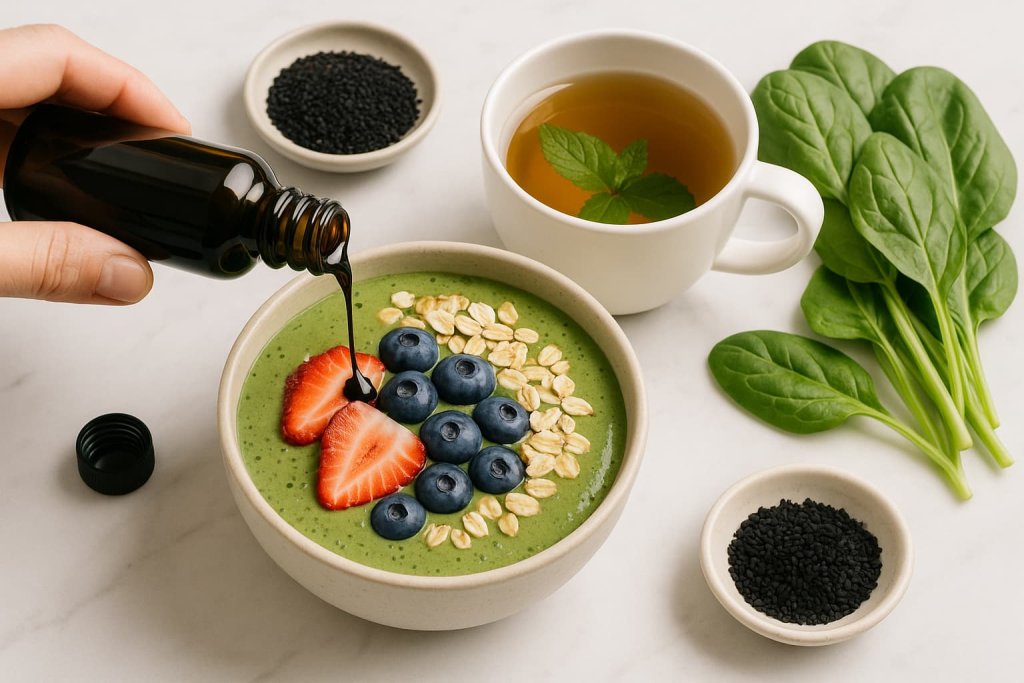
Common approaches include capsules, softgels, or small measured amounts of liquid oil. Beginning with a lower dose can help individuals assess tolerance. Black seed oil can be added to smoothies, herbal teas, or meals, but heating it at high temperatures may degrade beneficial compounds.
Combining Black Seed Oil With a Balanced Eating Pattern
Black seed oil is most effective when paired with nutrient-dense foods such as vegetables, legumes, whole grains, and lean proteins. This aligns with recommendations from the Dietary Guidelines for Americans, which emphasize overall dietary patterns rather than single supplements.
Topical Uses and Patch-Testing for Skin Safety
When applied topically, black seed oil should be diluted or patch-tested due to potential irritation. Individuals with sensitive skin may react to concentrated oils, making gradual introduction important.
Duration and Consistency for Best Results (Based on Research)
Most research trials evaluate effects after 8–12 weeks of daily use. Consistency, rather than high dosing, is the more important factor in realizing benefits demonstrated in studies.
Frequently Asked Questions
Is black seed oil safe for daily use?
Short-term use appears generally well tolerated, but long-term safety data remain limited. Following product guidelines and consulting a clinician is recommended.
Can black seed oil support weight management?
It may support modest changes when combined with dietary quality, activity, and hydration. Supplements alone are not sufficient for weight regulation.
Does black seed oil help improve skin health?
Topical formulations may support clearer skin in some individuals. Patch-testing is advised to avoid irritation.
How long does it take to see results?
Research often evaluates outcomes after 8–12 weeks of consistent use.
Can I combine black seed oil with medications?
Interaction potential exists with blood sugar, blood pressure, and blood-thinning medications. Consultation with a healthcare professional is essential.
Are capsules better than liquid oil?
Both forms can be effective. Capsules provide standardized dosing, while liquid oil allows more flexible use. Quality and purity are the primary considerations.
Conclusion
Black seed oil is widely researched for its potential benefits, including antioxidant activity, cardiometabolic support, skin wellness, and digestive balance. Evidence continues to grow, and while benefits are promising, they work best as part of a comprehensive wellness lifestyle—not as a replacement for medical care.
Choosing high-quality products, following safe dosing practices, and consulting a healthcare professional ensures you use black seed oil responsibly and effectively.
This content is for informational purposes only and not medical advice.