
Radishes are packed with antioxidants, fiber, and detoxifying compounds that support digestion, immunity, heart health, and even blood sugar control.
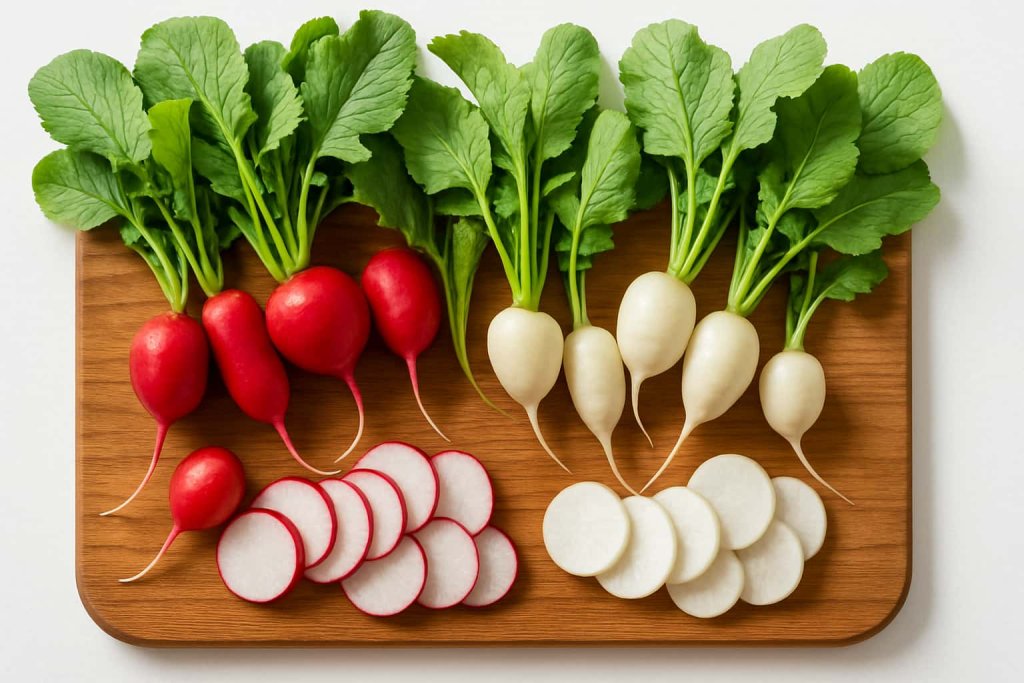
These vibrant root vegetables might be small, but their health benefits are scientifically backed. Understanding what radishes do for your body helps you include them wisely in your diet — especially if you want better gut health, clearer skin, or stable blood sugar.
Below, we’ll explore ten proven benefits of radishes, their nutrition facts, and how you can safely add them to your meals.
Nutritional Profile of Radishes
Radishes (Raphanus sativus) belong to the cruciferous vegetable family, which also includes broccoli, cabbage, and kale. Despite their small size, they pack a powerful nutritional punch — offering hydration, antioxidants, fiber, and essential vitamins in very few calories.
According to USDA FoodData Central (2025), 100 grams of raw red radish (about one cup of sliced pieces) provides the following key nutrients:
| Nutrient | Amount per 100 g | % Daily Value (DV) | Source |
|---|---|---|---|
| Calories | 16 kcal | — | USDA FoodData Central (2025) |
| Water | 95.3 g | — | USDA |
| Carbohydrates | 3.4 g | 1% | USDA |
| Dietary Fiber | 1.6 g | 6% | Healthline, 2025 |
| Protein | 0.7 g | 1% | USDA |
| Total Fat | 0.1 g | <1% | USDA |
| Vitamin C | 14.8 mg | 25% DV | WebMD, 2025 |
| Folate (Vitamin B9) | 25 µg | 6% | USDA |
| Potassium | 233 mg | 5% | USDA |
| Calcium | 25 mg | 2% | USDA |
| Magnesium | 10 mg | 2% | USDA |
| Phosphorus | 20 mg | 3% | USDA |
| Glucosinolates | — | — | PubMed Central, 2024 |
| Anthocyanins & Polyphenols | — | — | Critical Reviews in Food Science & Nutrition, 2024 |
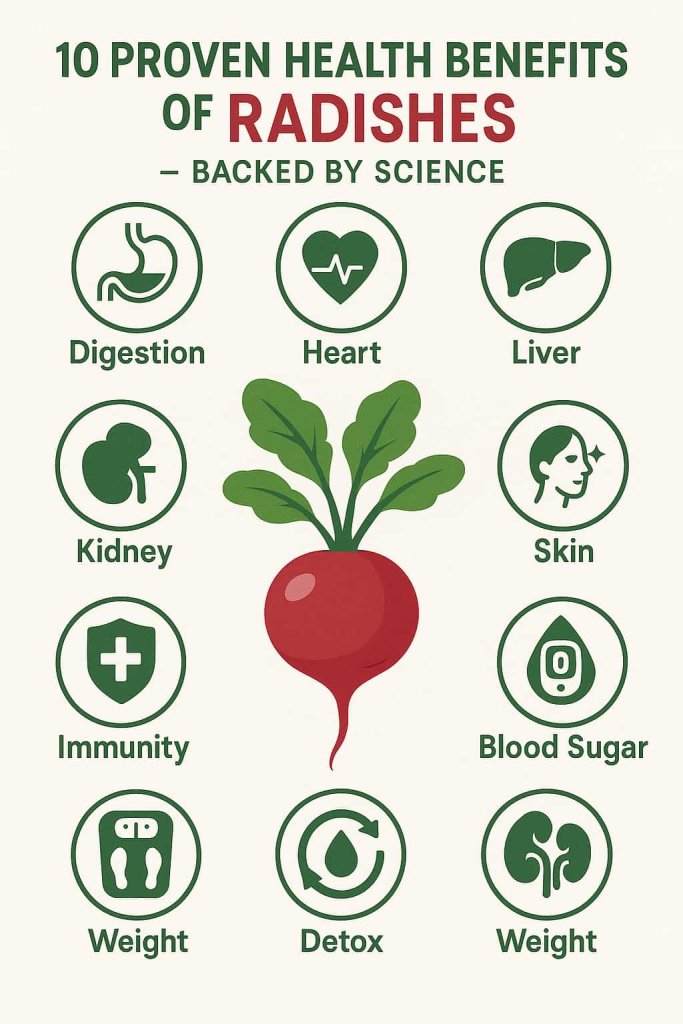
10 Proven Health Benefits of Radishes — Backed by Science
1. Supports Digestive Health

Radishes are an excellent source of dietary fiber, which helps maintain smooth bowel movements, prevents constipation, and promotes healthy gut microbiota.
According to Healthline (2025), the natural enzyme myrosinase in radishes enhances stomach acid production, aiding in better digestion and nutrient absorption.
The sulfur-containing compounds in radishes may also stimulate bile flow, improving fat breakdown and nutrient uptake.
In addition, their water-rich content (about 95%) keeps the digestive tract hydrated and reduces bloating.
Quick tip: Eat raw radish slices or add them to salads 10–15 minutes before meals to stimulate digestive enzymes and prevent indigestion naturally.
2. Boosts Liver Detoxification
The liver is the body’s main detox organ — and radishes help keep it healthy.
A study in Frontiers in Pharmacology (2024) found that radish root extract protected liver cells from oxidative damage caused by toxins and high-fat diets.
These effects are attributed to bioactive compounds such as indoles and anthocyanins, which reduce lipid peroxidation and enhance glutathione (GSH) levels in the liver.
According to WebMD (2025), radishes promote bile production, helping the body remove waste and detoxify harmful chemicals.
Pro tip: Combine radish juice, lemon, and cucumber for a refreshing liver-supporting drink that aids fat digestion and natural detoxification.
3. Helps Regulate Blood Sugar Levels
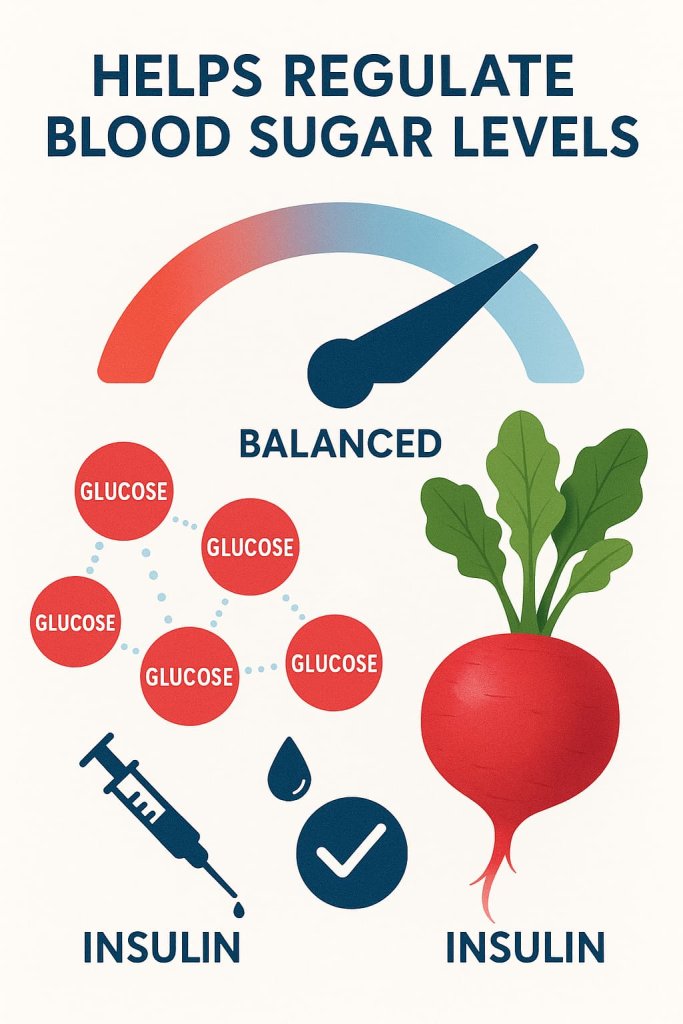
Radish consumption may benefit those with prediabetes or type 2 diabetes.
A Phytotherapy Research (2024) review showed that radish extracts help lower blood glucose levels, increase insulin secretion, and reduce oxidative stress in pancreatic tissues.
Their low glycemic index and high fiber content slow carbohydrate digestion, preventing rapid blood sugar spikes after meals.
Animal studies published on PubMed Central (2024) also confirmed radish’s ability to improve insulin sensitivity and regulate key enzymes involved in glucose metabolism.
Healthy habit: Add thinly sliced radishes to wraps, tacos, or soups to help balance blood sugar naturally.
4. Strengthens Heart and Blood Pressure Health

Radishes contribute to cardiovascular wellness through their potassium, fiber, and antioxidant content.
Potassium helps balance sodium levels and relax blood vessels, effectively lowering blood pressure.
The BBC Good Food (2024) review highlights that nitrates and flavonoids in radishes improve blood flow and endothelial function.
Regular consumption can also lower LDL (bad) cholesterol and reduce triglyceride accumulation — both major risk factors for heart disease.
Try this: Mix sliced radishes into avocado toast or a crunchy coleslaw for a heart-healthy, potassium-rich snack.
5. Promotes Skin Health and Natural Glow

Radishes offer a natural boost for skin elasticity and radiance thanks to their high vitamin C and water content.
Vitamin C promotes collagen synthesis, vital for firm and youthful skin, and protects against oxidative stress that contributes to wrinkles and pigmentation.
As Health.com (2025) reports, the antioxidants in radishes also help neutralize free radicals that damage skin cells.
Hydration from their water content enhances skin moisture balance, while sulfur compounds may reduce acne and inflammation.
Skin-friendly combo: Blend radish, cucumber, and lemon juice for a refreshing, cleansing tonic that promotes clearer skin.
6. Enhances Immunity

Radishes strengthen your immune defense with nutrients like vitamin C, folate, and antioxidants.
According to Real Simple (2025), consuming vitamin C–rich vegetables increases white blood cell production and supports faster recovery from infections.
Additionally, the isothiocyanates in radishes exhibit anti-inflammatory and antimicrobial actions, which help the body fight off harmful bacteria and viruses.
Practical tip: Add radishes to soups or winter salads to boost your immune system during cold and flu season.
7. Aids in Weight Management

Radishes are ideal for anyone looking to lose or maintain weight.
Each 100 grams contains just 16 calories, but offers a satisfying crunch and rich fiber that keeps you full longer.
The Health.com (2025) report highlights that their low-calorie, high-water profile can reduce total calorie intake without feeling deprived.
The fiber also supports healthy gut bacteria, which play a role in metabolism and fat regulation.
Smart snack idea: Pair radish slices with hummus or Greek yogurt dip — a crunchy, nutrient-dense snack under 100 calories.
8. Provides Antioxidant Protection

A Critical Reviews in Food Science and Nutrition (2024) study found that radishes contain potent antioxidants such as anthocyanins, catechins, and isothiocyanates.
These compounds help neutralize free radicals, reducing oxidative stress that contributes to chronic diseases like heart disease and cancer.
Black and red radish varieties, in particular, are high in polyphenols and flavonoids that support liver and cellular detoxification.
According to PubMed Central (2024), these antioxidants also protect against DNA damage and premature aging.
Pro tip: Include a mix of red and black radishes in your salads to maximize antioxidant variety.
9. May Offer Anti-Cancer Properties

Preclinical studies suggest that the glucosinolates in radishes can slow or inhibit cancer cell growth.
When digested, glucosinolates convert into isothiocyanates, compounds shown to suppress tumor formation and induce apoptosis (cell death) in cancerous cells.
A PubMed Central (2024) study found these effects particularly relevant to colon and breast cancer models.
While human research is still emerging, the evidence supports including cruciferous vegetables — such as radish, broccoli, and kale — in a balanced, cancer-preventive diet.
Science insight: Consuming radishes alongside vitamin C–rich foods (like lemon or oranges) may enhance absorption of these protective compounds.
10. Supports Kidney and Urinary Tract Health
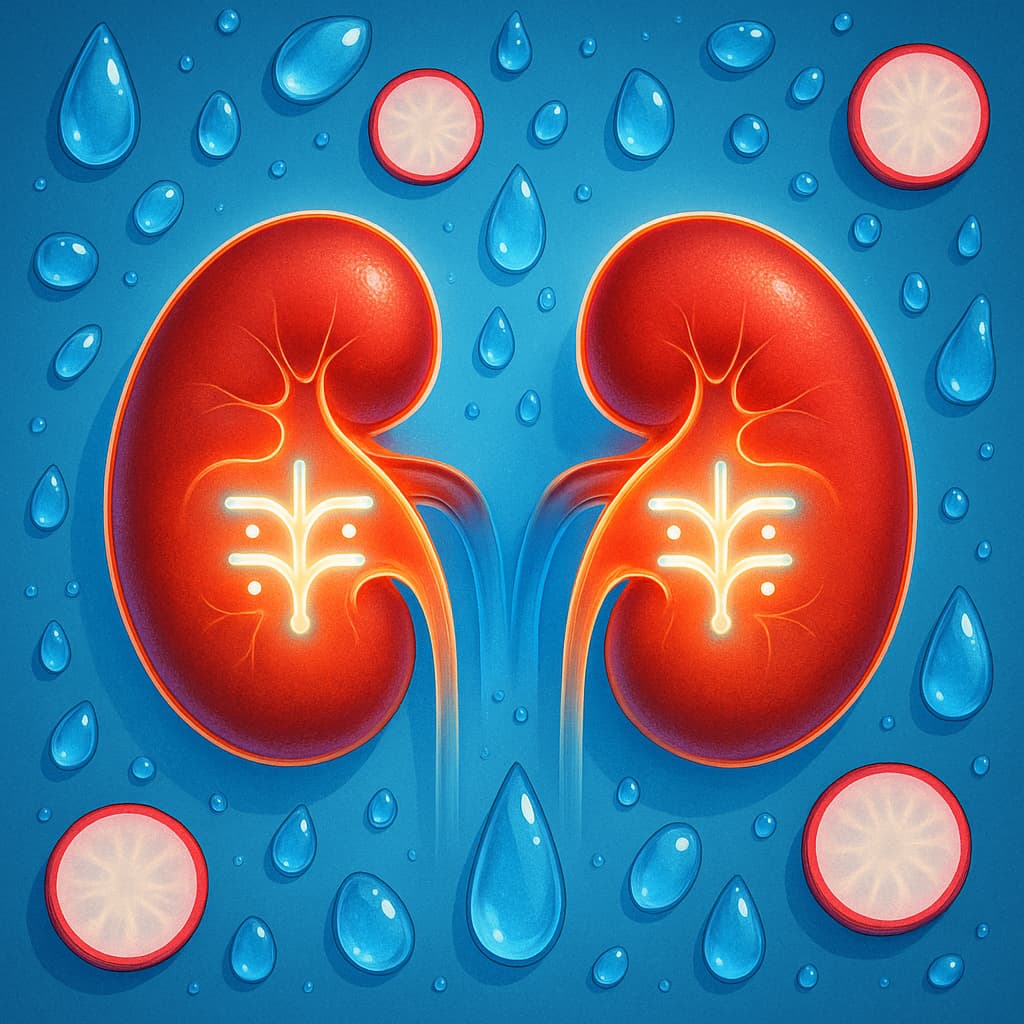
Radishes act as a natural diuretic, helping your body eliminate excess fluids, salts, and toxins through urine.
According to Verywell Health (2025), their high water content and potassium help maintain fluid balance and support healthy kidney function.
Traditional medicine also recognizes radishes for their ability to reduce urinary infections and aid in detoxifying the kidneys and bladder.
The mild diuretic effect helps flush bacteria from the urinary tract, reducing the risk of kidney stones and infections.
Wellness tip: Drink radish and carrot juice 2–3 times per week to support kidney cleansing and hydration.
How to Eat Radishes for Best Results

Radishes are best enjoyed raw, roasted, or lightly pickled — but the way you prepare them can affect their nutrient retention and digestibility. Here’s how to get the most from this crunchy superfood.
1. Ideal Serving Size
According to Healthline (2025), an average serving size is ½ to 1 cup of sliced radishes daily (about 70–100 grams).
This amount provides enough fiber and antioxidants to support digestion and detoxification without overloading the thyroid or causing bloating.
✅ Tip: Moderation is key — especially if you have a sensitive stomach or thyroid condition.
2. Best Time to Eat Radishes
- Morning (empty stomach): A small portion of raw radish or radish juice helps stimulate bile flow and jumpstart digestion.
- Before meals: Eating raw radishes 10–15 minutes before lunch or dinner enhances nutrient absorption.
- Avoid late night: The high fiber may cause mild gas in sensitive individuals when eaten before sleep.
3. Best Ways to Eat Radishes
Here are four healthy, delicious, and science-backed preparation methods:
| Preparation Method | Benefits | Tips |
|---|---|---|
| Raw (Salads, Dips) | Retains full vitamin C and enzymes | Slice thinly and soak briefly in cold water to mellow spiciness |
| Roasted or Grilled | Sweeter flavor, easier to digest | Roast at 400°F for 15–20 minutes with olive oil and herbs |
| Pickled Radishes | Adds probiotics, supports gut health | Use apple cider vinegar for extra digestive benefits |
| Radish Juice or Smoothies | Hydrating, detoxifying | Combine with cucumber, lemon, or apple to balance taste |
According to BBC Good Food (2024), combining radishes with citrus (vitamin C) and healthy fats (like olive oil or avocado) enhances antioxidant absorption.
4. Storage and Safety Tips
- Store fresh radishes in the refrigerator for up to 7 days.
- Keep them unwashed until ready to eat to prevent moisture loss.
- Remove leaves before storing — they draw nutrients from the root.
Pro tip: You can eat radish leaves too — sauté or blend them into soups for an extra boost of calcium and vitamin K.
Possible Side Effects and Precautions
While radishes are generally safe for most people, certain individuals should consume them with caution.
1. Thyroid Function and Goitrogens
Radishes, like other cruciferous vegetables, contain goitrogens — compounds that may interfere with iodine absorption and thyroid hormone production.
According to Verywell Health (2025), moderate consumption (1 cup per day) is safe for healthy adults, but those with hypothyroidism should avoid excessive raw intake.
Cooking radishes reduces most goitrogenic activity.
2. Digestive Sensitivity
High-fiber vegetables like radishes can sometimes cause bloating, gas, or cramping, especially if eaten raw in large quantities.
The Cleveland Clinic (2024) notes that gradually increasing fiber intake and chewing well can minimize discomfort.
Tip: If you’re prone to gas, lightly steam or roast radishes instead of eating them raw.
3. Medication Interactions
Radishes may enhance the effects of diuretic medications or thyroid drugs because of their natural detoxifying and fluid-regulating properties.
Consult your healthcare provider if you take medication for blood pressure, thyroid, or kidney conditions.
4. Allergies (Rare but Possible)
Although uncommon, some individuals may experience mild allergic reactions such as itching or hives after consuming radishes.
If you notice irritation or swelling, discontinue use and consult a medical professional.
5. General Safety Reminder
Radishes are safe when consumed in normal food amounts. Avoid extreme “detox” juicing or supplementation — always prioritize balanced nutrition.
For personalized dietary advice, consult a registered dietitian or healthcare provider.
Frequently Asked Questions (FAQ)
1. Can I eat radishes every day?
Yes. Eating ½–1 cup of radishes daily is safe and provides steady digestive and antioxidant benefits.
2. Are radishes good for diabetics?
Yes. Their low glycemic index and natural compounds can help regulate blood sugar, according to Phytotherapy Research (2024).
3. Should I eat radishes raw or cooked?
Both are healthy. Raw radishes retain more vitamin C, while cooked radishes are easier to digest and milder in flavor.
4. Do radishes help detox the liver?
Yes. Studies in Frontiers in Pharmacology (2024) show radish extract supports liver detoxification by reducing oxidative stress.
5. Can radishes cause thyroid problems?
Only if consumed in large amounts raw. Cooking neutralizes goitrogens, making them safe for people with mild thyroid issues.
6. Are pickled radishes still healthy?
Yes. They retain most nutrients and add probiotics that improve gut balance.
7. What’s the best way to drink radish juice?
Blend fresh radish with cucumber, lemon, and a little honey. Drink it in the morning for hydration and detox support.
Conclusion
Radishes are a low-calorie, nutrient-dense superfood that supports digestion, liver detoxification, heart health, and immune function — all backed by scientific research.
Their crisp texture and peppery flavor make them an easy addition to salads, soups, or detox juices.
By eating ½–1 cup of radishes regularly, you can enjoy consistent health benefits while keeping your diet balanced and refreshing.
Final Tip:
Before making major dietary changes, consult your nutritionist or healthcare provider, especially if you have thyroid, kidney, or digestive conditions.
Takeaway: Add fresh, colorful radishes to your plate this week — a simple, delicious way to boost wellness naturally.