
Healthy eating tips that actually work are simple: build most meals around vegetables, fruit, whole grains, protein foods, and dairy or fortified soy alternatives, while cutting back on added sugar, sodium, and saturated fat. That is the core pattern recommended by Dietary Guidelines, MyPlate, and the CDC.
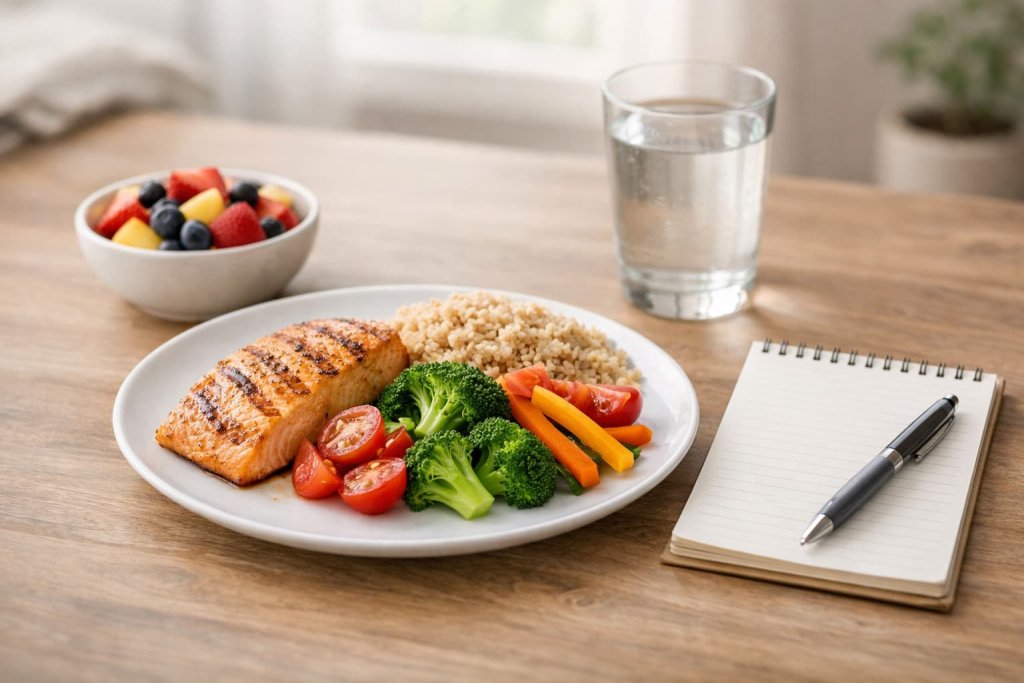
Understanding healthy eating tips matters because small daily choices can improve diet quality, support weight management, and help lower long-term health risk. You do not need a perfect diet or complicated rules. The best approach is a realistic pattern you can repeat most days.
What healthy eating really means
Healthy eating is not about one “superfood” or cutting out entire food groups for no reason. The Dietary Guidelines emphasize an overall dietary pattern built from nutrient-dense foods across the lifespan. In practical terms, that means eating a variety of vegetables, fruits, whole grains, protein foods, and dairy or fortified soy alternatives.
The USDA MyPlate model is one of the easiest ways to apply this. Instead of obsessing over every gram, you use balanced food groups as your foundation.
1. Build a balanced plate first
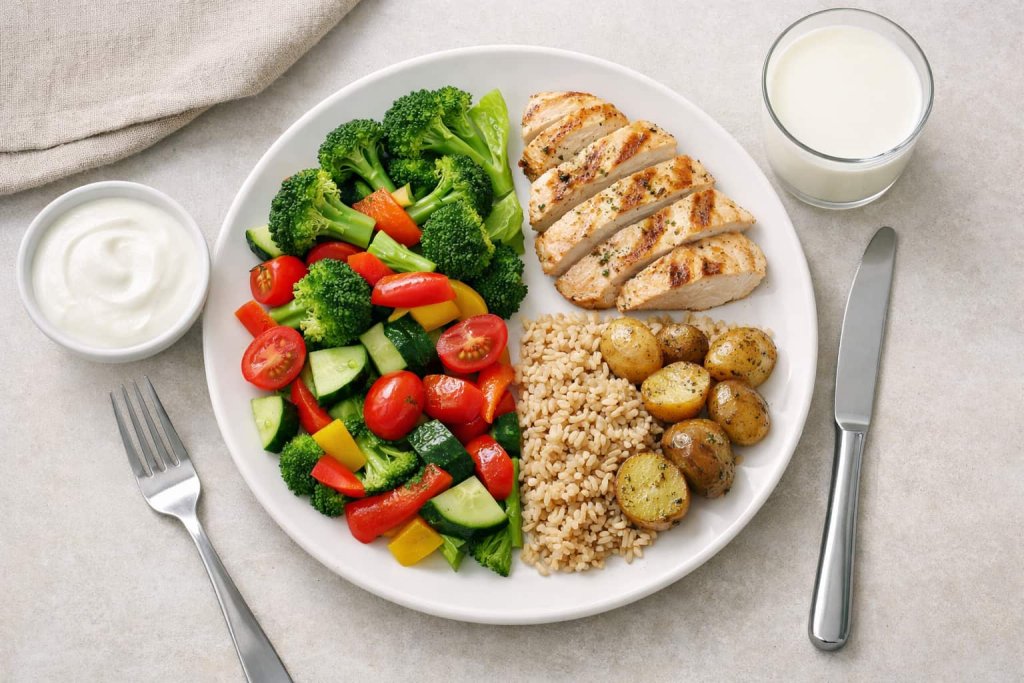
One of the most useful healthy eating tips is to make your plate do the work for you.
A simple balanced plate looks like this:
- Half the plate: vegetables and fruit
- One quarter: protein foods
- One quarter: grains or other quality carbs, ideally whole grains
- Add dairy or a fortified soy alternative when it fits the meal
This approach aligns closely with MyPlate and helps you improve meal quality without needing a strict diet plan.
What that looks like in real life
Examples of balanced meals:
- Grilled chicken, brown rice, and roasted broccoli
- Lentil soup with a side salad and whole-grain toast
- Greek yogurt with berries, oats, and nuts
- Salmon, sweet potato, and green beans
- Tofu stir-fry with mixed vegetables and brown rice
The goal is not perfection. The goal is making balanced meals your default more often.
2. Eat more vegetables and fruit
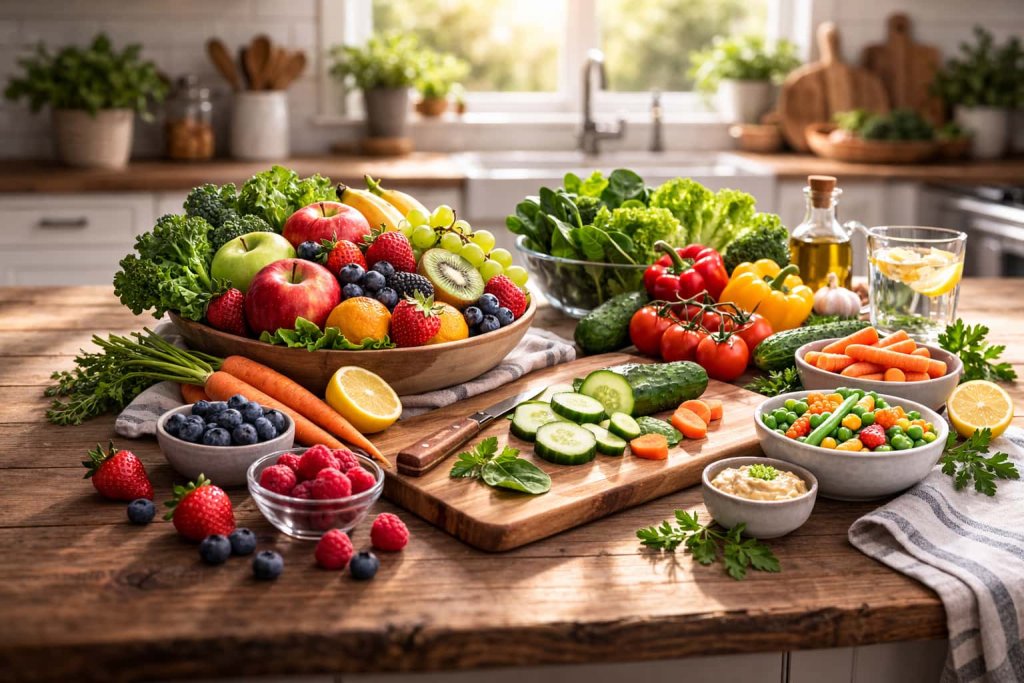
Many people struggle with healthy eating because they aim too high, then quit. A better strategy is to make produce easier to eat regularly.
The CDC recommends practical steps like planning meals, keeping ready-to-eat produce available, and using tools such as MyPlate to build better habits.
Try these easy upgrades:
- Add fruit to breakfast instead of skipping produce all day
- Keep frozen vegetables for fast lunches and dinners
- Add a side salad or cooked vegetable to your usual meal
- Choose fruit, yogurt, or nuts more often instead of sweets
- Use vegetables to bulk up pasta, rice, sandwiches, soups, and omelets
Fresh is not the only healthy option
Fresh, frozen, canned, and dried options can all fit a healthy diet. What matters most is the overall choice. For canned products, look for options with less sodium or no added sugar when possible.
3. Make at least half your grains whole grains
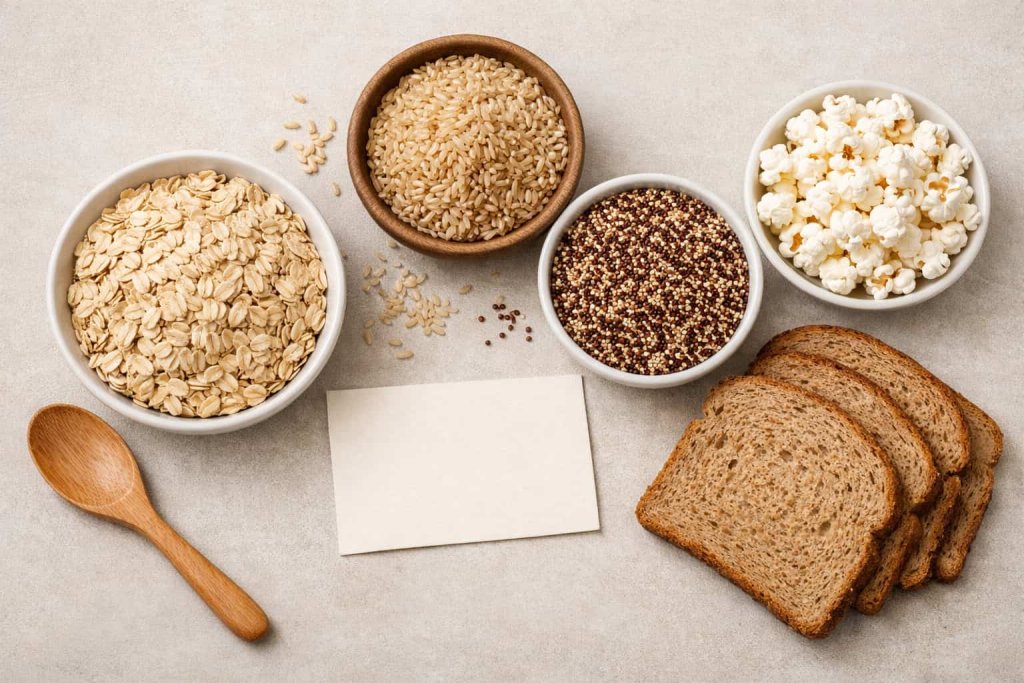
One of the most evidence-based healthy eating tips is to swap more refined grains for whole grains. MyPlate specifically recommends making at least half your grains whole grains.
Whole-grain choices may include:
Whole grains usually provide more fiber and nutrients than refined grains. They also tend to be more filling.
Easy whole-grain swaps
- White toast to whole-wheat toast
- Sugary cereal to oatmeal
- White rice to brown rice or quinoa
- Refined crackers to whole-grain crackers
- Regular pasta to whole-wheat pasta
You do not have to change everything at once. Start with one or two swaps you will actually keep doing.
4. Choose smarter protein sources
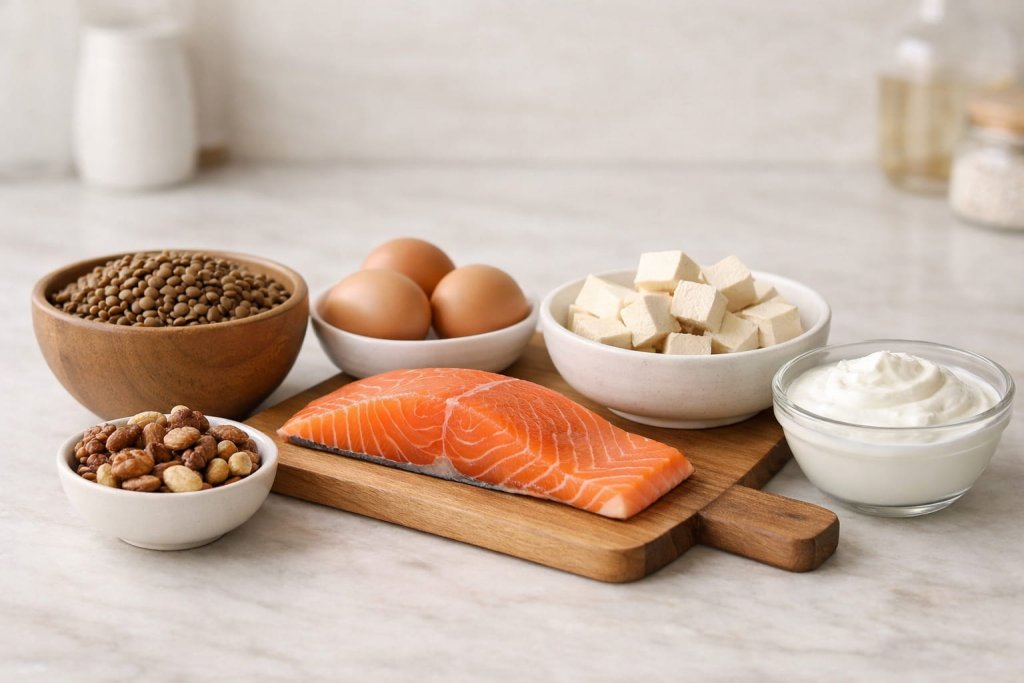
Protein is an important part of healthy eating, but the source matters too. MyPlate encourages variety in protein foods, including beans, peas, lentils, nuts, seeds, eggs, seafood, lean meats, and poultry. The American Heart Association also supports a pattern that limits higher-saturated-fat choices and favors heart-healthier options.
Good protein choices include:
- beans and lentils
- fish and seafood
- plain Greek yogurt
- eggs
- tofu, tempeh, and edamame
- skinless poultry
- lean cuts of meat
- nuts and seeds
5. Cut added sugar in realistic ways
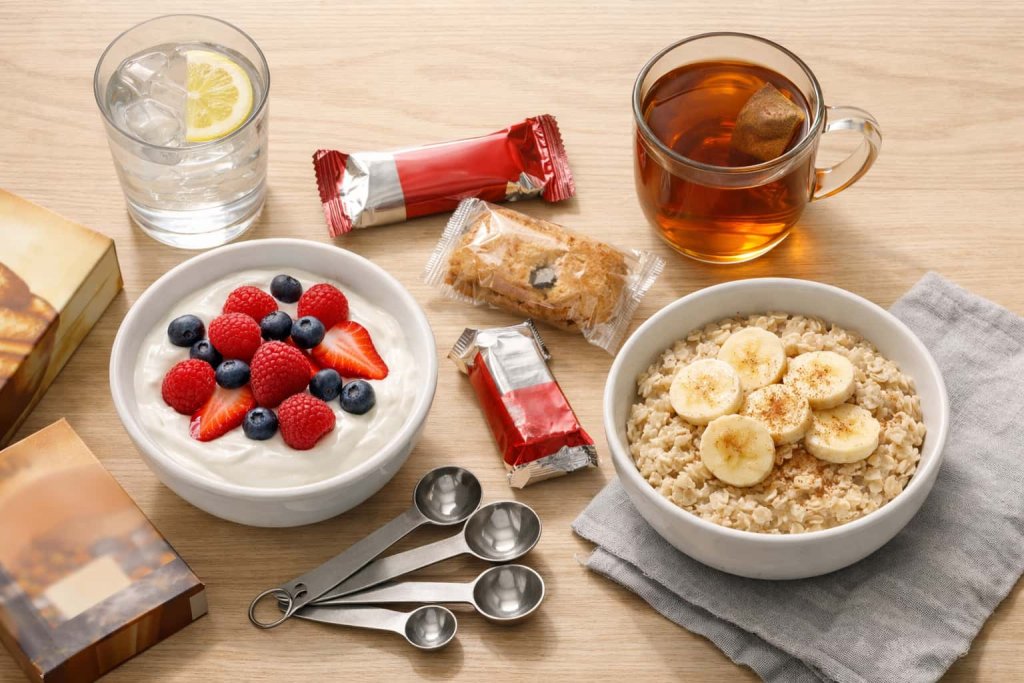
Limiting added sugar is one of the biggest healthy eating tips backed by current guidance. The FDA notes that the Dietary Guidelines recommend keeping added sugars to less than 10% of total daily calories. On a 2,000-calorie diet, that is about 50 grams per day. The CDC also notes that too much added sugar can contribute to weight gain, obesity, type 2 diabetes, and heart disease.
A good place to start is sugary drinks, because they add sugar quickly without helping much with fullness.
Easy ways to lower added sugar
- Replace soda or sweet tea with water, sparkling water, or unsweetened tea
- Choose plain yogurt and add fruit yourself
- Compare breakfast cereals and pick lower-sugar options
- Save desserts for planned times instead of automatic daily eating
- Watch coffee drinks, smoothies, sauces, and snack bars, which can hide a lot of sugar
6. Reduce sodium without making food boring
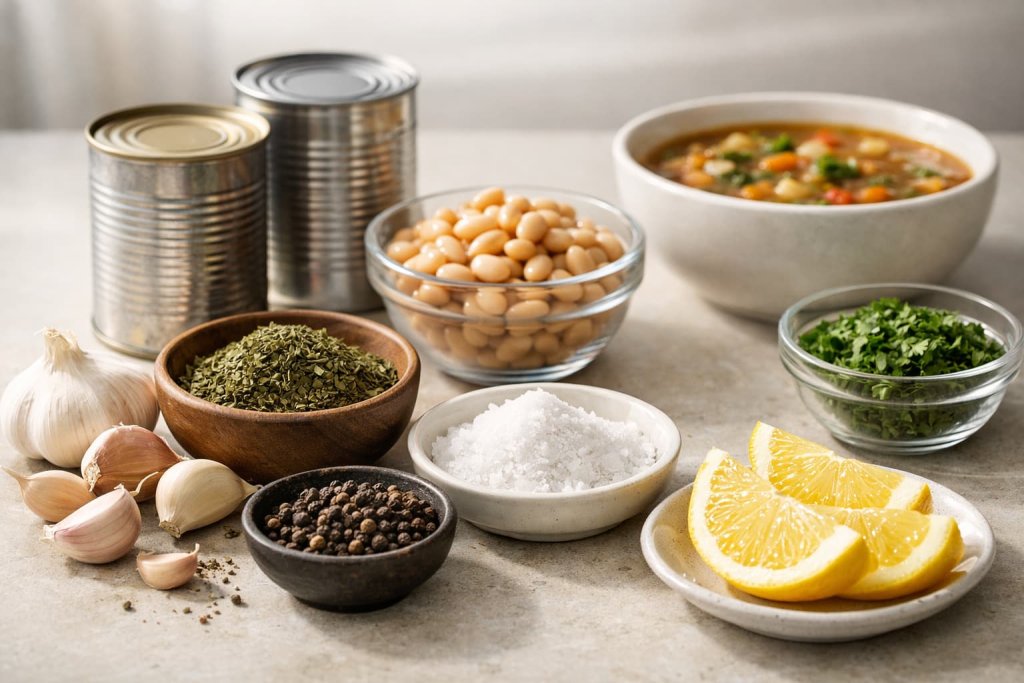
Most people do not get most of their sodium from the salt shaker. The FDA says more than 70% of dietary sodium comes from packaged and prepared foods. Higher-sodium diets are associated with increased risk of high blood pressure. The MyPlate 2,000-calorie visual guide lists a sodium limit of less than 2,300 mg per day.
Practical ways to cut sodium
- Compare labels on breads, soups, sauces, frozen meals, and snacks
- Choose lower-sodium canned beans or rinse regular canned beans
- Use herbs, spices, lemon, garlic, and vinegar for flavor
- Cook at home more often when you can
- Go easy on processed meats, instant noodles, and salty packaged snacks
7. Keep saturated fat in check
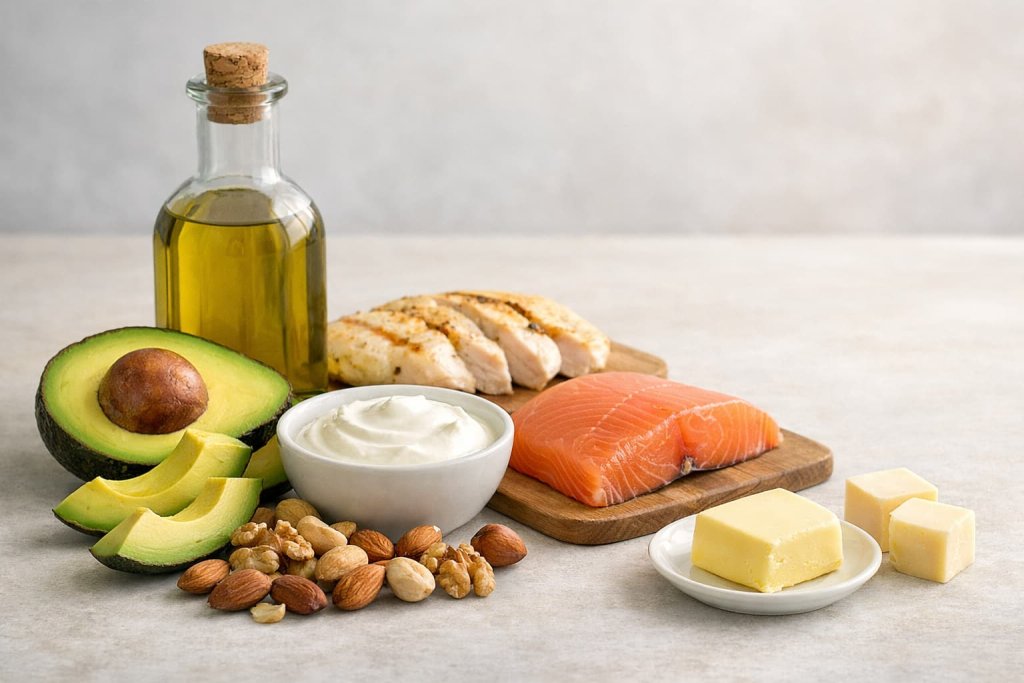
Another core healthy eating tip is to reduce saturated fat from foods like butter, fatty cuts of meat, full-fat cheese, and some packaged foods. The American Heart Association recommends limiting saturated fat to less than 6% of total calories.
Easy saturated-fat swaps
- Use olive or canola oil instead of butter more often
- Choose leaner meats and smaller portions of high-fat meats
- Pick yogurt more often than heavy cream-based desserts
- Compare packaged foods and choose options lower in saturated fat
- Include more beans, lentils, seafood, nuts, and seeds
8. Read the Nutrition Facts label
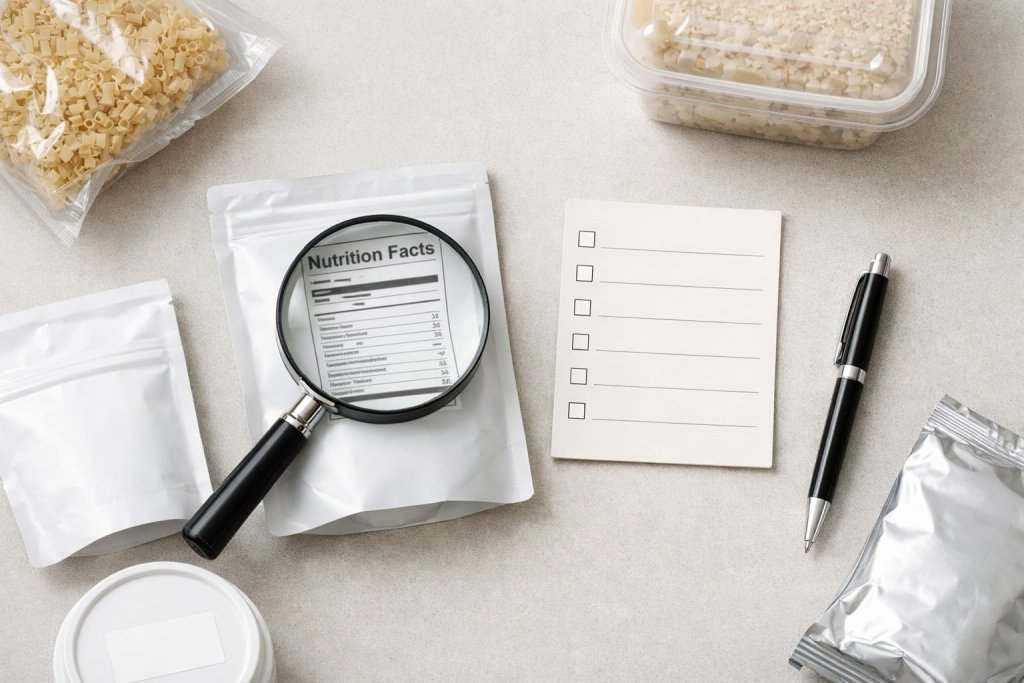
You do not need to memorize everything on the label. Focus on a few high-impact parts first.
The FDA says saturated fat, sodium, and added sugars are nutrients to get less of, while fiber, vitamin D, calcium, iron, and potassium are nutrients many people may want more of. It also notes that, as a general guide, 5% Daily Value or less is low and 20% Daily Value or more is high.
A simple label-reading checklist
Check these first:
- Serving size
- Added sugars
- Sodium
- Saturated fat
- Fiber
- Protein
- Ingredients list
9. Plan simple meals for busy days
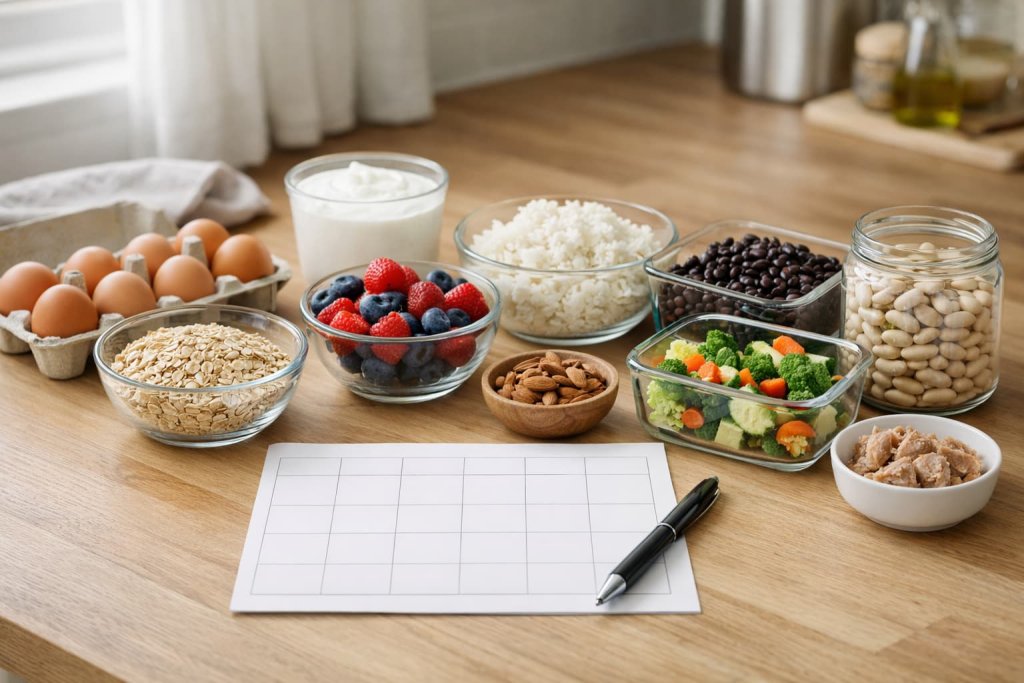
Healthy eating tips only help if they work on normal, busy days. The CDC recommends meal planning and points to MyPlate Plan as a way to figure out what and how much to eat.
Try this simple system:
- Keep eggs, oats, yogurt, beans, frozen vegetables, fruit, and whole grains at home
- Repeat a few easy breakfasts and lunches
- Cook extra dinner portions for the next day
- Keep one or two healthy snacks ready
10. Keep a short healthy grocery list
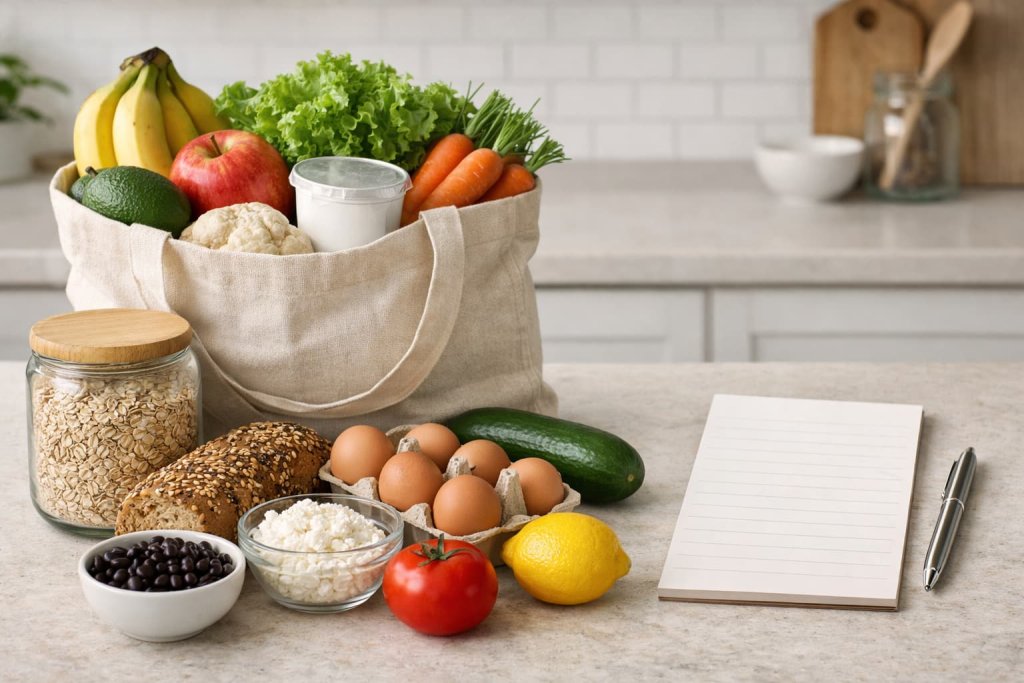
Base it on repeat foods you actually eat:
- eggs
- oats
- whole-grain bread
- plain yogurt
- beans or lentils
- chicken, fish, or tofu
- frozen vegetables
- fruit
- nuts or seeds
- rice, potatoes, or whole-grain pasta
This makes healthy eating easier because your environment supports your goals.
11. Build meals around protein and fiber
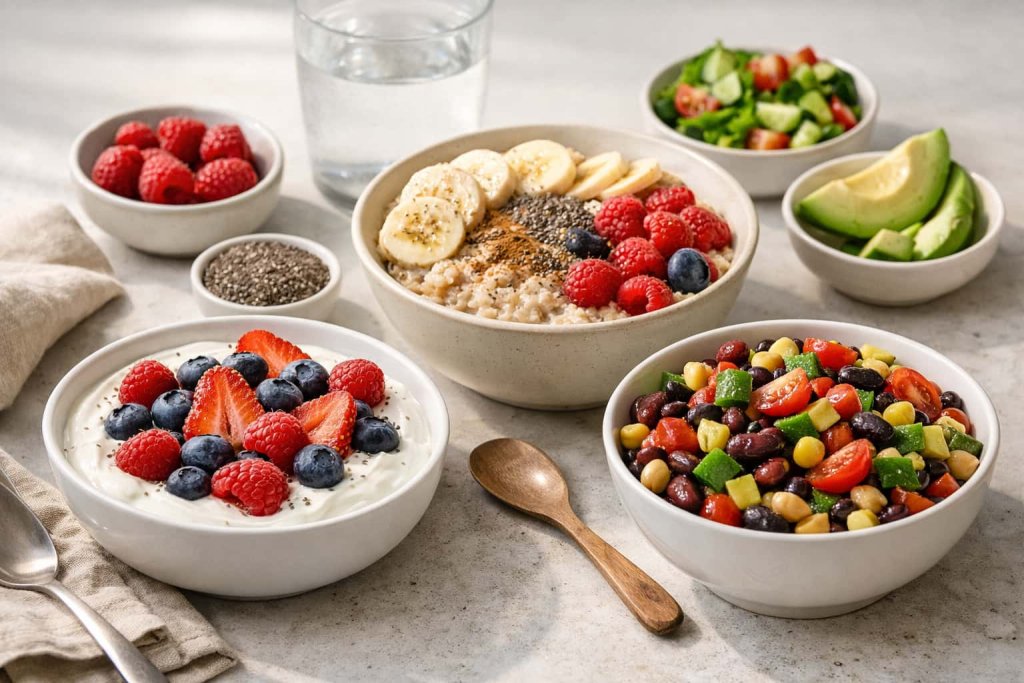
Protein and fiber can help meals feel more filling and satisfying. That often makes healthy eating easier to maintain over time.
Simple combinations include:
- Greek yogurt with berries
- Oatmeal with chia seeds
- Eggs with whole-grain toast and fruit
- Beans with rice and vegetables
- Chicken or tofu with potatoes and salad
12. Pay attention to portions without obsessing
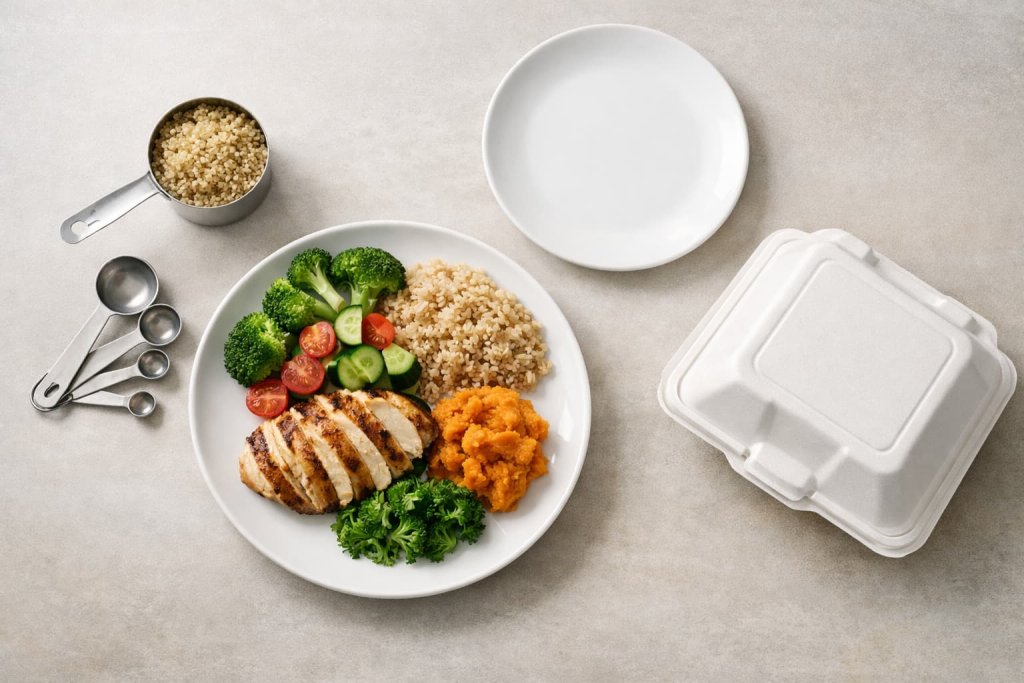
Healthy foods still count if portions get too large. You do not need to measure every meal, but portion awareness can make healthy eating much more effective.
Useful ways to keep portions realistic:
- Start with one plate instead of eating from a package
- Pause before going back for seconds
- Use protein, vegetables, fruit, and whole grains to build meals instead of letting one food take over the plate
- Be extra mindful with calorie-dense foods like oils, dressings, nut butters, sweets, and snack foods
- When eating out, split large portions or save part for later
This works best when combined with balanced meals, because meals built around protein and fiber are often easier to portion naturally.
13. Watch liquid calories

One of the fastest ways to improve diet quality is to pay attention to what you drink. Sugary drinks, sweet coffee drinks, energy drinks, and some smoothies can add a lot of calories and added sugar without helping much with fullness.
Better everyday choices include:
- water
- sparkling water
- unsweetened tea
- coffee with little or no added sugar
- milk or fortified soy milk when appropriate
14. Cut back on ultra-processed foods without trying to eat “perfect”
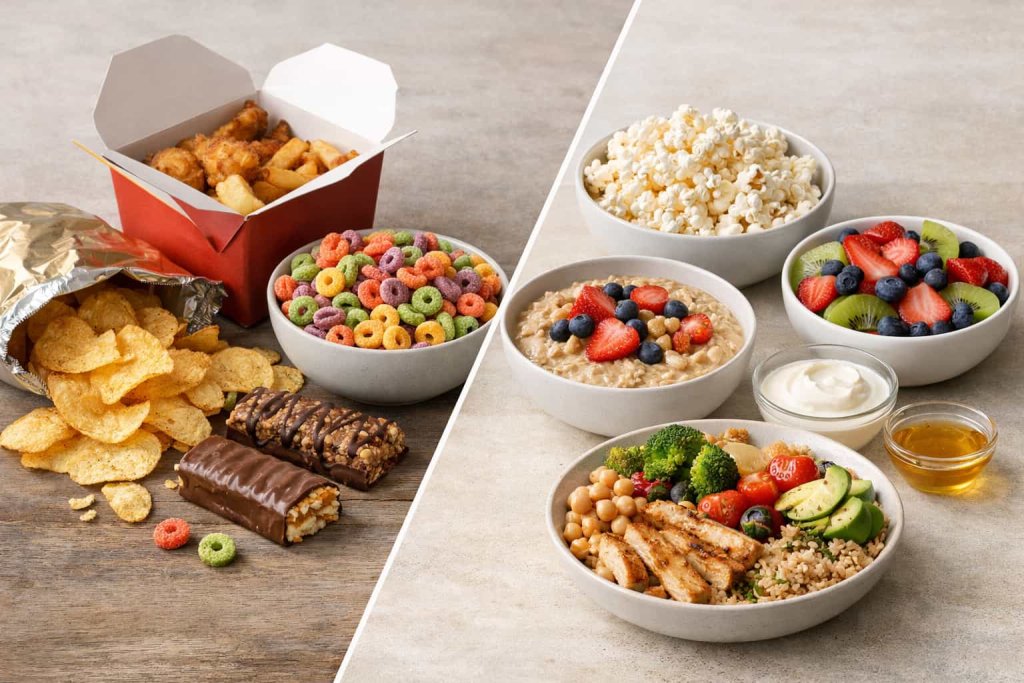
You do not need to avoid every packaged food. But one of the most helpful healthy eating tips is to rely less often on foods that are heavily processed and easy to overeat, such as sugary snacks, chips, desserts, fast food, and many packaged convenience meals.
A simpler way to think about this is:
- Eat more foods close to their original form
- Use packaged foods when they make healthy eating easier
- Be more careful with foods high in added sugar, sodium, saturated fat, and low in fiber
Helpful swaps include:
- Chips to popcorn or roasted chickpeas
- Sugary cereal to oatmeal
- Dessert most nights to fruit and yogurt most nights
- Fast-food lunches to simple homemade grain bowls or sandwiches
- Sugary snack bars to nuts, fruit, or plain yogurt
The goal is not to eat perfectly. The goal is to make your usual choices a little less processed and a little more filling.
15. Make healthy eating easier at home
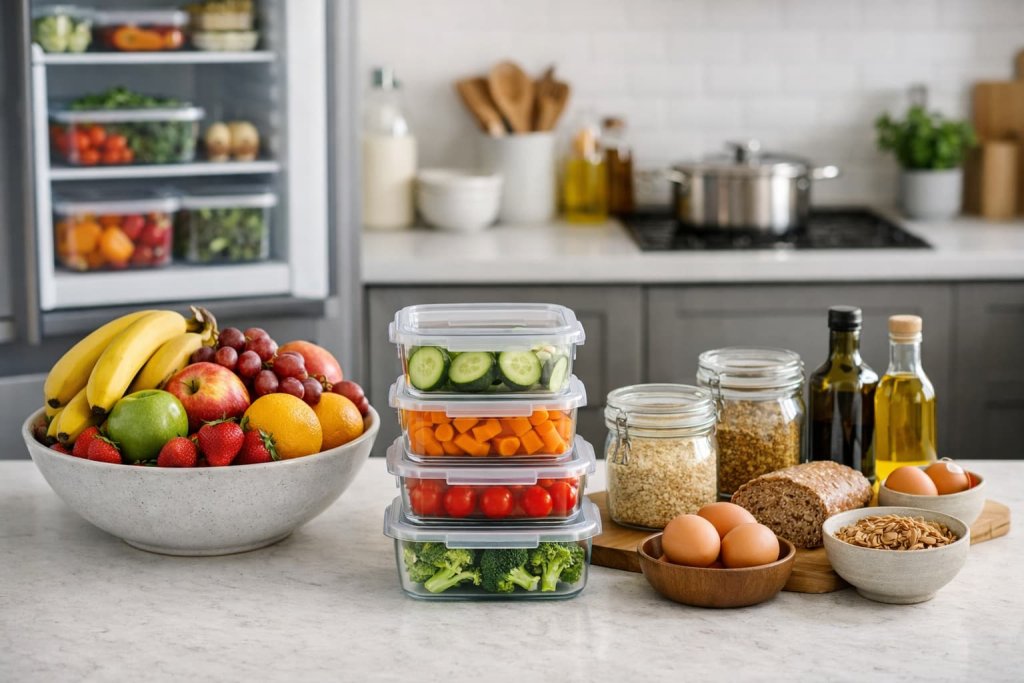
Your environment matters more than motivation. If the easiest option at home is chips, sweets, or takeout, those choices become more likely.
Helpful changes include:
- Put fruit where you can see it
- Keep cut vegetables ready in the fridge
- Store less-nutritious snacks out of sight
- Keep quick meal basics stocked
- Use smaller bowls or plates if large portions are a habit
16. Avoid all-or-nothing thinking
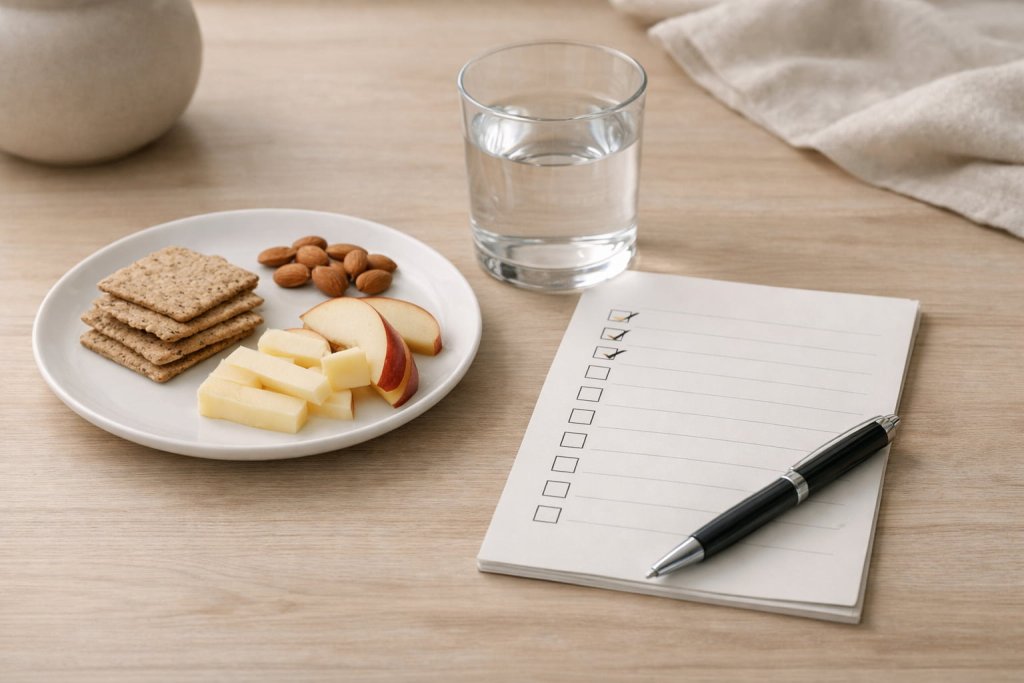
Many people know healthy eating tips but still feel stuck because of a few common problems.
Common mistakes
- Trying to change everything at once
- Skipping meals, then overeating later
- Assuming “healthy” packaged foods are always healthy
- Not keeping easy healthy foods around
Healthy eating works better when you aim for consistency, not perfection.
17. Start with one or two changes you can keep
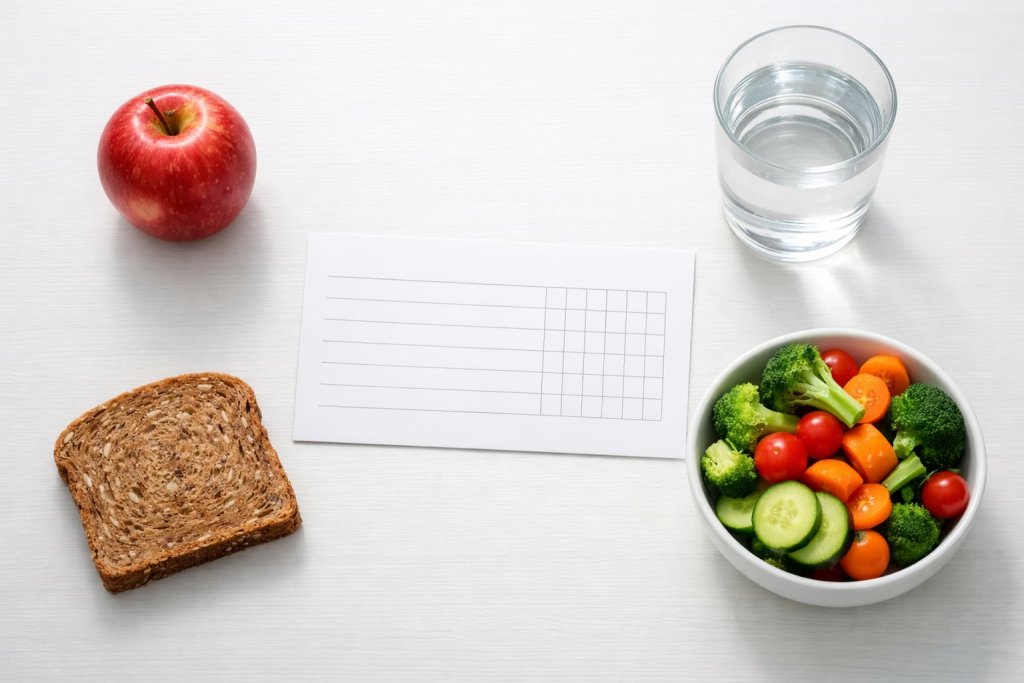
The best healthy eating tips are the ones you can repeat. You do not need a full lifestyle overhaul this week.
A strong starting point might be:
- Add fruit to breakfast
- Switch one grain to whole grain
- Replace one sugary drink a day
- Read labels on two packaged foods you buy often
- Add a vegetable to lunch or dinner
A one-day example of healthy eating tips in action
Here is a simple example day:
Breakfast: Oatmeal with berries and plain yogurt
Lunch: Turkey or bean sandwich on whole-grain bread with carrots and fruit
Snack: Apple and a handful of nuts
Dinner: Salmon or tofu, brown rice, and roasted vegetables
Drink choices: Water, unsweetened tea, or coffee with little or no added sugar
This is not the only healthy pattern, but it shows what balanced, realistic eating can look like.
Healthy eating tips for different goals
If your goal is better energy
Focus on regular meals, enough protein, whole grains, fruit, vegetables, and hydration.
If your goal is heart health
Pay closer attention to sodium, saturated fat, and overall food quality. Emphasize beans, fish, nuts, seeds, whole grains, and produce.
If your goal is weight loss
Start with sugary drinks, snack frequency, portion awareness, and meal quality before trying aggressive restriction.
If your goal is eating on a budget
Use frozen produce, beans, oats, eggs, canned fish, potatoes, and store-brand plain yogurt. Healthy eating does not have to mean expensive eating.
Who may need a more personalized eating plan
General healthy eating tips work well for many adults, but some people may need more individualized guidance. That can include people with diabetes, kidney disease, digestive conditions, food allergies, eating disorders, or anyone following a medically prescribed diet.
Children, older adults, pregnant people, and competitive athletes may also have different nutrition needs.
If you have a medical condition or feel unsure about what you should eat, it is a good idea to talk with a qualified clinician or a registered dietitian for advice tailored to your needs.
Frequently asked questions
Is healthy eating about calories or food quality?
Both matter, but food quality makes healthy eating easier to sustain. Balanced meals built from nutrient-dense foods help you get nutrients and manage hunger better over time.
What are the most important healthy eating tips to start with?
Start with these: build a balanced plate, eat more vegetables and fruit, make at least half your grains whole grains, choose better protein sources, and cut back on sugary drinks.
How much added sugar is too much?
The Dietary Guidelines recommend less than 10% of calories from added sugars. On a 2,000-calorie diet, that is about 50 grams per day, according to the FDA.
How much sodium should adults aim for?
A common general limit is less than 2,300 mg per day, which is the benchmark shown in MyPlate materials for a 2,000-calorie pattern.
Are frozen and canned foods healthy?
They can be. Frozen vegetables and fruit are often very practical. Canned foods can also fit well, especially when you choose lower-sodium or no-added-sugar versions when possible.
Do I need to avoid all processed foods?
No. The goal is not perfection. Many minimally processed foods, like oats, yogurt, canned beans, frozen vegetables, and whole-grain bread, can support a healthy diet.
What is the fastest way to improve my diet this week?
Cut sugary drinks, plan simple meals, add produce to at least two meals a day, and read labels on a few packaged foods you buy often. Those four steps can improve diet quality quickly.
Conclusion
Healthy eating tips do not need to be extreme to work. The strongest evidence still points to a simple pattern: eat more nutrient-dense foods, build balanced meals, and limit added sugar, sodium, and saturated fat. Done consistently, those habits can improve your diet without making food feel stressful.
Start with one meal, one grocery trip, or one label-reading habit this week. Small changes are easier to keep, and the habits you keep are the ones that matter most.