
A typical adult BUN creatinine ratio is approximately 10:1 to 20:1, but the result cannot diagnose dehydration, kidney disease, or internal bleeding by itself. A BUN creatinine ratio chart can help you understand whether your result is below, within, or above the commonly used range, but the individual BUN and creatinine values are usually more important than the ratio alone.
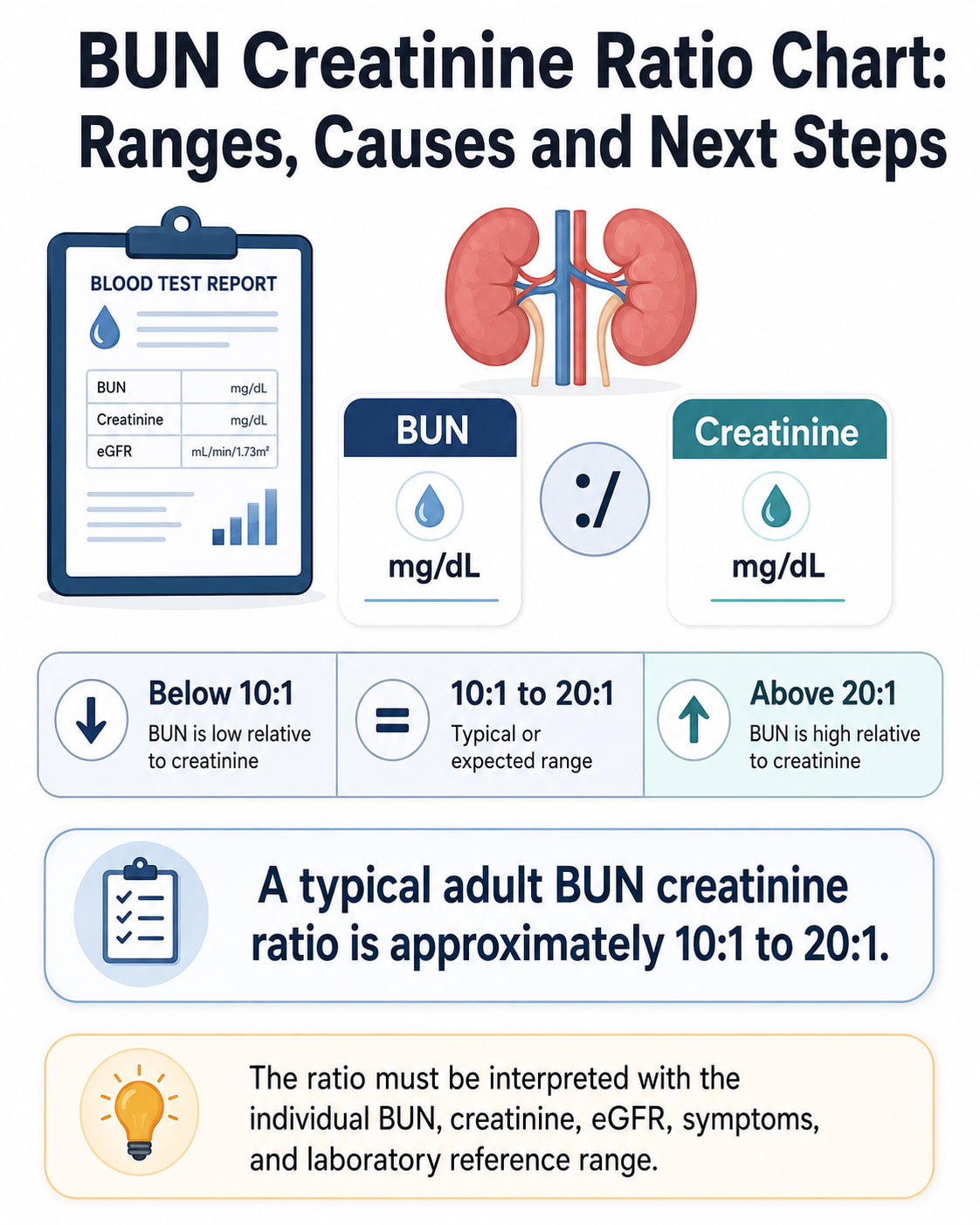
Your healthcare professional may also review your estimated glomerular filtration rate, or eGFR, urine albumin, symptoms, medicines, fluid intake, diet, and previous laboratory results. Always use the reference range printed on your own report because ranges and testing methods can differ among laboratories.
BUN Creatinine Ratio Chart
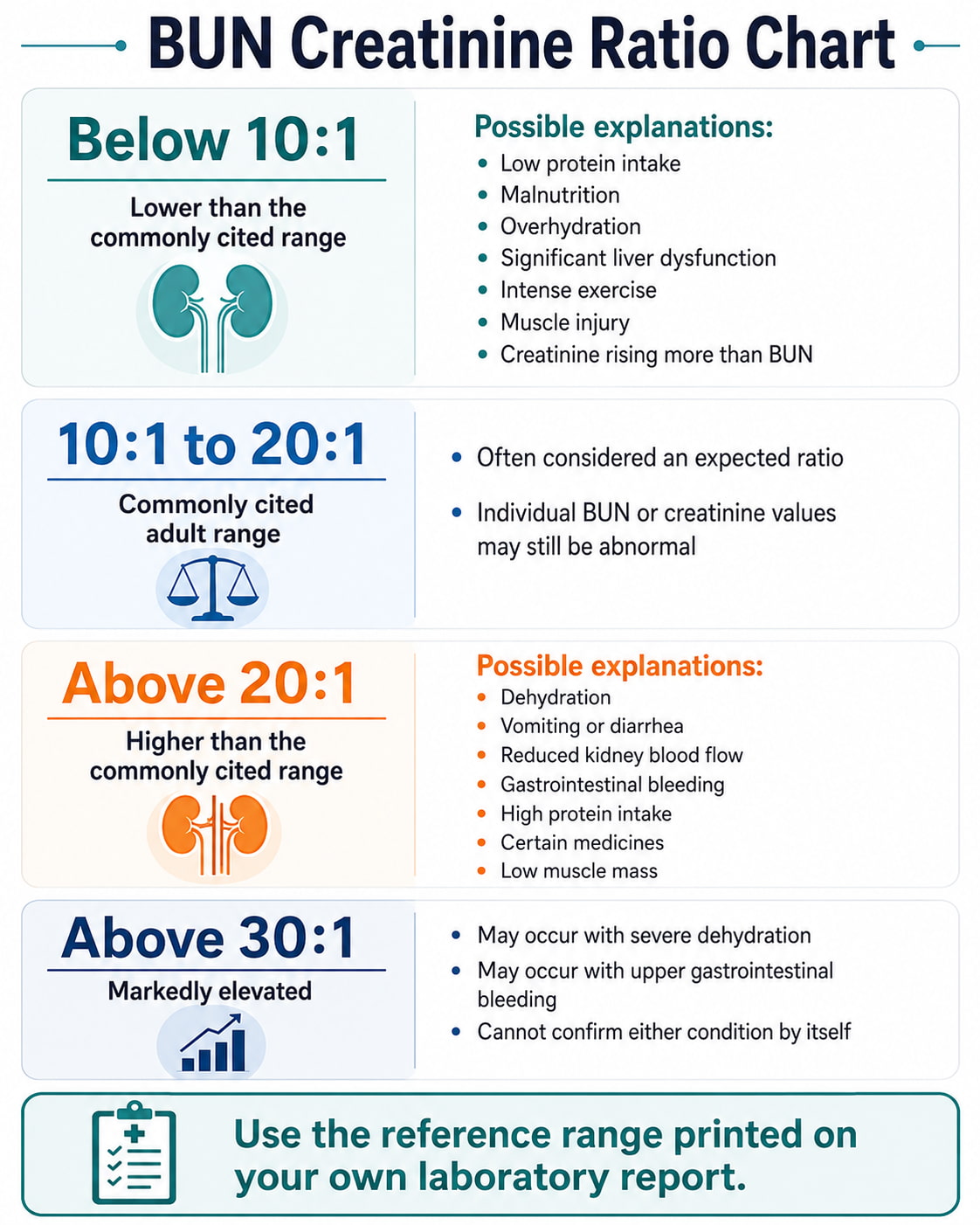
The following chart provides general adult reference points. It should be used for education rather than self-diagnosis.
| BUN Creatinine Ratio | General Interpretation | Possible Explanations |
|---|---|---|
| Below 10:1 | Lower than the commonly cited range | Low protein intake, malnutrition, overhydration, reduced urea production from significant liver disease, intense exercise, muscle injury, or creatinine rising more than BUN |
| 10:1 to 20:1 | Commonly cited adult range | Often considered an expected ratio, although BUN or creatinine may still be abnormal individually |
| Above 20:1 | Higher than the commonly cited range | Dehydration, vomiting, diarrhea, reduced kidney blood flow, gastrointestinal bleeding, high protein intake, certain medicines, increased protein breakdown, urinary obstruction, or low muscle mass |
| Above 30:1 | Markedly elevated | May occur with significant dehydration or upper gastrointestinal bleeding, but the ratio cannot confirm either condition |
The University of Rochester Medical Center lists approximately 10:1 to 20:1 as a commonly used BUN-to-creatinine ratio range.
A number outside this interval does not automatically mean that something serious is wrong. It is a clue that should be interpreted alongside the rest of the blood test and your overall health.
What Is the BUN Creatinine Ratio?
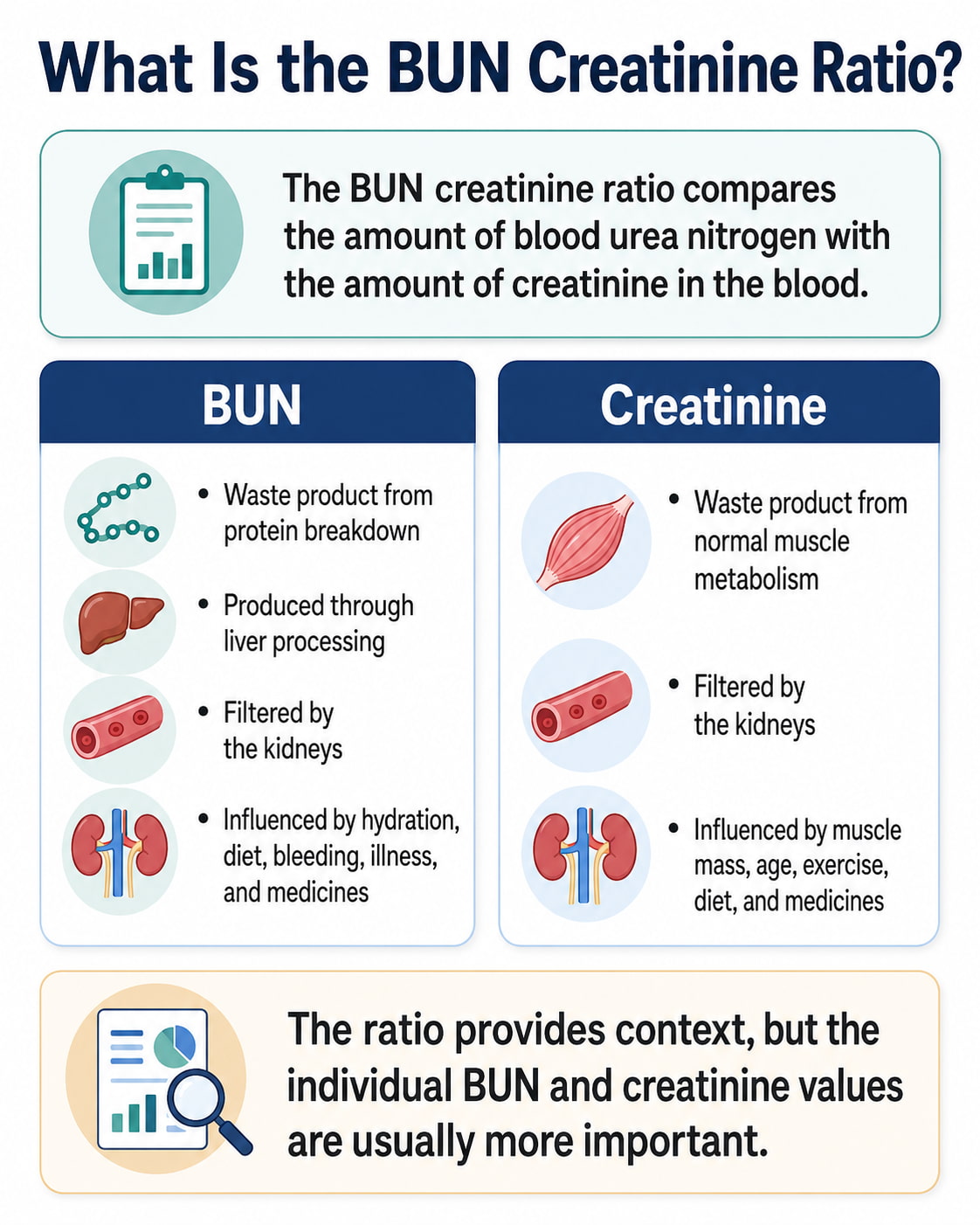
The BUN creatinine ratio compares the amount of blood urea nitrogen with the amount of creatinine in your blood.
What Is BUN?
BUN stands for blood urea nitrogen. Urea is a waste product formed when the body breaks down protein.
The liver produces urea, which travels through the bloodstream to the kidneys. The kidneys normally filter it from the blood and remove it through urine.
BUN can be affected by:
- Kidney filtration
- Fluid intake and dehydration
- Dietary protein
- Gastrointestinal bleeding
- Liver function
- Infection, fever, burns, or trauma
- Certain medicines
Because many factors influence BUN, an abnormal result does not always indicate a kidney problem.
What Is Creatinine?
Creatinine is a waste product produced during normal muscle metabolism. Healthy kidneys filter most creatinine from the blood.
Creatinine levels can be influenced by:
- Kidney function
- Muscle mass
- Age
- Body size
- Physical activity
- Recent intense exercise
- Meat consumption
- Some medicines and supplements
A muscular person may naturally have a higher creatinine level than someone with less muscle mass. Older adults or people with low muscle mass may have relatively low creatinine even when kidney function is reduced.
How to Calculate the BUN Creatinine Ratio
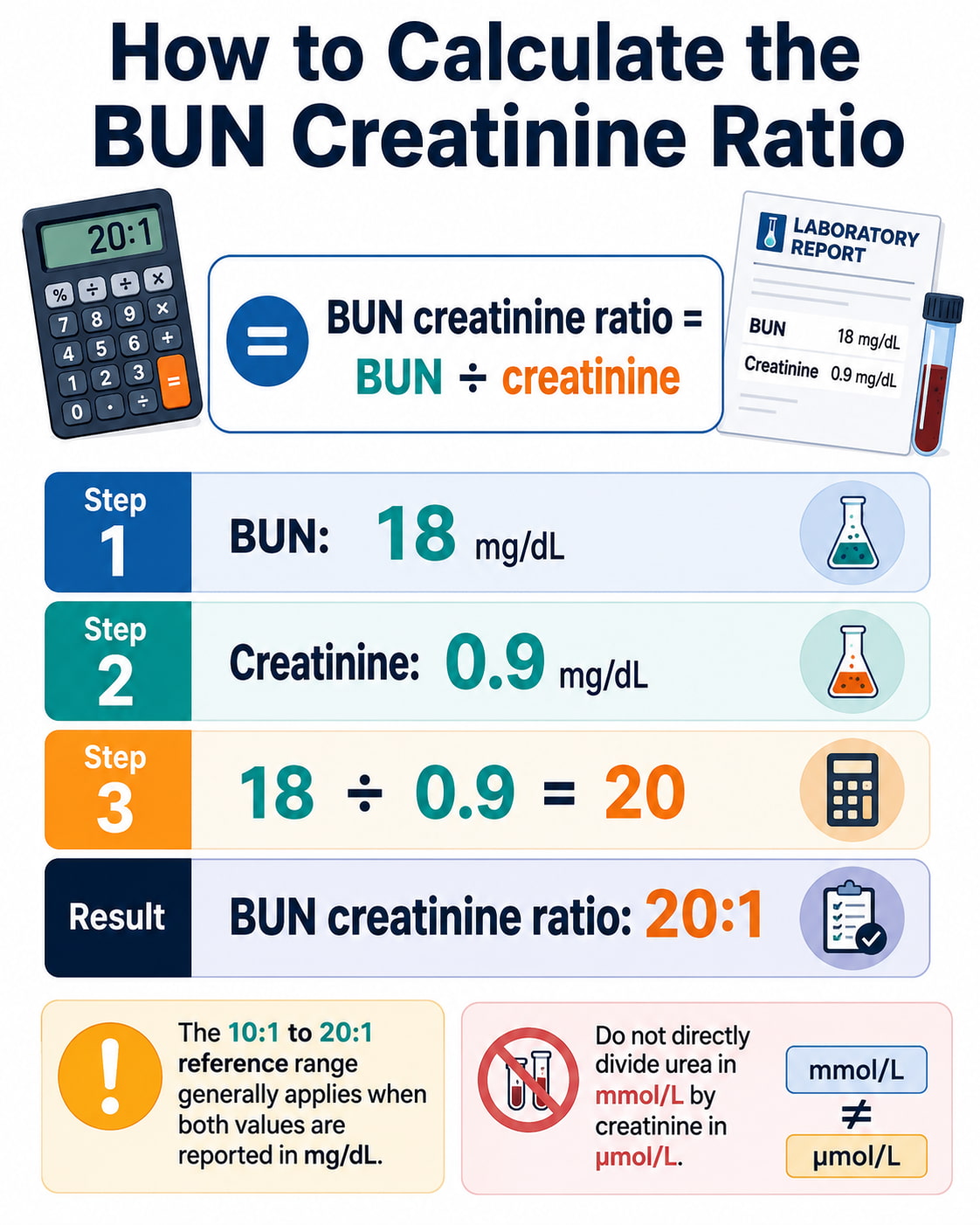
When both values are reported in milligrams per deciliter, or mg/dL, the calculation is:
BUN creatinine ratio = BUN ÷ creatinine
Example
Suppose your results are:
- BUN: 18 mg/dL
- Creatinine: 0.9 mg/dL
Calculation:
18 ÷ 0.9 = 20
The BUN creatinine ratio is therefore 20:1.
Important Note About Measurement Units
The 10:1 to 20:1 reference range is generally used when both BUN and creatinine are reported in mg/dL.
Some countries report:
- Urea in mmol/L
- Creatinine in µmol/L
You should not directly divide values reported in different units and compare the answer with the US ratio range. Use the ratio calculated by the laboratory or ask a healthcare professional to interpret the values.
What Is a Normal BUN Creatinine Ratio?
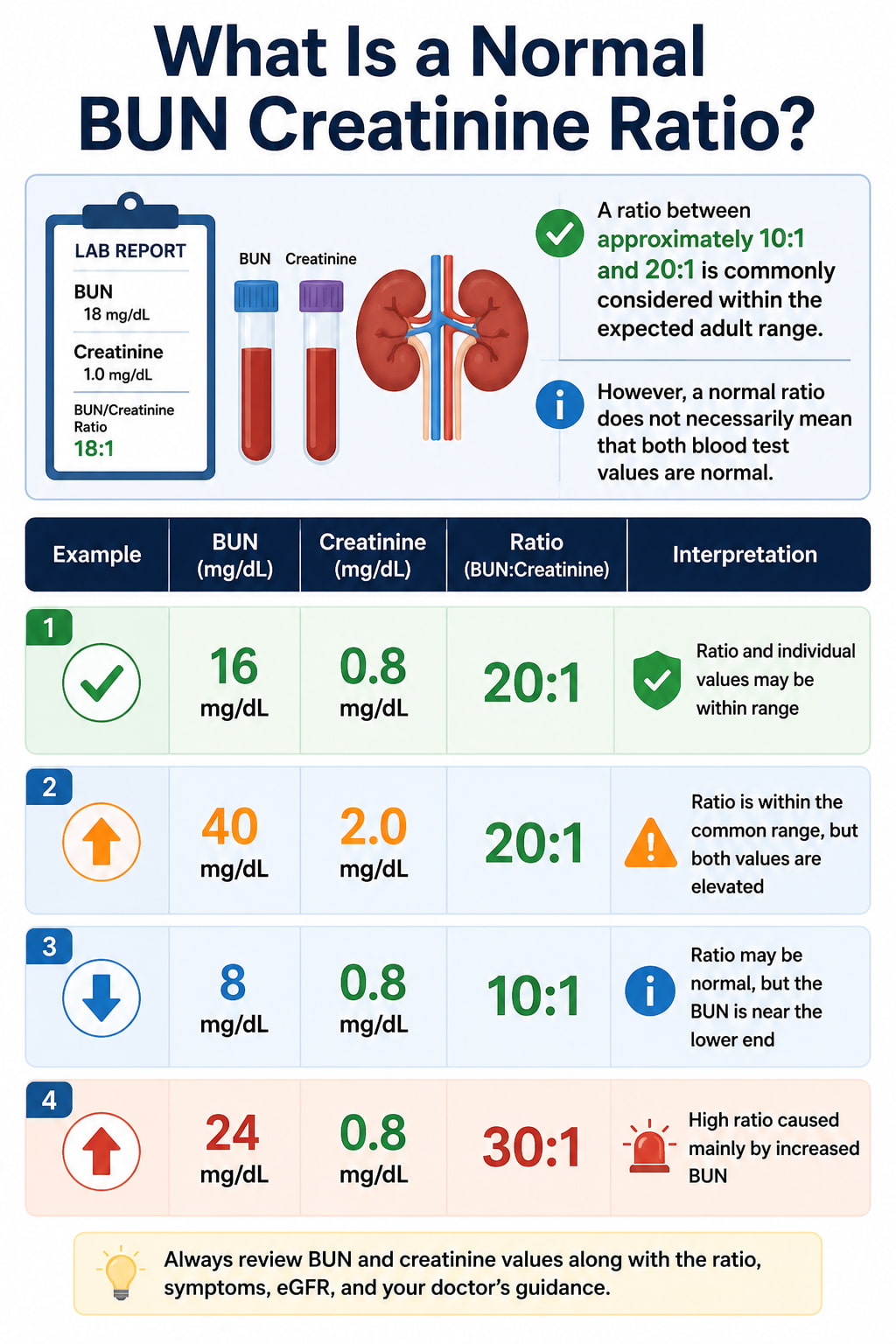
A ratio between approximately 10:1 and 20:1 is commonly considered within the expected adult range.
However, a normal ratio does not necessarily mean that both blood test values are normal.
For example:
| BUN | Creatinine | Ratio | Interpretation |
|---|---|---|---|
| 16 mg/dL | 0.8 mg/dL | 20:1 | Ratio and individual values may be within range |
| 40 mg/dL | 2.0 mg/dL | 20:1 | Ratio is within the common range, but both values are elevated |
| 8 mg/dL | 0.8 mg/dL | 10:1 | Ratio may be normal, but the BUN is near the lower end |
| 24 mg/dL | 0.8 mg/dL | 30:1 | High ratio caused mainly by increased BUN |
This is why the BUN creatinine ratio should never be interpreted without checking the individual results.
Typical BUN and Creatinine Reference Ranges
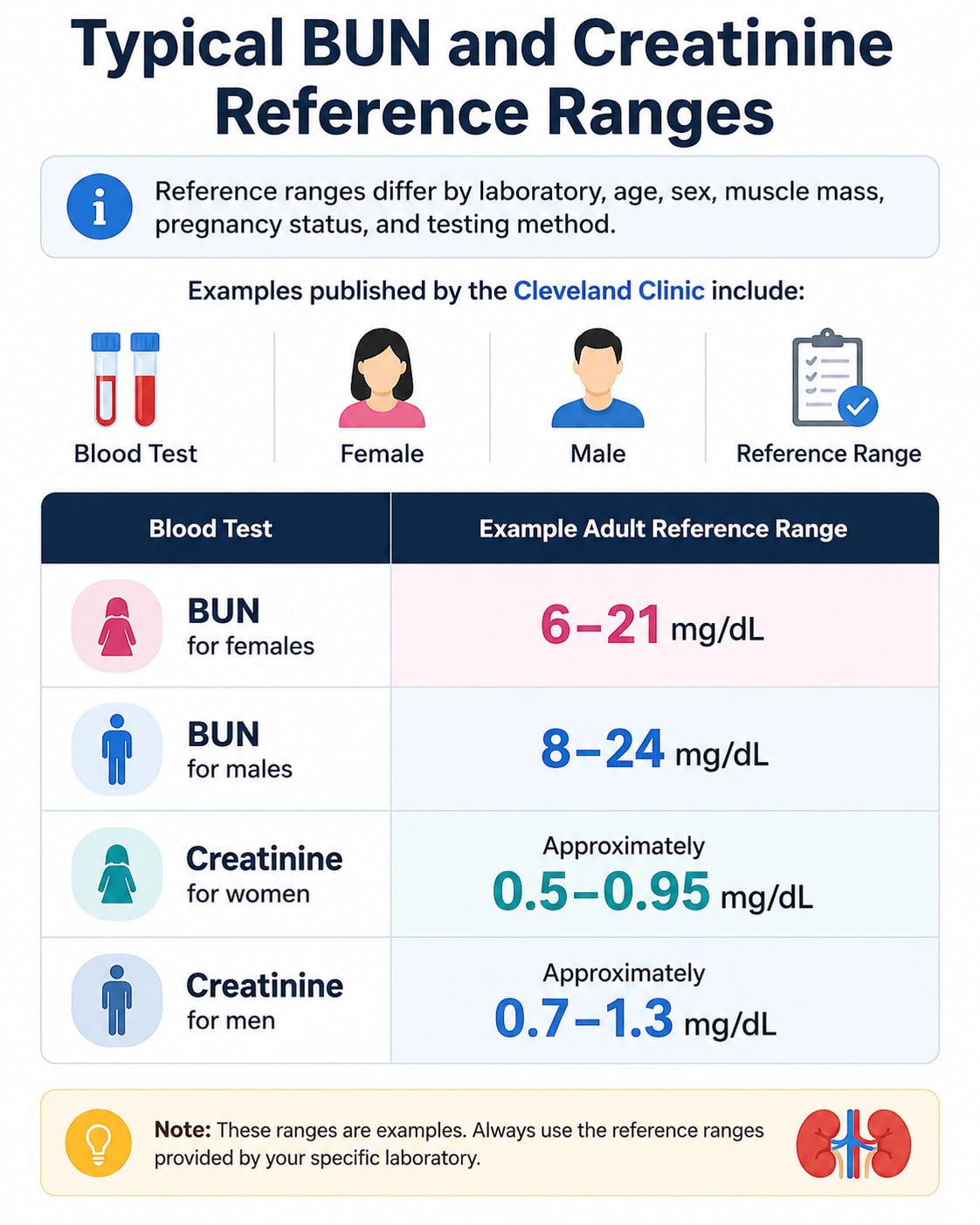
Reference ranges differ by laboratory, age, sex, muscle mass, pregnancy status, and testing method.
Examples published by the Cleveland Clinic include:
| Blood Test | Example Adult Reference Range |
|---|---|
| BUN for females | 6–21 mg/dL |
| BUN for males | 8–24 mg/dL |
| Creatinine for women | Approximately 0.5–0.95 mg/dL |
| Creatinine for men | Approximately 0.7–1.3 mg/dL |
These are general examples, not universal cutoffs. Use the reference range shown beside your result.
What Does a High BUN Creatinine Ratio Mean?
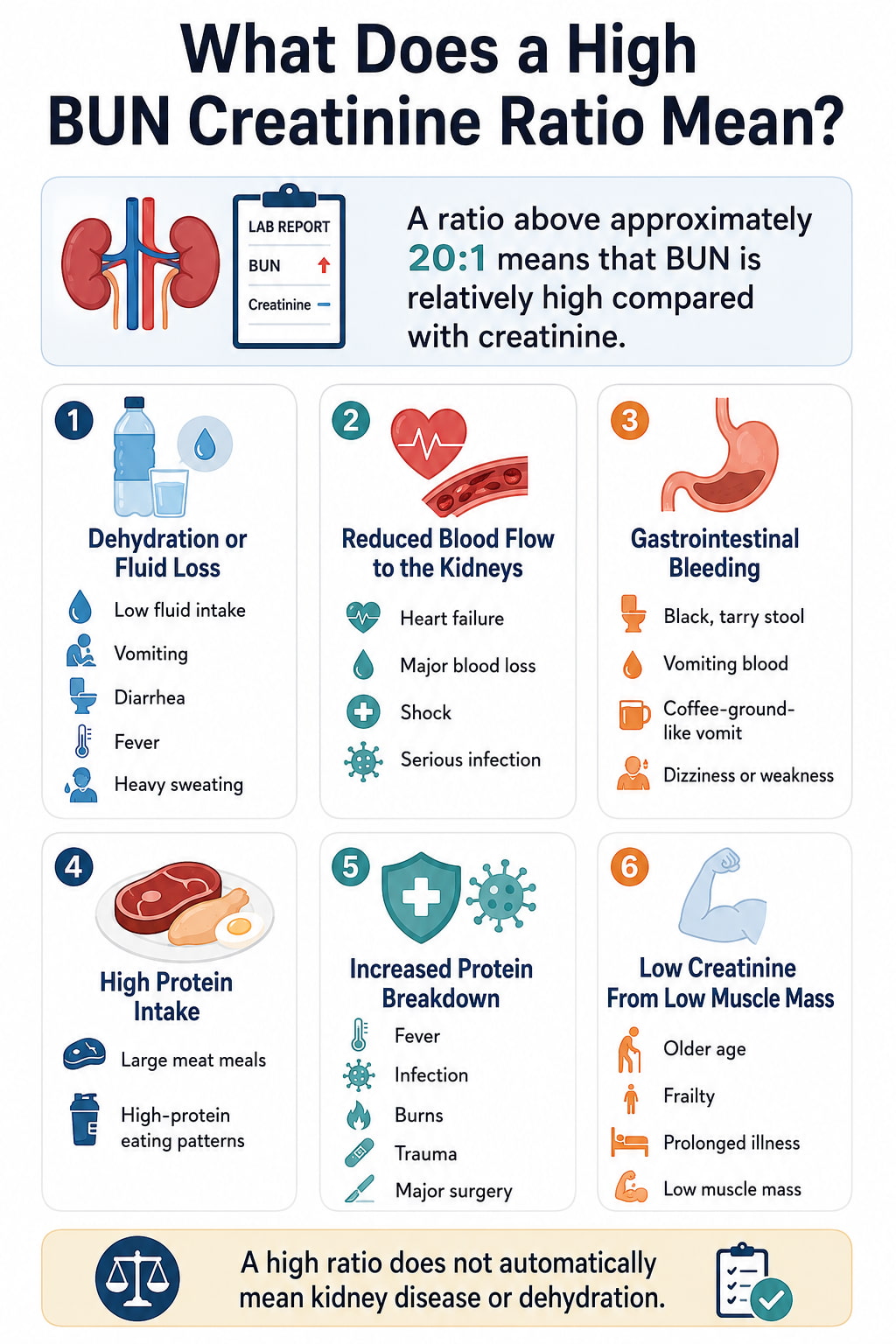
A BUN creatinine ratio above approximately 20:1 means that BUN is relatively high compared with creatinine.
This can happen because:
- BUN has increased
- Creatinine has decreased
- Both changes are occurring at the same time
Dehydration or Fluid Loss
Dehydration is one of the most commonly discussed causes of a high ratio.
Possible reasons include:
- Not drinking enough fluid
- Heavy sweating
- Vomiting
- Diarrhea
- Fever
- Diuretic medicines
- Significant blood loss
When blood volume decreases, the kidneys may reabsorb more urea, causing BUN to rise more than creatinine.
However, a high ratio does not confirm dehydration. Your symptoms, blood pressure, urine output, sodium level, and physical examination may also need to be considered.
Reduced Blood Flow to the Kidneys
Conditions that reduce kidney blood flow may increase BUN more than creatinine.
Possible examples include:
- Heart failure
- Severe dehydration
- Major blood loss
- Shock
- Serious infection
- Reduced circulating blood volume
These situations can range from mild to urgent, depending on the cause and accompanying symptoms.
Gastrointestinal Bleeding
Bleeding in the stomach or upper small intestine may increase BUN because digested blood acts as an additional protein source.
Possible warning signs include:
- Black, sticky, tar-like stool
- Vomiting blood
- Vomit that resembles coffee grounds
- Dizziness
- Weakness
- Fainting
- Rapid heartbeat
A ratio above 30:1 may occur with upper gastrointestinal bleeding, but it is not specific enough to diagnose bleeding. The Mayo Clinic advises seeking immediate medical care for significant gastrointestinal bleeding symptoms.
High Protein Intake
A high-protein meal or consistently high protein intake may increase urea production and raise BUN.
This effect may be more noticeable in people who:
- Eat large amounts of meat
- Use high-protein meal plans
- Have reduced kidney function
- Are dehydrated at the time of testing
A single result should be interpreted in context rather than used to make major dietary changes.
Increased Protein Breakdown
Illness or physical stress can increase the breakdown of body proteins.
Possible situations include:
- Fever
- Severe infection
- Burns
- Major surgery
- Trauma
- Prolonged corticosteroid use
This may raise BUN without causing an equivalent increase in creatinine.
Low Creatinine From Low Muscle Mass
A high ratio is not always caused by high BUN. It can also occur when creatinine is unusually low.
Low creatinine may be associated with:
- Older age
- Low muscle mass
- Frailty
- Prolonged illness
- Malnutrition
- Limb loss
- Certain muscle conditions
For example, a BUN of 18 mg/dL and creatinine of 0.6 mg/dL produces a ratio of 30:1, even though the BUN itself may not be high.
Urinary Tract Obstruction
A blockage that interferes with urine flow may affect BUN, creatinine, or both.
Possible causes include:
- Kidney stones
- Enlarged prostate
- Urinary tract narrowing
- Blood clots
- Bladder retention
- Tumors pressing on the urinary tract
A person with sudden inability to urinate, severe pain, or sharply reduced urine output needs prompt medical evaluation.
What Does a Low BUN Creatinine Ratio Mean?
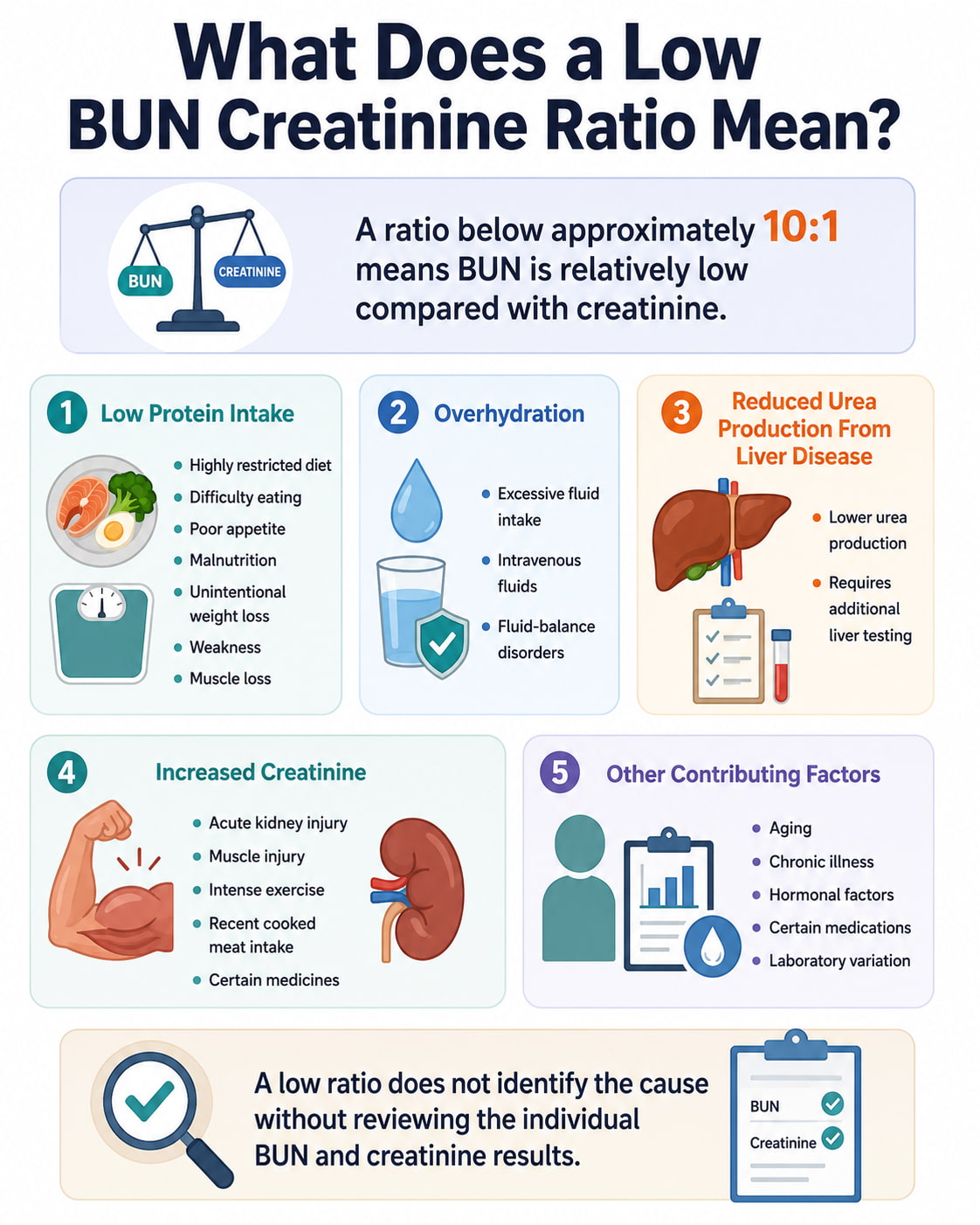
A ratio below approximately 10:1 means BUN is relatively low compared with creatinine.
The cause may be related to low BUN, increased creatinine, or both.
Low Protein Intake
Because urea is produced from protein breakdown, a low-protein diet may reduce BUN.
This may occur in people who:
- Follow a highly restricted diet
- Have difficulty eating
- Have swallowing problems
- Experience prolonged nausea
- Have poor access to adequate nutrition
A low result alone does not prove protein deficiency.
Malnutrition
Inadequate calorie and protein intake may lower urea production. Malnutrition may also reduce muscle mass, making interpretation more complicated.
Possible accompanying signs include:
- Unintentional weight loss
- Weakness
- Fatigue
- Muscle loss
- Poor appetite
Overhydration
Drinking a very large amount of fluid or retaining excess water may dilute BUN.
Overhydration may occur because of:
- Excessive fluid intake
- Intravenous fluids
- Certain hormonal conditions
- Heart, liver, or kidney problems that affect fluid balance
People with kidney disease, heart failure, or liver disease should not increase fluid intake solely to change a laboratory result unless advised by a healthcare professional.
Reduced Urea Production From Liver Disease
The liver converts waste nitrogen into urea. Significant liver dysfunction may therefore lower BUN.
A low ratio alone cannot diagnose liver disease. Other information may include:
- Liver enzyme results
- Bilirubin
- Albumin
- Blood-clotting tests
- Imaging
- Symptoms such as jaundice or abdominal swelling
Increased Creatinine
The ratio may decrease when creatinine rises more than BUN.
Possible reasons include:
- Acute kidney injury
- Some forms of intrinsic kidney damage
- Muscle injury
- Rhabdomyolysis
- Intense exercise
- Recent cooked meat intake
- Certain medicines
Traditional medical teaching sometimes links a low ratio with intrinsic kidney injury. However, the ratio is not reliable enough to determine the type of kidney injury on its own.
Does a High Ratio Always Mean Kidney Disease?
No. A high BUN creatinine ratio does not automatically mean kidney disease.
BUN can increase because of dehydration, gastrointestinal bleeding, protein intake, illness, or medicines. Creatinine can remain normal or become low because of limited muscle mass.
Likewise, a person can have kidney disease while the ratio remains between 10:1 and 20:1.
Kidney function is usually evaluated using more informative measurements, including:
- Serum creatinine
- eGFR
- Urine albumin-to-creatinine ratio
- Urinalysis
- Changes over time
- Blood pressure
- Medical history
The National Institute of Diabetes and Digestive and Kidney Diseases identifies eGFR and urine albumin testing as important tools for detecting and monitoring chronic kidney disease.
BUN Creatinine Ratio vs. Urine Albumin Creatinine Ratio
These tests sound similar but measure different things.
| Test | Sample | What It Measures | Main Use |
|---|---|---|---|
| BUN creatinine ratio | Blood | BUN compared with creatinine | Provides general context about the relationship between two waste products |
| Urine albumin-to-creatinine ratio, or UACR | Urine | Albumin compared with urine creatinine | Helps detect kidney damage and abnormal protein leakage |
| eGFR | Calculated from blood creatinine and other information | Estimated kidney filtration | Helps assess overall kidney filtering function |
The BUN creatinine ratio should not be used as a substitute for eGFR or urine albumin testing.
Factors That Can Affect Your Test Results
Before interpreting an unusual ratio, consider what happened during the hours or days before the blood draw.
Diet
Possible influences include:
- A large meat meal
- High protein intake
- Very low protein intake
- Poor food intake
- Fasting
Fluid Balance
Results may change with:
- Dehydration
- Vomiting
- Diarrhea
- Heavy exercise
- Excessive fluid intake
- Diuretic use
Exercise
Intense exercise may temporarily increase creatinine. Severe muscle injury may cause a much larger increase and requires medical evaluation.
Medicines and Supplements
Medicines that may affect BUN, creatinine, kidney blood flow, or kidney function include:
- Diuretics
- Corticosteroids
- Some antibiotics
- Nonsteroidal anti-inflammatory drugs
- Certain blood pressure medicines
- Creatine supplements
- Some chemotherapy medicines
Do not stop a prescription medicine because of a laboratory result without speaking with the prescriber.
Age and Muscle Mass
Creatinine may be lower in older adults and people with low muscle mass. This can make the ratio appear high even when BUN is not significantly elevated.
Pregnancy
Pregnancy can change kidney filtration and fluid balance. Pregnant patients should use pregnancy-specific medical interpretation rather than relying only on a general adult ratio chart.
What to Do After an Abnormal BUN Creatinine Ratio
An isolated abnormal ratio is not usually enough to identify the cause. The following steps can help you discuss the result with a healthcare professional.
1. Check the Actual BUN and Creatinine Values
Determine whether:
- Only BUN is abnormal
- Only creatinine is abnormal
- Both are abnormal
- Both are technically within range
The same ratio can result from very different combinations.
2. Confirm the Units and Laboratory Range
Check whether the values are reported in mg/dL or SI units.
Use the reference intervals printed on the report rather than relying only on a general online chart.
3. Review Your eGFR
eGFR estimates how well the kidneys are filtering blood.
A single low eGFR does not always confirm chronic kidney disease. According to the 2024 KDIGO chronic kidney disease guideline, unexpected abnormalities may need repeat testing and evaluation for chronicity.
4. Review Urine Testing
A clinician may recommend:
- Urinalysis
- Urine albumin-to-creatinine ratio
- Urine protein testing
- Urine microscopy
These tests can identify blood, protein, infection, or other clues that a blood ratio cannot show.
5. Compare With Previous Results
A stable ratio that has remained similar for years may mean something different from a sudden change.
Bring previous laboratory reports to your appointment when possible.
6. Consider Recent Symptoms and Activities
Tell your healthcare professional about:
- Vomiting or diarrhea
- Fever
- Reduced fluid intake
- Heavy exercise
- High-protein meals
- New medicines
- Supplements
- Urinary changes
- Black or bloody stool
- Unintentional weight loss
7. Follow Recommendations for Repeat Testing
A clinician may repeat the test after correcting a temporary factor such as dehydration or after reviewing medicines.
Do not try to force the result into the normal range by rapidly drinking large amounts of water or severely restricting protein.
When to Seek Urgent Medical Care
The ratio alone rarely determines whether emergency care is needed. Symptoms are more important.
Seek urgent medical evaluation for:
- Black, sticky, tar-like stool
- Vomiting blood
- Coffee-ground-like vomit
- Heavy rectal bleeding
- Fainting or severe dizziness
- Rapid heartbeat with weakness
- Little or no urine
- Sudden inability to urinate
- Severe shortness of breath
- New confusion
- Severe abdominal, back, or side pain
- Rapidly worsening swelling
- Signs of severe dehydration
Call emergency services for severe bleeding, loss of consciousness, breathing difficulty, or signs of shock.
Frequently Asked Questions
Is a BUN creatinine ratio of 25 high?
A ratio of 25:1 is above the commonly cited adult range of 10:1 to 20:1. It may occur with dehydration, gastrointestinal bleeding, increased protein breakdown, high protein intake, or low creatinine caused by low muscle mass.
The individual BUN and creatinine values are needed to interpret it correctly.
Is a BUN creatinine ratio of 30 dangerous?
A ratio of 30:1 is elevated, but the number alone does not show how serious the situation is.
For example, it may result from mild dehydration or a low creatinine level. It may also occur with more serious problems such as significant fluid loss or gastrointestinal bleeding.
Urgency depends on symptoms, the individual blood values, eGFR, medical history, and the cause.
Can dehydration cause a high BUN creatinine ratio?
Yes. Dehydration can reduce circulating blood volume and increase urea reabsorption, causing BUN to rise more than creatinine.
However, the ratio cannot confirm dehydration without additional information.
Can the ratio be normal when kidney function is abnormal?
Yes. BUN and creatinine can rise together while maintaining a ratio between 10:1 and 20:1.
A normal ratio therefore does not rule out acute kidney injury or chronic kidney disease.
What foods can raise the BUN creatinine ratio?
A large amount of protein, particularly meat, may temporarily increase BUN. Gastrointestinal bleeding can also raise BUN because digested blood functions as a protein source.
Diet is only one possible influence and should not be assumed to be the cause without reviewing the complete result.
Does a low BUN creatinine ratio mean liver disease?
Not necessarily. Significant liver dysfunction can reduce urea production and lower BUN, but other causes include low protein intake, overhydration, malnutrition, exercise, muscle injury, or elevated creatinine.
Additional liver tests and clinical evaluation would be needed.
Should I drink more water if my ratio is high?
Not automatically. Drinking normal amounts may be reasonable when mild dehydration is likely and you do not have a fluid restriction.
However, excessive water intake can be harmful. People with kidney disease, heart failure, liver disease, low sodium, or prescribed fluid limits should speak with a healthcare professional before changing fluid intake.
Conclusion
A BUN creatinine ratio chart can help place your result into a general range, but it cannot identify the cause by itself. Approximately 10:1 to 20:1 is commonly used as an adult reference, while values above or below that interval require interpretation of the separate BUN and creatinine levels.
Review the laboratory range, eGFR, urine tests, symptoms, medicines, hydration status, diet, and previous results. Contact a healthcare professional if the result is unexplained, repeatedly abnormal, or accompanied by urinary changes, weakness, swelling, vomiting, diarrhea, or possible bleeding.
This content is for informational purposes only and not medical advice.
References
- University of Rochester Medical Center: Urea Nitrogen and BUN Creatinine Ratio
- Cleveland Clinic: Blood Urea Nitrogen Test
- National Institute of Diabetes and Digestive and Kidney Diseases: Chronic Kidney Disease Tests
- KDIGO 2024 Clinical Practice Guideline for Chronic Kidney Disease
- Mayo Clinic: Gastrointestinal Bleeding