
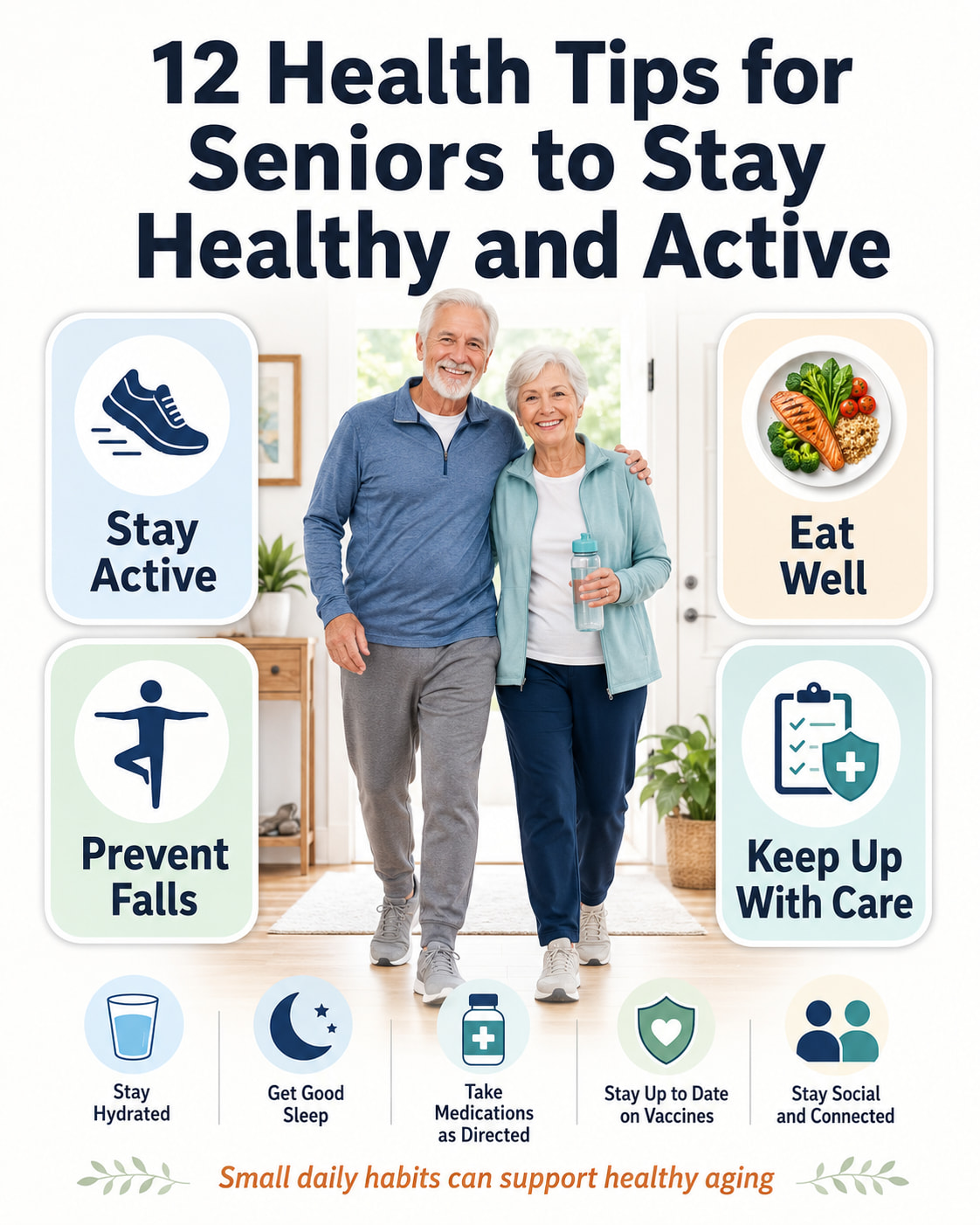
The most important health tips for seniors are to stay physically active, eat nutrient-dense foods, sleep well, prevent falls, manage medications safely, keep up with preventive care, and stay socially connected. These habits may support strength, mobility, independence, and quality of life throughout later adulthood.
Healthy aging does not require an extreme workout plan or a restrictive diet. Small, consistent actions often provide the most practical starting point. Your routine should also match your health conditions, mobility, medications, and personal goals.
12 Health Tips for Seniors
1. Move Your Body Most Days
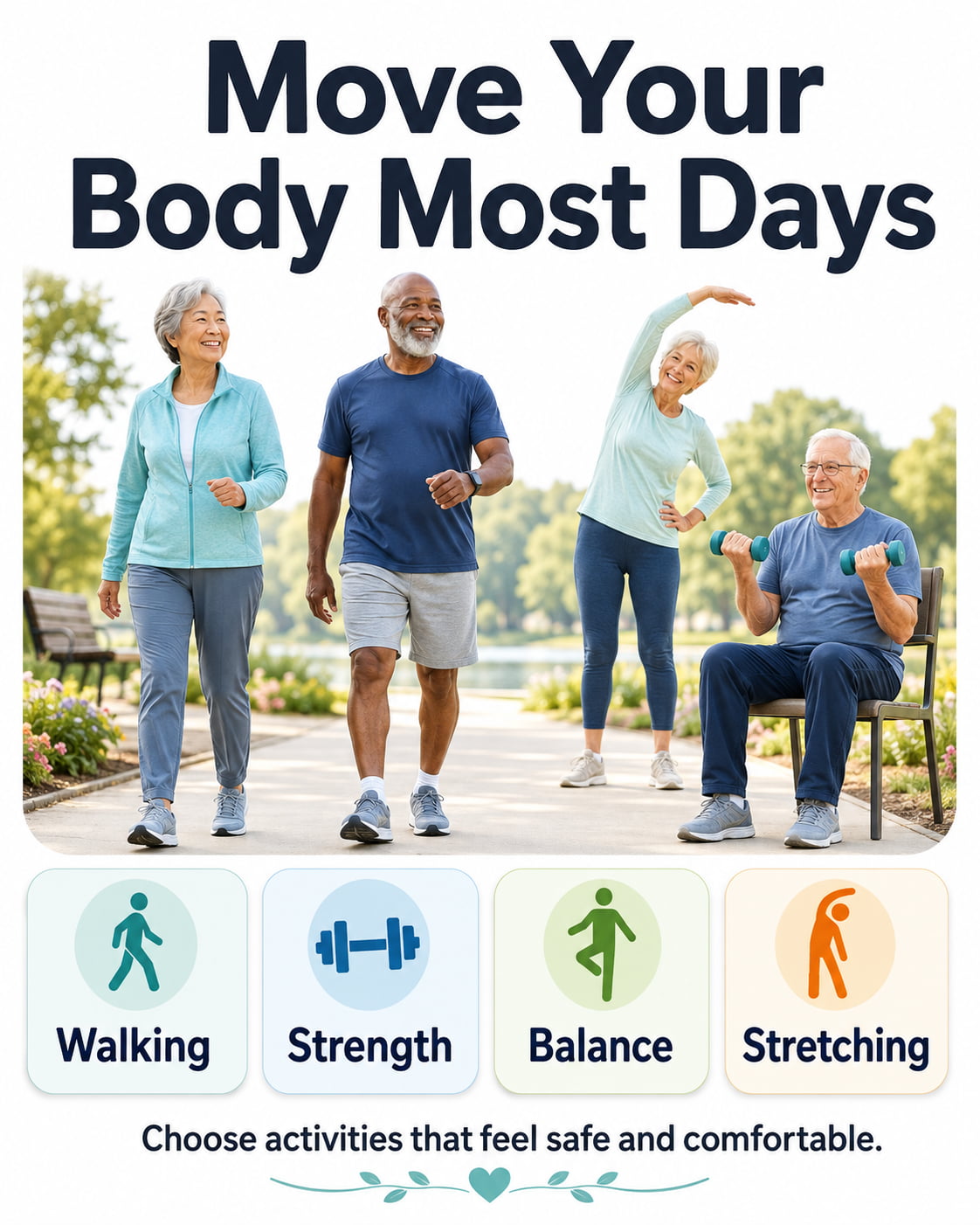
Regular movement helps older adults maintain endurance, mobility, and the ability to complete everyday tasks.
The Centers for Disease Control and Prevention recommends that adults age 65 and older aim for at least 150 minutes of moderate-intensity aerobic activity each week. Alternatively, they can complete 75 minutes of vigorous activity or an equivalent combination of moderate and vigorous exercise.
Moderate activities can include:
- Brisk walking
- Stationary cycling
- Swimming or water aerobics
- Low-impact fitness classes
- Active gardening
- Marching or walking indoors
You do not have to exercise for 30 minutes at one time. A 10-minute walk after each meal, for example, can add up throughout the day.
Start at a pace that feels manageable. Gradually increase your time before increasing speed or difficulty. Stop exercising and seek medical guidance if you develop chest discomfort, severe shortness of breath, faintness, or unusual weakness.
2. Strengthen Your Muscles and Practice Balance
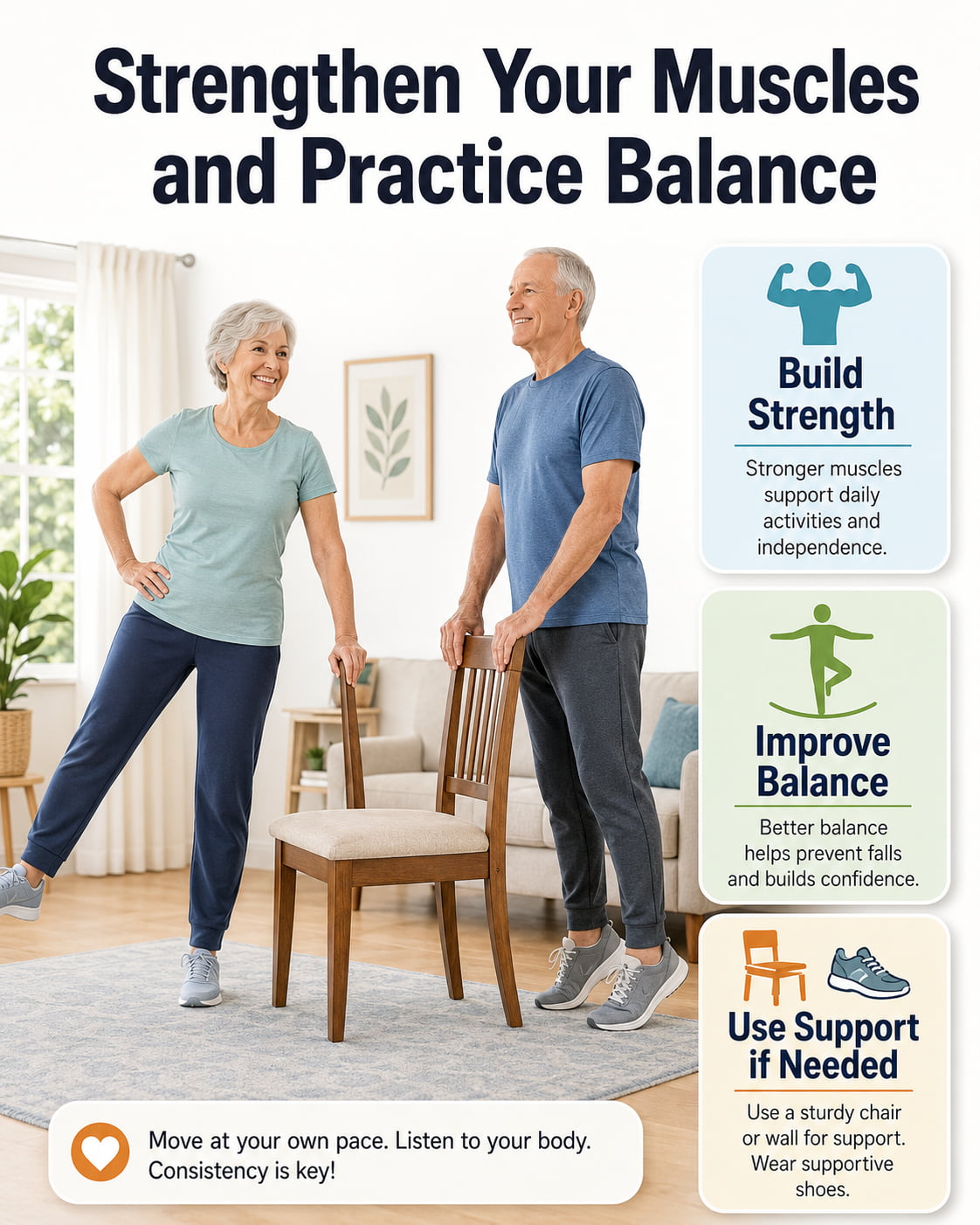
Walking is valuable, but it does not fully replace strength and balance exercises.
Older adults should include muscle-strengthening activities on at least two days each week and regularly practice activities that improve balance. Strength exercises should involve the major muscle groups, including the legs, hips, back, abdomen, chest, shoulders, and arms.
Beginner-friendly exercises may include:
- Chair squats or repeated sit-to-stands
- Wall push-ups
- Resistance-band rows
- Supported heel raises
- Light dumbbell exercises
- Standing with one foot slightly in front of the other
- Tai chi
Use a sturdy counter, railing, or chair for support when needed. A physical therapist can help design a safer program for someone with arthritis, osteoporosis, previous falls, severe weakness, or a recent joint replacement.
Consistency matters more than lifting heavy weights. Even simple exercises may help make getting out of a chair, climbing stairs, carrying groceries, and walking outdoors easier.
3. Build Meals Around Nutrient-Dense Foods
A healthy eating pattern supplies protein, fiber, vitamins, minerals, and energy without requiring complicated diet rules.
The current Dietary Guidelines for Americans, 2025–2030, published through the Office of Disease Prevention and Health Promotion in January 2026, emphasize whole, nutrient-dense foods. The guidance prioritizes protein foods, vegetables, fruits, dairy, healthy fats, and whole grains while recommending less highly processed food, excess sodium, added sugar, and refined carbohydrates.
A practical meal might contain:
- Protein: Fish, chicken, eggs, beans, lentils, tofu, yogurt, or lean meat
- Produce: Vegetables, fruit, or both
- High-fiber carbohydrates: Oats, brown rice, whole-grain bread, beans, or potatoes
- Calcium-rich food: Milk, yogurt, cheese, or an appropriate fortified alternative
- Healthy fat: Nuts, seeds, avocado, or olive oil
Try to include a protein food at each meal. This is especially helpful when appetite is limited and every meal needs to provide meaningful nutrition.
Do not begin high-dose vitamin or mineral supplements simply because you are older. Supplements may be unnecessary, provide excessive amounts, or interact with medications. Ask a healthcare professional whether blood testing, dietary changes, or a specific supplement is appropriate.
Report persistent appetite loss, trouble chewing or swallowing, or unplanned weight loss. These problems should not be dismissed as normal aging.
4. Drink Fluids Regularly

Water supports digestion, circulation, temperature control, and normal body function. However, there is no single fluid target that is appropriate for every older adult.
Water is usually a good primary beverage, but milk, soups, decaffeinated drinks, fruits, and vegetables also contribute to fluid intake. The National Institute on Aging recommends drinking water throughout the day as part of healthy meal planning for older adults. Keeping water visible, drinking with meals, and taking a reusable bottle when leaving home can make regular drinking easier.
Helpful habits include:
- Drink something with each meal and snack.
- Take regular sips instead of waiting until you feel very thirsty.
- Drink more during exercise and hot weather unless you have been given a fluid restriction.
- Limit drinks with large amounts of added sugar.
- Pay attention to vomiting, diarrhea, fever, or heavy sweating, which may increase fluid needs.
People with heart failure, advanced kidney disease, low blood sodium, or another condition requiring fluid control should follow their clinician’s instructions. They should not increase fluid intake independently.
5. Make Quality Sleep a Priority
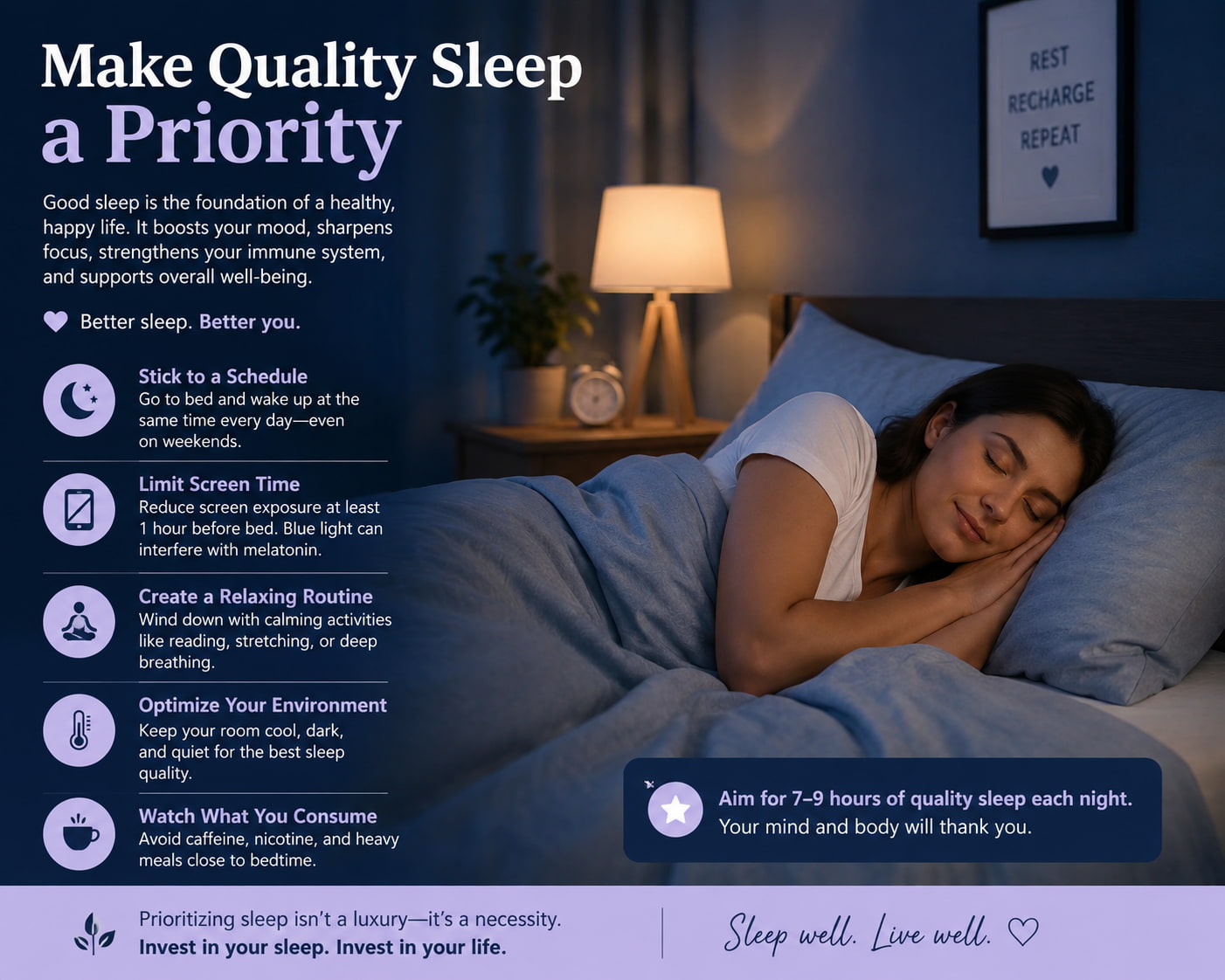
Adults age 65 and older generally need about seven to eight hours of sleep per day, according to CDC guidance. Good sleep quality and a consistent sleep schedule are also important—not just the total number of hours spent in bed.
To support better sleep:
- Go to bed and wake up at similar times each day.
- Keep the bedroom quiet, dark, and comfortably cool.
- Avoid large meals close to bedtime.
- Limit late-day caffeine.
- Reduce screen use before bed.
- Stay active during the day.
- Avoid using alcohol as a sleep aid.
Speak with a healthcare professional if you regularly struggle to fall asleep, wake repeatedly, feel extremely sleepy during the day, or snore loudly with gasping or breathing pauses. Pain, nighttime urination, sleep apnea, mood changes, and medication side effects can all interfere with sleep.
Do not start an over-the-counter sleep medicine without checking with a clinician or pharmacist. Some products can cause confusion, urinary problems, daytime drowsiness, or an increased risk of falling in older adults.
6. Keep Preventive Care and Screenings Up to Date

Preventive care can identify health concerns before they cause noticeable symptoms. However, screening decisions should be personalized rather than based on age alone.
The U.S. Preventive Services Task Force bases its recommendations on factors such as age, sex, smoking history, previous screening results, and disease risk. Overall health, life expectancy, personal preferences, and whether someone could benefit from follow-up care also become increasingly important at older ages.
At routine appointments, discuss:
- Blood pressure, cholesterol, and blood sugar
- Bone health and fracture risk
- Appropriate cancer screenings
- Vision, hearing, and dental health
- Depression, anxiety, and memory concerns
- Bladder or bowel changes
- Falls, dizziness, and walking difficulties
- Advance care preferences
Bring an updated medication list and write down your questions before the appointment. Mention every fall—even if you were not seriously injured—and report new problems rather than waiting for the next annual visit.
7. Review Your Vaccinations
Vaccines can help reduce the risk of several infections that may cause serious complications in older adults. Recommendations can change, so review your records with a clinician or pharmacist rather than relying on an old checklist.
Current CDC recommendations commonly include:
- Influenza: One vaccine each flu season. Adults age 65 and older should preferably receive a high-dose, recombinant, or adjuvanted flu vaccine when one is available. Any appropriate flu vaccine should be used rather than delaying vaccination when a preferred product is unavailable.
- Shingles: Two doses of the recombinant shingles vaccine for adults age 50 and older, including people who have previously had shingles.
- Pneumococcal disease: Recommended for adults age 50 and older who have not received the appropriate pneumococcal vaccines. The product and timing depend on previous doses and medical history.
- RSV: One dose for all adults age 75 and older and for adults ages 50–74 who have an increased risk of severe RSV illness. Additional doses are not currently recommended for people who have already received one.
- COVID-19: Follow the current seasonal schedule for your age, immune status, and previous vaccination history. Current guidance states that vaccination is especially important for adults age 65 and older.
- Tdap or Td: After the initial series and at least one Tdap dose, a Td or Tdap booster is generally recommended every 10 years. Additional doses may be needed for certain wounds.
People with weakened immune systems, severe allergies, previous vaccine reactions, or complex medical conditions may need individualized recommendations.
8. Review Every Medicine and Supplement
Medication needs can change as health conditions, kidney function, weight, and daily routines change.
The U.S. Food and Drug Administration recommends keeping a complete list of prescription drugs, over-the-counter medicines, vitamins, and dietary supplements. Include each product’s name, dose, purpose, and schedule. Share the list with doctors, pharmacists, dentists, and other healthcare professionals.
Ask for a complete medication review at least periodically and whenever:
- A new medicine is added
- You leave the hospital
- You begin seeing a new clinician
- You develop dizziness, confusion, weakness, constipation, or excessive sleepiness
- You have difficulty swallowing pills, opening bottles, or reading labels
- Your routine becomes difficult to manage
Ask what each medicine is for, how long you are expected to use it, and whether it interacts with food, alcohol, supplements, or another drug.
Never stop a prescription, change the dose, or split a tablet without professional guidance. A medicine that seems unnecessary may be preventing symptoms or complications that are not immediately visible.
9. Reduce Your Risk of Falling
Falls are common, but they should not be accepted as an unavoidable part of aging.
CDC data updated in February 2026 show that more than 14 million U.S. adults age 65 and older—about one in four—report falling each year. Approximately 37% of those who fall report an injury that requires medical care or limits activity for at least one day.
Reduce common fall hazards by:
- Removing clutter, loose rugs, and electrical cords from walking paths
- Improving lighting in hallways, bathrooms, bedrooms, and stairways
- Installing secure handrails and properly mounted grab bars
- Wearing supportive, well-fitting shoes
- Keeping frequently used items within easy reach
- Using a cane or walker as instructed
- Addressing dizziness, foot pain, vision changes, and medication side effects
Practice strength and balance exercises, but do not rely on exercise alone. Home hazards, medicines, footwear, blood pressure changes, vision, and health conditions can all contribute to falls.
Tell your healthcare professional about every fall or near-fall. A fall-risk assessment may identify correctable problems before another fall occurs.
10. Stay Socially Connected and Mentally Engaged
Social connection is part of healthy aging, not an optional extra.
The National Institute on Aging reports that loneliness and social isolation are associated with higher risks of problems such as depression, heart disease, and cognitive decline. This does not mean loneliness directly causes every condition, but it is an important health concern.
Meaningful activities may include:
- Visiting or calling family and friends
- Joining a walking, gardening, or hobby group
- Volunteering
- Attending a community or faith-based program
- Taking a class
- Participating in a book club
- Playing cards, puzzles, or strategy games
- Learning music, a language, or a digital skill
Choose activities you genuinely enjoy. Social connection does not always require large gatherings. A regular telephone call, shared meal, small class, or volunteer shift can be meaningful.
Persistent sadness, anxiety, withdrawal, hopelessness, or loss of interest deserves professional attention. Depression is not a normal or inevitable result of aging.
11. Protect Your Hearing, Vision, and Oral Health
Hearing, vision, and oral health affect communication, balance, nutrition, medication safety, and independence.
Hearing loss can make conversations difficult and contribute to withdrawal from social situations. It is also associated with a greater risk of falling. Ask for a hearing evaluation if you frequently misunderstand speech, raise the television volume, avoid conversations, or experience ringing in the ears.
Report sudden vision loss, flashes of light, a curtain-like shadow, eye pain, or a rapid change in vision promptly. Otherwise, follow the eye-examination schedule recommended by your eye-care professional, especially if you have diabetes, glaucoma risk, cataracts, or macular degeneration.
For oral health:
- Brush twice daily with fluoride toothpaste.
- Clean between the teeth regularly.
- Clean dentures as directed and remove them when advised.
- Attend routine dental examinations.
- Report mouth sores, bleeding gums, loose teeth, or chewing difficulties.
Dry mouth is not simply a normal part of aging. It may be related to dehydration, medications, or a health condition, and it can increase the risk of tooth decay. The National Institute of Dental and Craniofacial Research recommends regular dental care and daily fluoride-based oral hygiene.
12. Avoid Tobacco and Be Careful With Alcohol
Quitting smoking provides health benefits regardless of age or how long someone has smoked. CDC guidance notes that counseling, clinician support, and approved cessation medicines can make quitting more manageable.
Avoid secondhand smoke and do not assume vaping is a risk-free alternative. Ask a healthcare professional about established smoking-cessation options that fit your medical history.
Alcohol also deserves extra caution in later life. The National Institute on Alcohol Abuse and Alcoholism explains that older adults may take medicines that interact with alcohol, including products used for sleep, anxiety, pain, allergies, or blood pressure. These combinations can increase drowsiness, poor coordination, falls, breathing problems, bleeding, or other harmful effects.
Not drinking alcohol is a healthy choice. People who do drink should ask a clinician or pharmacist whether alcohol is safe with their medicines and health conditions. Avoid alcohol completely before driving, when taking an interacting medication, or when a clinician has advised against it.
How Much Exercise Do Seniors Need?
For most adults age 65 and older, the weekly activity goal is:
| Type of activity | General weekly goal | Examples |
|---|---|---|
| Moderate aerobic activity | At least 150 minutes | Brisk walking, water aerobics, cycling |
| Vigorous aerobic activity | 75 minutes instead of 150 moderate minutes | Fast swimming, jogging, strenuous hiking |
| Muscle strengthening | At least 2 days | Resistance bands, weights, chair squats |
| Balance activity | Include regularly | Tai chi, supported balance exercises |
| Flexibility | Add as comfortable | Gentle calf, chest, hip, and shoulder stretches |
These are goals, not an all-or-nothing test. Someone who is currently inactive might begin with five minutes of comfortable walking once or twice a day and gradually add time.
Older adults who cannot meet the full recommendation because of a chronic condition or disability should be as active as their abilities allow and avoid prolonged inactivity.
Important Health Screenings for Older Adults
Screening schedules vary according to health history and previous results. The following table summarizes several major U.S. recommendations for people without related symptoms.
| Screening | General guidance |
|---|---|
| Blood pressure | Screen all adults. Annual screening is a reasonable option for adults age 40 and older. A new diagnosis should generally be confirmed with measurements outside the clinic before medication is started. |
| Colorectal cancer | Routine screening is recommended through age 75. From ages 76–85, the decision should be individualized based on previous screening, overall health, and preferences. |
| Breast cancer | The USPSTF recommends mammography every other year for women ages 40–74. Evidence is insufficient to recommend one routine approach for everyone age 75 and older. |
| Osteoporosis | Screening is recommended for women age 65 and older. It is also recommended for younger postmenopausal women at increased fracture risk. Evidence is insufficient for universal screening of all men. |
| Lung cancer | Annual low-dose CT is recommended for adults ages 50–80 who have at least a 20 pack-year smoking history and currently smoke or quit within the past 15 years. |
These recommendations come from the USPSTF and do not cover every possible health check.
A screening schedule may be different for someone with symptoms, a previous abnormal result, a strong family history, or a personal history of cancer. Screening is intended for people without signs of the condition; new symptoms require diagnostic evaluation.
When Seniors Should Seek Medical Help
Call 911 for symptoms that may indicate a medical emergency, including:
- New chest pressure, pain, or severe discomfort
- Severe difficulty breathing
- Fainting or inability to wake
- Sudden facial drooping or one-sided weakness
- Sudden trouble speaking or understanding speech
- Sudden severe confusion
- Uncontrolled bleeding
- A serious head or spine injury
Sudden weakness, speech difficulty, vision changes, loss of balance, or severe unexplained headache can be signs of a stroke and require immediate emergency care. Do not drive yourself to the hospital.
Arrange a prompt medical appointment for repeated falls, ongoing dizziness, unexplained weight loss, new memory or behavior changes, persistent fatigue, worsening swelling, difficulty swallowing, prolonged appetite loss, or continuing sleep problems.
Frequently Asked Questions
What are the most important health tips for seniors?
The priorities are regular movement, strength and balance training, nutrient-dense meals, adequate fluids, quality sleep, preventive care, medication safety, fall prevention, vaccination, social connection, and attention to hearing, vision, and oral health.
The best plan is one that matches the person’s abilities and can be followed consistently.
How much should a senior walk each day?
There is no required daily step count for every older adult. The broader goal is at least 150 minutes of moderate aerobic activity each week.
A person might reach that goal by walking for 30 minutes on five days per week or by completing several shorter walks. Beginners can start with five to ten minutes and gradually increase their time.
Is walking enough exercise for seniors?
Walking is excellent aerobic activity, but a complete routine should also include strength and balance exercises.
Activities such as chair squats, resistance-band exercises, heel raises, and tai chi can address abilities that walking alone may not adequately develop.
What foods should seniors eat every day?
A balanced pattern should regularly include vegetables, fruit, protein foods, whole grains or other fiber-rich carbohydrates, calcium-rich foods, and healthy fats.
Specific portions and food choices should account for appetite, calorie needs, chewing ability, allergies, cultural preferences, and conditions such as diabetes, kidney disease, or heart failure.
How much sleep does someone over 65 need?
Adults age 65 and older generally need seven to eight hours of sleep per day. Sleep quality and consistency also matter.
Loud snoring, breathing pauses, ongoing insomnia, and severe daytime sleepiness should be discussed with a healthcare professional.
Which vaccines should seniors receive?
Commonly recommended vaccines include annual influenza vaccination, shingles, pneumococcal, COVID-19, RSV for eligible adults, and Td or Tdap boosters.
The correct schedule depends on age, medical conditions, immune status, and previous doses, so review your vaccination record with a clinician or pharmacist.
Can seniors begin exercising after years of inactivity?
Yes. Beginning with short, low-intensity sessions is usually more practical than attempting the full weekly target immediately.
Someone with chest symptoms, severe balance problems, uncontrolled health conditions, a recent operation, or a history of fainting should ask a healthcare professional for individualized guidance before starting.
Conclusion
Healthy aging is built through regular, manageable choices rather than one perfect routine. Begin with the change that would make the greatest difference in your daily life—such as taking a short walk, improving one meal, reviewing your medicines, fixing a home hazard, or scheduling an overdue appointment.
Track your progress, increase activity gradually, and ask for help when a health condition makes a recommendation difficult to follow. The goal is not to compete with anyone else. It is to protect your strength, confidence, independence, and quality of life.
This content is for informational purposes only and not medical advice.
References
- Centers for Disease Control and Prevention — Physical Activity for Older Adults
- Office of Disease Prevention and Health Promotion — Dietary Guidelines for Americans, 2025–2030
- National Institute on Aging — Healthy Meal Planning Tips for Older Adults
- Centers for Disease Control and Prevention — About Sleep
- U.S. Preventive Services Task Force — A and B Recommendations
- Centers for Disease Control and Prevention — Adult Immunization Schedule
- Centers for Disease Control and Prevention — Older Adult Falls Data
- National Institute on Aging — Loneliness and Social Isolation
- National Institute of Dental and Craniofacial Research — Oral Hygiene
- National Institute on Alcohol Abuse and Alcoholism — Aging and Alcohol
- Centers for Disease Control and Prevention — Benefits of Quitting Smoking