
Calf exercises at home are an effective way to strengthen and define your lower legs using bodyweight movements and simple progressions—no gym or machines required. Strong calves support walking, running, balance, ankle stability, and overall lower-body performance, making them essential for both fitness and daily movement.
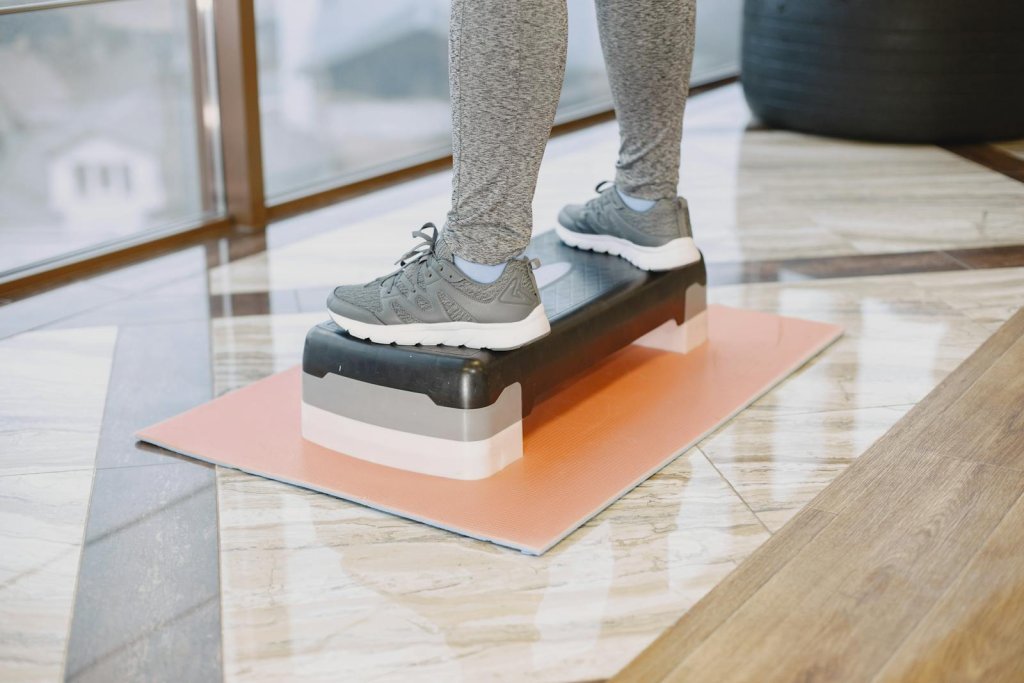
Training your calves at home allows you to target both major calf muscles, improve ankle function, and build strength safely when exercises are performed with proper form and progression. This guide explains how calf muscles work, why at-home training is effective, and which exercises deliver the best results—based on established strength-training principles and guidance from trusted health and fitness organizations.
17 Best Calf Exercises at Home
Below are some of the most effective calf exercises you can perform at home. They range from beginner-friendly movements to more challenging progressions, allowing you to scale difficulty over time.
1. Standing Calf Raises
How to do it:
- Stand upright with feet hip-width apart near a wall or chair for balance
- Slowly rise onto the balls of your feet, lifting your heels as high as possible
- Pause briefly at the top
- Lower your heels back to the floor with control
Why it works:
This foundational movement trains the calves through a full range of motion, building baseline strength and endurance needed for walking, running, and daily activities.
Trainer Tip:
Focus on slow, controlled reps—avoid bouncing off the floor.
2. Single-Leg Calf Raises
How to do it:
- Stand on one foot with the other leg slightly bent
- Use a wall or chair lightly for balance
- Rise onto the ball of the working foot
- Lower slowly and repeat before switching sides
Why it works:
Loading one leg at a time increases intensity without added weight and improves side-to-side strength balance.
Trainer Tip:
Keep hips level to prevent leaning or compensating.
3. Seated Calf Raises
How to do it:
- Sit upright in a chair with feet flat on the floor
- Place hands on thighs for light resistance if desired
- Lift your heels while keeping the balls of your feet grounded
- Lower slowly back down
Why it works:
The bent-knee position reduces gastrocnemius involvement, placing more emphasis on the soleus muscle.
Trainer Tip:
Move slowly and avoid lifting your toes during the raise.
4. Wall-Supported Calf Raises
How to do it:
- Stand facing a wall with hands resting lightly on it
- Keep feet hip-width apart
- Lift heels upward in a controlled motion
- Lower heels back down slowly
Why it works:
Provides balance support while allowing proper calf activation, making it ideal for beginners.
Trainer Tip:
Use the wall only for balance, not to push yourself upward.
5. Slow-Tempo Calf Raises
How to do it:
- Stand tall with feet planted evenly
- Rise onto your toes over 2–3 seconds
- Lower your heels over 3–4 seconds
- Repeat with full control
Why it works:
Increasing time under tension challenges the calf muscles more effectively without increasing load.
Trainer Tip:
Count your tempo to avoid rushing the movement.
6. Pause Calf Raises
How to do it:
- Lift your heels until fully raised
- Hold the top position for 2–5 seconds
- Lower slowly to the floor
- Repeat for controlled repetitions
Why it works:
Pauses improve muscular control and strengthen the calves at their most contracted position.
Trainer Tip:
Stay tall—avoid leaning forward during the hold.
7. Step Calf Raises
How to do it:
- Stand on a step or stair with heels hanging off
- Hold a railing or wall for balance
- Rise onto your toes
- Lower heels slightly below step level with control
Why it works:
The extended range of motion increases muscle engagement and ankle mobility.
Trainer Tip:
Lower only to a comfortable range—never force the stretch.
8. Bent-Knee Calf Raises
How to do it:
- Stand with knees slightly bent
- Lift heels while maintaining the bend
- Pause briefly at the top
- Lower heels under control
Why it works:
Bending the knees shifts emphasis toward the soleus, which supports endurance and posture.
Trainer Tip:
Keep the knee bend consistent throughout each rep.
9. Narrow-Stance Calf Raises
How to do it:
- Stand with feet closer together
- Lift heels upward slowly
- Hold briefly
- Lower heels back down
Why it works:
A narrower stance slightly changes muscle activation patterns, increasing challenge and control.
Trainer Tip:
Keep ankles stable—avoid rolling inward.
10. Wide-Stance Calf Raises
How to do it:
- Stand with feet wider than shoulder-width
- Rise onto the balls of your feet
- Lower slowly with control
Why it works:
The wider stance alters load distribution, providing variation and reducing overuse from repetitive positioning.
Trainer Tip:
Keep toes facing forward for consistent alignment.
11. Isometric Calf Holds
How to do it:
- Rise onto your toes
- Hold the raised position for 20–45 seconds
- Lower heels slowly to finish
Why it works:
Isometric holds build strength and endurance without joint movement.
Trainer Tip:
Breathe steadily during the hold—don’t tense unnecessarily.
12. Heel-Lowering Eccentrics
How to do it:
- Lift onto your toes using both feet
- Shift weight to one foot
- Slowly lower the heel back to the floor
- Repeat on the other side
Why it works:
Eccentric control strengthens the muscle during lengthening, supporting tendon resilience.
Trainer Tip:
Lower for at least 3–4 seconds per rep.
13. Alternating Heel Raises
How to do it:
- Lift one heel while the other stays down
- Alternate sides in a steady rhythm
- Maintain upright posture throughout
Why it works:
Encourages coordination, balance, and calf endurance during continuous movement.
Trainer Tip:
Move smoothly—avoid stomping or rushing transitions.
14. Toe Walks
How to do it:
- Rise onto the balls of your feet
- Walk forward slowly for 20–60 seconds
- Lower heels to rest
Why it works:
This functional movement activates calves dynamically and challenges balance.
Trainer Tip:
Keep steps short and controlled for better activation.
15. Seated Towel Calf Press
How to do it:
- Sit upright with one leg extended
- Loop a towel around the ball of your foot
- Press the foot downward against the towel
- Release slowly and repeat
Why it works:
Provides light resistance and improves ankle control, especially useful for beginners or rehab settings.
Trainer Tip:
Apply resistance gradually—comfort comes first.
16. Stair March Heel Raises
How to do it:
- Stand on a step holding a railing
- Lift one heel while the opposite knee lifts slightly
- Lower and alternate sides
Why it works:
Combines balance, coordination, and calf activation in a controlled pattern.
Trainer Tip:
Move slowly to maintain balance and form.
17. Supported Single-Leg Holds
How to do it:
- Stand on one foot and rise onto the toes
- Hold the position for 15–30 seconds
- Lower slowly and switch sides
Why it works:
Challenges stability while strengthening the calf and supporting foot muscles.
Trainer Tip:
Use light fingertip support only if needed—aim for control, not speed.
How Often Should You Do Calf Exercises at Home?
Most reputable health organizations recommend:
- 2–3 calf-focused sessions per week
- 1–3 sets per exercise
- 8–15 controlled repetitions, depending on difficulty
The Harvard Health Publishing notes that muscle strength improves best when exercises feel challenging by the final repetitions but can still be completed with good form.
How to Train Calves Effectively at Home
To get the most from calf exercises at home, structure matters more than equipment.
Key training principles
- Use full range of motion: Rise onto the balls of your feet and lower with control
- Progress difficulty: Move from two-leg to single-leg variations
- Control the tempo: Slow lowering phases increase muscle demand
- Vary knee position: Straight knees emphasize the gastrocnemius; bent knees emphasize the soleus
General strength-training guidance from the Centers for Disease Control and Prevention supports performing muscle-strengthening activities at least two days per week, allowing rest between sessions for recovery.
Common Mistakes to Avoid
- Bouncing instead of moving with control
- Skipping the lowering phase
- Using momentum rather than muscle effort
- Neglecting single-leg variations
- Training calves every day without recovery
Proper technique and rest are essential for long-term progress.
When to Seek Professional Guidance
Calf exercises at home are generally safe when performed with proper form and gradual progression. However, you should consider seeking guidance from a qualified healthcare or fitness professional if you experience:
- Persistent calf or Achilles tendon pain
- Sudden swelling, warmth, or tenderness in the lower leg
- A recent ankle, foot, or lower-leg injury
- Difficulty maintaining balance during standing exercises
- Ongoing discomfort that does not improve with rest or reduced intensity
Professional guidance can help ensure exercises are appropriate for your individual needs and reduce the risk of aggravating existing conditions.
Who Should Be Cautious With Calf Exercises?
While calf exercises at home are generally safe, individuals with:
- Recent Achilles tendon injury
- Severe ankle pain or swelling
- Balance disorders
should consider consulting a qualified healthcare or fitness professional before starting or progressing exercises.
Frequently Asked Questions
Do calf exercises at home really work without weights?
Yes. Progressive bodyweight loading, single-leg variations, and controlled tempo are sufficient to stimulate strength gains.
How long does it take to see calf definition?
Visible changes vary, but consistent training over several weeks combined with adequate nutrition supports muscle development.
Are calf raises enough for lower-leg strength?
Calf raises are effective, but including bent-knee and single-leg variations improves overall muscle coverage.
Should I train calves every day?
Most guidelines recommend allowing at least one rest day between hard calf sessions.
Can beginners do calf exercises at home?
Yes. Wall-supported and two-leg calf raises are beginner-friendly and easy to modify.
Do calf exercises help ankle stability?
Stronger calves contribute to better ankle control and balance during daily movement.
Should calves be stretched after training?
Gentle stretching may help maintain ankle mobility when performed comfortably and without pain.
Conclusion
Calf exercises at home are a practical, accessible way to build stronger, more defined lower legs while supporting balance, ankle stability, and everyday movement. By using proper technique, progressing gradually, and training consistently, you can develop calf strength effectively—without needing gym equipment.
If you’re ready to take the next step, start by selecting a few exercises from this list and performing them two to three times per week with controlled form and patience.
References
- CDC: Adult Physical Activity Guidelines (muscle-strengthening 2+ days/week)
- Mayo Clinic: Strength Training Basics (safe progression, sets/reps)
- NIH National Institute on Aging: Strength Training and Weekly Exercise Guidance
- AAOS OrthoInfo: Foot and Ankle Conditioning Program (heel cord stretch, ankle support)
- ACE Fitness: Standing Calf Raises (Wall) Step-by-Step Exercise How-To
- Harvard Health: Building Stronger Legs (heel raises and practical strength tips)
- Cleveland Clinic: Calf Muscle Anatomy and Function (gastrocnemius + soleus)
- NCBI StatPearls: Lower Leg/Calf Anatomy and Function (clinical anatomy overview)