
If you can’t do the Cossack squat comfortably, there are several safer, equally effective alternatives to improve your lower-body mobility, strength, and balance.
The Cossack squat is great for hip mobility and unilateral leg strength—but it demands excellent flexibility, balance, and coordination. For many lifters, tight hips or limited ankle mobility make it difficult to perform correctly.
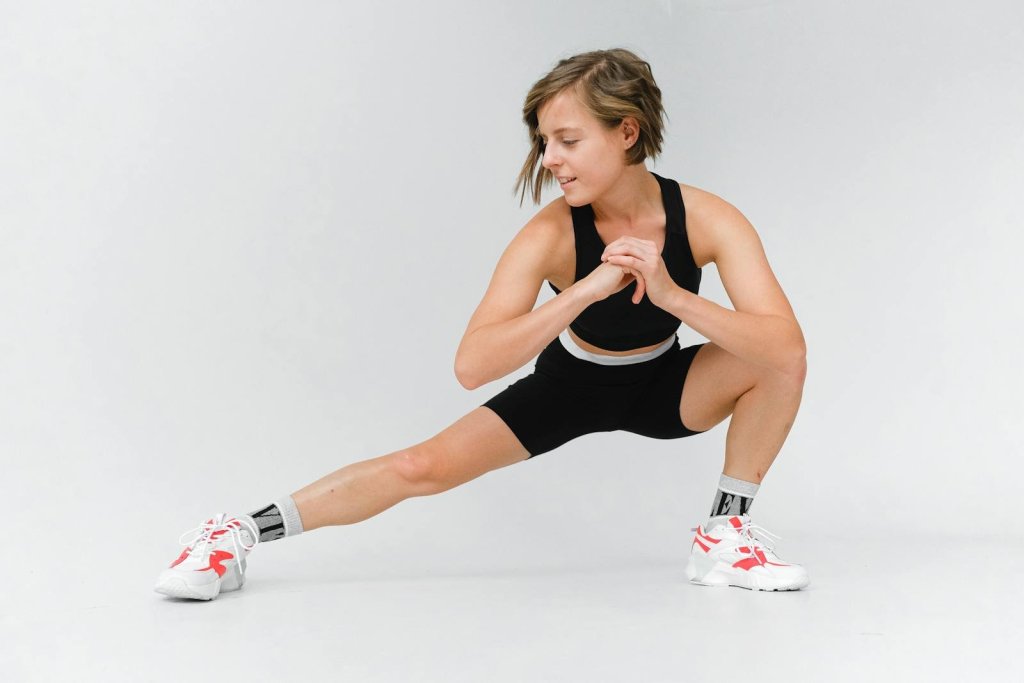
That’s where these 12 Cossack squat alternatives come in. Each one targets similar muscles — quads, glutes, adductors, and hamstrings — while offering easier setups and better control. Whether you train at home or in the gym, these movements can help you build strength and mobility without the frustration.
Why Replace the Cossack Squat?
While the Cossack squat develops lower-body control, it can be risky or ineffective if performed with poor mobility or form.
Common issues include:
- Limited hip or ankle range of motion
- Knee valgus (inward knee collapse)
- Poor balance or stability
- Inability to reach full depth
Replacing it with smarter alternatives allows you to train the same movement pattern safely and progressively — helping you build lateral strength, coordination, and hip flexibility with less strain.
12 Best Cossack Squat Alternatives
Each of these 12 Cossack squat alternatives builds lower-body strength, stability, and mobility without the steep flexibility demands of the original move. They’re perfect for improving hip control, adductor engagement, and lateral movement power — safely and progressively for all fitness levels.
1. Lateral Lunge
Why it works:
The lateral lunge closely mimics the Cossack squat’s side-to-side pattern but with a more natural range of motion. It builds unilateral leg strength and balance while improving hip mobility without demanding extreme flexibility.
Muscles worked:
Quadriceps, glutes, adductors, and hamstrings.
How to do it:
- Stand tall with feet shoulder-width apart.
- Step one foot wide to the side, keeping both feet flat.
- Bend the leading leg while keeping the other straight and toes pointing forward.
- Push through your heel to return to the start position.
Trainer Tip:
Keep your chest upright and hips square — don’t let your torso lean excessively toward the bent leg.
2. Side Step-Up
Why it works:
This movement strengthens each leg individually and engages stabilizers that improve balance. It mimics the lateral force pattern of the Cossack squat but is easier on the knees and hips.
Muscles worked:
Glutes, quadriceps, adductors, and calves.
How to do it:
- Stand beside a sturdy bench or box about knee height.
- Step laterally up with your outer foot.
- Drive through your heel to rise fully.
- Lower under control and repeat on the opposite side.
Trainer Tip:
Avoid pushing off the floor with your trailing leg; focus on the working leg to develop true single-leg strength.
3. Curtsy Lunge
Why it works:
The curtsy lunge challenges hip stability and adductor strength through a diagonal movement pattern that complements lateral training.
Muscles worked:
Gluteus medius, gluteus maximus, quadriceps, and adductors.
How to do it:
- Stand tall with feet hip-width apart.
- Step one leg diagonally behind and across your body.
- Bend both knees until your front thigh is nearly parallel to the ground.
- Push through the front heel to return to standing.
Trainer Tip:
Maintain a neutral torso and avoid excessive knee crossover to prevent joint stress.
4. Lateral Step-Down
Why it works:
Teaches control, balance, and eccentric strength in one leg—an essential component of athletic lateral movement.
Muscles worked:
Quadriceps, glutes, adductors, and calves.
How to do it:
- Stand sideways on a step or small box.
- Slowly lower one leg toward the ground while keeping hips level.
- Lightly tap your foot and push back up through the standing leg.
Trainer Tip:
Move in slow control — this is about stability, not speed or range.
5. Supported Cossack Squat
Why it works:
This assisted variation helps beginners develop proper depth and balance while gradually improving hip and ankle mobility.
Muscles worked:
Quadriceps, glutes, adductors, and hamstrings.
How to do it:
- Hold onto a suspension trainer, pole, or squat rack.
- Shift weight to one side, bending one knee and keeping the other leg straight.
- Use support to help you return upright.
Trainer Tip:
Focus on full range of motion—reduce support over time to build independence.
6. Side-Lying Leg Raise
Why it works:
A simple yet effective isolation exercise that strengthens both the outer and inner hip muscles for better lateral control.
Muscles worked:
Gluteus medius, adductors, and hip stabilizers.
How to do it:
- Lie on one side, legs straight and stacked.
- Lift your top leg upward, pause, and lower slowly.
- Repeat evenly on both sides.
Trainer Tip:
Add ankle weights or resistance bands once you can perform 15+ controlled reps easily.
7. Lateral Slide Lunge (Slider or Towel)
Why it works:
This smooth, gliding movement strengthens the quads, glutes, and adductors while improving coordination and hip control.
Muscles worked:
Adductors, glutes, quadriceps, and core.
How to do it:
- Place one foot on a slider or small towel.
- Slide that leg out to the side while bending the other knee.
- Pull your sliding leg back using your inner thigh muscles.
Trainer Tip:
Keep your torso upright and weight balanced over your stationary leg throughout.
8. Dumbbell Side Squat
Why it works:
A loaded version of the lateral squat pattern that reinforces balance and symmetrical strength through both legs.
Muscles worked:
Quads, glutes, adductors, and hamstrings.
How to do it:
- Hold a dumbbell or kettlebell at your chest (goblet position).
- Step out to the side, bending one knee while the other stays straight.
- Push through your heel to stand tall.
Trainer Tip:
Maintain constant tension—don’t lock your knees between reps.
9. Lateral Box Shuffle
Why it works:
Adds a dynamic element to lateral training, improving speed, agility, and cardiovascular endurance.
Muscles worked:
Quads, glutes, calves, and core.
How to do it:
- Stand beside a low step or platform.
- Step one foot up, then quickly switch sides in a rhythm.
- Continue for time or repetitions.
Trainer Tip:
Keep movements light and quick—focus on coordination rather than height.
10. Standing Adduction with Band
Why it works:
Directly targets the adductors—crucial muscles for hip stability and lateral control—without heavy joint loading.
Muscles worked:
Adductors, hip flexors, and core stabilizers.
How to do it:
- Anchor a resistance band at ankle level.
- Step into the loop with your outer leg.
- Pull the banded leg inward across your body.
- Return slowly to the start.
Trainer Tip:
Engage your core and keep your torso still—only your leg should move.
11. Lateral Wall Sit Hold
Why it works:
This static exercise builds endurance in the quads and adductors while enhancing lateral core tension.
Muscles worked:
Quads, adductors, and glutes.
How to do it:
- Stand sideways next to a wall.
- Drop into a half-squat and press your outer knee into the wall.
- Hold tension for 20–30 seconds per side.
Trainer Tip:
Maintain consistent pressure throughout—avoid resting or shifting weight.
12. Heel-Elevated Goblet Squat
Why it works:
By elevating the heels, you can squat deeper with better posture and reduced ankle strain. It emphasizes quads and adductors—key targets of the Cossack squat.
Muscles worked:
Quads, glutes, adductors, and core.
How to do it:
- Stand with heels on weight plates or wedges.
- Hold a dumbbell or kettlebell at chest height.
- Lower slowly, keeping chest tall and knees tracking forward.
- Push through mid-foot to return upright.
Trainer Tip:
This is the best alternative for those with limited hip or ankle mobility—control your tempo to maximize muscle engagement.
Programming Tips
- Frequency: 2–3 times per week
- Sets & Reps: 3–4 sets of 10–15 reps per leg
- Progression: Move from supported or bodyweight versions to loaded variations
- Goal: Improve both mobility and single-leg strength over time
Benefits of Cossack Squat Alternatives
- Improve hip and ankle flexibility
- Build unilateral strength
- Enhance balance and stability
- Reduce joint strain
- Support better athletic performance and posture
Common Mistakes to Avoid
Avoid these quick but critical errors when doing Cossack squat alternatives:
- Moving too fast: Control each rep for better balance.
- Knees caving in: Keep knees tracking over toes.
- Tight ankles: Do brief mobility work before training.
- Adding weight early: Master bodyweight form first.
- Skipping warm-up: Always prep hips and adductors.
- Loose core: Stay braced to protect your spine.
Trainer Tip:
Slow, controlled reps build safer, stronger movement.
FAQ
1. What’s the easiest Cossack squat alternative for beginners?
The supported Cossack squat or lateral lunge are great starting points.
2. Do these alternatives build muscle as effectively as Cossack squats?
Yes — especially loaded variations like the dumbbell side squat or heel-elevated goblet squat.
3. Are Cossack squats bad for your knees?
Not inherently, but poor mobility or form can increase knee stress.
4. How do I improve flexibility for Cossack squats?
Work on hip openers, adductor stretches, and ankle dorsiflexion drills regularly.
5. Can I use resistance bands with these exercises?
Absolutely. Bands add constant tension and improve muscle activation.
6. Should I do these before or after my main leg workout?
Perform them after heavy lifts for accessory work or use them in warm-ups for mobility.
7. Can older adults perform these exercises safely?
Yes, with controlled range of motion and support—start with bodyweight and progress gradually.
Conclusion
If Cossack squats feel uncomfortable or out of reach, these 12 alternatives can help you safely build mobility, strength, and balance from every angle.
Choose 2–3 movements that match your current ability, and gradually progress toward more advanced options as your flexibility improves.
Build strength smart — train laterally, stay mobile, and move with control.
References
- A Biomechanical Review of the Squat Exercise (2024, Int J Sports Phys Ther) – Modifiable squat variables (stance, foot angle, depth, heel elevation) and joint loading.
- Lower Extremity Strength and Range of Motion Associated with Squat Depth (2015, J Phys Ther Sci) – Hip/ankle ROM and strength correlations with deep squat mechanics.
- Influence of Gluteal Strength on Dynamic Knee Valgus: A Review (2022, Physician Sportsmed) – Hip/glute strength and valgus control during functional tasks.
- Effect of Unilateral vs. Bilateral Training on Performance: Meta-analysis (2023, Frontiers in Physiology) – Unilateral training benefits for strength, jump, and imbalance reduction.
- Systematic Review & Meta-analysis: Balance Training for Chronic Ankle Instability (2024, Systematic Reviews) – Balance training improves ankle function; dosage guidance.
- Home-Based Isometric Wall Squat Intervention (2023, Trials) – Accessible wall-sit protocol; practical isometric training evidence.