
The best dumbbell glute exercises are movements that target hip extension, hip abduction, and glute stability—such as hip thrusts, Romanian deadlifts, and Bulgarian split squats. These exercises effectively build strength, muscle shape, and lower-body power using just a pair of dumbbells.
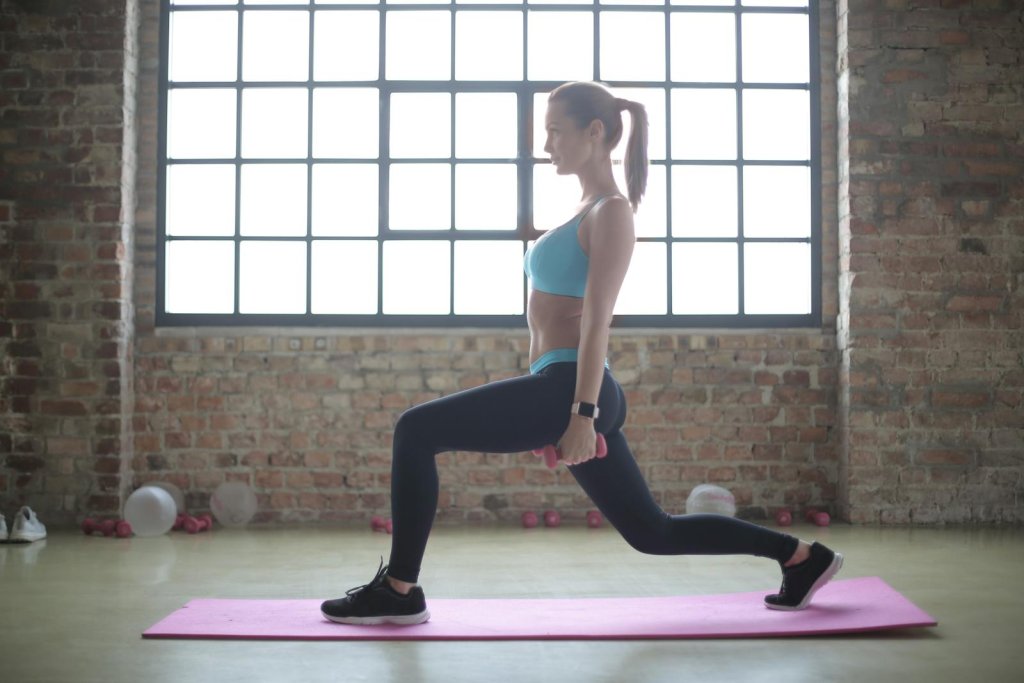
Understanding the right glute exercises matters because your glutes support posture, daily movement, lifting strength, and athletic performance. Dumbbells provide versatile, joint-friendly resistance you can use at home or in the gym.
In this guide, you’ll get the 12 most effective dumbbell glute exercises, expert programming tips, progression strategies, safety guidelines, FAQs, and official resource links.
12 Best Dumbbell Glute Exercises
These are the most effective dumbbell exercises for targeting your glutes from every angle. Each movement helps build strength, stability, and muscle shape using simple, accessible equipment.
1. Dumbbell Hip Thrust
Why it works:
The dumbbell hip thrust is one of the highest-activation glute exercises because the resistance is placed directly across the hips, creating strong horizontal loading. This position maximizes tension at the top of the movement—where the glutes work hardest. It’s especially effective for building the upper and middle glute fibers responsible for shape, power, and hip extension strength.
How to do it:
- Sit on the floor with your upper back positioned against a bench.
- Roll a dumbbell onto your lap and place it securely across your hips.
- Plant your feet shoulder-width apart with toes slightly turned out.
- Drive through your heels to lift your hips until your torso and thighs form a straight line.
- Pause at the top and squeeze your glutes hard.
- Lower your hips slowly under control.
Trainer Tip:
Keep your chin tucked and ribs down to avoid arching your lower back—this ensures the glutes, not the spine, do the work.
2. Dumbbell Glute Bridge
Why it works:
A more accessible version of the hip thrust, the dumbbell glute bridge provides strong glute engagement with a simpler setup. Because your upper back stays on the ground, it’s ideal for beginners or anyone training at home without a bench.
How to do it:
- Lie on your back with knees bent and feet flat.
- Place a dumbbell across your hips and grip it lightly for stability.
- Press through your heels to lift your hips off the floor.
- Pause at the top and actively squeeze your glutes.
- Slowly lower down without letting your spine arch.
Trainer Tip:
Exhale as you lift—this helps brace your core and improves glute engagement.
3. Dumbbell Romanian Deadlift (RDL)
Why it works:
The RDL loads the glutes in a stretched position, which strongly supports hypertrophy. The hip-hinge pattern reinforces proper posterior-chain activation, helping you build strength needed for athletic movements and everyday lifting tasks.
How to do it:
- Stand tall holding dumbbells at your sides.
- Push your hips back while keeping a slight bend in your knees.
- Lower the dumbbells along your legs until you feel a deep hamstring stretch.
- Keep your spine neutral and chest open.
- Drive through your heels to return to standing.
Trainer Tip:
Keep the dumbbells close to your shins throughout the hinge—this increases glute and hamstring activation.
4. Dumbbell Sumo Squat
Why it works:
A wider stance shifts more emphasis to the glutes and inner thighs compared to a standard squat. It’s excellent for targeting the gluteus maximus—especially the outer fibers responsible for shape and width.
How to do it:
- Stand wide with toes turned out slightly.
- Hold a heavy dumbbell between your legs.
- Lower your hips straight down while keeping your chest lifted.
- Drive through your heels to stand tall.
- Keep knees tracking outward the entire time.
Trainer Tip:
Actively push your knees outward on every rep to keep tension on the glutes.
5. Dumbbell Goblet Squat
Why it works:
This beginner-friendly squat variation builds foundational strength through the quads and glutes. Holding the dumbbell at your chest improves posture and core stability, helping you maintain a more upright torso.
How to do it:
- Hold a dumbbell vertically at your chest.
- Sit your hips back and down into a deep squat.
- Keep elbows tucked close and chest lifted.
- Push through your heels to return to standing.
Trainer Tip:
Use a slow 3-second descent to increase time under tension and boost glute activation.
6. Dumbbell Bulgarian Split Squat
Why it works:
The elevated back leg increases hip flexion on the front leg, placing a powerful stretch and contraction on the glutes. This unilateral exercise quickly exposes strength imbalances and activates stabilizing muscles.
How to do it:
- Stand a couple of feet in front of a bench.
- Place one foot behind you on the bench.
- Lower your back knee toward the ground while keeping weight in your front heel.
- Push through your front leg to return to standing.
Trainer Tip:
Lean your torso slightly forward to shift more tension into the glutes rather than the quads.
7. Dumbbell Reverse Lunge
Why it works:
Stepping backward reduces knee stress and shifts the load toward the posterior chain. This makes the reverse lunge one of the most glute-focused lunge variations.
How to do it:
- Stand tall holding dumbbells at your sides.
- Step one foot backward into a lunge.
- Lower until both knees are bent at 90 degrees.
- Drive through your front heel to return to standing.
Trainer Tip:
Move slowly and with control—rushing reduces glute activation and affects balance.
8. Dumbbell Step-Up
Why it works:
The step-up strengthens your glutes in a highly functional way, improving climbing, running, and everyday movement. It’s an excellent unilateral exercise that targets hip extension and stability.
How to do it:
- Stand in front of a sturdy bench.
- Step onto the bench through your heel.
- Press up until your body is fully upright.
- Lower back down with control.
Trainer Tip:
Keep your torso upright and avoid pushing off the trailing leg—let the working glute lift you.
9. Dumbbell Single-Leg RDL
Why it works:
This unilateral hip-hinge challenges balance, glute medius activation, and stability. It strengthens the glutes in a stretched position, especially beneficial for athletes and anyone needing better hip control.
How to do it:
- Hold a dumbbell in one hand, opposite the working leg.
- Hinge forward while extending the opposite leg behind you.
- Keep your spine neutral and hips square.
- Return to standing with control.
Trainer Tip:
Imagine your hip bones pointing straight at the floor—this prevents rotation and forces the glutes to work harder.
10. Dumbbell Frog Pump
Why it works:
This high-rep glute isolation movement creates intense contraction without needing heavy weight. The foot position eliminates quad involvement and directs nearly all tension to the glutes.
How to do it:
- Lie on your back with soles of your feet pressed together.
- Place a dumbbell across your hips.
- Drive your hips upward while keeping knees wide.
- Squeeze hard at the top before lowering.
Trainer Tip:
Use light weight and high reps (20–30) to fully activate the glutes.
11. Dumbbell Front-Foot Elevated Split Squat
Why it works:
Elevating the front foot increases range of motion and hip flexion, placing a deeper stretch on the glutes. This variation is excellent for building lower-glute and mid-glute development.
How to do it:
- Elevate your front foot on a small plate or step.
- Step back into a split stance.
- Lower your torso straight down into a deep lunge.
- Push through your front heel to rise.
Trainer Tip:
Slow down the bottom half of each rep—this is where glute tension is highest.
12. Dumbbell Lateral Lunge
Why it works:
This side-to-side movement targets the gluteus medius, a key hip stabilizer often neglected in forward-backward exercises. Strengthening this muscle improves knee stability and hip control.
How to do it:
- Hold dumbbells at your sides.
- Step to the side and sit into your hip like a single-leg squat.
- Keep your opposite leg straight.
- Push through your working leg to return to center.
Trainer Tip:
Keep the planted foot completely flat to maximize glute recruitment and maintain stability.
How to Program Dumbbell Glute Workouts
Based on ACSM and recent hypertrophy research:
Weekly Frequency
- 2–3 glute-focused sessions per week
Sets & Reps
- 3–4 sets per exercise
- 8–12 reps for muscle growth
- 12–20 total weekly sets for glutes
Rest Intervals
- 60–90 seconds between sets
Progression
Increase weight by 2–10% when you can exceed your target reps with good form.
Example Weekly Plan
Day 1 (Strength Focus)
- Hip thrust
- RDL
- Bulgarian split squat
- Lateral lunge
Day 2 (Volume Focus)
- Glute bridge
- Sumo squat
- Reverse lunge
- Frog pumps
Common Mistakes to Avoid
Fixing common errors helps you activate the glutes better and reduces injury risk.
- Arching the lower back → Keep ribs down and core tight.
- Knees collapsing inward → Press knees outward during squats and lunges.
- Rushing reps → Slow, controlled movement builds more muscle.
- Using too much weight → Choose a load you can control with good form.
- Shallow squats or lunges → Lower deeper to fully engage the glutes.
- Skipping warm-ups → Always prepare your hips and core first.
Safety Tips
- Maintain a neutral spine during hip hinges.
- Choose a weight you can control through the full range of motion.
- Avoid sharp pain or joint discomfort.
- Warm up for 3–5 minutes before training.
- Progress gradually to prevent strain.
FAQs
1. Are dumbbells enough to grow your glutes?
Yes. Research shows glute growth occurs with progressive overload, regardless of equipment, as long as tension and volume are sufficient.
2. How many times per week should I train glutes?
Most evidence supports 2–3 times per week with rest days between sessions.
3. What weight dumbbells should I use?
Choose a weight where the last 2–3 reps feel challenging but controlled.
4. Can beginners start with these exercises?
Absolutely—begin with bodyweight or light dumbbells and progress gradually.
5. How long does it take to see glute results?
Most people notice changes in 6–12 weeks with consistent training and progressive overload.
6. Are dumbbell glute exercises safe for home workouts?
Yes, they’re joint-friendly and require minimal space when performed with proper form.
7. What should I pair with glute workouts?
Many pair glute-focused lower-body sessions with upper-body or core training on alternate days.
Conclusion
Dumbbell glute exercises are some of the most effective ways to build strength, shape, and function—whether you train at the gym or at home. With the right movements, weekly structure, and progression, you can lift, build, and sculpt your glutes safely and efficiently.
Start with 2–3 sessions per week and gradually increase weight for the best results.
References
- American College of Sports Medicine (ACSM).
American College of Sports Medicine position stand: Progression models in resistance training for healthy adults. Medicine & Science in Sports & Exercise. 2009;41(3):687–708. - World Health Organization (WHO).
WHO Guidelines on Physical Activity and Sedentary Behaviour. 2020; fact sheet updated 2024. - U.S. Department of Health and Human Services.
Physical Activity Guidelines for Americans, 2nd edition. 2018. - Centers for Disease Control and Prevention (CDC).
Physical Activity Basics – Adults. Updated 2023–2024. - Baz-Valle, E., et al.
A systematic review of the effects of different resistance training volumes on muscle hypertrophy. Sports Medicine. 2022. - Barbalho, M., et al.
Back squat vs. hip thrust resistance-training programs in well-trained women. International Journal of Sports Medicine. 2020. - Plotkin, D. L., et al.
Hip thrust and back squat training elicit similar gluteus muscle hypertrophy and transfer similarly to the deadlift. 2023. - Krause Neto, W., et al.
The impact of resistance training on gluteus maximus hypertrophy: a systematic review. Frontiers in Physiology. 2025.