
TRX leg exercises are suspension-based lower-body movements that use your body weight to build strength, balance, and control in the glutes, quads, and hamstrings. They allow you to adjust intensity instantly by changing your body angle, making them effective for beginners and advanced athletes alike.
Understanding how TRX leg exercises work is important because lower-body strength supports daily movement, joint stability, posture, and long-term physical function. This guide explains what TRX leg exercises are, why they matter, how to perform the best movements safely, and how to program them into a balanced routine.
What Are TRX Leg Exercises?
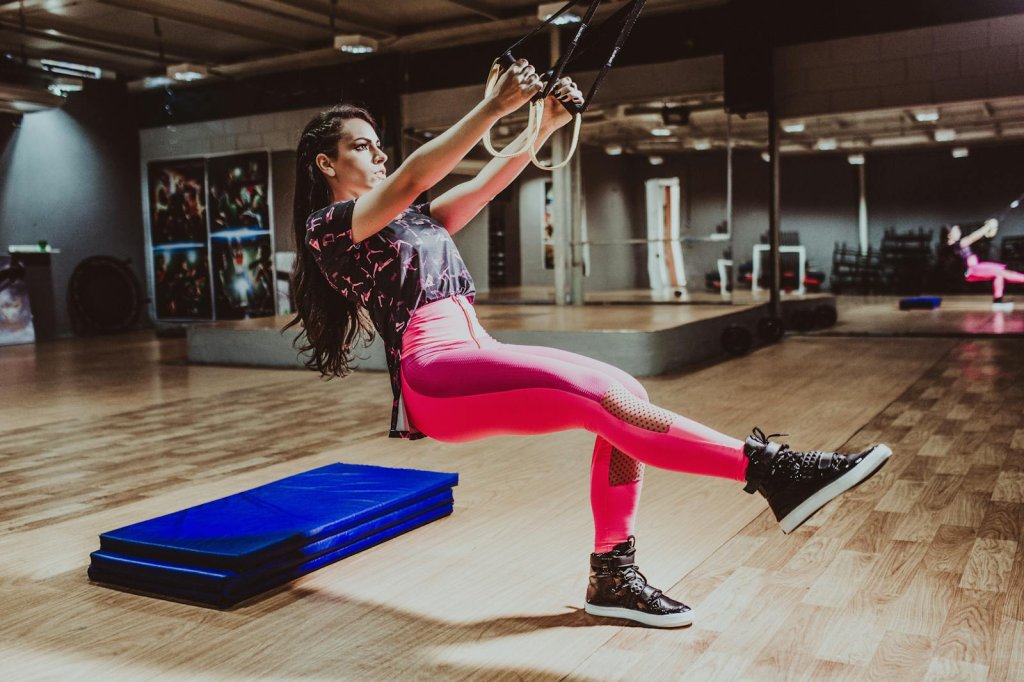
TRX leg exercises are lower-body movements performed using a suspension trainer anchored overhead or at a door. The straps support part of your body weight while adding an element of instability.
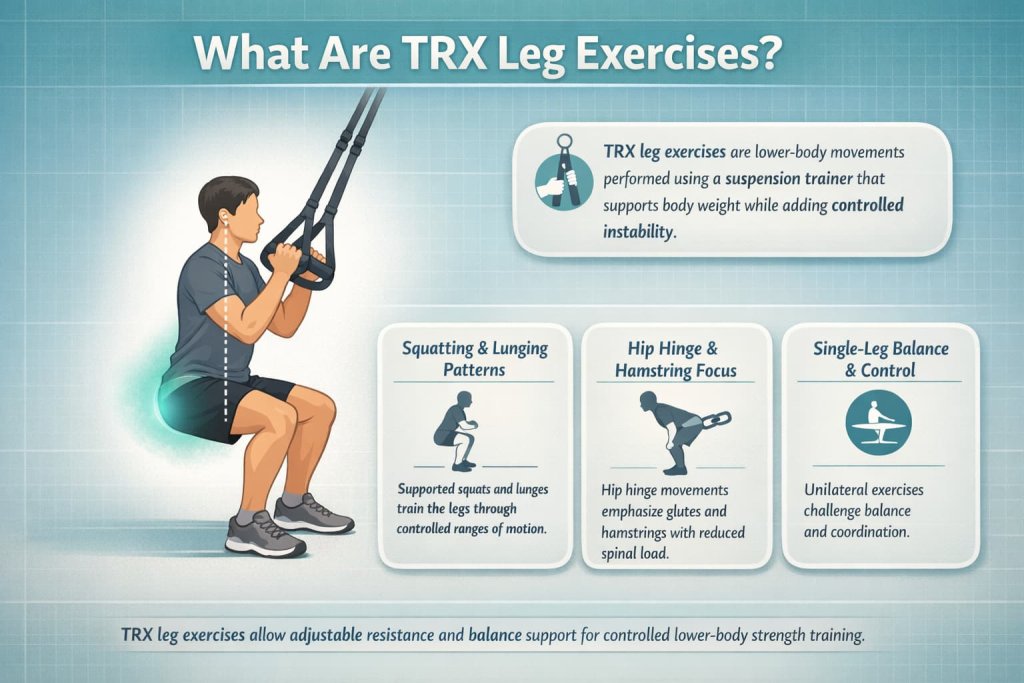
These exercises typically involve:
- Squatting and lunging patterns
- Hip hinge and hamstring-focused movements
- Single-leg balance and control
Because the straps assist balance, TRX leg exercises allow controlled strength training with reduced joint stress compared to some free-weight movements.
12 Best TRX Leg Exercises
Below are the most effective TRX leg exercises, selected to target all major lower-body muscle groups while emphasizing control and safety.
1. TRX Squat
How to do it
- Hold the TRX handles with arms extended and light tension in the straps
- Stand tall with feet about shoulder-width apart
- Sit back into a squat by bending the hips and knees while keeping your chest upright
- Lower until thighs are parallel to the floor or within a comfortable range
- Press through your heels to return to standing, maintaining control
Why it works
The TRX squat reinforces proper squat mechanics by allowing balance assistance from the straps. This makes it easier to maintain upright posture while still loading the legs effectively.
Muscles worked
Quadriceps, glutes, hamstrings
Trainer Tip
Use the straps only for balance, not to pull yourself up—your legs should drive the movement.
2. TRX Assisted Lunge
How to do it
- Hold the TRX handles and step one foot back into a split stance
- Keep your torso upright and core gently engaged
- Lower straight down until both knees bend comfortably
- Push through the front heel to return to standing
Why it works
This exercise builds single-leg strength while reducing balance demands, allowing better control and alignment during the lunge pattern.
Muscles worked
Glutes, quadriceps, hamstrings
Trainer Tip
Focus on slow, controlled lowering to improve stability and muscle engagement.
3. TRX Suspension Lunge (Rear Foot in Straps)
How to do it
- Place one foot securely in the TRX straps behind you
- Stand tall on the front leg with hands holding the straps
- Lower into a split squat while keeping hips square
- Drive through the front foot to stand back up
Why it works
This unilateral movement increases load on the front leg while challenging hip and knee stability through the suspended rear foot.
Muscles worked
Glutes, quadriceps, hamstrings, hip stabilizers
Trainer Tip
Begin with a shallow range of motion and increase depth gradually as balance improves.
4. TRX Side Lunge
How to do it
- Hold the TRX handles and step one foot out to the side
- Sit back into the hip of the stepping leg while keeping the other leg straight
- Keep chest lifted and weight through the heel
- Push back to the starting position
Why it works
Side lunges train lateral movement patterns and strengthen muscles that support hip and knee stability in daily and athletic tasks.
Muscles worked
Inner thighs, glutes, quadriceps
Trainer Tip
Move slowly into the lunge to maintain proper knee alignment.
5. TRX Curtsy Lunge
How to do it
- Hold the straps and step one leg diagonally behind the other
- Lower under control while keeping your chest upright
- Push through the front heel to return to standing
Why it works
The curtsy pattern challenges hip control and targets the glutes from a different angle than standard lunges.
Muscles worked
Glutes, quadriceps, inner thighs
Trainer Tip
Keep knees tracking forward and avoid twisting through the hips.
6. TRX Hamstring Curl
How to do it
- Lie on your back with heels placed in the TRX foot cradles
- Press arms into the floor for support
- Lift hips into a bridge position
- Curl heels toward your glutes, then slowly extend back out
Why it works
This movement strongly activates the hamstrings through combined hip extension and knee flexion, which supports posterior-chain strength.
Muscles worked
Hamstrings, glutes, core
Trainer Tip
If full curls are difficult, start with shorter ranges or keep hips lower.
7. TRX Glute Bridge
How to do it
- Lie on your back with heels in the straps and knees bent
- Press through your heels to lift hips upward
- Pause briefly at the top
- Lower hips slowly with control
Why it works
The TRX glute bridge reinforces hip extension while keeping spinal load minimal, making it suitable for many fitness levels.
Muscles worked
Glutes, hamstrings
Trainer Tip
Focus on squeezing the glutes rather than arching the lower back.
8. TRX Squat Jump
How to do it
- Hold the straps lightly and lower into a squat
- Explosively drive upward into a jump
- Land softly through the mid-foot and heels
- Immediately reset into the next squat
Why it works
This exercise adds a power component while the straps help reduce impact and improve landing control.
Muscles worked
Glutes, quadriceps, calves
Trainer Tip
Prioritize soft, controlled landings over jump height.
9. TRX Hip Hinge
How to do it
- Hold the straps with arms extended
- Push hips backward while keeping a neutral spine
- Lower until you feel tension in the hamstrings
- Stand tall by squeezing the glutes
Why it works
The hip hinge strengthens posterior-chain mechanics and reinforces safe bending patterns used in lifting and daily activities.
Muscles worked
Hamstrings, glutes
Trainer Tip
Think about pushing your hips back rather than bending forward at the waist.
10. TRX Step-Back Lunge
How to do it
- Hold the straps and step one foot straight back
- Lower into a controlled lunge
- Push through the front heel to stand
Why it works
Stepping backward often places less stress on the front knee compared to forward lunges.
Muscles worked
Glutes, quadriceps
Trainer Tip
Maintain steady tension on the straps without pulling yourself upward.
11. TRX Single-Leg Squat
How to do it
- Hold the TRX handles and lift one foot slightly off the floor
- Squat using the standing leg
- Keep chest upright and knee aligned
- Return to standing with control
Why it works
This movement builds unilateral leg strength, balance, and coordination using adjustable assistance from the straps.
Muscles worked
Glutes, quadriceps, hamstrings
Trainer Tip
Limit depth at first and progress gradually as strength improves.
12. TRX Calf Raise
How to do it
- Hold the TRX handles and stand tall
- Rise up onto the balls of your feet
- Lower heels slowly back to the floor
Why it works
Calf raises strengthen the lower leg muscles that support walking, running, and balance.
Muscles worked
Gastrocnemius, soleus
Trainer Tip
Pause briefly at the top to improve control and muscle engagement.
How to Program TRX Leg Exercises
A simple structure:
- Frequency: 2–3 times per week
- Sets: 2–4 per exercise
- Reps: 8–15 (or 30–45 seconds for time-based moves)
- Rest: 60–90 seconds
Balance squats, lunges, hinges, and hamstring-focused movements in each session.
Why TRX Leg Exercises Important
Well-designed leg training supports how your body moves and handles load. Regular TRX leg exercises may help support:
- Stronger glutes, quads, and hamstrings
- Improved balance and coordination
- Better knee, hip, and ankle control
- Lower-body strength with less spinal loading
- Scalable training for all fitness levels
According to the American College of Sports Medicine (ACSM), adults should perform muscle-strengthening activities at least two days per week to support long-term health and function.
Safety Tips for TRX Leg Training
- Secure the anchor point before training
- Adjust strap length evenly
- Move slowly and with control
- Stop if you feel joint pain
- Warm up hips, knees, and ankles
The Centers for Disease Control and Prevention (CDC) emphasizes proper form and gradual progression to reduce injury risk during strength training.
Beginner vs Advanced Progressions
Beginners
- Use more upright body angles
- Focus on assisted squats and lunges
Advanced
- Increase body angle
- Add single-leg and tempo variations
FAQs About TRX Leg Exercises
Are TRX leg exercises effective for building strength?
Yes. When programmed correctly, they provide sufficient resistance for strength development.
Can beginners use TRX leg exercises?
Yes. Strap assistance makes them highly beginner-friendly.
Do TRX leg exercises help with balance?
Yes. The instability component challenges coordination and control.
How often should I train legs with TRX?
Two to three sessions per week is appropriate for most people.
Are TRX leg exercises joint-friendly?
They may reduce joint stress compared to unsupported movements when performed correctly.
Do I need heavy weights with TRX?
No. Body angle and tempo provide progressive overload.
Conclusion
TRX leg exercises offer a smart, scalable way to strengthen the glutes, quads, and hamstrings while improving balance and control. Whether you are new to training or refining your routine, these movements support functional lower-body strength with minimal equipment.
Start with proper form, progress gradually, and build consistency for long-term results.