
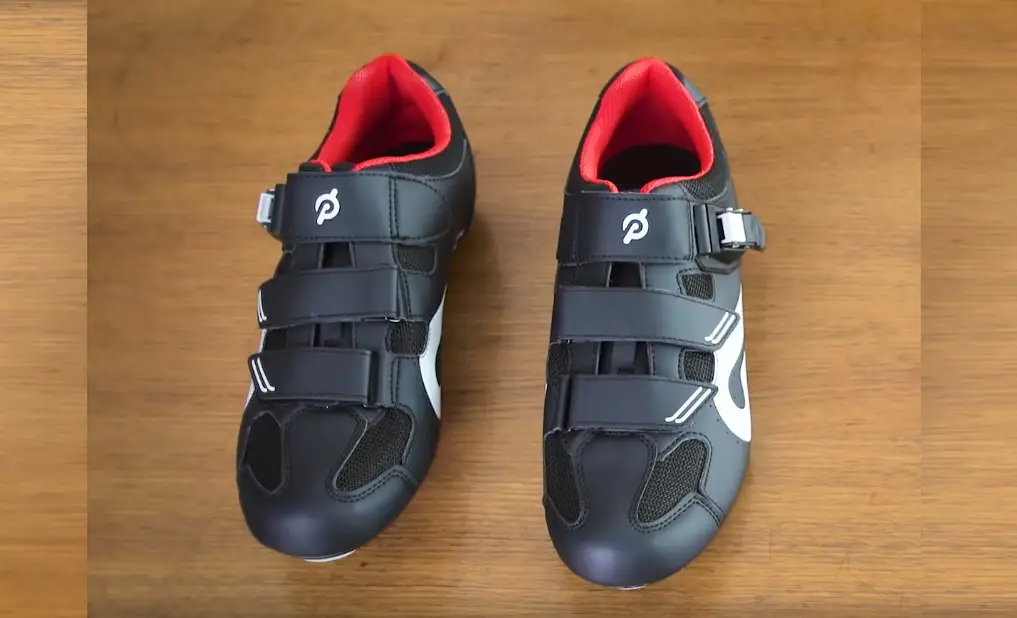
Yes—Peloton shoes are generally true to size for most people. If you wear a standard everyday shoe size and have narrow-to-normal width feet, you can usually order the same size in Peloton shoes and get a good fit. Peloton also notes that if you’re between sizes or have a wider foot, you’ll likely want to size up for comfort.
This matters because cycling shoes are meant to fit snug (tighter than sneakers) to help with stability, comfort, and power transfer. For official sizing language and current pricing, check Peloton’s product pages for the Peloton Cycling Shoes product details and the Peloton Altos Cycling Shoes product details.
Quick Answer — Are Peloton Shoes True to Size?
- True to size for most riders (everyday shoe size).
- Narrow to normal fit is the typical feel.
- Size up if you’re between sizes or have wider feet.
- Cleats are included with Peloton-branded shoes on the official product listings.
Do Peloton Shoe Sizes Run True? What “True to Size” Really Means
What “true to size” means for cycling shoes (vs sneakers)
Cycling shoes are designed to fit more securely than casual shoes. A “good” cycling fit usually feels snug in the midfoot with a locked-in heel. That snugness helps reduce foot movement when you pedal.
Why Peloton shoes can feel tight at first
Peloton shoes have a stiffer sole and a more structured upper than most sneakers. That can feel tighter at first—especially around the forefoot—because the shoe is built for stability rather than a soft, roomy feel.
Narrow/normal fit: who might feel cramped
If you often buy wide footwear or feel pressure across the ball of your foot in normal shoes, Peloton’s narrow-to-normal fit may feel too snug. In that case, sizing up is a common solution.
Should You Size Up in Peloton Shoes?
Size up if you’re between sizes
If your foot length sits between two sizes, the safer choice is usually the larger size—especially for longer rides. Peloton states this directly on their cycling shoe product pages.
Size up if you have wide or high-volume feet
Consider sizing up if you:
- Frequently buy wide shoes
- Feel forefoot pressure quickly
- Get toe numbness during short test rides
When you should NOT size up
If you size up too far, you may get:
- Heel slip (your heel lifts during pedaling)
- Instability (foot moves inside the shoe under effort)
If that happens, sizing down (or choosing a model/size with a better lock) is usually better than “making it work” long-term.
Socks tip (thin vs thick)
Try sizing with the socks you actually ride in. Thin athletic socks typically give the most accurate cycling-shoe fit. Thick socks can make a true-to-size shoe feel too tight.
How Should Peloton Shoes Fit? (Toe, Heel, and Tightness Test)
How tight should my Peloton shoes fit?
- Snug midfoot (secure, not painful)
- Heel locked (minimal lift)
- No numbness or tingling
Should my toes touch the end of my shoes?
A light brush at the front can be okay, but your toes shouldn’t feel jammed or forced to curl. If you feel pressure at the end of the shoe, it’s usually a sign to size up.
60-second fit checklist you can do at home
- Stand test: toes lightly touch or have a tiny gap—no crushing pressure
- Heel test: walk a few steps—heel shouldn’t lift much
- Short ride test: 5–10 minutes—no numbness or “hot spots”
How to Measure Your Foot for Peloton Shoes (Fast, Accurate Method)
- Place a sheet of paper against a wall.
- Stand with your heel touching the wall (full weight on the foot).
- Mark the longest toe.
- Measure heel-to-toe length and compare it to your usual shoe sizing.
Tip: Measure both feet and use the larger foot for sizing.
Peloton Shoe Sizing Chart (Women’s, Men’s, EU/UK)
Peloton shows shoe sizing options directly on their product listings, and some Peloton shoe models use a combined Women’s/Men’s labeling (for example, Women’s 9 / Men’s 7).
Peloton Cycling Shoes sizing chart (size options shown)
See the full list of selectable sizes on the official product page: Peloton Cycling Shoes sizing and fit details.
Peloton Altos Cycling Shoes sizing chart (includes half sizes)
Altos often includes more half-size options, which can help if you’re between sizes: Peloton Altos Cycling Shoes sizing and fit details.
EU/UK sizing (helpful for international shoppers)
Peloton commonly displays EU sizing on shoe listings. If you’re buying based on EU/UK sizing, use Peloton’s official size selection list on the product page for the most accurate conversion.
Peloton Cycling Shoes vs Peloton Altos — Fit Differences That Affect Size
Peloton Cycling Shoes: fit feel and best for who
The standard Peloton Cycling Shoes are designed for a secure indoor-cycling fit and include cleats. They’re a solid choice if you want a stable, performance-style fit.
Peloton Altos Cycling Shoes: fit feel and best for who
Altos are designed to be easier to get on/off and may feel more convenient for many riders. The availability of half sizes can help dial in fit more precisely.
Which one is easier for wider feet?
If you have wider feet, Altos may be easier to size more precisely (because of half sizes), but you’ll still often do best by sizing up if you’re between sizes or feel forefoot pressure.
What If You Already Bought the Wrong Size?
If your shoes are slightly big
- Try a thin insole to reduce extra volume.
- Adjust the closure to lock the midfoot and heel.
- Use slightly thicker socks only if it doesn’t cause numbness.
If your shoes are too tight
- Loosen the forefoot area slightly (don’t crank it down).
- Do short test rides (10–15 minutes) to assess pressure points.
- Stop if you feel numbness—numb toes usually means the fit is too tight.
Exchange/return checklist
If you need a different size, Peloton provides shoe exchange guidance through their support resources. Start here: Peloton support: how to exchange your shoes.
Common Fit Problems and Fixes (Quick Troubleshooting)
- Numb toes: loosen forefoot or size up
- Hot spots (pressure under the ball of foot): check tightness and consider supportive insoles
- Heel slip: tighten midfoot closure or size down
- Arch discomfort: consider cycling insoles with better arch support
FAQ — Peloton Shoe Sizing
How tight should my Peloton shoes fit?
Snug and secure—your heel should feel locked in—but they shouldn’t cause numbness, tingling, or sharp pressure.
Should my toes touch the end of my shoes?
A slight brush can be normal, but your toes should not feel cramped or jammed. If they do, sizing up is usually the right move.
Should I size up in Peloton shoes if I’m between sizes?
Yes. Peloton specifically notes sizing up if you’re between sizes or have wider feet on their official product pages.
Are Peloton shoes good for wide feet?
They’re typically narrow-to-normal. If you have wide feet, sizing up often improves comfort.
What should I do if I have already bought a bit bigger or wider shoes?
If they’re only slightly big, you can often improve fit with an insole and better midfoot lock. If the shoe feels unstable or your heel lifts a lot during pedaling, it’s better to exchange for the correct size.
Conclusion
Peloton shoes are generally true to size, but they’re designed to fit snug like most cycling shoes. If you’re between sizes or have wider feet, size up to reduce toe pressure and numbness. For the most accurate fit, use Peloton’s official sizing and fit notes on the Cycling Shoes product page and the Altos Cycling Shoes product page.