
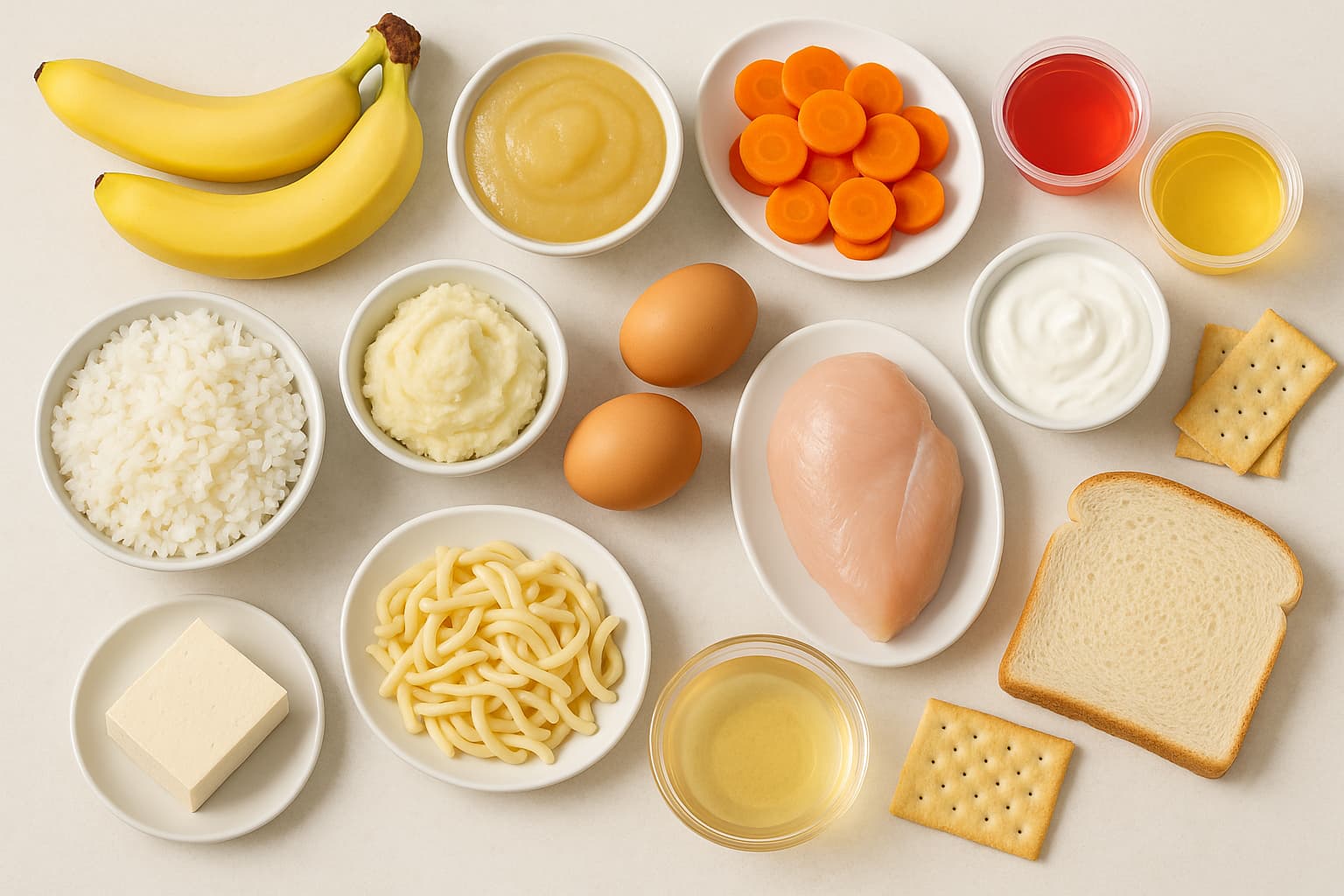
Easy to digest foods are simple, low-fiber, and mild ingredients that may help support comfort during times of stomach sensitivity or digestive stress. These foods place less strain on the stomach and intestines, which is why many nutrition and clinical resources recommend them during nausea, bloating, or recovery periods.
Understanding which foods are easier to digest is important because your digestive system influences overall wellness, energy levels, hydration, and nutrient intake. According to the National Cancer Institute, gentle foods like clear broths, bananas, plain pasta, skinless chicken, eggs, and cooked vegetables are commonly used when digestion is compromised (National Cancer Institute).
This guide explains which foods are typically easier to tolerate, why they may support digestive comfort, and how to integrate them into a balanced eating pattern. You’ll also find insights from authoritative nutrition resources such as MedlinePlus, Mayo Clinic, and Cleveland Clinic to ensure the content remains current and reliable.
What Makes a Food Easy to Digest?
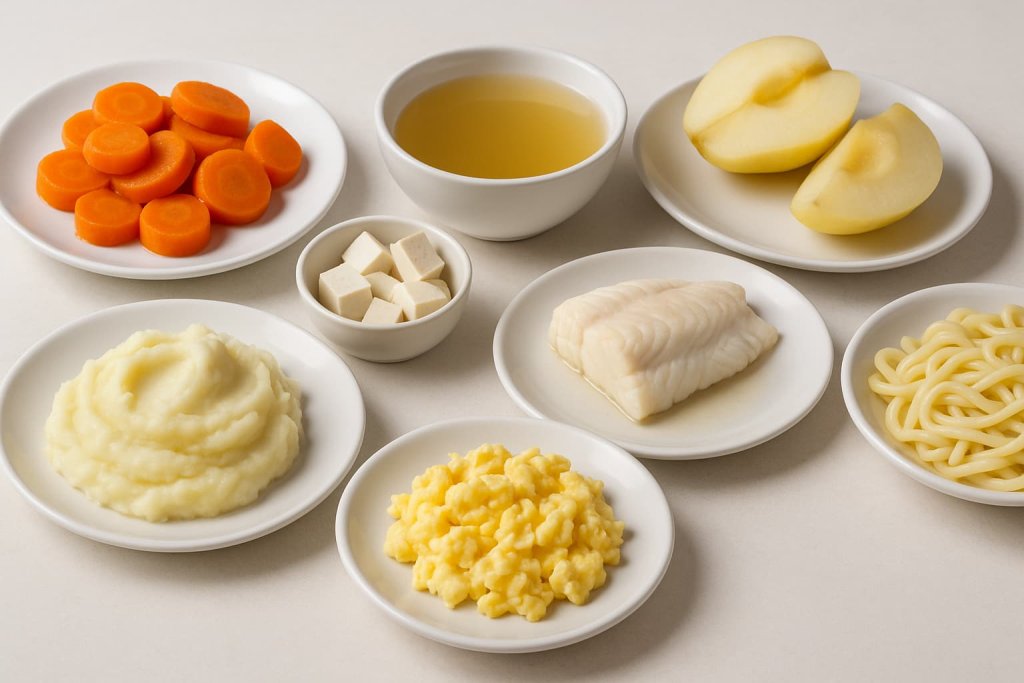
Understanding why some foods digest more easily may help you choose meals that support comfort during periods of illness, stress, or reduced appetite.
Low Fiber and Low Residue
High-fiber foods like raw vegetables, bran cereals, or legumes may slow digestion for some people. MedlinePlus notes that low-fiber foods can help reduce digestive workload and may be recommended temporarily during gastrointestinal discomfort (MedlinePlus).
Soft Texture and Simple Preparation
Steaming, boiling, mashing, or pureeing breaks down tough plant fibers and connective tissue, making foods physically easier to process.
Mild Flavors and Low Fat Content
Spicy, fried, or high-fat foods may cause irritation or slower digestion. Gentle foods are typically baked, poached, steamed, or boiled.
Easy-to-Digest Foods
When your digestion feels sensitive, it can be reassuring to have a clear list of foods that are typically gentler on the stomach. The table below brings together a wider range of easy-to-digest options, including approximate calories, plus simple preparation tips to keep textures soft and flavors mild. Use this as a flexible guide, and always adjust portions and food choices based on your own tolerance and advice from a qualified health professional.
| Food Category | Example Food | Approx. Calories (Typical Serving) | Preparation & Texture Notes |
|---|---|---|---|
| Starches & Grains | White rice | ~205 kcal per 1 cup cooked | Cook with extra water until very soft or porridge-like; season lightly with salt or a small amount of broth. |
| Plain pasta | ~160 kcal per 1 cup cooked | Boil until fully tender; serve with a small amount of mild broth or a drizzle of oil instead of heavy sauces. | |
| Rice noodles | ~190 kcal per 1 cup cooked | Soak or boil until soft; add to mild soups or broths for a light, gentle meal. | |
| White bread | ~70–80 kcal per slice | Choose soft loaves without seeds; lightly toast if you prefer a bit more structure without hardness. | |
| Plain crackers (saltines, water crackers) | ~60–80 kcal per 5–6 crackers | Eat dry or with a very thin spread; avoid high-fat toppings or nut butters if they feel heavy. | |
| Cream of Wheat / Farina | ~130 kcal per cup prepared | Cook until smooth with water or low-fat milk; avoid adding large amounts of sugar or butter. | |
| Instant oatmeal (if tolerated) | ~150 kcal per packet prepared | Cook with extra liquid for a thinner texture; avoid nuts, seeds, and coarse toppings. Best for individuals who tolerate a bit more fiber. | |
| Fruits | Banana | ~105 kcal per medium Banana | Choose fully ripe bananas with brown speckles for maximum softness and mild flavor. |
| Applesauce | ~50 kcal per ½ cup | Use unsweetened varieties; serve slightly warm or at room temperature for easier intake. | |
| Canned peaches or pears (without skins) | ~60–70 kcal per ½ cup | Pick fruit packed in juice or water; drain well and slice into small pieces if needed. | |
| Ripe melon (e.g., cantaloupe, honeydew) | ~25–30 kcal per ½ cup | Remove seeds and rind completely; serve in small, soft cubes. Best when very ripe and tender. | |
| Ripe papaya | ~55 kcal per ½ cup | Peel, de-seed, and cut into soft chunks; mash lightly if a smoother texture is preferred. | |
| Fruit juice without pulp | ~60 kcal per ½ cup | Strain pulp; sip slowly. Choose options that do not aggravate reflux or sensitivity for you. | |
| Vegetables | Cooked carrots | ~40 kcal per ½ cup | Boil or steam until very soft; mash with a fork or puree with a little broth if needed. |
| Skinless potatoes | ~150 kcal per medium potato | Peel fully, boil until tender, and mash with broth or a small amount of low-fat milk. Avoid heavy cream or rich gravies. | |
| Green beans (well cooked) | ~20–25 kcal per ½ cup cooked | Remove tough ends; steam or boil until very soft; chop into small pieces. | |
| Pumpkin or winter squash (e.g., butternut) | ~40–50 kcal per ½ cup cooked | Roast or steam and mash until smooth; season lightly with salt or mild herbs. | |
| Zucchini (peeled, cooked) | ~15–20 kcal per ½ cup cooked | Peel to remove tougher skin; steam or boil until very soft; mash or finely chop. | |
| Vegetable broth | ~10–15 kcal per cup | Strain all solids; serve warm or slightly cooled. Can be sipped alone or used as a base for soft starches. | |
| Proteins | Eggs (poached, boiled, or softly scrambled) | ~70 kcal per egg | Cook with minimal oil or butter; avoid frying and heavy cheese additions. Chop or mash for easier chewing if needed. |
| Skinless chicken (breast or thigh) | ~140 kcal per 3 oz cooked | Boil, bake, or steam; shred finely or dice small. Use mild seasonings only. | |
| Turkey (skinless) | ~135–150 kcal per 3 oz cooked | Prepare similarly to chicken; shred into soups or serve over soft rice or potatoes. | |
| White fish (e.g., cod, tilapia, haddock) | ~90–100 kcal per 3 oz | Bake or steam in foil with a little water or broth; avoid breading and heavy sauces. Fish should flake easily with a fork. | |
| Salmon (baked, if tolerated) | ~175–200 kcal per 3 oz | Bake until very tender; remove skin and bones; season lightly. Higher fat than white fish, so best for those who tolerate it well. | |
| Soft tofu (silken or soft block) | ~80 kcal per ½ cup | Cube or crumble into soups; very soft texture that breaks apart easily. Keep seasonings simple. | |
| Dairy & Alternatives | Low-fat yogurt (plain) | ~70–80 kcal per ½ cup | Choose plain, low-fat varieties; avoid granola, seeds, or large fruit chunks. Can be thinned with a little milk if very thick. |
| Cottage cheese | ~80–90 kcal per ½ cup | Use small-curd, low-fat Cottage cheese; can be eaten alone or with a small amount of soft fruit if tolerated. | |
| Lactose-free milk | ~80–100 kcal per cup | Serve slightly warm or chilled; can be sipped alone or used in soft cereals and mashed potatoes. | |
| Kefir (if tolerated) | ~90–120 kcal per cup | Choose plain, low-fat kefir; start with small amounts to assess tolerance. Naturally tangy and drinkable. | |
| Fortified soy or rice milk | ~70–100 kcal per cup | Choose unsweetened or lightly sweetened varieties; use as a base for soft cereals or smoothies without seeds. | |
| Snacks & Light Options | Saltine crackers or water crackers | ~60–80 kcal per 5–6 crackers | Eat dry or with a very thin, mild spread; chew thoroughly. |
| Plain graham crackers or vanilla wafers | ~60–80 kcal per 2–3 small pieces | Choose simple, lightly flavored versions; avoid chocolate coatings or nuts. | |
| Gelatin dessert | ~70 kcal per ½ cup | Chill until fully set; smooth, jiggly texture may be easier to swallow. | |
| Sorbet or sherbet | ~100–120 kcal per ½ cup | Choose lower-fat, simpler flavors; enjoy slowly in small portions. | |
| Plain rice cakes (if tolerated) | ~35–50 kcal per cake | Choose thin, plain varieties; may feel dry, so pair with a small sip of a gentle beverage. | |
| Applesauce cup or fruit pouch | ~50–70 kcal per serving | Ready-to-eat smooth fruit option; ideal when chewing feels tiring. |
This expanded list gives you more flexibility to build gentle meals while still getting energy, carbohydrates, protein, and some micronutrients. It is not a strict prescription, and individual tolerance can vary widely, especially for people with conditions such as IBS, reflux, or food intolerances. When symptoms are frequent, severe, or long-lasting, it is important to discuss your food choices and any restrictions with a registered dietitian or other qualified health professional to avoid nutrient gaps and support long-term health.
Sample Easy-to-Digest Meal Ideas
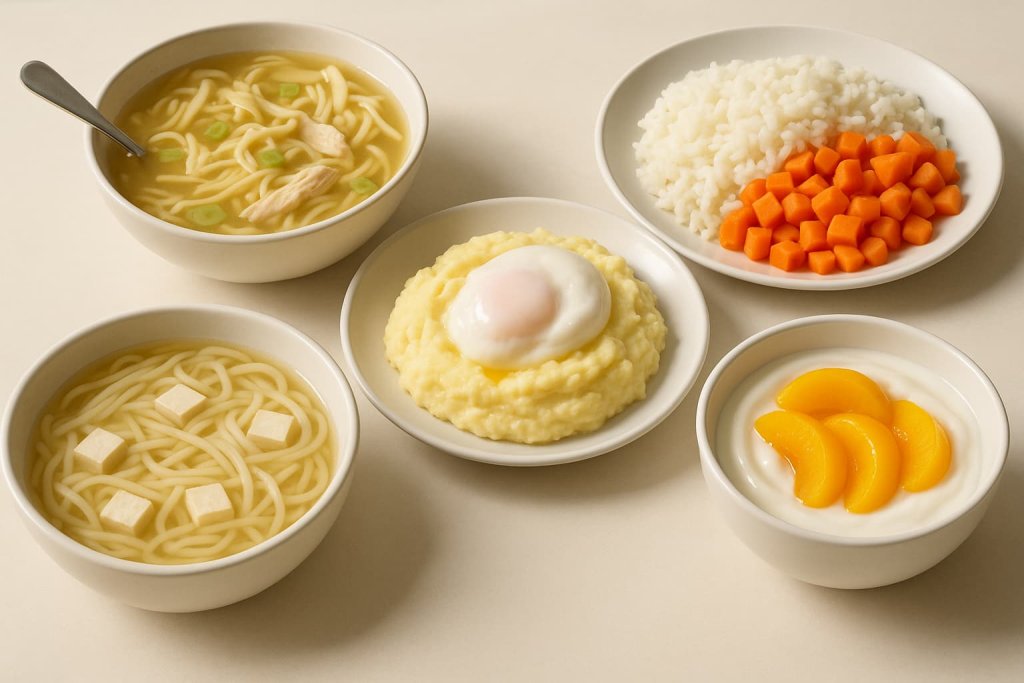
How to Use These Gentle Meal Ideas
These meal ideas are designed as simple examples using foods that are commonly considered easier to digest. They are not medical prescriptions, and they should be adapted based on your personal comfort level, appetite, and the guidance of a qualified health professional.
Portion sizes, ingredients, and preparation methods may need adjustment depending on how your body responds. Some individuals may tolerate certain foods better than others, so it can help to introduce gentle meals slowly and pay attention to how each component feels. If a specific food causes discomfort, replacing it with a softer or milder option is often appropriate.
Sample Easy-to-Digest Meal Plan (Breakfast, Lunch, and Dinner)
Below are sample breakfast, lunch, and dinner combinations using easy-to-digest foods. Portions and choices can be adjusted based on individual tolerance and professional guidance.
| Meal | Example Menu | Approx. Calories (Per Meal) | Gentle-Digestion Notes (Texture & Prep Details) |
|---|---|---|---|
| Breakfast 1 | Cream of Wheat made with low-fat milk + mashed banana | ~320–360 kcal | Cream of Wheat is a refined hot cereal that becomes very soft when cooked; using low-fat milk keeps it lighter. A ripe banana mashed into the cereal adds natural sweetness and a smooth texture that may be easier to tolerate than raw, crunchy fruit. |
| Breakfast 2 | Soft scrambled egg + 1–2 slices white toast + ½ cup applesauce | ~320–380 kcal | Scrambled egg cooked with minimal oil is a soft protein source. White toast is low in fiber and easier to chew than dense whole grains. Unsweetened applesauce offers fruit in a pureed, skin-free form that may feel gentler on the stomach. |
| Breakfast 3 | Plain low-fat yogurt + canned peaches (no skin) + 4–5 plain crackers | ~330–400 kcal | Yogurt has a smooth consistency; pairing it with soft canned peaches (drained, no skins) provides tender fruit. Plain crackers give a mild starch that is easy to chew and swallow, helping round out the meal without a lot of fiber. |
| Breakfast 4 | White rice porridge (congee-style) cooked in broth + small serving of soft tofu | ~320–380 kcal | Rice cooked with extra liquid until porridge-like breaks down into a very soft texture. Adding small cubes of soft tofu provides gentle protein while keeping the dish mild, moist, and easy to eat. |
| Lunch 1 | Chicken noodle soup (broth-based) + 1 slice white bread | ~350–420 kcal | Broth supports hydration, while soft noodles and finely shredded skinless chicken are easier to chew and swallow. White bread is low in fiber and can be dipped into the broth to further soften it. Seasonings should be kept light. |
| Lunch 2 | Baked white fish + mashed skinless potatoes + well-cooked carrots | ~400–480 kcal | White fish (like cod or tilapia) flakes easily when baked and is naturally mild. Skinless potatoes, boiled and mashed with a little broth or low-fat milk, have a smooth texture. Carrots cooked until very tender and mashable may be gentler than raw vegetables. |
| Lunch 3 | Soft tofu and rice bowl (soft white rice + silken tofu + mild broth) | ~360–440 kcal | Soft or silken tofu breaks apart easily and pairs well with soft white rice. A small amount of mild broth keeps the meal moist and easier to swallow. Season lightly with salt or mild herbs to avoid irritating spices. |
| Lunch 4 | Turkey and vegetable broth soup (shredded turkey, soft carrots, potatoes, small pasta) | ~380–450 kcal | Shredded turkey, small pasta, and finely chopped vegetables can be cooked until very soft. The broth base helps keep the meal light while still offering protein and carbohydrates. All pieces should be small and tender to reduce chewing effort. |
| Dinner 1 | Poached egg over mashed potatoes + soft green beans | ~400–480 kcal | A poached egg is soft and moist, and placing it over mashed potatoes combines two gentle textures. Green beans boiled until very soft and chopped into small pieces provide a mild vegetable option without a lot of roughage. |
| Dinner 2 | White rice with shredded skinless chicken and cooked carrots | ~400–470 kcal | Soft white rice and finely shredded chicken offer a simple combination of starch and protein. Carrots cooked until tender and lightly seasoned keep the overall dish mild and lower in fiber than raw or crunchy vegetable sides. |
| Dinner 3 | Baked white fish with rice and vegetable broth | ~380–450 kcal | Serving baked fish with soft white rice and a cup of strained vegetable broth creates a moist, easy-to-chew plate. The broth can be sipped separately or poured lightly over rice to keep it soft and hydrating. |
| Dinner 4 | Tofu noodle soup (soft noodles + silken tofu + mild vegetable or chicken broth) | ~350–430 kcal | Soft noodles and silken tofu in a mild broth provide a very soft, slurpable meal. Vegetables, if added, should be finely chopped and cooked until very tender. Avoid strong spices, high fat, and large chunks of dense foods. |
These meal ideas are meant as gentle starting points that use softer textures, mild flavors, and lower-fiber ingredients. They are not a substitute for individualized medical or nutrition advice, especially for people with chronic digestive conditions, food allergies, or complex health needs.
Additional Snack Pairing Ideas
The snacks below are mild, soft, and simple, making them easy additions to meal plans when you need light nourishment. Each option is meant to complement the main meals without adding unnecessary digestive stress:
- Low-fat yogurt with mashed banana
Smooth, creamy yogurt paired with ripe banana offers a soft texture and gentle flavor. - Saltine crackers with a small serving of applesauce
Crackers provide a light starch, while applesauce adds moisture and mild sweetness. - Gelatin dessert with a few plain crackers
Gelatin’s smooth texture may feel soothing, and a small cracker portion can help add structure. - Cottage cheese with soft canned peaches
A mild protein paired with tender fruit for a soft, easy-to-chew combination. - White toast with a thin spread of fruit puree
Lightly toasted bread with a soft topping may feel easier to tolerate than raw fruits. - Small portion of sorbet or sherbet
Cool, smooth, and low in fat, these can be easier to handle than richer frozen desserts.
These snack ideas may help bridge meals and provide gentle nourishment, especially during times when appetite is reduced or digestion feels sensitive.
Foods That May Be Harder to Digest
High-Fiber and Raw Vegetables
Raw vegetables and those high in insoluble fiber—such as broccoli stalks, raw spinach, cabbage, and large salads—can be more challenging for the stomach to break down. Their firm texture and higher fiber content may feel heavy during periods of digestive sensitivity. Cooking vegetables until soft often makes them easier to tolerate.
Gas-Producing Foods (Beans, Lentils, Cruciferous Vegetables)
Beans, lentils, and cruciferous vegetables like broccoli, cauliflower, Brussels sprouts, and cabbage contain fermentable carbohydrates that may lead to gas and bloating for some people. Individuals with sensitive digestion often prefer to reintroduce these foods gradually and in small amounts.
High-Fat or Fried Foods
Fried foods, rich sauces, fatty cuts of meat, and heavy cream can slow stomach emptying and may feel difficult to tolerate during digestive discomfort. Choosing baked, boiled, or steamed dishes with lighter ingredients may support comfort.
Spicy, Acidic, or Heavily Seasoned Foods
Hot spices, acidic tomato-based dishes, citrus-heavy meals, and strong seasonings can irritate sensitive stomachs. Mild herbs, gentle broths, and simple seasonings may be easier when digestion feels unsettled.
Whole Grains, Nuts, Seeds, and Popcorn
Whole grains and seeds are nutrient-dense but contain more fiber and tougher textures. Popcorn, granola, nuts, and seeds can be difficult to chew thoroughly and may feel harsh on a sensitive digestive system. These foods are often reintroduced later, once comfort improves.
Carbonated Drinks, Alcohol, and Excess Caffeine
Bubbly beverages may contribute to gas and bloating, while alcohol and high-caffeine drinks can irritate the stomach for some people. Gentle hydration options—such as water, weak teas, or broth—are often better tolerated during symptoms.
How to Build a Balanced Wellness Routine With Easy-to-Digest Foods
Hydration and Gentle Beverages
Hydration plays an important role in digestive comfort. Plain water, diluted fruit juice without pulp, electrolyte beverages, and mild teas may support normal digestion. According to the Centers for Disease Control and Prevention, adequate fluid intake supports overall bodily function and helps maintain balance during illness or reduced appetite.
Gradually Reintroducing Fiber and Variety
Once symptoms begin to ease, slowly reintroducing soft fruits, cooked vegetables, and whole grains may help support long-term wellness. This gradual approach allows you to identify which foods feel comfortable and which may need more time.
Balancing Gentle Foods With Adequate Protein and Energy
Easy-to-digest foods are often mild and lower in fiber, but it’s still important to include adequate protein and energy-rich ingredients. Eggs, soft fish, tofu, and well-cooked starches can help maintain strength while keeping meals gentle.
Watching for Signs of Inadequate Nutrition (Loss of Weight, Low Energy)
If meals feel too limited, energy levels or weight may begin to decline. These signs may indicate the need for expanded food variety or professional evaluation to avoid nutrient gaps and ensure overall wellness.
When to Seek Professional Guidance
Persistent or Worsening Digestive Symptoms
If nausea, vomiting, diarrhea, pain, or bloating continue for more than a few days—or begin interfering with hydration or nutrition—it’s important to seek medical evaluation. Persistent symptoms may require personalized assessment.
Existing Digestive Conditions (IBS, IBD, Celiac Disease, Reflux, etc.)
People with chronic digestive conditions often have unique needs. Foods that feel gentle for one person may not work for another. A clinician or registered dietitian can help tailor a plan based on individual health factors.
Special Considerations for Children, Older Adults, and Pregnancy
These groups may have nutrient requirements that differ from adults in general. Relying on very limited, low-fiber foods for too long may lead to unintended nutrient gaps, making professional guidance especially important.
Why Working With a Registered Dietitian May Help
A registered dietitian can help ensure meals remain balanced, nourishing, and appropriate for the individual. They can also suggest ways to transition back to a varied diet once symptoms improve.
Frequently Asked Questions
What foods are usually easiest to digest?
Soft, low-fiber foods such as bananas, applesauce, white rice, eggs, skinless chicken, broth-based soups, and mashed potatoes are commonly easier to tolerate.
Can I eat this way every day long-term?
These foods may support comfort during short-term sensitivity, but relying on gentle meals exclusively may limit fiber and nutrient intake. Most people benefit from gradually returning to a balanced, varied diet when symptoms improve.
Is the BRAT diet still recommended?
BRAT foods (bananas, rice, applesauce, toast) may be helpful temporarily but are not considered complete for long-term use because they lack sufficient nutrients.
Can easy-to-digest foods support hydration and energy?
Yes. Items like broth, yogurt, fruit juice without pulp, and cooked grains can contribute to hydration and steady energy, especially when appetite is low.
Are smoothies and blended foods easier to digest for everyone?
Blending foods can reduce texture and fiber load, but individual tolerance varies. Some people may prefer thin, strained smoothies without seeds, skins, or high-fiber add-ins.
When should I stop home adjustments and see a professional?
If symptoms persist, worsen, or interfere with everyday functioning, it’s important to seek medical guidance to rule out underlying conditions and ensure nutritional adequacy.
Conclusion
Easy-to-digest foods offer a gentle approach to eating when your digestive system feels sensitive. These options may support comfort by focusing on soft textures, mild flavors, and lower fiber while still providing basic nourishment.
Because these patterns are typically short-term, most individuals benefit from gradually reintroducing a wider variety of fruits, vegetables, and whole grains once symptoms improve. If digestive discomfort continues, becoming severe, or affecting your ability to eat and drink normally, consulting a healthcare professional or registered dietitian can provide tailored guidance.
This content is for informational purposes only and not medical advice.
References
- National Cancer Institute — Guidance on easy-to-digest foods during nausea, including examples like broths, rice, eggs, cooked vegetables, and skinless poultry.
- MedlinePlus — Bland diet recommendations explaining which low-fiber, mild foods may support comfort and which foods may be harder to digest.
- MedlinePlus — Low-fiber diet instructions outlining refined grains, tender proteins, and other gentle foods suitable during digestive sensitivity.
- Centers for Disease Control and Prevention — Hydration guidance describing how adequate fluid intake supports normal digestion and overall physiological function.
- National Institute of Diabetes and Digestive and Kidney Diseases — Digestive health recommendations related to diarrhea, including which foods may be easier to tolerate and the importance of gradual reintroduction.
- Dietary Guidelines for Americans — Federal nutrition guidelines emphasizing balanced eating patterns, nutrient density, and returning to varied diets after temporary restrictions.