
If you’re searching for the best barbell leg exercises, here’s the direct answer: the most effective barbell leg exercises are compound lifts like squats, deadlifts, lunges, and hip hinges because they train multiple major muscle groups at once and allow progressive overload. These movements help you build strength, increase power, and support long-term muscle growth.
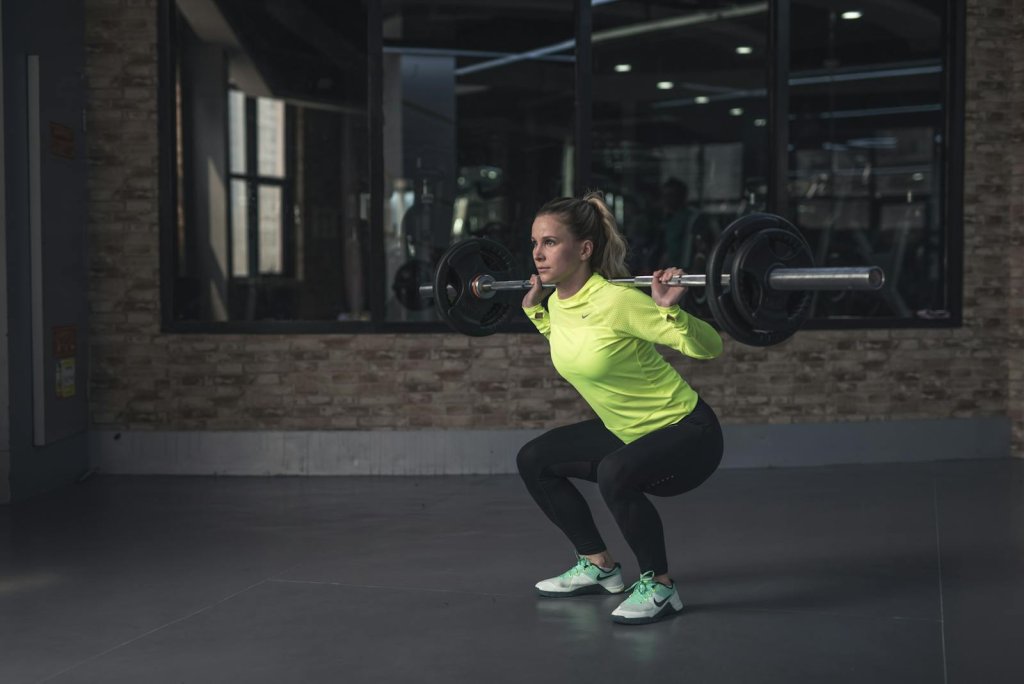
Understanding these exercises is important because the barbell allows heavier, controlled loading compared to most equipment. This leads to stronger quads, glutes, hamstrings, and adductors, better functional movement, and more efficient training. In this guide, you’ll learn the top 10 movements, correct form, key benefits, programming basics, and safety considerations based on current research.
10 Best Barbell Leg Exercises
Barbell leg exercises target the largest muscles in the lower body and allow heavy, controlled loading for maximum strength and muscle growth. The movements below are the most effective compound lifts for building powerful quads, glutes, hamstrings, and overall lower-body stability.
1. Barbell Back Squat
Why It Works
The barbell back squat is one of the most effective full-leg movements because it loads the hips and knees simultaneously, allowing high mechanical tension across quads, glutes, and adductors. The barbell placement enables progressive overload, making it ideal for strength and hypertrophy development.
How to Do It
- Position the barbell on your upper back (not your neck) and grip slightly wider than shoulder width.
- Stand with feet roughly shoulder-width apart and toes slightly turned out.
- Brace your core and keep your chest tall.
- Lower your body by bending at the hips and knees until thighs are parallel (or deeper if mobility allows).
- Press through your midfoot and heels to stand back up, maintaining a neutral spine throughout.
Muscles Worked
- Quadriceps
- Gluteus maximus
- Adductors
- Hamstrings (stabilizing)
- Core muscles (bracing and spinal support)
- Spinal erectors
Trainer Tip
Use safety bars or a spotter when lifting heavier loads, and prioritize depth without losing posture.
2. Barbell Front Squat
Why It Works
Placing the bar in the front rack position shifts your center of mass forward, increasing quad activation and encouraging a more upright torso. This reduces spinal loading compared to back squats and improves postural strength.
How to Do It
- Rest the barbell across the front of your shoulders, elbows lifted high.
- Stand with your feet shoulder-width apart.
- Brace your core and descend by bending hips and knees while keeping your torso upright.
- Reach parallel depth, then push through your heels to return to standing.
Muscles Worked
- Quadriceps (primary)
- Upper back (traps and thoracic extensors)
- Core stabilizers
- Glutes
- Adductors
Trainer Tip
If wrist mobility is limited, use a “cross-arm grip” or practice the clean front-rack hold with lighter bars.
3. Romanian Deadlift (RDL)
Why It Works
The RDL isolates the hip hinge pattern and creates long-lever tension through the hamstrings. Its controlled movement places less strain on the lower back than conventional deadlifts while maximizing posterior-chain activation.
How to Do It
- Hold the barbell at hip level with a shoulder-width grip.
- Push your hips back while keeping a soft bend in your knees.
- Lower the bar along your thighs until you feel a deep hamstring stretch.
- Keep your spine neutral and core braced.
- Drive your hips forward to return to standing.
Muscles Worked
- Hamstrings
- Glutes
- Spinal erectors
- Upper back stabilizers
- Core
Trainer Tip
Stop the descent if your back begins to round—hamstring tension matters more than depth.
4. Conventional Deadlift
Why It Works
This is one of the most powerful full-body lifts, training the entire posterior chain and producing significant strength and power gains. It builds foundational pulling strength for nearly all athletic movements.
How to Do It
- Stand with feet hip-width apart and the bar over midfoot.
- Bend hips and knees, grip the bar just outside your legs.
- Brace your core, flatten your back, and engage lats.
- Push the floor away as you stand tall, keeping the bar close to your body.
- Lower the bar by hinging at the hips first, then bending the knees.
Muscles Worked
- Glutes
- Hamstrings
- Spinal erectors
- Lats and upper back
- Core
- Forearms and grip muscles
Trainer Tip
Think “push the floor” instead of “pull the bar”—this improves leg drive and reduces back strain.
5. Sumo Deadlift
Why It Works
The wide stance shortens the lifting range of motion and emphasizes the hips, glutes, and adductors. Many lifters experience reduced lumbar stress due to a more vertical torso angle.
How to Do It
- Take a wide stance with toes pointed outward.
- Bend your hips and knees to grip the bar inside your legs.
- Brace your core and push knees out to maintain alignment.
- Drive your feet into the ground and extend hips to stand.
- Lower the bar by reversing the movement with control.
Muscles Worked
- Glutes (primary)
- Adductors
- Hamstrings
- Quadriceps
- Core
- Upper back and grip
Trainer Tip
Actively push your knees outward during the lift to keep your hips engaged and stabilize your stance.
6. Barbell Lunge
Why It Works
Lunges create unilateral loading, improving balance, knee stability, and muscle symmetry while training quads and glutes in a functional stepping pattern.
How to Do It
- Place the barbell on your back as you would for a squat.
- Step forward (or backward) with one leg and lower into a lunge.
- Keep your front knee aligned with your toes.
- Push through your front heel to return to standing.
- Alternate legs or repeat on one side for reps.
Muscles Worked
- Quadriceps
- Glutes
- Hamstrings
- Adductors
- Core stabilizers
Trainer Tip
Reverse lunges are easier on the knees and help with balance—start there before progressing to forward or walking lunges.
7. Bulgarian Split Squat (Barbell)
Why It Works
Elevating the rear foot increases the range of motion and forces the front leg to work harder. It loads quads and glutes with minimal lumbar stress, making it one of the most powerful unilateral hypertrophy exercises.
How to Do It
- Position a bench behind you and rest your back foot on it.
- Place the barbell across your upper back.
- Step forward with the working leg and lower into a deep split squat.
- Push through your front foot to rise back up.
- Maintain an upright torso and steady balance.
Muscles Worked
- Glutes
- Quadriceps
- Hamstrings
- Core stabilizers
Trainer Tip
Keep your front foot farther forward for greater glute emphasis; move it slightly closer for more quad engagement.
8. Barbell Hip Thrust / Glute Bridge
Why It Works
This movement isolates the glutes better than most compound lifts and improves hip extension strength, which supports sprinting, jumping, and general stability.
How to Do It
- Sit on the ground with a bench behind you and the barbell over your hips.
- Roll the bar into position and lean your upper back onto the bench.
- Drive through your heels, lifting your hips until your torso forms a straight line.
- Squeeze your glutes at the top, then lower with control.
Muscles Worked
- Gluteus maximus (primary)
- Hamstrings
- Core stabilizers
- Hip adductors (secondary)
Trainer Tip
Pause at the top for 1–2 seconds to maximize glute activation and avoid hyperextending your lower back.
9. Barbell Good Morning
Why It Works
This controlled hip-hinge strengthens the spinal erectors and hamstrings while teaching proper movement mechanics for deadlifts and squats. It builds posterior-chain resilience with lighter loads.
How to Do It
- Place the bar on your upper back like a squat.
- Keep your knees slightly bent and hinge forward at the hips.
- Maintain a neutral spine as your torso lowers.
- Stop when you feel a strong hamstring stretch or before posture breaks.
- Drive hips forward to return to standing.
Muscles Worked
- Hamstrings
- Glutes
- Spinal erectors
- Core stabilizers
Trainer Tip
Start with a very light barbell—technique and torso stability matter far more than depth.
10. Barbell Step-Up
Why It Works
Step-ups train unilateral strength and mimic everyday functional patterns like climbing stairs. They reduce muscle imbalances and challenge stability.
How to Do It
- Stand in front of a bench or stable box with the barbell on your back.
- Step onto the platform with one foot and push through your heel to rise.
- Bring the other foot up to stand tall.
- Step down carefully and repeat on the same or alternate leg.
Muscles Worked
- Quadriceps
- Glutes
- Hamstrings
- Core
- Calves (secondary)
Trainer Tip
Choose a step height that allows full control—too high increases forward lean and reduces glute and quad tension.
How to Warm Up Before Barbell Leg Training
A proper warm-up prepares your joints, muscles, and nervous system for heavier loading.
Simple 3–5 minute warm-up:
- Light cardio (30–60 seconds)
- Dynamic mobility: leg swings, hip circles, ankle circles
- Activation: bodyweight squats, glute bridges, hip-hinge practice
- 1–2 light ramp-up sets of your first barbell exercise
Keep movements controlled and pain-free.
How to Program Barbell Leg Exercises
Programming barbell leg training properly ensures safe progression and consistent results. Below is an ACSM-aligned general guide:
Weekly Frequency
- Train lower-body muscles 2 times per week for strength and hypertrophy.
Reps & Sets
- Strength: 4–6 reps, 3–5 sets
- Hypertrophy: 6–12 reps, 3–4 sets
- Endurance or lighter training: 12–15 reps, 2–3 sets
Load Guidelines
- Beginners: 50–70% 1RM
- Intermediate to advanced: 70–85%+ 1RM depending on goals
Rest Periods
- Strength: 2–3 minutes
- Hypertrophy: 60–90 seconds
Common Mistakes to Avoid
- Using too much weight before mastering form
- Rounding the lower back during squats or hinges
- Knees caving inward
- Rushing reps or bouncing out of the bottom
- Skipping warm-up or ramp-up sets
- Squatting shallow without intention or control
These mistakes reduce effectiveness and can increase strain on joints.
Key Benefits of Barbell Leg Exercises
- Build full-body strength through high muscle recruitment
- Improve power and force production for athletic movements
- Support better balance, coordination, and lower-body stability
- Encourage progressive overload for sustained muscle growth
- Strengthen movement patterns like squatting, hinging, and lunging
- Support joint health through controlled, functional ranges of motion
- Increase metabolic demand and contribute to healthier body composition
Safety Guidelines for Barbell Leg Training
Follow these principles to reduce injury risk and maximize results:
- Begin each session with a dynamic warm-up: leg swings, hip hinges, glute activation, light squats
- Start with light weights and perform ramp-up sets before lifting heavy
- Maintain a neutral spine in all squat and hinge movements
- Keep knees aligned with toes (avoid knee collapse inward)
- Use spotter arms or safety pins when squatting alone
- Progress load gradually—avoid large jumps
- Stop if you feel sharp, persistent, or unusual pain
- Seek professional guidance if you have knee, hip, or lower-back history
Who Should Avoid or Modify Barbell Leg Exercises
Some individuals may need modified versions or lighter variations:
- Anyone experiencing back, hip, or knee discomfort during heavy loading
- Lifters with limited mobility for safe squatting or hinging
- Beginners struggling with balance for barbell lunges or step-ups
- Those without access to proper safety equipment
Safer options include goblet squats, dumbbell variations, machine exercises, or reduced range of motion.
This is general information only and not medical advice.
Common Questions (FAQ)
1. Are barbell leg exercises suitable for beginners?
Yes. Beginners should start with lighter weights, learn proper form, and progress gradually.
2. How many barbell leg exercises should I do per workout?
Most programs include 2–4 barbell leg movements followed by accessory work.
3. Which barbell leg exercise builds the most muscle?
The back squat and deadlift provide the greatest overall stimulus, but RDLs and hip thrusts are excellent for glutes and hamstrings.
4. Can I replace machines with barbell exercises?
Yes. Barbell training often provides more functional strength, though machines can complement heavy barbell lifts.
5. How long does it take to see results?
Most people notice strength improvements within 4–6 weeks and visible muscle changes within 8–12 weeks with consistent training.
6. Is it safe to do heavy squats?
Yes—when performed with proper technique, controlled progression, and appropriate safety equipment.
7. Should I train quads and hamstrings on separate days?
Not necessary. Many lifters train them together, but splitting them is effective for higher-volume programs.
Conclusion
Barbell leg exercises are some of the most efficient and powerful movements you can include in your training program. They target the largest muscles in your body, support long-term strength, improve everyday movement patterns, and help build a strong foundation for athletic performance. Start with the core exercises in this guide, progress gradually, and follow safe lifting principles for the best results.
If you’re ready to build stronger legs, begin incorporating these barbell movements into your weekly routine and adjust intensity as your strength improves.