
Caffeine sensitivity means you experience stronger effects from small or moderate amounts of caffeine compared with most people. This can include jitteriness, rapid heartbeat, anxiety, restlessness, or trouble sleeping, even from a single cup of coffee or tea. Understanding caffeine sensitivity is important because caffeine affects the nervous system, sleep quality, digestion, and overall wellness — and the right intake level varies widely from person to person.

Most adults can consume up to 400 mg of caffeine per day, according to the U.S. Food and Drug Administration, but individuals with higher sensitivity may react strongly to much smaller amounts. Genetics, sleep habits, stress levels, medications, and health conditions all influence how your body responds. This guide explains the signs, causes, science, and safe ways to manage caffeine sensitivity.
What Is Caffeine Sensitivity?
Caffeine sensitivity describes how strongly your body reacts to caffeine, even at small or moderate amounts. Individuals with higher sensitivity may feel jittery, anxious, or experience sleep disturbances from doses that other people tolerate without difficulty. This variation is normal and depends on factors such as genetics, metabolism, sleep quality, age, and overall wellness.
Difference Between Sensitivity, Intolerance, and Allergy
Caffeine sensitivity relates to how intensely your nervous system responds to typical amounts of caffeine.
Caffeine intolerance mainly involves digestive discomfort, including nausea or stomach upset, after consuming caffeine-containing foods or drinks.
A caffeine allergy is extremely rare and involves an immune response. Symptoms such as hives or swelling require medical evaluation. In most cases, people who say they are “allergic” to caffeine are actually experiencing sensitivity or intolerance, not a true allergy.
How the Body Processes Caffeine
Caffeine is absorbed quickly and processed primarily in the liver through an enzyme called CYP1A2. Research from the National Library of Medicine shows that variations in this enzyme strongly influence how fast or slow a person metabolizes caffeine. Slow metabolizers often feel stimulant effects for longer periods.
Role of the Nervous System and Metabolism
Caffeine blocks adenosine receptors — molecules that help promote relaxation and sleepiness. As a result, the nervous system becomes more alert, which may increase heart rate, boost wakefulness, and heighten stress responses in people who are sensitive. These effects may appear more quickly and feel stronger in individuals whose bodies clear caffeine more slowly.
How Much Caffeine Is Considered Safe?

Caffeine needs differ from person to person, but evidence-based guidelines offer general limits that help support safe intake.
FDA Guideline for Adults
Up to 400 mg of caffeine per day is considered an amount “not generally associated with dangerous effects” for most healthy adults, according to the U.S. Food and Drug Administration.
However, sensitive individuals may experience symptoms at much lower levels.
ACOG Guidance for Pregnancy
The American College of Obstetricians and Gynecologists recommends limiting caffeine intake during pregnancy to 200 mg per day or less. Caffeine crosses the placenta, and the fetus does not have the ability to metabolize it effectively, which is why cautious intake is advised.
AAP Guidance for Children and Teens
The American Academy of Pediatrics advises that children should avoid caffeine, and teens should limit intake because caffeine may interfere with sleep, concentration, and cardiovascular function.
Why “Safe Limits” Vary by Individual
Metabolism, genetics, medication use, liver function, sleep quality, stress, age, and dietary patterns can all change how a person responds to caffeine. What feels tolerable for one person may feel overwhelming for another, which is why individual experience matters.
Typical Caffeine Amounts in Common Foods and Drinks
Caffeine content can vary widely depending on brand, preparation method, and serving size. The amounts below are typical averages, meant as general guidance rather than exact values. For people with caffeine sensitivity, even the lower end of these ranges may feel noticeable. Checking product labels when available and paying attention to how you feel after each beverage can help you understand your personal tolerance.
Approximate averages and practical context
- Brewed coffee often has the highest caffeine per standard cup, especially if it is strong or large-sized.
- Espresso is concentrated, but the portion is small, so total caffeine may be similar to or slightly less than a regular cup of coffee.
- Black and green tea usually contain less caffeine than coffee, but can still be significant for sensitive individuals.
- Energy drinks vary considerably; some contain as much or more caffeine than a strong cup of coffee.
- Dark chocolate contributes smaller amounts, but can add up when combined with other sources.
Sensitive individuals may feel noticeable effects even within the lower end of these ranges, such as 20–40 mg.
Typical Caffeine Content in Common Items
| Beverage/Food | Typical Serving Size | Approximate Caffeine (mg) | Notes for Sensitive Individuals |
|---|---|---|---|
| Brewed coffee | 8 oz (240 mL) | 80–120 mg | May feel strong; even a single cup can trigger symptoms. |
| Espresso | 1 shot (30 mL) | 60–75 mg | Small volume but concentrated; often used in multiple-shot drinks. |
| Black tea | 8 oz (240 mL) | 40–60 mg | Can be noticeable for those who react to lower caffeine doses. |
| Green tea | 8 oz (240 mL) | 20–45 mg | Lower than coffee, but still meaningful for sensitive individuals. |
| Energy drinks | 8–16 oz (240–480 mL) | 80–200+ mg | Some products are highly concentrated; labels should be read carefully. |
| Dark chocolate | 1 oz (28 g) | 20–30 mg | Smaller amount, but can add up when combined with other sources. |
For sensitive individuals, tracking these approximate amounts over the day may help identify which beverages and serving sizes feel comfortable and which tend to trigger symptoms.
Signs You May Have Caffeine Sensitivity

People with caffeine sensitivity may notice symptoms after consuming small or moderate amounts of coffee, tea, soda, or chocolate.
Nervous System Symptoms
- Feeling jittery or shaky
- Sudden increases in alertness or restlessness
- Heightened anxiety, irritability, or a sense of nervousness
Cardiovascular Symptoms
- Faster or stronger heartbeat
- Occasional palpitations
- Temporary rise in blood pressure in some individuals
Digestive Symptoms
- Nausea
- Stomach discomfort
- Loose stools or increased bowel activity
Sleep-Related Symptoms
- Trouble falling asleep
- Light, fragmented sleep
- Waking earlier than usual
According to the Centers for Disease Control and Prevention, disruptions to sleep may affect mood, focus, and overall daily functioning, making caffeine timing especially important for sensitive individuals.
Symptoms After Low or Moderate Intake
Some people experience noticeable reactions after only 50–150 mg of caffeine — roughly one small cup of coffee or a strong cup of tea. If symptoms appear consistently at low doses, caffeine sensitivity is likely contributing to the reaction.
What Causes Caffeine Sensitivity?
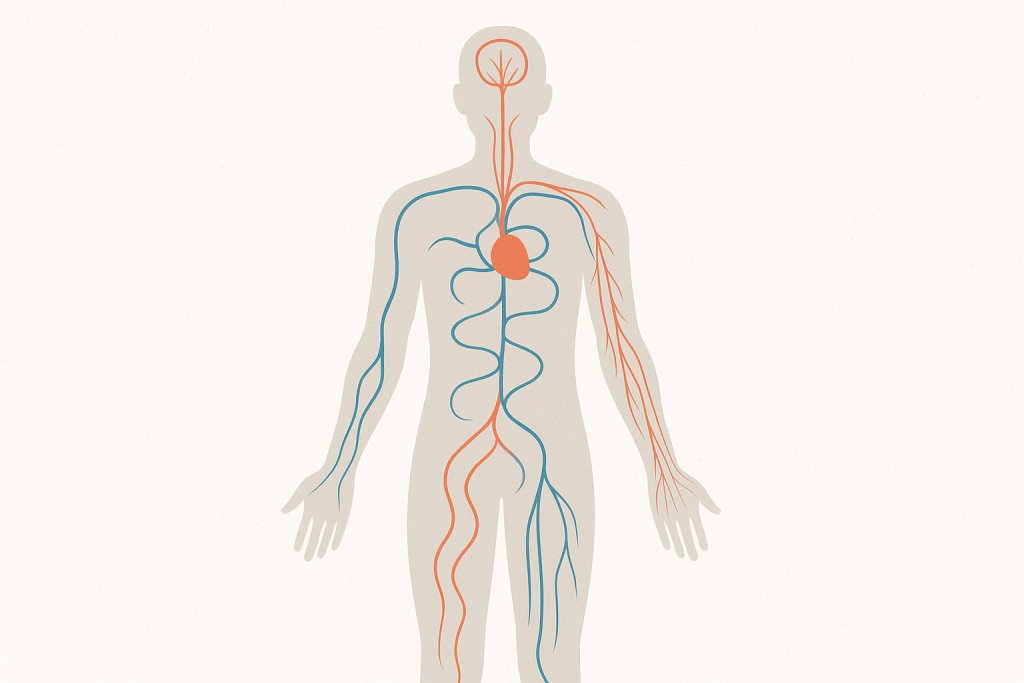
Caffeine sensitivity varies widely between individuals and is influenced by a combination of genetics, sleep habits, metabolism, age, medications, and overall health. These factors affect how quickly the body processes caffeine and how strongly the nervous system responds.
Genetic Factors (CYP1A2, ADORA2A)
Genetic differences strongly affect caffeine metabolism and sensitivity. Research from the National Library of Medicine shows that the CYP1A2 gene determines how quickly the liver processes caffeine.
- Slow metabolizers break down caffeine more slowly, allowing stimulant effects to linger longer.
- Variants in the ADORA2A gene are associated with stronger responses to caffeine’s effects on sleep and nervous system activation.
These genetic factors help explain why some people feel jittery after one cup of coffee while others feel no discomfort.
Sleep Quality and Stress Levels
Poor sleep and high stress may increase caffeine sensitivity. When the nervous system is already overstimulated, even modest caffeine intake may feel stronger. People who regularly experience sleep deprivation or high stress often notice increased jitteriness or difficulty sleeping after consuming caffeine.
Body Weight, Age, and Metabolic Rate
Caffeine distributes through body water, so individuals with lower body weight may feel stronger effects. Metabolism also changes with age; older adults may break down caffeine more slowly, which can increase sensitivity. A naturally slower metabolic rate may also prolong caffeine’s activity in the body.
Underlying Health Conditions
Certain conditions are associated with greater caffeine sensitivity, including:
- Anxiety tendencies
- Sleep disorders
- Heart rhythm variations
- Gastrointestinal sensitivities
- Migraine susceptibility
These conditions may increase the nervous system’s reactivity or heighten symptoms from even low caffeine doses.
Medications and Stimulant Interactions
Some medications can alter how the body metabolizes caffeine or amplify its stimulant effects. These may include certain antibiotics, antidepressants, and medications that affect liver enzymes. Combining caffeine with other stimulants—such as pre-workout supplements—may also intensify sensitivity. Always consult a healthcare professional if you’re unsure about medication interactions.
How Caffeine Sensitivity Affects Sleep
Caffeine has a well-documented impact on sleep, especially for sensitive individuals.
How caffeine interacts with adenosine
Caffeine works by blocking adenosine receptors. Adenosine is a molecule that promotes relaxation and signals the brain to wind down. When caffeine blocks these receptors, the body stays alert longer, which may disrupt natural sleep cycles.
Timing of caffeine intake
Even mid-afternoon caffeine may affect sensitive individuals. According to the Centers for Disease Control and Prevention, disrupted or insufficient sleep can affect concentration, mood, and daily functioning. Sensitive individuals often benefit from avoiding caffeine after early afternoon.
Impact on sleep quality for sensitive individuals
Strong responses to caffeine may make it harder to fall asleep, cause frequent awakenings, or reduce deep sleep. Even small daily amounts of caffeine may influence sleep quality in people with high sensitivity.
How Caffeine Sensitivity Affects Nutrition and Digestion
Caffeine influences digestion and overall nutrition patterns in several ways.
Digestive responses in sensitive individuals
Caffeine may increase stomach acidity or cause gastrointestinal discomfort in individuals who are sensitive. Some people notice nausea or loose stools after consuming caffeinated beverages.
Hydration considerations
Caffeinated beverages contribute to daily hydration, but sensitive individuals may experience mild diuretic effects. Maintaining steady water intake supports overall wellness.
Appetite changes
Caffeine may temporarily reduce appetite for some people. In sensitive individuals, this effect may be more pronounced, potentially shifting eating patterns earlier or later in the day.
How caffeine influences overall daily nutrition patterns
Caffeine habits can shape meal timing, hydration patterns, and digestion. For individuals sensitive to caffeine, choosing appropriate beverage timing may help support steadier energy and better nutrition routines.
High-Risk Groups Who May Be More Sensitive
Certain groups may respond more strongly to caffeine due to metabolic, developmental, or physiological differences.
Pregnancy and Preconception
Caffeine crosses the placenta, and the fetus cannot metabolize it efficiently. The American College of Obstetricians and Gynecologists recommends limiting caffeine during pregnancy to 200 mg per day or less. Individuals trying to conceive may also choose to monitor caffeine intake for overall wellness.
Children and Adolescents
The American Academy of Pediatrics advises that children avoid caffeine and that adolescents limit intake. Sensitive nervous systems, smaller body size, and developing sleep cycles make youth more vulnerable to caffeine’s effects.
Individuals With Heart, Sleep, or Anxiety Concerns
People with heart rhythm variations, chronic insomnia, or anxiety tendencies may react more strongly to caffeine. Even moderate amounts may increase nervousness, heart rate, or sleep disruptions.
Older Adults or Low Body Weight Individuals
Caffeine metabolism slows with age, which may heighten sensitivity. Individuals with low body weight may also feel caffeine’s effects more strongly due to smaller distribution volume.
How to Reduce Caffeine Sensitivity Symptoms
Practical strategies may help sensitive individuals manage caffeine intake while supporting daily well-being.
Track Total Daily Intake
List all caffeine sources—coffee, tea, soda, energy drinks, chocolate, and supplements. Many products contain more caffeine than expected.
Gradual Reduction Strategy
Lowering caffeine slowly may help reduce feelings of withdrawal, such as headaches or low energy.
Switching to Lower-Caffeine or Decaf Options
Herbal teas, decaffeinated coffee, and lighter-strength beverages may support more comfortable energy levels.
Avoiding Afternoon or Evening Caffeine
Sensitive individuals often benefit from avoiding caffeine after early afternoon to support better sleep quality.
Supporting Sleep, Hydration, and Stress Management
A regular sleep routine, steady hydration, balanced meals, and light movement may help reduce caffeine-related discomfort.
When to Consult a Healthcare Professional
If symptoms are persistent, severe, or linked to underlying medical conditions, discussing caffeine intake with a clinician may help guide individualized decisions.
Safe Alternatives to Caffeinated Drinks
Sensitive individuals often enjoy beverages that provide flavor or warmth without added caffeine.
Herbal Teas
Chamomile, peppermint, rooibos, and ginger teas contain no caffeine and may support hydration.
Decaffeinated Coffee and Tea
Decaf provides familiar flavors with significantly less caffeine, making it easier to manage sensitivity.
Fruit-Infused Water
Lemon, berries, mint, or cucumber can add natural flavor without caffeine.
Warm Water With Lemon
A simple, caffeine-free option that may support morning hydration.
Frequently Asked Questions
Is caffeine sensitivity the same as intolerance?
No. Sensitivity involves nervous system responses; intolerance involves digestive reactions.
Does sensitivity increase with age?
Yes. Metabolism often slows with age, which may increase sensitivity.
Can sensitivity be genetic?
Yes. Genetic differences, such as CYP1A2 and ADORA2A variants, influence caffeine response.
How long does caffeine stay in the body?
Most adults clear about half the caffeine consumed within 4–6 hours, but sensitive individuals may take longer.
Does hydration help reduce symptoms?
Staying hydrated supports overall wellness and may help reduce jitteriness.
Is decaf a good alternative?
Yes. Decaf contains significantly less caffeine and may be more comfortable for sensitive individuals.
Conclusion
A person’s response to caffeine depends on genetics, metabolism, age, sleep quality, and overall health. Understanding your individual caffeine sensitivity may help you choose the right amount and timing for your body. Small adjustments—such as switching to lower-caffeine beverages, reducing intake gradually, or monitoring timing—may support better sleep and daily comfort.
This content is for informational purposes only and not medical advice.