
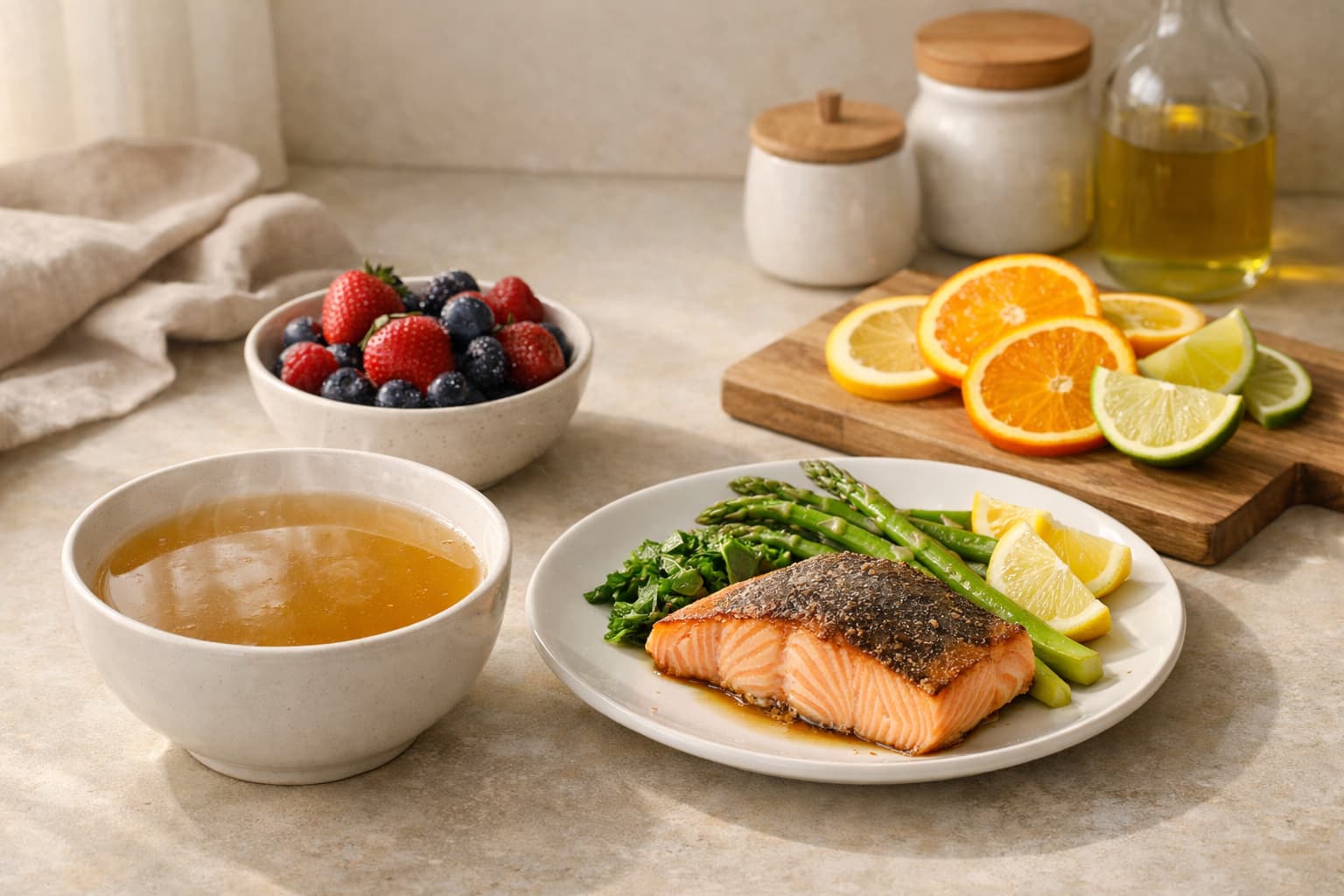
You can get more collagen from food by eating connective-tissue-rich animal foods (like bone broth, skin-on poultry or fish, and slow-cooked cuts with cartilage and tendons) and by pairing them with vitamin C–rich produce that supports your body’s natural collagen production. Collagen matters for overall wellness because it’s a major structural protein found throughout the body, and your diet supplies both the protein building blocks and the key nutrients involved in collagen formation.
What collagen is and why food matters
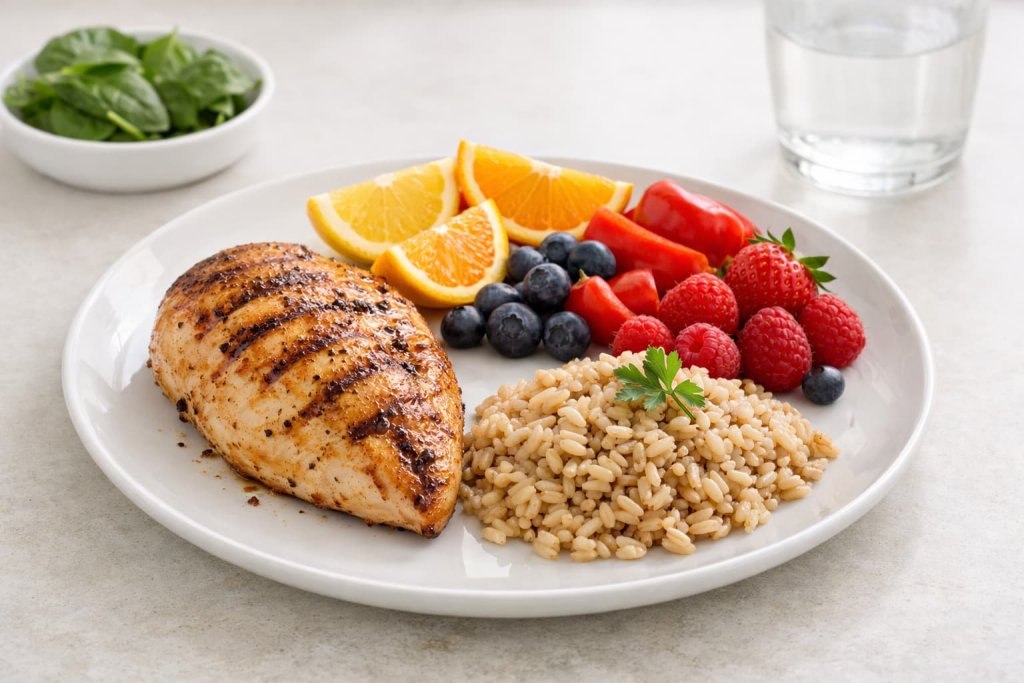
Collagen is a structural protein found throughout the body. From a nutrition standpoint, the key idea is simple:
- Some foods provide collagen directly (because they contain connective tissue or gelatin).
- Most of your collagen is made by your body using amino acids from protein foods, plus helpful nutrients such as vitamin C and certain minerals.
According to the Cleveland Clinic, collagen production relies on amino acids (including glycine and proline) and also needs nutrients like vitamin C, zinc, and copper.
Collagen-rich foods list
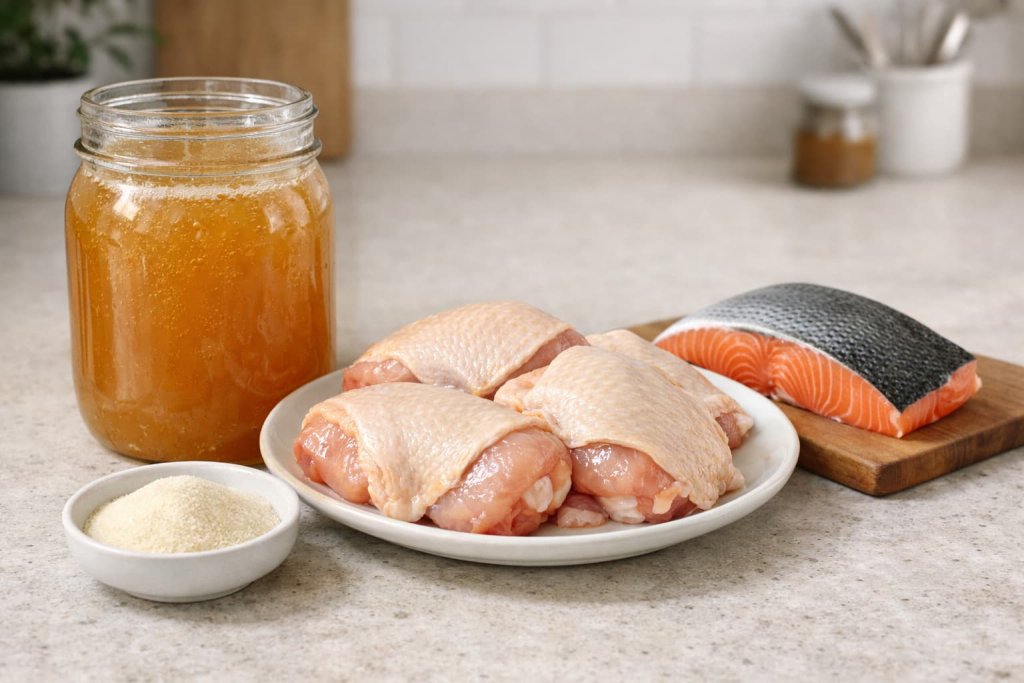
These are practical options that contain connective tissue or collagen-derived gelatin.
Bone broth and slow-simmered stock
Bone broth is commonly promoted as collagen-rich because simmering bones and connective tissue releases gelatin (from collagen). The important nutrition detail is that protein/collagen content varies widely by recipe and product.
- The Harvard T.H. Chan School of Public Health notes the protein from gelatin in bone broth can vary and is not consistent across broths.
- The Harvard Health Publishing article reports bone broth can provide about 8–10 grams of protein per cup, depending on preparation.
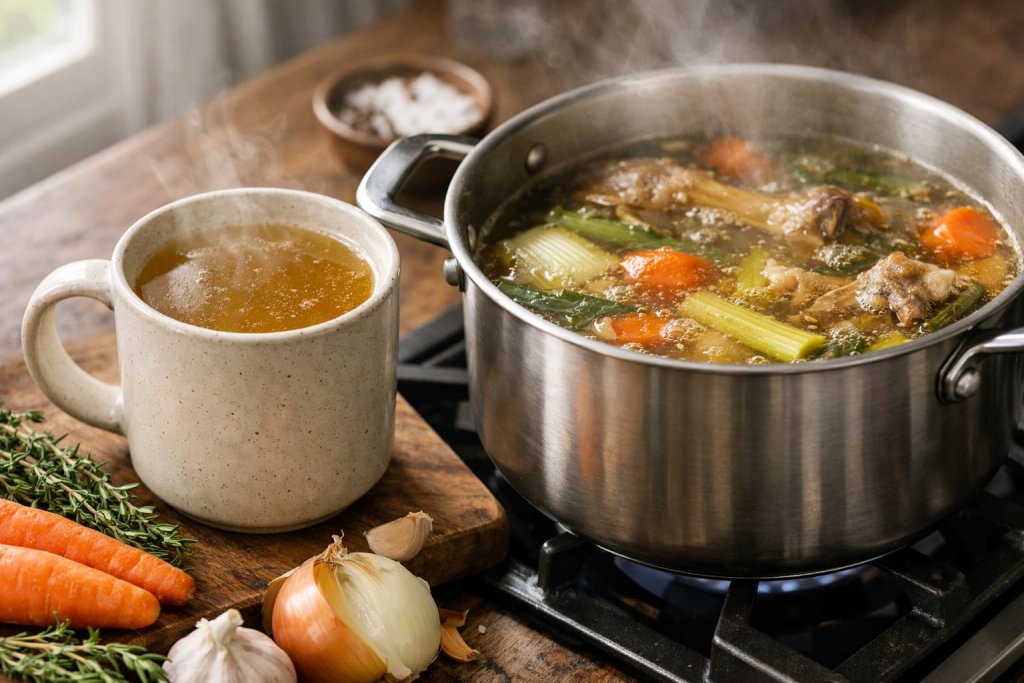
How to use it for everyday wellness:
- Sip as a warm beverage
- Use as a soup base with vegetables and beans
- Cook grains or legumes in broth for extra flavor (watch sodium)
Gelatin
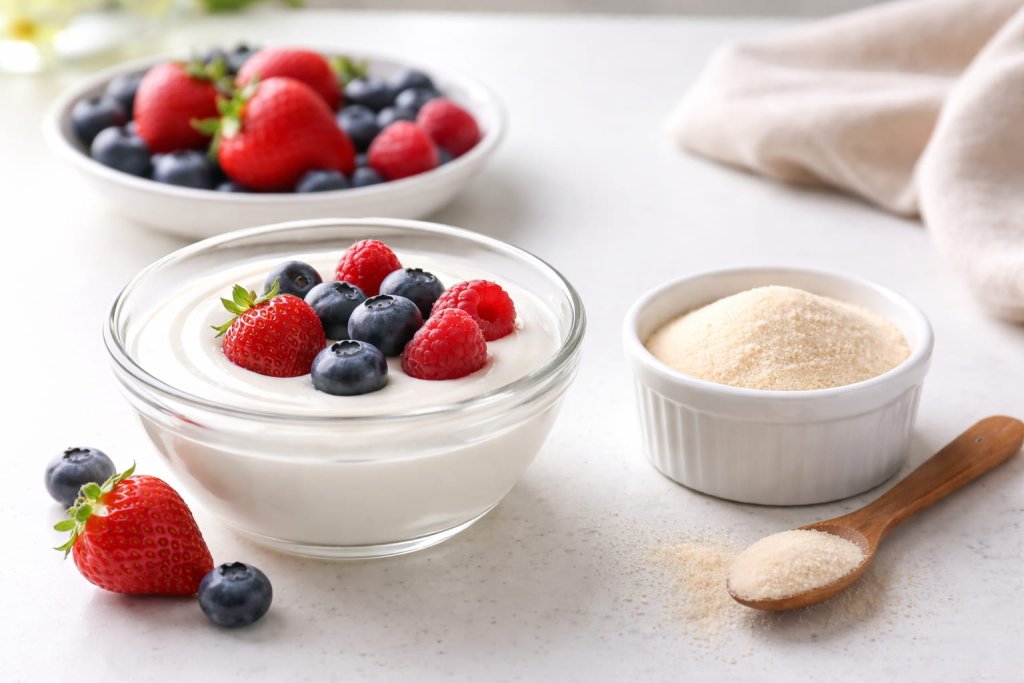
Gelatin is a collagen-derived ingredient used in foods. From a food-science perspective, gelatin forms when collagen is processed/denatured. The USDA Agricultural Marketing Service describes gelatin in relation to collagen in food processing.
Simple ways to include it:
- Add unflavored gelatin to homemade smoothies or yogurt bowls (follow label directions)
- Use it to set homemade fruit-based gelatin cups (focus on whole fruit, minimal added sugar)
Skin-on poultry and connective-tissue cuts

Foods that include skin, cartilage, and tendons are more likely to contain collagen than lean, trimmed muscle meat.
Examples:
- Skin-on chicken or turkey (roasted, baked, or slow-cooked)
- Chicken wings (skin and connective tissue)
- Slow-cooked cuts like shank, oxtail, short ribs, or pot roast (tendons and connective tissue break down with long cooking)
Wellness-friendly tip:
- Pair slow-cooked meats with fiber-rich sides (beans, lentils, vegetables) to keep the overall meal balanced.
Skin-on fish and seafood
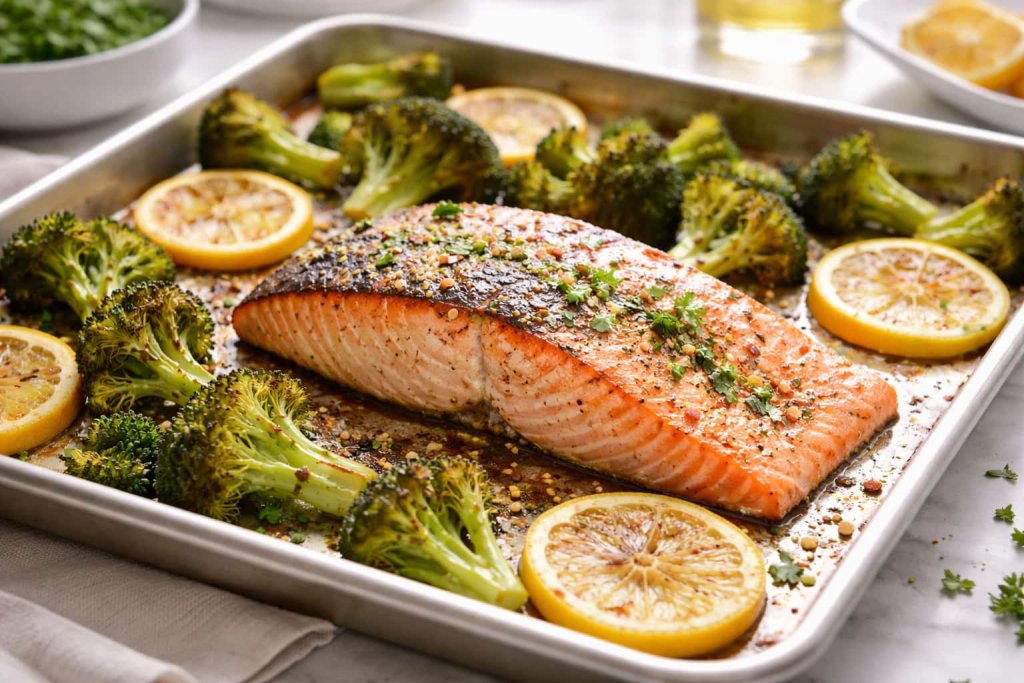
Fish skin contains connective tissue and is often cited as a dietary collagen source.
Examples:
- Skin-on salmon
- Sardines (often eaten with skin)
- Crispy baked fish skin (when culturally and personally preferred)
A practical approach:
- Choose fish you already like and can eat consistently; consistency matters more than “perfect” collagen foods.
Collagen-rich foods list table
| Collagen-rich food | What it is | Best ways to eat it | Nutrition and wellness notes |
|---|---|---|---|
| Bone broth (homemade or packaged) | Stock simmered from bones and joints; contains gelatin from collagen | Sip warm, use as soup base, cook rice/beans in it | Protein content varies by brand/recipe; choose lower-sodium options if you’re watching sodium |
| Homemade meat stock (gelatin-rich) | Traditional stock made with bones, joints, skin, and connective tissue | Soups, stews, sauces, braises | Longer simmering with collagen-rich parts tends to create a more gel-like stock when chilled |
| Gelatin (unflavored) | Collagen-derived ingredient used to set foods | Mix into yogurt/smoothies (per label), homemade fruit gelatin cups | Keep added sugar low; useful for adding protein to snacks without changing flavor much |
| Skin-on chicken or turkey | Poultry with skin and connective tissue | Roast, bake, slow cook, soup | Skin and connective tissue provide more collagen than skinless cuts; balance with vegetables and fiber-rich sides |
| Chicken wings and drumsticks | Higher skin/connective tissue compared with lean breast meat | Oven-baked or air-baked, soups | Watch portions and cooking methods for overall heart-smart patterns |
| Slow-cooked beef shank | Cut with connective tissue that softens with long cooking | Braises, stews, pressure cooker | Great for batch cooking; pair with vitamin C–rich veggies for a collagen-supporting meal pattern |
| Oxtail | Gelatin-rich, connective-tissue-heavy cut | Slow braise, soup | Rich and hearty; consider trimming excess fat if that’s a goal |
| Short ribs | Connective tissue and cartilage that breaks down with slow cooking | Braises, slow cooker | Flavorful but can be higher in saturated fat; balance with produce and choose frequency that fits your diet |
| Pork shoulder (slow cooked) | Contains connective tissue; becomes tender with long cooking | Pulled pork bowls, soups | Choose leaner portions when possible; pair with slaw, peppers, or citrus-based sides |
| Pork skin (less common in some diets) | Skin contains collagen | Crisped or stewed (traditional dishes) | Often high in sodium if packaged; best as an occasional option for many people |
| Skin-on salmon | Fish skin contains connective tissue | Bake/grill skin-on, pan-sear | Provides protein and omega-3 fats; choose cooking methods that keep added fats moderate |
| Sardines (often with skin) | Small fish frequently eaten with skin and soft bones | Salads, toast, grain bowls | Nutrient-dense (protein, calcium if bones are included); watch sodium in canned options |
| Fish skin snacks (if used) | Crispy fish skin products | Occasional snack | Often salty; check sodium and portion size |
| Beef tendon (traditional cuisines) | High connective tissue | Slow braise, soup | Needs long cooking; can be a collagen-rich addition to soups and stews |
Foods that support collagen production
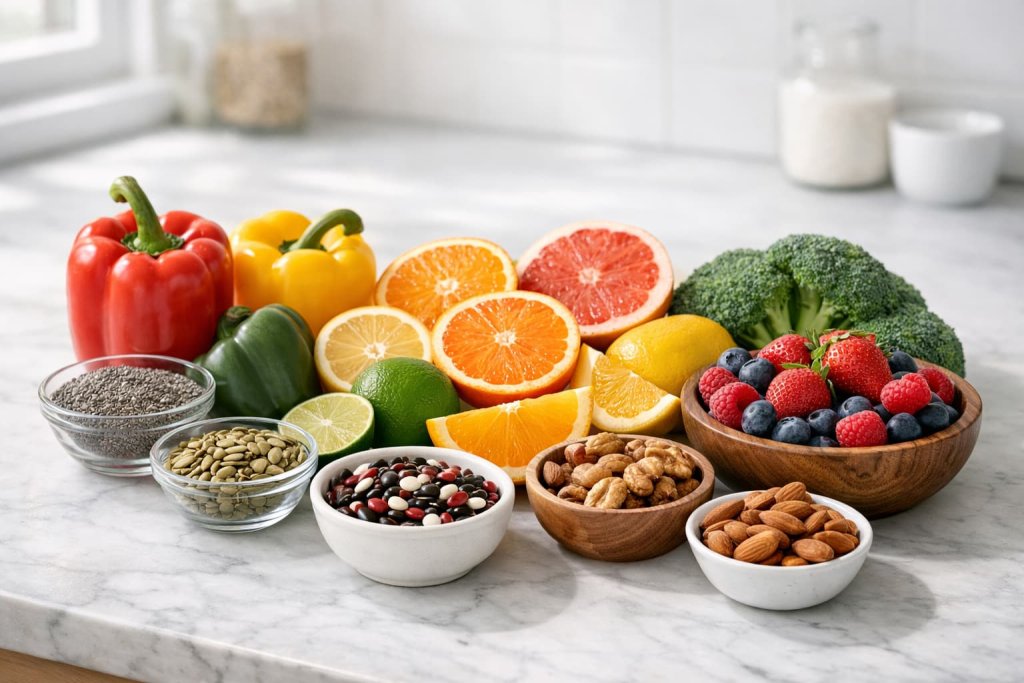
Even if a food doesn’t contain collagen, it can support your body’s collagen-making process by supplying vitamin C and other nutrients involved in collagen formation.
Vitamin C–rich foods
Vitamin C is directly involved in collagen formation. The NIH Office of Dietary Supplements explains vitamin C is required for important functions including collagen-related processes, and the MedlinePlus overview notes vitamin C is used to form collagen used in tissues like skin, tendons, ligaments, and blood vessels.
High-impact vitamin C choices:
- Citrus (oranges, grapefruit)
- Bell peppers
- Strawberries and other berries
- Broccoli, Brussels sprouts, kale
- Tomatoes
Easy pairing idea:
- Bone broth soup + bell peppers and broccoli
- Skin-on salmon + citrus salad
- Slow-cooked beef + tomato-rich vegetable stew
Zinc and copper foods
These minerals are also involved in collagen production processes. For food sources and intake guidance, see the NIH Office of Dietary Supplements for zinc and the NIH Office of Dietary Supplements for copper.
Food sources that can help:
- Zinc: meat, shellfish, beans, nuts, whole grains
- Copper: shellfish, nuts, seeds, legumes, whole grains
Protein foods for amino acids
Because collagen is a protein, your body needs enough dietary protein overall. You don’t have to rely only on collagen-rich foods—your everyday protein choices still matter.
Helpful options:
- Eggs, dairy (if tolerated)
- Fish, poultry, meat
- Beans, lentils, soy foods
- Nuts and seeds (as complements)
Collagen-supporting foods table (to pair with collagen-rich foods)
| Collagen-supporting nutrient | Top food sources | Best ways to pair with collagen-rich foods | Practical wellness notes |
|---|---|---|---|
| Vitamin C | Bell peppers, citrus, strawberries, kiwi, broccoli, Brussels sprouts, tomatoes, leafy greens | Add peppers/broccoli to bone broth soup; citrus salad with skin-on salmon; berries with yogurt | Include a vitamin C fruit/veg daily to support collagen formation |
| Zinc | Beef, poultry, shellfish (oysters), beans/lentils, nuts/seeds, whole grains | Slow-cooked beef shank + beans; chicken + lentil salad; sardines + whole-grain toast | Variety helps; plant sources contribute too |
| Copper | Shellfish, organ meats (especially liver), nuts (cashews), seeds (sesame/sunflower), cocoa, chickpeas, mushrooms, whole grains | Bone broth stew + chickpeas; slow-cooked meat + mushrooms; salmon bowl topped with sesame seeds | Usually met through a varied diet; focus on whole foods |
| Protein (amino acids) | Fish, poultry, lean meats, eggs, dairy (if tolerated), soy (tofu/tempeh), beans/lentils | Pair bone broth with beans or shredded chicken; fish + yogurt-based sauce; gelatin added to a protein smoothie (per label) | Overall daily protein intake matters more than any single “collagen” food |
| Fiber and phytonutrients (overall diet support) | Beans/lentils, oats, vegetables, berries, nuts/seeds | Build a “collagen plate”: connective-tissue protein + vitamin C veg + high-fiber carb (beans/whole grains) | Not a collagen nutrient, but supports overall diet quality and wellness patterns |
How to build a collagen-supporting plate
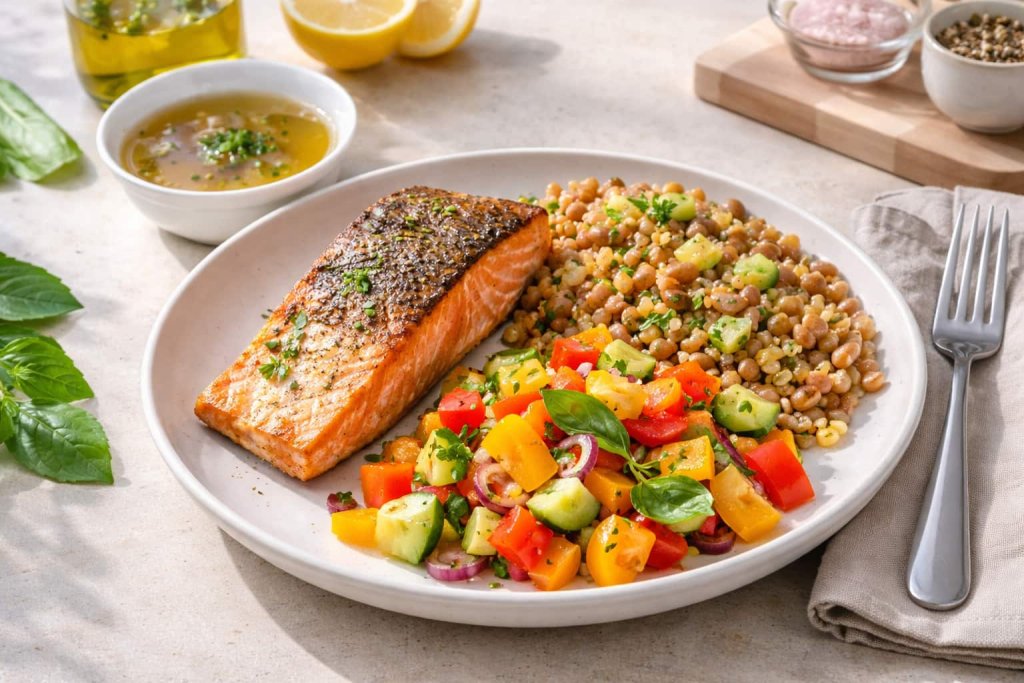
A simple, repeatable approach for nutrition and overall wellness is to combine a collagen-rich food with vitamin C–rich produce, then finish the meal with fiber and smart choices around sodium and added sugar. This supports overall diet quality while also providing nutrients your body uses in collagen formation (vitamin C, zinc, copper) and the protein building blocks (amino acids). According to the Cleveland Clinic, collagen production relies on amino acids and nutrients like vitamin C, zinc, and copper, and the NIH Office of Dietary Supplements explains vitamin C’s essential role in collagen formation.
Step 1: Choose one collagen-rich option
Pick one of these as the base of your meal. This is the “collagen/gelatin” anchor.
Good everyday options:
- Bone broth or gelatin-rich stock (as a soup base)
- Skin-on fish (like salmon or sardines)
- Skin-on poultry (like chicken thighs)
- Slow-cooked connective-tissue cuts (shank, oxtail, short ribs, tendon)
- Unflavored gelatin (as an ingredient, following label directions)
Practical tip:
If you’re using packaged bone broth, check the Nutrition Facts for protein per serving and sodium, since both can vary widely by brand. The Harvard T.H. Chan School of Public Health notes bone broth’s protein from gelatin can be inconsistent across products.
Step 2: Add a vitamin C food
Vitamin C is the easiest “collagen-support” upgrade you can make, because it’s directly involved in collagen formation. The NIH Office of Dietary Supplements explains vitamin C is required for collagen formation.
Choose one vitamin C–rich item per meal:
- Citrus (orange, grapefruit, lemon)
- Bell peppers
- Berries (strawberries are a standout)
- Broccoli, Brussels sprouts, kale
- Tomatoes
Fast pairing ideas:
- Broth-based soups + bell peppers or tomatoes
- Fish or poultry + citrus salad or roasted broccoli
- Yogurt or snacks + berries
Step 3: Round it out with fiber
Fiber helps your plate feel complete and supports overall wellness by improving meal balance and fullness. Add one “fiber anchor”:
- Beans or lentils (chickpeas, black beans, lentil soup)
- Whole grains (oats, brown rice, quinoa, whole wheat)
- Vegetables (leafy greens, carrots, squash, mixed veg)
Simple formula:
- Protein/collagen base + vitamin C produce + fiber
This pattern is more sustainable than relying on a single “collagen food” occasionally.
Step 4: Keep sodium and added sugar in check
This step protects the “wellness” part of the plate.
Sodium tips (especially for broths and canned foods):
- Choose lower-sodium broths when possible
- If using regular broth, balance the day with lower-sodium meals elsewhere
- Add flavor with herbs, garlic, lemon, vinegar instead of extra salt
Added sugar tips (especially gelatin desserts and flavored yogurt):
- Prefer unflavored gelatin over sugary gelatin cups
- Choose plain yogurt and sweeten with fruit/cinnamon
- If buying flavored items, compare added sugars on labels
Simple meal ideas
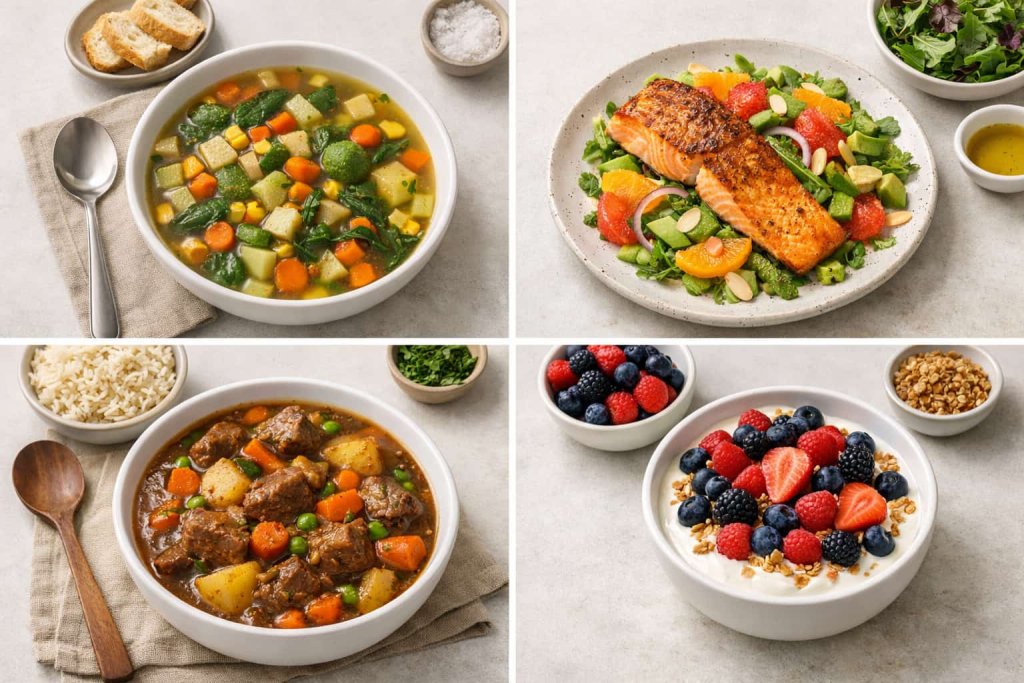
Use these as templates and swap ingredients based on what you like and what’s available.
Broth-based vegetable soup
Bone broth + beans + tomatoes + kale
How to make it more collagen-supporting:
- Add bell peppers (vitamin C)
- Use lentils for extra fiber
- Finish with lemon juice for brightness (and vitamin C)
Salmon with citrus
Skin-on salmon + orange/grapefruit salad + roasted broccoli
Easy upgrades:
- Add a scoop of quinoa or brown rice for fiber
- Top with pumpkin seeds (a zinc source)
- Use olive oil + citrus as dressing for a simple, whole-food sauce
Slow-cooked stew
Shank/oxtail + carrots + tomatoes + peppers + beans
Why it works:
- Slow-cooked cuts provide connective tissue
- Tomatoes and peppers add vitamin C
- Beans add fiber and minerals
Practical tip: - Make a batch and freeze portions for an easy, repeatable routine
High-protein snack
Plain yogurt + berries (vitamin C) + optional unflavored gelatin (per label)
Options to improve balance:
- Add chia seeds or ground flax for fiber
- Add nuts for minerals like zinc and copper
- If you prefer dairy-free, use a soy-based yogurt and keep the same berry + seed combo
People Also Ask style questions
What food has the most collagen?
Foods with the most collagen are typically connective-tissue-rich animal foods, such as skin-on poultry and fish, and slow-cooked cuts that include cartilage and tendons. Bone broth can contribute collagen-derived gelatin, but the exact amount varies by product and preparation.
Does vitamin C help collagen?
Vitamin C is a key nutrient involved in collagen formation, which is why vitamin C–rich fruits and vegetables are commonly recommended alongside protein foods.
Is bone broth a reliable collagen source?
Bone broth may provide collagen-derived gelatin, but its protein/collagen content can vary widely. If you use it, treat it as one part of an overall balanced eating pattern.
Who should be more cautious
For most people, collagen-rich foods can fit into a balanced diet, but these are smart cautions:
- Sodium-sensitive diets: packaged broths can be high in sodium; compare labels and choose lower-sodium options when possible.
- Food allergies or intolerances: fish, shellfish, and certain broth ingredients can be triggers.
- Low appetite or limited protein intake: broth alone is not a complete meal—pair it with protein- and fiber-rich foods for overall nourishment.
If you have a medical condition that affects diet (for example, kidney disease or a condition requiring protein or sodium limits), it’s best to follow your clinician’s nutrition guidance.
FAQs
1) What are the best collagen-rich foods to eat daily?
Bone broth (as part of meals), skin-on fish or poultry, and slow-cooked connective-tissue cuts are the most practical options. Add vitamin C produce to support collagen formation.
2) Are collagen-rich foods only animal-based?
Direct dietary collagen is mostly found in animal connective tissues and gelatin. Plant foods can still support collagen production by supplying vitamin C and other nutrients.
3) Can I get “collagen benefits” without supplements?
Many people focus on a food-first pattern: adequate protein, vitamin C–rich fruits and vegetables, and connective-tissue foods if desired. This supports overall nutrition quality.
4) How often should I eat vitamin C foods for collagen support?
Regular intake matters more than timing. Including vitamin C produce daily is a practical approach because vitamin C is involved in collagen formation.
5) Is gelatin the same as collagen?
Gelatin is derived from collagen through processing and is used as a food ingredient.
6) What’s a simple collagen-supporting breakfast?
Plain yogurt with berries (vitamin C) and nuts/seeds (minerals), plus an overall protein-focused day, is a practical wellness-friendly option.
7) What’s the biggest mistake people make with collagen foods?
Relying on one trendy item (like bone broth) while ignoring overall diet quality. Collagen support works best as part of a balanced eating pattern.
Conclusion
If your goal is to eat more collagen-rich foods for nutrition and overall wellness, focus on connective-tissue foods (bone broth, skin-on poultry or fish, slow-cooked cuts) and consistently include vitamin C–rich fruits and vegetables. Build balanced meals with protein, fiber, and minimally processed foods, and you’ll cover both “collagen foods” and the nutrients that support collagen production.
This content is for informational purposes only and not medical advice.