
Pecans are rich in heart-healthy fats, fiber, and antioxidants that may support cardiovascular, brain, and metabolic health. These nutrient-dense nuts are more than just a dessert ingredient — they’re a powerhouse of wellness backed by modern research. Understanding the health benefits of pecans helps you make better dietary choices for cholesterol control, blood sugar balance, and overall vitality.
Recent studies (News-Medical, 2025) show that adding a small handful of pecans daily can improve diet quality and lower “bad” LDL cholesterol. Let’s explore how these buttery nuts contribute to nutrition, metabolism, and long-term wellness.
What Makes Pecans So Healthy? (Nutritional Profile)
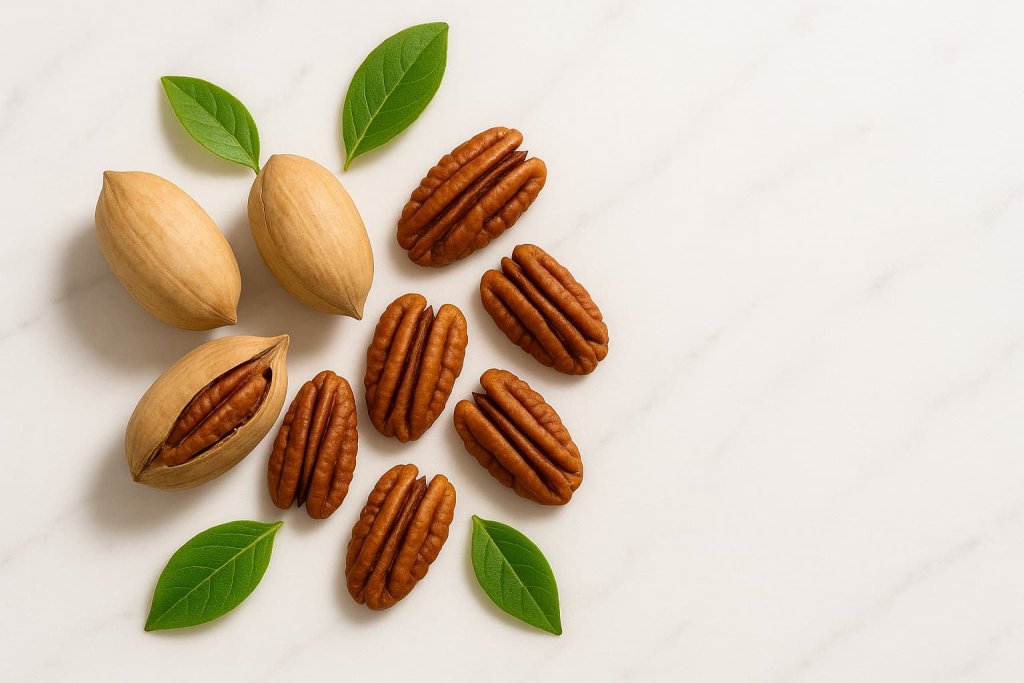
Pecans (Carya illinoinensis) are nutrient-dense tree nuts native to North America, celebrated for their rich flavor and powerful nutrition. They are packed with heart-friendly monounsaturated fats, plant protein, fiber, and essential vitamins and minerals that together support long-term health and balanced metabolism.
According to the U.S. Department of Agriculture (USDA) FoodData Central and the National Institutes of Health (NIH) Office of Dietary Supplements, pecans provide more than just healthy fats — they deliver key micronutrients that contribute to heart, brain, and bone wellness.
Nutritional Value of Pecans (per 1 oz / 28 g serving)
| Nutrient | Amount | % Daily Value (DV) | Health Function |
|---|---|---|---|
| Calories | 196 kcal | — | Energy for daily metabolism |
| Protein | 2.6 g | 5% | Builds and repairs tissues |
| Total Fat | 20.4 g | 26% | Mostly monounsaturated; supports heart health |
| Saturated Fat | 1.8 g | 9% | Minimal content, heart-friendly ratio |
| Monounsaturated Fat | ~12 g | — | Supports healthy cholesterol balance |
| Polyunsaturated Fat | ~6 g | — | Source of omega-6 fatty acids |
| Carbohydrates | 3.9 g | 1% | Provides energy; low glycemic impact |
| Dietary Fiber | 2.7 g | 10% | Promotes digestive health and satiety |
| Sugars | 1.1 g | — | Naturally occurring |
| Magnesium | 34 mg | 8% | Supports muscle and nerve function |
| Manganese | 1.3 mg | 60% | Antioxidant enzyme cofactor |
| Thiamin (Vitamin B1) | 0.18 mg | 12% | Aids energy metabolism and brain function |
| Zinc | 0.9 mg | 8% | Supports immune and skin health |
| Copper | 0.3 mg | 30% | Contributes to red blood cell formation |
| Phosphorus | 78 mg | 6% | Helps maintain strong bones and teeth |
| Vitamin E (Alpha-tocopherol) | 0.4 mg | 2% | Antioxidant protection for cells |
| Potassium | 116 mg | 2% | Helps regulate blood pressure |
Data Source: USDA FoodData Central, updated 2025.
Why These Nutrients Matter
- Monounsaturated fats (like oleic acid) help maintain healthy cholesterol ratios and support heart health, per the American Heart Association.
- Dietary fiber supports digestive health, promotes fullness, and may help stabilize blood sugar levels.
- Manganese, zinc, and copper act as cofactors for antioxidant enzymes that protect against cellular oxidative stress.
- Thiamin and vitamin E contribute to nerve and cognitive function.
- Plant sterols and polyphenols naturally found in pecans may further support vascular and metabolic wellness.
In short, pecans are a compact source of essential nutrients that support multiple body systems — making them a scientifically supported addition to a balanced diet.
10 Proven Health Benefits of Pecans (Backed by Science)
Modern research confirms that pecans are more than just a tasty snack—they’re a nutrient-dense food that supports multiple aspects of health. From heart function and blood sugar balance to brain and bone strength, pecans are rich in essential nutrients that promote long-term wellness.
1. Supports Heart Health
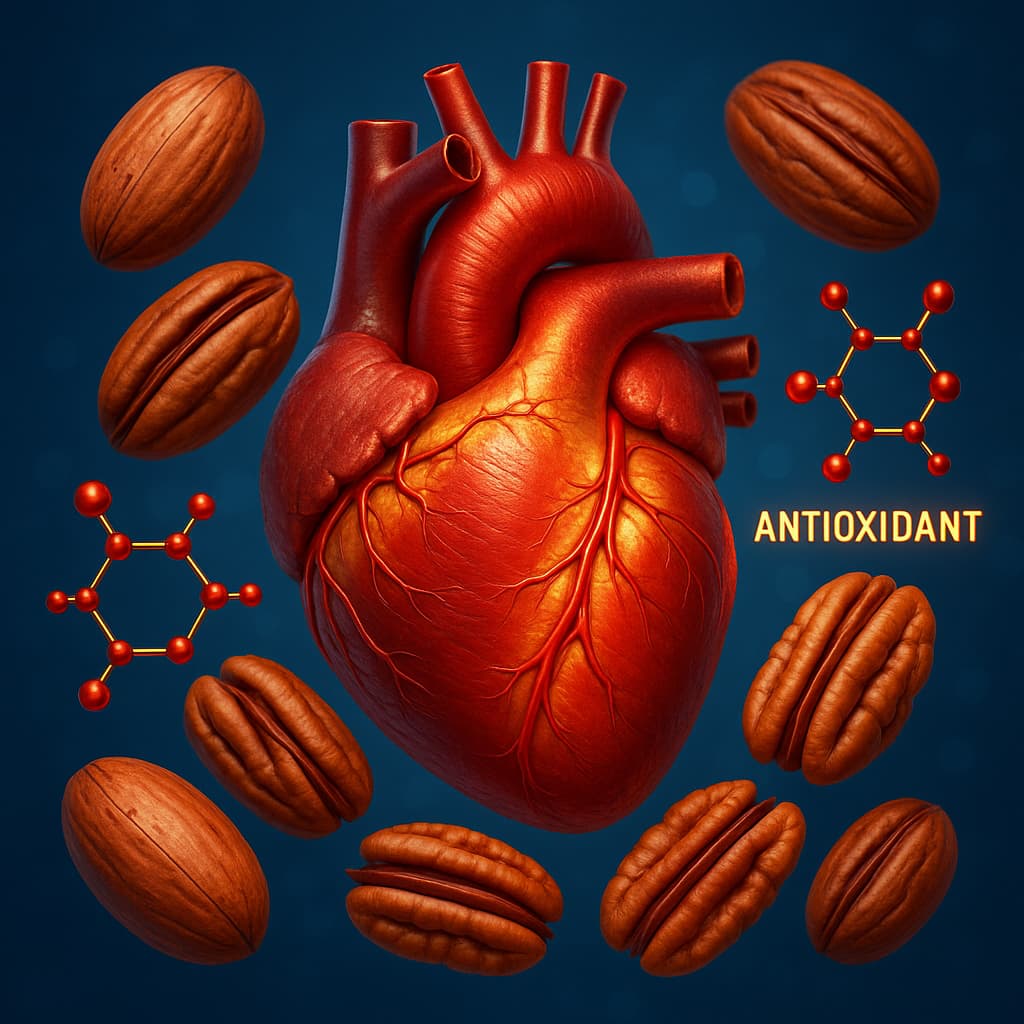
Pecans are an excellent source of monounsaturated fats, particularly oleic acid, which may help lower “bad” LDL cholesterol and support overall cardiovascular wellness. According to a 2025 randomized clinical trial published via News-Medical, adults who consumed 57 g of pecans daily for 12 weeks experienced a 6% reduction in LDL cholesterol and improved lipid ratios compared to a control group.
Pecans also:
- Contain plant sterols, which support cholesterol balance by reducing intestinal absorption of cholesterol.
- Provide magnesium and potassium, minerals known to help regulate blood pressure and vascular tone (American Heart Association).
- Are naturally low in sodium and free of trans fats, making them an ideal heart-smart snack.
Including a handful of pecans daily as part of a Mediterranean-style diet may support optimal lipid levels and arterial health.
2. May Help Balance Blood Sugar
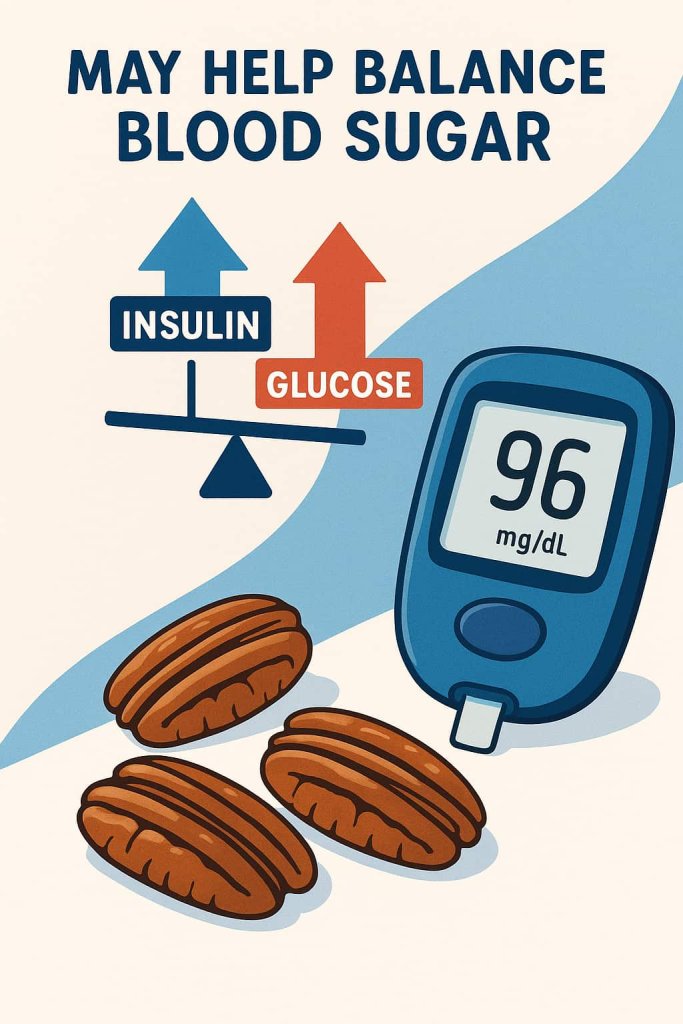
Despite being calorie-dense, pecans have a low glycemic index and are beneficial for maintaining steady blood sugar levels. Their mix of fiber, healthy fats, and polyphenols slows carbohydrate absorption, preventing sharp glucose spikes.
A 2023 study published in the Journal of Functional Foods and summarized by the National Institutes of Health (PMC) found that pecan phenolic extracts improved insulin sensitivity and reduced fat accumulation in high-fat diet models. This suggests pecans may play a supportive role in managing metabolic health and insulin function when incorporated into a balanced eating plan.
3. Rich in Antioxidants
Pecans are among the top 15 antioxidant-rich foods according to the USDA ORAC database. They contain ellagic acid, flavonoids, and vitamin E, all of which help neutralize free radicals and protect against oxidative damage.
These antioxidants may support cellular health, slow oxidative stress-related aging, and reduce inflammation over time. A review by the Harvard T.H. Chan School of Public Health notes that regular nut consumption is associated with reduced markers of chronic inflammation—a key factor in long-term heart and metabolic health.
4. Supports Brain and Nerve Function

The brain thrives on nutrients like vitamin E, thiamin (B1), and manganese, all abundant in pecans. These compounds protect nerve cells from oxidative stress and support cognitive performance.
A 2024 study highlighted by PsyPost found that participants consuming a pecan-enriched shake showed improved memory and attention compared with those consuming a high-saturated-fat shake. Over time, incorporating nuts such as pecans may support healthy brain aging and mental clarity.
5. Promotes Digestive Health
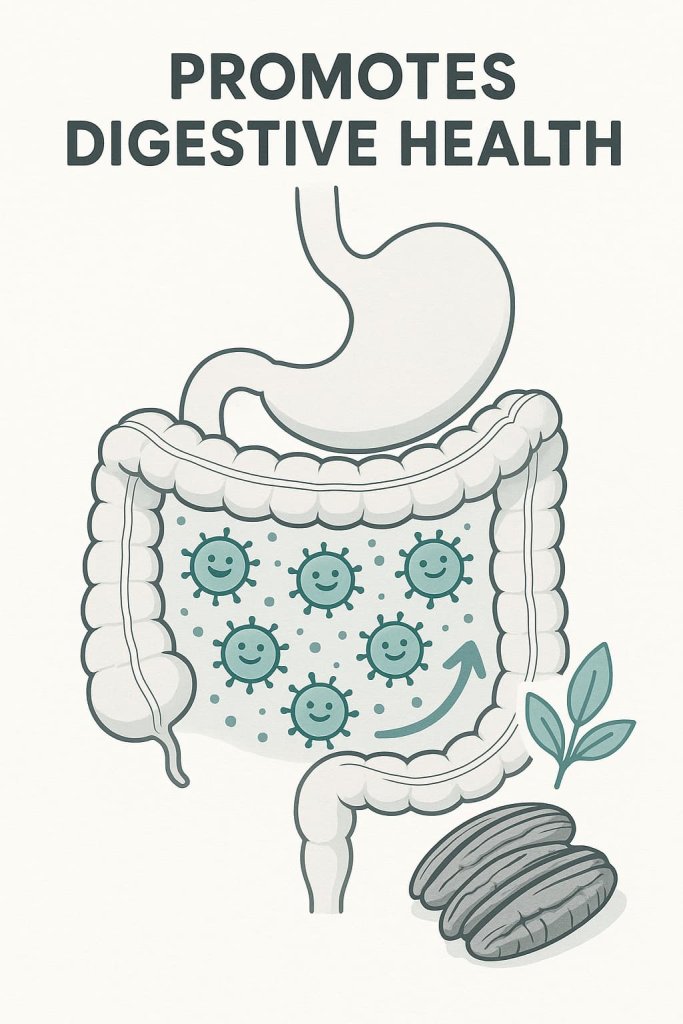
Pecans provide nearly 3 grams of fiber per ounce, which promotes regular bowel movements and supports a balanced gut microbiome. Soluble fiber helps nourish beneficial gut bacteria, aiding in the production of short-chain fatty acids (SCFAs)—important compounds for gut and immune health.
Recent evidence from News-Medical indicates that pecan consumption can increase SCFA-producing bacteria, improving gut diversity and overall digestive balance. Including pecans with other fiber-rich foods such as fruits and whole grains may further enhance gut health.
6. May Support Weight Management

Although pecans are calorie-dense, research shows they can support healthy weight management when enjoyed in moderation. Their balanced mix of plant-based protein, healthy fats, and dietary fiber promotes satiety and may help reduce overall calorie intake throughout the day.
According to the Cleveland Clinic, replacing refined snacks with nuts like pecans may help control hunger and support sustainable weight goals. Nuts are nutrient-rich and satisfying, helping people consume fewer empty-calorie foods and maintain steady energy levels.
A long-term analysis by the Harvard T.H. Chan School of Public Health also found that adults who regularly ate at least half a serving of nuts daily (≈15 g) were 16% less likely to become obese over a four-year period compared to non-nut eaters.
A practical serving of 1 oz (≈28 g or about 19 pecan halves) makes an ideal portion for mindful snacking. When pecans are eaten as a substitute for processed or sugary snacks, they can help improve diet quality, manage appetite, and support long-term weight balance — aligning with evidence-based guidance for healthy eating and weight control.
7. Boosts Skin and Hair Health
Pecans supply vitamin E and zinc, two nutrients that support healthy skin and hair. Vitamin E acts as an antioxidant that helps protect against UV damage and oxidative stress, while zinc contributes to collagen formation and wound healing.
Research from the National Institutes of Health Office of Dietary Supplements shows that vitamin E supports skin barrier integrity, and zinc helps regulate cell repair and regeneration. Regular consumption of nuts rich in these micronutrients may support a glowing complexion and strong, healthy hair.
8. Supports Immune Function
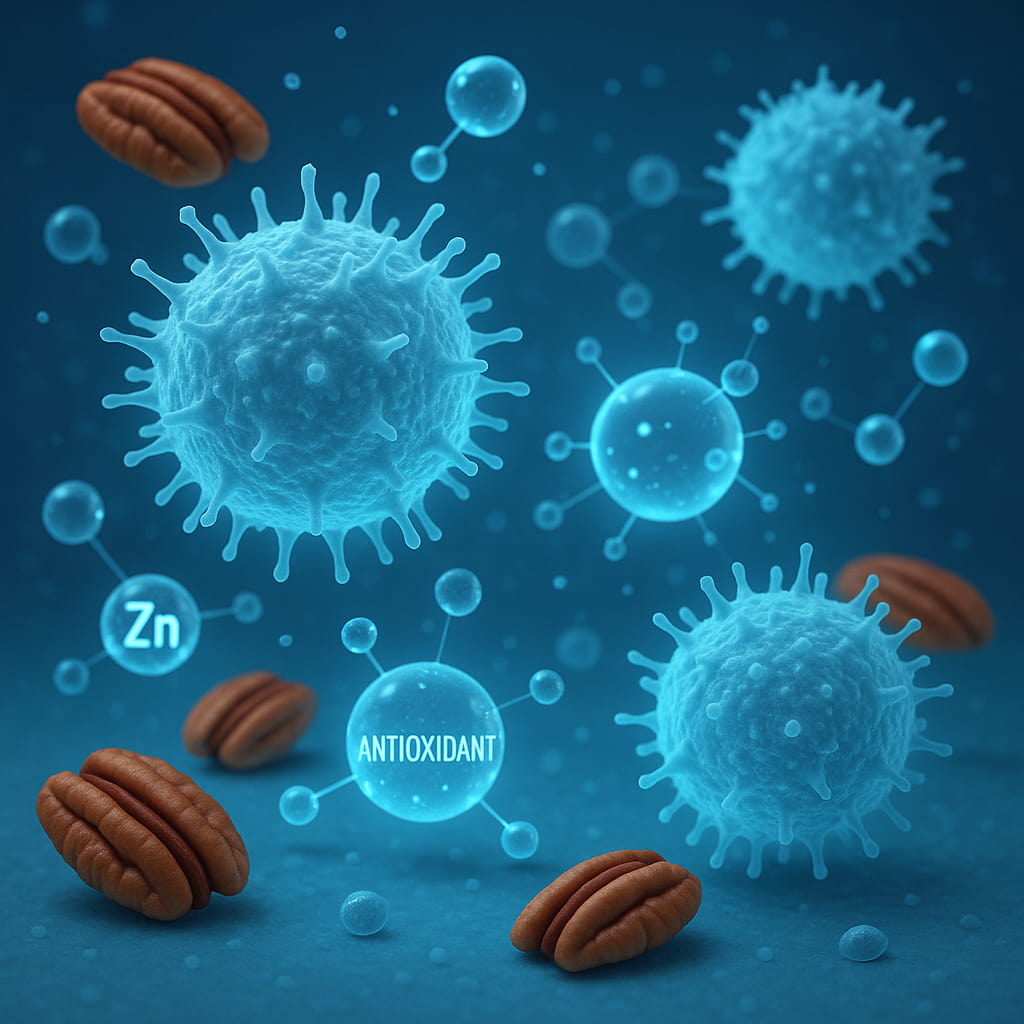
Pecans contain key minerals—zinc, manganese, and copper—that are vital for immune defense. These trace elements are involved in antioxidant enzyme systems such as superoxide dismutase (SOD), which protects immune cells from oxidative stress.
According to the NIH Office of Dietary Supplements, zinc plays an essential role in immune cell development and wound healing. Regular intake of zinc-containing foods like pecans can help maintain immune resilience, especially during periods of stress or illness.
9. Contributes to Strong Bones
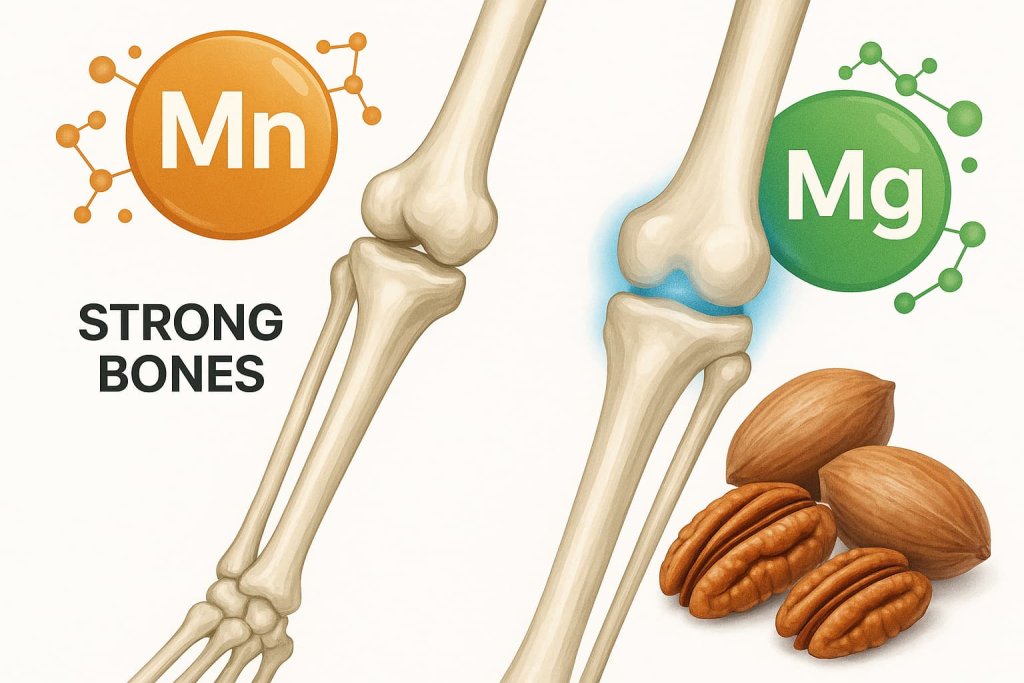
Pecans are a natural source of manganese, phosphorus, and magnesium, all crucial for maintaining bone density and strength. These minerals work together to form bone matrix and support calcium utilization.
Observational data from the Harvard T.H. Chan School of Public Health highlight that adequate magnesium intake may help preserve bone mineral density and lower the risk of fractures in aging adults. Including nuts such as pecans can contribute to an overall bone-supportive diet.
10. Enhances Overall Wellness
Incorporating pecans into your diet can improve diet quality and metabolic balance. The 2025 News-Medical study demonstrated that participants replacing processed snacks with pecans not only improved cholesterol levels but also reduced added sugar intake and increased nutrient density.
By providing sustained energy, healthy fats, and plant-based micronutrients, pecans support heart, brain, and gut health simultaneously, aligning well with the principles of a balanced, whole-food diet. For the best results, enjoy pecans alongside fruits, vegetables, and whole grains as part of a heart-smart eating plan recommended by the American Heart Association.
How to Eat Pecans for Maximum Benefits

Enjoying pecans the right way helps you gain their nutritional advantages without excess calories. The U.S. Department of Agriculture (USDA) notes that one serving of pecans equals about 1 ounce (28 g, or roughly 19 pecan halves)—enough to provide healthy fats, fiber, and antioxidants while fitting easily into most calorie plans.
Best Ways to Eat Pecans
- Raw or Dry-Roasted: Raw pecans preserve their delicate antioxidants, while dry-roasting (without oil or salt) enhances flavor without adding sodium or trans fats.
- Pair with Whole Foods: Add chopped pecans to oatmeal, Greek yogurt, or salads for a satisfying crunch and extra nutrients.
- In Smoothies and Baking: Blend into smoothies, sprinkle on whole-grain toast, or mix into baked goods for sustained energy.
- Combine with Fruit or Protein: Pair with apples, berries, or a small portion of cheese for balanced blood sugar support.
For best results, replace—not add—pecans to your diet in place of processed snacks. This aligns with findings from the Harvard T.H. Chan School of Public Health, which show that regular nut consumption supports metabolic balance and heart health when part of a whole-food diet.
Possible Side Effects and Precautions (Safety & Compliance)
While pecans are widely recognized for their nutritional benefits, it’s important to understand possible side effects and precautions to ensure safe consumption. Most individuals can enjoy pecans in moderation, but certain groups should take extra care depending on allergies, medical conditions, or dietary needs.
1. Nut Allergies
Pecans belong to the tree-nut family, and individuals with tree-nut allergies should strictly avoid them. Reactions can range from mild itching and hives to life-threatening anaphylaxis. If you have a known nut allergy, always read ingredient labels carefully and consult an allergist before introducing any nut-containing foods.
➡️ Food Allergy Research & Education (FARE) – Tree Nut Allergy
2. Calorie Awareness
Pecans are calorie-dense, providing about 196 calories per 1-ounce (28 g) serving, according to USDA FoodData Central. While these calories come from heart-healthy fats, overconsumption may contribute to weight gain if not balanced with daily energy needs. Practicing portion control—around a small handful per day (≈19 halves)—is key to maintaining a healthy balance.
3. Medication Interactions
Pecans contain vitamin K and polyphenols, which may interact with blood-thinning medications such as warfarin. The National Institutes of Health (NIH) Office of Dietary Supplements advises individuals on anticoagulants to maintain a consistent vitamin K intake rather than avoiding it entirely. Consult your healthcare provider before making significant dietary changes involving nuts or leafy greens.
4. Digestive Sensitivity
Pecans are rich in healthy fats and dietary fiber, which support gut health but may cause bloating or mild digestive discomfort if consumed in large quantities—especially in individuals with sensitive digestion. The Cleveland Clinic advises introducing high-fiber foods like nuts gradually and drinking plenty of water to aid digestion. Start with small servings (about half an ounce) and pair them with balanced meals to improve tolerance. Those with gastrointestinal conditions such as IBS or SIBO should consult a healthcare provider before significantly increasing nut intake to ensure safe and comfortable digestion.
5. Pregnancy and Breastfeeding
For most individuals without nut allergies, pecans are safe and beneficial during pregnancy and breastfeeding when eaten in moderation. They provide essential nutrients such as folate, zinc, healthy fats, and antioxidants that support fetal development, brain growth, and maternal recovery. These nutrients also contribute to stable energy levels and immune function.
The American College of Obstetricians and Gynecologists (ACOG) includes nuts and seeds among the recommended protein-rich foods for a balanced prenatal diet. However, anyone with a tree-nut allergy or dietary restriction should consult a healthcare provider before adding pecans regularly to their pregnancy or breastfeeding meal plan to ensure safe and personalized nutrition.
Safety Tips for Healthy Consumption
- Moderation matters: Limit intake to about 1 oz (28 g) daily to enjoy the benefits without excess calories.
- Check labels: Many packaged pecans contain added sugar, oil, or salt—choose raw or dry-roasted varieties instead.
- Consult your doctor: Always seek professional medical advice if you’re pregnant, breastfeeding, or taking prescription medications.
- Allergy vigilance: Even trace amounts can trigger reactions in allergic individuals.
When enjoyed responsibly, pecans remain a safe, nutrient-dense food that supports overall heart, brain, and metabolic health.
Storage and Food Safety Tips
Proper storage preserves both nutrition and flavor. The USDA Food Safety and Inspection Service recommends keeping nuts in cool, dry, airtight containers to prevent rancidity caused by heat, light, and moisture.
Best Practices for Storing Pecans:
- Room Temperature: Store unopened pecans in an airtight glass jar or resealable bag for up to one month.
- Refrigeration: Extend freshness to 6–9 months by refrigerating at or below 40 °F (4 °C).
- Freezing: For long-term storage (up to one year), freeze pecans in moisture-proof bags. Thaw before use.
- Avoid Humidity & Sunlight: Exposure can cause oxidation and loss of antioxidants.
Following these practices maintains pecans’ nutrient integrity, flavor, and safety for consumption.
Frequently Asked Questions (FAQ)
Q1. How many pecans should I eat per day?
About 1 oz (28 g or ~19 halves) daily is ideal to enjoy heart and metabolic benefits without excessive calories. (USDA)
Q2. Are pecans suitable for people with diabetes?
Yes. Pecans have a low glycemic index and contain fiber and healthy fats that may support blood sugar stability when used instead of refined snacks. (NIH)
Q3. Are roasted pecans as healthy as raw ones?
Both forms are nutritious. Dry-roasted (unsalted) pecans maintain most nutrients, while avoiding added oils prevents excess sodium or trans fats.
Q4. Can Children Eat Pecans?
Yes — children can safely eat pecans as long as they do not have a tree-nut allergy. Pecans provide healthy fats, protein, and essential minerals that support growth and brain development. However, whole nuts and thick nut butters can pose a choking hazard for infants and toddlers.
The American Academy of Pediatrics (AAP) recommends introducing nuts gradually in age-appropriate forms, such as finely crushed pecans, smooth nut butter thinned with water or breast milk, or mixed into oatmeal or yogurt. Parents should monitor for allergic reactions and consult a pediatrician before introducing nuts if there is a family history of allergies or eczema.
Proper introduction and portion control make pecans a nutrient-dense, child-safe food that supports healthy development within a balanced diet.
Q5. Are pecans safe during pregnancy?
Yes, pecans are rich in folate, zinc, and healthy fats that may support maternal nutrition. Avoid only if allergic or advised by a healthcare provider.
Q6. How can I include pecans in a weight-loss plan?
Replace processed snacks with a small handful of pecans. Studies show that nut eaters often consume fewer empty calories overall. (Harvard Health Publishing)
Conclusion
Pecans are a scientifically supported super-nut—rich in monounsaturated fats, fiber, antioxidants, and essential minerals that support heart, brain, bone, and metabolic health. When consumed in moderation and as part of a balanced diet, they can enhance overall wellness and diet quality.
Choose raw or dry-roasted pecans, practice mindful portion control, and store them properly to retain their nutrients and flavor. Backed by studies from the USDA, Harvard Health, NIH, and Cleveland Clinic, pecans remain one of the most versatile and beneficial nuts for everyday nutrition.
This content is for informational purposes only and not medical advice.