
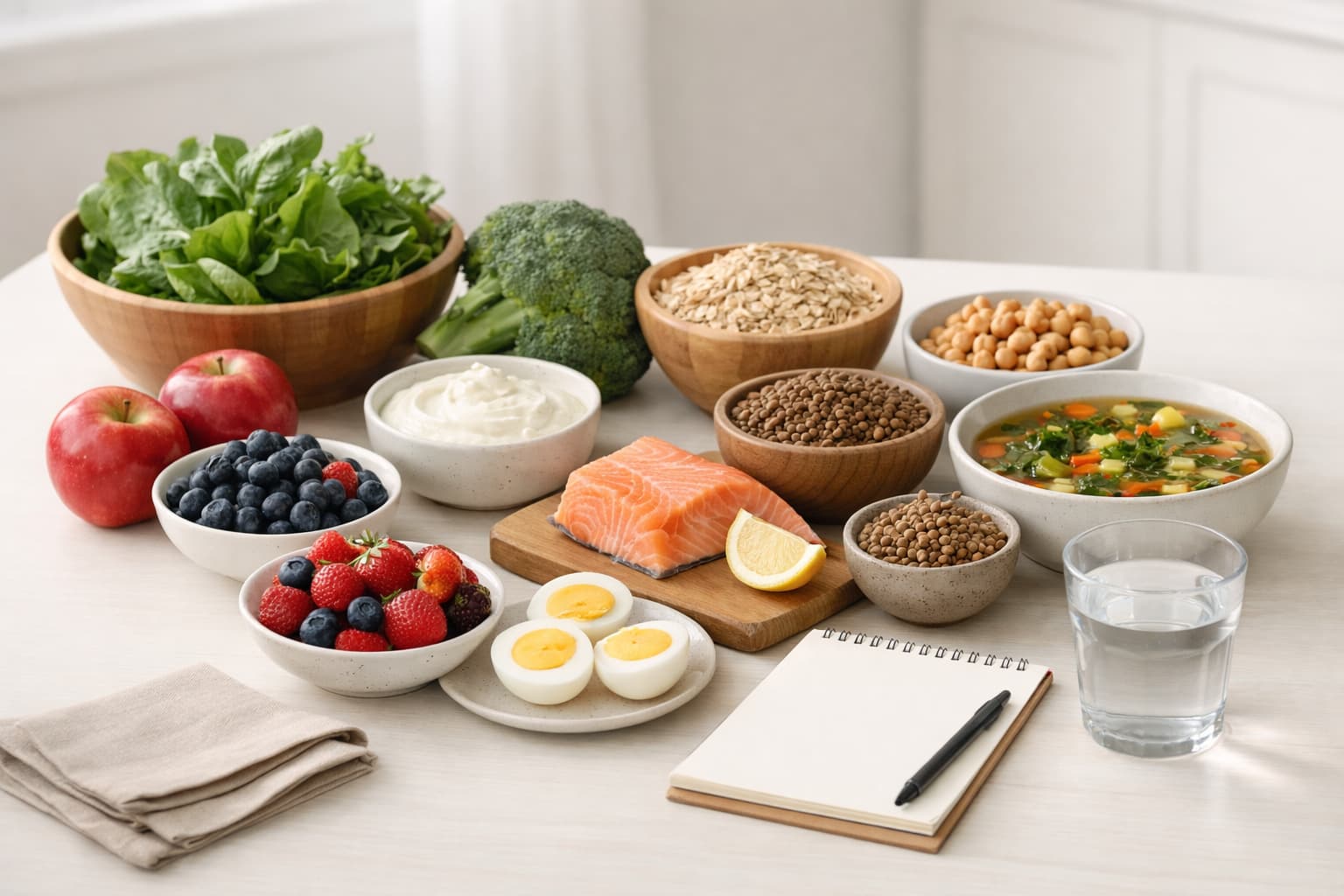
The best foods for weight loss are foods that help you feel full on fewer calories, especially vegetables, fruit, beans, lentils, oats, eggs, fish, Greek yogurt, and other lean protein foods. According to the National Institute of Diabetes and Digestive and Kidney Diseases, long-term weight loss works best when you follow a healthy eating pattern you can maintain, not when you chase one “fat-burning” food.
That matters because the right foods can make a calorie deficit much easier to stick with. The Centers for Disease Control and Prevention explains that foods like fruits and vegetables add water and fiber, which can help you feel satisfied while eating fewer calories. The Dietary Guidelines for Americans also emphasize nutrient-dense foods and beverages within calorie limits, which is the foundation of a practical weight-loss diet.
What Makes a Food Good for Weight Loss?
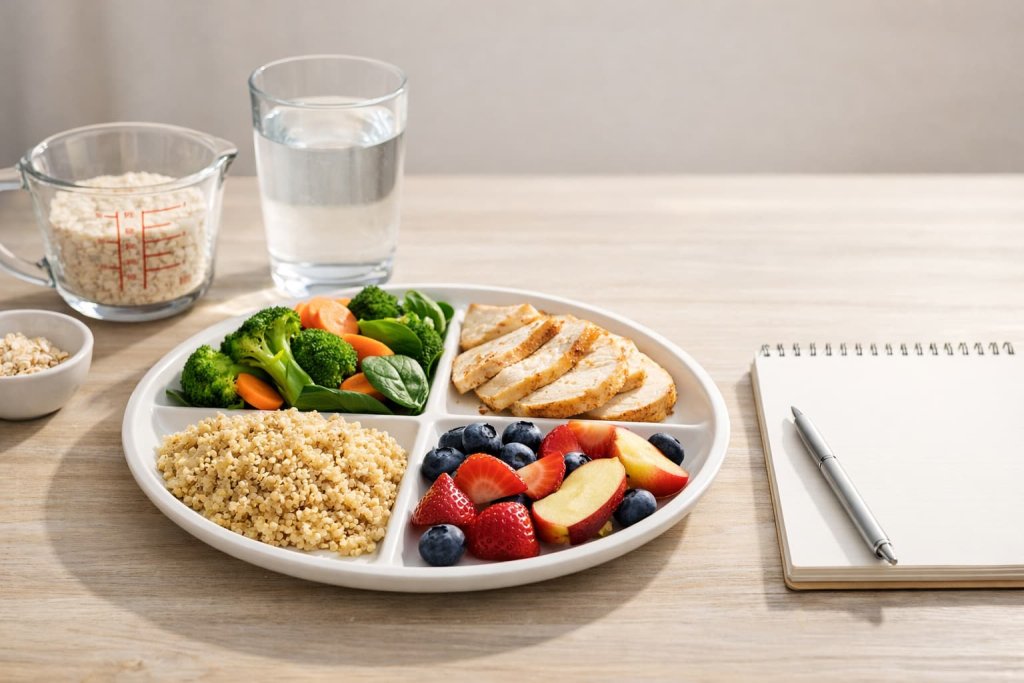
A food is usually helpful for weight loss when it does one or more of these things well:
- adds volume without too many calories
- provides fiber to support fullness
- provides protein to help you stay satisfied
- replaces more processed, higher-calorie choices
- fits into an eating pattern you can realistically maintain
In real life, the best foods for weight loss are not magic foods. They are foods that make healthy eating easier to continue week after week. Foods that improve fullness are often easier to build into a sustainable routine than foods marketed as quick fixes.
Protein and fiber matter most here. Research indexed by PubMed shows that protein can improve satiety and may help reduce overall energy intake. Fiber-rich foods also tend to support fullness, especially when they come from minimally processed foods like vegetables, fruit, beans, lentils, and oats.
Best Foods for Weight Loss Table
| Food | Why It Is a Good Choice | How It Helps for Weight Loss | Best Way to Eat It |
|---|---|---|---|
| Non-starchy vegetables | Low in calories and high in water and fiber | Helps you eat larger, filling portions with fewer calories | Add to lunch and dinner plates, soups, stir-fries, salads, and omelets |
| Whole fruit | Naturally sweet and contains fiber and water | Helps control sweet cravings and supports fullness | Eat whole as a snack or pair with yogurt or oats |
| Beans, lentils, and peas | Rich in fiber and plant protein | Keeps you full longer and may reduce overeating between meals | Add to soups, salads, grain bowls, tacos, and stews |
| Oats and other whole grains | Higher in fiber than many refined grains | Supports fullness and can help steady appetite | Use plain oats for breakfast or serve whole grains in moderate portions with protein |
| Eggs | Protein-rich and easy to prepare | Makes meals more satisfying and may reduce hunger later | Pair with vegetables or fruit for a balanced breakfast or snack |
| Greek yogurt | High in protein and versatile | Helps with fullness and works well as a balanced snack or breakfast | Choose plain Greek yogurt and add berries, oats, or seeds |
| Fish | Satisfying source of protein | Supports fullness and can replace higher-calorie processed meals | Bake, grill, or air-fry and serve with vegetables |
| Chicken breast and other lean proteins | High in protein with less extra saturated fat | Helps maintain satisfaction while keeping calories more controlled | Pair with vegetables and a small portion of whole grains or beans |
| Nuts and seeds | Nutrient-dense and rich in healthy fats | Helps curb hunger when eaten in small, measured portions | Use as a topping for yogurt, oatmeal, or salads, or eat a small portion as a snack |
| Vegetable-based soups | High in volume and often lower in calories | Helps fill you up before or during meals, which may reduce total calorie intake | Choose broth-based soups with vegetables, beans, or lean protein |
15 Best Foods for Weight Loss
These 15 foods stand out because they are rich in protein, fiber, water, or other nutrients that can support healthier, more satisfying meals.
1. Non-Starchy Vegetables
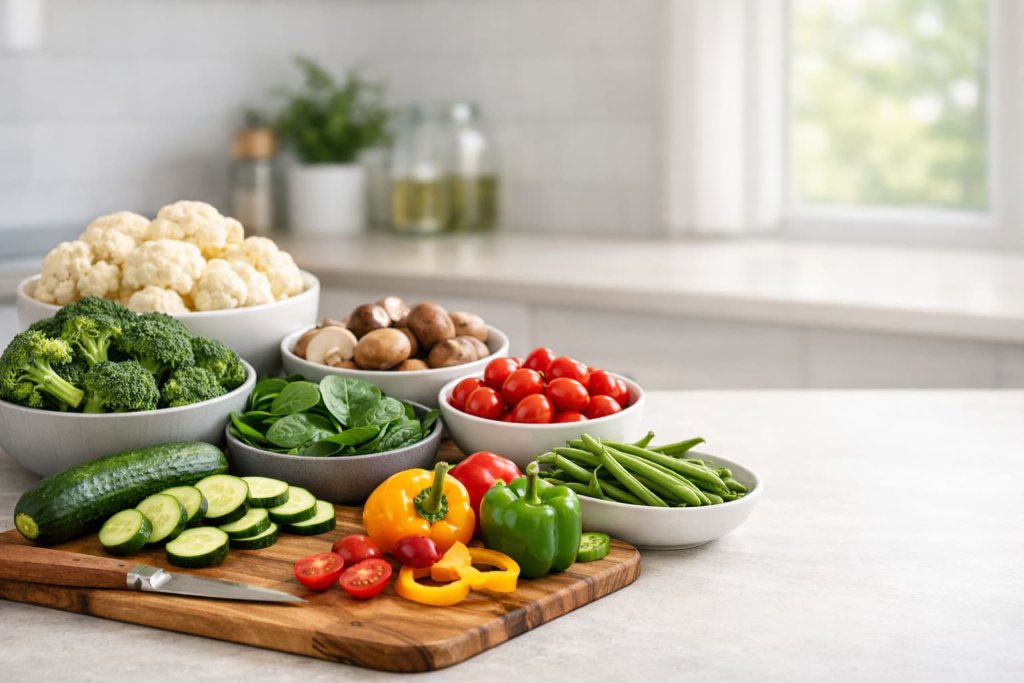
Non-starchy vegetables are one of the strongest weight-loss food groups because they give you a lot of food volume for relatively few calories. Think broccoli, cauliflower, leafy greens, cucumbers, tomatoes, zucchini, mushrooms, cabbage, peppers, and green beans.
Why they work
Vegetables help fill your plate without pushing calories too high. Their water and fiber content can make meals feel bigger and more satisfying, which is useful when you are trying to eat less overall.
Best ways to use them
- Fill at least half your lunch or dinner plate with vegetables.
- Add spinach, mushrooms, onions, or peppers to eggs.
- Mix extra vegetables into pasta, rice bowls, soups, and stir-fries.
- Start dinner with a salad or a broth-based vegetable soup.
2. Whole Fruit
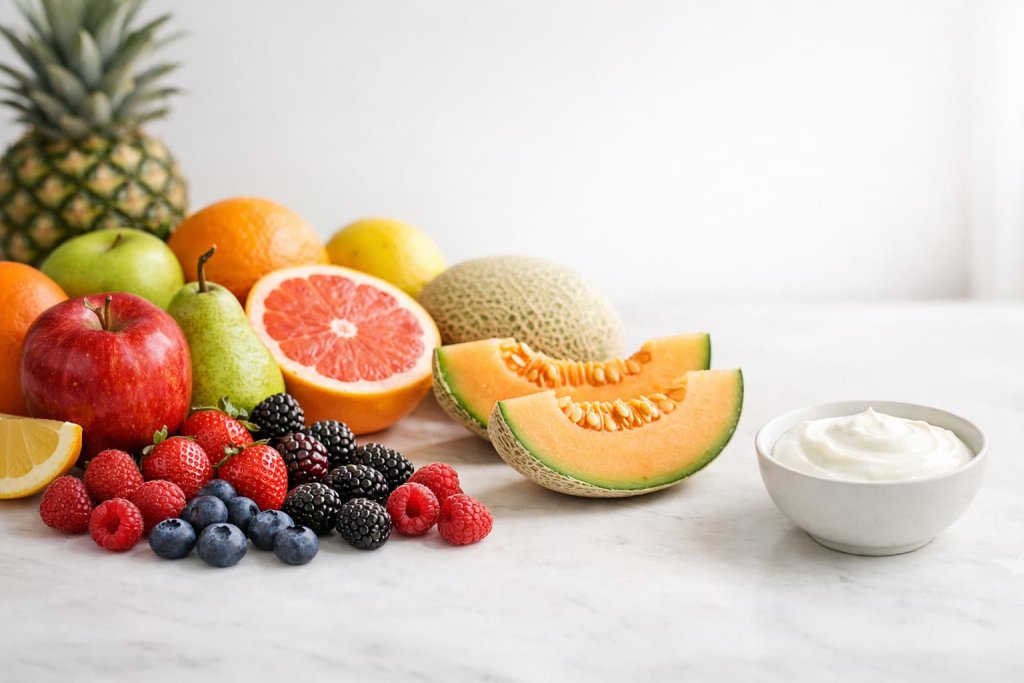
Whole fruit can satisfy a sweet craving while adding fiber, water, vitamins, and minerals. Apples, berries, oranges, pears, grapefruit, and melon are all practical choices.
Why it works
Whole fruit is usually more filling than juice or many packaged sweet snacks because it keeps its natural fiber structure. That makes it a smart replacement for pastries, candy, and dessert-like snack bars.
Best ways to use it
- Keep fruit visible and ready to eat.
- Pair fruit with Greek yogurt for a more filling snack.
- Add berries or sliced banana to oatmeal.
- Use fruit instead of sugary desserts more often during the week.
3. Beans, Lentils, and Peas
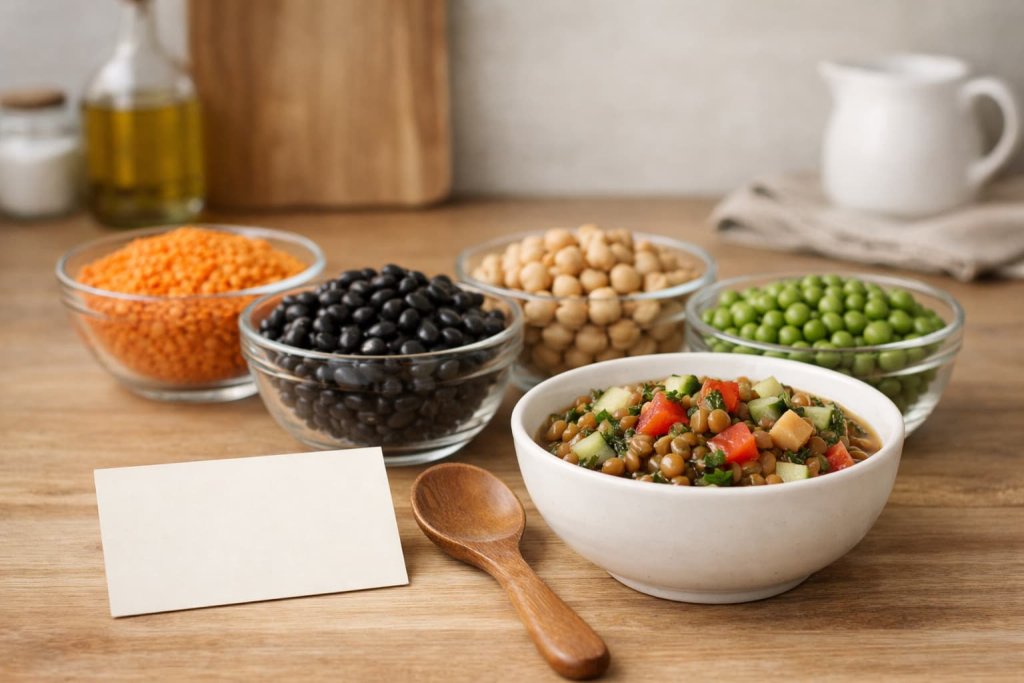
Beans, lentils, and peas are especially useful because they combine fiber and plant protein in one food. That combination can help meals feel more satisfying and may reduce the urge to snack again soon after eating.
Why they work
These foods are filling, affordable, and easy to use in simple meals. They also work well as a partial replacement for more calorie-dense processed foods or oversized meat portions.
Best ways to use them
- Make lentil soup for lunch.
- Add black beans to tacos or grain bowls.
- Toss chickpeas into salads.
- Use beans in chili, stews, and pasta dishes.
4. Oats and Other High-Fiber Whole Grains
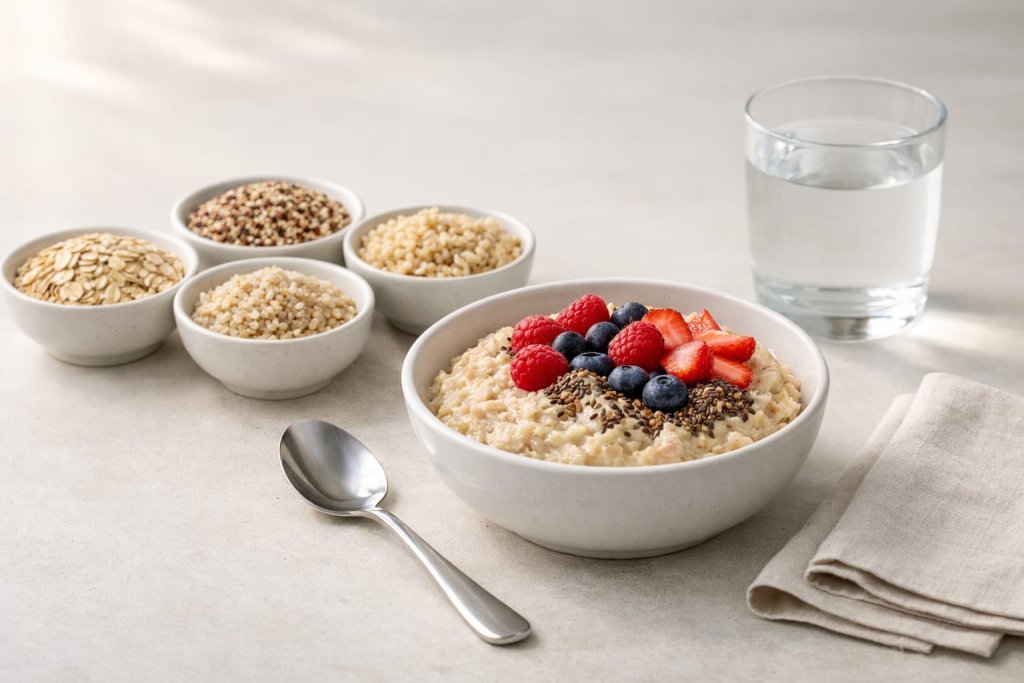
Oats are a practical weight-loss food because they are filling, affordable, and easy to portion. Other helpful whole grains include barley, bulgur, brown rice, and quinoa.
Why they work
Whole grains are not low-calorie foods, but they can support appetite control when they replace refined grains and when portions stay realistic. Oats are especially useful because they are simple, inexpensive, and easy to combine with protein and fruit.
Best ways to use them
- Choose plain oats instead of sugary instant packets.
- Add fruit and Greek yogurt or nuts to oatmeal.
- Keep rice, quinoa, and other grains to moderate portions.
- Use whole grains as part of a balanced plate, not the whole meal.
5. Eggs
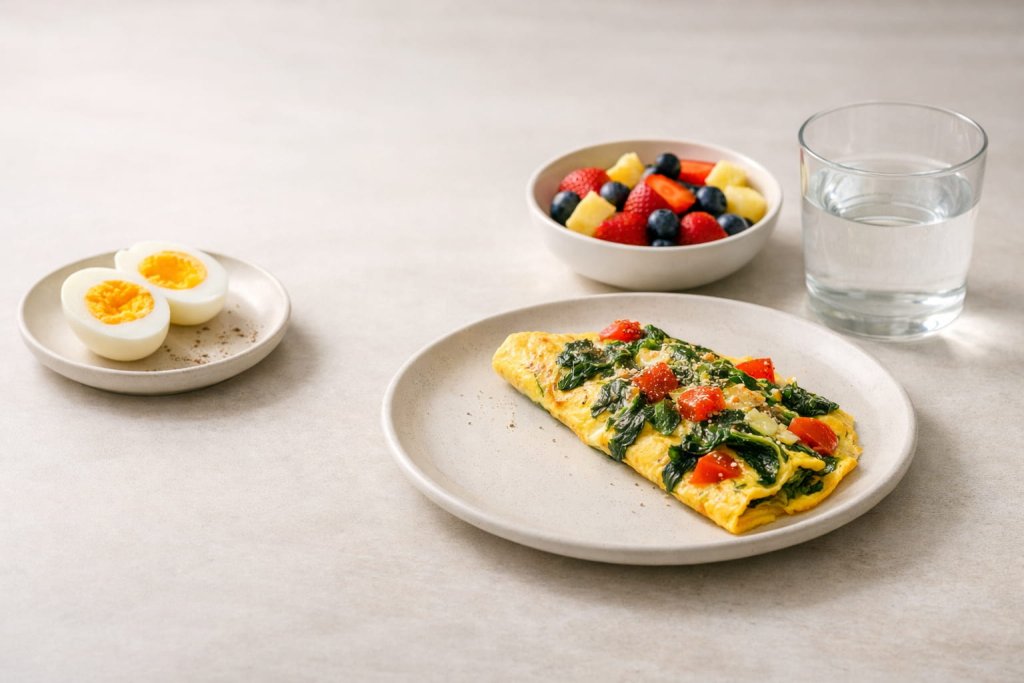
Eggs are a convenient, protein-rich food that can fit well into a weight-loss plan. They are easy to prepare and work well at breakfast, lunch, or as a snack.
Why they work
Protein helps meals feel more satisfying. Eggs are especially useful when they replace less filling breakfast choices that are mostly refined carbs and added sugar.
Best ways to use them
- Pair eggs with vegetables for breakfast.
- Keep hard-boiled eggs ready for quick meals.
- Add eggs to grain bowls or salads.
- Use eggs instead of pastries or oversized breakfast sandwiches.
6. Greek Yogurt
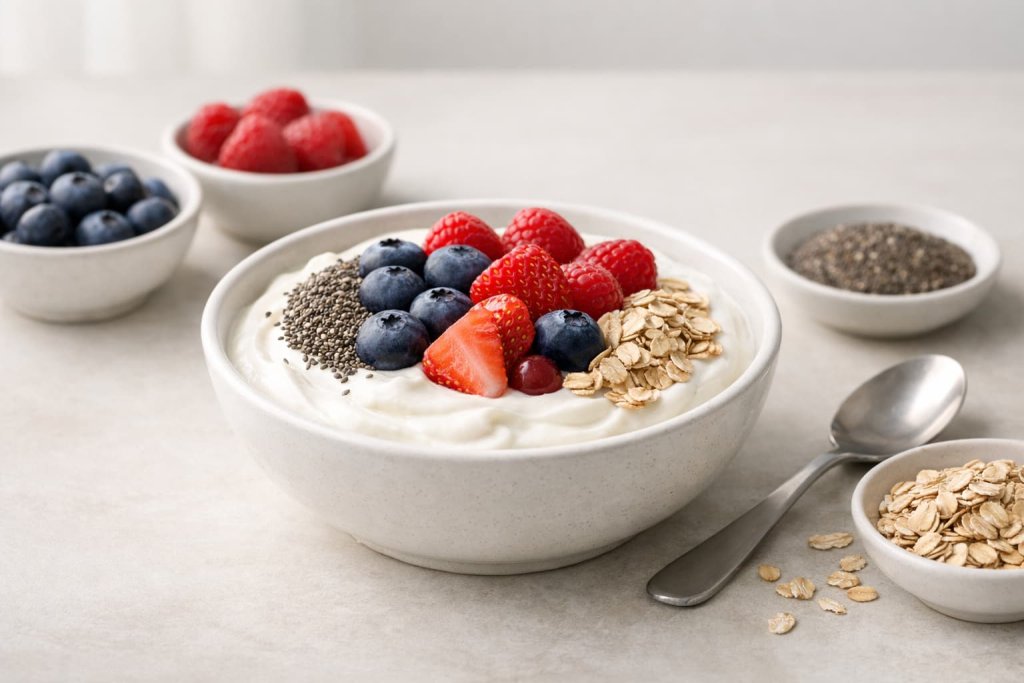
Plain Greek yogurt is often a strong option because it is relatively high in protein and easy to combine with fruit, oats, or seeds. It can work as breakfast, a snack, or a base for sauces and dips.
Why it works
Greek yogurt is filling, convenient, and easy to portion. Plain or lightly sweetened yogurt is usually a better fit for weight loss than dessert-style yogurt with a lot of added sugar.
Best ways to use it
- Add berries and cinnamon.
- Stir in oats or chia seeds.
- Use it as a base for a savory dip.
- Replace sour cream with plain Greek yogurt in some meals.
7. Fish
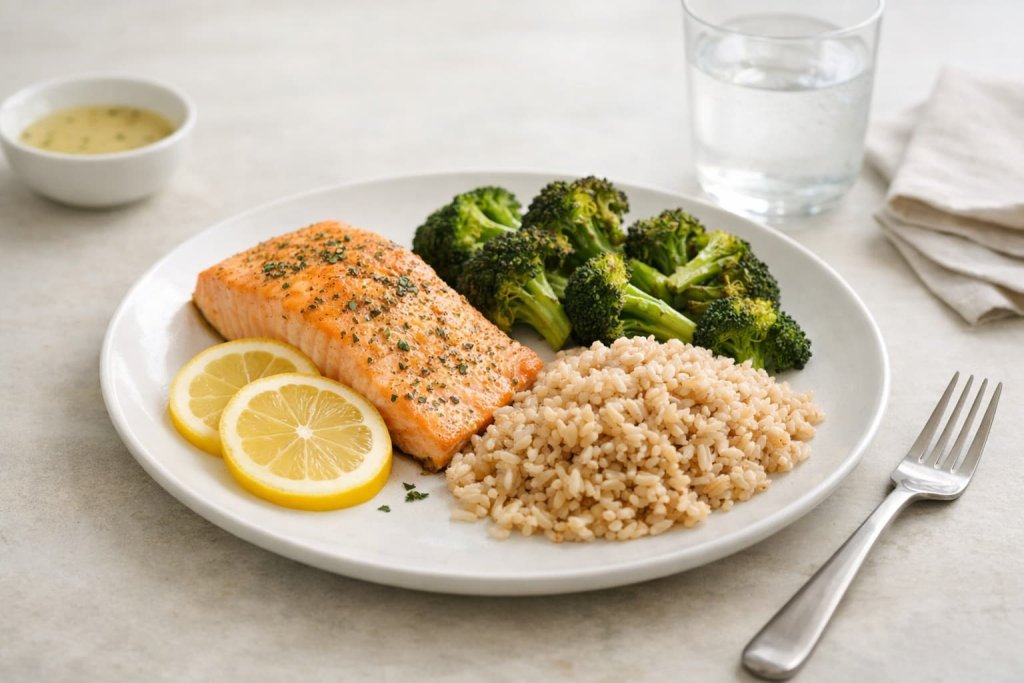
Fish can support weight loss because it provides protein and can be a satisfying replacement for higher-calorie ultra-processed meals. Salmon, tuna, sardines, cod, and tilapia can all fit.
Why it works
The main advantage is meal satisfaction. A simple fish meal with vegetables and a moderate portion of whole grains is often more filling and more nutritious than fried takeout or convenience food.
Best ways to use it
- Bake, grill, or air-fry fish instead of deep-frying it.
- Pair fish with vegetables and brown rice or quinoa.
- Add canned tuna or salmon to salads or wraps.
- Keep simple frozen fish options on hand for busy nights.
8. Chicken Breast and Other Lean Proteins
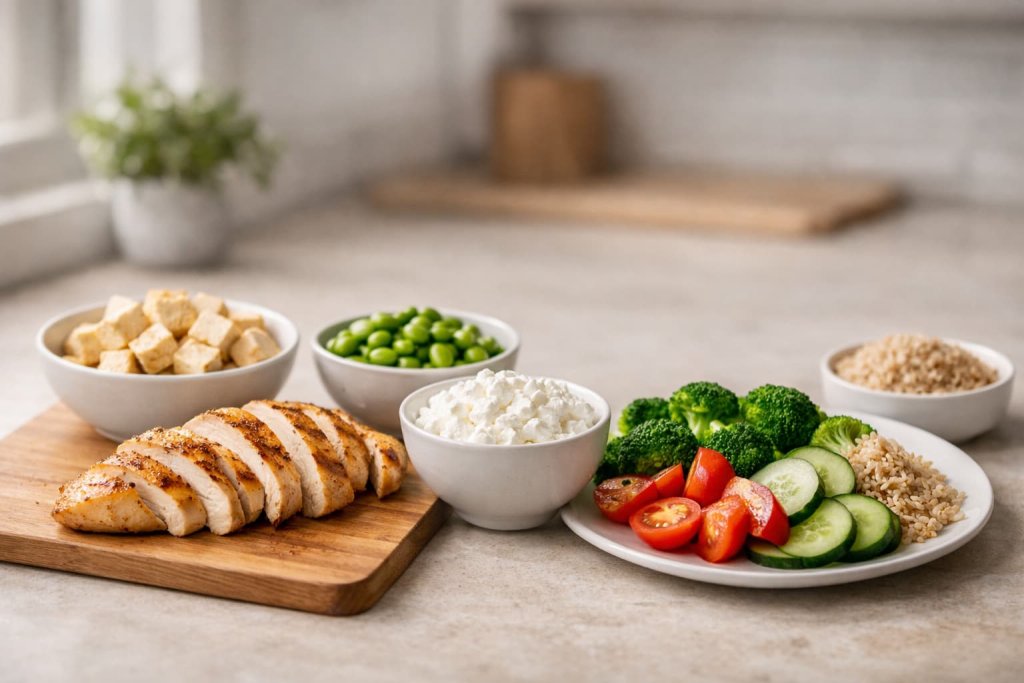
Lean proteins such as chicken breast, turkey, tofu, edamame, and low-fat cottage cheese can make weight loss easier because they support fullness without bringing a lot of extra saturated fat or calories.
Why they work
These foods make meals more satisfying and easier to structure. A simple plate with lean protein, vegetables, and a modest portion of whole grains or beans works well for many people.
Best ways to use them
- Prep lean protein ahead for quick lunches.
- Pair protein with vegetables at both lunch and dinner.
- Use tofu or edamame for plant-based meals.
- Keep portions balanced instead of doubling protein and skipping vegetables.
9. Nuts and Seeds
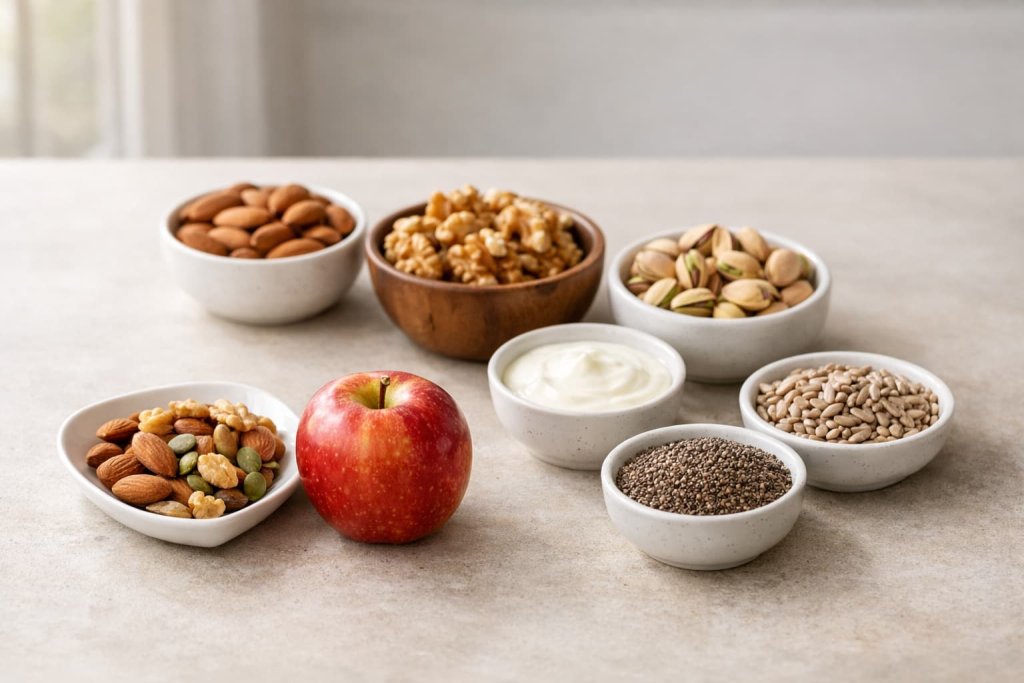
Nuts and seeds are calorie-dense, so portion size matters, but they can still be useful for weight loss. A small portion of almonds, pistachios, walnuts, chia seeds, or pumpkin seeds can add staying power to a meal or snack.
Why they work
They can help curb hunger and improve meal satisfaction, especially when used in measured amounts. They are most helpful as a small addition to meals, not as a mindless snack from a large bag or jar.
Best ways to use them
- Add a spoonful to yogurt or oatmeal.
- Pair a small handful with fruit.
- Sprinkle seeds over salads.
- Pre-portion nuts into small containers instead of eating from the package.
10. Vegetable-Based Soups
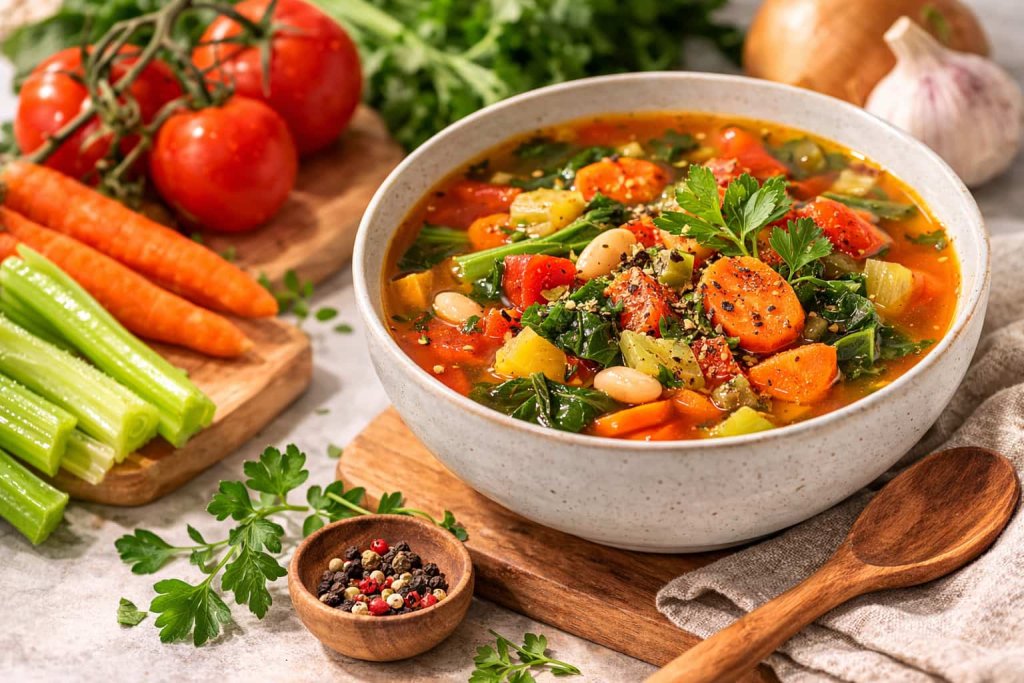
Broth-based vegetable soups can be helpful because they combine fluid, volume, and vegetables in one meal. That can make them filling for relatively few calories, especially compared with creamy soups or fast-food sides.
Why they work
Soups can help you feel satisfied early in a meal, which may reduce how much you eat afterward. The best options usually include vegetables, beans, lentils, or lean protein.
Best ways to use them
- Choose broth-based soups more often than creamy soups.
- Add beans or chicken to make soup more filling.
- Use vegetable soup as a starter before dinner.
- Watch sodium if you rely on canned soups often.
How These Foods Help With Weight Loss in Real Life
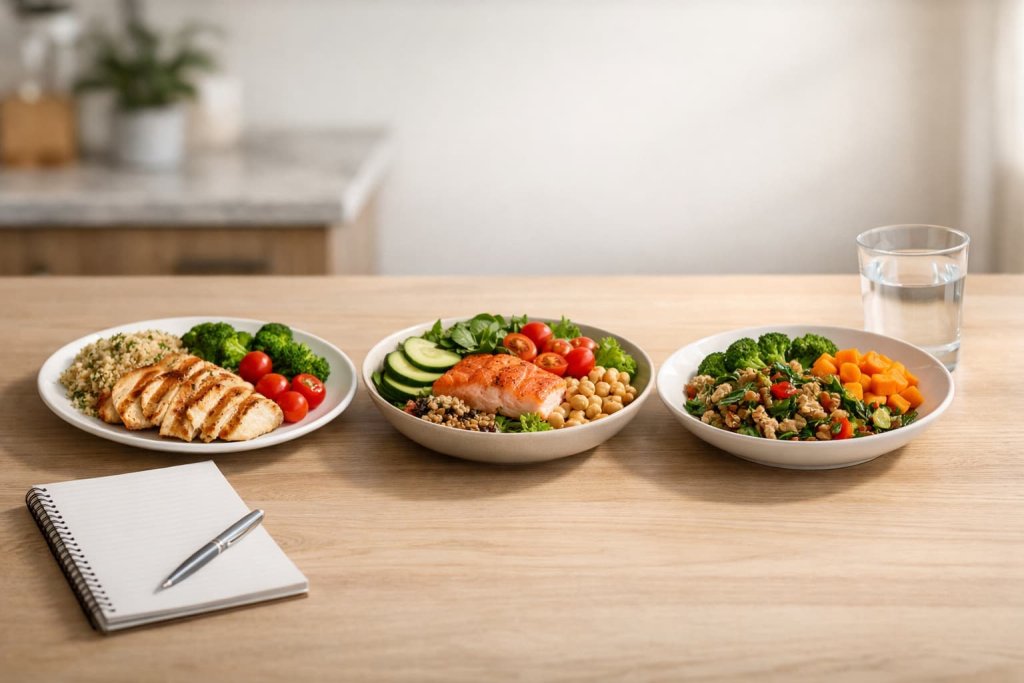
The best foods for weight loss usually work because they improve fullness, meal quality, and calorie control at the same time.
They help you feel full
High-volume foods like vegetables, fruit, and broth-based soups can help you eat a satisfying amount of food without a huge calorie load. That makes it easier to avoid feeling deprived.
They improve meal balance
Protein-rich foods such as eggs, Greek yogurt, fish, chicken, tofu, and beans can make meals more satisfying and easier to stick with. Meals that combine protein and fiber usually hold up better between meals than meals built mostly around refined carbs.
They make healthier swaps easier
Replacing pastries with oats, chips with fruit and yogurt, or fast food with a soup-and-salad lunch can lower calories without making your diet feel tiny. Small repeatable swaps usually work better than dramatic overhauls.
Foods That Are Healthy but Easy to Overeat
Some nutritious foods can still slow weight loss when portions get too large. Common examples include nuts, nut butter, granola, dried fruit, smoothies with lots of add-ins, and restaurant salads loaded with dressing and fried toppings.
That does not make these foods bad. It simply means calorie density still matters. Weight loss usually goes better when you keep these foods in reasonable portions instead of treating them as “free” foods.
Simple Meal Ideas Using the Best Foods for Weight Loss
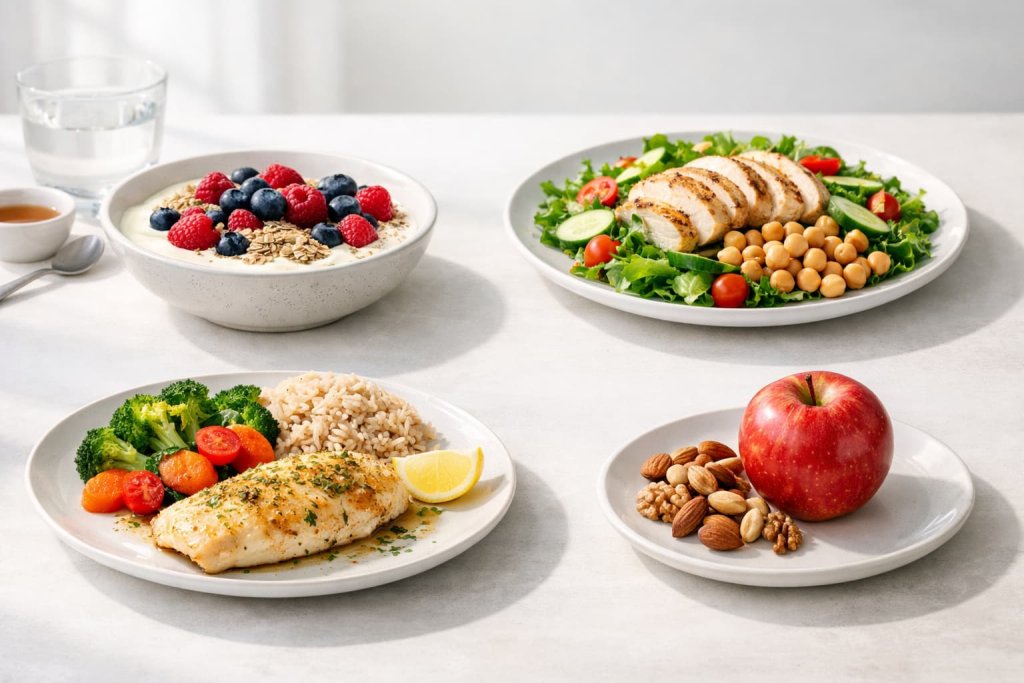
Breakfast
Plain Greek yogurt with berries and oats makes a simple high-protein, high-fiber breakfast that can support fullness through the morning.
Lunch
A big salad with grilled chicken, chickpeas, cucumbers, tomatoes, and a light dressing gives you protein, fiber, and plenty of food volume in one meal.
Dinner
Baked fish, roasted broccoli, and a moderate portion of brown rice is a balanced dinner that supports fullness without relying on heavily processed foods.
Snack Ideas
An apple with a small portion of nuts, or vegetable soup with raw vegetables and a yogurt-based dip, can help bridge meals without adding too many empty calories.
Common Mistakes When Choosing Weight-Loss Foods
Expecting one food to do all the work
No single food causes weight loss on its own. Your overall eating pattern matters much more than any one ingredient.
Ignoring portion size
Even healthy foods can add up quickly if portions are large, especially nuts, nut butters, oils, granola, and smoothies.
Drinking calories without noticing
Sugary coffees, sodas, juice drinks, and oversized smoothies can make it harder to stay in a calorie deficit.
Eating too little protein or fiber
Meals that are low in both often leave you hungry again too soon. That can make snacking and overeating much more likely later in the day.
What Amount of Weight Loss Is Realistic?
According to the National Heart, Lung, and Blood Institute, health professionals commonly suggest losing 5% to 10% of your initial weight over about 6 months, and even a 3% to 5% loss can improve some health markers.
That is why the best foods for weight loss are usually everyday foods you can keep eating long term, not extreme diet foods you get tired of in two weeks. Steady progress is usually more realistic and more sustainable than chasing very fast results.
Who These Foods Are Best For
These foods are a strong fit for adults who want a practical, sustainable way to lose weight without relying on diet products, meal-replacement fads, or overly restrictive eating plans.
They are also useful for people who want to improve meal quality first, then gradually work on portions and calories.
Who Should Be More Careful
People with diabetes, kidney disease, digestive disorders, food allergies, or other medical conditions may need more personalized guidance. Fiber intake, protein choices, potassium-rich produce, and dairy foods may need adjusting depending on your health needs.
If you take medication, have a history of disordered eating, or are trying to lose a significant amount of weight, it is smart to speak with a qualified healthcare professional before making major changes.
FAQ
What are the best foods for weight loss and belly fat?
The best foods for weight loss and belly fat are the same foods that support overall fat loss: vegetables, fruit, beans, lentils, whole grains, and lean protein foods. No food specifically targets belly fat on its own.
Are eggs good for weight loss?
Yes. Eggs can be good for weight loss because they provide protein and can make meals more satisfying. They work best as part of a balanced meal with vegetables, fruit, or whole grains.
Is rice bad for weight loss?
No. Rice is not automatically bad for weight loss. Portion size and the rest of the meal matter more. Rice usually works better when paired with vegetables and protein than when eaten in a large portion by itself.
What fruit is best for weight loss?
There is no single best fruit. Apples, berries, oranges, pears, grapefruit, and melon are all useful choices because they provide sweetness, water, and fiber.
Is peanut butter good for weight loss?
Peanut butter can fit into a weight-loss plan, but it is calorie-dense. A measured portion works better than eating it freely from the jar.
Can I lose weight without cutting out carbs?
Yes. Weight loss does not require removing carbs completely. It usually works better to focus on better carb choices, such as fruit, beans, lentils, oats, and other whole grains, while keeping portions realistic.
Are zero-calorie foods real?
Not exactly. Some foods are very low in calories, especially many non-starchy vegetables, but the more useful idea is choosing foods that give you more fullness for fewer calories.
Conclusion
The best foods for weight loss are not trendy “fat-burning” foods. They are everyday foods that help you stay full, support good nutrition, and make it easier to eat fewer calories without feeling miserable. Build most meals around vegetables, fruit, beans, lentils, whole grains, and lean protein foods, and keep portions realistic.
Start simple. Pick two or three foods from this list this week, build a few easy meals around them, and focus on consistency over perfection.