
Cashews are nutrient-dense nuts that support heart health, metabolic balance, and overall wellness.
Packed with plant-based protein, heart-friendly fats, and essential minerals like magnesium, zinc, and copper, cashews are more than just a tasty snack — they are a scientifically supported food for long-term health. Understanding their nutritional power helps you make smarter dietary choices that promote cardiovascular function, energy production, and strong bones.
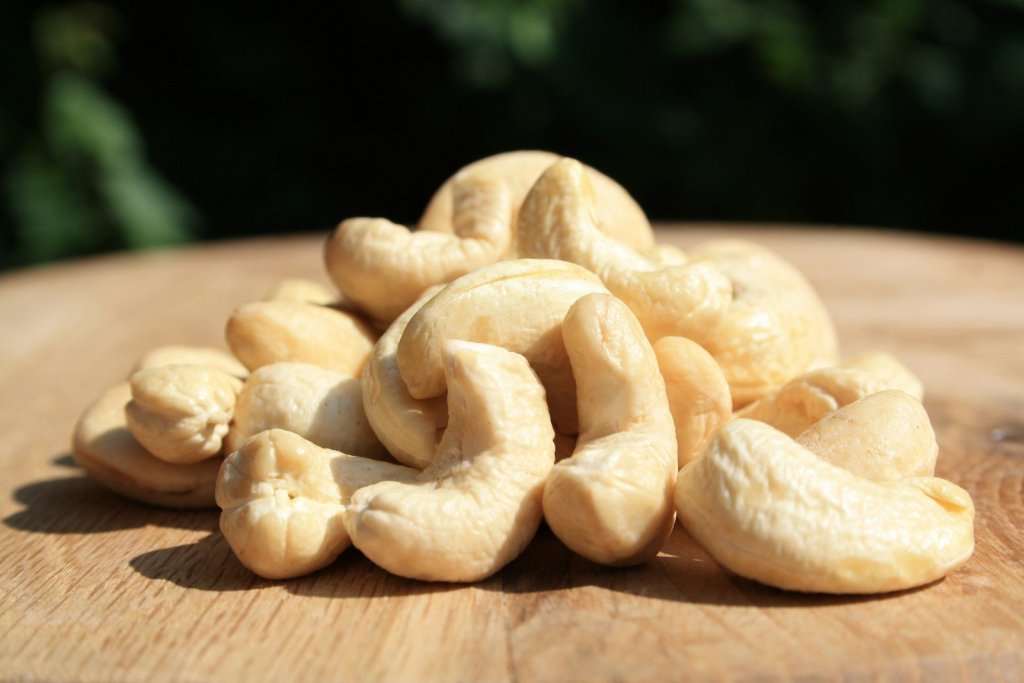
Cashews may support cholesterol management, healthy blood pressure, and weight balance when eaten in moderation as part of a balanced diet. Here’s a science-backed look at why these kidney-shaped nuts deserve a place in your routine.
What Are Cashews? (Overview and Nutrition Profile)
Cashews (Anacardium occidentale) are kidney-shaped seeds that grow from the cashew apple — the fruit of the tropical cashew tree native to Brazil and now widely cultivated in India, Vietnam, and parts of Africa. Though often classified as nuts for culinary purposes, cashews are technically seeds. They are valued worldwide for their creamy texture, mild flavor, and nutrient-rich profile that supports heart, bone, and metabolic health.
Cashews are packed with unsaturated fats, plant-based protein, fiber, and essential minerals like magnesium, copper, and zinc. These nutrients play a crucial role in energy production, bone formation, nerve function, and immune support. According to Harvard Health Publishing – Quick Start Guide to Nuts and Seeds, nuts and seeds — including cashews — can be part of a heart-healthy diet when consumed in moderation, helping to improve lipid balance and overall wellness.
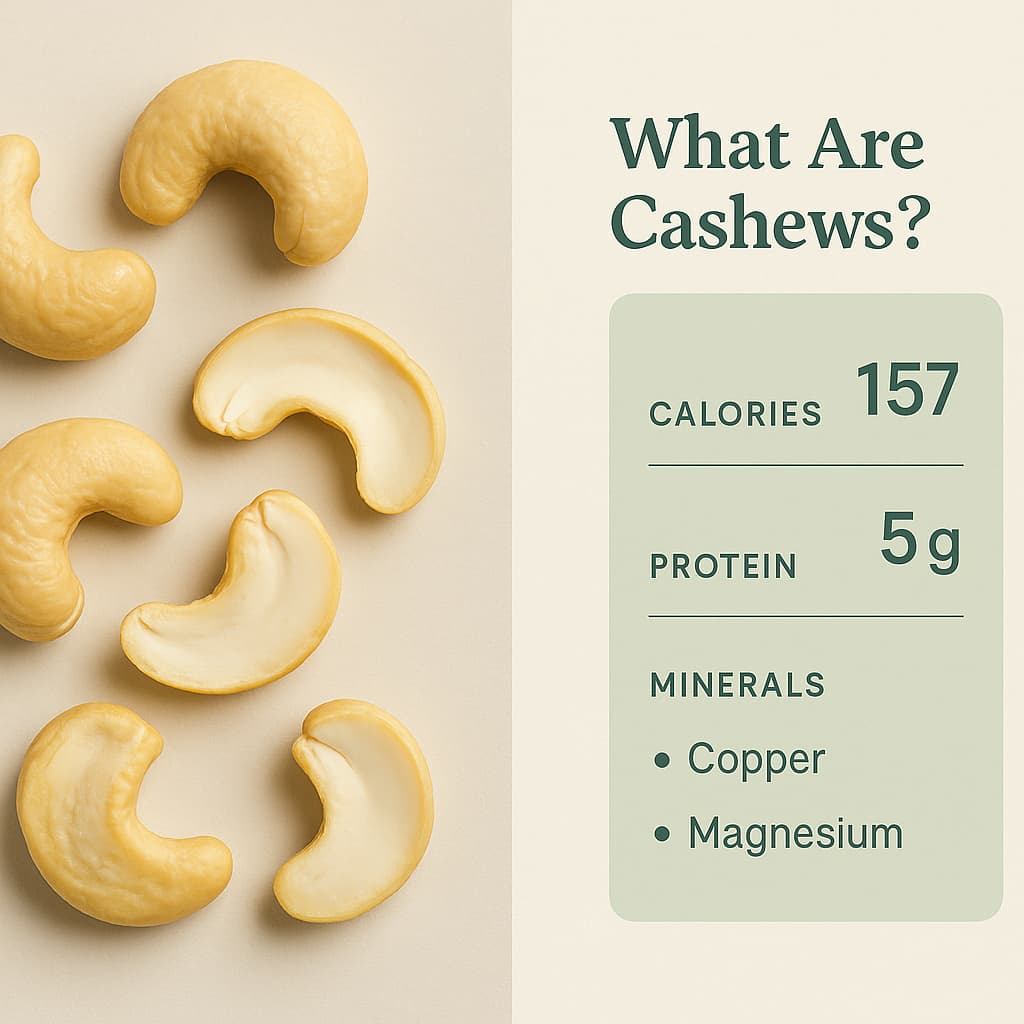
Nutrition Facts (Per 1 oz / 28 g of Raw, Unsalted Cashews)
| Nutrient | Amount | % Daily Value (DV) |
|---|---|---|
| Calories | 157 kcal | — |
| Protein | 5.2 g | — |
| Total Fat | 12.4 g | — |
| Saturated Fat | 2.2 g | — |
| Carbohydrates | 8.6 g | — |
| Fiber | 0.9 g | — |
| Magnesium | 82.8 mg | 20% |
| Copper | 0.6 mg | 67% |
| Zinc | 1.6 mg | 15% |
| Iron | 1.9 mg | 10% |
| Phosphorus | 168 mg | 13% |
Source: U.S. Department of Agriculture (USDA) – FoodData Central, 2025
Key Nutritional Insights
- Heart-healthy fats: Over 80% of total fat in cashews comes from unsaturated fats that may support cardiovascular and metabolic health.
- High in plant protein: Each ounce provides over 5 grams of protein, making cashews an excellent plant-based protein source.
- Rich in essential minerals: Copper and magnesium contribute to enzyme function, collagen production, and bone strength.
- Naturally low in sugar and cholesterol-free: Ideal for balanced diets focused on heart and metabolic wellness.
10 Proven Health Benefits of Cashews (Backed by Science)
Cashews are more than a crunchy snack — they are nutrient-dense nuts rich in healthy fats, plant protein, and essential minerals that may support long-term health. Research highlights their role in cardiovascular function, metabolic balance, and cellular protection when consumed as part of a balanced diet.
1. Supports Heart Health

Cashews are rich in monounsaturated and polyunsaturated fats that may help maintain favorable cholesterol levels. These heart-healthy fats are similar to those found in olive oil and avocados, which are known to support cardiovascular well-being.
A controlled feeding study published in the American Journal of Clinical Nutrition (2017) found that adults who ate about 28–64 g of cashews daily had lower total and LDL (“bad”) cholesterol compared with those consuming refined carbohydrate snacks (PubMed).
Additionally, Harvard Health Publishing notes that replacing processed snacks with cashews may promote healthier lipid profiles without raising body weight.
2. May Help Manage Blood Pressure
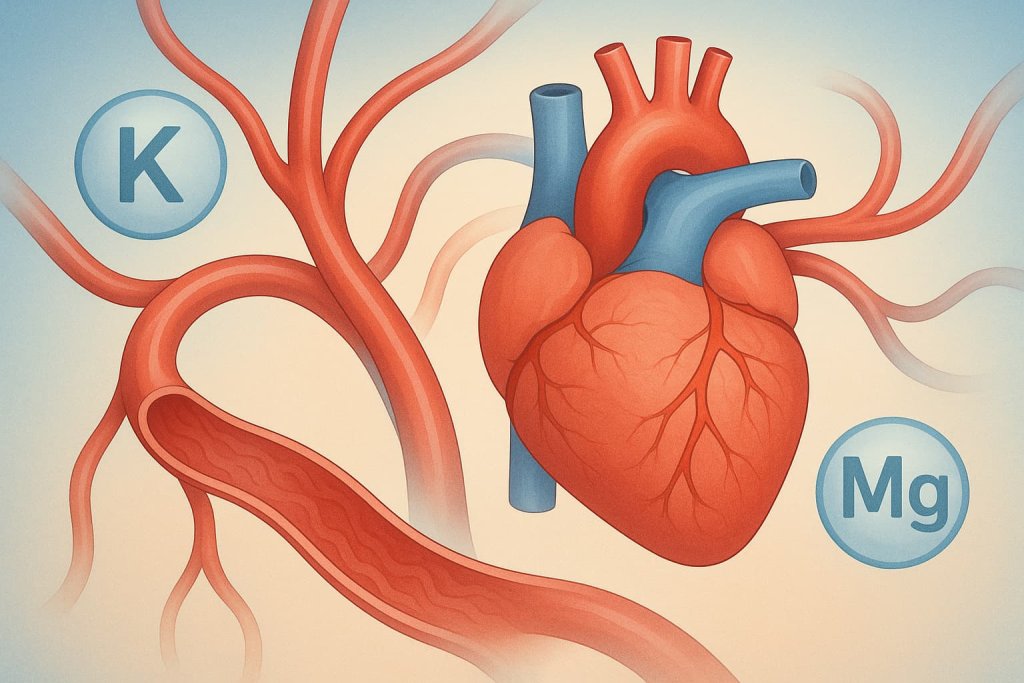
Cashews are naturally low in sodium and rich in magnesium, potassium, and antioxidants — all of which support vascular tone and normal blood pressure.
A 2018 randomized controlled trial published in Nutrients reported that individuals with type 2 diabetes experienced a 4–5 mmHg reduction in systolic blood pressure and improved HDL cholesterol after adding moderate cashew portions to their diet (PubMed).
These findings suggest that cashews, when consumed unsalted and in moderation, can be part of a heart-supportive eating pattern.
3. Promotes Healthy Cholesterol Balance
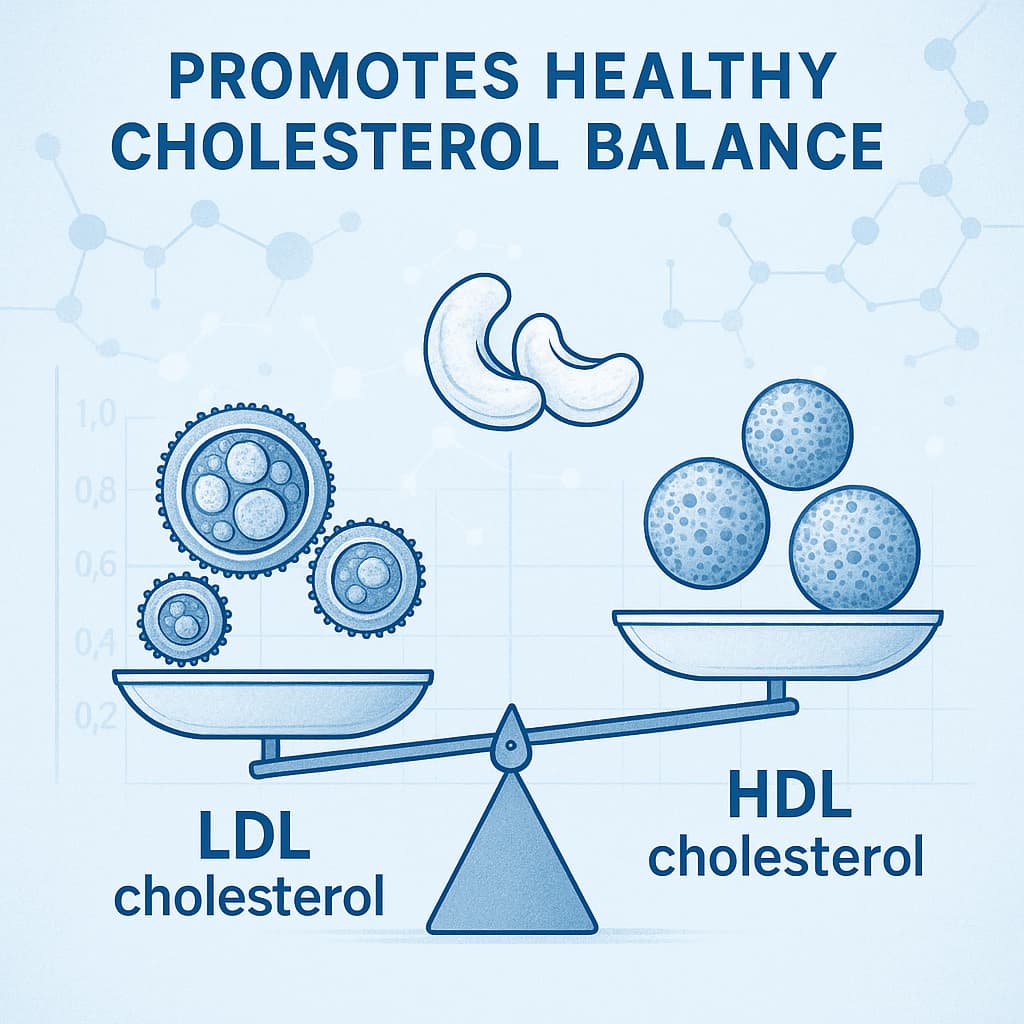
Regularly eating unsalted cashews may help maintain healthy cholesterol and triglyceride levels.
A 2023 Frontiers in Nutrition meta-analysis of 139 clinical trials found that tree nut intake, including cashews, was linked to lower total cholesterol, LDL, and triglycerides (Frontiers in Nutrition, 2023).
For best results, replace refined or trans-fat snacks with a small handful of cashews as part of a balanced diet.
4. Provides Antioxidant and Anti-Inflammatory Compounds
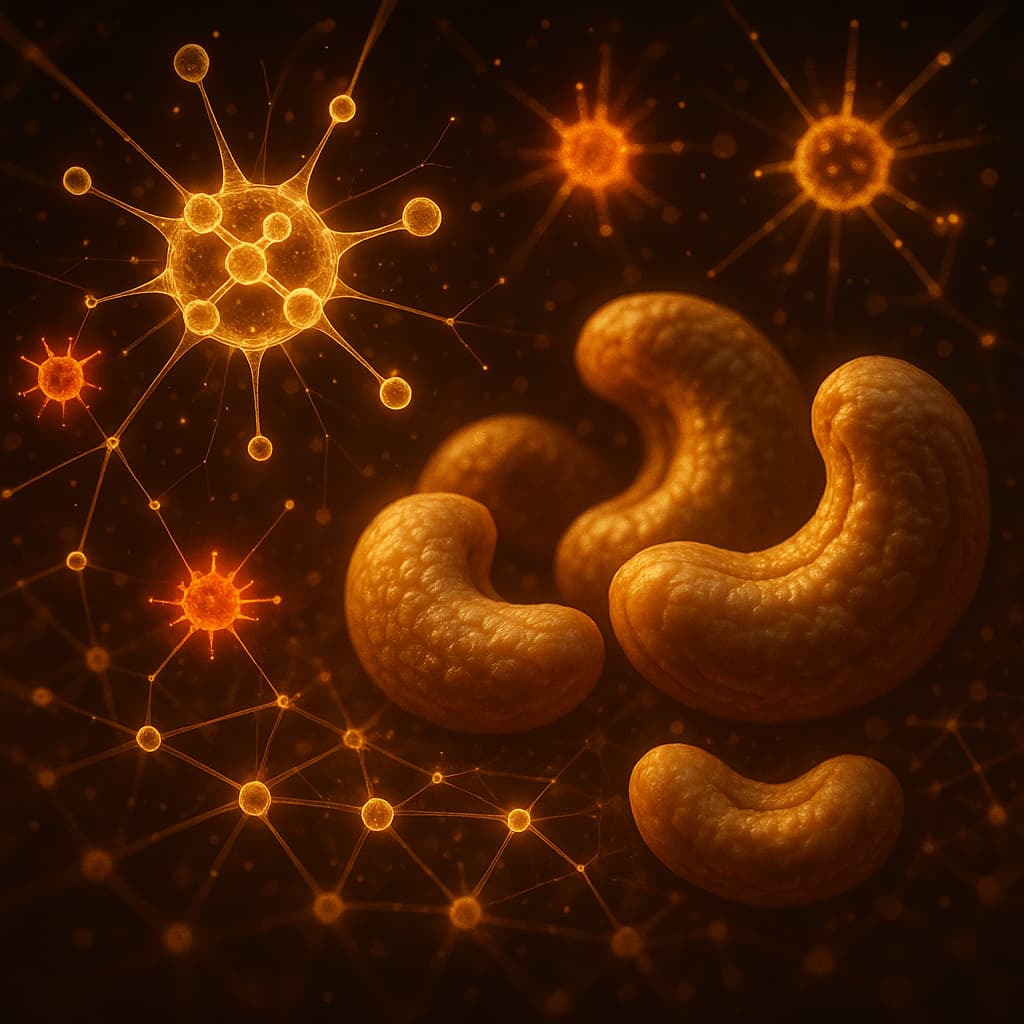
Cashews contain a variety of antioxidant compounds such as flavonoids, tocopherols, and phenolic acids, which may help neutralize free radicals and support vascular and immune integrity.
A 2019 review in the Journal of Food Biochemistry emphasized that cashew phenolics exhibit strong antioxidant potential, especially when lightly roasted (Wiley Online Library).
Antioxidants found in cashews may support long-term cellular protection and reduce the effects of oxidative stress linked to chronic disease.
5. Supports Healthy Weight Management

Although calorie-dense, cashews may support satiety and energy balance when eaten mindfully. They contain a combination of protein, healthy fats, and fiber that helps you feel full longer.
Research from the American Journal of Clinical Nutrition (2019) demonstrated that the metabolizable energy of cashews is about 16% lower than standard calorie estimates, meaning the body absorbs fewer calories than previously thought (PMC).
Replacing processed snacks with a small handful (around 1 oz = 28 g) of cashews may therefore support weight management within a healthy dietary framework.
6. Promotes Bone and Joint Health
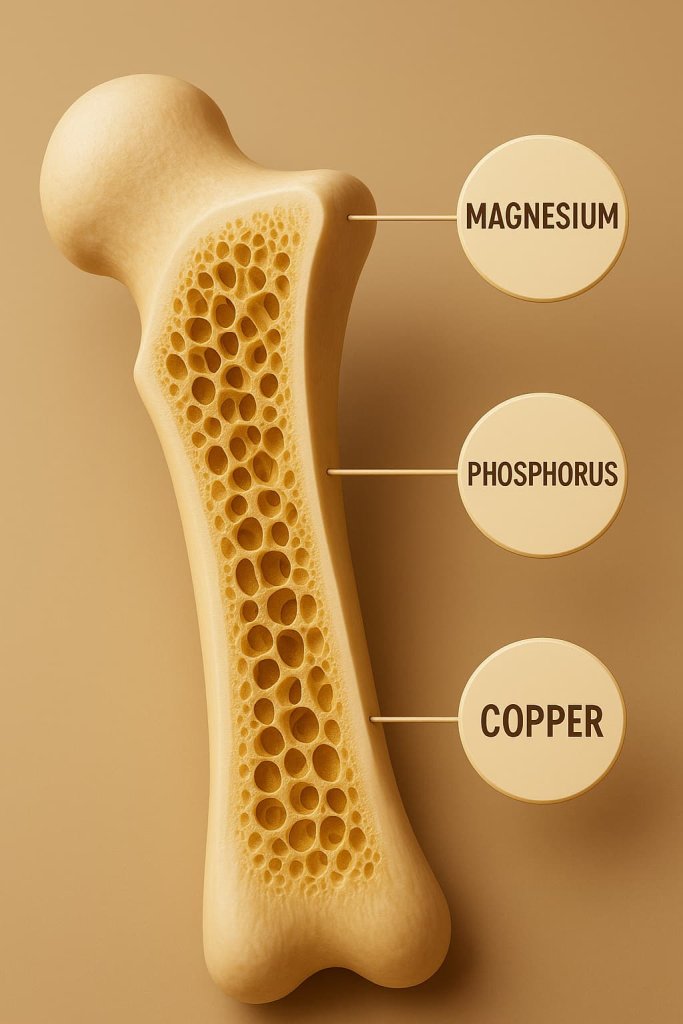
Cashews are an excellent source of magnesium, phosphorus, zinc, and copper — minerals that play vital roles in bone formation and collagen production.
Copper supports connective tissue strength and joint flexibility, while magnesium aids calcium absorption and bone density maintenance.
The National Institutes of Health (NIH) Office of Dietary Supplements notes that adequate magnesium intake contributes to skeletal integrity and nerve-muscle function. Including cashews as part of a mineral-rich diet may therefore support long-term bone health.
7. May Support Blood Sugar Control
Cashews have a low glycemic index and provide beneficial fats and antioxidants that may help support insulin sensitivity.
A 2024 study published in Nutrients found that cashew-enriched diets improved fasting glucose and HbA1c levels among adults with elevated blood sugar markers (Nutrients Journal).
While cashews are not a substitute for medical therapy, incorporating them into balanced meals may help maintain steady energy and glycemic stability.
8. Enhances Immune Function
Cashews contain zinc, iron, and antioxidants that are essential for immune defense and red blood cell production.
Zinc supports white blood cell activity, while iron aids oxygen transport and energy metabolism. The Cleveland Clinic highlights that cashews can help meet daily zinc needs, especially in plant-based diets where this mineral is often limited.
Including a handful of cashews regularly can thus support immune resilience and reduce fatigue related to mild iron deficiency.
9. Supports Brain and Nervous System Health
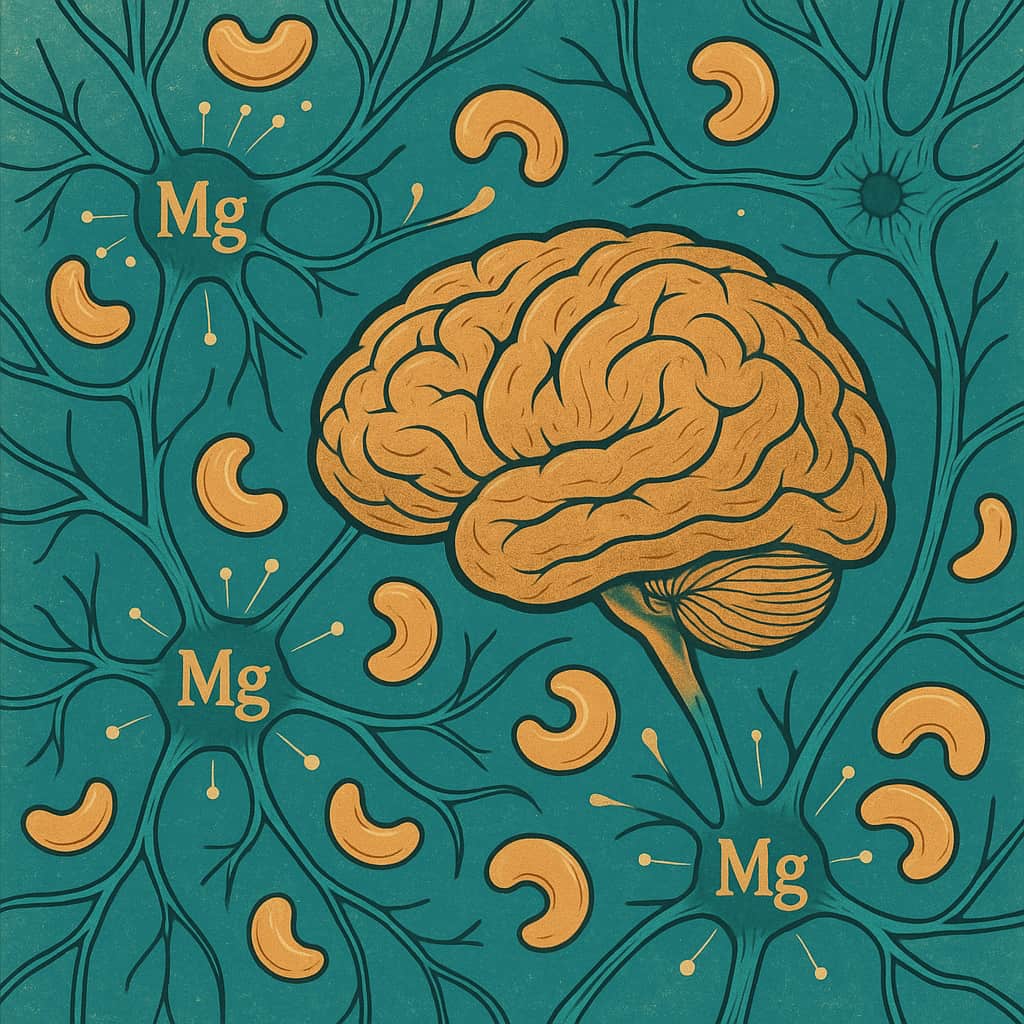
Cashews are rich in magnesium and B vitamins, which play critical roles in neurotransmitter function and mood regulation.
According to a 2023 review in Mayo Clinic Proceedings, magnesium-rich diets are associated with improved brain performance, stress regulation, and reduced risk of depression (Mayo Clinic Proceedings).
The combination of magnesium, copper, and healthy fats in cashews supports optimal brain metabolism and may contribute to mental clarity and nerve health over time.
10. May Promote Healthy Skin and Hair
Copper in cashews supports collagen synthesis and melanin production, both vital for maintaining skin elasticity and natural hair color.
Antioxidants such as vitamin E and plant phenolics further protect skin cells from oxidative stress and environmental damage.
The Harvard T.H. Chan School of Public Health notes that nuts like cashews contain compounds that help protect against oxidative aging and support healthy tissue repair when included as part of a nutrient-balanced diet.
How to Eat Cashews for Maximum Benefit
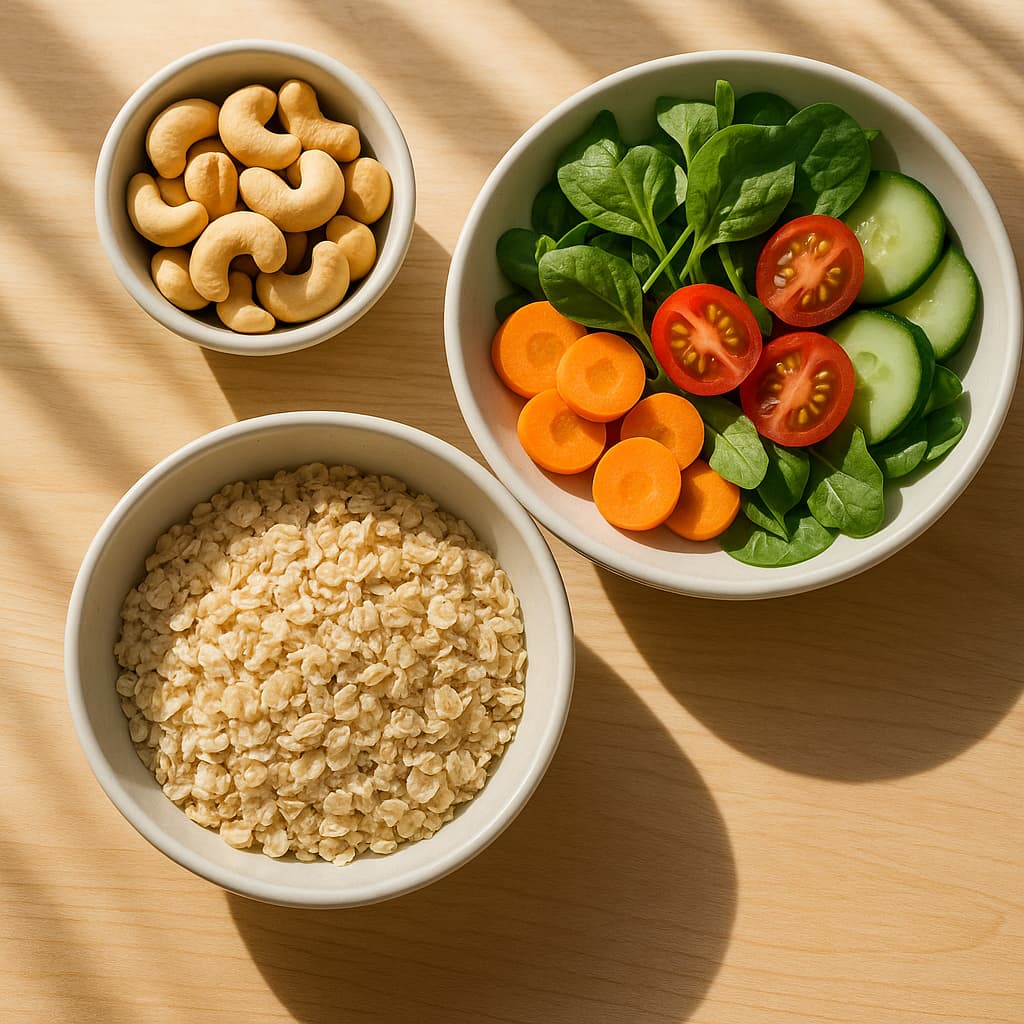
Cashews are most nutritious when eaten in moderation and prepared simply. A typical serving size is 1 oz (about 28 g or 16–18 cashews) — enough to enjoy their benefits without excess calories.
Best ways to eat cashews:
- Choose unsalted and unroasted varieties to avoid added sodium or oils. Dry-roasted or raw cashews preserve nutrients and healthy fats.
- Combine with whole foods: Mix into oatmeal, yogurt, salads, or stir-fries for added texture and nutrient density.
- Pair with protein or fiber: Combining cashews with fruit or whole grains helps stabilize blood sugar and promote fullness.
- Best time to eat: Mid-morning or as an afternoon snack for steady energy and reduced cravings.
- Serving tip for plant-based diets: Blend soaked cashews into smoothies, sauces, or nut butters for a creamy, dairy-free protein boost.
According to Harvard Health Publishing, replacing processed snacks with nuts like cashews can improve overall diet quality and support long-term heart health.
Possible Side Effects and Precautions
Cashews are safe and nutritious for most people, but moderation and awareness of potential sensitivities are essential for responsible, long-term consumption. Like all nuts, cashews are calorie-dense and can trigger allergies in sensitive individuals, so it’s important to consume them mindfully and follow medical guidance when needed.
| Concern | Description | Guidance / Source |
|---|---|---|
| Allergies | Cashews are tree nuts and can cause allergic reactions ranging from mild itching and hives to severe anaphylaxis in sensitive individuals. | Avoid if you have a known tree nut allergy and consult a doctor or allergist for testing and management. Learn more at the Cleveland Clinic – Food Allergies. |
| Calorie Density | Cashews are energy-dense (~157 kcal per ounce) and can contribute to weight gain if consumed in excess. | Limit to small handfuls (around 1 oz / 28 g per day) and use them as a replacement for less healthy snacks rather than adding extra calories. |
| Oxalate Content | Cashews contain natural oxalates, which may increase the risk of kidney stone formation in susceptible individuals. | Eat moderate portions, stay well-hydrated, and follow the NIH – NIDDK Kidney Stones: Eating, Diet, and Nutrition guidelines if you have a history of kidney stones. |
| Sodium Intake | Salted or flavored cashews can increase sodium levels, affecting blood pressure and cardiovascular health. | Choose unsalted or lightly salted varieties to support heart and vascular wellness. |
In general, consuming plain, unsalted cashews within daily calorie limits is safe and beneficial for most individuals. People with medical conditions such as kidney stones, hypertension, or nut allergies should discuss personalized dietary recommendations with a healthcare provider.
Storage and Food Safety Tips
Proper storage is essential to maintain the freshness, flavor, and nutrient quality of cashews. Improper handling can cause nuts to become rancid, lose beneficial oils, or develop microbial contamination. According to the U.S. Food and Drug Administration (FDA) and FoodSafety.gov’s official guidance on Food Safety by Type of Food, nuts and seeds should be stored in cool, dry conditions to prevent spoilage and protect nutrient integrity.
Safe Storage Recommendations
- Temperature: Store cashews below 25 °C (77 °F) in a cool pantry. For extended freshness, refrigerate or freeze.
- Humidity: Keep in a dry, well-ventilated area; excess moisture promotes mold and bacterial growth.
- Container: Use airtight glass jars or vacuum-sealed packaging to protect against oxygen exposure and maintain flavor.
- Shelf Life:
- Room temperature: 1–2 months
- Refrigerator: up to 6 months
- Freezer: up to 1 year
- Freshness check: Discard cashews that smell rancid, taste bitter, or show visible mold or oil discoloration.
Following these storage and handling practices ensures that cashews remain safe, flavorful, and nutrient-rich for longer use. Always buy nuts from reputable sources, check packaging dates, and store away from sunlight and humidity for optimal quality.
Frequently Asked Questions (FAQ)
1. How many cashews should I eat daily?
A handful (about 1 oz = 28 g ≈ 16–18 nuts) is a healthy serving for most adults.
2. Are cashews good for people with diabetes?
Yes — in moderation. Cashews have a low glycemic index and may support stable blood sugar when part of a balanced diet (Nutrients Journal, 2024).
3. Can I eat cashews every day?
Yes, daily consumption is fine if portion-controlled and part of an overall healthy diet.
4. Are roasted or raw cashews healthier?
Dry-roasted or raw are best. Avoid oil-fried or heavily salted cashews to prevent excess sodium and fats.
5. Do cashews support heart health?
Yes. Studies show moderate cashew intake can improve LDL and triglyceride levels when replacing refined snacks (American Journal of Clinical Nutrition, 2017).
6. Can cashews cause allergies?
Yes — they are tree nuts. Individuals with nut allergies should strictly avoid cashews and consult a healthcare provider.
7. Are cashews suitable for vegan diets?
Absolutely. Cashews are a rich source of plant-based protein, magnesium, and iron — essential nutrients for vegan and vegetarian diets.
Conclusion
Cashews are nutrient-dense seeds that support heart, bone, and metabolic health through their healthy fats, protein, and minerals. Regular, moderate consumption can contribute to better cholesterol balance, energy, and overall wellness — especially when cashews replace less nutritious foods in your diet.
Always choose unsalted, minimally processed cashews, follow safe storage practices, and be mindful of portion sizes to maximize benefits while maintaining balance.
This content is for informational purposes only and not medical advice.
References
- U.S. Department of Agriculture (USDA) – FoodData Central: Cashews, Raw
- Mah, E. et al., 2017 – American Journal of Clinical Nutrition
- Mohan, V. et al., 2018 – Nutrients Journal
- Houston, M. et al., 2023 – Frontiers in Nutrition
- Cleveland Clinic – Food Allergies: Overview and Management
- National Institute of Diabetes and Digestive and Kidney Diseases (NIDDK, NIH) – Eating, Diet & Nutrition for Kidney Stones