
The best back extension alternatives include Romanian deadlifts, good mornings, reverse hyperextensions, cable pull-throughs, glute bridges, and bird dogs. These exercises strengthen many of the same lower-back, glute, and hamstring muscles without requiring a Roman chair or back-extension machine.
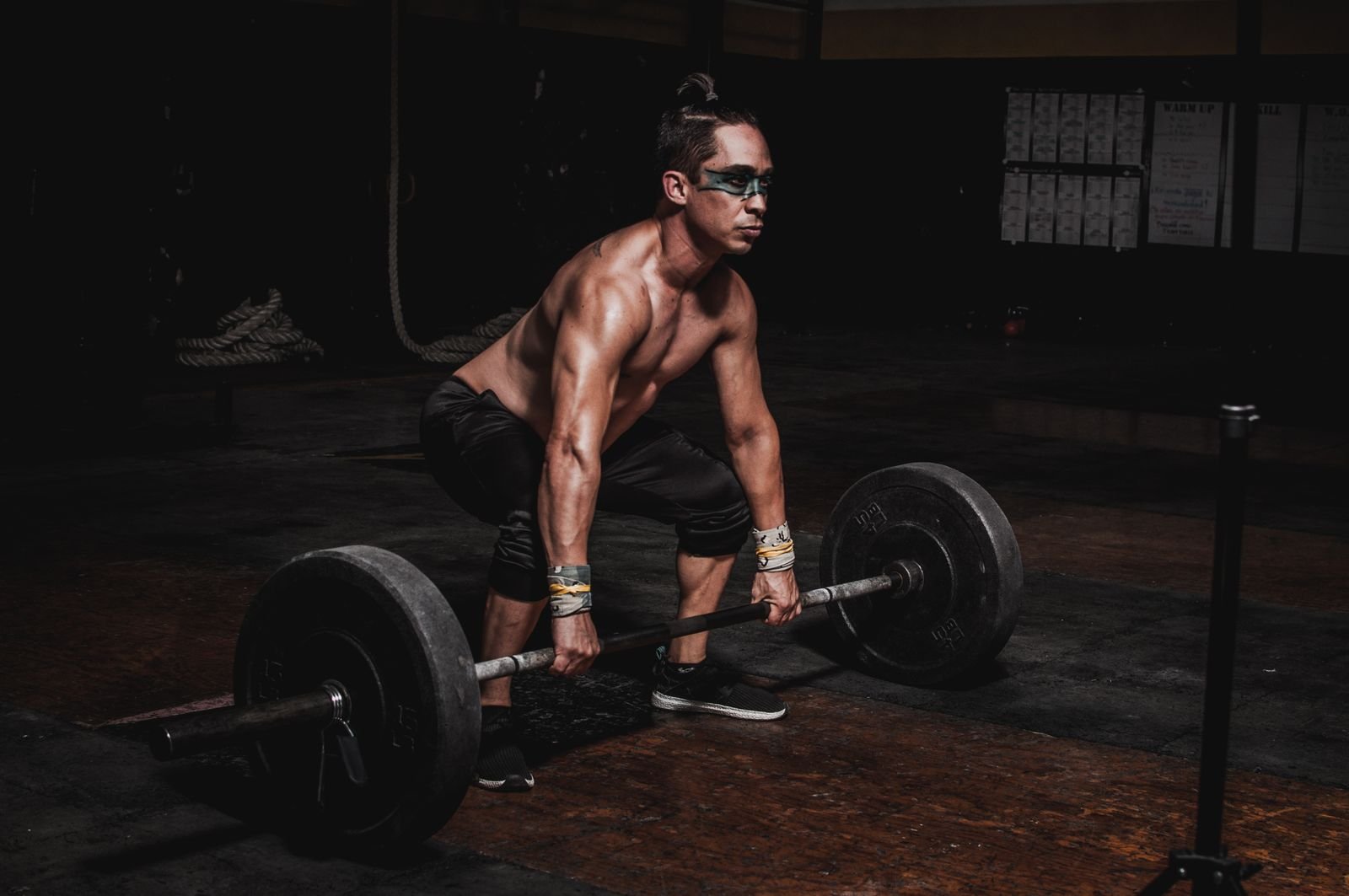
The right alternative depends on your equipment, experience, and training goal. A Romanian deadlift is a strong choice for building posterior-chain strength, while a glute bridge or bird dog may be more practical for beginners and home workouts.
Back Extension Alternatives at a Glance
| Exercise | Equipment | Difficulty | Best for |
|---|---|---|---|
| Romanian deadlift | Barbell or dumbbells | Intermediate | Overall posterior-chain strength |
| Good morning | Barbell or resistance band | Intermediate | Hip-hinge technique and back strength |
| Conventional deadlift | Barbell and plates | Intermediate | Heavy total-body strength |
| Single-leg Romanian deadlift | Dumbbell or kettlebell | Intermediate | Unilateral strength and balance |
| Barbell hip thrust | Barbell and bench | Intermediate | Glute-focused strength |
| Glute bridge | None or added weight | Beginner | Home workouts and beginners |
| Cable pull-through | Cable machine and rope | Beginner–intermediate | Controlled hip-hinge training |
| Reverse hyperextension | Reverse-hyper machine | Intermediate | Supported posterior-chain training |
| Stability-ball reverse extension | Stability ball | Advanced | Home or general-gym variation |
| Kettlebell swing | Kettlebell | Intermediate | Explosive hip power |
| Bird dog | None | Beginner | Core and spinal stability |
| Superman | None | Beginner | Simple floor-based back training |
What Makes a Good Back Extension Alternative?
A good substitute does not need to look exactly like a back extension. It should provide one or more of the same training benefits.
Look for exercises that offer:
- Hip extension against resistance
- Meaningful work for the glutes and hamstrings
- Lower-back stabilization
- A controllable range of motion
- Resistance that can gradually increase
- Equipment that you can access consistently
Some alternatives are better for building strength, while others emphasize stability, balance, or power.
A 2021 study involving 15 resistance-trained women compared Romanian deadlifts, 45-degree Roman-chair back extensions, and seated machine back extensions. The exercises produced similar erector-spinae activation, while the Roman-chair extension produced greater glute and hamstring activation overall. The Romanian deadlift still produced more glute and hamstring activation than the seated machine variation.
Because this was a small muscle-activation study involving trained women, its findings should not be treated as proof that one exercise is best for every person.
12 Best Back Extension Alternatives
Below are 12 effective back extension alternatives for strengthening your lower back, glutes, hamstrings, and overall posterior chain. Choose the option that best matches your equipment, experience, and training goals.
1. Romanian Deadlift
Why it works: The Romanian deadlift is one of the most effective free-weight back extension alternatives. It trains hip extension while the spinal muscles work to keep your torso stable. It is also easy to progress by gradually increasing the weight.
Muscles worked: The primary muscles are the hamstrings and gluteus maximus. The erector spinae, adductors, abdominal muscles, upper back, and forearms provide support.
How to do it:
- Stand with a barbell or pair of dumbbells in front of your thighs.
- Keep your knees slightly bent and push your hips backward.
- Lower the weight close to your legs while maintaining a controlled spine position.
- Stop when you feel a strong hamstring stretch or can no longer hinge without rounding.
- Drive your hips forward and return to standing.
Trainer Tip: Keep the weight close to your body and think about moving your hips backward rather than simply lowering the weight. Start with 2–4 sets of 6–12 controlled repetitions.
2. Good Morning
Why it works: The good morning uses a similar hip-hinge pattern to the Romanian deadlift, but the resistance rests across the upper back. This creates a long lever that challenges the glutes, hamstrings, and spinal stabilizers.
Muscles worked: Good mornings primarily work the hamstrings and glutes. The erector spinae, abdominal muscles, adductors, and upper back help stabilize the load.
How to do it:
- Place a light bar securely across your upper back.
- Stand with your feet around hip- to shoulder-width apart.
- Brace your torso and keep your knees slightly bent.
- Push your hips backward as your torso leans forward.
- Stop before your back rounds, then drive your hips forward to stand.
Trainer Tip: Good mornings do not require heavy weight to feel challenging. Begin with an empty bar, resistance band, or bodyweight hip hinge and use 2–3 sets of 8–12 reps.
3. Conventional Deadlift
Why it works: The conventional deadlift trains the hips, legs, back, grip, and trunk together. It is not an exact back-extension replacement, but it is useful for people who want to build greater total-body and posterior-chain strength.
Muscles worked: The main muscles include the glutes, hamstrings, quadriceps, spinal erectors, adductors, trapezius, forearms, and core.
How to do it:
- Stand with the bar over the middle of your feet.
- Hinge down and grip the bar just outside your legs.
- Brace your torso and keep the bar close to your shins.
- Push through the floor while extending your knees and hips together.
- Stand tall without leaning backward, then lower the bar under control.
Trainer Tip: Learn the setup with light resistance before adding weight. Use 2–4 sets of 4–8 reps and stop the set when your position becomes difficult to control.
4. Single-Leg Romanian Deadlift
Why it works: This variation trains the posterior chain one side at a time. It also increases the balance and hip-stability demands compared with a two-legged Romanian deadlift.
Muscles worked: The gluteus maximus and hamstrings perform most of the work. The gluteus medius, adductors, calves, erector spinae, and core help maintain balance.
How to do it:
- Stand on one leg while holding a weight in the opposite or both hands.
- Slightly bend your supporting knee.
- Reach the free leg behind you as you push your hips backward.
- Keep your hips mostly square to the floor.
- Drive through the standing foot to return upright.
Trainer Tip: Lightly hold a wall or rack if balance prevents you from training the target muscles. Perform 2–3 sets of 6–10 reps per side.
5. Barbell Hip Thrust
Why it works: The hip thrust develops hip-extension strength with the upper back supported. It places less emphasis on a deep hip hinge than Romanian deadlifts or good mornings, making it a useful glute-focused alternative.
Muscles worked: The gluteus maximus is the main target. The hamstrings, adductors, quadriceps, abdominal muscles, and spinal stabilizers assist.
How to do it:
- Sit with your upper back against a stable bench.
- Position a padded barbell across your hips.
- Plant your feet approximately hip-width apart.
- Drive through your feet and raise your hips.
- Stop when your torso and thighs form a controlled line, then lower slowly.
Trainer Tip: Finish by squeezing your glutes rather than arching your lower back. Use 3–4 sets of 8–15 reps.
6. Glute Bridge
Why it works: The glute bridge provides a beginner-friendly way to train hip extension without a machine. The floor limits the available range, which can make the movement easier to control than a hip thrust.
Muscles worked: Glute bridges work the glutes, hamstrings, lower-back extensors, and abdominal muscles. The American Academy of Orthopaedic Surgeons includes the lower-back extensors, erector spinae, glutes, and hamstrings among the main muscles used during the hip bridge.
How to do it:
- Lie on your back with your knees bent and feet flat.
- Brace your abdomen and gently tighten your glutes.
- Push through your feet and lift your hips.
- Pause when your shoulders, hips, and knees form a straight line.
- Lower your hips slowly to the floor.
Trainer Tip: Move your feet slightly closer if you mainly feel your hamstrings. Begin with 2–3 sets of 10–15 reps before adding a dumbbell, band, or barbell.
7. Cable Pull-Through
Why it works: The cable pull-through trains the hip hinge while the cable pulls the hips backward. It provides continuous resistance and does not require supporting a barbell in your hands or across your shoulders.
Muscles worked: The main muscles are the glutes and hamstrings. The erector spinae, core, adductors, and upper back stabilize the body.
How to do it:
- Attach a rope to the lowest setting on a cable machine.
- Face away from the machine and hold the rope between your legs.
- Step forward until the cable remains under tension.
- Push your hips backward while keeping your spine controlled.
- Drive your hips forward and stand tall.
Trainer Tip: Keep your arms relaxed and let your hips create the movement. Try 2–4 sets of 10–15 reps.
8. Reverse Hyperextension
Why it works: Reverse hyperextensions support the torso while the legs move. This reverses the usual back-extension setup but still trains hip extension and the posterior chain.
Muscles worked: Reverse hyperextensions emphasize the glutes, hamstrings, and erector spinae. The core and upper body help keep the torso stable against the pad.
How to do it:
- Lie facedown on a reverse-hyper machine with your hips near the edge of the pad.
- Hold the handles and allow your legs to hang below your hips.
- Brace your torso and raise your legs behind you.
- Stop when your legs are approximately in line with your torso.
- Lower the resistance under control.
Trainer Tip: Avoid throwing the legs upward or forcing a large lower-back arch. Use a manageable load for 2–3 sets of 8–15 reps.
9. Stability-Ball Reverse Extension
Why it works: This exercise recreates the reverse-extension pattern using a stability ball and a sturdy support. It can be useful when a reverse-hyper machine is unavailable, although it requires more balance and setup control.
Muscles worked: The glutes, hamstrings, erector spinae, abdominal muscles, shoulders, and upper back contribute.
How to do it:
- Place your torso over a stability ball and hold a stable bench or anchor.
- Extend your legs behind you with your toes near the floor.
- Brace your torso and raise both legs together.
- Stop when your body forms a controlled line.
- Lower your legs slowly without losing your position.
Trainer Tip: Make sure the ball and support cannot move before starting. This is an advanced variation; use 2–3 sets of 6–12 slow repetitions.
10. Kettlebell Swing
Why it works: The kettlebell swing turns the hip hinge into an explosive movement. It develops hip power and posterior-chain endurance rather than slow, isolated back-extension strength.
Muscles worked: The glutes and hamstrings create the hip drive. The spinal erectors, core, upper back, forearms, and shoulders stabilize and guide the kettlebell.
How to do it:
- Stand with the kettlebell slightly in front of you.
- Hinge down, grip the handle, and pull it back between your legs.
- Drive your hips forward forcefully.
- Allow the kettlebell to float upward without lifting it with your arms.
- Let it return between your legs and repeat the hinge.
Trainer Tip: Learn the Romanian deadlift before attempting swings. Start with 3–5 sets of 8–15 crisp repetitions rather than continuing until your technique becomes sloppy.
11. Bird Dog
Why it works: The bird dog trains the lower-back muscles to resist unwanted movement instead of repeatedly bending and extending the spine. It is useful for beginners, warm-ups, and low-load stability work.
Muscles worked: The back extensors, erector spinae, glutes, abdominal muscles, shoulders, and deep trunk stabilizers work together. AAOS also identifies the back extensors, erector spinae, and gluteal muscles as the main muscles used.
How to do it:
- Begin on your hands and knees.
- Brace your abdomen while keeping your back controlled.
- Extend one arm and the opposite leg.
- Pause without allowing your hips or torso to rotate.
- Return slowly and repeat on the other side.
Trainer Tip: Reach long rather than lifting the arm and leg excessively high. Perform 2–3 sets of 5–10 reps per side with a brief pause.
12. Superman
Why it works: The Superman is a simple floor exercise that trains the muscles along the back of the body without equipment. It is accessible, but the available resistance is limited and the movement should remain controlled.
Muscles worked: The erector spinae, glutes, hamstrings, upper-back muscles, and rear shoulders contribute.
How to do it:
- Lie facedown with your arms extended or placed beside your body.
- Gently brace your abdomen and glutes.
- Raise your chest and legs a small distance from the floor.
- Pause briefly without forcing your neck upward.
- Lower slowly and repeat.
Trainer Tip: A small lift is enough. Do not force the highest possible position or repeatedly swing your limbs. Start with 2–3 sets of 6–12 controlled reps.
How to Choose the Right Back Extension Alternative
Your best option should match the reason you are replacing back extensions.
For overall strength
Choose a Romanian deadlift, conventional deadlift, or good morning. These exercises allow progressive loading but require more hip-hinge technique.
For glute development
Use hip thrusts, glute bridges, cable pull-throughs, or reverse hyperextensions. These movements emphasize hip extension without requiring the same torso movement as a Roman-chair extension.
For home workouts
Glute bridges, bird dogs, Supermans, single-leg Romanian deadlifts, and stability-ball reverse extensions require little or no specialized equipment.
For beginners
Start with glute bridges, supported single-leg Romanian deadlifts, cable pull-throughs, or bird dogs. Progress to loaded hinges only after you can maintain balance and torso control.
For explosive power
Use kettlebell swings after developing a reliable hip hinge. Swings are performed quickly and are less suitable for learning basic movement control.
How to Add These Exercises to Your Workout
You do not need to perform all 12 exercises. Choose one main posterior-chain movement and, when useful, one lighter stability or glute exercise.
A simple lower-body session could include:
- Squat or leg press
- Romanian deadlift
- Split squat or step-up
- Glute bridge
- Bird dog
For most general workouts, begin with:
- Main strength exercise: 2–4 sets of 6–12 reps
- Bodyweight or accessory exercise: 2–3 sets of 10–15 reps
- Stability exercise: 2–3 sets of 5–10 slow reps per side
The American College of Sports Medicine’s 2026 resistance-training update emphasizes that consistent training is more important than creating an unnecessarily complicated program. It also recommends training all major muscle groups at least twice weekly while individualizing the routine for the person’s goals, enjoyment, experience, and safety.
You do not necessarily need to perform the same back exercise twice each week. For example, you might use Romanian deadlifts in one session and glute bridges or cable pull-throughs in another.
Common Mistakes to Avoid
Rounding the back during hip hinges
Romanian deadlifts, good mornings, and pull-throughs should begin primarily from the hips. Reduce the weight or range of motion if you cannot maintain a controlled torso.
Leaning backward at the top
Standing tall does not require pushing the hips far forward or arching the lower back. Finish with your ribs, pelvis, and hips under control.
Using momentum
Swinging the legs during reverse hyperextensions or rushing through Supermans reduces control. Kettlebell swings are explosive, but the motion should still come from a deliberate hip hinge.
Choosing an exercise that is too advanced
An exercise is not automatically better because it allows more weight or looks more difficult. A glute bridge performed well can be more productive than a poorly controlled good morning.
Progressing too quickly
Increase one variable at a time. You can add repetitions, resistance, range of motion, or an additional set rather than changing everything at once.
Safety Considerations
These exercises are intended for general strength and fitness, not for diagnosing or managing a specific back condition.
Stop or modify an exercise if it causes sharp pain, worsening pain, numbness, tingling, or unusual weakness. The NHS back-pain guidance advises stopping exercises that make back pain worse and seeking medical guidance.
Seek urgent medical attention when back pain follows a serious accident or occurs with symptoms such as:
- Numbness or weakness in both legs
- Loss of feeling around the groin or anus
- New bladder or bowel changes
- Chest pain
Anyone recovering from surgery, a recent injury, or a diagnosed spine condition should ask a qualified healthcare professional which exercises and ranges of motion are appropriate.
Frequently Asked Questions
What is the best exercise to replace back extensions?
The Romanian deadlift is one of the best overall replacements because it trains the glutes, hamstrings, and spinal stabilizers and can be progressively loaded. However, a glute bridge, reverse hyperextension, or bird dog may be more suitable depending on your goal and experience.
Can Romanian deadlifts replace back extensions?
Yes. Romanian deadlifts train many of the same posterior-chain muscles. They do not provide the same resistance curve or torso movement, but they are an effective strength-focused substitute.
How can I do back extensions without a machine?
You can use Romanian deadlifts, glute bridges, bird dogs, Supermans, single-leg Romanian deadlifts, kettlebell swings, or stability-ball reverse extensions.
Are back extensions mainly for the lower back or glutes?
They can train both. The exact emphasis depends on the equipment, technique, range of motion, knee position, and whether most of the movement comes from the hips or spine.
What is the best beginner back extension alternative?
The glute bridge is a practical starting point because it is stable, requires no equipment, and teaches controlled hip extension. Bird dogs are also useful for learning trunk stability.
Are reverse hyperextensions the same as back extensions?
No. During a back extension, the torso normally moves while the legs remain supported. During a reverse hyperextension, the torso stays supported while the legs move. Both can train the glutes, hamstrings, and lower-back muscles.
How often should you train your lower back?
Many people can include posterior-chain or back-strengthening exercises two times per week. The appropriate frequency depends on exercise difficulty, total training volume, recovery, experience, and any existing symptoms.
Conclusion
Back extensions are useful, but they are not the only way to strengthen your lower back and posterior chain. Romanian deadlifts, reverse hyperextensions, cable pull-throughs, bridges, and bird dogs can all provide similar benefits in different ways.
Choose one or two exercises that match your equipment and experience. Focus on controlled movement, gradual progression, and consistent training rather than attempting every alternative in the same workout.
This content is for informational purposes only and not medical advice.
References
- American College of Sports Medicine: 2026 Resistance Training Guidelines
- Journal of Sports Science and Medicine: Comparison of Three Hip-Extension Exercises
- American Academy of Orthopaedic Surgeons: Spine Conditioning Program
- National Strength and Conditioning Association: Glute Training and Movement Patterns
- NHS: Back Pain Guidance