
A commonly used normal parathyroid hormone level for adults is approximately 10–65 pg/mL, but the correct range is the one printed on your laboratory report. PTH must also be interpreted with your blood calcium level because a result inside the reference range can still be abnormal when calcium is high or low.
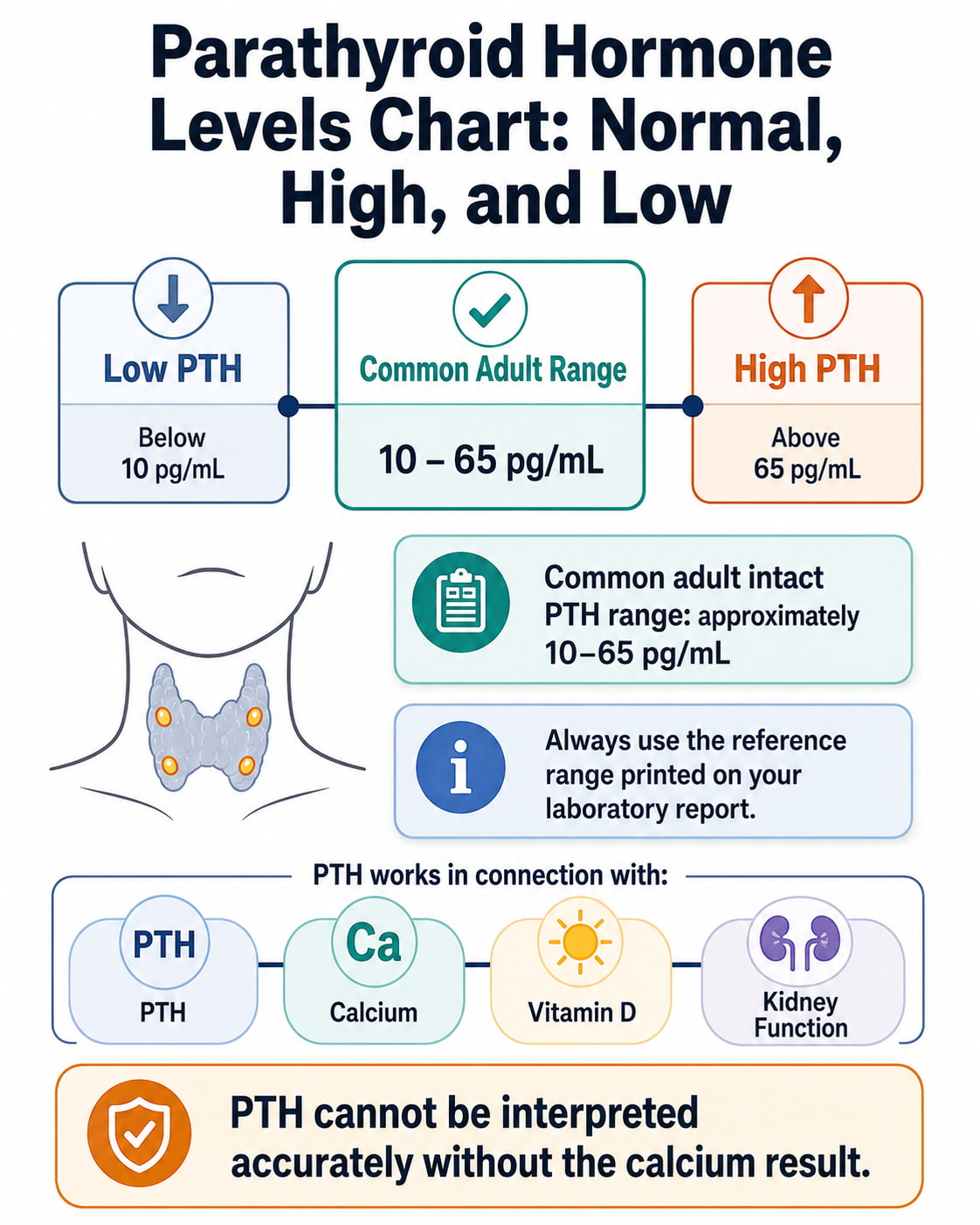
Parathyroid hormone, commonly shortened to PTH, helps regulate calcium, phosphorus, and vitamin D. A high or low result does not identify the cause by itself. Your kidney function, vitamin D level, magnesium, phosphorus, symptoms, medicines, and previous test results may all affect the interpretation.
Parathyroid Hormone Levels Chart
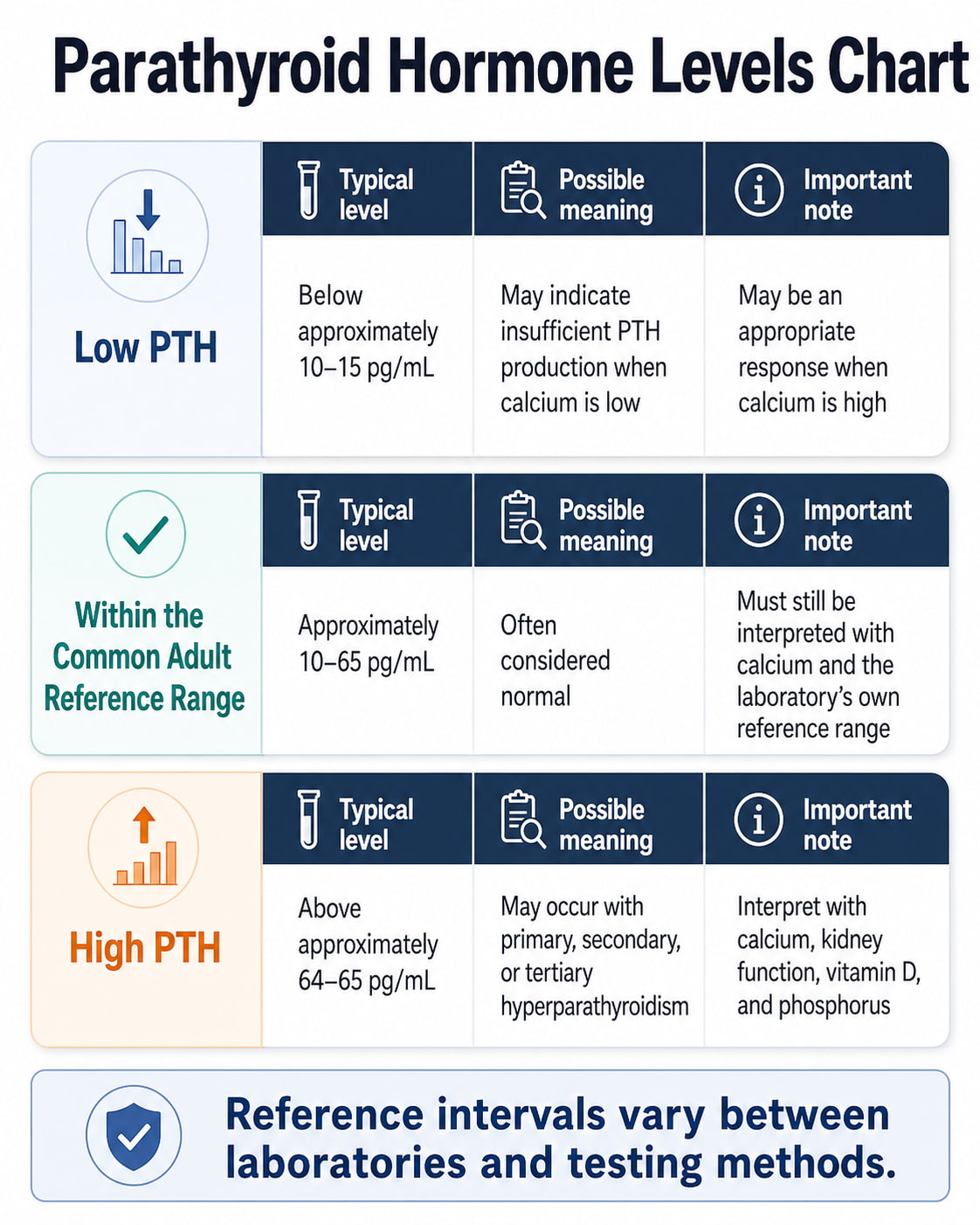
The following chart provides a general guide for adult intact PTH results.
| Intact PTH level | General classification | What it may mean |
|---|---|---|
| Below approximately 10–15 pg/mL | Low PTH | May indicate insufficient PTH production when calcium is low; may be an appropriate response when calcium is high |
| Approximately 10–65 pg/mL | Within the common adult reference range | Often considered normal, but the result must be compared with calcium and the laboratory’s reference interval |
| Above approximately 64–65 pg/mL | High PTH | May occur with primary, secondary, or tertiary hyperparathyroidism, depending on calcium, kidney function, vitamin D, and phosphorus |
These numbers are general reference points rather than universal diagnostic cutoffs. MedlinePlus lists an adult range of 10–65 pg/mL, while Mayo Clinic Laboratories uses 15–65 pg/mL for adults. Laboratories may use different testing methods, equipment, and reference populations.
Important: Always compare your result with the reference range on your own report. Try to use the same laboratory for repeat testing when possible because results from different PTH assays may not be directly comparable.
What Is Parathyroid Hormone?
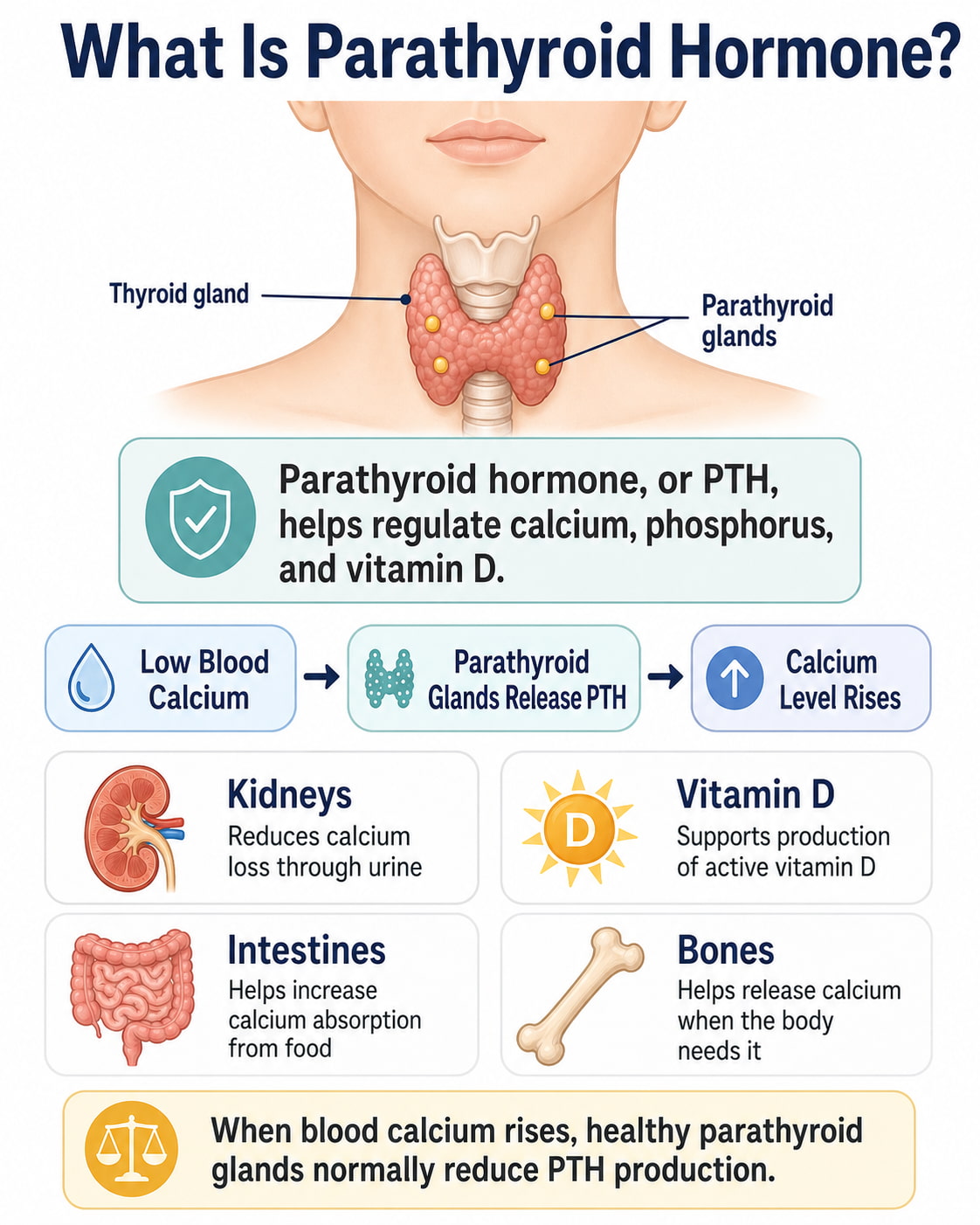
PTH is produced by several small parathyroid glands located near the thyroid gland in the neck. Although the names are similar, the parathyroid and thyroid glands have different functions.
The parathyroid glands continually monitor blood calcium. When calcium falls, they release more PTH. PTH helps raise calcium by:
- Reducing calcium loss through the kidneys
- Supporting the production of active vitamin D
- Increasing calcium absorption from food
- Releasing small amounts of calcium from bones when necessary
When calcium rises, healthy parathyroid glands normally reduce PTH production. This feedback process is why PTH and calcium should almost always be assessed together.
How to Interpret PTH With Calcium
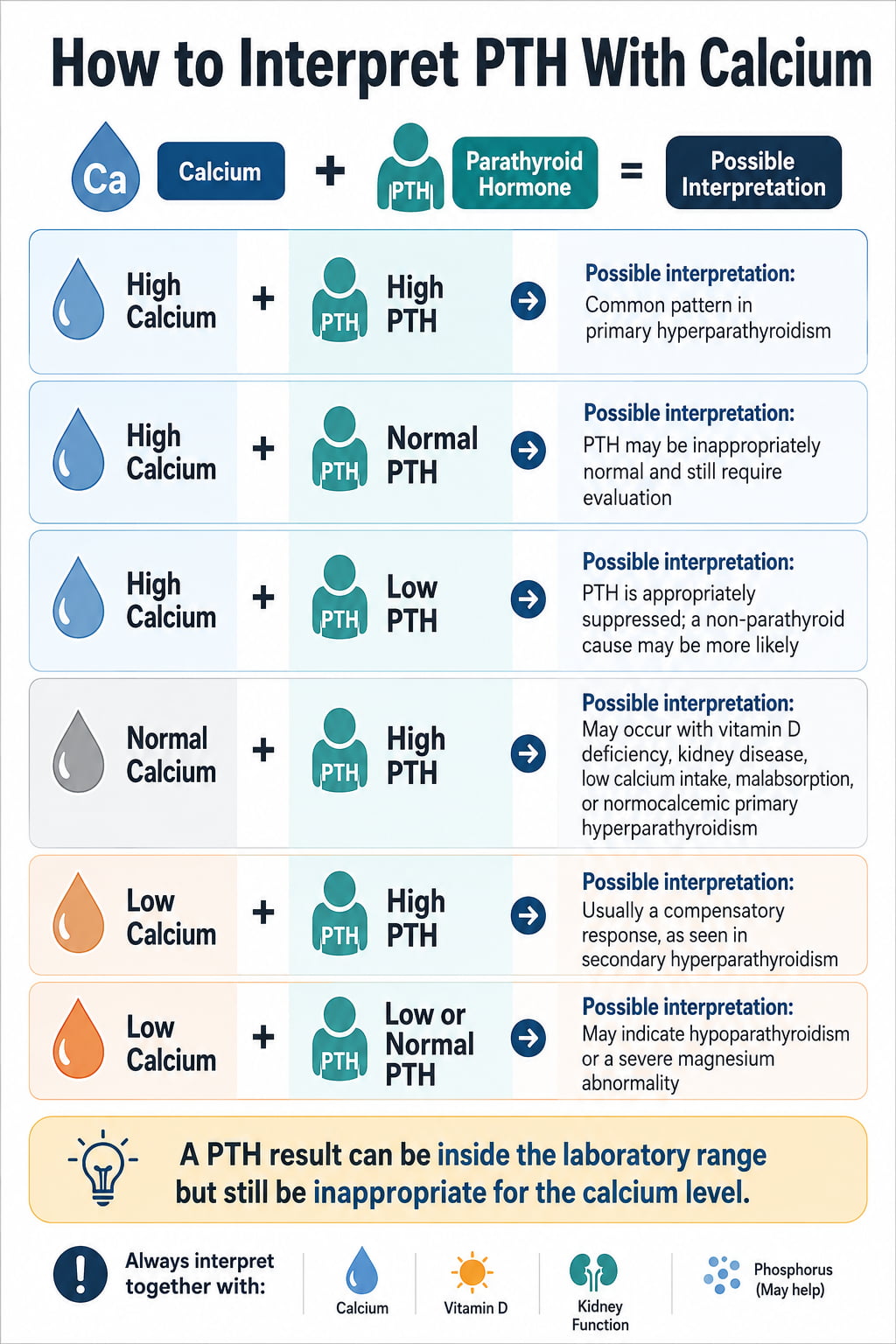
A PTH number is much more useful when viewed beside the calcium result.
| Calcium level | PTH level | Possible interpretation |
|---|---|---|
| High | High | Common pattern in primary hyperparathyroidism |
| High | Within the reference range | May be “inappropriately normal” and can still suggest primary hyperparathyroidism |
| High | Low | PTH is appropriately suppressed; a non-parathyroid cause of high calcium is more likely |
| Normal | High | May occur with vitamin D deficiency, kidney disease, low calcium intake, malabsorption, certain medicines, or normocalcemic primary hyperparathyroidism |
| Low | High | Usually a compensatory response, as seen in secondary hyperparathyroidism |
| Low | Low or inappropriately normal | May indicate hypoparathyroidism or a severe magnesium abnormality |
| Normal | Normal | Often reassuring, but symptoms, kidney function, vitamin D, phosphorus, and previous results still matter |
Why a Normal PTH Result Can Be Abnormal
When blood calcium is high, the parathyroid glands should significantly reduce PTH production. A PTH result near the middle or upper part of the normal range may therefore be too high for that calcium level.
This is called an inappropriately normal PTH level. It may occur in primary hyperparathyroidism even though the PTH result is not marked as high on the laboratory report.
The Fifth International Workshop guidelines define typical primary hyperparathyroidism as elevated calcium with elevated or inappropriately normal PTH on repeated testing.
The opposite principle applies when calcium is low. PTH should normally rise to restore calcium. A low or ordinary-looking PTH result may therefore be inappropriately low when hypocalcemia is present.
What Do High PTH Levels Mean?
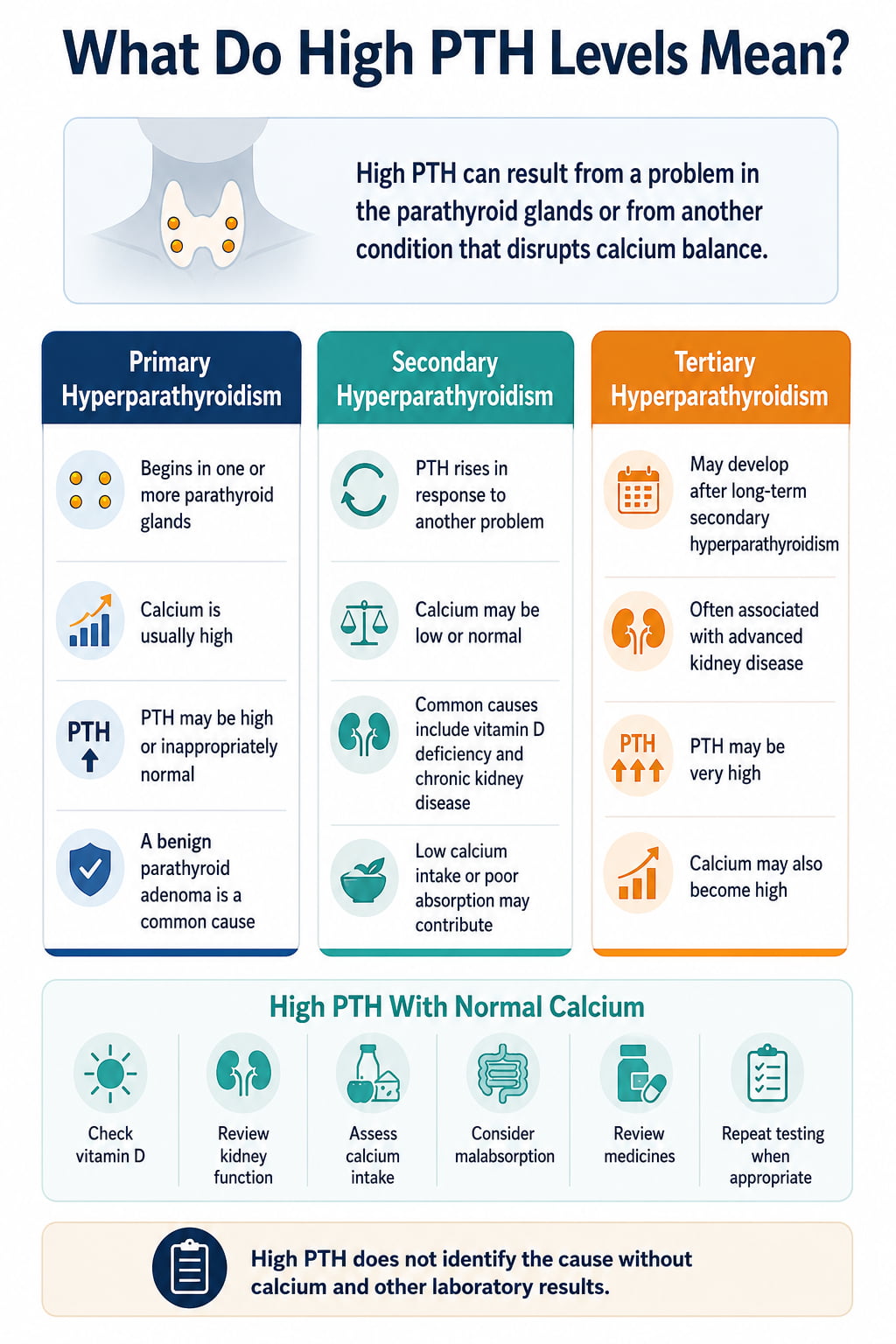
A PTH result above the laboratory’s upper limit is called an elevated PTH level or hyperparathyroidism. The possible cause depends largely on the calcium result.
Primary Hyperparathyroidism
Primary hyperparathyroidism begins with a problem inside one or more parathyroid glands. The usual pattern is:
- High calcium
- High or inappropriately normal PTH
- Phosphorus that may be low
The most common cause is a benign parathyroid adenoma. Other possible causes include enlargement of multiple glands and certain inherited disorders. Parathyroid cancer is rare.
Primary hyperparathyroidism may be discovered during routine blood testing before symptoms develop. When calcium remains elevated, possible complications include kidney stones, reduced bone density, and impaired kidney function.
Secondary Hyperparathyroidism
Secondary hyperparathyroidism occurs when the glands make extra PTH in response to another problem. The parathyroid glands may initially be functioning appropriately because the body is trying to correct low or poorly regulated calcium.
Common causes include:
- Chronic kidney disease
- Vitamin D deficiency
- Low calcium intake
- Poor calcium absorption
- Celiac disease or inflammatory bowel disease
- Gastric bypass or other digestive surgery
- Certain magnesium or phosphorus abnormalities
Calcium is often low or normal rather than high.
According to the National Kidney Foundation, damaged kidneys may have difficulty removing phosphorus, maintaining calcium, and producing active vitamin D. These changes can continually stimulate PTH production.
Tertiary Hyperparathyroidism
Tertiary hyperparathyroidism may develop after the parathyroid glands have been overstimulated for a long time, most often because of advanced kidney disease.
The glands may remain overactive even after the original problem improves. The pattern frequently includes very high PTH with high calcium. This situation requires specialist interpretation because kidney function, phosphorus, dialysis history, and previous treatments affect the results.
High PTH With Normal Calcium
High PTH with normal calcium does not automatically mean that a person has primary hyperparathyroidism.
Healthcare professionals generally investigate secondary causes first, including:
- Vitamin D deficiency
- Reduced kidney function
- Low calcium intake
- Malabsorption
- Certain medicines
- Abnormal magnesium or phosphorus
Normocalcemic primary hyperparathyroidism may be considered only after these secondary causes have been excluded and elevated PTH has been confirmed on repeated tests.
What Do Low PTH Levels Mean?
A PTH level below the laboratory range is most concerning when calcium is also low.
Possible causes include:
- Damage to the parathyroid glands during thyroid or neck surgery
- Removal of parathyroid tissue
- Autoimmune disease
- Genetic conditions affecting gland development or function
- Radiation involving the neck
- Very low magnesium
- Serious illness in some cases
Hypoparathyroidism is characterized by low calcium with low or inappropriately normal PTH. Neck surgery is the most common cause of chronic hypoparathyroidism.
Magnesium is important during evaluation because severe magnesium deficiency can reduce PTH release and prevent PTH from working normally.
Low PTH With High Calcium
Low PTH is not always evidence of parathyroid failure.
When calcium is high, healthy parathyroid glands should reduce PTH production. A low PTH level may therefore be an appropriate response. Healthcare professionals may then investigate non-parathyroid causes of high calcium rather than diagnosing hypoparathyroidism.
Parathyroid Hormone Levels by Age
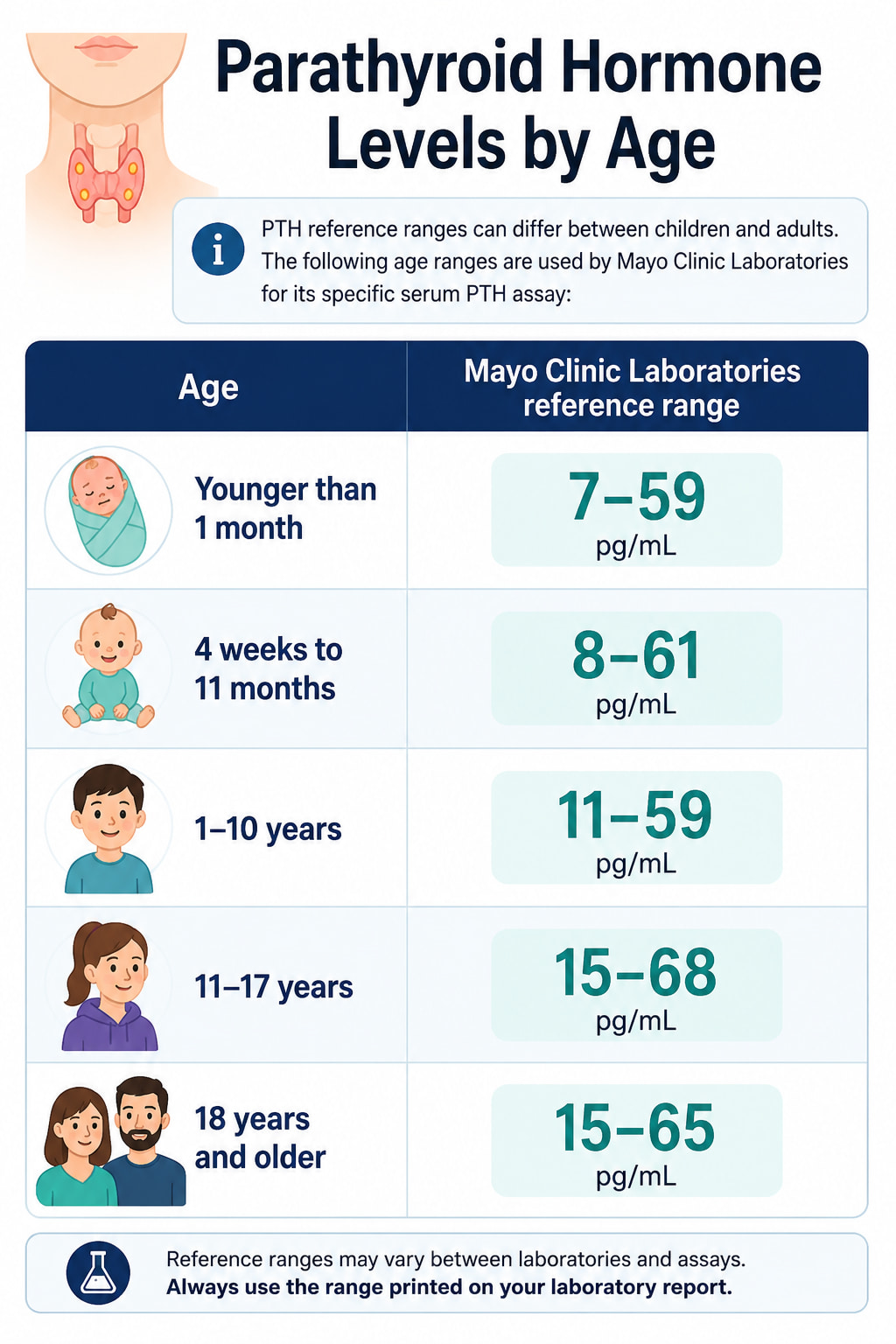
PTH reference ranges can differ between children and adults. The following age ranges are used by Mayo Clinic Laboratories for its specific serum PTH assay:
| Age | Mayo Clinic Laboratories reference range |
|---|---|
| Younger than 1 month | 7–59 pg/mL |
| 4 weeks to 11 months | 8–61 pg/mL |
| 1–10 years | 11–59 pg/mL |
| 11–17 years | 15–68 pg/mL |
| 18 years and older | 15–65 pg/mL |
These are examples from one laboratory, not universal pediatric or adult ranges. Children’s results should be interpreted using the age-specific interval supplied by the testing laboratory.
Pregnancy, breastfeeding, age-related changes, kidney function, and differences between testing methods may also influence interpretation.
PTH Levels in Chronic Kidney Disease
The standard adult PTH range should not be used as a simple treatment target for someone with moderate or advanced chronic kidney disease.
For people with CKD who are not receiving dialysis, KDIGO states that the optimal PTH level is unknown. Persistently elevated or progressively rising results should be evaluated alongside calcium, phosphorus, vitamin D, dietary phosphorus, and kidney function. Treatment decisions should not be based on one mildly elevated result.
For people receiving dialysis, the 2017 KDIGO guideline suggested maintaining intact PTH at approximately two to nine times the assay’s upper normal limit. However, a 2025 KDIGO conference report emphasized that it remains uncertain whether this is the optimal range and noted that PTH alone may not reliably show bone turnover within this broad interval.
People with CKD should use the individualized range and monitoring plan provided by their nephrology team rather than applying a general online PTH chart.
Symptoms Associated With Abnormal PTH
PTH abnormalities often cause symptoms indirectly by changing calcium levels. Mild abnormalities may cause no noticeable symptoms.
Possible Symptoms of High Calcium
High calcium associated with excessive PTH may cause:
- Increased thirst
- Frequent urination
- Constipation
- Nausea
- Reduced appetite
- Abdominal discomfort
- Fatigue
- Muscle weakness
- Bone or joint discomfort
- Kidney stones
- Difficulty concentrating or confusion
Possible Symptoms of Low Calcium
Low calcium associated with insufficient or ineffective PTH may cause:
- Tingling around the mouth
- Tingling in the fingers or feet
- Muscle cramps
- Muscle stiffness or spasms
- Weakness
- Irritability or confusion
- Irregular heartbeat
- Seizures in severe cases
Symptoms alone cannot show whether PTH is high or low. Laboratory testing is needed to identify the cause.
When to Seek Urgent Medical Care
Seek urgent medical attention for symptoms such as:
- A seizure
- Severe or persistent muscle spasms
- Fainting
- A new irregular heartbeat
- Severe confusion
- Extreme weakness
- Repeated vomiting with signs of dehydration
These symptoms can have many causes but may occur with dangerously abnormal calcium levels.
Tests Commonly Ordered With PTH
Healthcare professionals often order additional tests because PTH cannot be interpreted alone.
Calcium
Total calcium is usually measured with PTH. Albumin may also be checked because it affects the amount of total calcium measured in blood.
An ionized calcium test measures the biologically active portion of calcium and may be useful when the total calcium result is unclear.
Vitamin D
A 25-hydroxyvitamin D test can help identify vitamin D deficiency, a frequent reason for secondary PTH elevation.
Kidney Function
Creatinine and estimated glomerular filtration rate, or eGFR, help determine whether reduced kidney function may be affecting PTH, calcium, phosphorus, or vitamin D.
Phosphorus and Magnesium
Phosphorus patterns may help distinguish between different PTH-related conditions. Magnesium is especially important when both PTH and calcium are low.
Urine Calcium
A 24-hour urine calcium and creatinine test may be ordered when primary hyperparathyroidism is suspected. It can help assess kidney-stone risk and distinguish primary hyperparathyroidism from inherited conditions such as familial hypocalciuric hypercalcemia.
Bone and Kidney Assessments
Depending on the results, evaluation may also include:
- A bone-density scan
- Kidney imaging
- Tests for kidney stones
- Repeat calcium and PTH measurements
Parathyroid imaging is generally used to locate an abnormal gland when a procedure is being considered, not to determine whether hyperparathyroidism exists.
How to Prepare for a PTH Blood Test
Most people do not need special preparation for a PTH test. However, a healthcare professional may request fasting or testing at a specific time.
Before the test:
- Follow the laboratory’s fasting instructions, if provided.
- Tell your healthcare professional about medicines and supplements.
- Do not stop prescription medicine unless instructed.
- Mention calcium, vitamin D, magnesium, biotin, lithium, diuretics, and antacids.
- Consider using the same laboratory for future PTH tests.
The blood sample is usually collected from a vein in the arm. The procedure normally takes only a few minutes.
What to Do After an Abnormal PTH Result
An abnormal result does not automatically confirm a parathyroid disorder.
A healthcare professional may:
- Review the laboratory’s reference interval.
- Compare PTH with calcium.
- Correct total calcium for albumin or order ionized calcium.
- Check kidney function, vitamin D, phosphorus, and magnesium.
- Review medicines and supplements.
- Repeat testing to confirm the pattern.
- Order urine, bone, or kidney assessments when appropriate.
Do not begin high-dose calcium or vitamin D solely because PTH is abnormal. These supplements may be inappropriate when calcium is already elevated or kidney function is reduced.
Frequently Asked Questions
What is a normal parathyroid hormone level?
A commonly cited adult range is approximately 10–65 pg/mL. Some laboratories use 15–65 pg/mL or another interval. Always use the range printed on your report.
Is a PTH level above 65 pg/mL high?
It is above the upper limit used by many laboratories, but the meaning depends on calcium, kidney function, vitamin D, phosphorus, symptoms, and the laboratory’s own reference range.
Can PTH be high while calcium is normal?
Yes. Possible causes include vitamin D deficiency, chronic kidney disease, low calcium intake, malabsorption, certain medicines, and normocalcemic primary hyperparathyroidism. Secondary causes usually need to be excluded before normocalcemic primary hyperparathyroidism is diagnosed.
Can PTH be normal when calcium is high?
Yes, but the result may be inappropriately normal. When calcium is high, PTH should normally be suppressed. A normal-looking PTH result may therefore support further evaluation for primary hyperparathyroidism.
What does low PTH with low calcium mean?
This pattern may indicate hypoparathyroidism, especially after neck or thyroid surgery. Magnesium abnormalities, autoimmune conditions, genetic disorders, and other causes may also need to be considered.
Can vitamin D deficiency raise PTH?
Yes. Low vitamin D can reduce calcium absorption, causing the parathyroid glands to release more PTH to keep blood calcium stable. This is a common form of secondary hyperparathyroidism.
How does kidney disease affect PTH?
Kidney disease can interfere with phosphorus removal, calcium balance, and active vitamin D production. These changes may stimulate PTH release. Advanced CKD requires kidney-specific interpretation rather than the standard adult PTH range.
Conclusion
A parathyroid hormone levels chart can show whether a result falls below, within, or above a common laboratory range, but it cannot diagnose the cause by itself.
The most useful approach is to compare PTH with calcium and then consider vitamin D, phosphorus, magnesium, kidney function, symptoms, medicines, and previous results. Contact your healthcare professional if your PTH or calcium is abnormal, particularly when the pattern continues on repeat testing or you have symptoms of high or low calcium.
This content is for informational purposes only and not medical advice.