
Foods high in carbs can be a smart choice when you need quick energy (like around workouts) and a less-smart choice when they mostly come from added sugars or oversized portions. Understanding which high-carb foods are fiber-rich and nutrient-dense versus highly refined helps you use carbohydrates strategically for energy, performance, and everyday health—without unintentionally exceeding your calorie or added sugar goals.
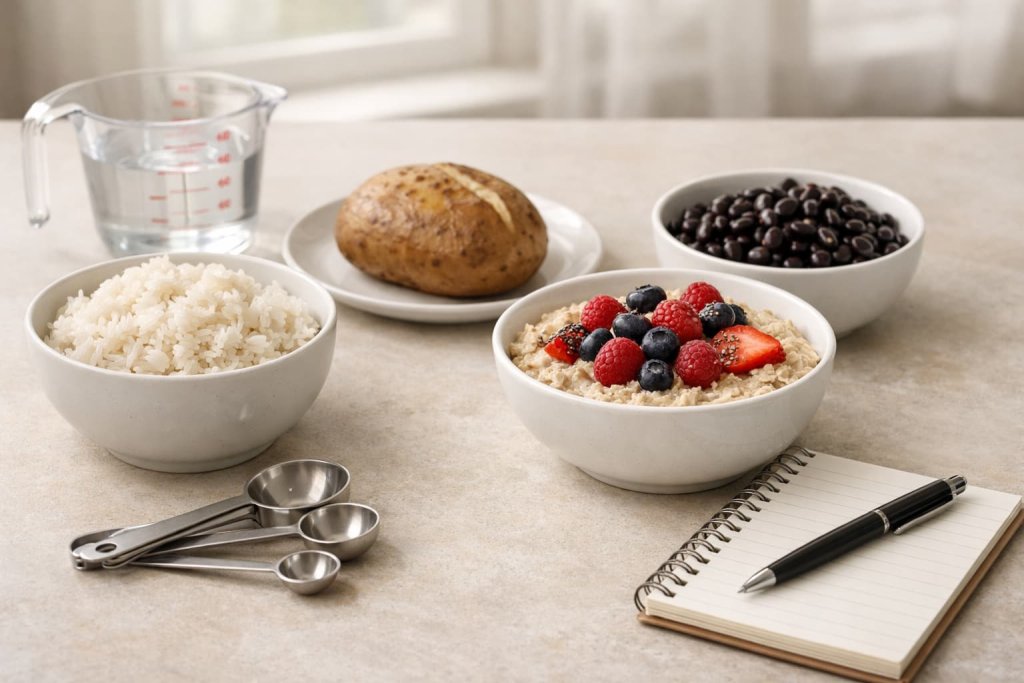
To ground this guide in current nutrition science, the National Academies of Sciences, Engineering, and Medicine Dietary Reference Intakes establish an Acceptable Macronutrient Distribution Range (AMDR) for carbohydrates of 45%–65% of total daily calories for adults. This range reflects evidence on adequate energy intake and chronic disease risk reduction. At the same time, overall carb quality matters. The Centers for Disease Control and Prevention notes that current U.S. dietary guidance recommends limiting added sugars to less than 10% of total daily calories for people ages 2 and older. Focusing on minimally processed, fiber-rich carbohydrate sources—while keeping added sugars within recommended limits—supports balanced nutrition and long-term health.
What “foods high in carbs” really means
Carbs are found in:
- Starchy foods (grains, potatoes, corn, beans, lentils)
- Fruits and dairy (natural sugars like fructose and lactose)
- Sugary foods/drinks (added sugars)
A food is “high in carbs” when a typical serving provides a meaningful amount of carbohydrate (often 20+ grams per serving, though it depends on the food and portion size).
Many nutrition labels list total carbohydrate per serving, so a simple way to spot higher-carb foods is:
- High-carb serving: about 30+ grams of total carbs
- Moderate-carb serving: about 15–29 grams
- Lower-carb serving: under 15 grams
These aren’t medical cutoffs, but they help you compare foods quickly using the Nutrition Facts label.
Net carbs vs total carbs (quick clarity)
Some labels and diet plans use “net carbs,” which generally means total carbs minus fiber (and sometimes minus certain sugar alcohols). For most people focused on overall health, total carbs and fiber are the most useful numbers to track, because fiber is consistently linked with better digestion and heart-health outcomes.
When carbs are most useful (and when they’re easiest to overdo)
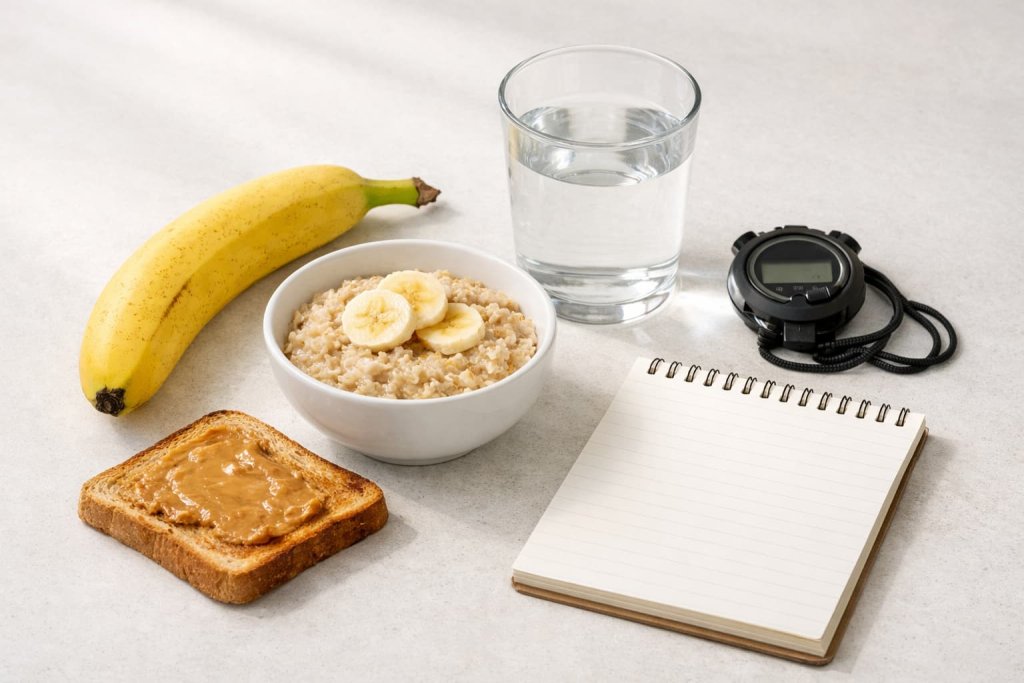
When to eat higher-carb foods more often
Carb-dense foods can be especially helpful when:
- You’re active and want fuel for training or a demanding day.
- You want more fiber, vitamins, and minerals from whole-food carb sources.
- You’re building meals that include protein + fiber + healthy fat (which tends to improve fullness).
Sports nutrition guidance often uses carb ranges around workouts, especially for endurance or longer training sessions. For example, carbohydrate intake in the hours before and during prolonged exercise is widely discussed in sports medicine literature. (See PubMed Central for an accessible, peer-reviewed overview.)
When to limit higher-carb foods
You’ll usually want to limit or portion carefully when the carbs are:
- Mostly added sugar (soda, many pastries, candy)
- Highly refined + low fiber (some white breads, many sugary cereals)
- Easy to eat fast without noticing portions (chips, sweets, sweet drinks)
For added sugar boundaries, the World Health Organization recommends keeping free sugars below 10% of total energy (and suggests under 5% may provide additional benefits). The American Heart Association also shares practical daily limits many people use as a rule of thumb.
Quick label check (30 seconds)
When deciding whether to limit a high-carb food, check:
- Serving size (most important)
- Total carbs and fiber
- Added sugars (if listed)
- Whether it’s easy to overeat (liquid carbs, snacks eaten mindlessly)
Quick table: 15 foods high in carbs (servings and carb grams)
Carb values below come from USDA nutrient data as listed in USDA FoodData Central entries (values can vary by brand and preparation). The USDA FoodData Central database is a reliable place to verify foods you eat most often.
Note: “High-carb” foods also commonly include items like breakfast cereal, granola, pastries/cookies, chips/crackers, pizza, and candy. These can fit in occasionally, but they’re often easier to overeat and may be higher in added sugars, sodium, and refined starch.
| Food (typical serving) | Approx carbs | When to eat them | When to limit them | External link |
|---|---|---|---|---|
| Cooked white rice, 1 cup | 44.5 g | Great for quick fuel; pairs well with protein/veg | Limit if portions creep up and meals lack fiber | MyFoodData |
| Cooked pasta, 1 cup | 43 g | Useful for active days; choose whole-grain sometimes | Limit oversized bowls and creamy/sugary sauces | MyFoodData |
| Baked potato with skin, 1 medium | 36.6 g | Satisfying base with protein + veg | Limit if toppings turn it into a high-calorie “combo” | MyFoodData |
| Sweet potato, baked, 1 cup | 41.4 g | Good pre/post training; fiber helps fullness | Limit sugary toppings; watch portions if sedentary | MyFoodData |
| Quinoa, cooked, 1 cup | 39.4 g | Solid “carb + protein” grain option | Limit if you treat it like an unlimited “health food” | MyFoodData |
| Black beans, cooked, 1 cup | 40.8 g | High-fiber carb; great in bowls/salads | Limit if beans trigger GI discomfort (start small) | MyFoodData |
| Lentils, cooked, 1 cup | 39.9 g | High-fiber carb; great for meal prep | Limit very large servings if you’re not used to them | MyFoodData |
| Oatmeal, cooked, 1 cup | 28.1 g | Great breakfast; good before workouts | Limit add-ins (sugar, huge granola portions) | MyFoodData |
| Corn kernels, cooked, about 1 cup (165 g) | 31.8 g | Good side dish; works in salads/bowls | Limit if it crowds out veggies and protein | MyFoodData |
| Whole wheat bread, 2 slices (64 g entry) | 27.3 g | Convenient carb base; add protein | Limit if sandwiches stack carbs (bread + chips + soda) | MyFoodData |
| Flour tortilla, 1 (42 g) | 20 g | Useful for wraps; pair with beans/meat/veg | Limit “double-wrap” burritos plus sugary drinks | MyFoodData |
| Banana, 1 medium | 27 g | Quick pre-workout carb; easy snack | Limit if eaten alone and you’re hungry soon after | MyFoodData |
| Grapes, 1 cup (92 g entry) | 15.8 g | Handy snack; good with yogurt/nuts | Limit mindless “bag snacking” (portions add up fast) | MyFoodData |
| Orange juice, 1 cup (248 g entry) | 25.8 g | Can be helpful around exercise; quick carbs | Limit as a daily drink—easy to overdo sugar | MyFoodData |
| Cola/soft drink, 1 large serving (492 g entry) | 51 g | Rarely “needed” nutritionally | Limit often—high sugar, low satiety | MyFoodData |
How to decide “eat” vs “limit” in real life (simple rules that work)
Rule 1: Pair carbs to slow the spike and boost fullness
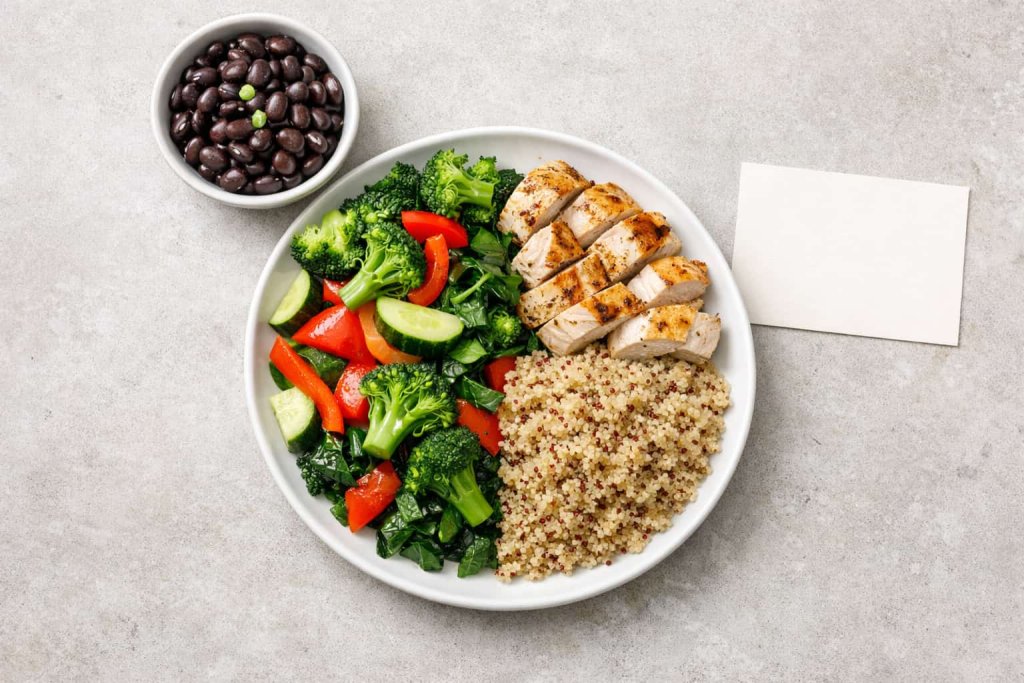
If you’re not actively using carbs for training fuel, try this:
- Carb + protein + fiber (and optionally healthy fat)
Examples:
- Rice + chicken + vegetables
- Oatmeal + Greek yogurt + berries
- Tortilla wrap + beans + salsa + veggies
Portion cheat sheet (fast and practical)
If you’re unsure how much to serve, start with:
- Cooked grains/pasta: about 1/2 to 1 cup
- Starchy veggies (potato/sweet potato/corn): about 1 medium potato or 1 cup
- Beans/lentils: about 1/2 to 1 cup
- Bread/tortillas: 1–2 slices bread or 1 tortilla
Then adjust up on very active days, and down if you’re less active or your goal is weight loss.
Rule 2: Use “high-carb” foods strategically around activity
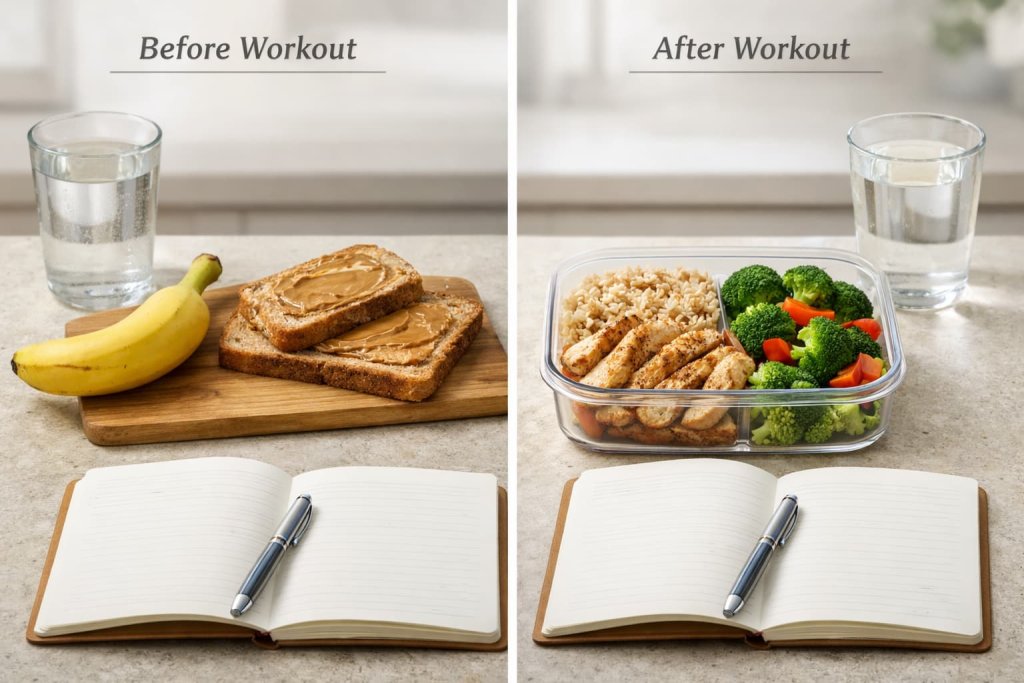
If you train or play sports, carbs can be a performance tool. Sports nutrition literature commonly discusses higher-carb fueling before and during longer sessions. (See the PubMed Central review linked earlier for ranges and context.)
Simple practical approach:
- Before training: choose easier-to-digest carbs (banana, rice, oatmeal).
- After training: combine carbs with protein (rice + lean protein; yogurt + fruit).
Rule 3: Treat sweet drinks and desserts as “budget busters”
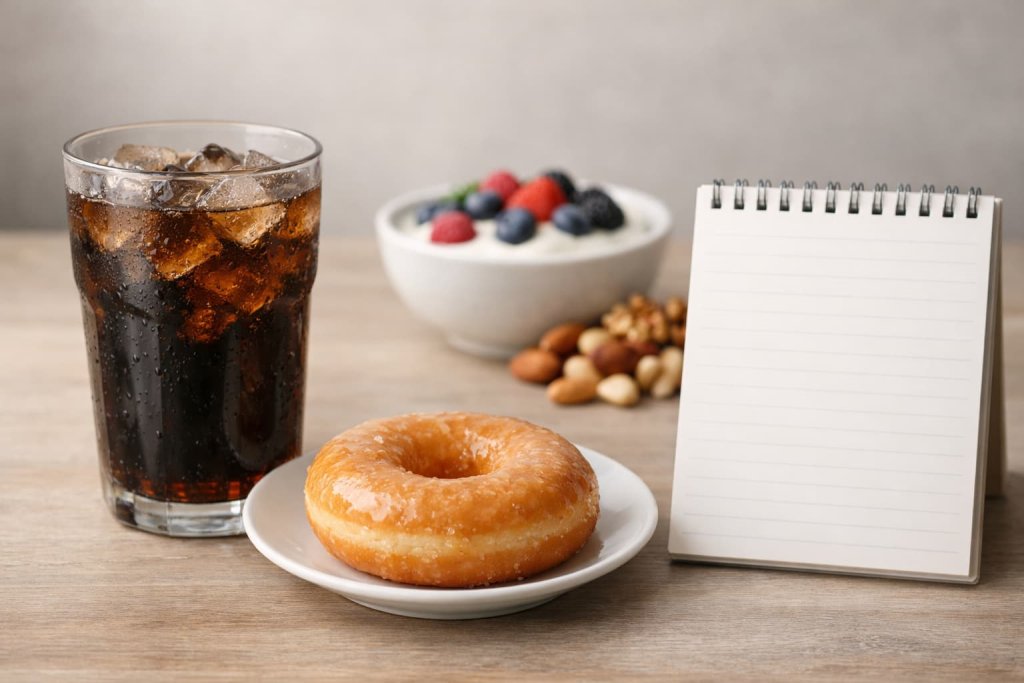
Sweet drinks and desserts can push you past daily sugar goals quickly because they’re:
- Fast to consume
- Not very filling
- Easy to underestimate
This is why guidance on limiting added/free sugars matters (WHO, CDC, AHA—linked earlier).
When you should be extra careful with high-carb foods
High-carb “sneaky” foods that add up fast
Some foods don’t look like “carbs,” but portions can stack quickly:
- Granola and flavored yogurt (often more carbs than expected)
- Smoothies (fruit + juice + sweeteners can concentrate carbs)
- Sauces and condiments (sweet sauces, ketchup, some dressings)
- Coffee drinks (sweetened syrups and blended drinks)
Checking the total carbs per serving and the serving size can prevent accidental overdoing.
If you have diabetes or prediabetes
Carb portions and timing can affect blood sugar. Consider:
- Favoring high-fiber carbs (beans, lentils, oats)
- Pairing carbs with protein
- Being cautious with juice and soda
If you treat low blood sugar, the American Diabetes Association describes the “15/15 rule” using fast-acting carbs.
If you’re trying to lose weight
You don’t need to cut carbs to lose weight, but you often need:
- Better portions
- Fewer liquid calories (juice, soda)
- More protein and fiber at meals
If you have digestive sensitivities
Beans and lentils are healthy high-carb foods, but large portions can cause gas/bloating—especially if you increase them fast. Start smaller and build up.
If you have kidney disease, heart failure, or specific medical restrictions
Some high-carb staples can also be high in potassium (potatoes, some fruits) or sodium (bread, tortillas, packaged foods, soda/fast food meals). If you’ve been given potassium, sodium, or fluid limits, follow your clinician’s plan and use Nutrition Facts labels to choose the best options.
People also ask about foods high in carbs
Are carbs bad for you?
Carbs aren’t “bad.” Quality and portion size matter most. Whole-food carb sources (beans, oats, potatoes, fruit) bring nutrients and fiber; sugary/refined carbs are easier to overdo.
Which carbs are best for energy?
For quick energy, starchy carbs and fruit often work well (rice, potatoes, bananas). For steadier energy, choose higher-fiber carbs (oats, beans, lentils, quinoa).
Is fruit “too high in carbs”?
Fruit contains natural sugars plus water, fiber, and micronutrients. Portions still matter—pairing fruit with protein (yogurt, nuts) can improve fullness.
Is bread high in carbs?
Many breads are high in carbs, but whole-grain/whole wheat bread can also contribute fiber. Serving size matters most (2+ slices adds up quickly).
Is juice the same as fruit?
Juice is typically less filling than whole fruit and easier to drink quickly. Carb totals add up fast compared to eating whole fruit.
FAQ
What are the highest-carb foods in a typical diet?
Common high-carb staples include rice, pasta, breads/tortillas, potatoes, oats, beans/lentils, fruit, juice, and sugary drinks.
What’s the easiest high-carb food to overeat?
Sweet drinks (soda, sweet coffee drinks, juice) are among the easiest because they’re quick to consume and not very filling.
What are the best high-carb foods for fiber?
Beans and lentils are standouts for fiber, and oats and some whole grains can also contribute.
Which high-carb foods are best if I’m trying to lose weight?
Usually the best choices are the ones that are high in fiber and satisfying, such as beans, lentils, oats, potatoes with the skin, fruit, and whole grains in sensible portions—especially when paired with protein.
What’s a good high-carb snack before a workout?
If you need quick fuel, choose an easy-to-digest option like a banana, oatmeal, toast, or rice—and keep fat very high amounts minimal right before intense training if it upsets your stomach.
When should I limit starchy carbs like rice or pasta?
Limit them when they crowd out protein and vegetables, or when portions are much larger than your activity level needs.
Are potatoes “worse” than rice?
Not necessarily—both are carb-dense. Potatoes can be very filling, and preparation/toppings often matter more than the potato itself.
Can I eat high-carb foods at night?
You can, but it often helps to keep the meal balanced (protein + fiber) and keep portions aligned with your day’s activity and goals.
Conclusion
Foods high in carbs aren’t automatically “good” or “bad.” The best approach is to use carbs for energy when you need it, choose fiber-rich carb sources most of the time, and limit sugary drinks and highly refined sweets that are easy to overconsume. If you want a simple next step, pick two meals per day to practice the “carb + protein + fiber” combo and keep sweet drinks as an occasional choice.
This content is for informational purposes only and not medical advice.
Sources/References
- National Academies of Sciences, Engineering, and Medicine — Dietary Reference Intakes for Energy, Carbohydrate, Fiber, Fat, Fatty Acids, Cholesterol, Protein, and Amino Acids
- Centers for Disease Control and Prevention — Added Sugars
- World Health Organization — Free sugars intake for adults and children
- American Heart Association — Added Sugars
- USDA — FoodData Central
- MyFoodData — Nutrition facts pages based on USDA FoodData Central entries
- PubMed Central — Nutrition and athletic performance review
- American Diabetes Association — Hypoglycemia (Low Blood Glucose)