
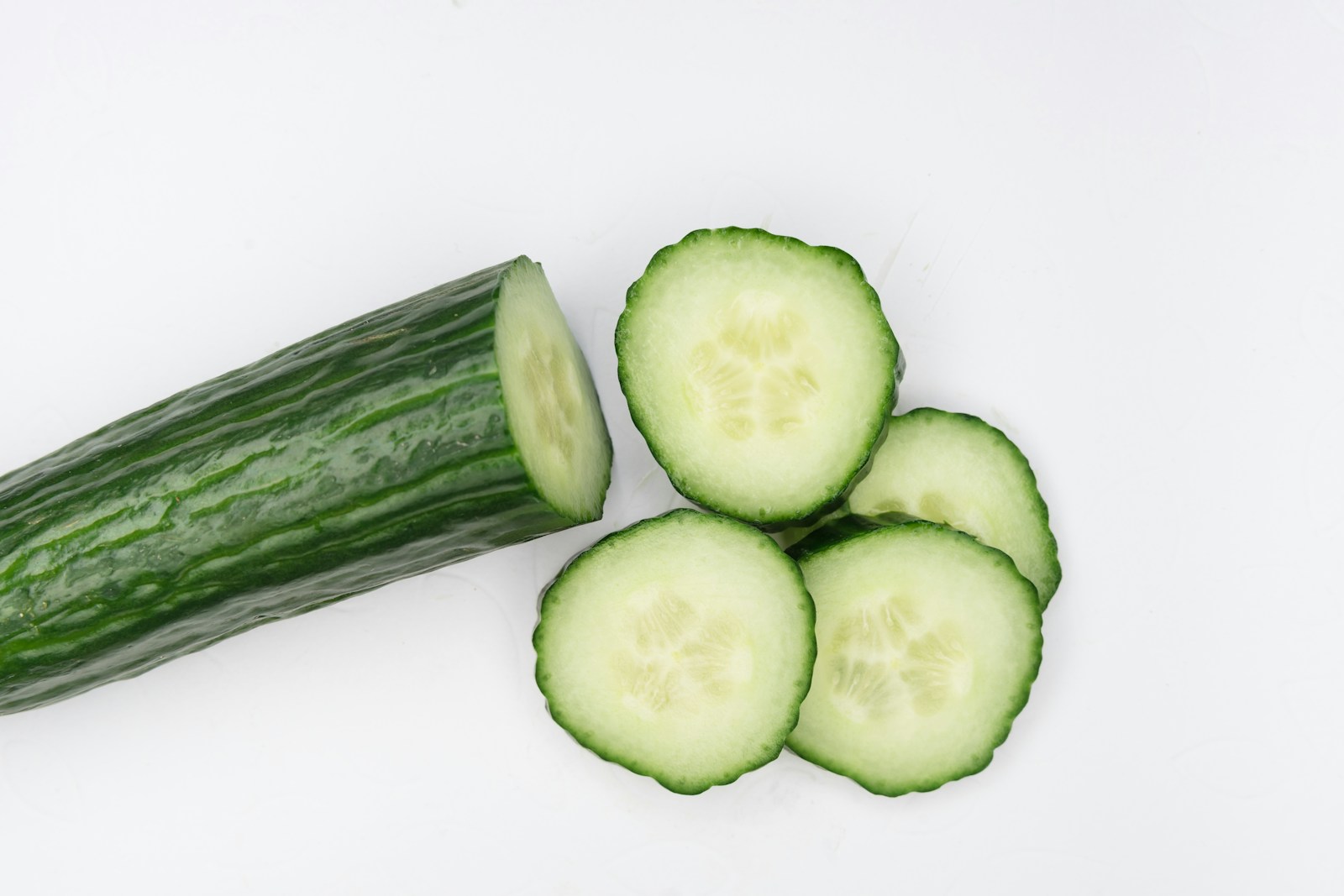
The humble cucumber may be more beneficial than it seems. Eating cucumbers supports hydration, nutrient intake and overall wellness. Understanding how cucumbers contribute to health is important because they are low-cost, widely available, and easy to incorporate into everyday meals. In this article we’ll cover key benefits of cucumbers, what nutrients they provide, how to use them, usage tips and precautions—all from the latest research.
What Are Cucumbers? (Overview and Nutrition Profile)
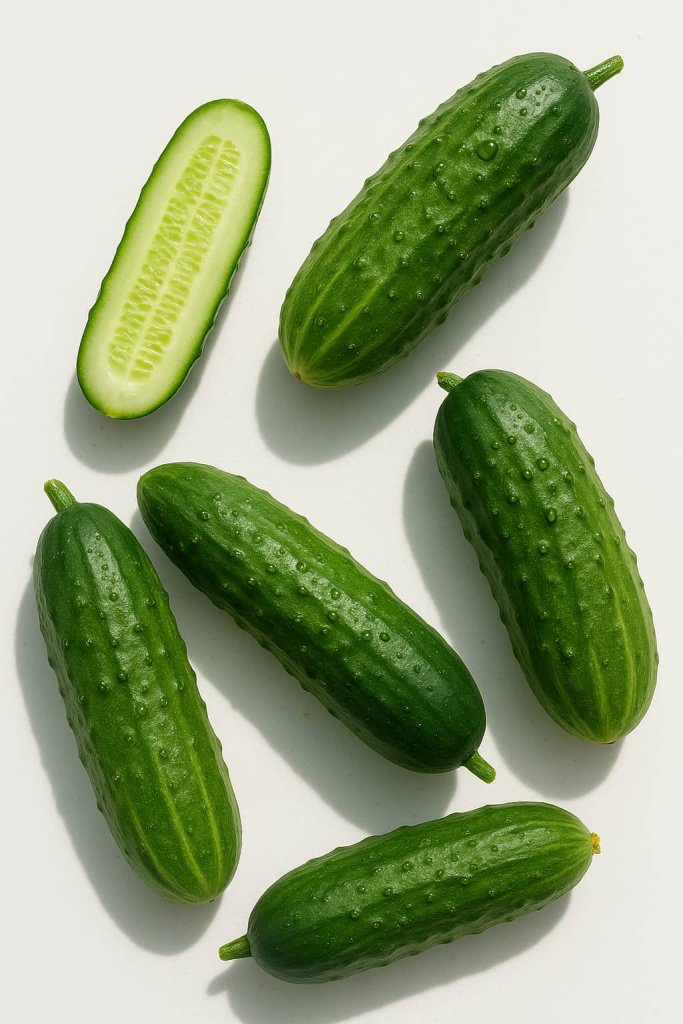
Cucumbers (Cucumis sativus L.) are crisp, refreshing fruits botanically related to melons and squash. Although commonly prepared as vegetables, cucumbers are technically part of the gourd family (Cucurbitaceae). They have been cultivated for over 3,000 years, originating in South Asia, and are now a dietary staple across the globe due to their high water content, mild flavor, and versatility.
There are two main types of cucumbers:
- Slicing cucumbers – typically larger with thicker skins, ideal for salads and sandwiches.
- Pickling cucumbers – smaller and firmer, commonly used for making pickles.
Cucumbers are valued not only for their refreshing taste but also for their nutritional benefits. They are low in calories and high in hydration, making them a healthy addition to balanced diets. According to the U.S. Department of Agriculture (USDA) FoodData Central, cucumbers contain a variety of micronutrients that contribute to hydration, digestion, and cellular health.
Nutritional Profile of Raw Cucumber (With Peel, per 100 g)
| Nutrient | Amount | % Daily Value (Approx.) |
|---|---|---|
| Calories | 15 kcal | — |
| Water | 95–96 g | — |
| Carbohydrates | 3.6 g | — |
| Protein | 0.7 g | — |
| Fat | 0.1 g | — |
| Dietary Fiber | 0.5 g | — |
| Vitamin C | 2.8 mg | 3% DV |
| Vitamin K | 16.4 µg | 14% DV |
| Potassium | 147 mg | 3% DV |
| Magnesium | 13 mg | 3% DV |
| Manganese | 0.079 mg | 3% DV |
(Source: USDA FoodData Central, 2024 update)
Cucumbers also contain plant-based antioxidants, including flavonoids (like apigenin and luteolin) and cucurbitacins, which are being studied for their potential roles in oxidative stress protection and metabolic health (National Library of Medicine – PubMed).
Their hydration level (~96%) and low energy density make cucumbers ideal for promoting fluid balance, supporting digestion, and managing calorie intake without compromising nutrition.
10 Proven Health Benefits of Cucumbers (Backed by Science)
Cucumbers are more than just a refreshing salad ingredient — they are packed with hydration, nutrients, and beneficial plant compounds that support overall wellness. Below are ten science-backed ways cucumbers may help improve different aspects of health, from hydration and digestion to heart and skin support.
1. Supports Hydration
Cucumbers are made up of about 95–96% water, making them one of the most hydrating foods available. According to the Cleveland Clinic, staying hydrated is essential for maintaining kidney health, temperature regulation, and nutrient transport throughout the body. Cucumbers can contribute to your daily water intake while providing a crisp, refreshing flavor.
Their high water content helps replace fluids lost through sweat, particularly in warm climates or after exercise, and may support healthy digestion and energy metabolism.
Tip: Add cucumber slices to water, smoothies, or salads for a refreshing hydration boost.
2. Low in Calories and Weight-Friendly
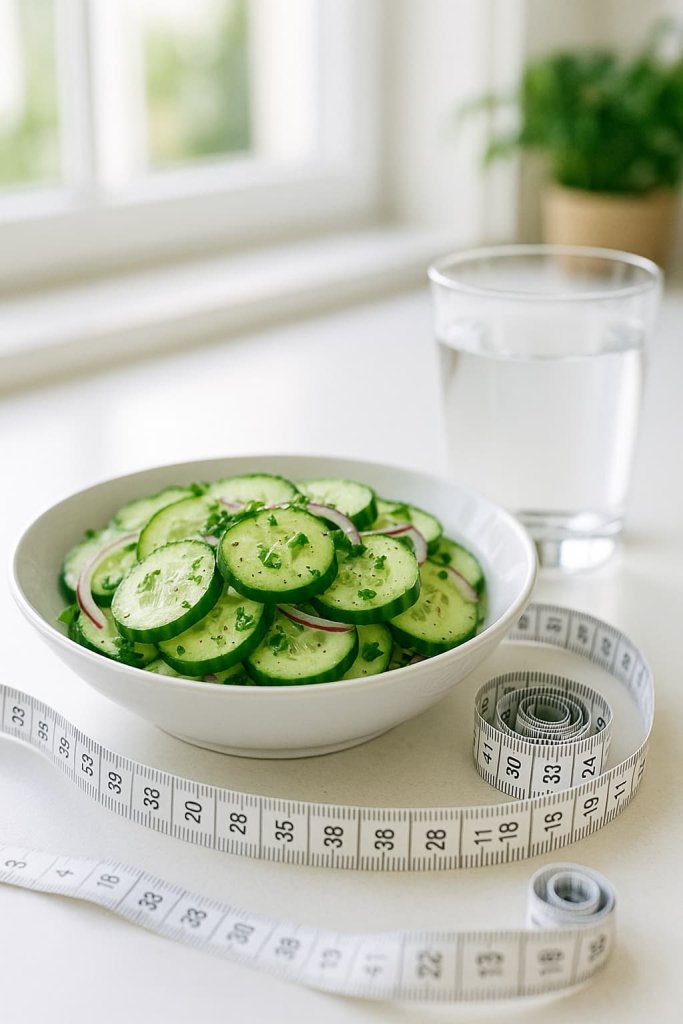
With only 8 calories per half cup, cucumbers make an ideal snack for maintaining a healthy weight. The combination of water and fiber adds volume to your meals, which may help you feel fuller with fewer calories. The Harvard T.H. Chan School of Public Health highlights that low-energy-density foods — like cucumbers — can support satiety and overall calorie control.
Additionally, cucumbers provide a crunchy texture, making them a great substitute for high-calorie snacks such as chips or crackers.
Tip: Replace chips or crackers with cucumber sticks paired with hummus or Greek yogurt dip for a filling, nutrient-rich option.
3. Supports Bone Health
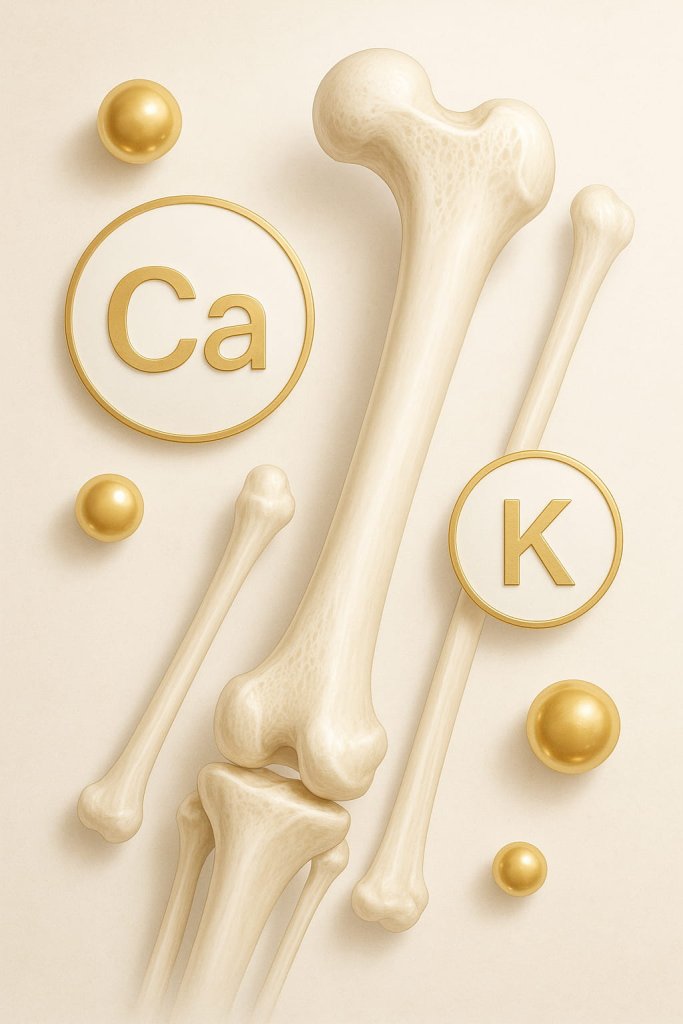
Cucumbers are a modest source of vitamin K, a nutrient essential for bone formation and calcium utilization. As noted by Medical News Today, vitamin K contributes to bone mineralization, helping support bone density over time.
Consuming vitamin K-rich foods regularly — alongside calcium and vitamin D — may support long-term bone strength and reduce bone loss risk associated with aging.
Tip: Leave the peel on when possible, as cucumber skin contains higher concentrations of vitamin K and beneficial phytonutrients.
4. Promotes Digestive and Gut Health
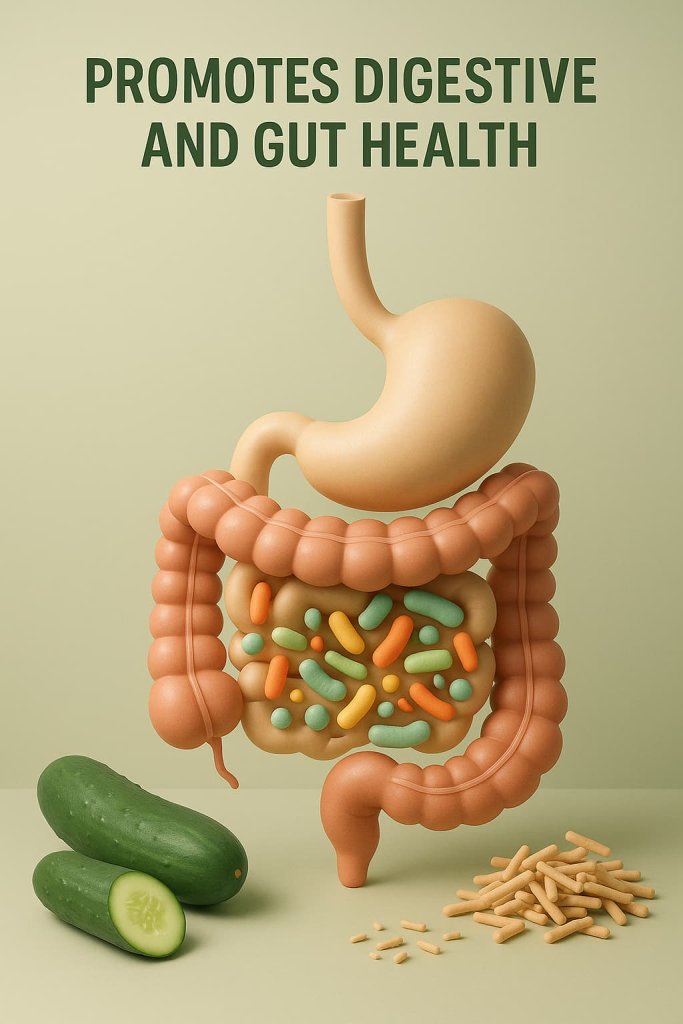
The combination of fiber and water in cucumbers helps keep digestion regular and supports gut motility. According to the Cleveland Clinic, fiber softens stools and adds bulk, while hydration supports smoother digestive processes.
For additional gut benefits, pairing cucumbers with fermented foods like yogurt or kefir can help nourish beneficial gut bacteria.
Tip: Eat cucumbers raw with the peel for the most fiber, or mix them with probiotic-rich foods like yogurt to support gut balance.
5. Provides Antioxidant and Anti-Inflammatory Support

Cucumbers contain polyphenols and flavonoids — such as luteolin, apigenin, and cucurbitacins — that exhibit antioxidant properties. A study in the Journal of Food Biochemistry and research indexed on PubMed note that these compounds may help neutralize free radicals and reduce oxidative stress at the cellular level.
While most findings come from lab and animal studies, including cucumbers in a diet rich in fruits and vegetables supports long-term wellness and may help protect against chronic inflammation.
Tip: Combine cucumbers with other antioxidant-rich foods like tomatoes, olive oil, or leafy greens to amplify antioxidant intake.
6. May Help Regulate Blood Sugar
Early studies indicate that compounds found in cucumbers, including cucurbitacins, may help regulate glucose metabolism. As per Healthline, cucumbers have a low glycemic index and carbohydrate content, making them suitable for people managing blood sugar levels.
Although human research is still limited, cucumber extracts have shown potential to help balance glucose levels in experimental settings.
Tip: Enjoy cucumbers with meals that include protein and healthy fats to maintain steady blood sugar levels throughout the day.
7. Supports Heart Health
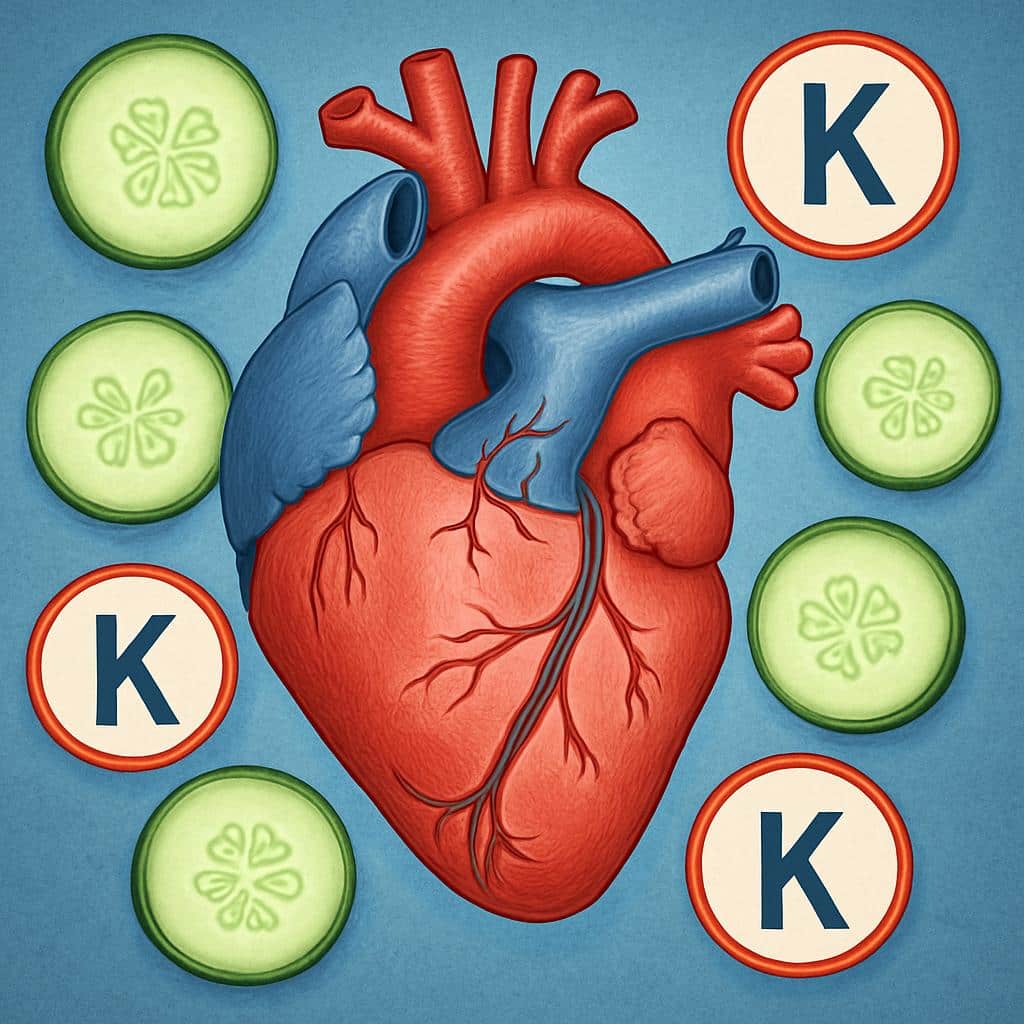
Cucumbers contain potassium, a mineral known to help regulate sodium balance and maintain healthy blood pressure. The American Heart Association emphasizes potassium’s importance for heart function and vascular health.
Additionally, cucumber antioxidants may help reduce oxidative stress — a contributing factor in heart-related conditions. Consuming cucumbers regularly as part of a balanced diet may support cardiovascular wellness.
Tip: Include cucumber salads with olive oil and herbs for a heart-friendly dish that also enhances nutrient absorption.
8. May Support Skin Health
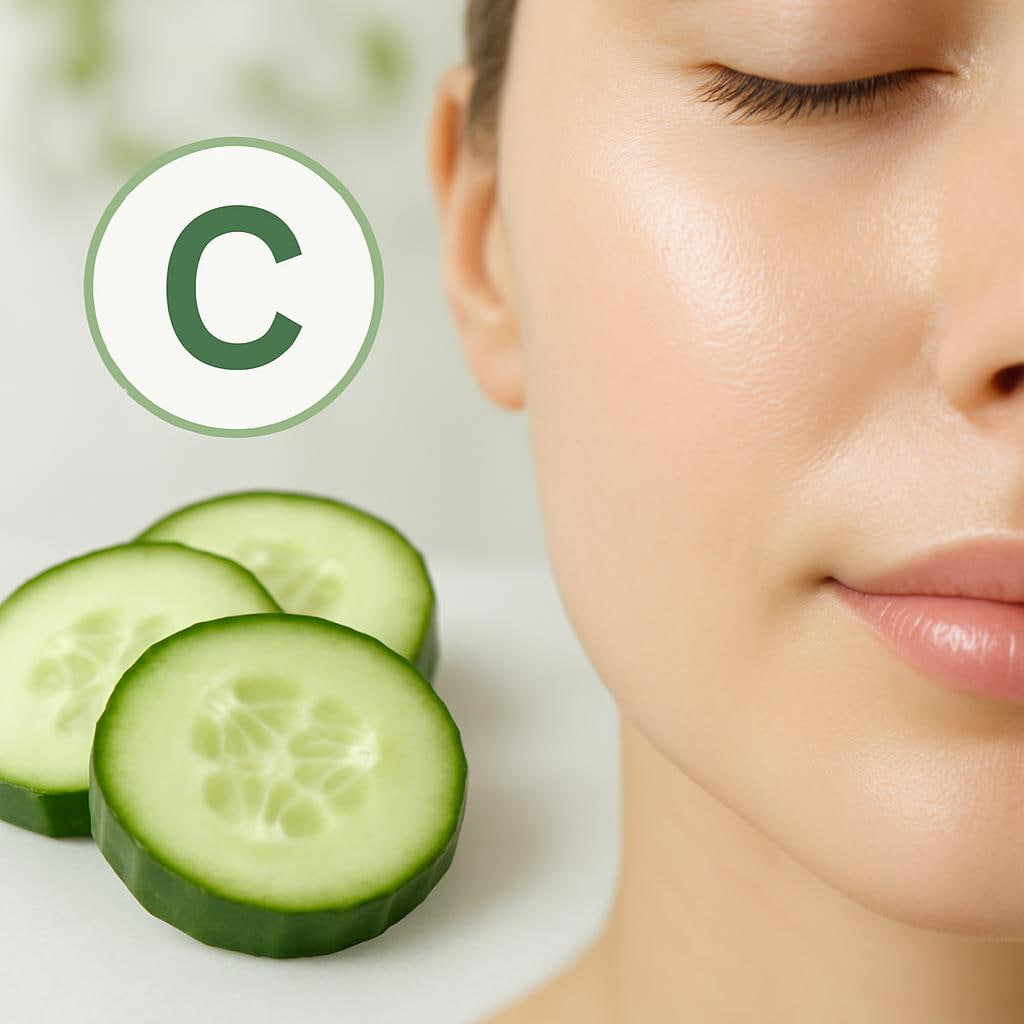
Cucumbers are naturally hydrating and contain key nutrients such as vitamin C, vitamin K, and antioxidants that may support skin elasticity, firmness, and overall appearance. Their high water content helps maintain the skin’s moisture barrier, while antioxidants help protect against environmental stressors and free radical damage that can accelerate visible aging.
According to the Harvard T.H. Chan School of Public Health, vitamin C is essential for collagen synthesis, a process that contributes to skin strength and structural integrity. Collagen helps keep the skin firm and resilient, and adequate vitamin C intake supports this natural renewal process.
Furthermore, a review published in the National Library of Medicine (PubMed Central) highlights that vitamin C in skin cells can stimulate collagen production and provide antioxidant protection against ultraviolet-induced oxidative stress — both of which are critical for maintaining youthful, healthy skin.
Tip: Blend cucumbers into smoothies, juices, or salads alongside vitamin C-rich fruits and leafy greens for a hydrating, skin-nourishing boost that supports natural collagen formation and overall skin wellness.
9. Supports Detoxification and Cellular Clean-Up

While “detox” is not a medical term, cucumbers may naturally support your body’s cleansing processes. The high water and fiber content helps maintain kidney function and promote regular elimination of waste. The National Institutes of Health (NIH) highlights that adequate hydration is essential for kidney efficiency and electrolyte balance.
Cucumbers may also have a mild diuretic effect, helping flush out excess salt and maintain healthy fluid levels.
Tip: Include cucumbers in infused water, salads, or green juices as part of a plant-rich diet that supports natural detoxification pathways.
10. Easy to Add to a Balanced Diet

Cucumbers are among the most versatile vegetables, easily fitting into various cuisines and dietary patterns — from Mediterranean to vegetarian diets. They pair well with lean proteins, whole grains, and healthy fats, making them a convenient way to enhance meal nutrition.
According to the Harvard School of Public Health, building meals around vegetables like cucumbers can help improve diet quality and nutrient intake.
Tip: Try cucumber slices in sandwiches, chilled soups, smoothies, or light pickles (just monitor sodium levels in pickled versions).
How to Eat Cucumbers for Best Results
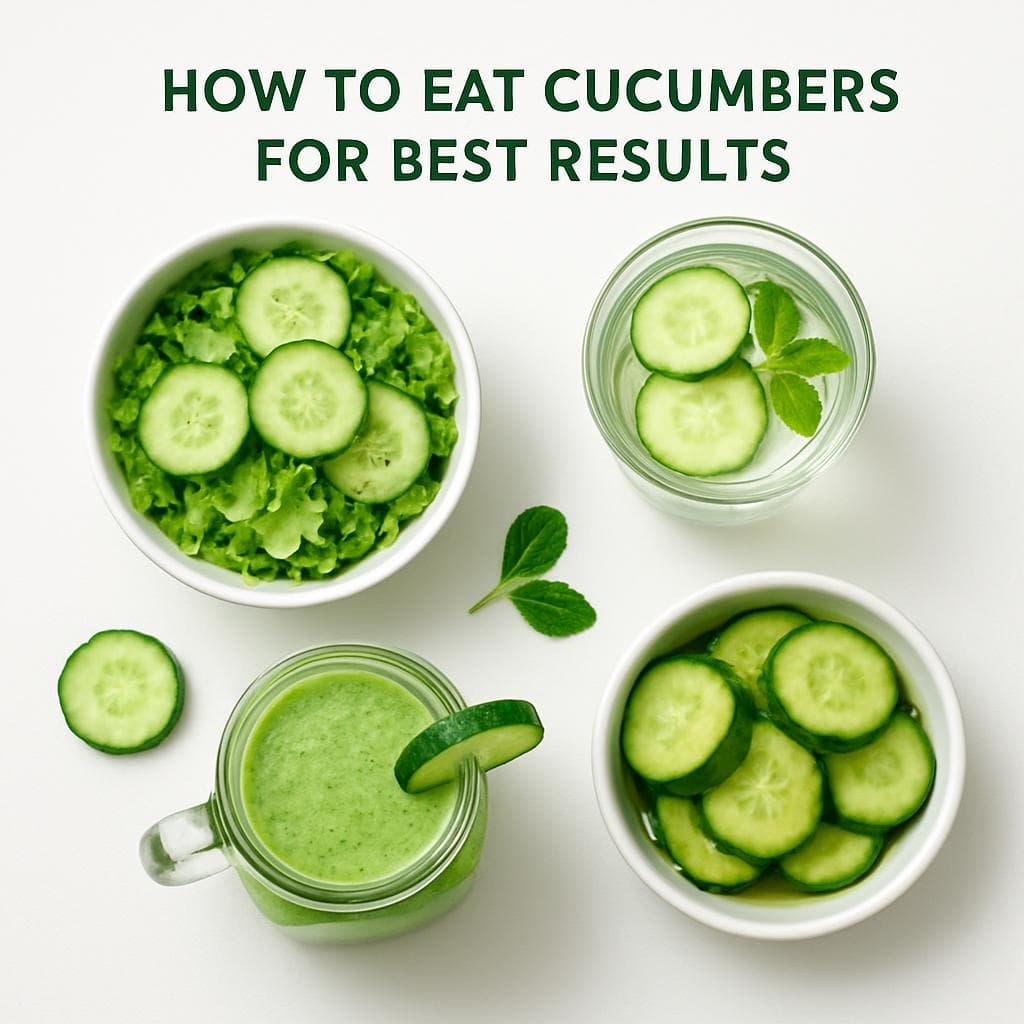
Cucumbers are among the easiest and most versatile foods to include in your diet. Their mild flavor and high water content make them a refreshing addition to meals and beverages. You can enjoy cucumbers raw, blended, pickled, or infused—each method offering its own nutritional advantages.
1. Eat Them Raw:
Fresh cucumber slices add crunch and hydration to salads, sandwiches, and wraps. Eating them raw preserves vitamin C and natural enzymes that may support digestion.
2. Infused Water:
Add cucumber slices to your water with lemon, mint, or berries. This not only enhances flavor but also encourages greater daily water intake, supporting hydration and detoxification.
3. Smoothies and Juices:
Blend cucumbers with spinach, apple, and a squeeze of lemon for a revitalizing green smoothie. Their natural water content makes smoothies lighter and easier to digest.
4. Pickled Cucumbers:
Fermented or brined cucumbers can offer a tangy flavor and probiotic potential—though you should choose low-sodium versions whenever possible. (Cleveland Clinic – Benefits of Cucumbers)
5. Pair with Healthy Fats:
Many nutrients in cucumbers, including vitamin K and carotenoids from other vegetables, are better absorbed when eaten with fats. Pair cucumbers with olive oil, avocado, or nuts for optimal nutrient uptake.
Tip: Always wash cucumbers thoroughly or peel if non-organic to reduce pesticide exposure.
Possible Side Effects and Precautions
Cucumbers are generally safe and well-tolerated, but a few precautions are worth noting to stay within YMYL safety standards:
- Vitamin K and Medications: Cucumbers contain vitamin K, which supports blood clotting. People taking blood-thinning medications like warfarin should maintain consistent vitamin K intake and consult their healthcare provider. (Mayo Clinic)
- High Sodium in Pickles: Pickled cucumbers can contain significant sodium. Excessive sodium intake may raise blood pressure and strain the kidneys. Opt for low-sodium or fresh varieties. (Cleveland Clinic)
- Allergies: Rarely, cucumbers may trigger oral allergy syndrome in people allergic to ragweed, melons, or birch pollen. If tingling or swelling occurs after eating, consult a medical professional.
- Digestive Sensitivity: Large quantities of raw cucumber may cause mild bloating due to water and fiber content. Introduce gradually if you have a sensitive stomach.
Tip: Moderation and variety remain key—rotate cucumber intake with other fruits and vegetables to maintain balanced nutrition.
Recommended Daily Intake and Storage Tips
Serving Size Guidance
Most healthy adults can enjoy ½ to 1 cup of sliced cucumber per day, offering hydration, fiber, and essential nutrients with minimal calories. Cucumbers are naturally low in carbohydrates and fats, making them an ideal addition to balanced meal plans for weight management and overall wellness. While there’s no strict upper limit, variety remains key — pair cucumbers with other colorful vegetables and fruits to ensure a full spectrum of nutrients throughout the day.
Storage Recommendations
- Temperature: According to the U.S. Food and Drug Administration (FDA), cucumbers should be stored in the refrigerator at or below 40 °F (4 °C) to slow bacterial growth and preserve freshness. Proper refrigeration supports food safety and helps maintain crispness.
- Shelf Life: Whole, unwashed cucumbers typically last 5–7 days when kept in the crisper drawer of the refrigerator, as noted by Better Homes & Gardens’ food safety guidance (bhg.com). Washing before storage may introduce moisture that accelerates spoilage, so it’s best to rinse only before consumption.
- Sliced Storage: Once cut, store cucumbers in an airtight container with a paper towel to absorb excess moisture. This helps preserve their crunch and quality. For best results, consume sliced cucumbers within 2–3 days.
- Avoid Freezing: Freezing is not recommended, as the high water content causes cucumbers to become soft and lose texture after thawing.
- Ethylene Sensitivity: Keep cucumbers away from ethylene-producing fruits like bananas, tomatoes, and melons, which can cause premature softening and spoilage. The USDA’s Food and Nutrition Service advises storing ethylene-sensitive produce separately to maintain freshness and food safety.
FAQs (People Also Ask)
Q1. Are cucumbers fruits or vegetables?
Botanically, cucumbers are fruits because they grow from flowers and contain seeds, though they’re used as vegetables in cooking.
Q2. Should I eat cucumbers with or without the peel?
Eating cucumbers with the peel provides more fiber, vitamin K, and antioxidants. Wash thoroughly if not organic. (Healthline)
Q3. Can cucumbers help with hydration?
Yes. With about 96% water, cucumbers are one of the most hydrating foods you can eat. Including them in your diet supports fluid balance.
Q4. Do pickled cucumbers offer the same benefits as fresh ones?
Fermented pickles may contain beneficial probiotics, but they are often high in sodium. Fresh cucumbers are generally more nutrient-dense.
Q5. Are cucumbers good for skin health?
Yes. Their vitamin C, antioxidants, and hydration support collagen formation and skin elasticity. (Harvard T.H. Chan School of Public Health)
Q6. How can I make cucumbers taste better?
Sprinkle with herbs, lemon juice, or a drizzle of olive oil. Pairing with yogurt, feta, or mint enhances both flavor and nutrient absorption.
Q7. Are cucumbers safe for people with diabetes?
Cucumbers have a low glycemic index and minimal carbs, making them a suitable snack for people managing blood sugar. (Medical News Today)
Conclusion
Cucumbers are one of the simplest ways to stay hydrated, energized, and nourished throughout the day. Packed with water, fiber, vitamins C and K, and natural antioxidants, they support hydration, digestion, skin health, and heart wellness without adding excess calories.
Whether you enjoy them raw, blended, or in refreshing salads, cucumbers fit effortlessly into nearly every eating pattern.
Call to Action: Add cucumbers to your next salad, smoothie, or infused water for a quick, refreshing way to support your overall well-being.
This content is for informational purposes only and not medical advice.