
For most seniors, a normal resting heart rate is still 60 to 100 beats per minute. The key difference with aging is not a new official resting range, but that older adults are more likely to have medication effects, heart-rhythm changes, or health conditions that make a slow, fast, or irregular pulse more important to notice. According to the American Heart Association, resting heart rate should be checked when you are calm and feeling well.
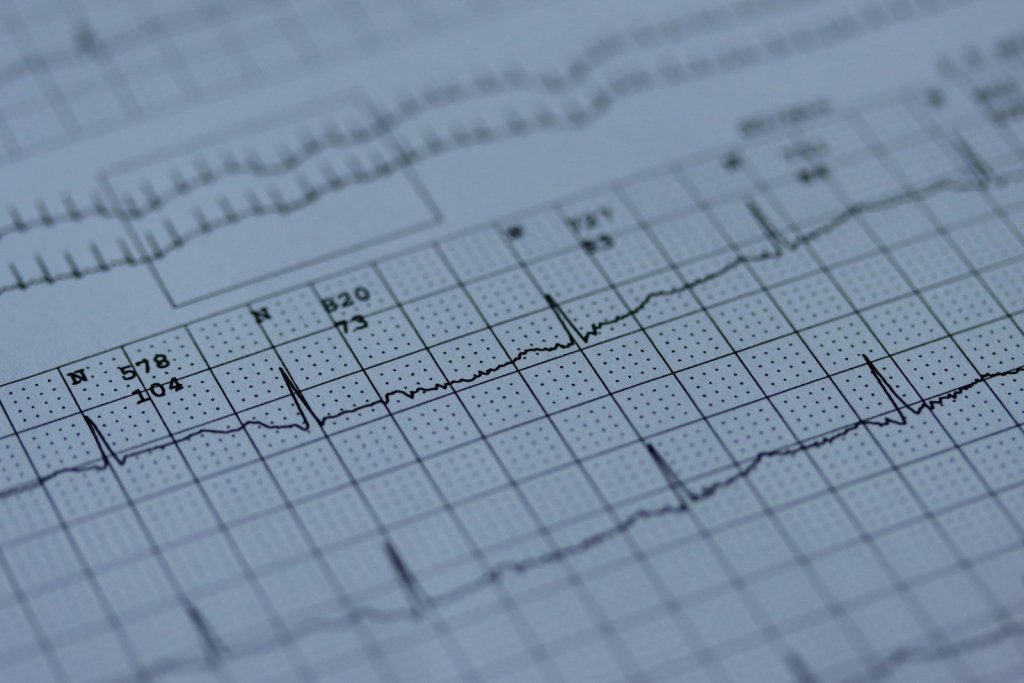
If you are looking for a practical heart rate chart for seniors, the most useful approach is to combine the resting pulse number with symptoms. A pulse that is a little low or high is not always dangerous, but chest pain, shortness of breath, fainting, confusion, new weakness, or a persistent irregular heartbeat should never be ignored. According to MedlinePlus, arrhythmias can cause symptoms such as fluttering, dizziness, weakness, or fainting.
Heart Rate Chart for Seniors
Use this chart for a resting pulse, not your pulse during exercise or right after walking, climbing stairs, stress, or caffeine.
| Resting heart rate | What it may mean for a senior | What to do |
|---|---|---|
| Below 60 bpm | May be normal during sleep, in very active people, or in people taking medicines that slow the heart rate. It can also signal bradycardia. | Pay attention to symptoms. If you feel weak, dizzy, confused, short of breath, or faint, get medical advice promptly. |
| 60 to 100 bpm | Typical resting range for most adults, including seniors | Usually reassuring if you feel well and the rhythm seems regular |
| Above 100 bpm | May happen with fever, dehydration, anxiety, pain, or an arrhythmia. Persistent resting tachycardia should be checked. | If it stays high at rest or you also have symptoms, contact a health care professional |
| Irregular pulse at any rate | Can happen with skipped beats or arrhythmias such as atrial fibrillation | If it is new, frequent, persistent, or comes with symptoms, get evaluated |
This chart reflects current guidance from MedlinePlus, which lists a normal resting heart rate of 60 to 100 bpm for adults, including seniors, and notes that continually high, low, or irregular resting pulse readings should be discussed with a clinician.
What Is a Normal Resting Heart Rate for Seniors?
For older adults, the standard resting pulse range is still 60 to 100 bpm. The National Institute on Aging explains that resting heart rate does not change significantly with normal aging, even though the heart cannot usually beat as fast during activity or stress as it did when a person was younger. The National Institute on Aging also notes that older adults may notice occasional skipped beats more often, but persistent fluttering or racing can point to an arrhythmia.
That is why a good senior heart rate article should avoid saying that all older adults need a different “normal” chart. The more accurate message is this: the number range is similar, but the meaning of that number depends more on symptoms, rhythm, medications, and health history.
When Your Usual Rate May Be Different
The standard 60 to 100 bpm range is the right starting point, but some seniors should also follow a personal target from their clinician. This is especially true if you take heart-rate-lowering medicines, have a known arrhythmia such as atrial fibrillation, or have a pacemaker. In those situations, the most useful question is not just “Is this within the generic chart?” but also “Is this normal for me?” The National Heart, Lung, and Blood Institute advises people with arrhythmias to understand what heart rate range is normal for their situation.
Why Pulse Can Feel Different in Older Adults
Aging changes how the heart responds to activity. According to MedlinePlus, as you get older, your pulse at rest is about the same, but it may take longer for your pulse to rise during exercise and longer for it to slow down afterward, and your maximum exercise heart rate is lower than it was when you were younger.
Older adults are also more likely to develop arrhythmias. The National Institute on Aging says age-related heart changes can increase the risk of atrial fibrillation, and the National Heart, Lung, and Blood Institute notes that the risk of atrial fibrillation rises as you get older, especially after age 65.
The National Heart, Lung, and Blood Institute also explains that aging, scarring in heart tissue, and common conditions such as high blood pressure, heart failure, diabetes, and thyroid disease can raise the risk of arrhythmias in older adults. According to the National Heart, Lung, and Blood Institute, these changes can affect how electrical signals move through the heart.
How to Check Resting Pulse at Home
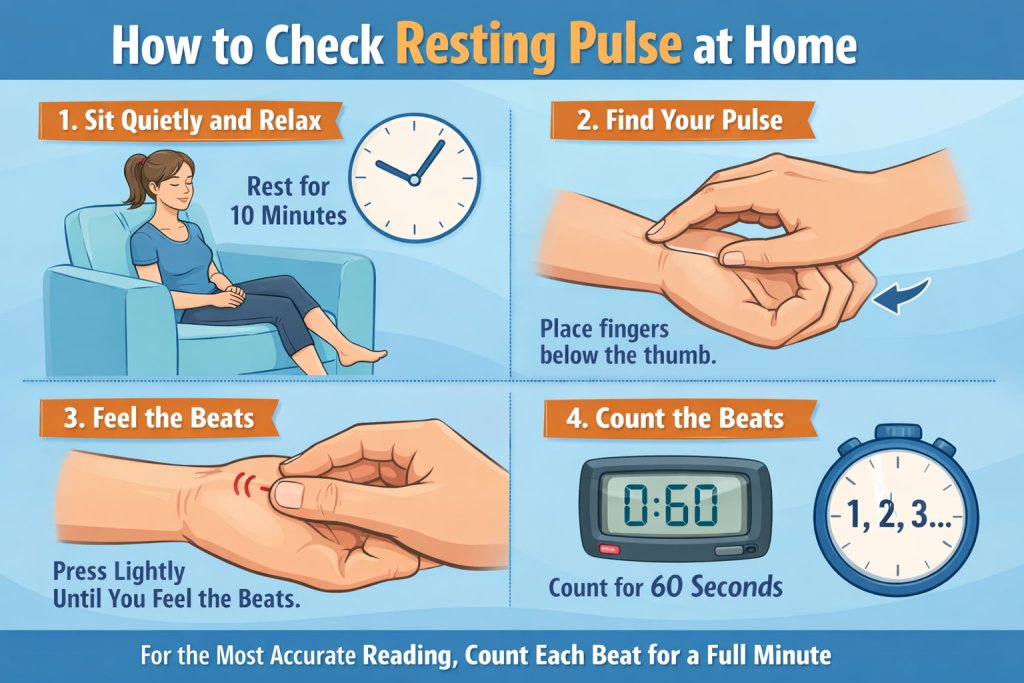
For the most useful reading, check your pulse when you are relaxed. MedlinePlus says you should be resting for at least 10 minutes before measuring a true resting heart rate.
You can check it this way:
- Sit quietly or lie down.
- Place your index and middle fingers on the inside of your wrist, below the base of the thumb.
- Press lightly until you feel the beats.
- Count each beat for 60 seconds.
The American Heart Association says the wrist is one of the best places to find your pulse and that counting for a full minute gives the most accurate reading.
If you check on the neck, MedlinePlus advises using gentle pressure and not pressing on both sides at once, because that can make some people feel faint.
Common Reasons a Senior Pulse May Be Low, High, or Irregular
A slow pulse is not always dangerous. The American Heart Association notes that a resting pulse under 60 can happen in people taking medicines such as beta blockers and in some active adults, and it may also be lower during sleep.
A fast resting pulse is not always a heart emergency either. MedlinePlus says a fast pulse can be linked to problems such as infection or dehydration, and the American Heart Association notes that stress, anxiety, pain, temperature, and several medications can affect heart rate.
Medication effects matter more in seniors because older adults often take more than one prescription. The American Heart Association says beta blockers, calcium channel blockers, and several other medicines can slow heart rate. The National Institute on Aging also advises older adults not to stop prescription medicines on their own if they think a drug is causing problems.
An irregular pulse deserves attention too. MedlinePlus lists symptoms of arrhythmia such as fast or slow heartbeat, skipped or fluttering beats, chest pain, dizziness, fainting, shortness of breath, sweating, tiredness, and weakness.
One reason a new irregular pulse matters more in older adults is that atrial fibrillation becomes more common with age and may raise stroke risk even when symptoms are mild or easy to miss. That does not mean every irregular beat is dangerous, but it does mean a new, frequent, or persistent irregular pulse deserves medical attention.
When to Worry About Heart Rate in Seniors
Call 911 or Your Local Emergency Number Now If
Get emergency help right away if the pulse is suddenly very high or very low for you and you also have chest pain, shortness of breath, fainting, near-fainting, severe dizziness, or signs that something is seriously wrong. The American Heart Association and MedlinePlus both advise emergency care for pulse-related symptoms like these.
Also call 911 right away if a pulse change happens with possible stroke symptoms, such as sudden face drooping, arm weakness, speech trouble, sudden vision changes, loss of balance, or sudden confusion. Even if the symptoms go away, they still need urgent evaluation. The American Stroke Association advises treating these warning signs as an emergency.
Contact a Health Care Professional Soon If
A non-emergency medical visit is a smart idea if:
- your resting pulse is repeatedly below 60 or above 100 and this is not usual for you
- your pulse feels irregular, especially if that is new
- you notice more frequent fluttering, racing, pounding, or skipped beats
- you feel weak, dizzy, unusually tired, confused, or short of breath with the pulse change
These are the kinds of changes that official guidance says should be discussed, especially in older adults.
A Simple Way to Think About Your Pulse
A single reading matters less than the pattern. A senior who feels well and consistently has a resting pulse in the normal range usually does not need to worry. But a pulse that is newly different, persistently abnormal, or tied to symptoms deserves more attention than the number alone.
It also helps to track context. Write down the time, the pulse number, whether it felt regular or irregular, what you were doing before you checked it, and any symptoms you felt. This can help a clinician decide whether the issue looks more like medication effect, dehydration, illness, or a rhythm problem that may need testing such as an EKG.
FAQ
Is 55 bpm normal for a senior?
It can be. A pulse below 60 bpm may happen during sleep, in active adults, or in people taking medicines that slow the heart rate. It becomes more concerning when it is new for you or comes with weakness, dizziness, confusion, fainting, shortness of breath, or chest pain.
Is a resting pulse over 100 always dangerous?
Not always. Resting heart rate over 100 bpm can happen with fever, dehydration, pain, stress, or anxiety, but if it stays high at rest or comes with symptoms, it should be checked.
Does resting heart rate get higher just because of age?
Not usually. The National Institute on Aging says resting heart rate does not change significantly with normal aging. What changes more is how the heart responds to exercise and stress.
Does an irregular pulse always mean atrial fibrillation?
No, but it should not be ignored if it is new, frequent, or persistent. Older adults have a higher risk of arrhythmias, including atrial fibrillation, so a clinician may want to check it with an EKG or other monitoring.
Bottom Line
A good heart rate chart for seniors starts with one clear fact: the usual resting pulse range is still 60 to 100 bpm. What matters most is whether the reading is steady or irregular, whether it is normal for you, and whether it comes with symptoms such as dizziness, fainting, chest pain, or shortness of breath. If your resting pulse is repeatedly outside your usual pattern, or the rhythm feels irregular, it is worth getting checked.
Sources and References
- American Heart Association — All About Heart Rate
- American Heart Association — Bradycardia: Slow Heart Rate
- MedlinePlus — Pulse
- MedlinePlus — Arrhythmia
- MedlinePlus — Aging Changes in Vital Signs
- National Institute on Aging — Heart Health and Aging
- National Institute on Aging — The Dangers of Polypharmacy and the Case for Deprescribing in Older Adults
- National Heart, Lung, and Blood Institute — Arrhythmias: Causes and Triggers
- National Heart, Lung, and Blood Institute — Atrial Fibrillation: Causes and Risk Factors
- National Heart, Lung, and Blood Institute — Living With an Arrhythmia
- American Stroke Association — Stroke Symptoms
This content is for informational purposes only and not medical advice.