
Cold showers may offer a few real benefits, especially for alertness, perceived energy, post-workout recovery, and fewer sickness-related work absences, but they are not a cure-all. The most accurate way to think about them is as a simple recovery or wellness habit that may help some healthy adults, not as a treatment for illness, depression, weight loss, or skin problems.

A smart look at the benefits of cold showers has to start with one important detail: the research is broader than showers alone. A recent review in PLOS One looked at cold-water exposure that included cold showers, cold plunges, and ice baths. That means some claimed cold shower benefits are really based on the larger cold-water immersion literature, not just standing under cold water at home.
Cold showers are not the same as cold plunges
One important caveat is that a cold shower is not the same as a full cold plunge or ice bath. Much of the research discussed in this article comes from broader cold-water immersion studies that grouped together cold showers, plunges, and ice baths. That makes the evidence useful, but it also means some of the stress, sleep, and recovery findings come from more intense full-body exposure than a typical home shower. In practical terms, a cold shower is the more accessible option, but its effects may be smaller or less consistent than the strongest cold-plunge headlines suggest.
What counts as a cold shower in the research?
In the best shower-specific randomized trial, adults took their normal warm shower and then finished with 30, 60, or 90 seconds of cold water for 30 straight days. The duration did not seem to matter much, which is useful for people who want a practical routine instead of an extreme one.
One more limit is worth keeping in mind: most of this evidence comes from generally healthy adults. The largest shower trial included adults ages 18 to 65 without severe comorbidity, and the broader review also focused on healthy adults. So these findings are best understood as potential benefits for healthy adults, not as proven results for children, older adults with complex illness, or people with significant medical conditions.
1. Cold showers may make you feel more alert

One of the clearest short-term benefits is how cold water makes you feel right away. A 2023 study in healthy adults found that after a short cold-water bath, participants reported feeling more active, alert, attentive, proud, and inspired, with less distress and nervousness. That does not mean cold showers improve cognition in every situation, but it does support the common wake-up effect people describe.
This is also biologically plausible. Sudden cold exposure triggers a rapid body response that includes faster breathing, a higher heart rate, and increased sympathetic nervous system activity. As the American Heart Association explains, that cold shock response is one reason people feel instantly more awake after cold exposure.
2. Cold showers may raise perceived energy
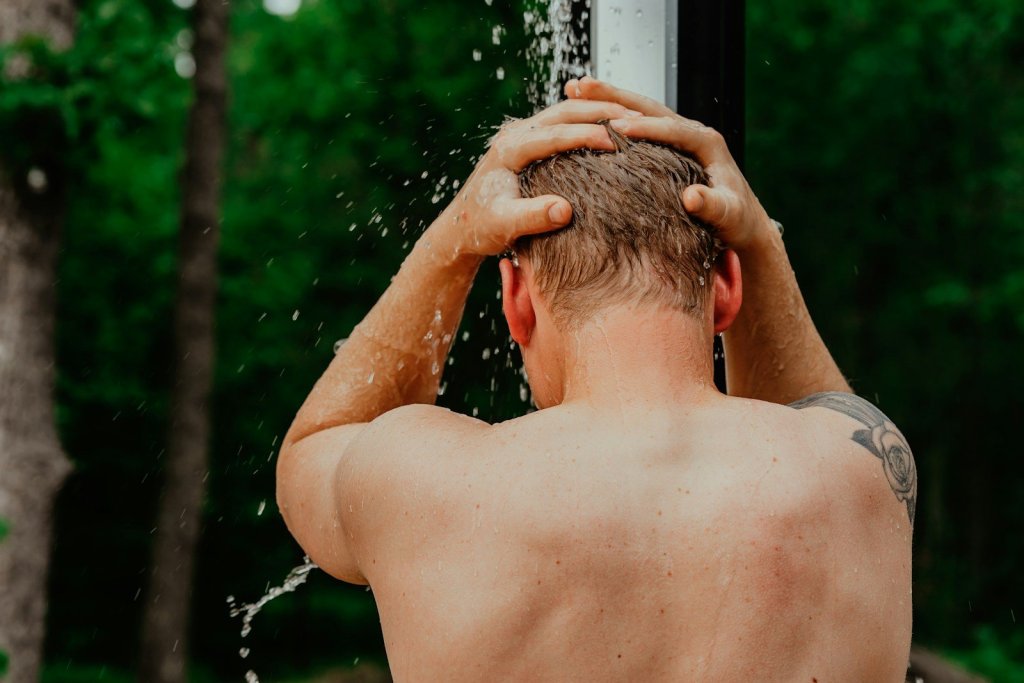
In the large shower trial, the most commonly reported positive effect was higher perceived energy, and many participants compared it to the feeling of caffeine. That is still a self-reported outcome, so it should not be overstated, but it is one of the most practical benefits people notice in real life.
This point matters because more energy is often what readers are really asking about when they search for the benefits of cold showers. The evidence is not saying cold water changes your baseline energy forever. It is saying many people feel temporarily more energized after the exposure.
3. Cold showers may support stress regulation
The recent review in PLOS One found a significant reduction in stress 12 hours after cold-water immersion, even though stress was not significantly lower immediately after exposure, at 1 hour, 24 hours, or 48 hours. That suggests the effect may be delayed rather than instant.
In plain language, cold showers may help some people practice tolerating brief discomfort and recovering from it. That does not make them a replacement for sleep, exercise, therapy, or good stress-management habits, but it does help explain why some people find them mentally useful.
4. Cold showers may reduce sickness-related work absence
This is the strongest shower-specific benefit in the literature. In a randomized controlled trial of 3,018 adults, people who ended their daily shower with cold water for 30 days had a 29% reduction in self-reported sickness absence from work compared with the control group.
The important catch is that they did not report fewer illness days overall. So the evidence does not prove that cold showers prevent infections or boost immunity in a simple, reliable way. It shows fewer sick-day absences, which may reflect illness severity, resilience, behavior, or some mix of those factors. That is still interesting, but it should be described honestly.
5. Cold showers may help post-workout recovery
The evidence is stronger for athletic recovery than for general wellness. The 2025 review in PLOS One noted that prior meta-analyses have found cold-water immersion can speed recovery of physical function after strenuous exercise. That is why cold exposure keeps showing up in sports settings.
For regular gym-goers, this means a cold shower may be most useful after a hard workout, a long run, or a physically demanding day. It is not necessary after every easy session, and it is not more important than sleep, hydration, or adequate food intake.
6. Cold showers may reduce muscle soreness
Another recovery-related benefit is reduced post-exercise soreness. Earlier meta-analysis evidence, summarized in the recent review, found that cold-water immersion can reduce delayed-onset muscle soreness after strenuous exercise. That does not mean every cold shower will erase soreness, but it does support cold exposure as a useful recovery tool in some situations.
This is one reason athletes often use cold water after competition blocks or especially hard training sessions. The benefit is most relevant when soreness is the main problem, not when the goal is maximizing long-term muscle growth.
7. Cold showers may improve perceived recovery
Research in sports settings also suggests cold-water immersion can improve perceived feelings of recovery. That matters because how recovered you feel can influence your next session, your motivation, and your willingness to train again. Even when outcomes are partly subjective, they can still be useful in the real world.
Still, context matters. If your main goal is building maximum muscle size and strength, repeated cold exposure right after resistance training may not be ideal. A meta-analysis indexed by PubMed found that post-exercise cold-water immersion can attenuate muscular strength gains in males, and other research suggests it may blunt hypertrophy-related signaling.
If building muscle is your main goal, the practical takeaway is not to make immediate post-lift cold exposure an automatic daily habit. The recovery benefit can be useful after very hard sessions, competitions, or endurance-focused training, but routine cold exposure right after every hypertrophy-focused workout may work against the muscle-building signal you are trying to create.
8. Cold showers may support sleep quality in some situations
Sleep is one of the more promising but less settled areas. The recent systematic review found improvements in sleep quality in some studies, though the evidence base is still small and not broad enough to make a strong recommendation for everyone. PLOS One also noted that some of these findings came from post-exercise settings, which limits how confidently they can be applied to the general public.
So yes, cold showers may help sleep quality for some people, but this is not as well established as alertness or recovery. If sleep is your main concern, a consistent bedtime, light control, caffeine timing, and treatment of any sleep disorder will matter much more.
9. Cold showers may slightly improve quality of life
In the same 3,018-person shower trial, the cold-shower groups had slightly higher mental quality-of-life scores after 30 days. The difference disappeared by 90 days and was judged too small to be clinically meaningful, but it still counts as a modest signal that some people may feel better overall while doing the habit.
This is a good example of how to talk about the benefits of cold showers responsibly. Some effects may be real, but small. Some may fade over time. And some may reflect the psychological boost of sticking with a hard habit rather than a large medical change.
What cold showers probably do not do
Cold showers are often marketed as if they can boost immunity, improve skin, melt fat, and fix mood problems all at once. The evidence does not support that kind of claim. The recent review found no significant immediate immune effect in meta-analysis and no significant mood benefit in the randomized evidence it included.
Weight-loss claims also need restraint. Cold exposure can temporarily raise energy expenditure because your body has to work to maintain temperature, but that does not make cold showers a reliable fat-loss strategy. Research in Frontiers in Physiology explains that cold exposure can affect energy metabolism, but that is very different from proving meaningful long-term weight loss from cold showers alone.
Skin claims should also stay modest. Some people feel that cold water makes skin look tighter or less puffy for a short time, but guidance from the American Academy of Dermatology for dry skin recommends short showers with warm water, not cold-water therapy as a skin treatment.
How to try cold showers safely
The safest beginner approach is simple:
- Take your normal warm shower first.
- Finish with 15 to 30 seconds of cold water.
- Build up gradually if you tolerate it well.
- Keep your breathing steady instead of gasping.
- Stop if you feel dizzy, chest pain, severe discomfort, or numbness that does not settle quickly.
That gradual approach fits both the shower trial protocol and general safety advice around acclimating slowly to cold exposure.
For most people, longer is not automatically better. The shower trial found no meaningful advantage for 90 seconds over 30 seconds. That is useful because it means you do not need an extreme routine to test whether you like the habit.
Who should be careful with cold showers
A clear safety note belongs in any article about the benefits of cold showers. The American Heart Association warns that cold exposure can trigger a cold shock response with sudden increases in breathing, heart rate, and blood pressure. That can place extra stress on the heart, especially in people with heart disease or those taking certain heart medications.
People with Raynaud’s phenomenon should also be careful. According to the National Institute of Arthritis and Musculoskeletal and Skin Diseases, Raynaud’s causes blood vessels in the hands and feet to react strongly to cold, narrowing quickly and staying constricted longer than normal. Even mild cold exposure can trigger symptoms in some people. MedlinePlus notes that an attack can be triggered by limited cold exposure, such as holding a cold drink.
You should also skip cold showers or speak with a healthcare professional first if you have uncontrolled cardiovascular disease, a history of serious reactions to cold, or symptoms that suggest cold intolerance is not normal for you.
Are cold showers worth it?
For many healthy adults, cold showers can be worth trying because they are free, simple, and backed by at least some evidence for alertness, perceived energy, exercise recovery, and fewer sickness-related work absences. But the benefits of cold showers are narrower than social media often suggests. They may help, but they do not replace the basics that matter most for health: sleep, movement, stress management, and a balanced diet.
FAQ About the Benefits of Cold Showers
Are cold showers good every day?
They can be for some healthy adults, especially if you enjoy the alertness or recovery effect. Daily use is not required, though, and there is no strong evidence that more is always better.
How long should a cold shower last?
The best shower-specific trial used 30, 60, or 90 seconds of cold water after a warm shower, and the longer durations did not clearly outperform the shorter one. That makes 30 seconds a practical place to start.
Do cold showers help with weight loss?
Not in any major or reliable way. Cold exposure can temporarily increase energy expenditure, but it is not a substitute for nutrition, physical activity, and long-term lifestyle habits.
Are cold showers better in the morning or after a workout?
Morning may make more sense if your goal is alertness and perceived energy. After a hard workout may make more sense if your goal is reducing soreness or improving short-term recovery.
Conclusion
Cold showers do have real potential benefits, but the science supports a smaller, more practical message than the hype. They may help you feel more alert, more energized, and more recovered, and they may reduce sickness-related work absences. Start small, stay consistent, and focus on whether the habit actually helps you feel and function better.
This content is for informational purposes only and not medical advice.
Sources and References
- PLOS One — Effects of cold-water immersion on health and wellbeing
- PLOS One — The Effect of Cold Showering on Health and Work: A Randomized Controlled Trial
- PubMed Central — Short-Term Head-Out Whole-Body Cold-Water Immersion Facilitates Positive Affect and Increases Interaction Between Large-Scale Brain Networks
- American Heart Association — You’re not a polar bear: The plunge into cold water comes with risks
- MedlinePlus — Cold Stimulation Test
- Frontiers in Physiology — Effect of Acute Cold Exposure on Energy Metabolism and Activity of Brown Adipose Tissue in Humans
- PubMed — Effects of post-exercise cold-water immersion on resistance exercise training adaptations: a meta-analysis