
A practical migraine home remedy starts with early action: move to a dark, quiet room, apply a cold compress, sip fluids, eat something light if you missed a meal, and use your usual acute medication if it is safe for you. No single method works for everyone, but combining several low-risk steps may reduce discomfort and make an attack easier to manage.
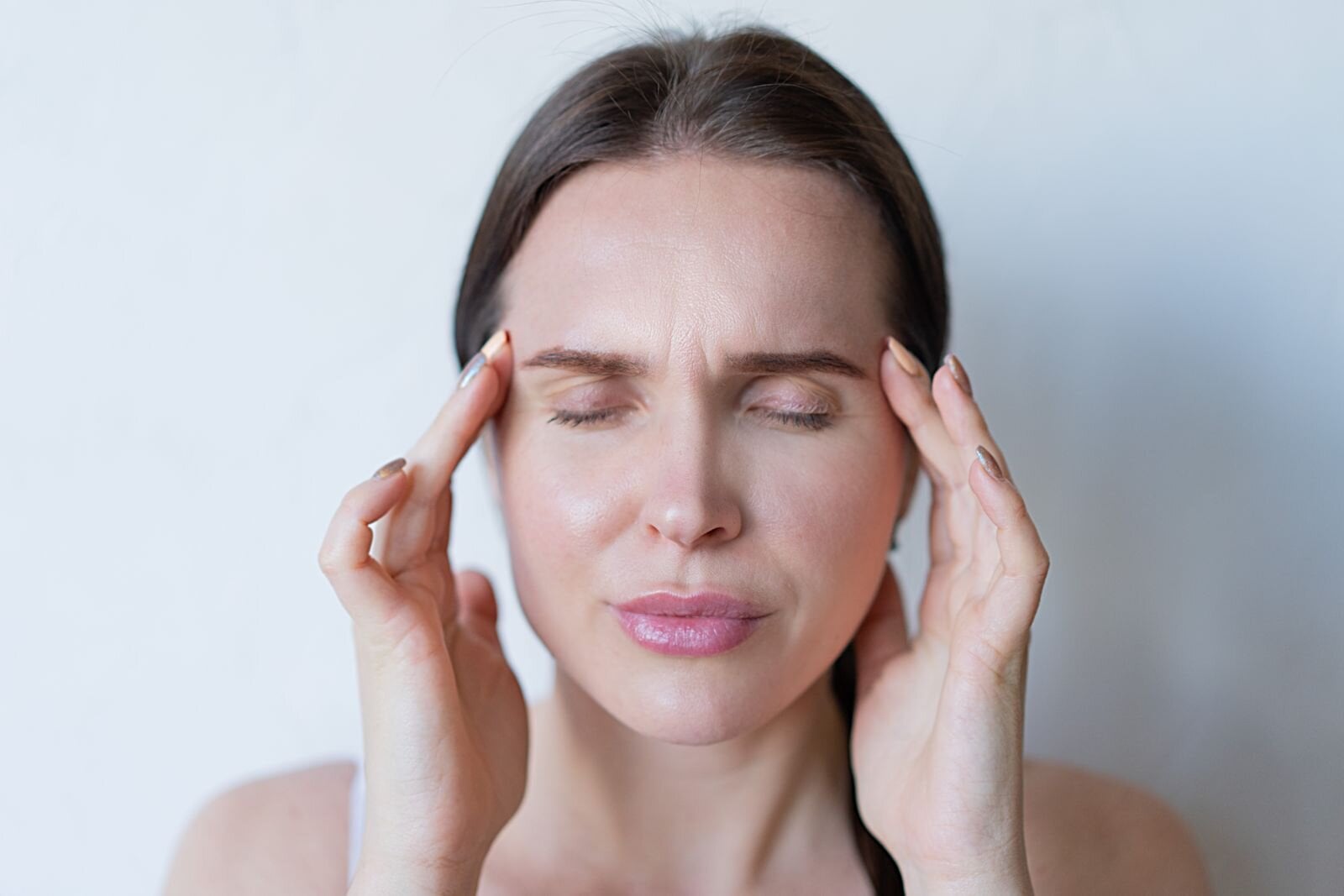
Migraine is a neurological disorder—not simply a severe headache. An attack may cause throbbing or pulsing pain, nausea, vomiting, fatigue, and sensitivity to light, sound, odors, or movement. The National Institute of Neurological Disorders and Stroke migraine overview provides more information about its symptoms and neurological effects.
Home remedies may support recovery, but they do not replace medical evaluation. A sudden, unusually severe, or different headache can sometimes signal a medical emergency.
Call 911 immediately for a sudden “worst-ever” headache or a headache accompanied by new weakness, trouble speaking, confusion, seizure, loss of balance, vision changes, fever, or a stiff neck.
What Can Help a Migraine at Home?
The most useful home strategy is usually a combination of early treatment and a calmer environment.
When your usual symptoms begin:
- Stop what you are doing and avoid driving.
- Move to a cool, dark, quiet space.
- Place a wrapped cold pack on your forehead, temple, or neck.
- Sip water rather than drinking a large amount at once.
- Eat a small snack if you have skipped a meal.
- Take your clinician-approved migraine medication according to its directions.
- Rest while monitoring for unusual or worsening symptoms.
Migraine symptoms and responses vary considerably. A method that helps one person may not help another, so it is useful to track which combinations consistently work for you.
10 Practical Migraine Home Remedy Options
1. Respond as Soon as Your Usual Symptoms Begin
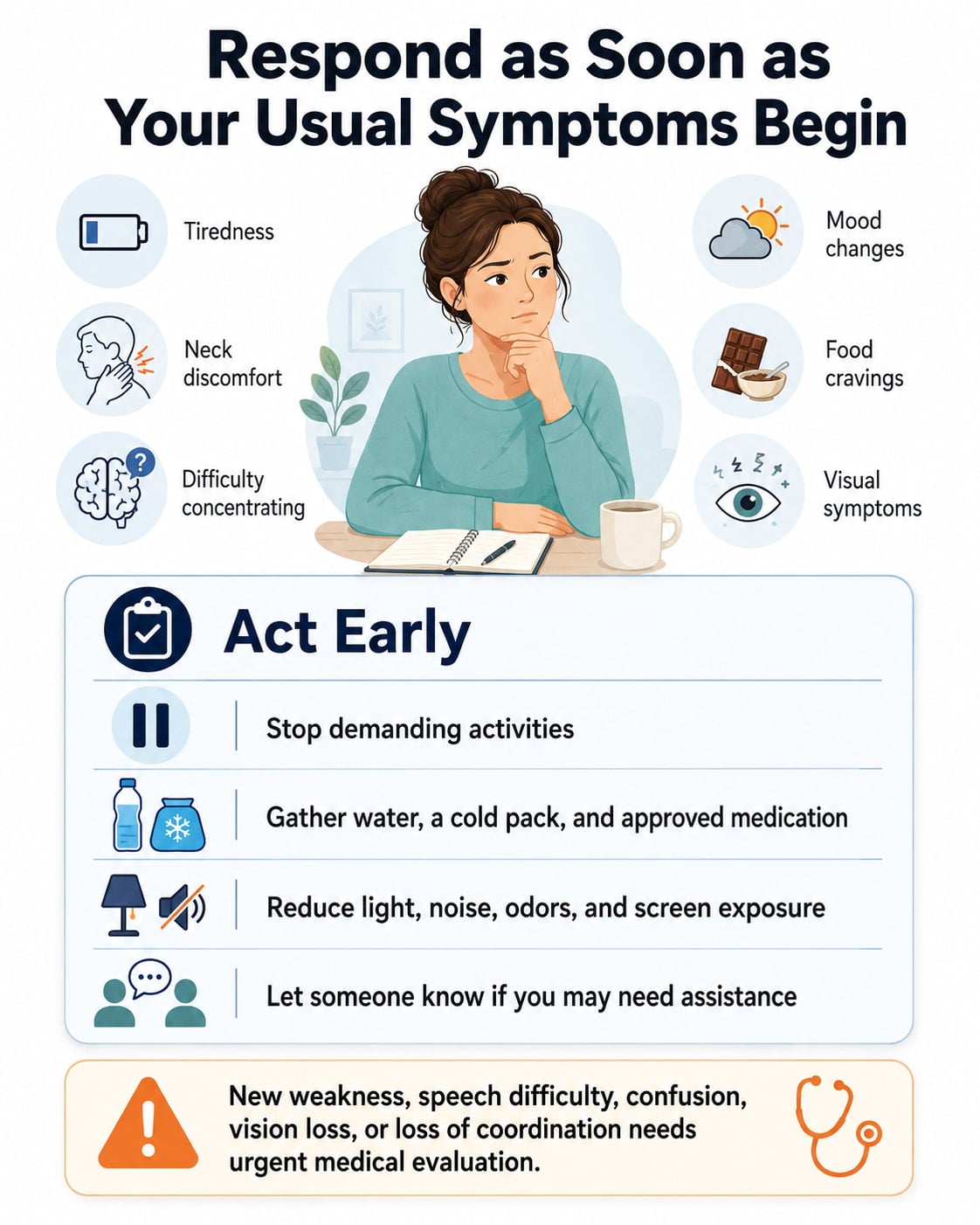
Do not wait until the pain becomes severe before beginning your usual management plan.
Some people notice recognizable changes before the headache phase, such as unusual tiredness, food cravings, neck discomfort, difficulty concentrating, mood changes, or visual symptoms. Other people have little or no warning.
As soon as you recognize your normal pattern:
- Stop demanding activities.
- Gather water, a cold pack, and any approved medication.
- Reduce light, noise, odors, and screen exposure.
- Let someone know that you are having an attack if you may need assistance.
Acute migraine medication generally has a better chance of working when it is used early in the headache phase. People with aura should follow the timing instructions given by their healthcare professional because aura and headache do not always begin at the same time.
Do not assume that unfamiliar neurological symptoms are part of migraine. New weakness, speech difficulty, confusion, vision loss, or loss of coordination requires urgent evaluation.
2. Rest in a Dark, Quiet, Odor-Free Room
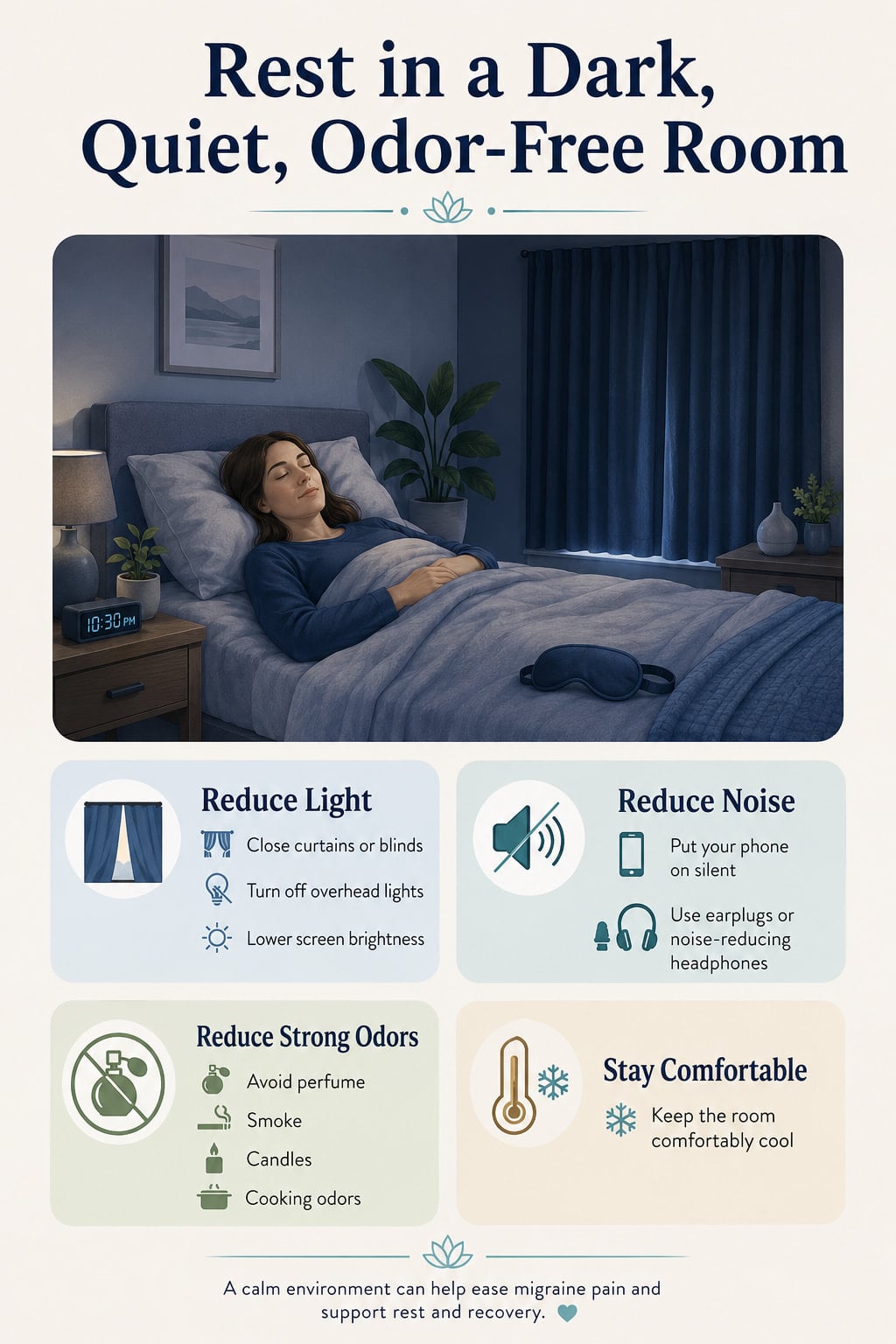
Light and sound sensitivity are common during migraine. Some people also become unusually sensitive to perfume, cleaning products, cooking odors, gasoline, smoke, or other strong smells. Reducing these sensory inputs may make an attack more tolerable.
Try the following:
- Close curtains or blinds.
- Turn off overhead lights.
- Put your phone on silent.
- Lower screen brightness or stop using screens.
- Wear a comfortable eye mask.
- Use earplugs or noise-reducing headphones.
- Move away from perfume, smoke, candles, and cooking odors.
- Keep the room comfortably cool.
The American Migraine Foundation’s home-remedy guidance recommends reducing bright light, noise, and strong smells when these factors intensify symptoms.
Avoid wearing dark sunglasses indoors every day as a preventive habit unless a clinician recommends it. The immediate goal during an attack is comfort—not permanent avoidance of normal light.
3. Apply a Cold Pack or Cool Cloth
A cold compress may help reduce migraine discomfort for some people. It can be placed on the forehead, temple, scalp, or back of the neck, depending on where it feels most comfortable.
For safe use:
- Wrap an ice pack or bag of frozen vegetables in a thin towel.
- Apply it for up to 15 minutes.
- Remove it and allow your skin to return to its normal temperature.
- Repeat later if it continues to feel helpful.
Do not place ice directly against your skin. Stop if the area becomes painful, numb, unusually pale, or irritated.
Some people prefer a warm compress, especially when neck or shoulder tension accompanies the attack. Use only gentle warmth, and never fall asleep with a heating pad turned on.
4. Sip Water or Another Tolerable Fluid
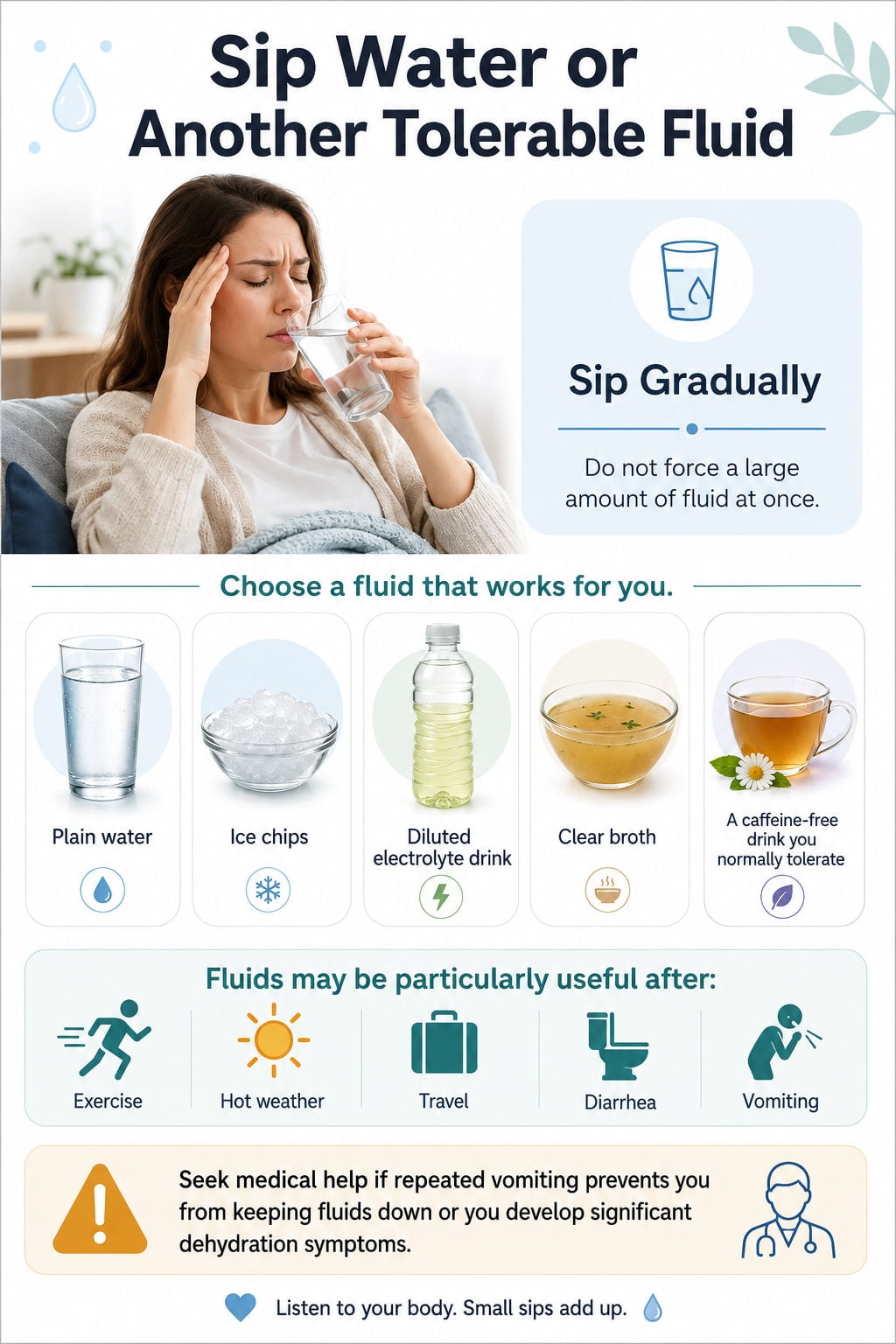
Dehydration or fluid loss may contribute to headache symptoms in some people. Fluids may be particularly important if you have exercised, spent time in hot weather, traveled, had diarrhea, or vomited during the attack.
Sip gradually rather than forcing yourself to drink a large amount quickly. Possible choices include:
- Plain water
- Ice chips
- A diluted electrolyte drink
- Clear broth
- A caffeine-free drink you normally tolerate
An electrolyte drink may be reasonable after substantial sweating or vomiting, but most people do not need a high-sugar or heavily supplemented beverage for every migraine.
Drinking extra water does not reliably stop every attack. Hydration is most likely to be useful when inadequate fluid intake or fluid loss is part of the problem.
Seek medical help if repeated vomiting prevents you from keeping fluids down or you develop signs of significant dehydration, such as fainting, confusion, very limited urination, or severe weakness.
5. Eat a Light Meal or Snack if You Have Not Eaten
Long gaps between meals and fasting may contribute to migraine attacks in susceptible people. If you skipped a meal and can tolerate food, try a small, familiar snack rather than waiting until the attack passes.
Simple options include:
- Toast with an egg
- Crackers with cheese
- A banana with yogurt
- Oatmeal
- Rice with a small amount of lean protein
- Applesauce and a few nuts
- A plain sandwich
A combination of carbohydrates and protein may provide more sustained energy than candy or another concentrated source of sugar alone.
If nausea is present, start with a few bites of bland food. Do not force yourself to eat a heavy, greasy, or strongly scented meal.
There is no universal list of foods that every person with migraine must avoid. Instead of eliminating numerous nutritious foods, record what you ate and look for a consistent, repeatable pattern over several attacks. Restrictive diets are especially inappropriate during pregnancy or for children unless supervised by a qualified healthcare professional.
6. Rest or Take a Short Nap
Lying down in a calm environment may reduce exposure to movement, light, and noise. Some people also find that a short period of sleep makes an attack easier to manage.
Make the room comfortable by:
- Supporting your neck in a neutral position
- Loosening tight clothing
- Keeping the room cool
- Using blackout curtains or an eye mask
- Placing water and medication within easy reach
Do not drive, operate machinery, or perform activities requiring close attention if you feel dizzy, confused, visually impaired, or unusually sleepy.
Sleep can be helpful during an attack, but an irregular sleep schedule may create problems over time. For prevention, try to keep your bedtime and wake time reasonably consistent, including on weekends.
7. Use Caffeine Cautiously
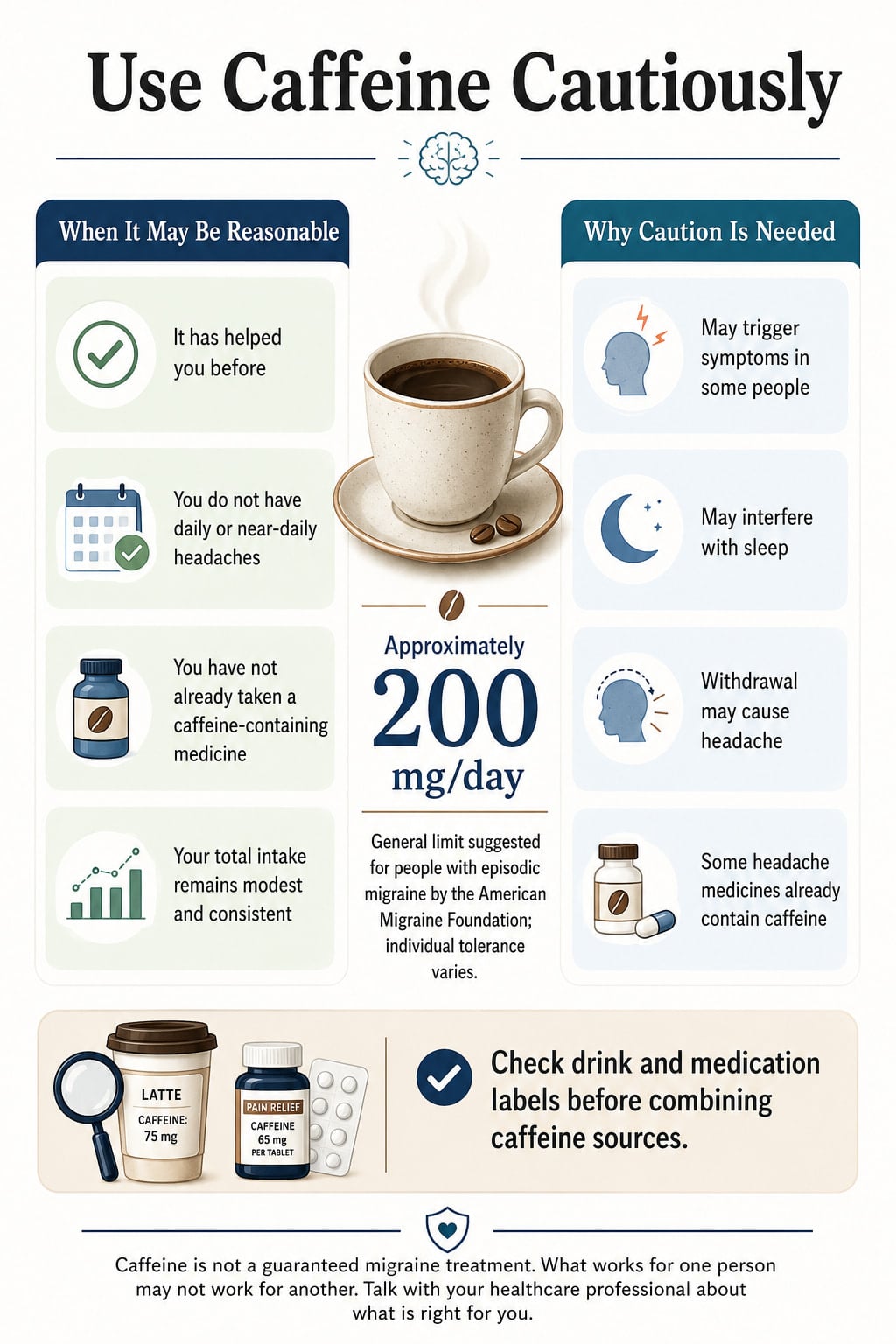
Caffeine has a complicated relationship with migraine. A small amount may support pain relief for some people, and caffeine is included in certain combination headache medicines. For others, caffeine may trigger symptoms, interfere with sleep, or cause a withdrawal headache when their usual intake suddenly drops.
Caffeine may be reasonable during an attack when:
- It has helped you before.
- You do not have daily or near-daily headaches.
- You have not already taken a caffeine-containing medicine.
- You can keep your total intake modest and consistent.
The American Migraine Foundation’s caffeine guidance recommends that people with episodic migraine generally limit caffeine to approximately 200 milligrams per day, although individual tolerance varies.
Coffee caffeine content varies widely by brand, serving size, and brewing method. Check both drinks and medication labels before combining products.
Avoid abruptly stopping heavy daily caffeine use because withdrawal can cause head pain. A gradual reduction may be more tolerable. People who have headaches every day should discuss caffeine use with a healthcare professional rather than using it repeatedly for relief.
8. Practice Slow Breathing and Muscle Relaxation
Stress does not cause the underlying neurological disorder, but physical and emotional stress may contribute to attacks or make pain harder to cope with. Slow breathing and progressive muscle relaxation may help lower muscle tension and create a calmer environment.
Try this simple breathing exercise:
- Sit or lie in a supported position.
- Relax your jaw and lower your shoulders.
- Breathe in gently through your nose for four seconds.
- Breathe out slowly for six seconds.
- Continue for two to five minutes without forcing deep breaths.
Stop if you become lightheaded or uncomfortable.
You can also relax muscle groups one at a time. Begin with your hands, shoulders, jaw, and forehead. Gently release tension rather than strongly contracting the muscles.
These methods should be considered supportive tools, not guaranteed ways to eliminate migraine pain. They may also be useful between attacks as part of an ongoing stress-management routine.
9. Try Gentle Massage Only if Touch Feels Comfortable
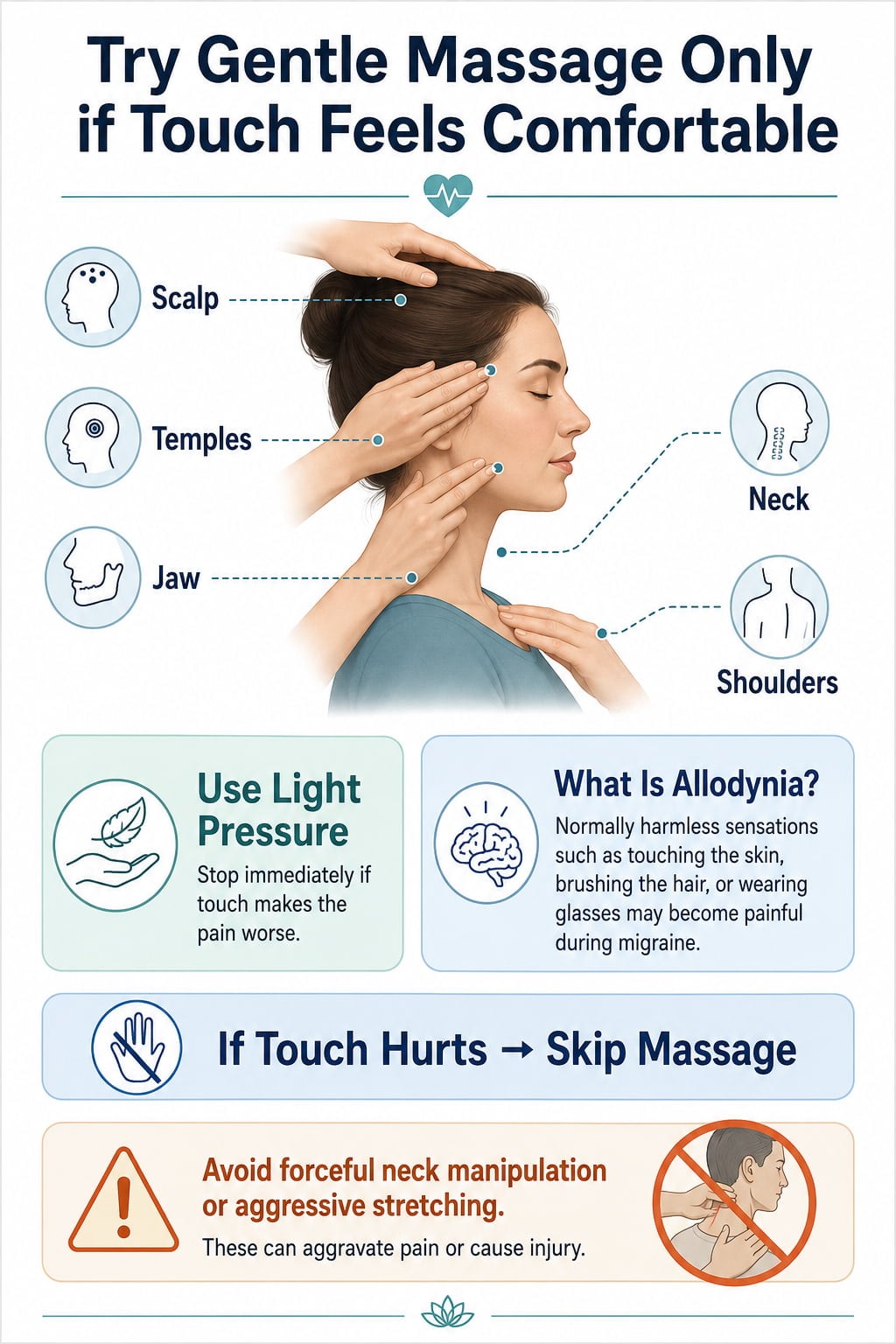
Gentle pressure around the scalp, temples, jaw, neck, or shoulders may feel soothing when muscle tension accompanies migraine. A warm shower or gentle shoulder movement may also help some people relax.
Use light pressure and stop immediately if touch makes the pain worse.
During migraine, some people experience allodynia, meaning normally harmless sensations—such as brushing the hair, wearing glasses, or touching the skin—become painful. In that situation, massage may be uncomfortable and should be avoided.
Do not perform forceful neck manipulation or aggressive stretching. A new severe headache with sudden neck pain, weakness, balance problems, or neurological changes needs medical evaluation rather than massage.
10. Use an Appropriate Acute Medication Safely
Home comfort measures may not be enough for moderate or severe migraine. Depending on your age, medical history, and other medications, an over-the-counter product such as acetaminophen, aspirin, ibuprofen, or naproxen may be appropriate. Some people need a prescription migraine medicine instead.
Use medication safely:
- Follow the package label or your prescription instructions.
- Check all active ingredients.
- Do not take two products containing the same pain reliever.
- Do not take more because the first dose did not work immediately.
- Ask a pharmacist or clinician before combining medicines.
- Avoid using another person’s prescription medication.
- Do not change a prescribed migraine plan without medical advice.
The 2024 International Headache Society recommendations advise using acute treatment early in the headache phase and limiting frequent use to reduce the risk of medication-overuse headache. The recommendations suggest keeping simple pain relievers and NSAIDs below 10 days per month and combination pain relievers or triptans below eight days per month.
Contact your healthcare professional if you need an acute medicine more than two or three days per week. Frequent use may indicate that the current plan is not controlling your migraine adequately.
Important Medication Precautions
Medication selection requires extra care if you:
- Are pregnant, recently gave birth, or are breastfeeding
- Have kidney or liver disease
- Have a stomach ulcer or history of gastrointestinal bleeding
- Take blood thinners
- Have heart disease, uncontrolled high blood pressure, or a history of stroke
- Have an allergy to aspirin or an NSAID
- Are choosing medicine for a child or teenager
- Regularly consume several alcoholic drinks
- Take other cold, flu, sleep, or pain medicines
The FDA warns against using more than one acetaminophen-containing product at a time because accidental excess intake can cause severe liver injury. It also recommends avoiding NSAIDs at 20 weeks of pregnancy or later unless specifically directed by a healthcare professional.
Popular Natural Migraine Remedies: What Does the Evidence Show?
“Natural” does not automatically mean effective or risk-free. Supplements may cause side effects, interact with medicines, or contain inconsistent amounts of active ingredients.
Ginger
Ginger is often promoted for migraine relief, but current evidence does not establish it as a dependable acute remedy.
A 2026 systematic review of ginger for migraine included eight randomized trials involving 594 participants. The researchers rated the available evidence as low or very low certainty and concluded that it remained too uncertain to determine whether ginger provides meaningful acute or preventive benefits.
Ginger tea may be a familiar beverage that some people tolerate during an attack, but it should not replace an effective medication plan or urgent evaluation when warning signs are present.
Magnesium
Magnesium has been studied mainly for migraine prevention, not as a rapid home remedy for an attack already underway.
Some research suggests possible preventive benefits, but the evidence remains limited. Supplemental doses studied for migraine can exceed normal supplement intake levels and may cause diarrhea, nausea, or abdominal cramping. Magnesium can also interact with certain antibiotics, diuretics, and osteoporosis medicines. People with kidney disease require particular caution.
Consult a healthcare professional before starting magnesium specifically for migraine prevention.
Riboflavin and Coenzyme Q10
Riboflavin, also called vitamin B2, and coenzyme Q10 have limited evidence as preventive options. They do not provide reliable immediate relief during an active attack.
Coenzyme Q10 may interact with warfarin and insulin. Supplement quality and dose can also vary, so these products should be reviewed with a clinician or pharmacist before use.
Feverfew and Butterbur
Research on feverfew has produced mixed findings, and it may cause digestive symptoms or allergic reactions. It should not be used during pregnancy because of concerns about uterine contractions.
Butterbur is not a suitable do-it-yourself remedy. Some butterbur products contain compounds that can damage the liver, lungs, and circulation. Liver injuries have also been associated with products marketed as free of these compounds.
Peppermint and Other Essential Oils
Strong odors can worsen migraine symptoms for some people. There is not good evidence that scented oils stop migraine attacks, and undiluted oils can irritate the skin. Never swallow an essential oil unless a qualified healthcare professional specifically directs you to use a product formulated for that purpose.
How to Help Prevent Future Migraine Attacks
Home care is not limited to what you do during pain. Consistent daily habits may help some people reduce the frequency or severity of future attacks.
The American Migraine Foundation uses the SEEDS framework: sleep, exercise, eat, diary, and stress.
Keep a Consistent Sleep Schedule
Try to go to bed and wake up at similar times each day. Large changes in sleep duration, staying up unusually late, and sleeping much longer than usual may disrupt an established routine.
A practical sleep routine may include:
- A regular wake time
- A cool, dark bedroom
- Reduced screen use before bed
- A relaxing wind-down period
- Evaluation for persistent insomnia or possible sleep apnea
Exercise Regularly Between Attacks
Regular physical activity may support migraine management, but an active attack is generally not the time to force a workout.
Begin with tolerable activities such as walking, cycling, swimming, gentle yoga, or an elliptical machine. Increase duration and intensity gradually. Stop and seek medical advice if exercise repeatedly causes sudden or severe headaches.
Eat Regular, Balanced Meals
Avoid routinely skipping meals. Build meals around foods you tolerate, including protein, vegetables or fruit, whole grains or other fiber-rich carbohydrates, and suitable sources of healthy fat.
Do not remove a long list of suspected trigger foods without clear evidence that they repeatedly affect you.
Keep a Migraine Diary
Record:
- When symptoms started
- How long they lasted
- Pain intensity
- Aura or other neurological symptoms
- Sleep
- Meals and fluids
- Caffeine intake
- Menstrual-cycle timing, when relevant
- Medications used and how well they worked
- Possible stressors or environmental factors
Look for patterns across several attacks rather than blaming the last food or activity before one attack. A diary can also help a healthcare professional decide whether preventive treatment may be appropriate.
Build a Stress-Management Routine
Choose a realistic practice that you can repeat, such as paced breathing, meditation, gentle stretching, biofeedback, counseling, or a quiet daily walk.
The goal is not to eliminate every source of stress. It is to reduce avoidable strain and give your body a predictable recovery routine.
When a Migraine Requires Medical Attention
A severe headache should not automatically be assumed to be migraine, even when you have had migraine before.
Call 911 or Seek Emergency Care Now
Get immediate help for:
- A headache that begins suddenly and explosively
- The worst headache you have ever experienced
- New weakness, numbness, paralysis, or loss of balance
- New trouble speaking, understanding speech, or thinking clearly
- Fainting or a seizure
- New double vision, significant vision loss, or unusual visual symptoms
- Fever with a stiff neck
- A severe headache following a head injury
- A severe headache with a red, painful eye
- A new severe headache during pregnancy or shortly after delivery
These symptoms may occur with conditions such as stroke, bleeding, infection, or another urgent problem. Do not drive yourself when you have significant neurological or visual symptoms.
Contact a Healthcare Professional Promptly
Arrange medical advice when:
- An attack lasts longer than 72 hours.
- Aura lasts longer than one hour or is different from your usual aura.
- Your headache pattern, location, or intensity has changed.
- A previously effective treatment has stopped working.
- You need acute medication more than two or three days per week.
- Headaches frequently interfere with work, school, sleep, or daily activities.
- Vomiting prevents you from keeping down fluids or medication.
- New headaches begin after age 50.
- Headaches are becoming progressively more frequent.
- You are pregnant, could be pregnant, recently gave birth, or are breastfeeding.
Attacks lasting longer than 72 hours may require clinician-directed treatment rather than repeated home remedies.
Frequently Asked Questions
What is the fastest way to relieve a migraine at home?
There is no guaranteed instant remedy. Begin your usual plan early: stop activity, move to a dark and quiet room, apply a cold compress, sip fluids, and use an appropriate acute medication according to its directions. Early medication use is generally more effective than waiting until the pain becomes severe.
Does an ice pack help a migraine?
A cold pack may reduce discomfort for some people. Wrap it in a towel and place it on the forehead, temple, or neck for up to 15 minutes. Do not place ice directly on the skin.
Can drinking water stop a migraine?
Water does not stop every migraine. It may be useful when dehydration, heat, exercise, vomiting, or inadequate fluid intake has contributed to symptoms. Sip fluids gradually and seek help if you cannot keep them down.
Should I drink coffee during a migraine?
A small amount of caffeine may help some people but worsen symptoms or cause withdrawal headaches in others. Use it only if you know it usually helps you, check whether your medication already contains caffeine, and keep your daily intake consistent and modest.
Is it better to sleep or stay awake during a migraine?
Resting or taking a short nap may help some people. However, migraine responses vary, and excessive or irregular sleep can disrupt your routine. During an attack, prioritize a safe, quiet environment and avoid driving if you have visual symptoms, dizziness, confusion, or significant sleepiness.
Is ginger a proven migraine home remedy?
No. A 2026 systematic review found that the evidence was too uncertain to confirm ginger as an effective acute or preventive migraine option. It should not replace evidence-based medication or medical care.
How many migraines are too many?
There is no single number that applies to everyone. Contact a healthcare professional when attacks are becoming more frequent, regularly disrupt daily life, or require acute medication more than two or three days per week. Preventive treatment may be considered based on attack frequency, severity, disability, and response to acute medication.
Conclusion
A useful migraine home remedy plan combines early action, sensory control, a cold compress, steady hydration, regular food intake, rest, and safe medication use. Keep the methods that consistently help you and record them in a migraine diary.
Consider preparing a small migraine kit containing water, a cold pack, an eye mask, earplugs, a simple snack, and your approved medication. If attacks remain frequent, severe, or difficult to control, schedule an appointment with a healthcare professional to discuss diagnosis, acute medication, and preventive options.
This content is for informational purposes only and not medical advice.
References
- National Institute of Neurological Disorders and Stroke — Migraine
- MedlinePlus — Managing Migraines at Home
- American Migraine Foundation — Migraine Home Remedies
- International Headache Society — Global Practice Recommendations for Acute Migraine Treatment
- NCCIH — Headaches and Complementary Health Approaches
- BMJ Evidence-Based Medicine — Ginger for Migraine: Systematic Review and Meta-Analysis
- FDA — Safe Use of Acetaminophen