
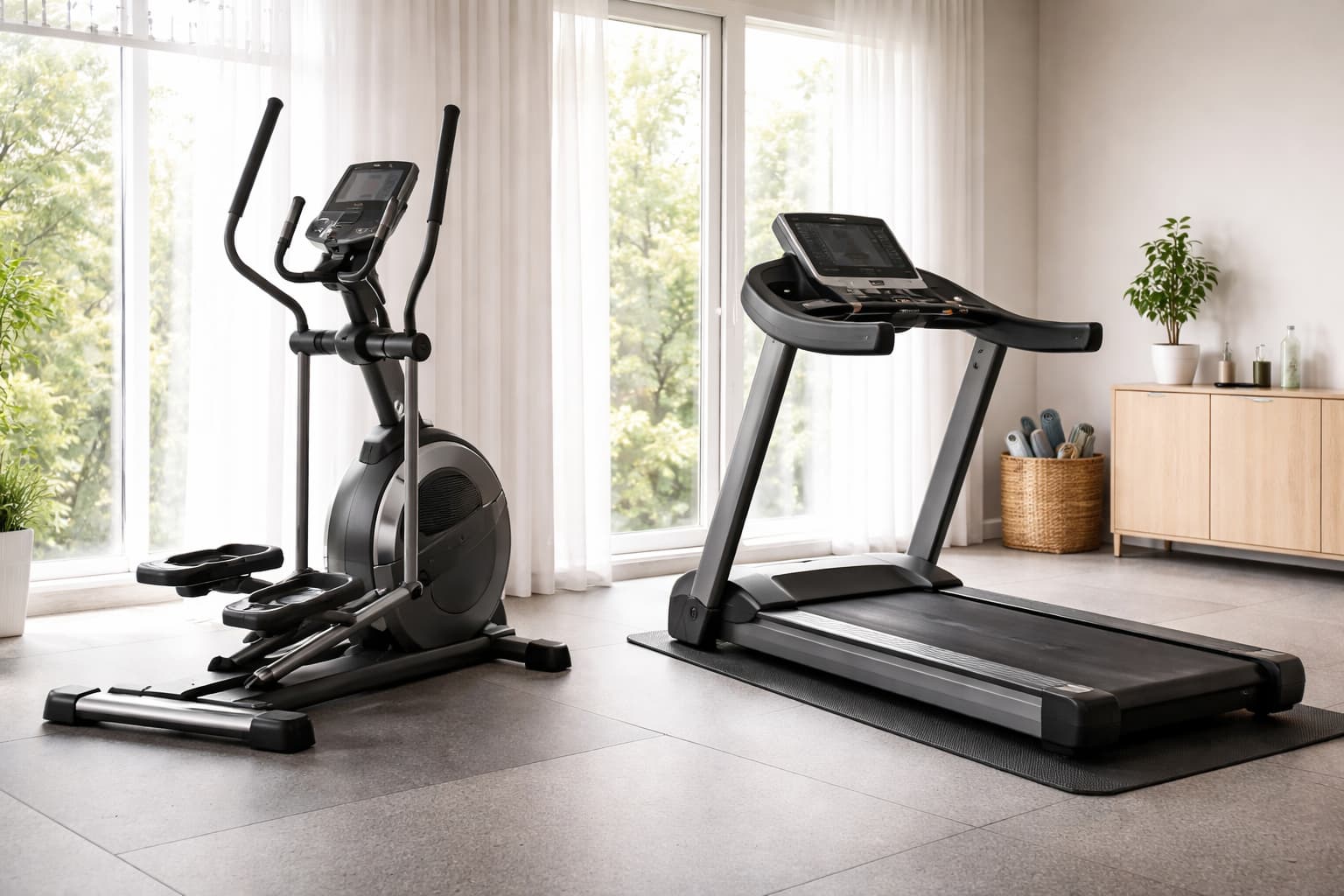
The elliptical and treadmill are two of the most effective cardio machines for supporting overall fitness, calorie burn, and long-term wellness. Both offer meaningful exercise benefits, but the best choice depends on your goals, joint comfort, and training preferences.
Understanding the differences helps you choose the right machine to support cardiovascular health, weight management, and daily well-being. Below, you’ll find a clear, evidence-based comparison based on authoritative sources including the American Heart Association, Harvard Health Publishing, Mayo Clinic, and the Arthritis Foundation.
What Is an Elliptical?
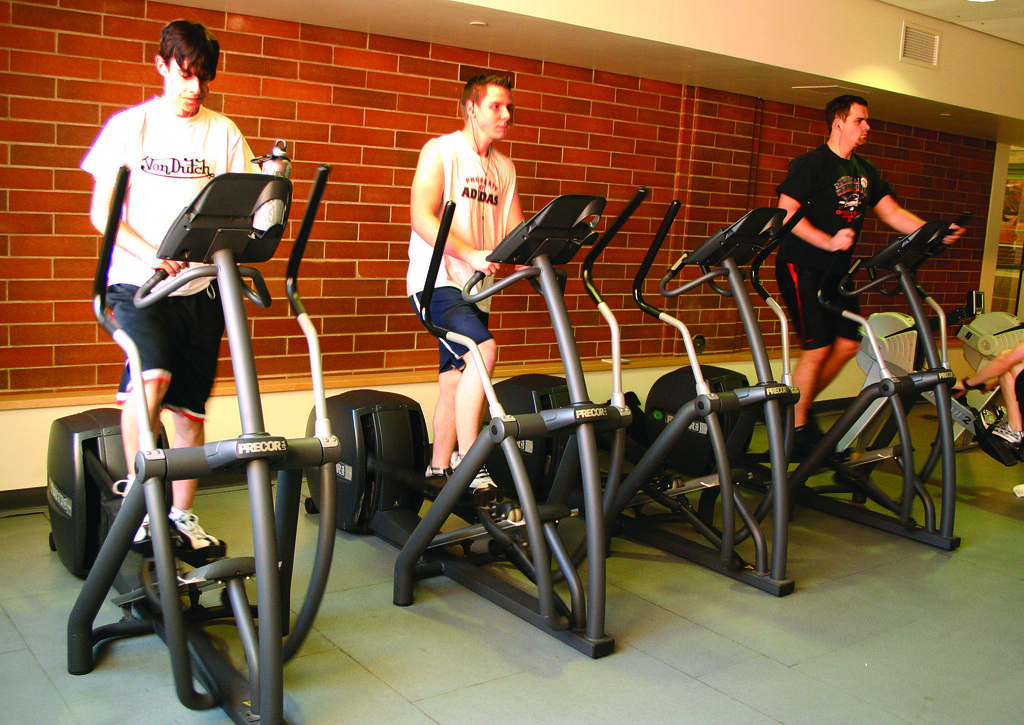
An elliptical machine uses a smooth, gliding motion that mimics walking and light jogging without lifting your feet off the pedals. This low-impact design may help reduce stress on joints while still elevating heart rate.
Many ellipticals include moving handlebars, which allow both the upper and lower body to work together, supporting full-body engagement.
What Is a Treadmill?
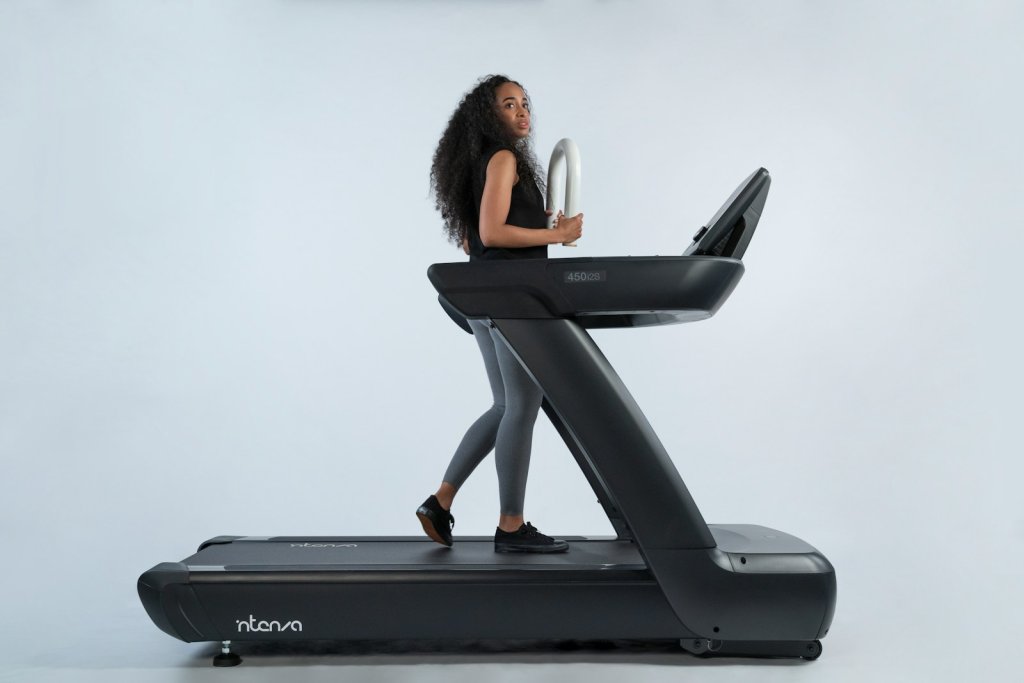
A treadmill provides a motorized or manual belt that allows users to walk, jog, or run. Because walking and running are weight-bearing movements, treadmills can help strengthen lower-body muscles and support bone health when used as part of a balanced lifestyle.
Treadmills also allow incline and speed adjustments, making them one of the most versatile cardio machines.
Elliptical vs Treadmill comparison table
| Feature | Elliptical | Treadmill | Best Choice If You Want… |
|---|---|---|---|
| Movement style | Gliding motion; feet stay on pedals | Walk, jog, or run on a moving belt | A machine that matches your preferred movement |
| Impact on joints | Typically low-impact | Walking is lower-impact; running/jogging increases impact | Elliptical for joint comfort; treadmill for weight-bearing movement |
| Weight-bearing benefit | Not weight-bearing | Weight-bearing (walking/running) | Bone-supporting activity (treadmill) |
| Calorie burn potential | Can be high with resistance and longer sessions | Often higher at faster speeds or inclines | Maximum calorie burn at high intensity (treadmill) |
| Intensity control | Resistance levels, ramp/incline on some models | Speed + incline; easier to structure intervals | Precise speed/incline training (treadmill) |
| Muscle emphasis | Quads, glutes, hamstrings, calves; upper body with moving handles | Lower body focus; incline increases glutes/calves | Full-body feel (elliptical handles) vs run/walk strength (treadmill) |
| Cardio benefits | Supports moderate-to-vigorous cardio | Supports moderate-to-vigorous cardio | Either—consistency matters most |
| Learning curve | Usually easy, stable, low-skill | Easy for walking; running requires pacing and form | Elliptical for “easy-start” cardio; treadmill for walk/run training |
| Safety considerations | Lower fall risk; posture matters | Higher fall risk at speed; safety key recommended | Elliptical for stability; treadmill if you want walk/run but train carefully |
| Best for beginners | Very beginner-friendly | Great for walking; running may take progression | Elliptical for low-impact starters; treadmill for walking programs |
| Best for runners | Not ideal for run-specific training | Strong for run training and pacing | Run performance and outdoor carryover (treadmill) |
| Noise level at home | Often quieter (no foot strike) | Can be noisier (motor + foot strike) | Apartments/shared spaces (elliptical) |
| Space needs | Medium footprint; varies by stride length | Often larger footprint (deck length) | Small spaces: compare compact models carefully |
| Typical maintenance | Generally lower wear from impact | Belt, motor, deck maintenance can be higher | Lower upkeep (often elliptical) |
| Comfort for longer sessions | Often easier due to low impact | Walking comfortable; running longer can feel tougher | Long steady cardio (elliptical) or long incline walks (treadmill) |
| Best overall for… | Low-impact cardio + optional upper-body engagement | Walk/run training + incline + weight-bearing fitness | Choose based on joints, goals, and home setup |
Elliptical vs Treadmill: Key Differences
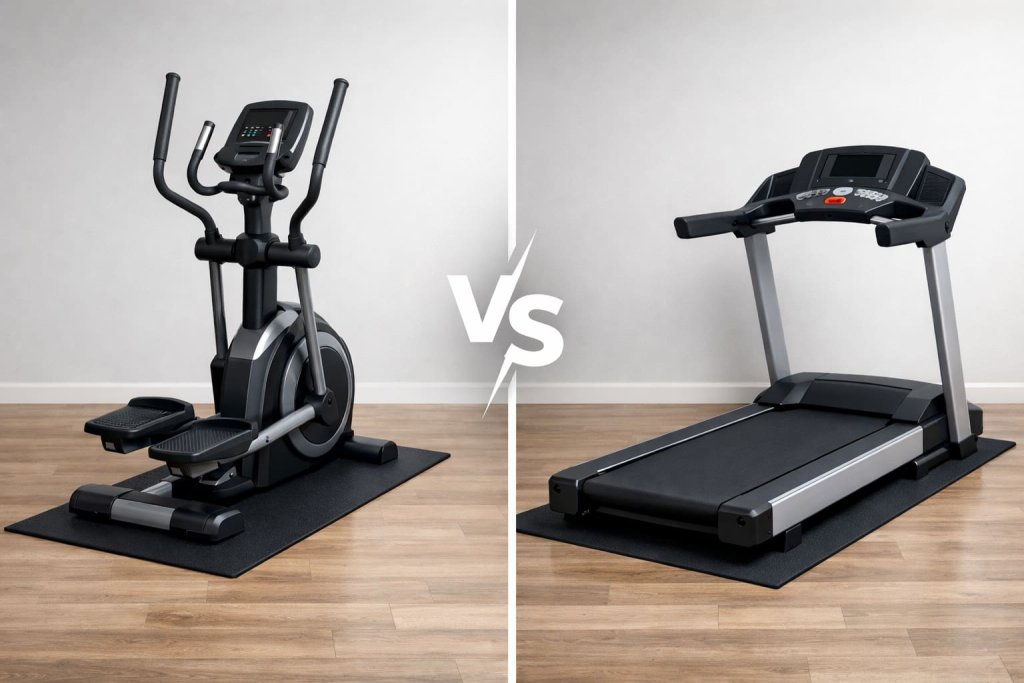
Below is a detailed, evidence-based comparison to help you decide which machine best supports your fitness, wellness, and long-term physical comfort.
Impact on Joints and Long-Term Comfort
Elliptical
The elliptical is widely recognized as a low-impact cardio machine, meaning both feet remain on the pedals throughout the movement. This eliminates the repetitive ground impact found in walking or running, which may help reduce pressure on the knees, hips, and ankles. The smooth, continuous motion also allows users to maintain a natural stride with less joint loading, making it a supportive option for individuals who prefer gentler movement.
According to the Arthritis Foundation, elliptical machines “provide both strengthening and cardiovascular benefits while exerting less force on the joints,” making them a suitable option for people who experience joint stiffness or sensitivity. Because the pedals keep your feet in constant contact, there is less pounding on the knee and reduced shifting of body weight, which may help support joint comfort during exercise.
Source: Arthritis Foundation – Elliptical Machines Go Easy on Your Joints
The elliptical’s gliding path may support longer workout sessions with reduced discomfort, making it a strong choice for users seeking low-impact cardiovascular exercise that still engages major muscle groups.
Treadmill
Walking on a treadmill is generally low-impact, but jogging and running create higher loads on the joints because one foot consistently leaves the belt, resulting in repeated landing forces. This impact is normal and may help support bone strength over time, but it can be challenging for people with knee or hip sensitivity.
Users with discomfort, soreness, or previous injuries may find high-impact treadmill workouts less comfortable, especially at faster speeds or steep inclines.
Which Is Better?
If joint comfort, smooth motion, or low-impact movement is a priority, the elliptical may be the more supportive long-term option. Individuals seeking weight-bearing, bone-strengthening activity may gravitate toward treadmill exercise, but should adjust speed and incline gradually.
Calorie Burn and Weight Management
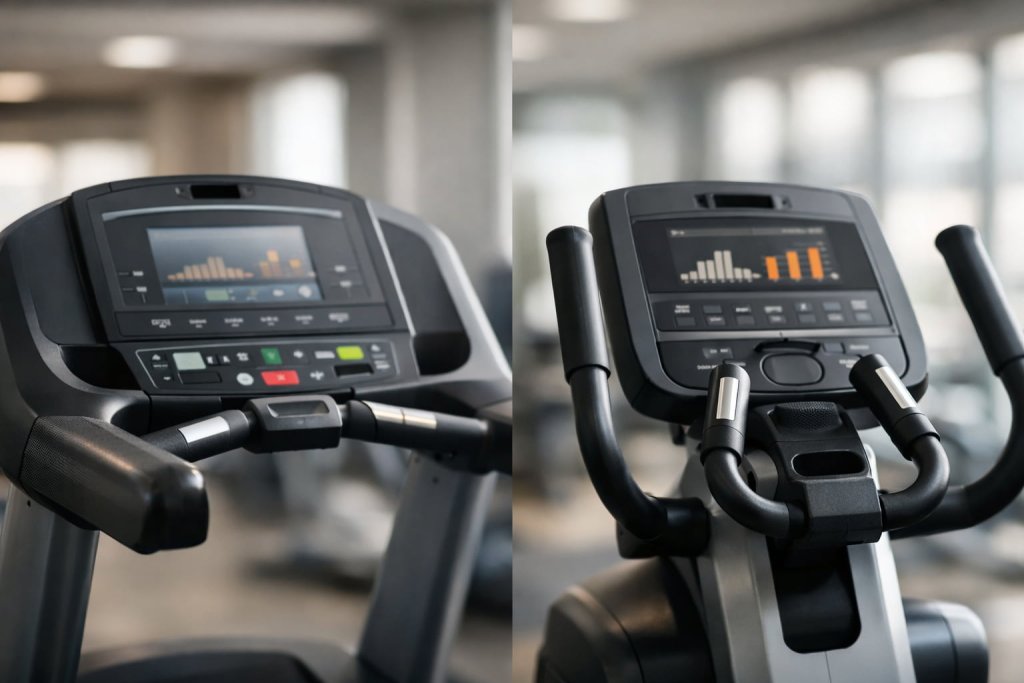
Calorie expenditure on an elliptical or treadmill varies based on multiple factors, including your body weight, workout intensity, incline or resistance setting, stride length, and the duration of your session. Both machines can support effective calorie burn, but the exact amount depends on how hard you work.
According to updated data from Harvard Health Publishing, a person weighing 155 pounds may burn approximately 324 calories during 30 minutes of moderate-intensity exercise on an elliptical trainer. The same chart indicates higher calorie burn for faster treadmill running speeds and different intensity levels, reflecting the greater muscular effort and impact involved in running.
Source: Harvard Health Publishing – Calories Burned in 30 Minutes
Takeaway
- Treadmill workouts, especially running or incline walking, may support higher calorie burn because they require more energy output.
- Ellipticals still offer substantial calorie expenditure and may be easier to maintain for longer sessions due to reduced impact.
- Weight management outcomes largely depend on consistency, effort level, and overall daily activity, not just which machine you use.
Muscle Activation and Training Benefits
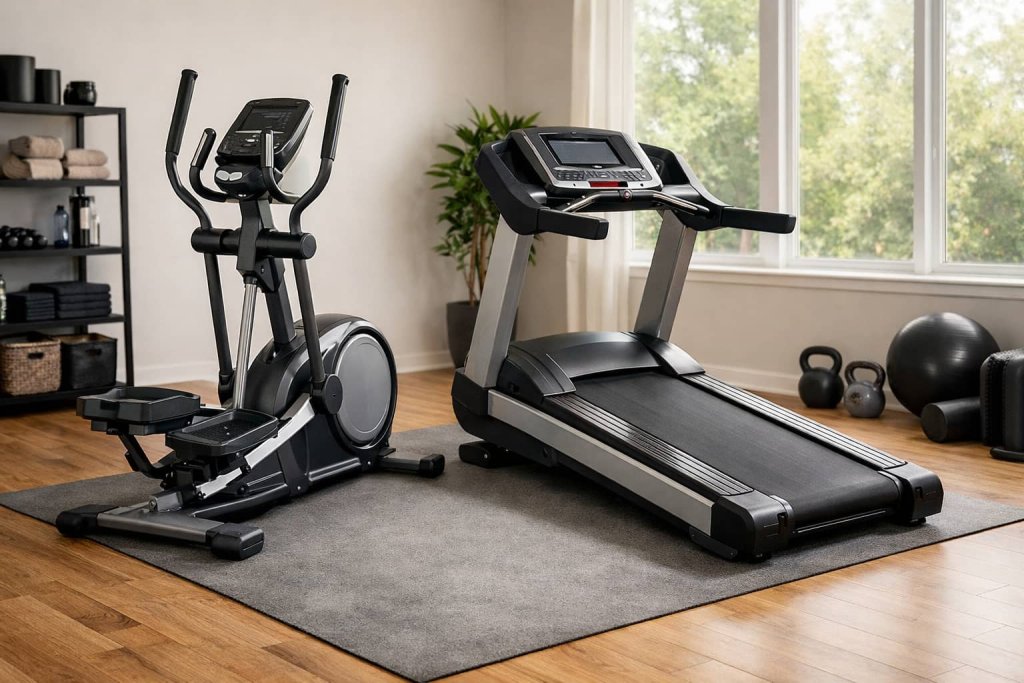
Both machines may support cardiovascular wellness, but each engages the muscles differently.
Elliptical
The elliptical helps activate major lower-body muscles including the quadriceps, hamstrings, glutes, and calves. When using moving handlebars, the machine may also involve the chest, shoulders, back, and arms, creating a full-body cardio session. This combination may help support balanced muscle use and improve endurance without the strain of high-impact movement.
The ability to adjust stride length and resistance allows users to target different muscle groups—longer strides may emphasize glute engagement, while higher resistance may increase quadriceps and hamstring involvement.
Treadmill
The treadmill primarily targets the lower body, including the calves, hamstrings, quadriceps, and glutes. Adding incline may significantly increase glute and calf activation, supporting overall lower-body strength and functional fitness.
Walking or running on a treadmill also mirrors natural outdoor movement, which may help support training for walking events, running goals, or general daily mobility.
Training Preference
- Choose the treadmill if you want to improve walking or running performance, speed, or incline endurance.
- Choose the elliptical if you want a balanced, low-impact cardio session with optional upper-body involvement.
Cardiovascular Health and Wellness Support
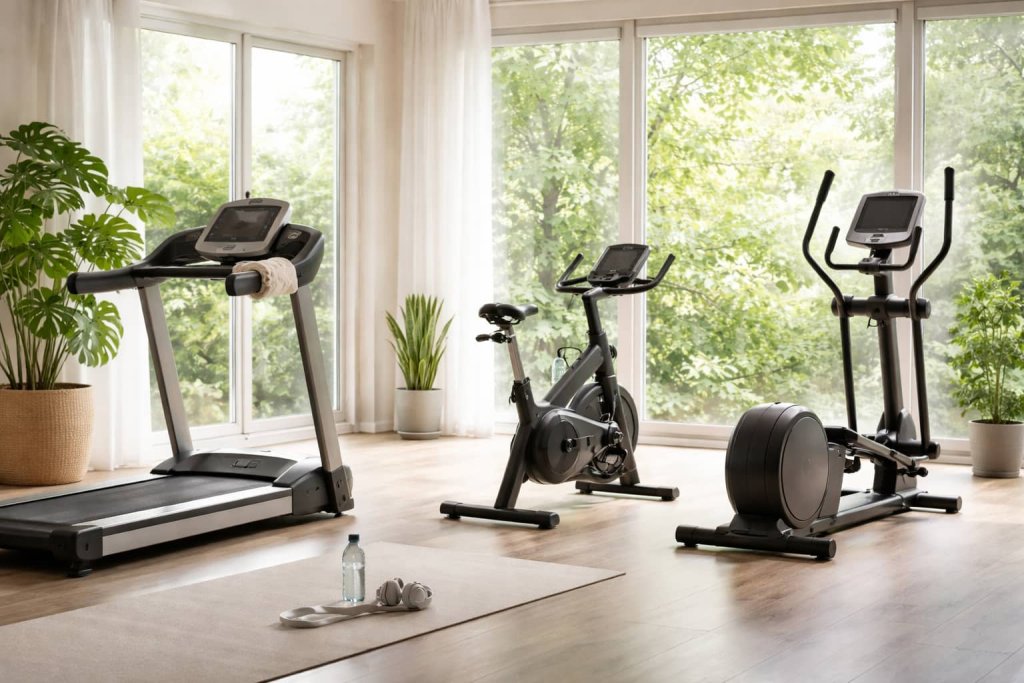
Both machines support daily cardiovascular activity, which is recommended by the American Heart Association. Adults are encouraged to aim for at least 150 minutes of moderate-intensity cardio per week as part of overall heart-healthy living.
Source: American Heart Association – Physical Activity Recommendations
Regular use of a treadmill or elliptical may help support:
- Heart and circulatory wellness
- Healthy cholesterol levels
- Weight management
- Emotional well-being and stress reduction
- Improved stamina and endurance
- Long-term overall wellness and energy levels
These wellness benefits vary for each individual and depend on consistency, intensity, and lifestyle.
Safety and Injury Considerations
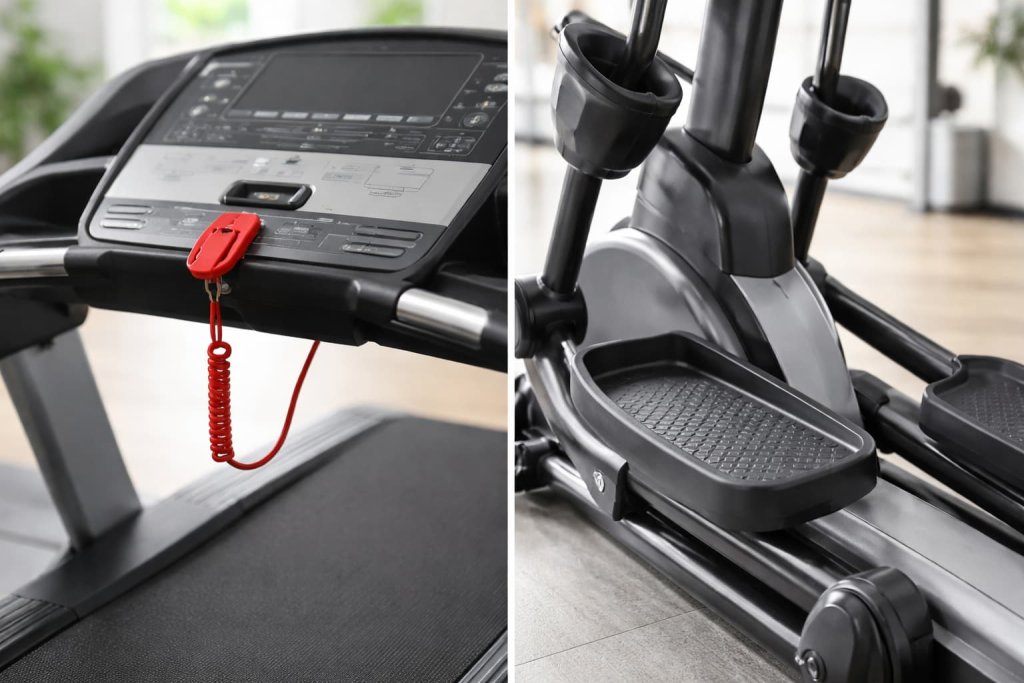
Treadmill Safety
Treadmills involve higher-speed movement and continuous foot impact, which may increase the chance of slips or missteps if the user accelerates too quickly or loses focus. To support safe and comfortable training, experts recommend gradually building up speed and incline, using proper posture, and maintaining awareness of belt motion at all times.
According to the Mayo Clinic’s updated guidance on safe exercise practices, individuals should start slowly, warm up properly, maintain upright posture, and increase intensity in gradual steps to reduce strain and lower the risk of accidents. These recommendations apply directly to treadmill workouts, where sudden changes in pace or incline can challenge balance and coordination.
Source: Mayo Clinic – Fitness Basics: Starting Safely
Additional safety practices include:
- Using the treadmill’s safety clip so the belt stops automatically if balance is lost.
- Keeping the area around the belt clear of shoes, clothing, or objects that could interfere with movement.
- Avoiding stepping onto the belt while it is moving; always mount the treadmill when the belt is fully stopped.
- Looking straight ahead instead of down to support balance and maintain natural alignment.
- Allowing the treadmill to slow completely before stepping off, instead of jumping to the sides.
Following these precautions may help reduce the risk of falls, support joint comfort, and promote a safer and more effective workout routine.
Elliptical Safety
Ellipticals minimize impact and may help reduce stress-related pressure on the knees and shins. However, poor posture, excessive resistance, or leaning heavily on the handles may cause muscle strain. It’s important to maintain an upright posture, adjust resistance gradually, and ensure proper foot placement on the pedals.
Which Machine Fits Your Fitness Goals?
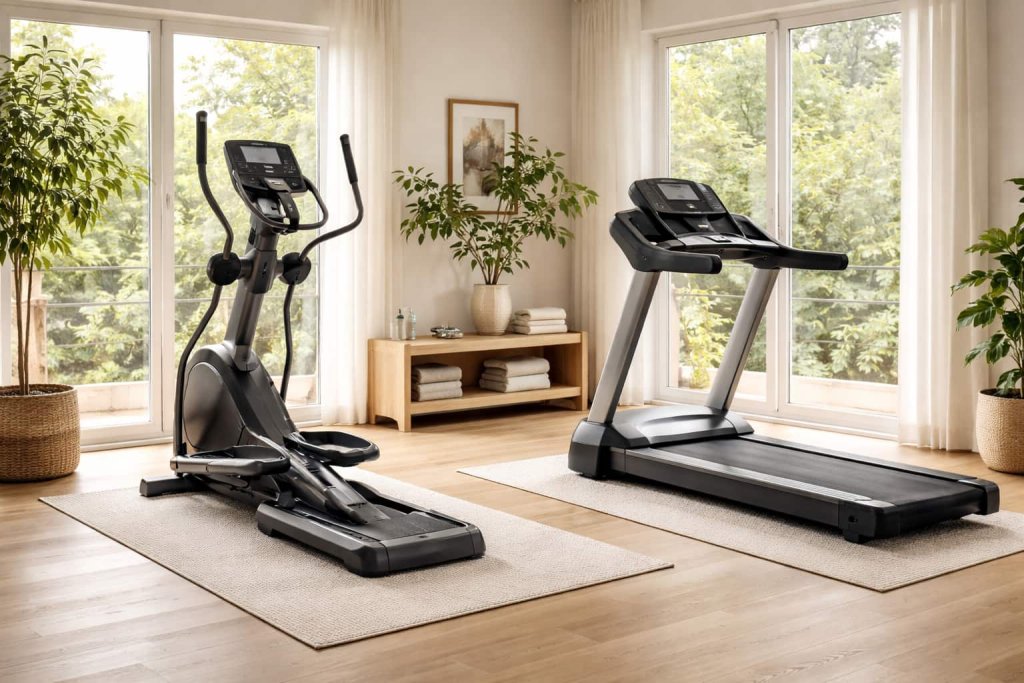
Choosing between an elliptical and a treadmill depends on your personal goals, joint comfort, training preferences, and long-term wellness priorities. Both machines can support cardiovascular fitness, but each offers distinct advantages depending on how you prefer to move and what you want to achieve.
Choose an Elliptical If You Want:
1. Low-Impact Cardio That Supports Joint Comfort
The elliptical’s smooth, gliding motion keeps both feet in continuous contact with the pedals, which minimizes ground impact and may help reduce strain on sensitive joints. This makes it a supportive choice for individuals who want to ease pressure on the knees, hips, and ankles while still engaging in steady cardiovascular exercise.
According to updated guidance from the Arthritis Foundation, elliptical machines “provide both strengthening and cardiovascular benefits while exerting less force on the joints,” offering an option that may support joint comfort for people who experience stiffness or sensitivity. Because the pedals maintain contact throughout the movement, there is less pounding on the knee and reduced weight shifting, which may make the workout feel smoother and more manageable for longer durations.
Source: Arthritis Foundation – Elliptical Machines Go Easy on Your Joints
This lower-impact design may also help individuals maintain consistent exercise habits by offering a comfortable movement pattern that supports cardiovascular activity without excessive joint stress.
2. A Full-Body Workout
Ellipticals with moving handles allow the upper body and lower body to work simultaneously, which may help promote a balanced workout. Engaging the arms, shoulders, chest, back, and legs in one session can support overall endurance and coordination.
3. A Comfortable Option for Longer Sessions
Because the elliptical reduces impact and distributes effort across multiple muscle groups, many users find it easier to maintain longer workout durations. This may support consistent daily exercise, which aligns with American Heart Association recommendations for weekly cardiovascular activity.
Source: American Heart Association – Recommended Physical Activity
4. Reduced Stress on Your Joints
The elliptical is often preferred by individuals who want to avoid repetitive landing force while still maintaining an elevated heart rate. This makes it a strong option for users who experience joint sensitivity or who simply prefer a smoother, quieter workout style.
Choose a Treadmill If You Want:
1. A Machine That Supports Walking and Running
Treadmills mimic natural walking and running patterns, making them ideal for daily movement or structured training programs. This can support outdoor performance and cardiovascular fitness in a way that closely resembles real-world activity.
2. Higher Calorie-Burning Potential
Running or walking on an incline generally requires more muscular effort, which may support higher calorie expenditure compared with lower-resistance elliptical workouts. Because treadmill running involves continuous ground contact and greater energy output, many users find it more demanding at moderate to high intensities.
Updated data from Harvard Health Publishing shows that during 30 minutes of moderate-intensity exercise, a person weighing 155 pounds may burn approximately 324 calories on an elliptical trainer. Harvard’s table also indicates that higher-speed treadmill running increases energy demand, resulting in greater calorie burn compared with moderate elliptical sessions.
Source: Harvard Health Publishing – Calories Burned in 30 Minutes
What This Means
- Treadmill running or incline walking may support higher calorie burn due to increased muscle activation and greater cardiovascular demand.
- The elliptical still offers effective calorie expenditure, especially when resistance or incline is increased, and may be easier to maintain for longer sessions because of its lower-impact design.
- Sustainable weight management depends on consistency, total weekly activity, and intensity, rather than choosing one machine exclusively.
3. Versatile Speed and Incline Training
Treadmills allow precise adjustments to speed, incline, and workout intervals. This versatility supports training for fitness goals such as distance running, endurance improvement, interval training, or walking workouts with increased challenge.
4. Support for Outdoor Running Performance
If your fitness routine includes outdoor walking or running, treadmill sessions can help maintain consistency during poor weather or limited daylight. Because treadmill mechanics mirror outdoor patterns, they may help support muscle conditioning and gait stability for real-world performance.
Home Use, Space, and Noise Considerations
Choosing exercise equipment for home use requires evaluating factors beyond workout style alone. Space, layout, and noise levels all influence which machine is the most practical option for your living environment.
Ellipticals: Compact Options and Quieter Operation
Ellipticals often operate more quietly because there is no foot strike on a moving belt. The smooth pedal motion reduces vibration and noise, making the elliptical suitable for:
- Apartments and shared living spaces
- Early-morning or late-evening workouts
- Homes with thin walls or noise-sensitive neighbors
Compact and foldable elliptical designs are available, but stride length, stability, and resistance quality should still be considered for long-term comfort.
Treadmills: Larger Footprint and Higher Noise Output
Treadmills typically require more floor space, especially the length of the running deck. Motorized treadmills also generate noise from:
- The belt moving over rollers
- The motor during speed changes
- Foot strikes at faster speeds
While high-quality models include cushioning technology to soften impact, the noise and vibration may still be noticeable in multi-level homes or shared buildings.
How to Choose Based on Your Living Space
- If you have limited space, noise constraints, or prefer quiet workouts, an elliptical may be the better choice.
- If you have a dedicated workout room, solid flooring, and prefer a machine that supports running and incline sessions, a treadmill may fit your home more effectively.
Considering layout, ceiling height, and noise tolerance ensures your equipment supports both your wellness routine and your living environment.
Cost and Budget Comparison
Understanding typical pricing can help you make an informed decision that fits your budget and long-term fitness goals. Costs vary widely based on features, durability, motor power, stride length, resistance type, and warranty coverage.
Elliptical Price Range
- Entry-level home ellipticals generally start at a lower price compared to treadmills.
- Many consumer-grade models range from BDT 15,000 to BDT 52,000, depending on build quality and brand.
- Higher-end ellipticals with magnetic resistance, longer stride lengths, and enhanced console features may cost more.
Treadmill Price Range
- Compact or manual models may start around BDT 18,000–30,000, while motorized treadmills with larger running decks and better cushioning usually fall in the BDT 35,000–55,000 range.
- Mid-to-high-end treadmills with stronger motors and incline functions tend to be priced higher due to durability and performance.
Which Offers Better Value?
- Ellipticals are generally more affordable upfront and may provide better long-term comfort for individuals who prioritize joint-friendly exercise.
- Treadmills offer more versatility and may justify their higher cost if you plan to use incline walking, jogging, or running as part of your routine.
Your best choice depends on your budget, long-term usage, and specific training goals.
Tips for Using Each Machine Safely
Safety is a key part of any exercise routine, especially with cardio equipment. Following proper form and precautions may help reduce unnecessary strain and support long-term wellness.
Safe Elliptical Use
- Start with low resistance to warm up your muscles.
- Maintain an upright posture without leaning heavily on the handles.
- Keep your core engaged to support balance and stability.
- Increase resistance or duration gradually to avoid overuse discomfort.
- Always step on and off the machine carefully while the pedals are still.
Safe Treadmill Use
- Begin at a slow pace before increasing speed or incline.
- Use the safety key or clip so the machine stops automatically if you lose balance.
- Avoid stepping onto the belt while it is already moving.
- Keep your stride natural instead of holding the handrails for long periods.
- Wear proper running or walking shoes to support cushioning and stability.
General Safety Recommendations
- Keep the space around your machine clear to avoid tripping hazards.
- Stay hydrated and take breaks when needed.
- Individuals with joint concerns, heart issues, or mobility limitations should consult a healthcare professional before starting a new cardio routine.
These safety steps may help minimize strain and support a comfortable, effective workout on either machine.
FAQs
1. Which is better for weight management: elliptical or treadmill?
Both may support weight management when combined with a balanced diet and active lifestyle. Treadmills may burn slightly more calories at higher speeds or incline.
2. Is the elliptical better for people with knee issues?
The elliptical may be more comfortable because it reduces impact. However, individuals with joint concerns should consult a healthcare professional.
3. Can treadmills support overall wellness?
Yes. Regular treadmill walking or running may support cardiovascular fitness and offer weight-bearing benefits for bone health.
4. Does the elliptical strengthen muscles?
The elliptical may help engage both upper and lower body muscles, especially when handlebars are included.
5. Which is better for beginners?
Most beginners find the treadmill easy to start with, while the elliptical offers a smooth, low-impact option ideal for gradual progression.
Conclusion
Both the elliptical and treadmill can effectively support cardiovascular fitness and overall wellness. Your ideal choice depends on comfort, joint health, training style, and personal goals. For low-impact, full-body movement, the elliptical is a strong choice. For walking, incline work, or running performance, the treadmill may better match your needs.
This content is for informational purposes only and not medical advice.
References
- American Heart Association – Physical Activity Recommendations for Adults
American Heart Association – Recommended Physical Activity Levels - Arthritis Foundation – Low-Impact Exercise Guidance
Arthritis Foundation – Low-Impact Exercises - Cleveland Clinic – Elliptical Machine Benefits
Cleveland Clinic – Elliptical Machine Benefits - Cleveland Clinic – Treadmill or Elliptical Comparison
Cleveland Clinic – Treadmill or Elliptical: How to Choose