
Jumping jacks are one of the simplest full-body exercises, and you do them by jumping your feet apart while swinging your arms overhead, then bringing everything back to the starting position. This creates a rhythmic, full-body cardio movement that improves conditioning, coordination, and muscular endurance.
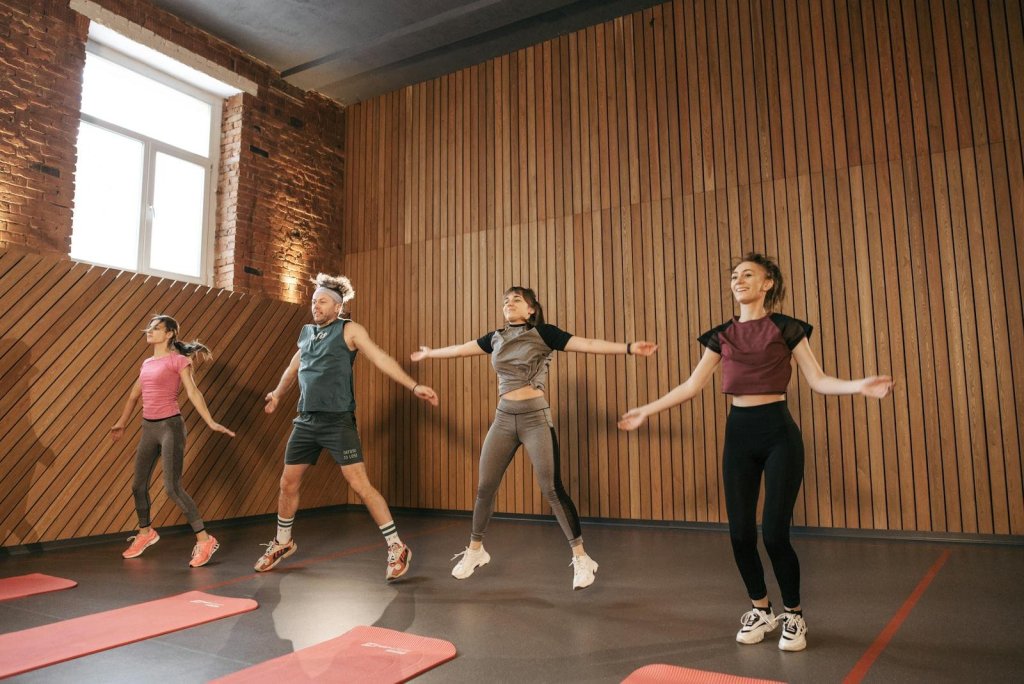
Learning how to do jumping jacks properly matters because poor form can increase joint stress, reduce efficiency, and make the movement harder than it needs to be. When done correctly, jumping jacks are safe, effective, and beginner-friendly.
This guide will show you step-by-step technique, benefits, mistakes to avoid, variations, safety tips, and more.
What Are Jumping Jacks?
Jumping jacks are a bodyweight, plyometric cardio exercise that involves coordinated movement of the arms and legs. You jump your feet out wide while raising your arms overhead, then jump your feet back together while lowering your arms. The exercise increases heart rate, engages multiple muscle groups, and can be done anywhere without equipment.
How to Do Jumping Jacks Properly (Step-by-Step)
Follow these exact steps to perform jumping jacks with safe and efficient form:
Step 1 — Starting Position
- Stand tall with your feet together.
- Arms relaxed by your sides.
- Keep your core gently engaged.
Step 2 — Jump Your Feet Out
- Jump both feet out to shoulder-width or slightly wider.
- At the same time, swing your arms upward in a wide arc until they reach overhead (or shoulder height if overhead is uncomfortable).
- Land softly on the balls of your feet with knees slightly bent.
Step 3 — Jump Back to Start
- Jump your feet back together.
- Lower your arms to your sides in a controlled motion.
- Maintain a steady rhythm.
Step 4 — Continue at a Comfortable Pace
- Start slowly and gradually increase speed once you feel coordinated.
- Aim for 20–60 seconds per set depending on fitness level.
Variations of Jumping Jacks
Great for beginners, intermediates, or anyone who needs low-impact options.
1. Step Jacks (Low Impact)
Why it works:
Step jacks offer all the cardio benefits of traditional jumping jacks without the impact. They’re ideal for beginners, people easing back into exercise, or anyone with joint sensitivity.
Muscles worked:
Shoulders, glutes, quads, calves, hip abductors, core.
How to do it:
- Stand tall with feet together and arms at your sides.
- Step your right foot out to the side while raising both arms shoulder-height or overhead.
- Step your foot back in and lower your arms.
- Repeat on the left side and continue alternating at a steady pace.
Trainer Tip:
Increase arm speed or add light dumbbells (1–2 lb) to boost intensity without adding impact.
2. Front Raise Jacks
Why it works:
This variation reduces shoulder strain for people who struggle with overhead lifting, while still providing a full-body cardio effect.
Muscles worked:
Deltoids (front), upper traps, glutes, quads, calves, core.
How to do it:
- Begin with feet together and arms down.
- Jump your feet out to shoulder-width while raising your arms straight in front to shoulder height.
- Jump feet back together as you lower your arms.
- Maintain smooth, controlled arm movement.
Trainer Tip:
Keep shoulders relaxed—avoid shrugging while lifting your arms.
3. Cross Jacks
Why it works:
Cross jacks improve coordination and core stability by crossing the arms and legs simultaneously. They add a brain-body challenge and engage inner thighs more than standard jacks.
Muscles worked:
Shoulders, inner thighs, hip flexors, glutes, quads, core.
How to do it:
- Start standing tall with arms at your sides.
- Jump your feet out slightly as you cross your arms in front of your chest.
- Jump feet back together as you open your arms wide.
- Alternate which arm crosses on top each rep.
Trainer Tip:
Focus on small, sharp movements—this makes the cross-action easier to control and keeps your core engaged.
4. Squat Jacks
Why it works:
Combining a squat with a jack increases lower-body strength, raises heart rate faster, and builds endurance in the glutes and legs.
Muscles worked:
Glutes, quads, hamstrings, calves, core, shoulders.
How to do it:
- Start in a shallow squat with feet hip- to shoulder-width apart and arms at your sides.
- Jump your feet wider while raising your arms overhead.
- Stay low as you jump your feet back to the starting position.
- Keep knees soft and hips pushed back.
Trainer Tip:
If the squat is too intense, rise slightly but stay engaged—small squat depth changes intensity without losing form.
5. Plank Jacks
Why it works:
Plank jacks elevate core activation, shoulder stability, and cardio intensity—all at once. They’re excellent for building abdominal endurance.
Muscles worked:
Core, shoulders, glutes, hip abductors, quads.
How to do it:
- Start in a strong plank with wrists under shoulders and legs extended.
- Jump your feet out wide like a horizontal jumping jack.
- Jump feet back together while keeping hips level.
- Maintain a firm brace through your midsection.
Trainer Tip:
If your hips bounce or sag, slow down or switch to step-out plank jacks for better control.
Muscles Worked During Jumping Jacks
Jumping jacks work both the upper and lower body:
- Lower Body: glutes, quadriceps, hamstrings, calves, hip flexors
- Upper Body: deltoids, upper back (traps)
- Core: abdominals and lower back for stabilization
This makes them a true full-body cardio and coordination exercise.
Benefits of Jumping Jacks
Here are the most up-to-date, research-aligned benefits:
1. Boosts Cardiovascular Fitness
Jumping jacks quickly elevate your heart rate and support endurance and heart health.
2. Burns Calories Efficiently
You can burn approximately 8–16 calories per minute, depending on body weight and intensity.
3. Improves Coordination and Balance
Coordinating arms and legs together challenges neuromuscular control and timing.
4. Strengthens Multiple Muscles
Your legs, shoulders, and core work together through repetitive movement.
5. Convenient and Beginner-Friendly
No equipment, no gym required—perfect for home workouts or warm-ups.
Safety Tips Before You Start Jumping Jacks
To keep your workout safe and comfortable:
- Land softly with knees slightly bent.
- Keep jumps light and controlled—avoid heavy, loud landings.
- Warm up your ankles, knees, and hips before starting.
- If you have joint pain, choose a low-impact variation.
- Stop immediately if you feel sharp pain or instability.
- People with heart conditions or orthopedic issues should consult a medical professional before adding higher-impact exercises.
Common Mistakes to Avoid
Avoid these form errors to reduce injury risk:
- Hard landings that stress ankles and knees
- Swinging arms too quickly or too high, causing shoulder discomfort
- Letting knees cave inward during jumps
- Landing with locked knees
- Holding your breath
- Jumping too wide, which can strain hips
How Many Jumping Jacks Should You Do?
Here are simple, beginner-friendly guidelines:
- Beginners: 20–30 seconds × 2–3 sets
- Intermediate: 45–60 seconds × 3–4 sets
- Advanced: 90 seconds or more, or use jumping jacks within HIIT intervals
You can also count reps instead of time (e.g., 30–50 reps per set).
FAQ
1. Are jumping jacks good for beginners?
Yes. They’re simple, require no equipment, and you can modify them to low-impact versions.
2. Can jumping jacks help with weight loss?
They may support weight loss when combined with an overall calorie deficit and regular activity.
3. How many calories do jumping jacks burn?
About 8–16 calories per minute, depending on body weight and intensity.
4. Can I do jumping jacks every day?
Yes, if you start gradually and listen to your body. Reduce frequency if you feel joint discomfort.
5. What if jumping hurts my knees or ankles?
Switch to step jacks or avoid impact-based movements until pain resolves. Consult a healthcare provider if symptoms persist.
6. Are jumping jacks good for warm-ups?
Yes, they help raise your heart rate and prepare your muscles for more intense exercises.
7. Who should avoid jumping jacks?
Anyone with serious joint pain, untreated heart conditions, or recent injury should check with a healthcare professional first.
Conclusion
Jumping jacks are a simple, effective, and accessible full-body exercise. When performed with proper form, they help improve cardiovascular fitness, calorie burn, coordination, and muscle endurance. Whether you’re warming up or adding cardio to your workout, they’re a versatile movement you can use anywhere.
Start slowly, use proper technique, and increase intensity as your fitness improves.