
The transverse abdominis exercises listed below target the deepest core muscle that helps stabilize your spine and support a flatter, stronger midsection. Understanding how to train this muscle matters because the transverse abdominis (often called the “deep core”) plays a key role in trunk stability, posture control, and efficient movement during daily activities and exercise.
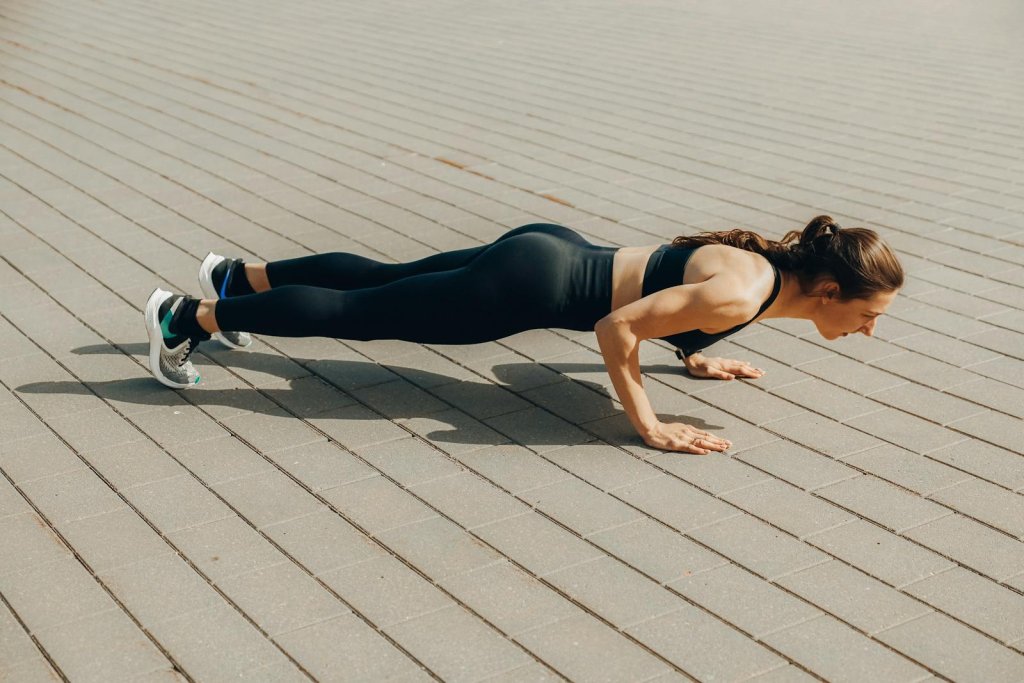
This guide explains what transverse abdominis exercises are, why they matter, how to perform the best movements safely, and how to include them in a balanced routine—using evidence-based, fitness-friendly guidance.
What Are Transverse Abdominis Exercises?
Transverse abdominis exercises are core movements designed to activate the transversus abdominis, the deepest layer of abdominal muscle. Unlike surface muscles that create visible “six-pack” definition, this muscle wraps horizontally around the abdomen like a corset.
These exercises typically emphasize:
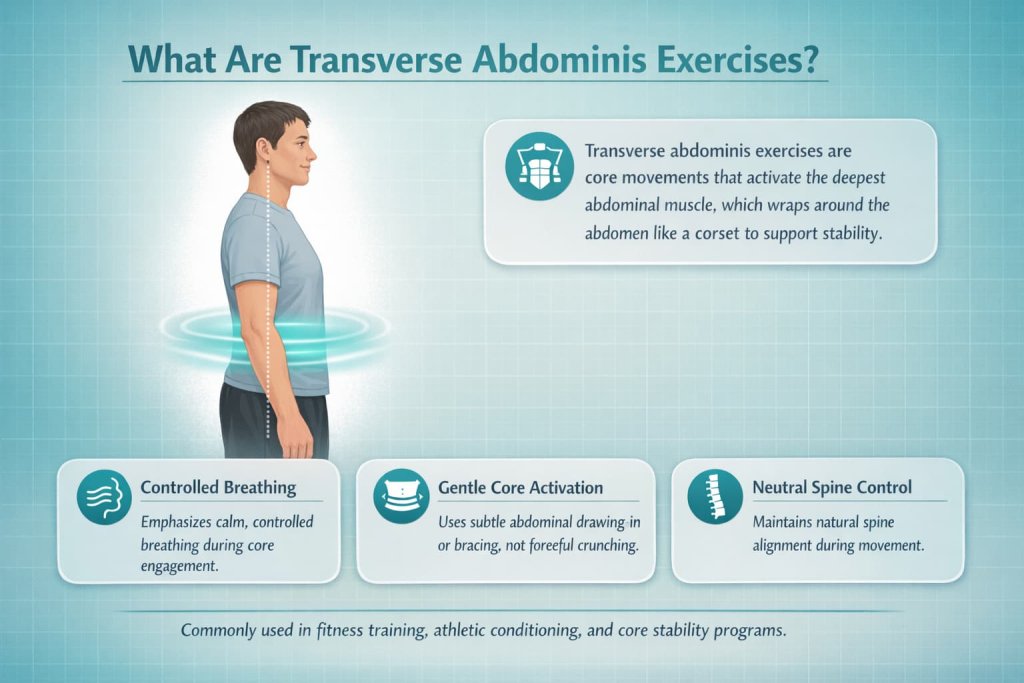
- Controlled breathing
- Gentle abdominal drawing-in or bracing
- Maintaining a neutral spine during movement
They are commonly used in general fitness, athletic training, and core-stability programs.
Why Transverse Abdominis Exercises Matter
A well-functioning transverse abdominis helps support how your torso responds to movement and load. Regular transverse abdominis exercises may help support:
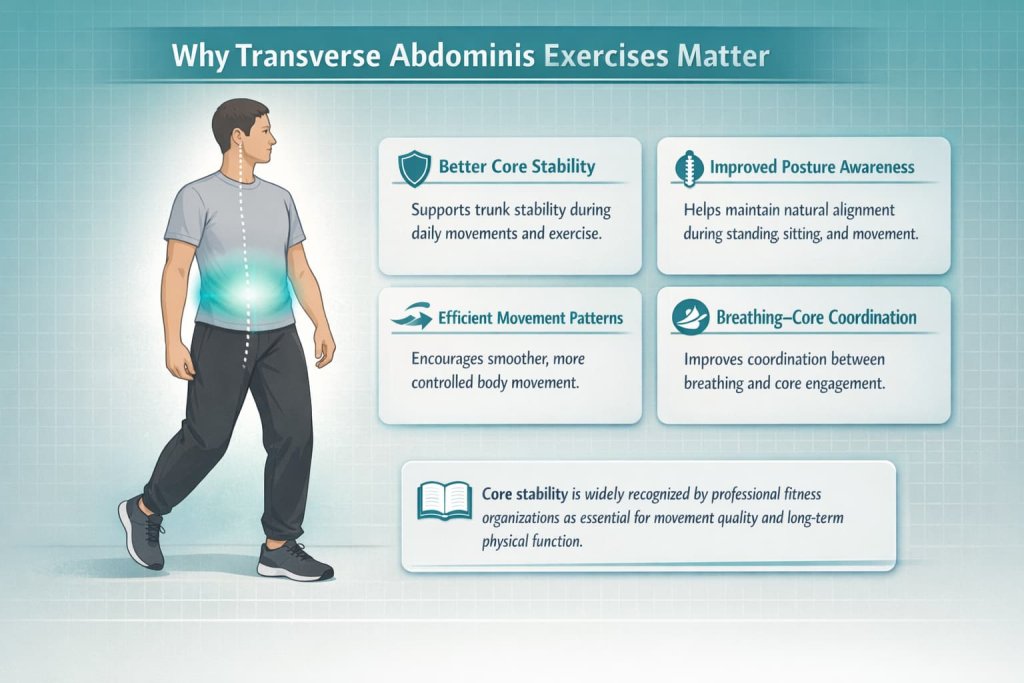
- Better core stability during daily tasks
- Improved posture awareness
- More efficient movement patterns
- Stronger coordination between breathing and core control
Professional organizations such as the American College of Sports Medicine emphasize that core stability supports overall movement quality and long-term physical function.
12 Best Transverse Abdominis Exercises
These transverse abdominis exercises focus on strengthening the deep core muscle responsible for stability, posture support, and controlled movement. Performed correctly, they help improve core engagement and support a stronger, flatter midsection without relying on crunches.
1. Abdominal Drawing-In
How to do it:
- Lie on your back with knees bent and feet flat on the floor
- Place one hand on your chest and one on your lower abdomen
- Inhale gently through your nose
- As you exhale, slowly draw your lower abdomen inward toward your spine
- Keep your chest, ribs, and pelvis still
- Hold the contraction for 5–10 seconds while breathing normally
Why it works:
This exercise directly targets the transverse abdominis by teaching controlled abdominal tension without spinal movement. It builds awareness of deep core engagement, which is essential before progressing to more demanding exercises.
Muscles worked:
Transverse abdominis (primary), internal obliques (secondary)
Trainer Tip:
Think of gently tightening a corset rather than “sucking in” your stomach aggressively.
2. Supine Heel Slides
How to do it:
- Lie on your back with knees bent and feet flat
- Engage your core using a light abdominal drawing-in
- Slowly slide one heel away from your body along the floor
- Keep your pelvis and lower back stable
- Slide the heel back to the start position
- Alternate sides with control
Why it works:
Heel slides challenge the transverse abdominis to maintain pelvic stability while the legs move. This teaches the core to resist unwanted motion during everyday activities like walking.
Muscles worked:
Transverse abdominis, hip flexors, quadriceps
Trainer Tip:
If your lower back arches or shifts, shorten the range of motion.
3. Dead Bug
How to do it:
- Lie on your back with arms extended toward the ceiling
- Bend hips and knees to 90 degrees
- Engage your core to press your lower back gently into the floor
- Lower opposite arm and leg slowly toward the floor
- Return to the starting position
- Alternate sides while maintaining control
Why it works:
Dead bugs train the transverse abdominis to stabilize the spine during coordinated limb movement, a key function for injury-resistant core strength.
Muscles worked:
Transverse abdominis, rectus abdominis, hip flexors, shoulder stabilizers
Trainer Tip:
Move slowly—speed reduces deep core activation.
4. Bent-Knee March
How to do it:
- Lie on your back with knees bent and feet flat
- Engage your transverse abdominis
- Slowly lift one foot a few inches off the floor
- Keep the pelvis level and stable
- Lower the foot with control
- Alternate legs
Why it works:
This exercise reinforces core control during unilateral leg movement, helping improve coordination between the deep core and hips.
Muscles worked:
Transverse abdominis, hip flexors, lower abdominal stabilizers
Trainer Tip:
Imagine balancing a glass of water on your pelvis—no tilting.
5. Plank
How to do it:
- Place forearms on the floor under shoulders
- Extend legs behind you with toes on the ground
- Engage your core by gently bracing your abdomen
- Keep your body in a straight line from head to heels
- Hold while breathing steadily
Why it works:
Planks require sustained transverse abdominis activation to resist spinal extension, building endurance and full-core stability.
Muscles worked:
Transverse abdominis, rectus abdominis, obliques, glutes, shoulders
Trainer Tip:
Quality matters more than time—stop if form breaks down.
6. Side Plank
How to do it:
- Lie on your side with elbow under shoulder
- Stack legs or place top foot slightly forward
- Lift hips off the floor
- Keep your body in a straight line
- Hold with controlled breathing
Why it works:
Side planks challenge the transverse abdominis to stabilize the spine laterally, which is essential for balance and injury prevention.
Muscles worked:
Transverse abdominis, obliques, gluteus medius, shoulder stabilizers
Trainer Tip:
Avoid letting your hips drift backward or forward.
7. Bird Dog
How to do it:
- Start on hands and knees with neutral spine
- Engage your core gently
- Extend one arm and the opposite leg
- Keep hips and shoulders level
- Return to start and switch sides
Why it works:
Bird dogs train the transverse abdominis to stabilize the spine during cross-body movement, mimicking real-world coordination demands.
Muscles worked:
Transverse abdominis, erector spinae, glutes, shoulder stabilizers
Trainer Tip:
Pause briefly at full extension to reinforce control.
8. Seated Pallof Press
How to do it:
- Sit upright with feet flat on the floor
- Hold a resistance band or cable at chest height
- Engage your core
- Press the handle straight forward
- Resist rotation as arms extend
- Return slowly to start
Why it works:
This anti-rotation exercise forces the transverse abdominis to stabilize the torso against external resistance.
Muscles worked:
Transverse abdominis, obliques, rectus abdominis
Trainer Tip:
Start with light resistance to maintain proper control.
9. Standing Cable Hold
How to do it:
- Stand perpendicular to a cable machine
- Hold the handle close to your chest
- Step away to create tension
- Engage your core and hold the position
- Resist twisting or leaning
Why it works:
Holding resistance in standing positions challenges the transverse abdominis in a functional, upright posture.
Muscles worked:
Transverse abdominis, obliques, spinal stabilizers
Trainer Tip:
Keep knees soft and ribs stacked over pelvis.
10. Farmer’s Carry
How to do it:
- Hold weights at your sides
- Stand tall with engaged core
- Walk slowly with controlled steps
- Maintain upright posture throughout
Why it works:
Carrying loads forces continuous abdominal bracing, teaching the transverse abdominis to stabilize the spine under real-world demands.
Muscles worked:
Transverse abdominis, obliques, grip muscles, glutes
Trainer Tip:
Avoid leaning—reduce weight if posture changes.
11. Glute Bridge with Core Brace
How to do it:
- Lie on your back with knees bent
- Engage your core gently
- Press through heels to lift hips
- Keep ribs down and pelvis neutral
- Lower hips slowly
Why it works:
This exercise integrates transverse abdominis activation with hip extension, improving coordination between the core and glutes.
Muscles worked:
Transverse abdominis, glutes, hamstrings
Trainer Tip:
Do not arch your lower back at the top.
12. Stability Ball March
How to do it:
- Sit tall on a stability ball
- Engage your core
- Slowly lift one foot off the floor
- Keep torso upright and stable
- Alternate legs with control
Why it works:
The unstable surface increases demand on the transverse abdominis to maintain balance and posture.
Muscles worked:
Transverse abdominis, hip flexors, spinal stabilizers
Trainer Tip:
Stay close to a wall or support if balance is challenging.
How Often Should You Do Transverse Abdominis Exercises?
General fitness guidelines recommend performing muscle-strengthening activities at least two days per week. This guidance aligns with recommendations from the Centers for Disease Control and Prevention and the World Health Organization.
For transverse abdominis exercises:
- 2–4 sessions per week
- 2–3 sets per exercise
- Controlled repetitions or timed holds
How to Properly Engage the Transverse Abdominis
Before performing any transverse abdominis exercises, it’s important to understand basic engagement.
Key cues:
- Gently draw your belly button toward your spine without holding your breath
- Keep your rib cage relaxed, not flared
- Maintain slow, controlled breathing
- Avoid flattening or over-arching the lower back
This controlled engagement is often referred to as an abdominal drawing-in maneuver and is commonly used in core-training programs.
Who Should Focus on Transverse Abdominis Exercises?
Transverse abdominis exercises are beneficial for a wide range of people because they emphasize deep core control rather than forceful movement or heavy loading. These exercises are especially useful for:
- Beginners who are learning how to engage their core correctly before progressing to advanced movements
- People with sedentary or desk-based lifestyles who want to improve posture awareness and trunk support
- Recreational exercisers and athletes who need better core stability for lifting, running, or sport-specific movements
- Individuals focused on posture and movement quality, not just visible abdominal definition
Because transverse abdominis exercises are generally low-impact and control-focused, they are often used as a foundation in balanced fitness routines.
How Transverse Abdominis Exercises Fit Into a Full Core Routine
Transverse abdominis exercises work best when combined with a complete core program that also addresses other abdominal and trunk muscles. Rather than replacing traditional core work, they support better movement quality across all exercises.
A balanced core routine may include:
- Transverse abdominis exercises for deep stability and control
- Anti-extension and anti-rotation exercises for functional strength
- Hip and glute strengthening to support pelvic stability
- Mobility and posture-focused movements to maintain alignment
This integrated approach helps ensure the core functions effectively during daily activities and full-body training.
Common Mistakes to Avoid
- Holding your breath during core engagement
- Over-tightening the abdominal muscles
- Arching or flattening the lower back excessively
- Rushing through movements without control
Maintaining slow, intentional movement improves activation quality.
Who Should Be Careful With These Exercises?
Most transverse abdominis exercises are low-impact and beginner-friendly. However, individuals with recent surgery, persistent pain, or medical conditions affecting the spine or abdomen should consult a qualified professional before starting a new exercise routine.
Frequently Asked Questions
Do transverse abdominis exercises flatten your stomach?
They may help support a flatter appearance by improving muscle tone and posture, but visible changes also depend on overall activity and nutrition.
Are these exercises better than crunches?
They serve a different purpose. Transverse abdominis exercises focus on deep stability rather than trunk flexion.
Can beginners do transverse abdominis exercises?
Yes. Many movements are specifically designed for beginners and focus on gentle activation.
How long does it take to feel results?
Many people notice improved control and awareness within a few weeks of consistent practice.
Can I do these exercises every day?
Light activation drills can often be practiced daily, but recovery is still important for higher-intensity movements.
Are transverse abdominis exercises good for posture?
They may help support better posture by improving trunk stability and control.
Conclusion
Transverse abdominis exercises are a valuable addition to any core routine because they target the deep muscle layer responsible for stability and control. When practiced consistently and with proper technique, these exercises support a stronger, more efficient core that carries over into daily movement and fitness performance.
If you’re building a balanced training program, consider pairing transverse abdominis exercises with full-body strength and mobility work for long-term results.
References
- CDC – Adult Physical Activity Guidelines (Muscle-strengthening 2+ days/week)
- WHO – Physical Activity Recommendations (Strength training guidance)
- Physical Activity Guidelines for Americans, 2nd edition (Official PDF)
- NCBI Bookshelf (StatPearls) – Abdominal Wall Anatomy (includes transversus abdominis)
- Madokoro et al. (2020) – Abdominal Drawing-In vs Bracing and Muscle Thickness (Healthcare)
- Moghadam et al. (2019) – TrA Activation Differences: Drawing-In vs Bracing (PMC)
- JOSPT – Reliability of Ultrasound Measures of TrA and Lumbar Multifidus Thickness (2014)
- Gnat et al. (2012) – Reliability of Ultrasound Measurement of TrA Thickness (PMC)