
Side plank variations are one of the most effective bodyweight exercises for building oblique strength and improving core stability. They train the core to resist side-bending forces, which is essential for posture, balance, and safe movement during daily activities and workouts.
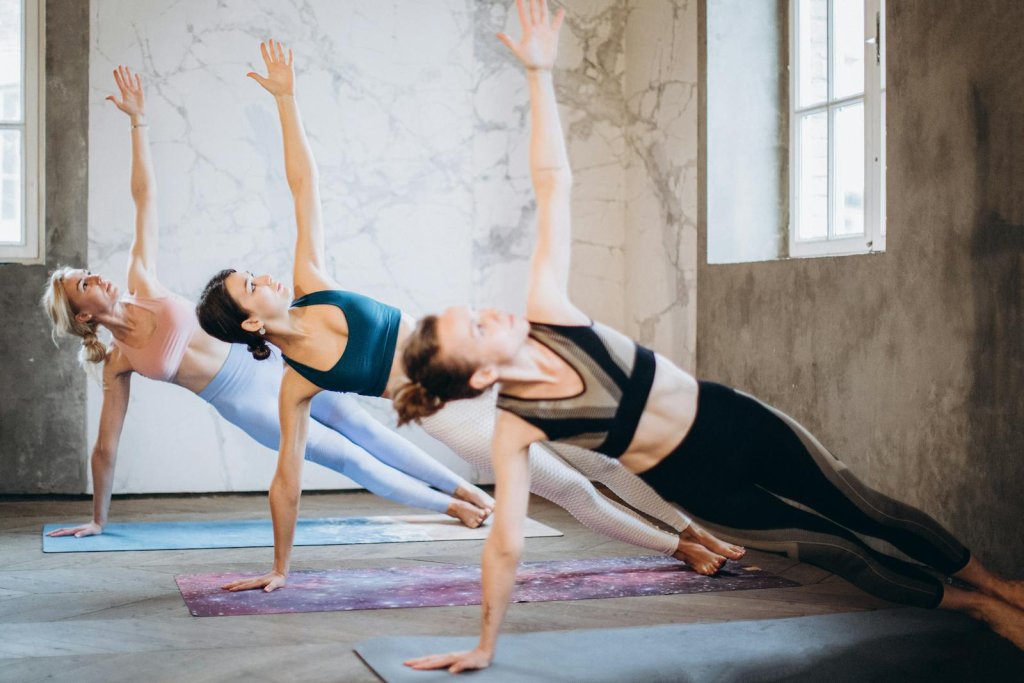
Understanding how different side plank variations work helps you choose the right progression for your fitness level, target the obliques more effectively, and reduce unnecessary strain on the shoulders and lower back. This guide breaks down the best options, how to perform them correctly, and how to use them safely in your routine.
7 Best Side Plank Variations
These side plank variations are designed to strengthen the obliques while improving overall core stability and body control. They progress from beginner-friendly options to advanced challenges, allowing you to build strength safely and effectively.
1. Forearm Side Plank
How to do it
- Lie on your side with your forearm directly under your shoulder
- Stack your legs with feet aligned and knees straight
- Press your forearm into the floor and lift your hips
- Keep your body in a straight line from head to heels
- Hold while breathing steadily
Why it works
This foundational side plank variation builds lateral core endurance and teaches proper alignment. By resisting side-bending forces, it strengthens the obliques and improves trunk stability needed for posture and everyday movement.
Muscles worked
Obliques, transverse abdominis, quadratus lumborum, shoulder stabilizers
Trainer Tip
Actively push the floor away with your forearm to keep the shoulder stable and avoid sinking into the joint.
2. Side Plank With Knee Support
How to do it
- Lie on your side with knees bent and stacked
- Place your forearm under your shoulder
- Lift your hips while keeping shoulders, hips, and knees aligned
- Maintain a straight line from shoulders to knees
Why it works
Shortening the lever arm reduces overall load, making this variation ideal for beginners or those rebuilding core strength. It allows you to focus on alignment and control without excessive strain.
Muscles worked
Obliques, deep core stabilizers, shoulder stabilizers
Trainer Tip
Increase hold time gradually before progressing to straight-leg versions.
3. High Side Plank (Hand-Supported)
How to do it
- Place your hand directly under your shoulder
- Stack your feet and straighten your legs
- Lift your hips until your body forms a straight line
- Keep the elbow locked but not hyperextended
Why it works
This variation increases demand on the shoulders and arms while maintaining strong lateral core engagement, making it a useful progression from forearm-based planks.
Muscles worked
Obliques, shoulders, arms, glutes
Trainer Tip
Spread your fingers and grip the floor to improve shoulder stability and balance.
4. Side Plank Reach-Through
How to do it
- Start in a stable side plank position
- Reach your top arm under your torso
- Rotate your chest slightly downward, then open back up
- Move slowly and with control
Why it works
Adding controlled rotation challenges anti-rotation strength while still emphasizing stability. This improves coordination between the obliques and deeper trunk muscles.
Muscles worked
Obliques, rotational core muscles, upper back stabilizers
Trainer Tip
Keep your hips steady—movement should come from the upper torso, not the lower back.
5. Side Plank Hip Dips
How to do it
- Begin in a forearm side plank
- Lower your hips a few inches toward the floor
- Lift them back to neutral alignment
- Repeat with slow, controlled motion
Why it works
Hip dips train strength and control through a limited range of lateral movement, increasing time under tension for the obliques.
Muscles worked
Obliques, quadratus lumborum, deep core stabilizers
Trainer Tip
Small, controlled dips are more effective than large, fast movements.
6. Star Side Plank (Top Leg Lift)
How to do it
- Hold a standard side plank
- Lift your top leg while keeping hips stacked
- Pause briefly, then lower with control
- Maintain balance throughout
Why it works
Lifting the top leg significantly increases demand on the lateral core and hip stabilizers, making this one of the most challenging bodyweight variations.
Muscles worked
Obliques, gluteus medius, hip stabilizers
Trainer Tip
If balance becomes unstable, lower the leg before your core alignment breaks.
7. Side Plank With Bottom Leg Lift
How to do it
- Start in a stable side plank
- Lift the bottom leg slightly off the floor
- Keep hips level and torso steady
- Hold briefly, then lower
Why it works
This variation intensifies pelvic and hip stabilization demands, challenging deep core and inner-thigh support muscles.
Muscles worked
Obliques, inner thighs, hip stabilizers
Trainer Tip
Master standard and star side planks before attempting this advanced option.
Why Side Plank Variations Matter for Core Stability
Side plank variations train the core’s ability to resist lateral flexion, meaning your body learns to stay upright and aligned against side-to-side forces.
Research on core muscle activation shows that side plank positions produce high activation of the external obliques and hip stabilizers, particularly when leg-lift or extended-lever variations are used. These qualities make side plank variations useful not only for aesthetics, but also for functional strength.
Benefits may include:
- Improved trunk stability and balance
- Better hip and pelvic control
- Enhanced posture during standing and walking
- Greater confidence during lifting and athletic movement
How to Program Side Plank Variations Safely
Most public-health exercise guidelines, including those referenced by the American College of Sports Medicine, emphasize quality over fatigue for core training.
General programming tips:
- Hold each variation for 15–45 seconds
- Perform 2–3 sets per side
- Stop the set if alignment breaks down
- Progress difficulty before increasing duration
How Long Should You Hold Side Plank Variations?
Holding side plank variations for the right amount of time helps improve core stability without sacrificing form or placing unnecessary stress on the shoulders and lower back. Most fitness and strength-training guidance emphasizes quality of alignment over duration.
General time guidelines:
- Beginners: 10–20 seconds per side
- Intermediate: 20–40 seconds per side
- Advanced: 40–60 seconds per side
Rather than aiming for long holds, focus on maintaining a straight body line, steady breathing, and controlled muscle engagement. Once you can hold a variation with clean form, progressing to a more challenging side plank is often more effective than simply increasing time.
Common Mistakes to Avoid
- Letting hips sag or rotate forward
- Shrugging into the shoulder
- Holding the breath
- Progressing too quickly to advanced variations
Who Should Be Cautious or Seek Professional Guidance
Side plank variations may require modification for individuals with:
- Shoulder pain or instability
- Lower-back discomfort
- Balance limitations
- Recent injury or surgery
In these cases, professional guidance is recommended before progressing intensity.
Frequently Asked Questions
Are side plank variations better than crunches?
They train stability rather than spinal movement, which many guidelines favor for overall core support.
How often should I do side plank variations?
Two to four times per week fits well within most balanced training plans.
Do side planks help posture?
They may support posture by strengthening lateral core and hip stabilizers.
Which variation is best for beginners?
Side plank with knee support is usually the safest starting point.
Can side planks reduce back pain?
They may support spinal stability, but they are not a treatment for pain.
Should I feel side planks in my hips?
Yes—hip stabilizers commonly assist during proper execution.
Conclusion
Side plank variations are a simple yet powerful way to build oblique strength and improve core stability without equipment. By choosing the right progression and focusing on alignment, you can make them a reliable part of a balanced core program.
If you are unsure where to start, begin with supported variations and progress gradually while maintaining clean form.
References
- Core exercises: Why you should strengthen your core muscles — Mayo Clinic
- Core strength: Exercises to improve your core strength — Mayo Clinic
- Side Plank: Exercise instructions and progressions — ACE Fitness
- Electromyographic analysis of gluteus medius and maximus during rehabilitation exercises (includes side plank abduction) — PubMed Central (PMC)
- Effect of side-sling plank exercise on trunk and hip muscle activation — PubMed
- Core stability training: fundamentals and evidence overview — PubMed Central (PMC)
- Core training: Separating fact from fiction — ACSM’s Health & Fitness Journal
- Physical Activity Guidelines for Adults (aerobic + strength days) — CDC