
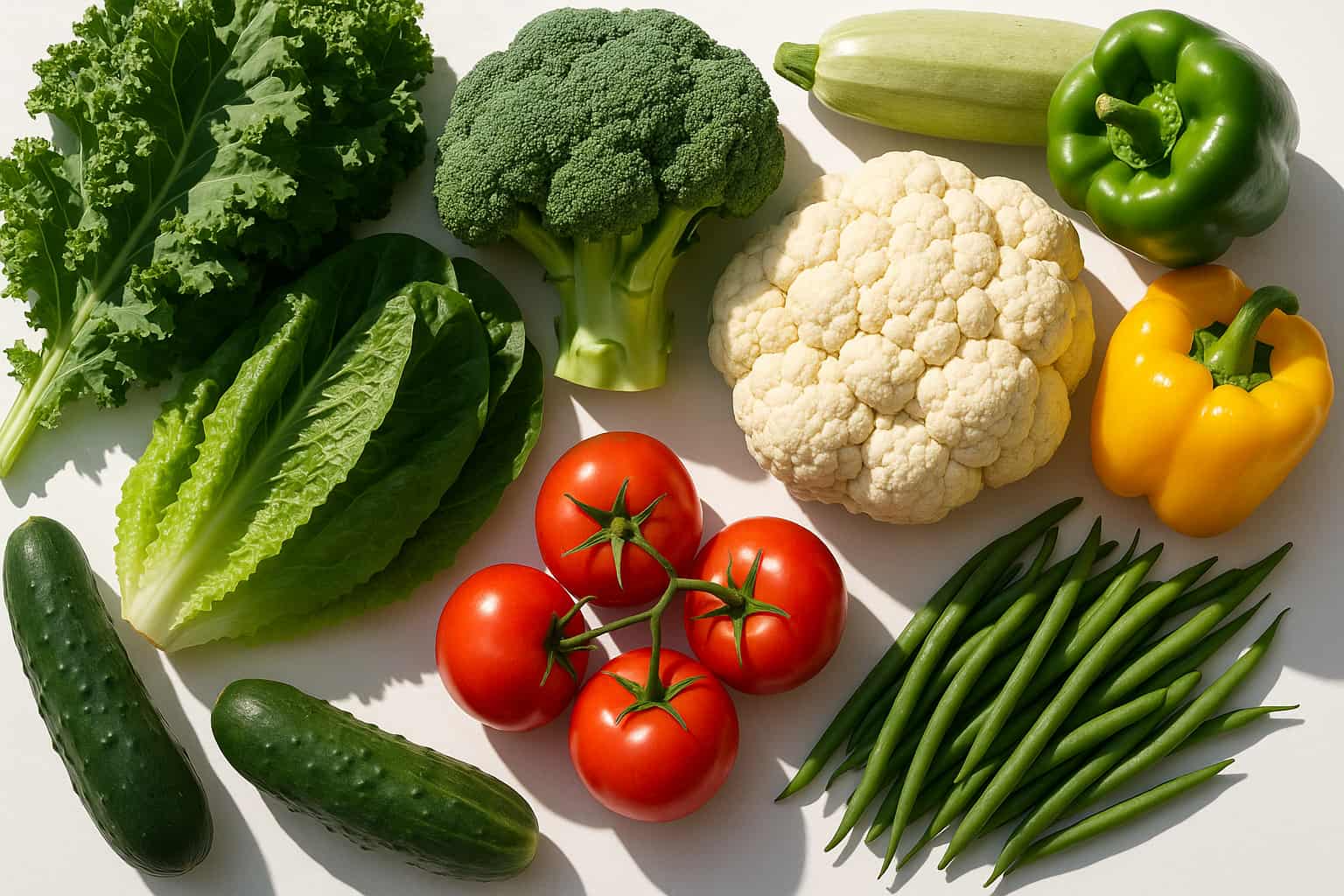
The best vegetables for weight loss are low-calorie, high-fiber, nutrient-dense vegetables that support fullness and healthy eating patterns. These foods may help with appetite control, calorie balance, and overall wellness—key factors emphasized in leading nutrition guidelines. According to the Centers for Disease Control and Prevention (CDC), vegetables add volume to meals without adding many calories, which may support weight management when included consistently in daily meals (CDC – Healthy Eating).
Understanding which vegetables offer the best combination of fiber, water content, and nutrient density can help you make informed choices. Below, you’ll find the top science-backed vegetables for weight loss, their nutritional benefits, portion tips, and how to incorporate them into balanced meals.
Why Vegetables Support Weight Loss
1. Low-Calorie, High-Volume Foods
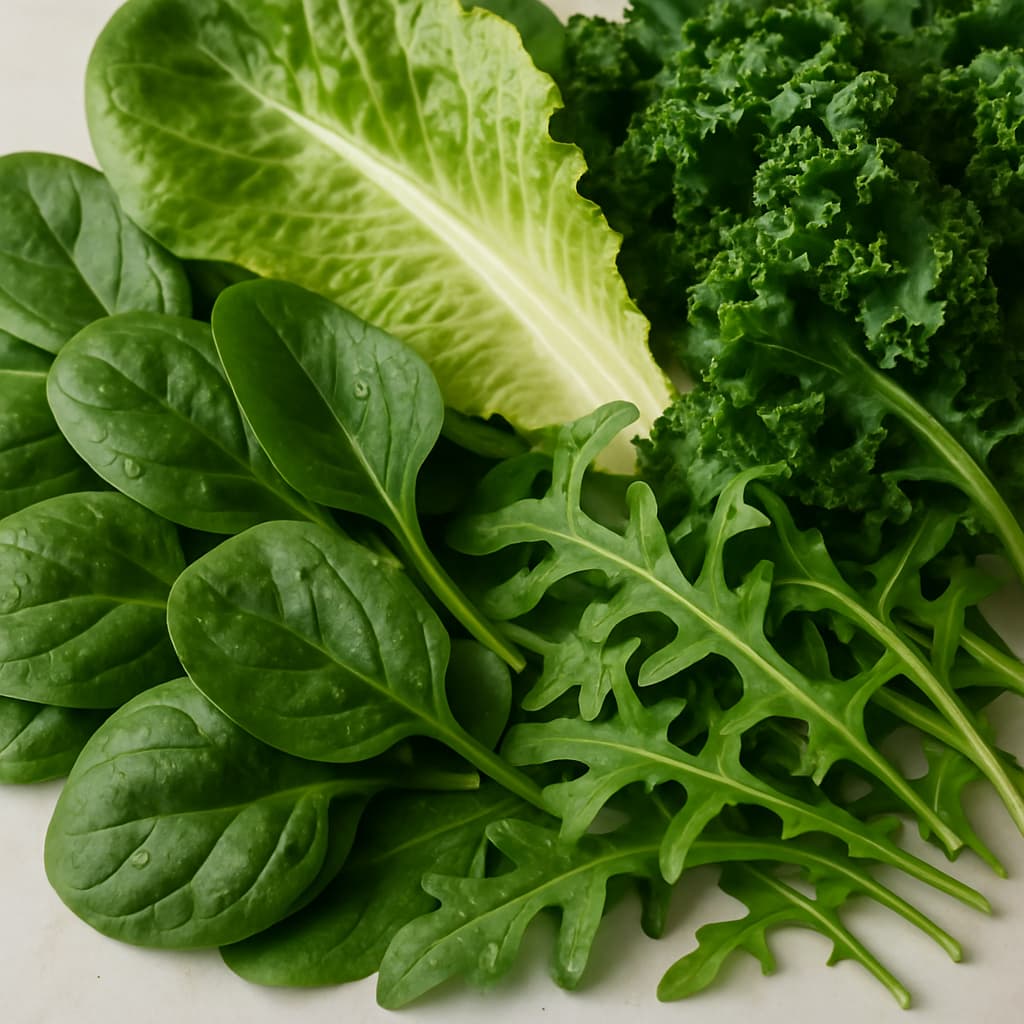
Vegetables are naturally low in calories and high in water, allowing you to eat larger portions without substantially increasing total calorie intake. This helps create satisfying meals that support balanced eating patterns. According to the Centers for Disease Control and Prevention, the water and fiber in vegetables add volume to meals so you can eat the same amount of food with fewer calories.
2. Fiber That Supports Fullness
Fiber slows digestion, supports steady energy, and may help reduce overeating by enhancing fullness. High-fiber vegetables contribute to meal satisfaction and longer-lasting fullness. Research from the National Institutes of Health shows that dietary fiber supports appetite regulation, digestive health, and overall wellness—key factors in weight-supportive eating patterns.
3. Nutrient Density for Wellness
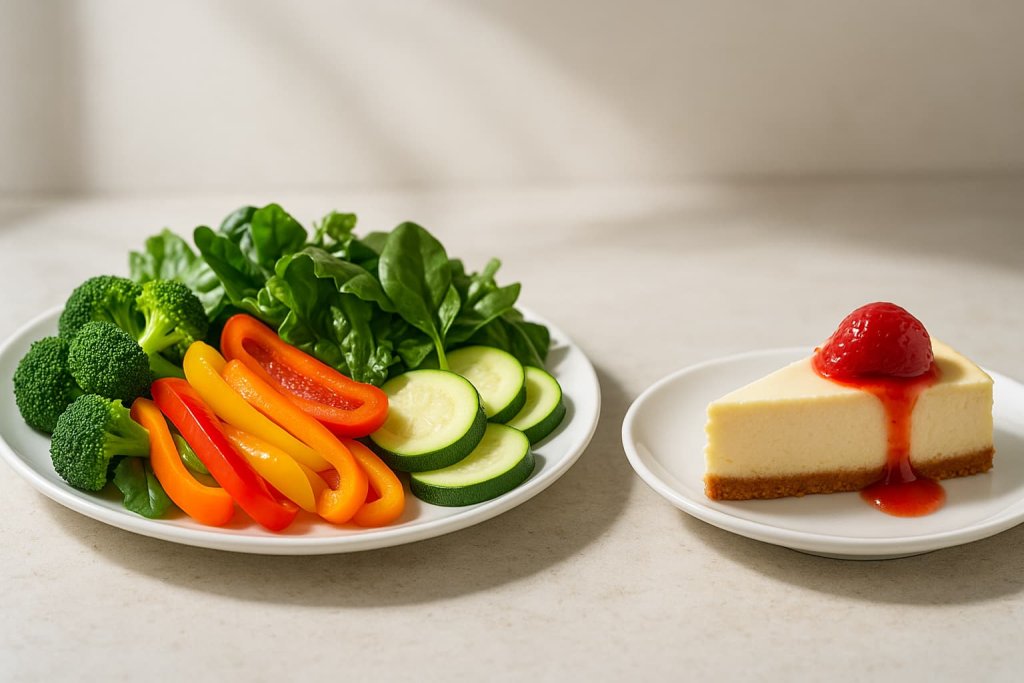
Vegetables provide essential vitamins, minerals, antioxidants, and phytonutrients that support metabolic function and overall health—without adding many calories. The USDA MyPlate framework recommends filling half your plate with vegetables to promote nutrient-dense eating that may align with healthy weight-management goals.
4. Non-Starchy vs. Starchy Vegetables
Non-starchy vegetables—such as leafy greens, broccoli, peppers, cucumbers, and zucchini—are consistently linked with healthier weight patterns due to their low calorie density and high fiber content. Starchy vegetables like potatoes, corn, and peas provide important nutrients but contain more calories and carbohydrates, making portion awareness important.
Experts at the Harvard T.H. Chan School of Public Health report that higher intake of non-starchy vegetables is associated with less long-term weight gain, while frequent consumption of starchy vegetables is associated with gradual weight gain over time.
Best Vegetables for Weight Loss (Science-Backed List)
All values are approximate, based on USDA FoodData Central averages.
| Vegetable | Calories (per 1 cup raw or equivalent) | Fiber | Water Content | Why It Supports Weight Loss |
|---|---|---|---|---|
| Spinach | ~7 calories | Low–Moderate | Very high | Extremely low calorie; adds volume; rich in micronutrients |
| Romaine Lettuce | ~8 calories | Low | Very high | Hydrating; supports high-volume, low-calorie meals |
| Kale | ~33 calories | High | Moderate | Fiber-rich; nutrient-dense; supports fullness |
| Arugula | ~5 calories | Low | Very high | Very low calorie; ideal base for large salads |
| Broccoli | ~31 calories (½ cup cooked) | High | High | Fiber and volume support fullness |
| Cauliflower | ~25 calories | Moderate | High | Low calorie; versatile substitute for higher-calorie foods |
| Brussels Sprouts | ~38 calories (½ cup cooked) | High | Moderate | Very filling; fiber supports appetite control |
| Cabbage | ~20 calories | Moderate | High | Low calorie; adds crunch and volume |
| Bell Peppers | ~30 calories (medium) | Low | High | High vitamin C; adds bulk with minimal calories |
| Zucchini | ~20 calories | Low | Very high | High water content; increases meal size |
| Cucumbers | ~8–16 calories | Low | Extremely high | Nearly all water; supports hydration and fullness |
| Tomatoes | ~22 calories (medium) | Low | High | Hydrating; adds flavor with few calories |
| Asparagus | ~20 calories (5 spears) | Moderate | High | Fiber-rich; supports meal satisfaction |
| Green Beans | ~31–35 calories (½ cup cooked) | Moderate | Moderate | Adds texture and nutrients; moderately low calorie |
| Mushrooms | ~15 calories | Low | High | Adds umami, reducing need for calorie-dense sauces |
| Onions | ~44 calories (½ cup chopped) | Moderate | Moderate | Enhances flavor; encourages vegetable-rich meals |
| Garlic | ~5 calories (1 clove) | Low | Low | Improves flavor; helps reduce reliance on high-calorie seasonings |
| Carrots | ~25–30 calories (1 medium) | Moderate | High | Naturally sweet; satisfying crunch; low calorie |
| Celery | ~10 calories (1 stalk) | Low | Extremely high | Very low calorie; excellent volume food |
| Radishes | ~10–12 calories (½ cup) | Low | High | Crisp texture; adds bulk with minimal calories |
| Eggplant | ~20 calories (1 cup raw) | Low–Moderate | High | Absorbs flavors; creates filling dishes |
| Bok Choy | ~10–12 calories (1 cup) | Low | Very high | Hydrating; low calorie; easy to cook |
| Swiss Chard | ~7 calories (1 cup) | Moderate | High | Nutrient-dense; ideal for sautés |
| Turnips | ~30–35 calories (½ cup cooked) | Moderate | High | Lower calorie substitute for potatoes |
| Rutabaga | ~35–50 calories (½ cup cooked) | Moderate | High | Supports fullness; milder carb profile |
| Beets | ~35–40 calories (½ cup cooked) | Moderate | High | Nutrient-dense; slightly sweet; supports meal satisfaction |
| Spaghetti Squash | ~40 calories (1 cup cooked) | Low–Moderate | High | Low-calorie alternative to pasta |
| Artichokes | ~60 calories (medium) | Very high | Moderate | One of the highest-fiber vegetables; supports fullness |
These vegetables offer a balance of hydration, fiber, and nutrient density that makes them ideal for weight-conscious eating.
Their low calorie density allows for larger, more satisfying meals without exceeding daily energy needs.
Summary
This table highlights how different vegetables contribute to weight management through calorie reduction, high water content, and filling fiber. Choosing a mix of leafy greens, cruciferous vegetables, hydrating options, and high-fiber varieties may help create meals that support fullness and balanced nutrition. These vegetables can be easily incorporated into everyday dishes, meal prep, and healthy substitutions to help maintain long-term eating habits.
Below are the most effective, research-supported vegetables for weight loss. Each option is low in calories, rich in nutrients, and supports fullness—key features emphasized in national dietary recommendations.
1. Leafy Greens (Spinach, Romaine, Kale, Arugula)
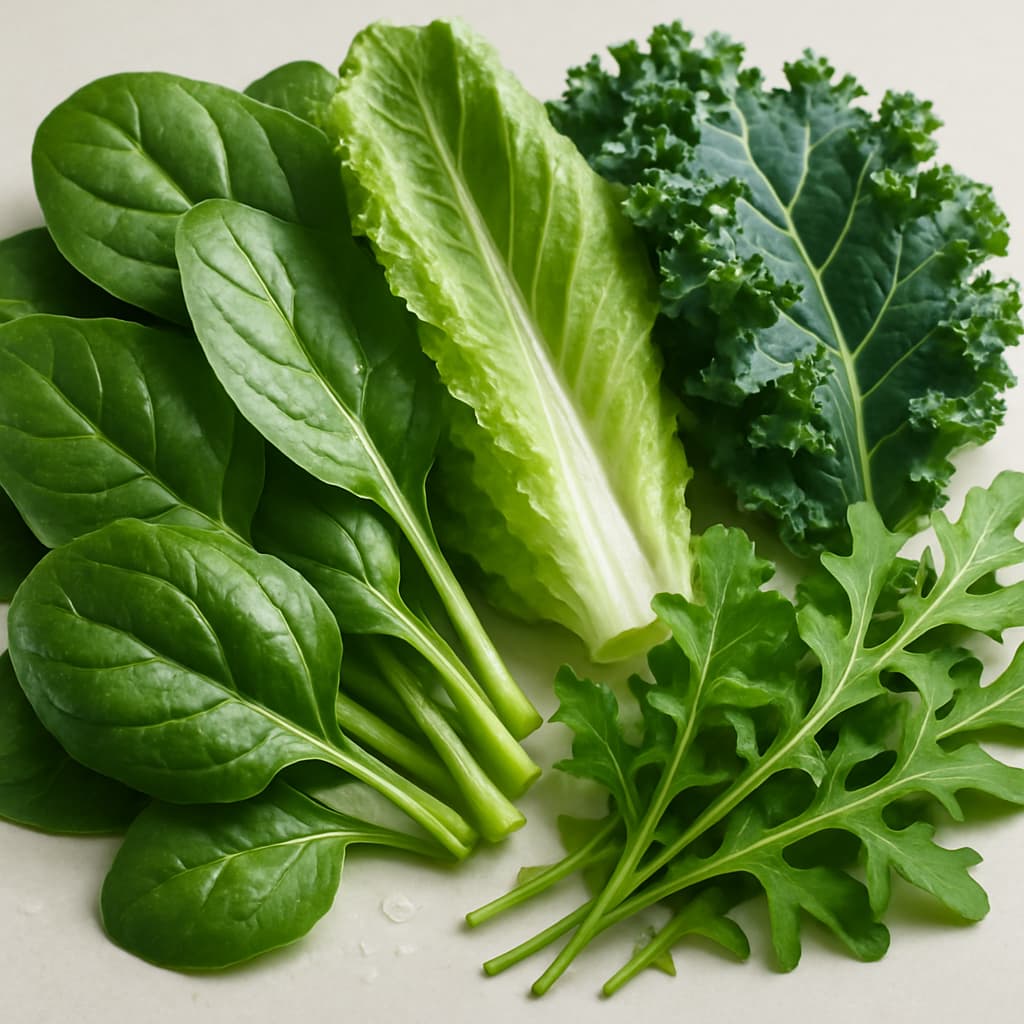
Leafy greens are among the lowest-calorie vegetables, often containing fewer than 10–25 calories per cup while providing significant volume to meals. They are rich in folate, vitamin K, antioxidants, and fiber, making them nutrient-dense additions to salads, soups, and sautés.
Research from the National Institutes of Health highlights that leafy vegetables are packed with micronutrients that support overall wellness, while nutrient entries from the USDA confirm their low calorie and high-volume characteristics.
2. Cruciferous Vegetables (Broccoli, Cauliflower, Brussels Sprouts, Cabbage)
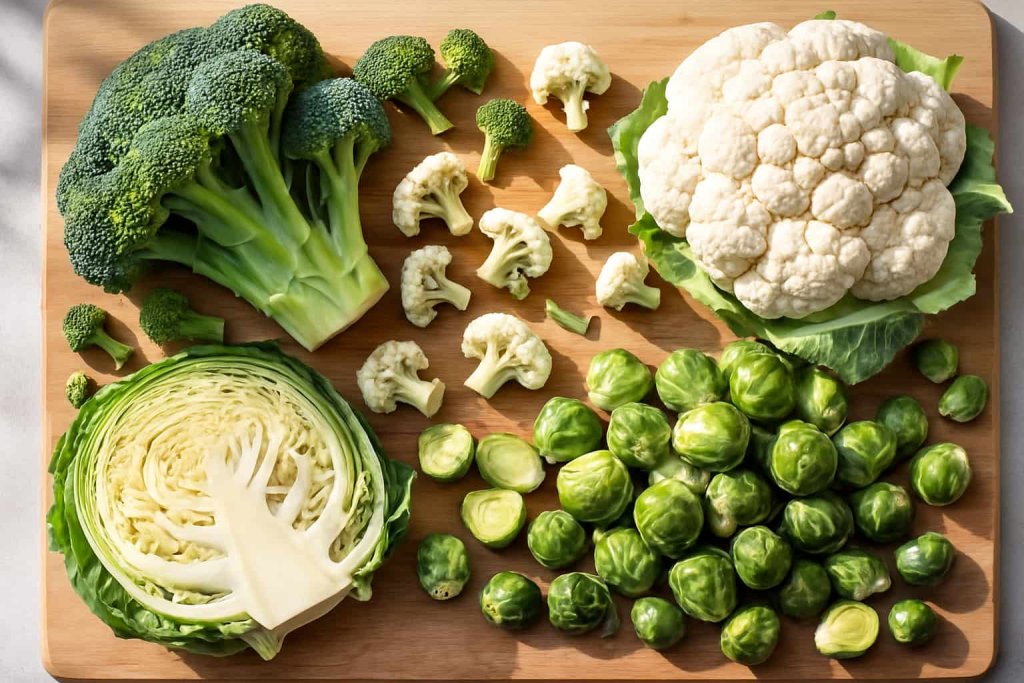
Cruciferous vegetables are high in fiber and naturally low in glycemic load, which may help support steady energy and appetite control. Their high water content and nutrient density make them excellent for weight-supportive meal planning.
Experts at the Harvard T.H. Chan School of Public Health note that higher intake of non-starchy vegetables—especially cruciferous varieties—is associated with less long-term weight gain across population studies.
3. Bell Peppers
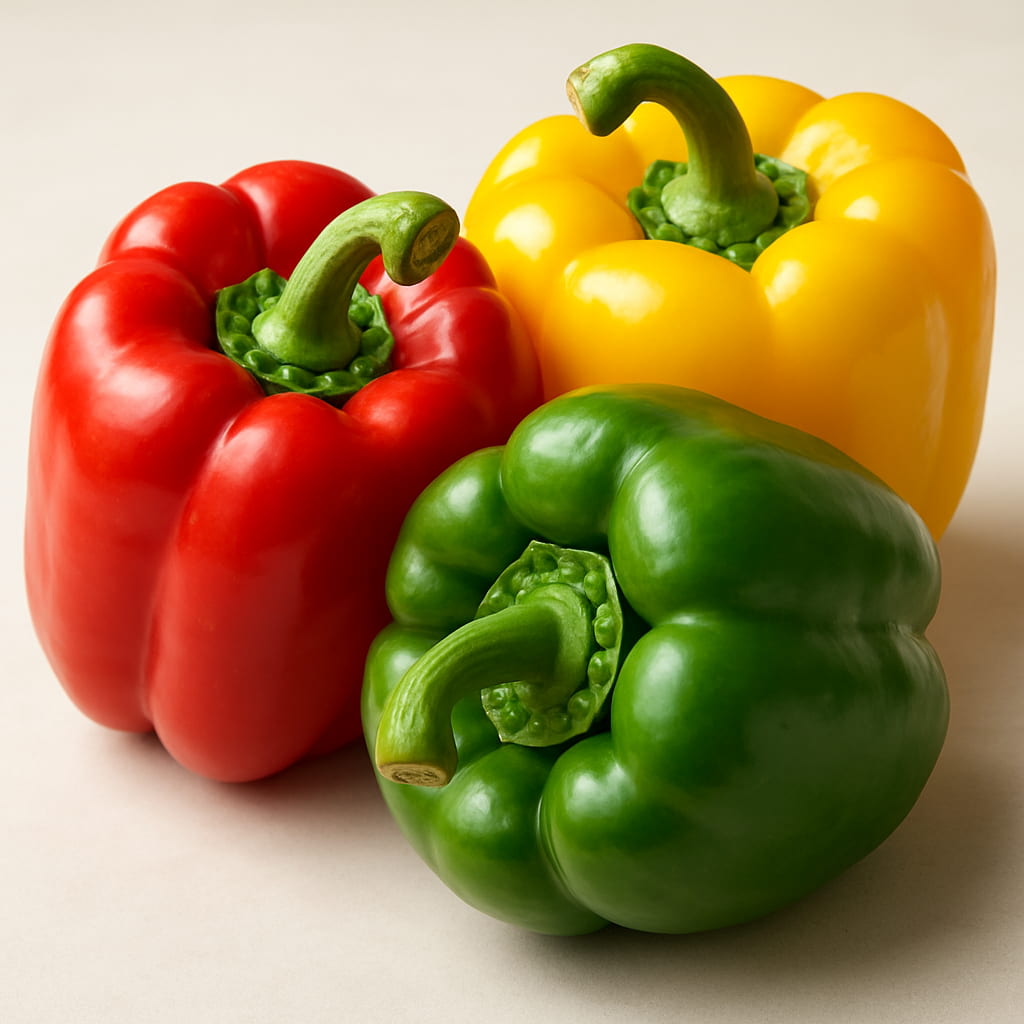
Bell peppers contribute vibrant color, crunch, and volume with very few calories—usually 25–30 calories per medium pepper. They are rich in vitamin C and antioxidants, which support immune and metabolic functions.
Because bell peppers take up a lot of space on a plate, they help create meals that feel satisfying while maintaining a low calorie density. They work well raw in salads, sautéed with proteins, or roasted as part of meal-prep bowls.
4. Zucchini & Summer Squash
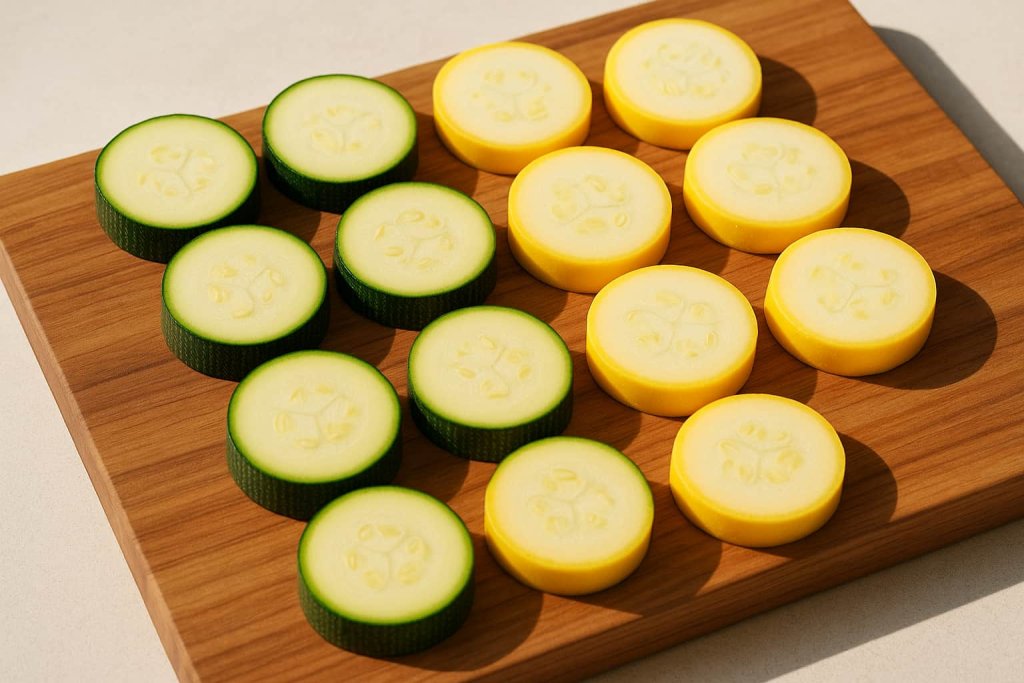
Zucchini and other summer squash are very high in water and contain roughly 15–20 calories per half-cup. Their mild flavor works well in sautés, stir-fries, soups, and as a lower-calorie alternative to pasta or grains, helping increase meal size without adding excess calories.
5. Asparagus
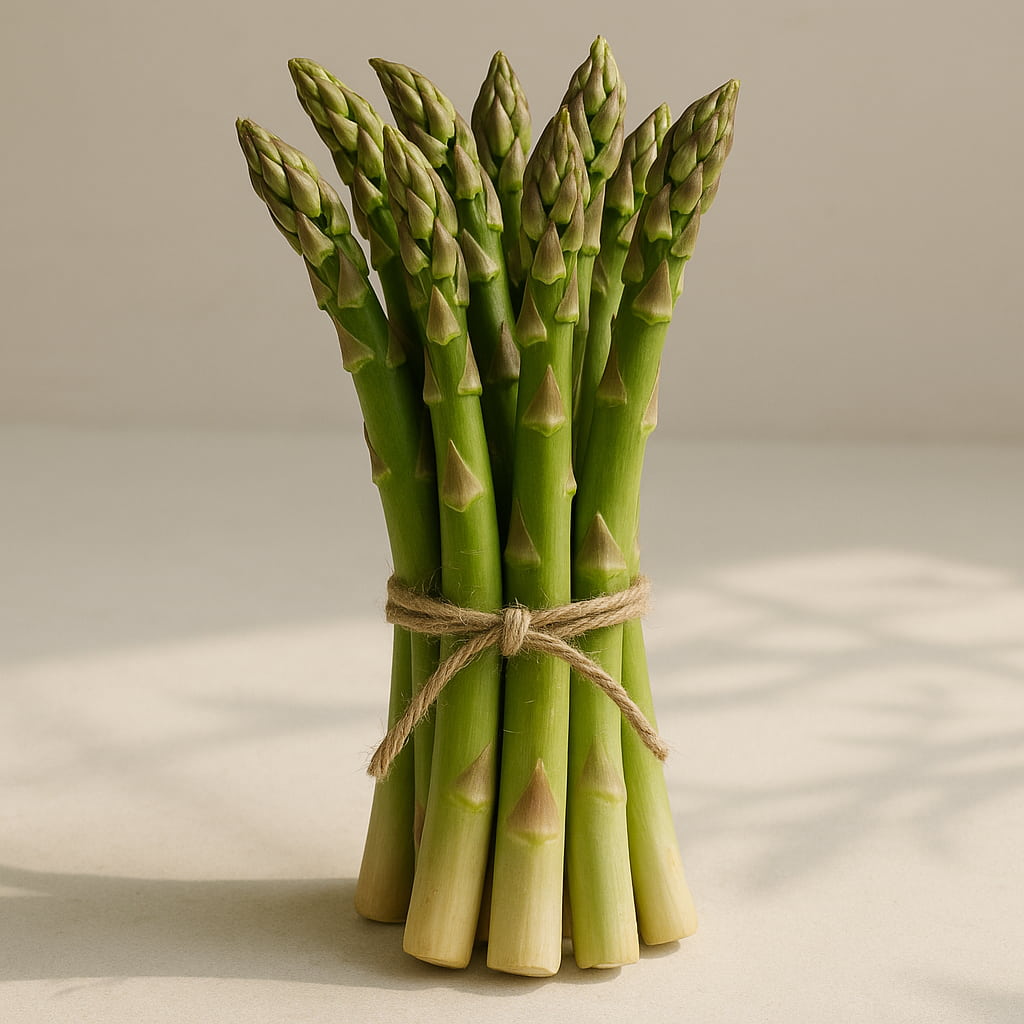
Asparagus provides fiber, folate, vitamin K, and antioxidants in a very low-calorie package—about 20 calories for five spears. Its natural texture and flavor pair well with roasted or steamed preparations, making it easy to include in balanced meals.
Its fiber content may support fullness, helping reduce the need for higher-calorie additions at meals.
6. Tomatoes
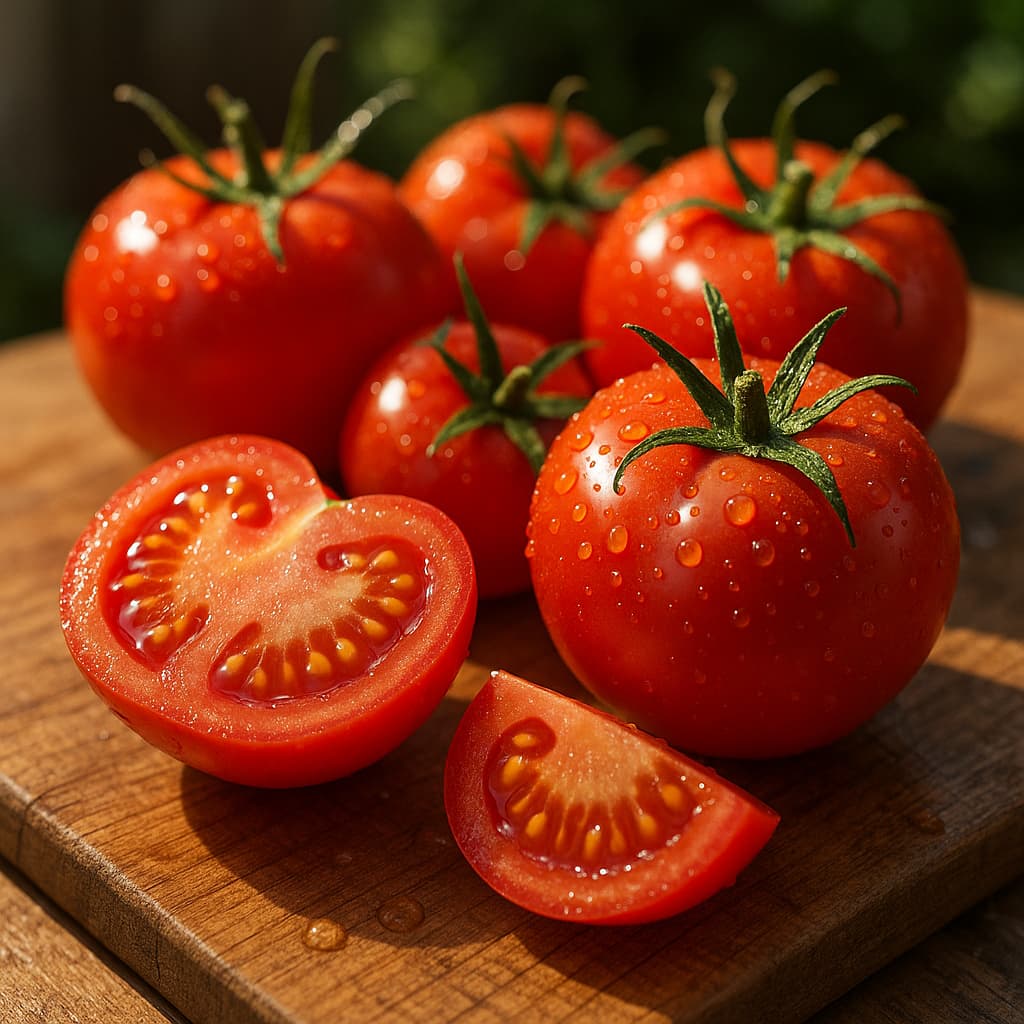
Tomatoes are naturally hydrating and low in calories—around 20–25 calories per medium tomato. They are rich in vitamin C, potassium, and beneficial plant compounds, adding flavor and volume to dishes such as salads, soups, and roasted vegetable plates.
7. Cucumbers
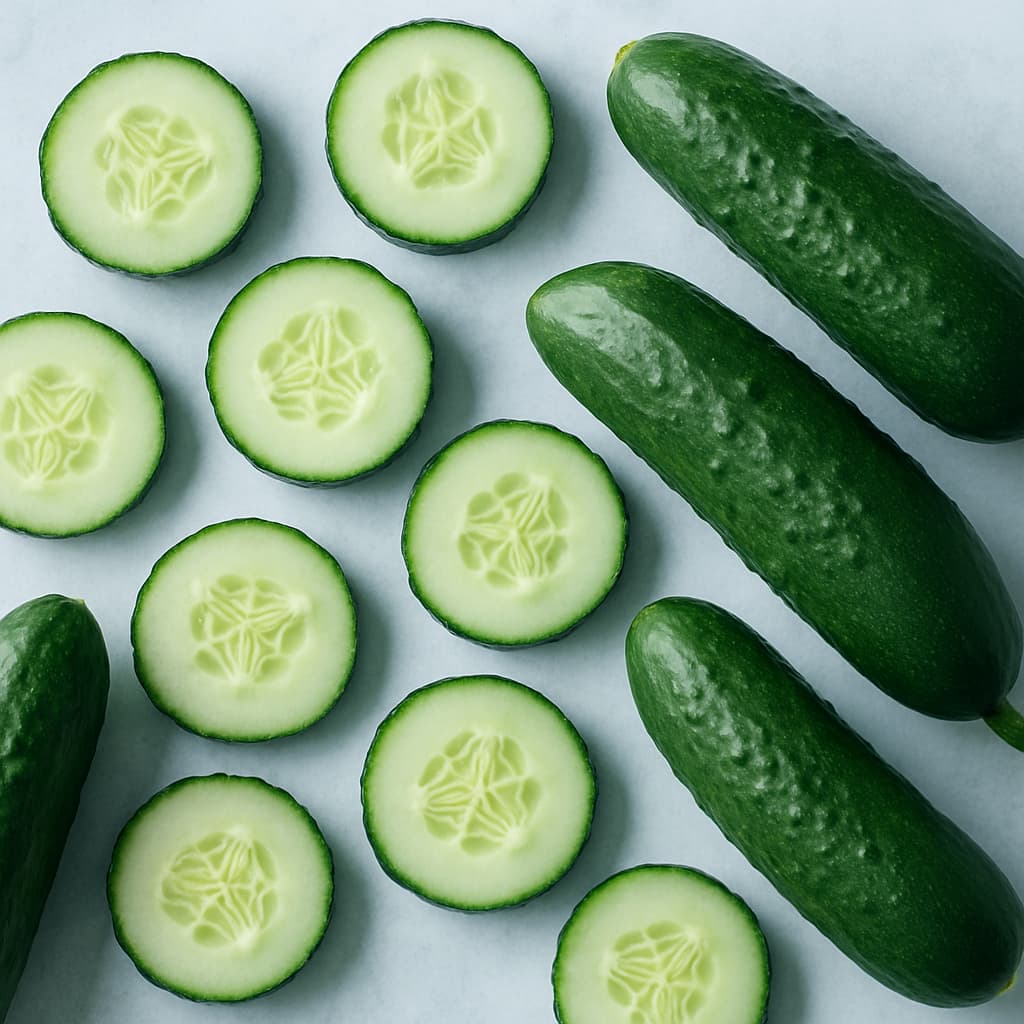
Cucumbers are composed of over 90 percent water, making them extremely low in calories—often fewer than 10–15 calories per serving. Their high water content supports hydration and increases meal volume, helping you feel full with minimal calories.
8. Green Beans
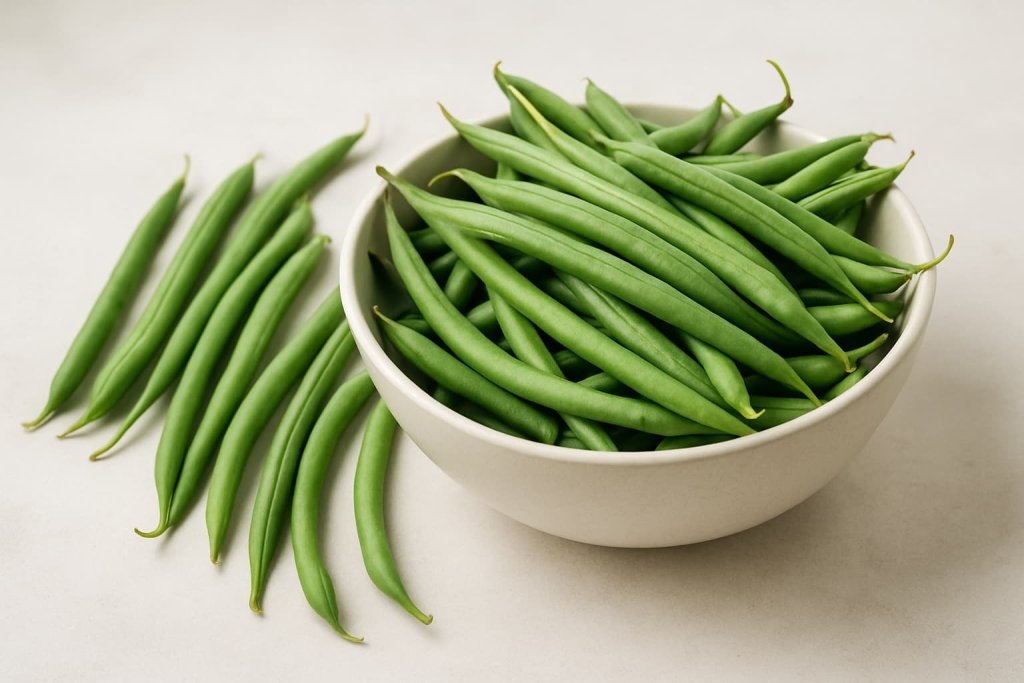
Green beans offer a moderate calorie count (around 30–35 calories per half-cup cooked) but deliver meaningful amounts of fiber, vitamin C, vitamin K, and minerals. Their firm texture provides chew and satisfaction, helping meals feel more substantial.
Steamed or lightly sautéed green beans pair well with proteins and whole grains, making them easy to incorporate into balanced meals.
9. Mushrooms
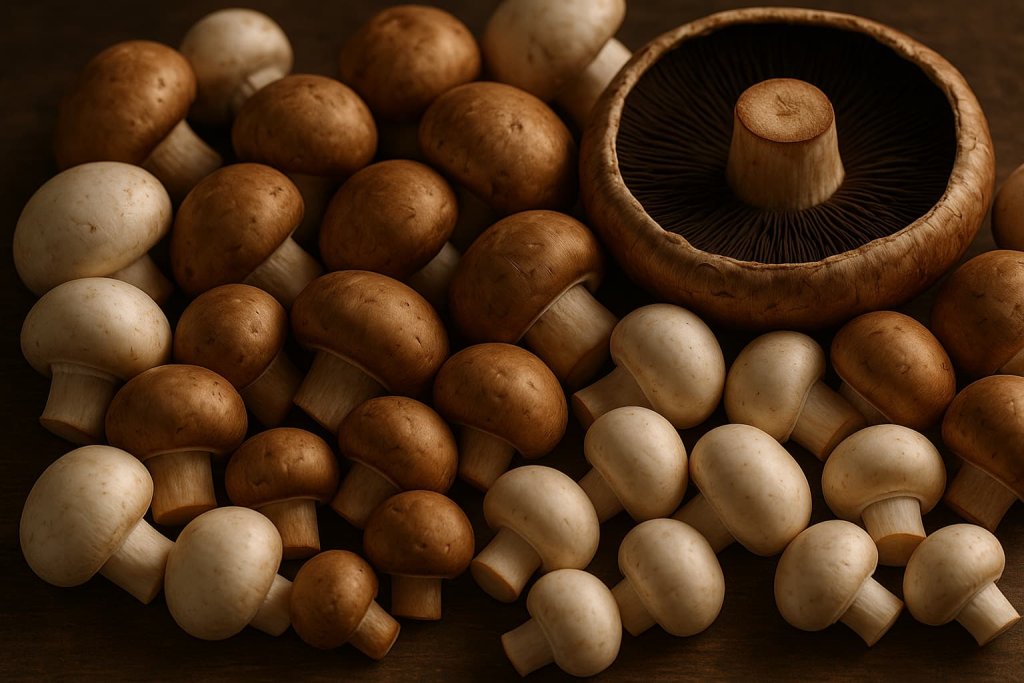
Mushrooms are low in calories but provide a robust umami flavor, which may help reduce the need for added fats or salt in cooking. Their unique texture also makes them a satisfying ingredient in dishes such as stir-fries, soups, and vegetable sautés.
Mushrooms can serve as a lower-calorie substitute for higher-fat ingredients, helping improve overall calorie balance.
10. Onions & Garlic (Flavor Builders)
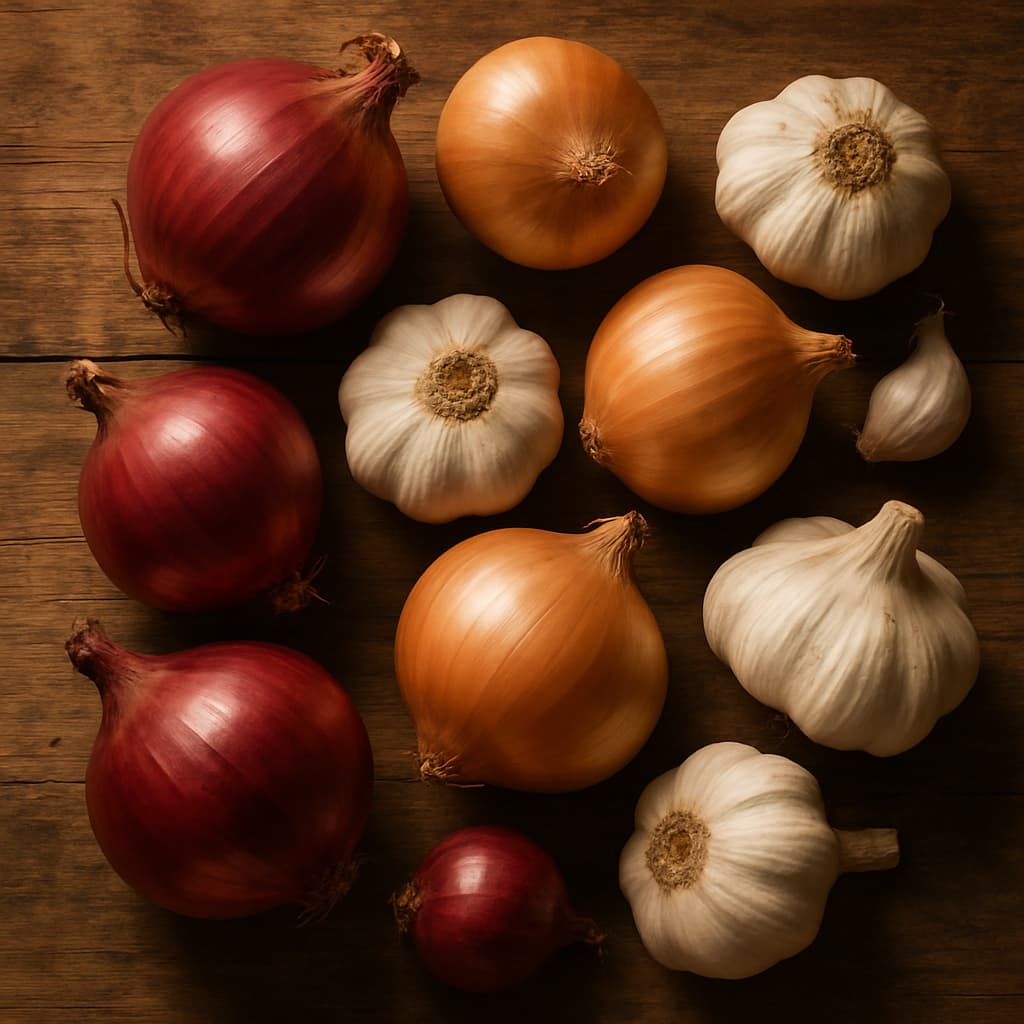
While not high-volume vegetables on their own, onions and garlic are essential flavor enhancers that add depth to dishes without contributing many calories.
By making vegetable-rich meals more enjoyable, onions and garlic may support long-term adherence to balanced eating patterns. Their aromatic qualities also help reduce reliance on high-calorie sauces or heavy seasonings.
11. Carrots
Carrots are low in calories and high in water and fiber, making them ideal for snacks or adding volume to meals. Their natural sweetness helps satisfy cravings without relying on higher-calorie foods. Carrots also supply beta-carotene and vitamin A, which support overall wellness. With roughly 25–30 calories per medium carrot, they fit easily into weight-conscious meal planning.
12. Celery
Celery is extremely low in calories—often 10 calories per stalk—and composed mostly of water, making it a classic weight-loss vegetable. Its crunchy texture supports satiety, especially when paired with nutrient-dense dips or added to salads and soups. Celery also provides hydration and minerals that support normal body function.
13. Spinach
Although included under leafy greens, spinach deserves specific attention because it is exceptionally low in calories (about 7 calories per cup raw) while being rich in iron, folate, and antioxidants. Spinach blends seamlessly into smoothies, egg dishes, stir-fries, and salads, making it one of the most versatile weight-supporting vegetables.
14. Romaine Lettuce
Romaine is crisp, hydrating, and nearly calorie-free at 6–8 calories per cup. Its volume helps create filling salads and wraps that support low-calorie eating patterns. Romaine also provides fiber and micronutrients such as vitamin K and folate.
15. Cabbage
Cabbage offers robust volume with very few calories and can be eaten raw or cooked. One cup of shredded cabbage contains about 20 calories, making it an excellent base for slaws, stir-fries, soups, and wraps. Its fiber helps support fullness, while its crunch boosts meal satisfaction.
16. Radishes
Radishes are sharp, crunchy, hydrating, and very low in calories—typically 10–12 calories per serving. They add texture and volume to salads, grain bowls, and roasted vegetable dishes. Their high-water content may help support hydration while keeping calorie intake low.
17. Beets (in Moderation)
Beets are slightly higher in natural sugars but still nutrient-dense and relatively low in calories at about 35–40 calories per half-cup. They provide fiber, potassium, and antioxidants. When used in moderate portions, beets add color, sweetness, and nutrients to meals without significantly increasing calories.
18. Eggplant
Eggplant is soft, filling, and low in calories—roughly 20 calories per cup. Its sponge-like texture absorbs flavors well, making it ideal for roasting, grilling, and stir-fries. Eggplant’s volume and fiber content help meals feel more substantial.
19. Kale
Kale is nutrient-dense and supports fullness due to its fiber content and leafy structure. With only 33 calories per cup raw, kale adds valuable nutrients such as vitamin K, vitamin C, and antioxidants. It works well in salads, sautés, soups, and baked into chips.
20. Swiss Chard
Swiss chard is another leafy option rich in vitamins A, C, and K with minimal calories. At roughly 7 calories per cup raw, it provides volume and nutrients without affecting calorie balance. Chard sautés quickly and pairs well with proteins and whole grains.
21. Fresh Herbs (Basil, Parsley, Cilantro, Mint)
While not eaten in large amounts, fresh herbs dramatically improve the flavor of vegetable-heavy dishes. This helps increase satisfaction and long-term adherence to healthy eating patterns. They add antioxidants and micronutrients with almost no calories.
Vegetables to Eat Mindfully (Higher in Calories or Starch)
Some vegetables provide valuable nutrients but come with a higher calorie or carbohydrate content. These foods still support wellness, but portion control matters when weight loss is the goal. The key is moderation, mindful preparation, and balancing these vegetables with plenty of non-starchy options.
Potatoes
Potatoes offer fiber, potassium, and vitamin C, but they have a higher calorie density than non-starchy vegetables. A medium potato contains significantly more calories than the same volume of leafy greens or cruciferous vegetables. Baking or roasting with minimal oil may help keep calorie intake balanced. Potatoes can be part of a healthy pattern when portions are kept moderate and paired with low-calorie vegetables.
Corn
Corn provides energy, B vitamins, and antioxidants, but it contains more carbohydrates than non-starchy vegetables. Because of its calorie density, corn is best enjoyed in measured portions—such as adding a small amount to salads, soups, or mixed vegetable dishes—rather than as the main vegetable on the plate.
Peas
Peas are nutrient-dense and provide plant-based protein, but they are more calorie-dense than many other vegetables. Their fiber and protein content support fullness, yet mindful portion sizes can help keep overall calorie intake aligned with weight goals.
Winter Squash
Winter squash varieties (such as butternut, acorn, or kabocha) offer fiber, vitamin A, and antioxidants, making them nutritious choices. However, they contain more carbohydrates and calories per cup compared with non-starchy vegetables. They may support balanced eating when incorporated in moderate amounts and paired with lean proteins and lighter vegetables.
What the Research Shows
Experts at the Harvard T.H. Chan School of Public Health note that frequent consumption of starchy vegetables—such as potatoes, corn, and peas—is associated with gradual weight gain over time. This does not mean these vegetables should be avoided; rather, they should be incorporated mindfully within a balanced eating pattern that emphasizes non-starchy vegetables, fiber-rich foods, and minimally processed options.
Balancing these richer vegetables with lower-calorie, high-volume choices may help support appetite control, calorie management, and overall dietary quality.
How to Use Vegetables for Weight Loss (Practical Strategies)
Incorporating vegetables strategically can support calorie control, fullness, and overall nutrition quality. These practical methods align with national dietary recommendations and help make vegetable-rich meals both satisfying and sustainable.
Plate-Building Strategies
Building a balanced plate is one of the simplest ways to support weight goals. The USDA MyPlate framework recommends filling half your plate with vegetables, which naturally increases volume and reduces calorie density. This approach may help you eat larger, more satisfying portions while staying within a calorie range that supports weight management.
A “volume-eating” strategy—focusing on high-volume, low-calorie vegetables—can make meals feel more substantial without significantly raising calorie intake.
Cooking Methods That Support Weight Goals
How vegetables are prepared affects their calorie content. Steaming, roasting, grilling, or sautéing with minimal oil keeps calories low while preserving nutrients. Using herbs, spices, citrus, and broth-based methods enhances flavor without adding unnecessary fats.
Deep frying or heavy oil-based cooking increases calorie density, making vegetables less weight-supportive, so these methods are best minimized for weight-loss-focused meals.
Meal Prep for Consistency
Consistency matters for long-term results. Prepping vegetables ahead of time may help you include them more often. Washing, chopping, and storing vegetables at the start of the week makes meal assembly faster and easier.
Freezer-friendly options—such as broccoli, spinach, cauliflower, and mixed vegetables—offer convenient, nutrient-rich additions to meals when fresh produce is limited.
Smart Substitutions That Reduce Calories
Replacing higher-calorie foods with vegetable-based alternatives can significantly lower total calorie intake while maintaining meal satisfaction. Examples include:
- Cauliflower rice instead of white rice
- Zucchini noodles (zoodles) instead of traditional pasta
- Lettuce wraps instead of tortillas or buns
These substitutions support fullness, increase fiber, and help reduce calorie density, making them practical tools for weight-conscious meal planning.
When to Be Cautious (Digestive Sensitivity & Medical Considerations)
While vegetables offer meaningful nutritional benefits, certain individuals may need to increase intake more gradually or follow specific medical guidance.
Increasing Fiber Gradually
A sudden increase in fiber-rich vegetables may lead to digestive discomfort, including gas or bloating. Adding vegetables slowly and drinking adequate water can support more comfortable digestion. Guidance from the U.S. Food and Drug Administration emphasizes monitoring total fiber intake and pairing it with sufficient hydration to support digestive wellness.
Blood Sugar Considerations
Most non-starchy vegetables have a modest effect on blood sugar and may support more stable energy levels. However, individuals managing diabetes or significant blood sugar variations should be mindful of total carbohydrate intake and overall meal balance. According to the Centers for Disease Control and Prevention, the “Plate Method” suggests filling half of your plate with non-starchy vegetables—foods lower in carbohydrates—while limiting higher-carb foods to one quarter of your plate to help manage blood sugar levels.
Medication Interactions (e.g., Vitamin K)
Certain vegetables—especially leafy greens—are naturally rich in vitamin K, which plays a role in blood clotting. Individuals taking anticoagulant medications are often advised to keep vitamin K intake consistent rather than eliminating these foods entirely.
The National Institutes of Health Office of Dietary Supplements provides guidance on vitamin–medication interactions and explains the importance of maintaining steady intake under medical supervision.
Clinically Supervised Eating Plans
People following medical nutrition therapy, such as those managing kidney disease, digestive disorders, or metabolic conditions, may need specific recommendations for vegetable intake. In these situations, consulting a registered dietitian or healthcare provider ensures that vegetable consumption aligns safely with individualized health needs.
Frequently Asked Questions (FAQs)
Which vegetables may help the most with fullness?
Vegetables that are high in fiber and water, such as leafy greens, broccoli, cauliflower, zucchini, and Brussels sprouts, may help support fullness. Their low calorie density allows for larger portions without dramatically increasing total calories.
Can cooked vegetables support weight loss?
Yes. Cooked vegetables can still support weight loss as long as preparation methods remain light—such as steaming, roasting, grilling, or sautéing with minimal oil. Cooking may slightly reduce volume, but the nutrient value and fiber remain helpful for balanced eating.
Are starchy vegetables bad for weight loss?
Starchy vegetables like potatoes, corn, peas, and winter squash are not “bad”, but they contain more calories and carbohydrates than non-starchy vegetables. Mindful portions and balanced meal planning help integrate them into weight-supportive diets.
How many vegetables should I eat per day?
The Dietary Guidelines for Americans recommend aiming for about 2½ cups of vegetables per day for adults following a 2,000-calorie pattern. Filling half your plate with vegetables, especially non-starchy varieties, is a simple and effective approach.
What is the lowest-calorie vegetable?
Leafy greens, cucumbers, celery, and some salad vegetables are among the lowest-calorie options, often containing fewer than 10–20 calories per serving due to their extremely high water content.
How should I portion vegetables for weight goals?
A balanced approach is to divide your plate so that half is vegetables, focusing primarily on non-starchy varieties. Add starchy vegetables in smaller portions and pair them with lean proteins and healthy fats to create a more satisfying and balanced meal.
Conclusion
Choosing the best vegetables for weight loss involves focusing on nutrient-dense, low-calorie options that support fullness and overall wellness. Non-starchy vegetables provide hydration, fiber, and essential nutrients that may help create satisfying meals without adding excessive calories. When combined with consistent habits, balanced meals, and mindful portions, these vegetables can play a meaningful role in long-term healthy weight patterns.
This content is for informational purposes only and not medical advice.