
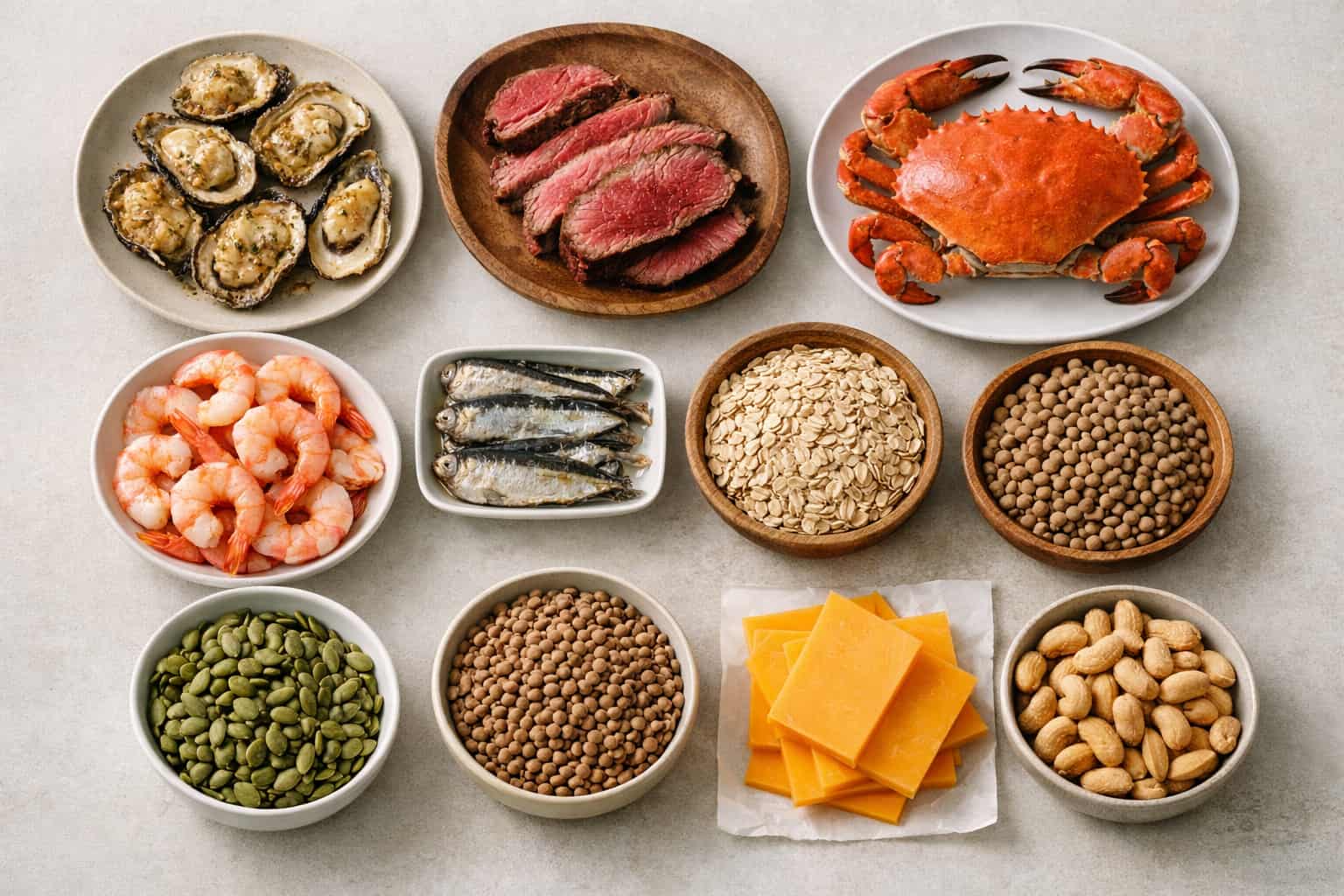
Foods high in zinc include oysters, beef, crab, pumpkin seeds, oats, lentils, and dairy—these are some of the most reliable, food-first ways to meet daily zinc needs. Zinc is an essential mineral your body uses for normal immune function, protein and DNA processes, and overall growth and development, so getting enough through everyday meals matters for long-term wellness. According to the NIH Office of Dietary Supplements, many people can meet zinc needs through food, especially when they include a mix of animal and plant sources.
What zinc does in the body for overall wellness
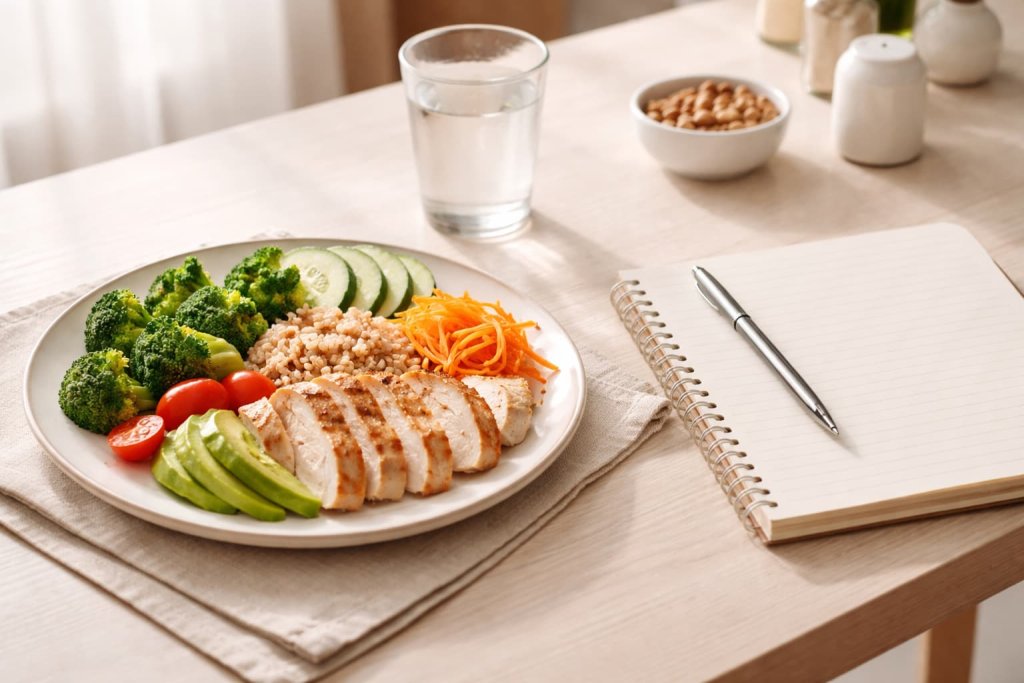
Zinc is a “trace mineral,” meaning you need it in small amounts—but consistently. Nutrition-wise, zinc supports:
- Normal immune function and cell processes
- Protein and DNA synthesis
- Normal growth and development across life stages
- Taste and smell function
For a clear, food-first overview (including zinc sources, recommended intakes, and safety), the NIH Office of Dietary Supplements is one of the best primary references.
How much zinc do you need per day
Daily zinc needs depend on age and life stage. Here are commonly used reference amounts from the NIH Office of Dietary Supplements:
| Group | Zinc per day (RDA) |
|---|---|
| Adult men (19+) | 11 mg |
| Adult women (19+) | 8 mg |
| Teens 14–18 (male) | 11 mg |
| Teens 14–18 (female) | 9 mg |
| Pregnancy (adult) | 11 mg |
| Lactation (adult) | 12 mg |
Daily Value (DV) for zinc on food labels
On U.S. Nutrition Facts labels, the Daily Value (DV) for zinc is 11 mg for adults and children ages 4+, which helps you compare foods using “%DV.” The %DV shows how much a serving contributes to your day, so you can quickly spot higher-zinc options (for example, 20% DV is typically considered a “high” source). The U.S. Food and Drug Administration provides the current DV reference table (including zinc at 11 mg) and explains how Daily Values are used on Nutrition Facts and Supplement Facts labels.
14 foods high in zinc
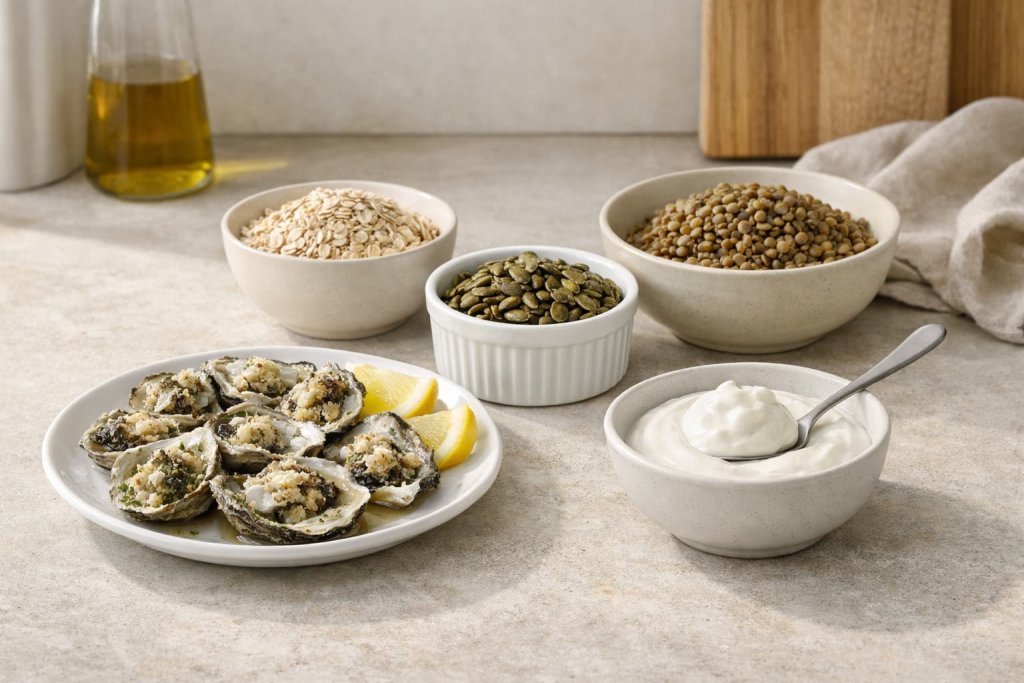
The table below uses zinc amounts and %DV values published in the “selected foods” table from the NIH Office of Dietary Supplements. (Zinc content can vary by brand, species, and preparation method.)
| Food (serving) | Zinc (mg) | %DV |
|---|---|---|
| Oysters, Eastern, raw (3 oz) | 32.0 | 291% |
| Oysters, Pacific, cooked (3 oz) | 28.2 | 256% |
| Beef, bottom sirloin, roasted (3 oz) | 3.8 | 35% |
| Blue crab, cooked (3 oz) | 3.2 | 29% |
| Fortified breakfast cereal (25% DV zinc), 1 serving | 2.8 | 25% |
| Oats, cooked with water, 1 cup | 2.3 | 21% |
| Pumpkin seeds, roasted, 1 oz | 2.2 | 20% |
| Turkey breast, roasted (3 oz) | 1.5 | 14% |
| Cheddar cheese (1.5 oz) | 1.5 | 14% |
| Shrimp, cooked (3 oz) | 1.4 | 13% |
| Lentils, boiled (1/2 cup) | 1.3 | 12% |
| Sardines, canned in oil, drained, with bone (3 oz) | 1.1 | 10% |
| Greek yogurt, plain (6 oz) | 1.0 | 9% |
| Peanuts, dry roasted (1 oz) | 0.8 | 7% |
If you like verifying nutrition numbers (especially when brands or preparation methods differ), the USDA FoodData Central database is the standard reference for food nutrient data.
1) Oysters, Eastern, raw
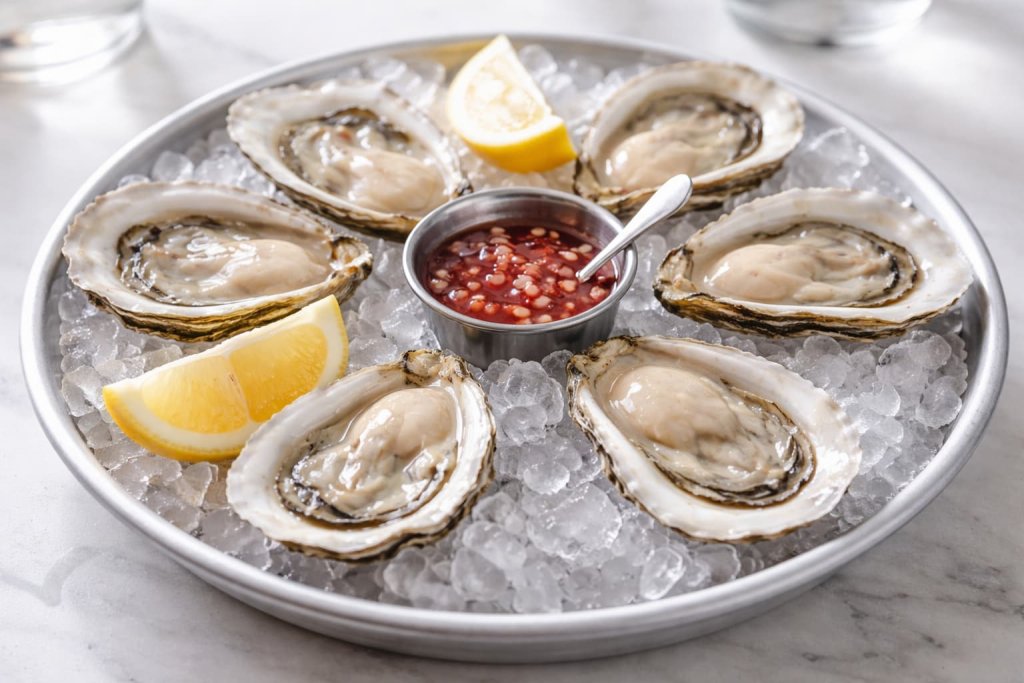
Serving: 3 oz
Zinc: 32 mg (291% DV)
Raw oysters are the biggest “zinc-per-bite” food on this list, but they also deserve extra food-safety attention. The Centers for Disease Control and Prevention explains that raw oysters can carry harmful germs (and that lemon juice, hot sauce, or alcohol do not make them safe).
How to eat (simple, realistic ideas):
- Classic: lemon wedge + optional mignonette (vinegar-based)
- Seafood platter: pair with shrimp or crab for a zinc-rich spread
- Appetizer style: serve over ice with a clean plate and separate utensils
Food-safety habits that matter:
- Buy from reputable sellers and keep oysters cold from purchase to serving
- Prevent cross-contamination (separate plate/utensils for raw shellfish and juices)
- If you’re unsure about safety—or cooking for higher-risk family members—choose cooked oysters instead
2) Oysters, Pacific, cooked
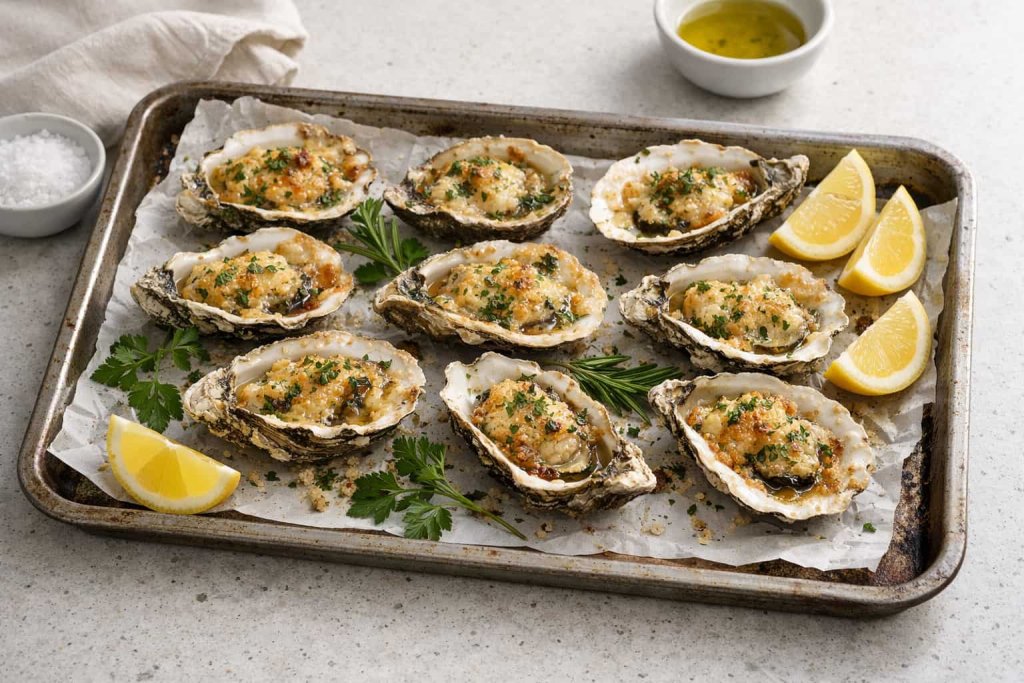
Serving: 3 oz
Zinc: 28.2 mg (256% DV)
Cooked oysters are still extremely zinc-rich and cooking is a practical safety step. They’re also an easy “high-impact” entrée: you don’t need a lot of ingredients to make them taste great.
How to eat:
- Baked: garlic + herbs + a small sprinkle of breadcrumbs
- Grilled: quick cook + lemon + pepper
- Steamed: broth + ginger + green onion
Balanced plate pairing:
- Oysters + big vegetable side (salad or roasted vegetables) + a fiber-rich carb (brown rice or beans)
3) Beef, bottom sirloin, roasted
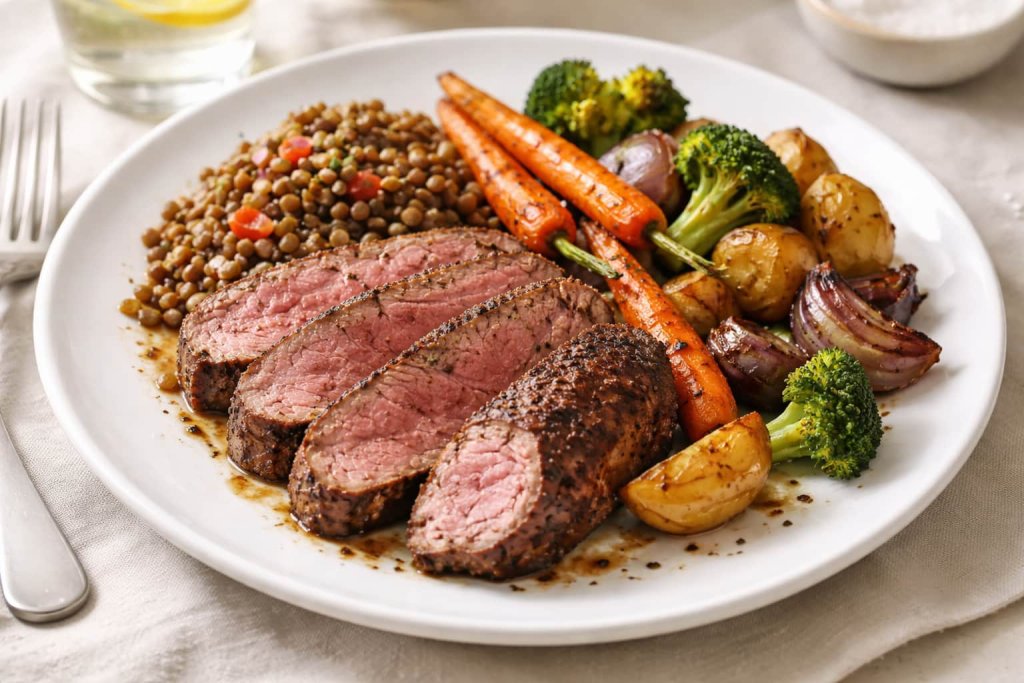
Serving: 3 oz
Zinc: 3.8 mg (35% DV)
Sirloin is a practical everyday zinc source because it’s widely available, easy to portion, and fits a lot of meal styles. A 3-ounce cooked serving is a useful reference portion.
How to eat:
- Bowl: sliced sirloin + beans + mixed vegetables + salsa
- Salad: steak strips over greens with olive oil + vinegar
- Dinner: sirloin + roasted vegetables + quinoa or lentils
Simple strategy:
- Cook once, eat twice: roast extra and use leftovers for wraps, salads, and grain bowls.
4) Blue crab, cooked
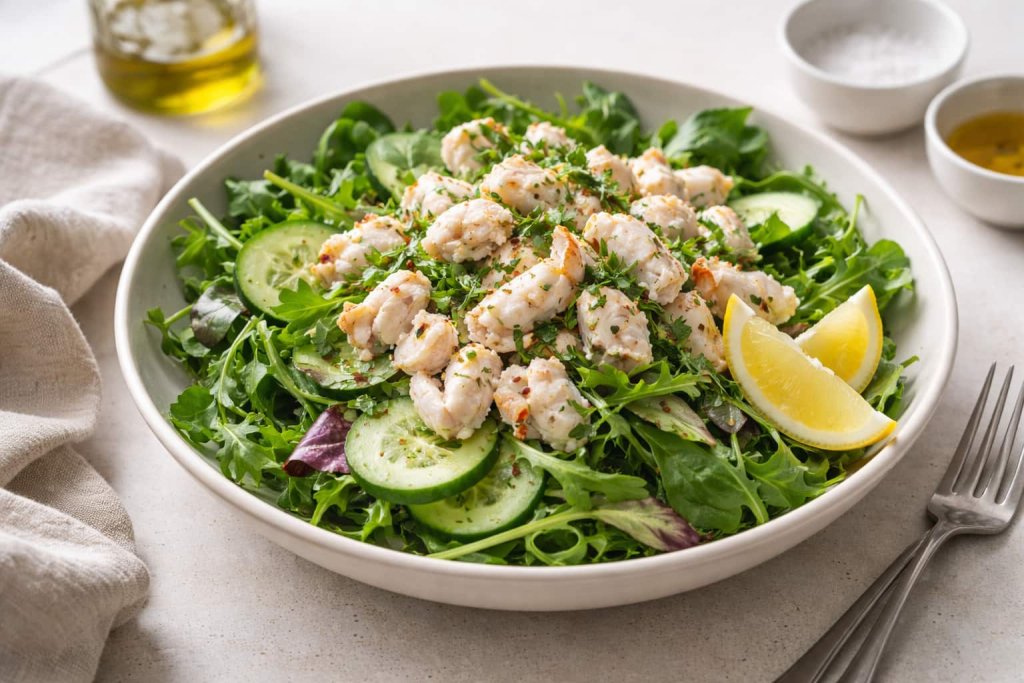
Serving: 3 oz
Zinc: 3.2 mg (29% DV)
Crab is a high-impact zinc option that works well in lighter meals. It also adds rich flavor so you can keep sauces minimal while still enjoying the meal.
How to eat:
- Crab salad: crab + cucumber + lemon + herbs
- Baked crab cakes: pair with a salad or roasted vegetables
- Seafood soup: crab + tomatoes + vegetables + beans
Smart check:
- If using packaged crab, compare sodium on labels and choose lower-sodium options when possible.
5) Fortified breakfast cereal (25% DV zinc)
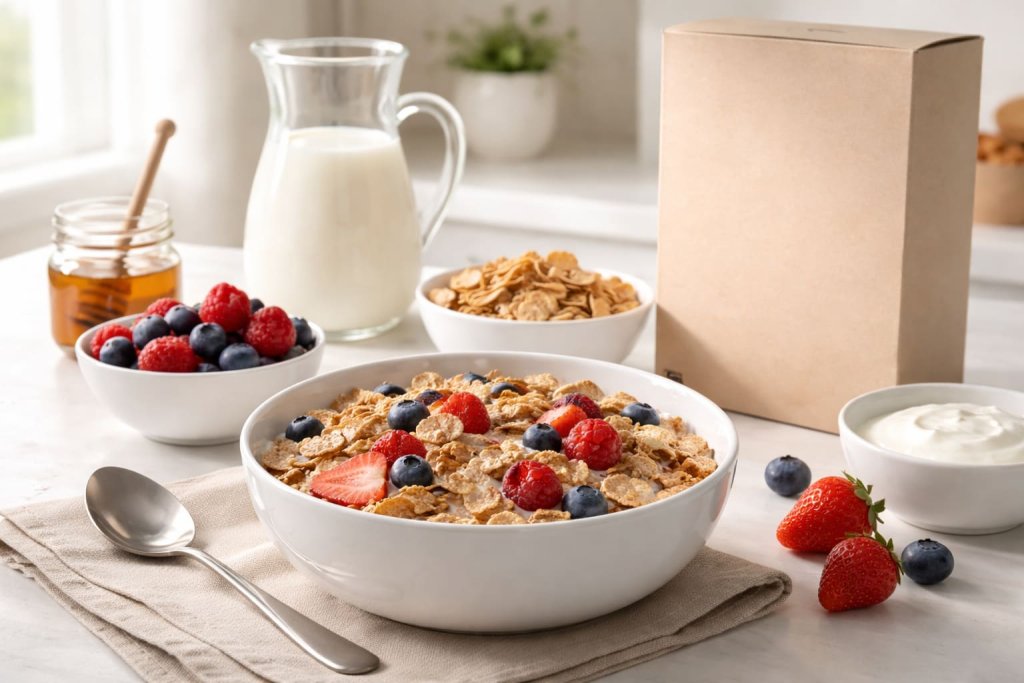
Serving: 1 serving
Zinc: 2.8 mg (25% DV)
Fortified breakfast cereal can be an easy, consistent way to add zinc—especially if you don’t eat seafood. The key is verifying the label, because zinc fortification varies by product (and not every cereal includes it). When a cereal provides 25% DV for zinc, that means one serving delivers about a quarter of the Daily Value used on U.S. labels (DV = 11 mg for adults and children ages 4+), which makes it a practical “food-first” option for daily nutrition.
How to eat (simple, realistic ideas):
- With milk or yogurt + fruit: pair with berries or banana for an easy breakfast
- As a snack mix: combine with nuts or seeds (watch portions if you’re grazing)
- Add protein: eat it alongside eggs, or mix into plain Greek yogurt for a higher-protein bowl
Label tip (to choose the right cereal):
Use %DV to compare brands quickly—higher %DV means more zinc per serving. The U.S. Food and Drug Administration explains how to use the Nutrition Facts label and how %DV helps you spot “higher” vs “lower” nutrient choices at a glance.
6) Oats, cooked with water
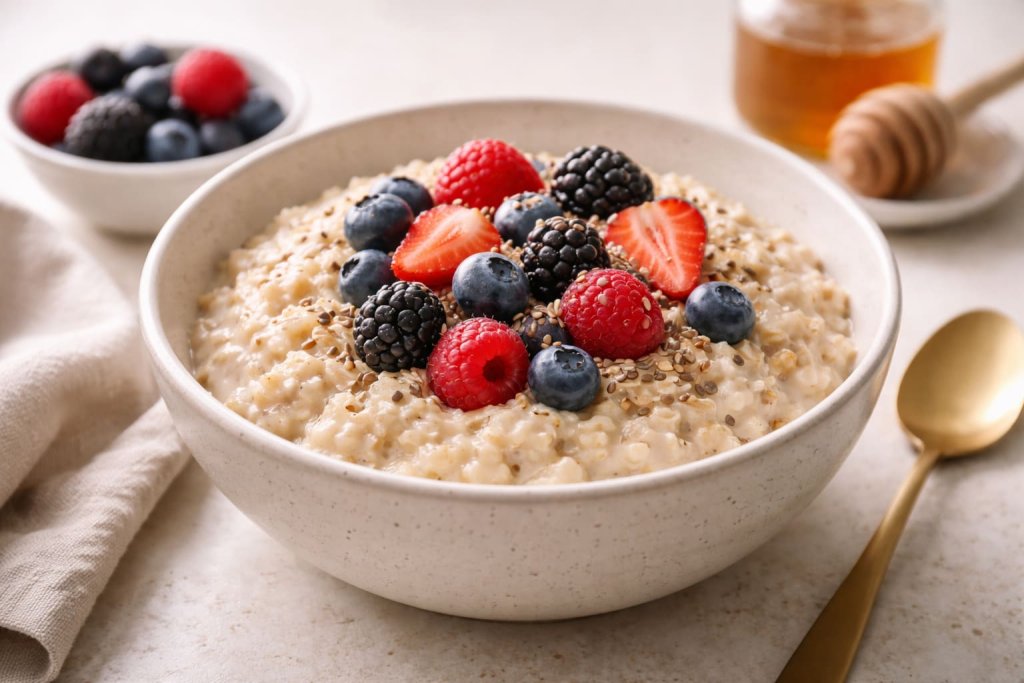
Serving: 1 cup cooked
Zinc: 2.3 mg (21% DV)
Oats are a steady, budget-friendly zinc source that fits almost any eating pattern. They also pair well with other zinc foods (pumpkin seeds, yogurt, peanut butter) to build a more zinc-forward breakfast.
How to eat:
- Sweet oats: fruit + cinnamon + pumpkin seeds
- Higher-protein oats: stir in Greek yogurt after cooking
- Savory oats: egg + vegetables + black pepper
Easy upgrade:
- Add 1 ounce of pumpkin seeds to raise zinc while keeping the meal simple.
7) Pumpkin seeds, roasted
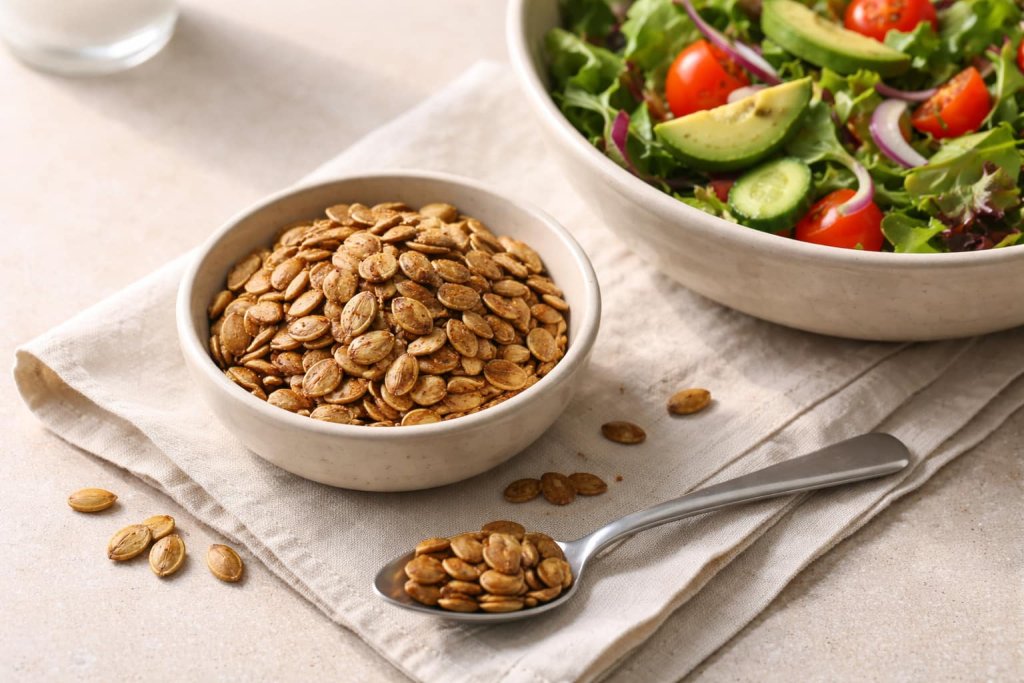
Serving: 1 oz
Zinc: 2.2 mg (20% DV)
Pumpkin seeds (pepitas) are one of the best plant-based zinc sources per ounce. They’re also convenient because they don’t require cooking and work in both sweet and savory meals.
How to eat:
- Sprinkle on oatmeal, salads, soups, or roasted vegetables
- Blend into a sauce: pepitas + herbs + olive oil + lemon
- Snack: mix with fruit for a simple trail mix
Portion tip:
- One ounce is a small handful—enough to boost zinc without overdoing calories.
8) Turkey breast, roasted
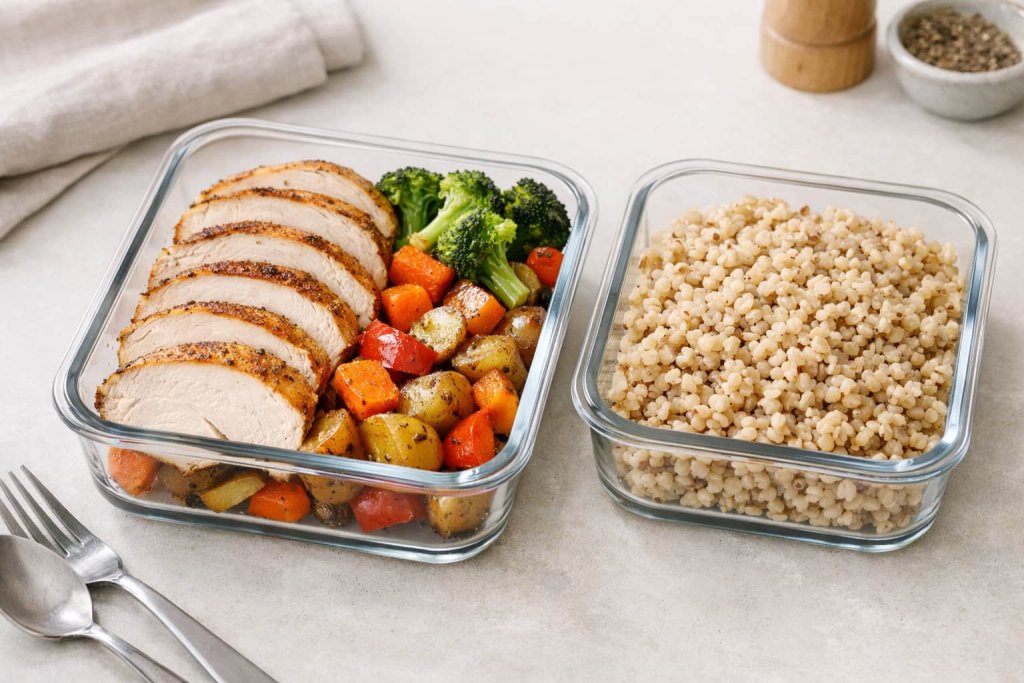
Serving: 3 oz
Zinc: 1.5 mg (14% DV)
Turkey breast is a simple meal-prep protein that adds zinc and works across cuisines. It’s especially useful if you want a mild flavor that pairs easily with vegetables and grains.
How to eat:
- Sandwich/wrap: turkey + veggies + hummus
- Grain bowl: turkey + brown rice + mixed vegetables
- Quick dinner: turkey + sautéed vegetables + beans
Prep shortcut:
- Roast extra turkey and portion into 3-ounce servings for grab-and-go lunches.
9) Cheddar cheese
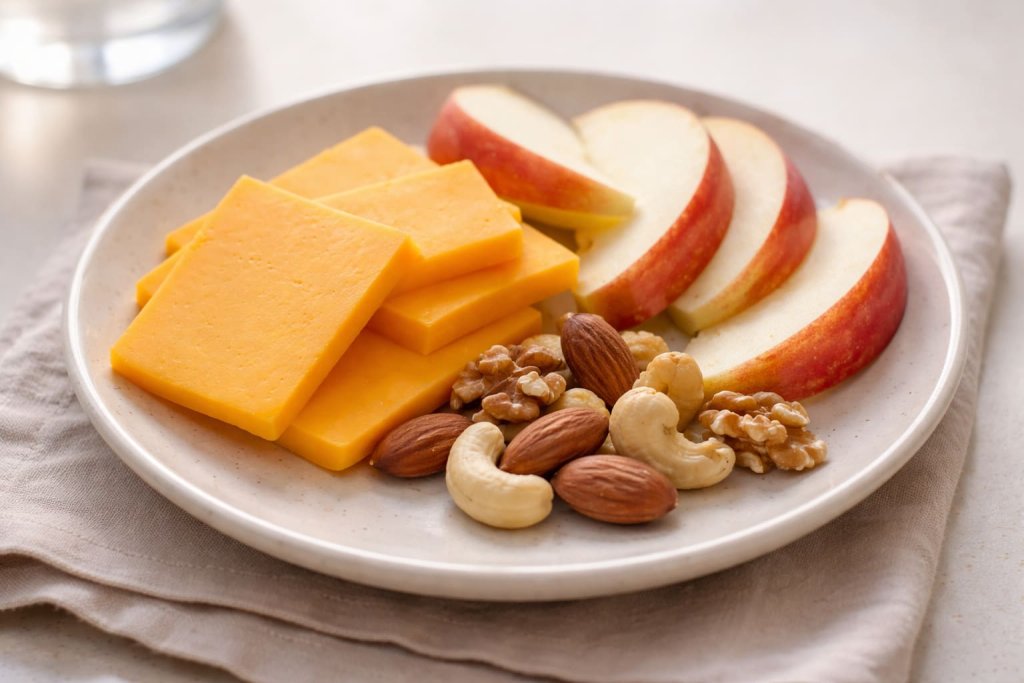
Serving: 1.5 oz
Zinc: 1.5 mg (14% DV)
Cheddar can “top off” meals and snacks with zinc. Because cheese is calorie-dense, sticking to a realistic portion helps keep the day balanced.
How to eat:
- Add to eggs or omelets with vegetables
- Sprinkle on bean bowls or chili
- Snack: cheese + fruit + a few nuts
If you eat cheese often:
- Compare sodium between brands and keep portions consistent.
10) Shrimp, cooked
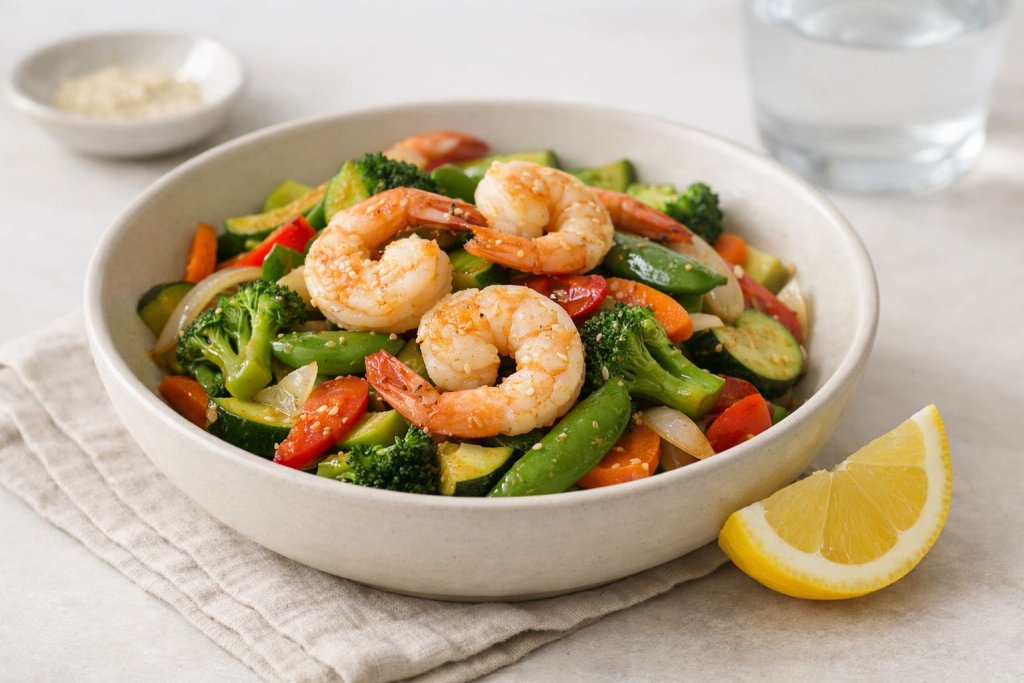
Serving: 3 oz
Zinc: 1.4 mg (13% DV)
Shrimp is fast-cooking and works in weeknight meals. For seafood choices and mercury guidance—especially for children and anyone pregnant or breastfeeding—use the chart and advice from the U.S. Food and Drug Administration.
How to eat:
- Stir-fry: shrimp + frozen mixed vegetables + garlic + rice
- Tacos: shrimp + slaw + lime
- Pasta: shrimp + tomatoes + olive oil + herbs
Keep it easy:
- Frozen shrimp is one of the simplest “protein backups” to keep on hand.
11) Lentils, boiled
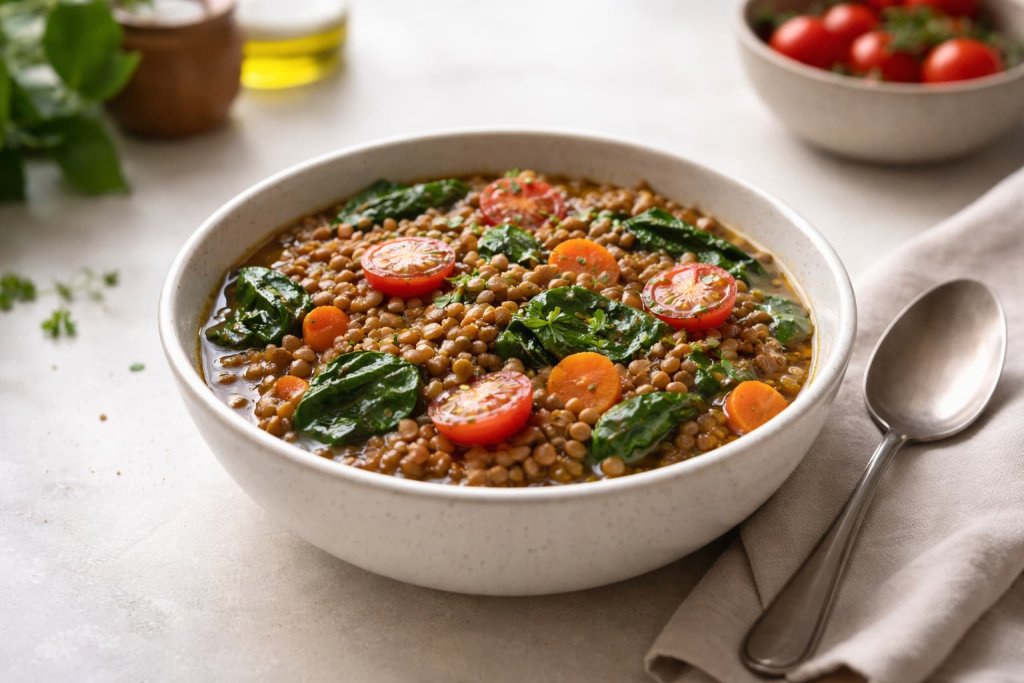
Serving: 1/2 cup
Zinc: 1.3 mg (12% DV)
Lentils are a strong plant-based zinc choice and also add fiber and plant protein, which supports overall diet quality. They’re easy to batch-cook and use all week.
How to eat:
- Lentil soup with vegetables
- Dal-style lentils with rice and spinach
- Lentil salad: lentils + cucumber + tomato + lemon + herbs
Plant-forward strategy:
- If you rely heavily on plant foods, include lentils regularly and rotate with seeds, oats, and fortified foods for steady zinc intake.
12) Sardines, canned in oil, drained (with bone)
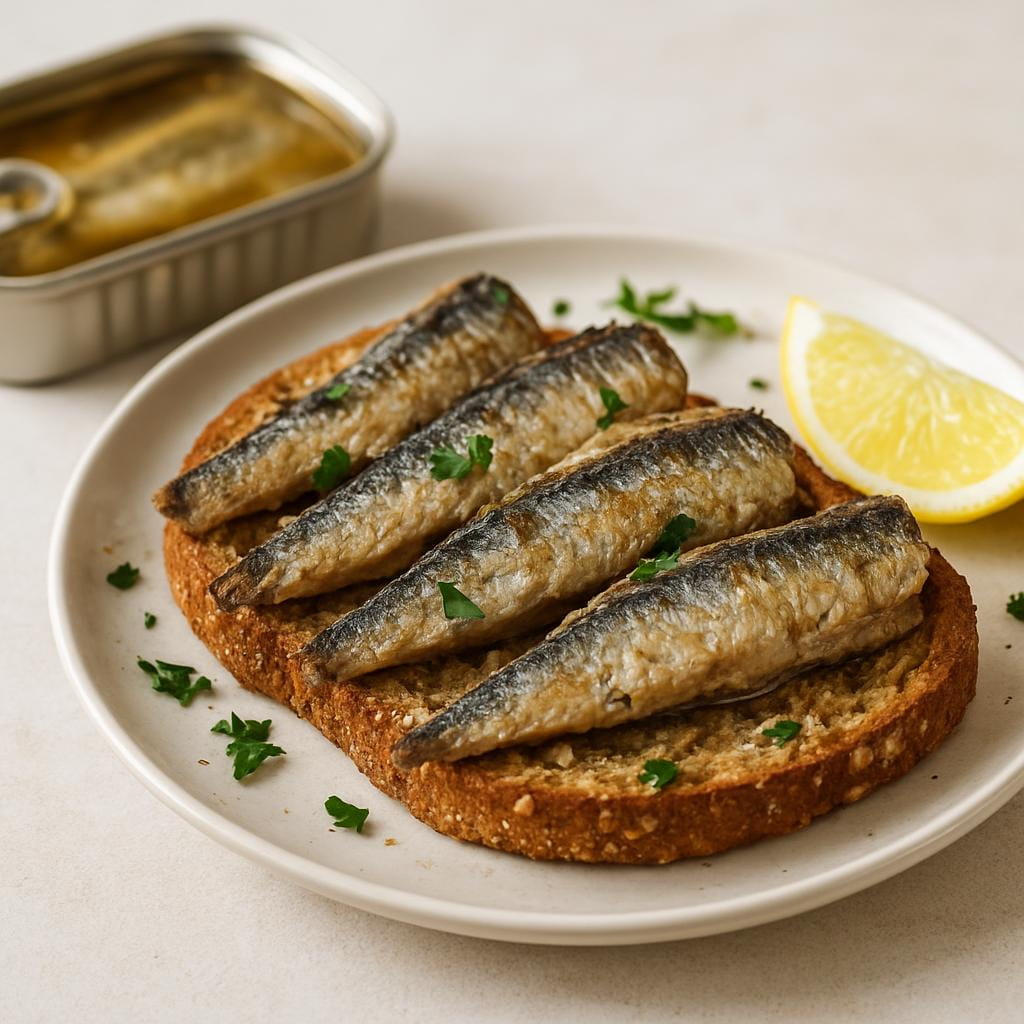
Serving: 3 oz
Zinc: 1.1 mg (10% DV)
Sardines are a pantry-friendly seafood option that makes it easier to include zinc without extra cooking. They also pair well with simple ingredients, so you can keep meals lighter.
How to eat:
- On toast with lemon and pepper
- Mixed into pasta with tomatoes and herbs
- Salad topper: sardines + greens + olive oil + vinegar
Practical tip:
- Keep a few cans for “no-cook” meals when time is tight.
13) Greek yogurt, plain
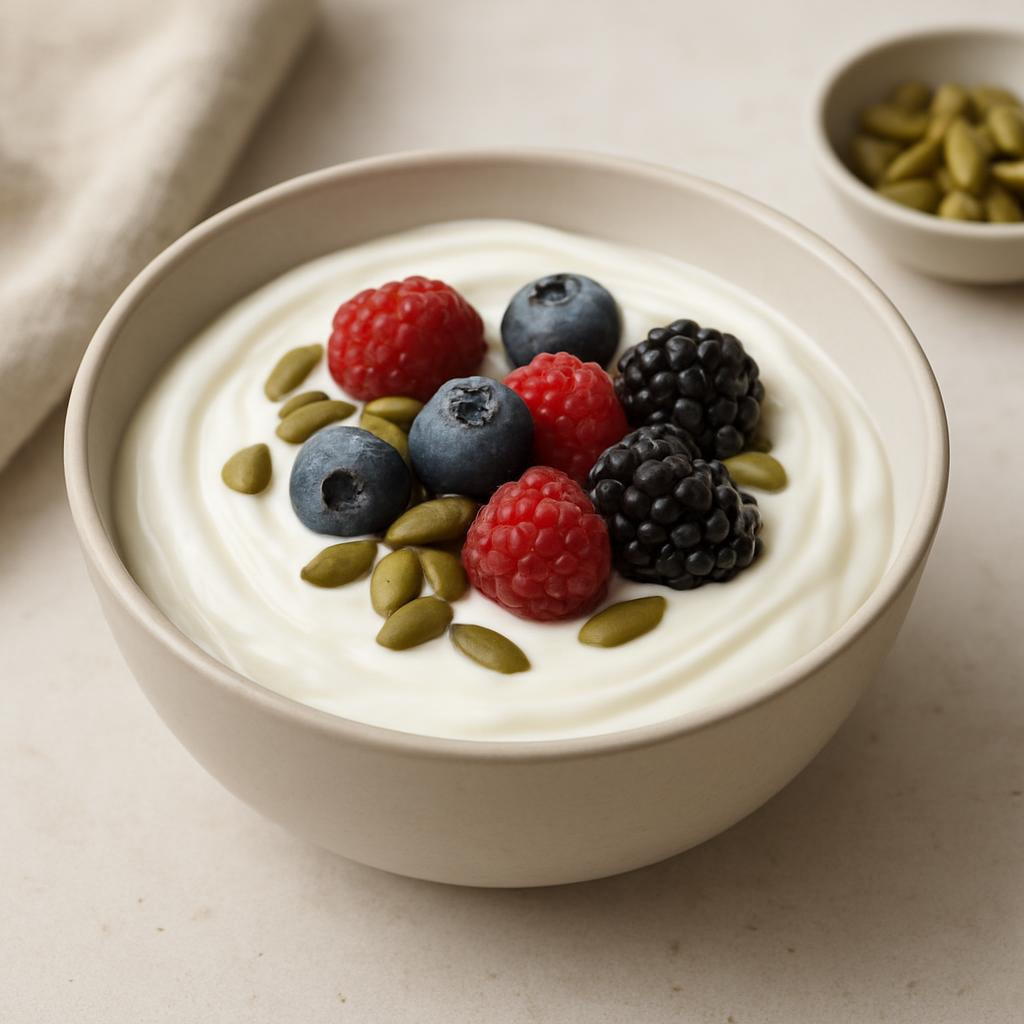
Serving: 6 oz
Zinc: 1.0 mg (9% DV)
Plain Greek yogurt adds zinc in a way that’s easy to use at breakfast or as a savory ingredient. Choosing plain also helps keep added sugar low.
How to eat:
- Breakfast bowl: yogurt + fruit + pumpkin seeds
- Savory sauce: yogurt + lemon + garlic + herbs
- Snack: yogurt + cinnamon + chopped nuts
Simple upgrade:
- Add seeds for crunch and a bigger zinc boost without changing the whole meal.
14) Peanuts, dry roasted
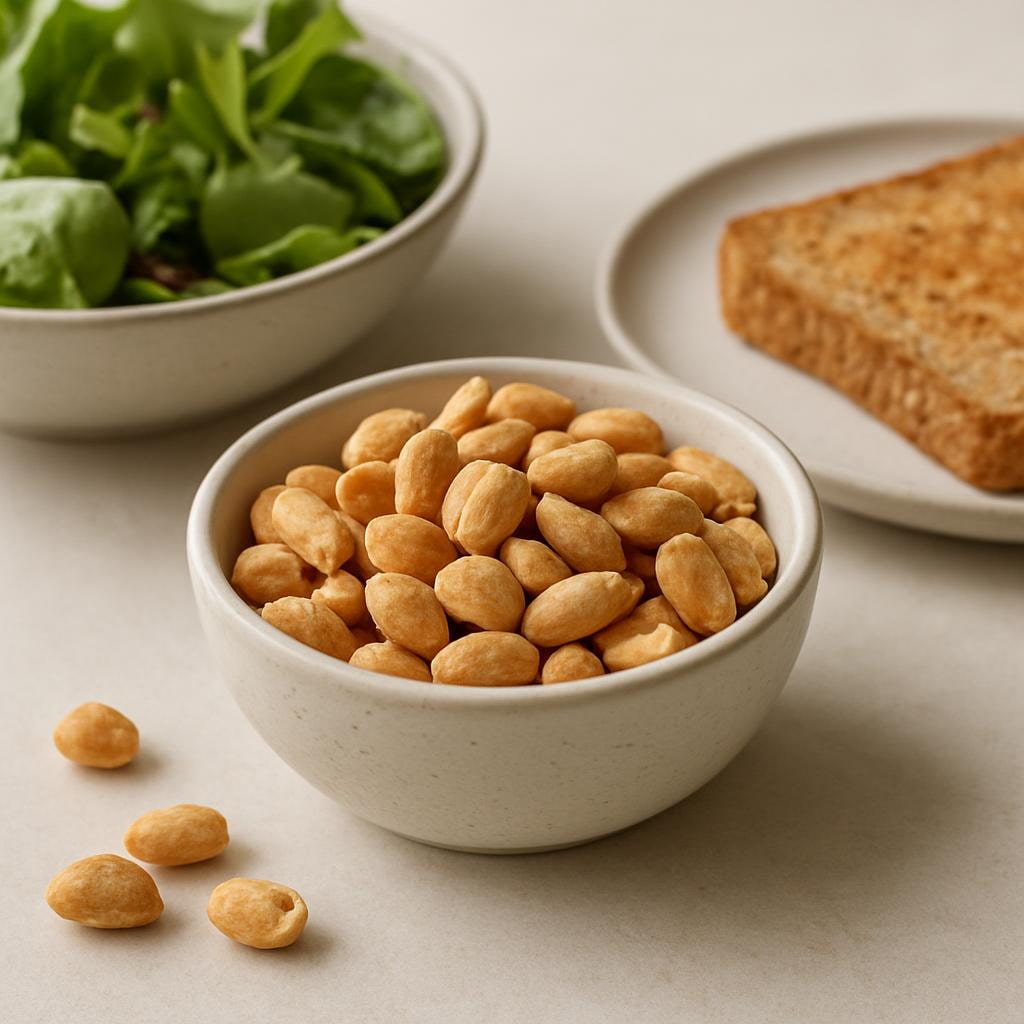
Serving: 1 oz
Zinc: 0.8 mg (7% DV)
Peanuts contribute zinc and are often one of the most affordable “nut-style” foods. They’re easy to use as a snack or to add crunch and flavor to meals.
How to eat:
- Snack: a small handful of peanuts + fruit
- Salad topper for crunch
- Peanut butter: spread on whole-grain toast or stirred into oats
Portion reminder:
- Nuts and nut butters are energy-dense, so the 1-ounce serving is a helpful everyday guide.
Quick takeaway for shoppers
If you want the highest-zinc food, oysters are the clear standout, delivering far more zinc per serving than most other foods.
For everyday consistency, rotate practical options you’re likely to eat regularly: beef, crab, shrimp, turkey, yogurt, cheese, oats, lentils, pumpkin seeds, peanuts, and sardines.
When choosing fortified foods, use %DV on the Nutrition Facts label to compare products quickly. The Daily Value (DV) for zinc is 11 mg for adults and children ages 4+, and the U.S. Food and Drug Administration explains how Daily Values are set and how %DV helps you identify higher- and lower-zinc options at a glance.
Animal vs plant zinc sources
Zinc comes from both animal and plant foods, but absorption can vary. The NIH Office of Dietary Supplements notes that compounds called phytates (found in many grains, beans, nuts, and seeds) can reduce zinc absorption.
That does not mean plant foods “don’t count.” It means a plant-forward diet often benefits from:
- Consistency (include zinc sources daily)
- Smart prep methods (below)
- Choosing higher-zinc plant foods more often (pumpkin seeds, lentils, peanuts, fortified cereals, oats)
How to get more zinc from plant foods
If most of your zinc comes from plant foods, these practical strategies may help:
- Soak beans and lentils before cooking when possible
- Use sprouted or fermented grain products when available
- Rotate zinc-rich plant foods (seeds + legumes + whole grains) instead of relying on only one
The diet-pattern context and zinc absorption notes are summarized by the NIH Office of Dietary Supplements.
What “high in zinc” means on labels
A quick, label-based approach:
- 20% Daily Value (DV) or more per serving is considered “high,” while 5% DV or less is considered “low.” The U.S. Food and Drug Administration explains how to use %DV this way so you can compare foods fast at the store.
- Zinc won’t appear on every Nutrition Facts label unless it’s present in a form the label declares (such as when it’s added/fortified or otherwise listed), so fortified cereals and clearly labeled products are often the easiest place to spot and compare zinc using %DV.
Portion sizes that matter for zinc-rich foods
You don’t need complicated math—just keep realistic portions in mind:
- Seafood and meats: 3 ounces cooked
- Seeds and nuts: 1 ounce (small handful)
- Cooked grains: 1 cup cooked (like oats)
- Cooked legumes: 1/2 cup
- Yogurt: 6 ounces
- Cheese: about 1.5 ounces
A practical method is to include one zinc-rich item per meal, then rotate sources across the week.
Simple meal ideas using foods high in zinc
Here are easy, wellness-friendly combinations that build zinc intake without relying on supplements:
- Breakfast: oats + plain Greek yogurt + pumpkin seeds + fruit
- Lunch: lentil bowl with vegetables + cheddar on the side
- Dinner: turkey + roasted vegetables + beans or whole grains
- Snack: peanuts and fruit, or yogurt topped with seeds
People also ask about foods high in zinc
What food has the most zinc?
Oysters are among the highest-zinc foods commonly eaten, based on the food table from the NIH Office of Dietary Supplements.
Can you get enough zinc without supplements?
Many people can meet zinc needs through a balanced diet that includes zinc-rich foods (seafood, meats, dairy, legumes, seeds, and fortified foods). If you’re considering supplements, it’s smart to discuss it with a clinician—especially if you already use a multivitamin or other mineral products.
Do vegetarians and vegans need more zinc?
Plant-based diets can provide zinc, but absorption may be lower due to phytates in common plant staples. The NIH Office of Dietary Supplements explains why consistency and food choices can matter.
Safety and upper limits
Zinc from food is generally not a problem for most people. The bigger concern tends to be long-term, high-dose supplementation. The tolerable upper intake level (UL) for adults is 40 mg/day, described by the National Academies of Sciences, Engineering, and Medicine. If you regularly eat very high-zinc foods and also take zinc supplements, it may be worth reviewing your total intake with a clinician.
FAQs
1) Are oysters safe to eat for zinc?
Oysters are extremely high in zinc. If you eat them raw, food safety matters—cooking oysters is a practical way to reduce risk, as explained by the Centers for Disease Control and Prevention.
2) What are the easiest zinc-rich foods to eat daily?
Many people find oats, pumpkin seeds, lentils, yogurt, cheese, peanuts, and lean meats or seafood to be the easiest “repeatable” options.
3) Do fortified cereals count as zinc-rich foods?
Yes—if they’re fortified. Zinc amounts vary by brand, so check the label and compare %DV, or verify nutrient data using the USDA FoodData Central database.
4) Why doesn’t zinc always show up on Nutrition Facts labels?
Zinc isn’t required to appear on every Nutrition Facts label unless it’s added (fortified) or the product makes a zinc-related claim. This is why zinc is most often listed on fortified foods like some cereals. The U.S. Food and Drug Administration explains how Daily Values and mineral labeling rules work.
5) What’s a good zinc-rich snack?
Pumpkin seeds, peanuts, cheese, or plain Greek yogurt are simple snack options that add zinc with minimal prep.
6) Can plant foods provide enough zinc?
They can, but absorption may vary due to phytates. Using strategies like soaking legumes and rotating zinc-rich plant foods can help, as summarized by the NIH Office of Dietary Supplements.
7) Is “more zinc” always better?
Not necessarily. Very high total zinc intake—especially from supplements—can cause problems over time. The adult UL (40 mg/day) is described by the National Academies of Sciences, Engineering, and Medicine.
Conclusion
Getting zinc from food is straightforward when you focus on a few high-impact choices (like oysters) and build everyday consistency with options such as meats, seafood, oats, pumpkin seeds, lentils, yogurt, cheese, and peanuts. Use realistic portions, rotate your zinc sources through the week, and lean on %DV when you’re comparing fortified foods. If you want the simplest next step, pick one zinc-rich food you’ll eat this week, then add a second option you can repeat regularly.
References
- NIH Office of Dietary Supplements
- Centers for Disease Control and Prevention
- USDA FoodData Central
- National Academies of Sciences, Engineering, and Medicine
“This content is for informational purposes only and not medical advice.”