
Prebiotic foods are fiber-rich plant foods that feed beneficial gut bacteria and may support digestion, regularity, and a healthier gut microbiome. Some of the best prebiotic foods include garlic, onions, leeks, asparagus, Jerusalem artichokes, oats, barley, beans, lentils, bananas, apples, and cooled cooked potatoes.
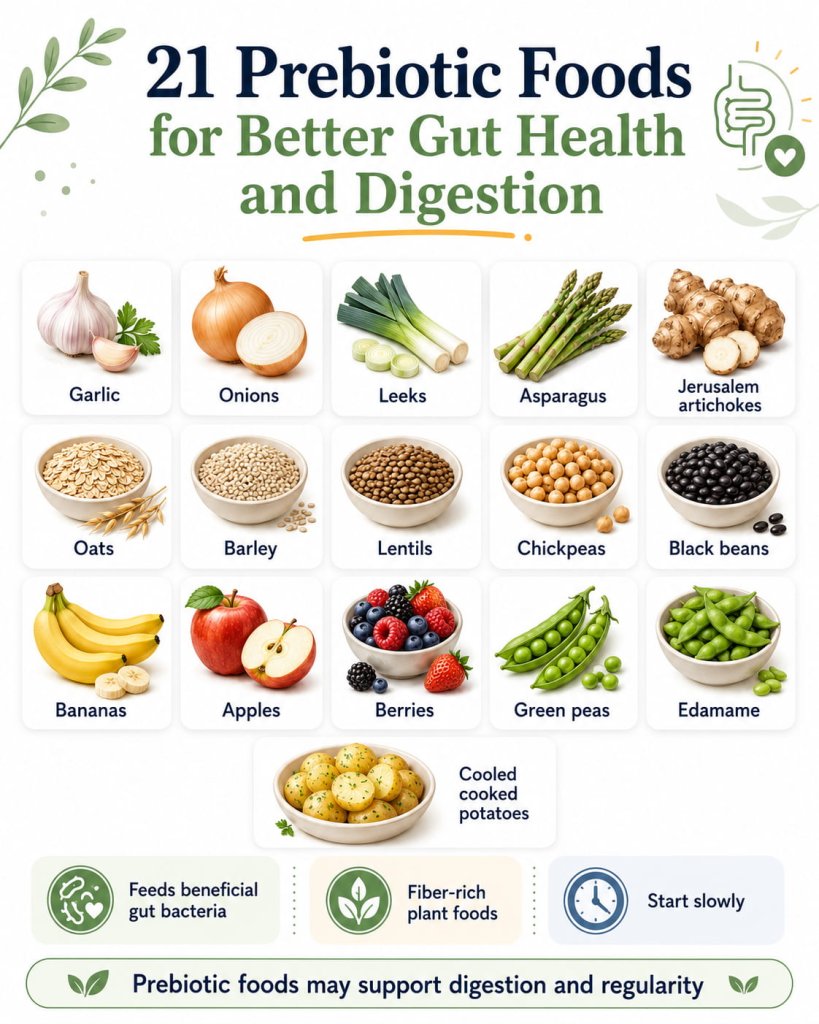
Understanding prebiotic foods matters because gut health is closely connected to digestion, bowel habits, nutrient use, and overall wellness. The key is to start slowly, choose a variety of plant foods, drink enough water, and be mindful if you have IBS or a sensitive digestive system.
According to the International Scientific Association for Probiotics and Prebiotics, most prebiotics are dietary fibers, but not all fibers qualify as prebiotics. The FDA’s current Daily Value for dietary fiber is 28 grams per day on Nutrition Facts labels, based on a 2,000-calorie diet.
What Are Prebiotic Foods?
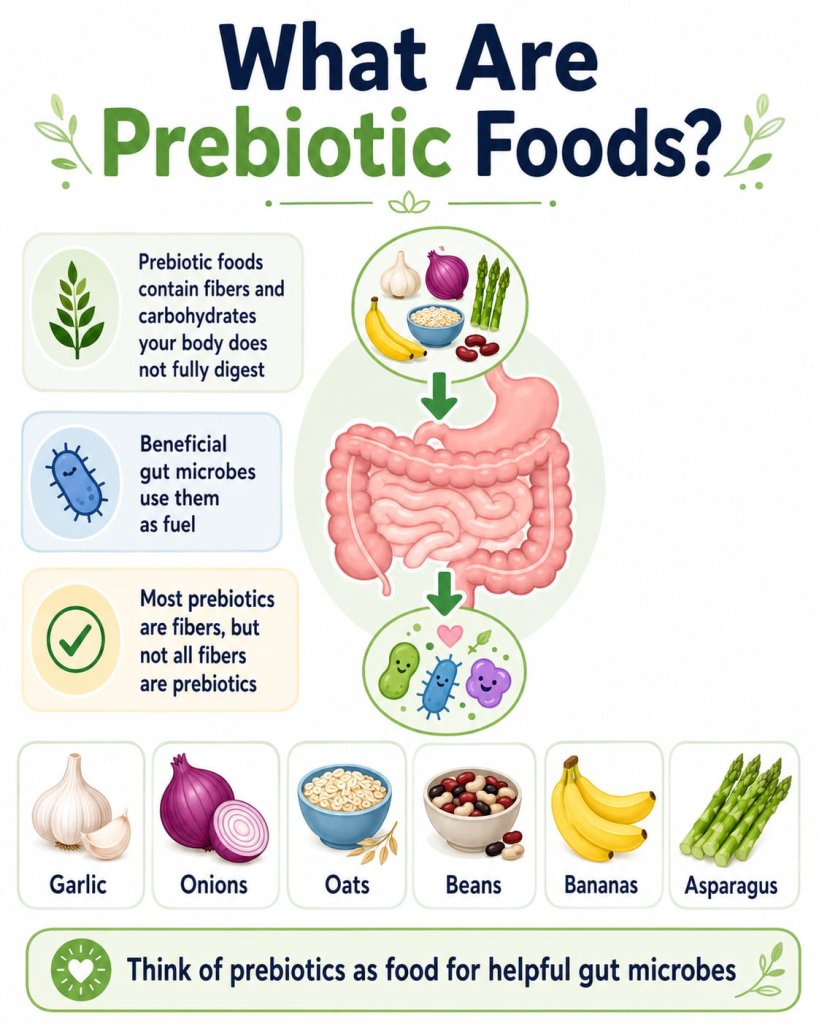
Prebiotic foods contain certain fibers and carbohydrates that your body does not fully digest. Instead, beneficial gut microbes use them as fuel.
The scientific definition of a prebiotic is “a substrate that is selectively utilized by host microorganisms conferring a health benefit,” according to the ISAPP consensus published in Nature Reviews Gastroenterology & Hepatology. In simple terms, a prebiotic is something that feeds helpful microbes in a way that benefits the host.
Common types of prebiotic fibers and carbohydrates include:
- Inulin
- Fructooligosaccharides, also called FOS
- Galactooligosaccharides, also called GOS
- Resistant starch
- Pectin
- Beta-glucan
- Some whole-grain fibers
You do not need to memorize these names. For most people, the practical goal is simple: eat more varied plant foods, especially vegetables, fruits, legumes, and whole grains.
Prebiotic Foods vs. Probiotic Foods
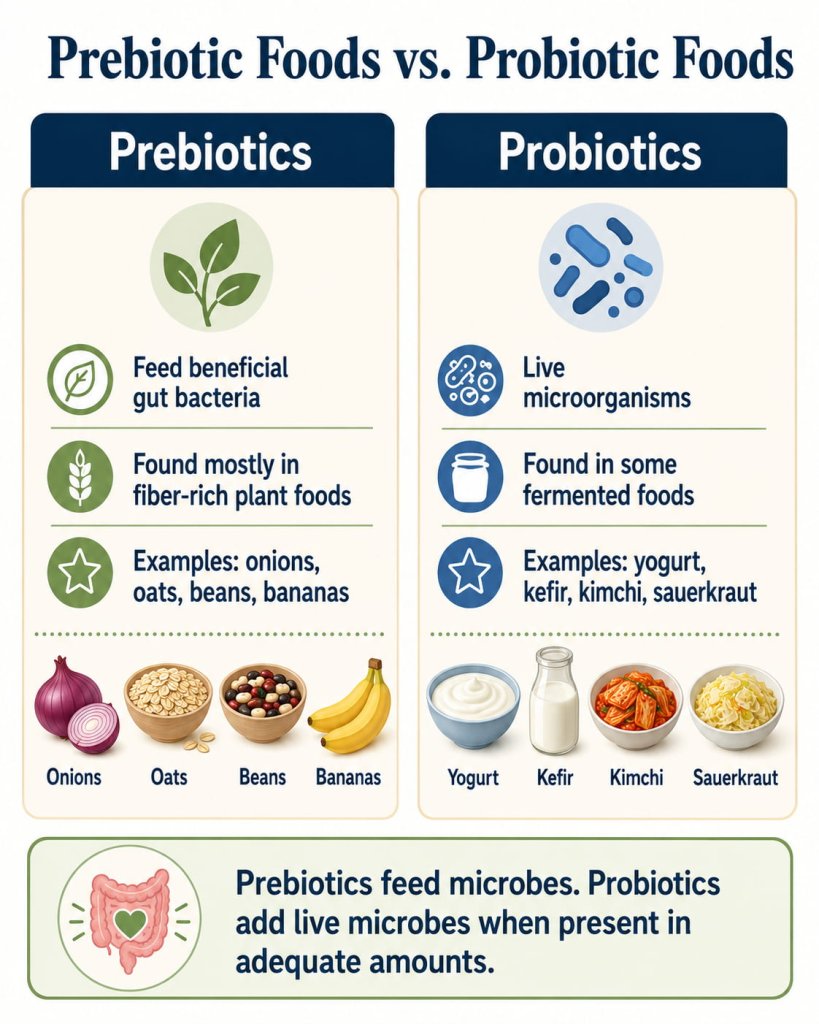
Prebiotic foods and probiotic foods are related, but they are not the same.
- Prebiotics feed beneficial microbes. They are found mostly in high-fiber plant foods such as onions, beans, oats, bananas, and asparagus.
- Probiotics are live microorganisms. They are found in some fermented foods, such as yogurt with live cultures, kefir, kimchi, sauerkraut, and certain probiotic supplements.
Think of it this way:
| Type | What it does | Food examples |
|---|---|---|
| Prebiotics | Feed beneficial gut bacteria | Garlic, oats, beans, bananas, onions |
| Probiotics | Add live microbes when present in adequate amounts | Yogurt, kefir, kimchi, sauerkraut |
A gut-friendly diet can include both. For example, oatmeal with banana is a prebiotic-rich breakfast. Yogurt with berries and oats gives you both probiotic potential and prebiotic fiber, depending on the yogurt culture and ingredients.
How Much Prebiotic Food Should You Eat?
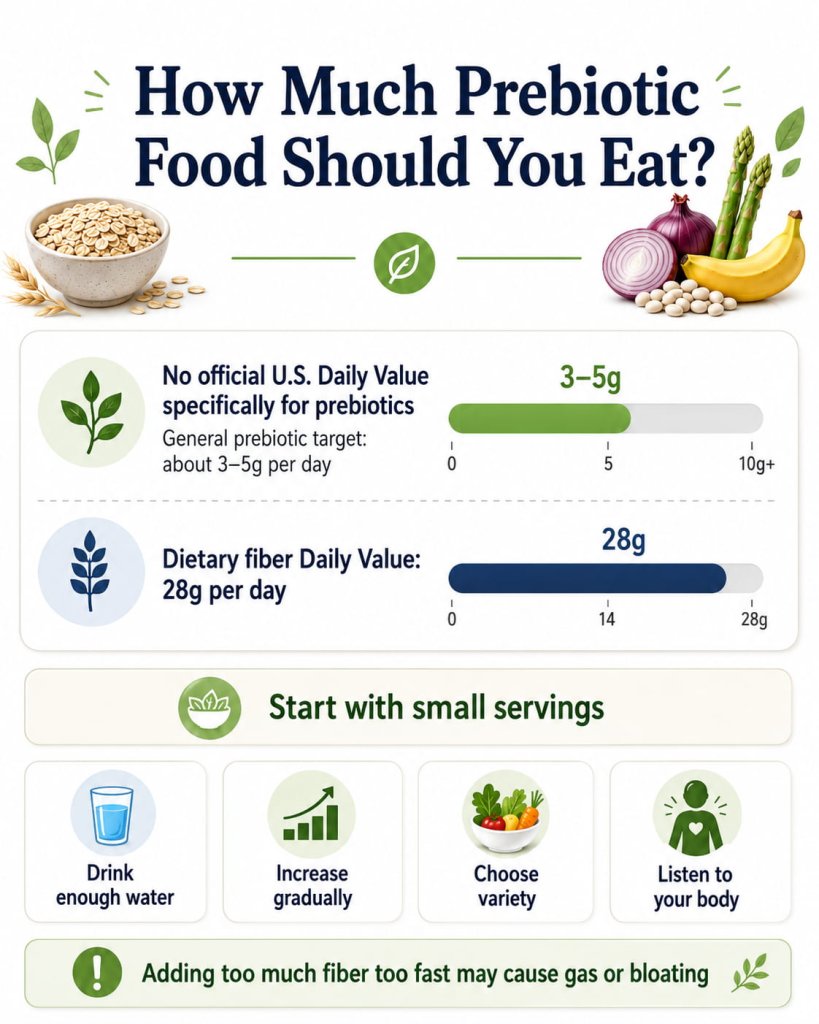
There is no official U.S. Daily Value specifically for prebiotics. However, ISAPP suggests aiming for about 3–5 grams of prebiotics per day from foods or supplements. A practical food-first approach is to gradually increase high-fiber plant foods instead of focusing only on prebiotic grams.
For overall fiber, the FDA lists the Daily Value for dietary fiber as 28 grams per day, based on a 2,000-calorie diet. Many adults fall short of that amount, so adding prebiotic foods can be a helpful step.
Start with small servings if you are not used to eating much fiber. Adding too much too fast can cause gas, bloating, or cramps.
21 Best Prebiotic Foods for Better Gut Health and Digestion
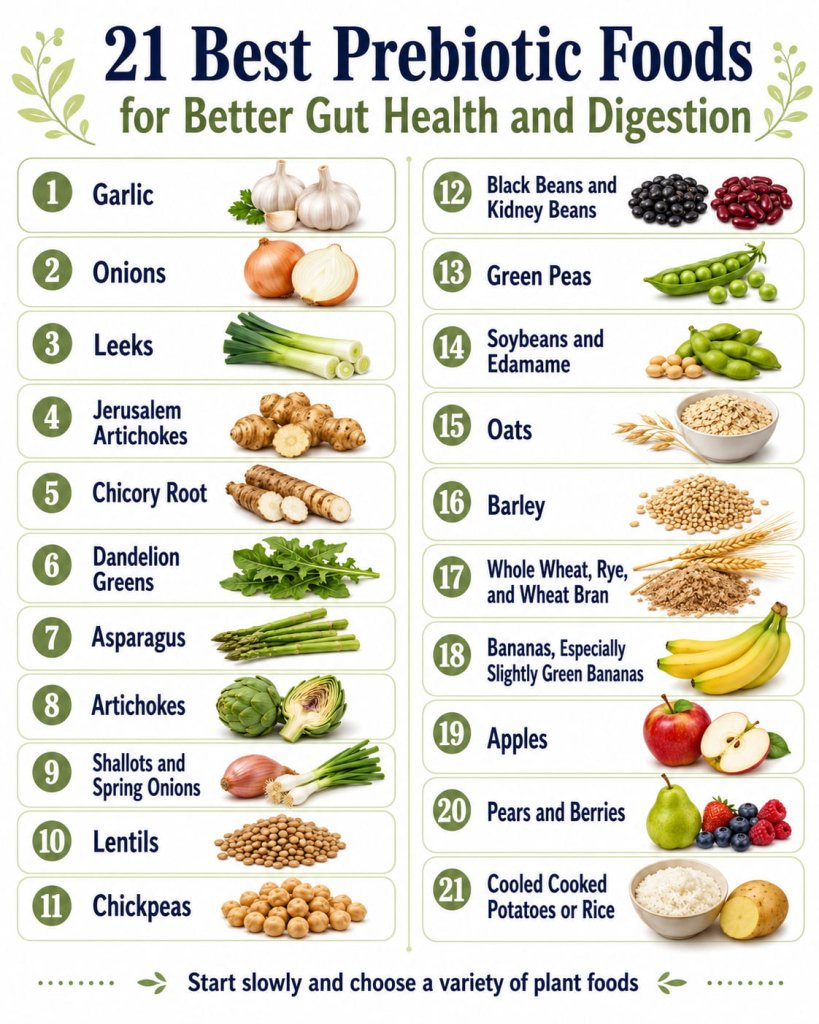
The best prebiotic foods are easy to use, affordable, and flexible. Some are stronger sources of prebiotic fibers, while others are gentler everyday options.
1. Garlic
Garlic is one of the most concentrated everyday sources of prebiotic compounds, especially fructans and FOS. It adds flavor to soups, beans, roasted vegetables, sauces, and stir-fries.
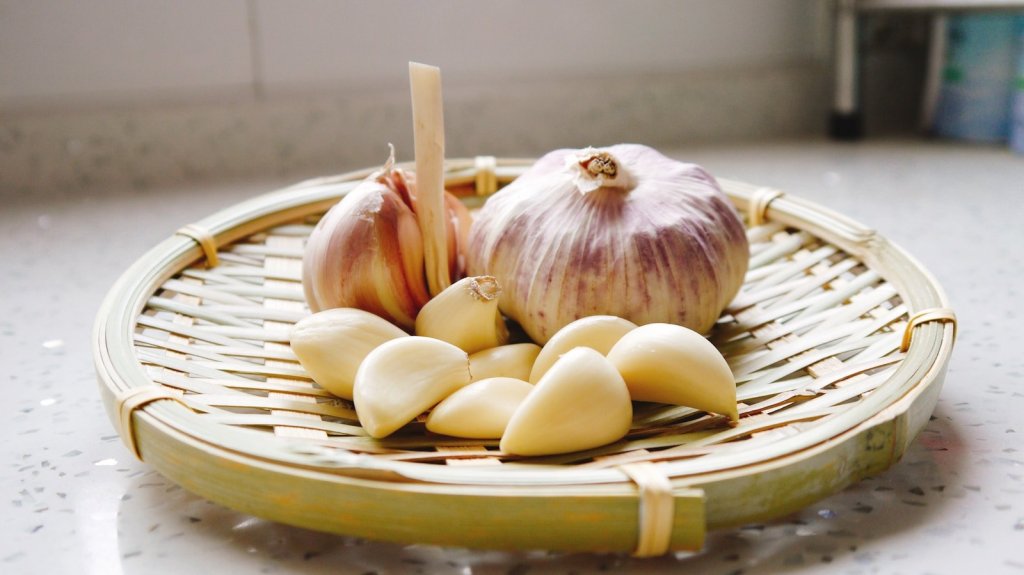
Use garlic in small amounts if you are sensitive to bloating. It is also high in FODMAPs, which may trigger symptoms in some people with IBS.
Easy ways to use garlic:
- Add minced garlic to lentil soup
- Roast garlic with vegetables
- Stir garlic into olive oil-based sauces
- Use garlic in bean dishes or grain bowls
2. Onions
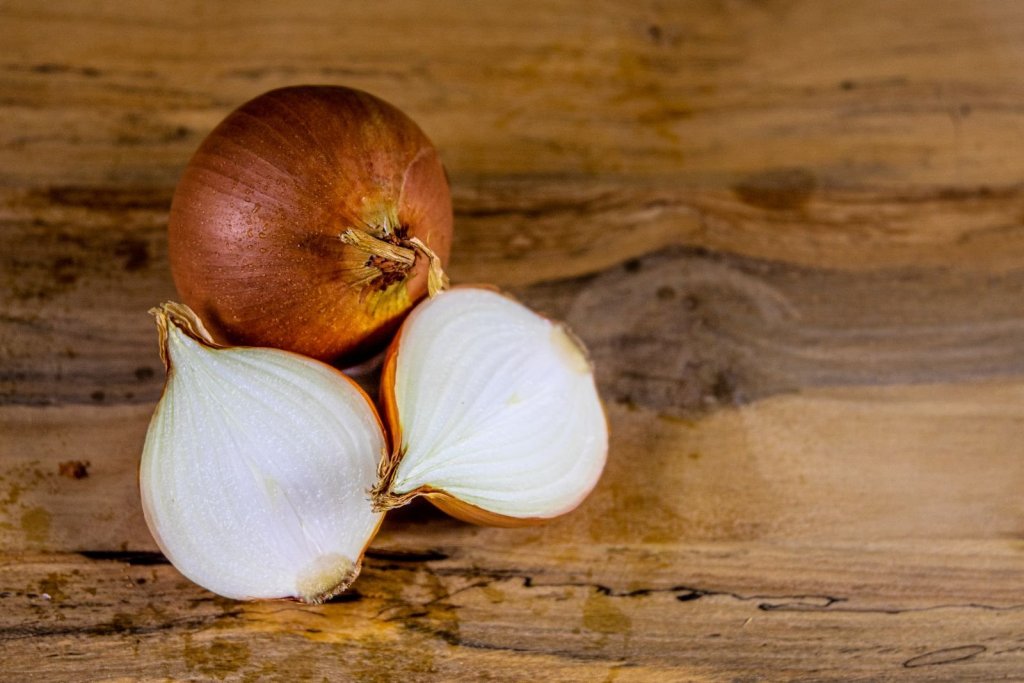
Onions are rich in prebiotic fructans and are one of the easiest prebiotic foods to add to daily meals. They work well in soups, stews, eggs, salads, sandwiches, sauces, and roasted dishes.
A 2023 American Society for Nutrition report on preliminary food-ranking research identified onions, garlic, leeks, Jerusalem artichokes, and dandelion greens among the highest prebiotic foods. The report noted that the findings were preliminary because conference abstracts do not go through the same review process as full journal articles.
Try onions in:
- Vegetable soup
- Bean chili
- Egg scrambles
- Rice bowls
- Roasted vegetable trays
3. Leeks
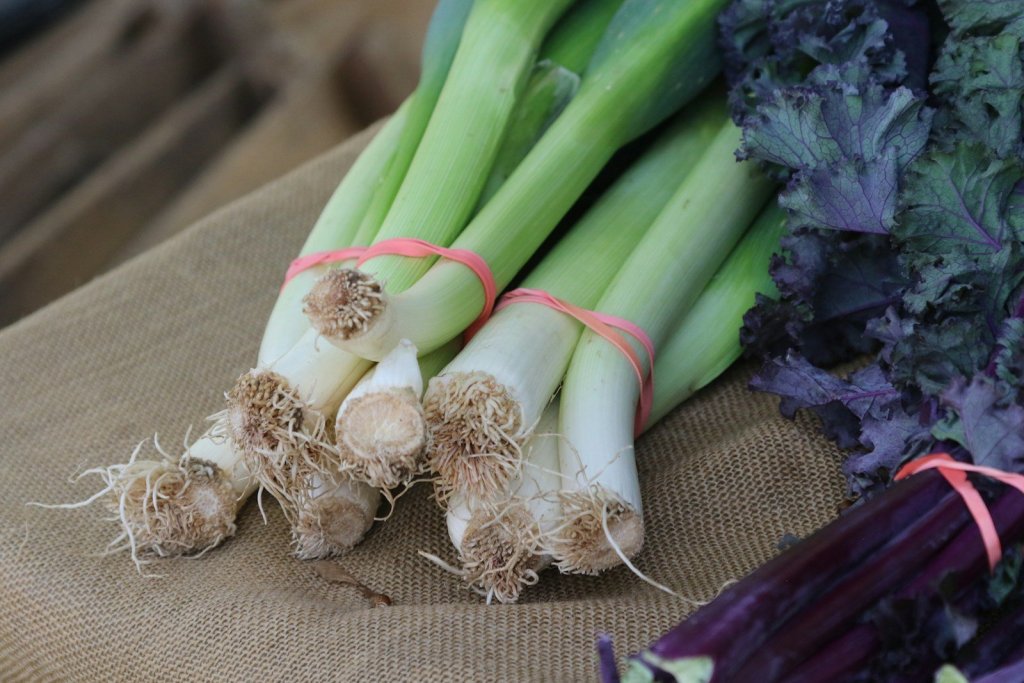
Leeks are in the same plant family as onions and garlic. They contain prebiotic fructans and have a milder flavor than onions.
They are excellent in soups, omelets, potato dishes, and vegetable sautés. Slice them thin and wash well, because dirt can hide between the layers.
Best uses:
- Potato leek soup
- Sautéed leeks with eggs
- Leeks in chicken or vegetable broth
- Roasted leeks with carrots and potatoes
4. Jerusalem Artichokes
Jerusalem artichokes, also called sunchokes, are very rich in inulin, a well-known prebiotic fiber. They have a slightly nutty flavor and can be roasted, sautéed, or added to soups.
Because they are high in fermentable fiber, they can cause gas if you eat a large portion too quickly. Start with a small amount.
Try them:
- Roasted with olive oil
- Blended into soup
- Thinly sliced into warm salads
- Mixed with potatoes for a gentler side dish
5. Chicory Root
Chicory root is naturally high in inulin. It is often used to make added prebiotic fiber in packaged foods, fiber bars, cereals, and supplements.
You may see ingredients such as:
- Chicory root fiber
- Inulin
- Oligofructose
- FOS
Chicory root fiber can increase fiber intake, but large amounts may cause bloating or gas. Check labels and start slowly.
6. Dandelion Greens
Dandelion greens are leafy greens with prebiotic potential. They are slightly bitter, which makes them useful in salads, sautés, and cooked greens.
They were also listed among the highest prebiotic foods in the 2023 American Society for Nutrition preliminary food-ranking report.
How to eat them:
- Add small amounts to salads
- Sauté with olive oil and lemon
- Mix with milder greens
- Add to soups near the end of cooking
7. Asparagus
Asparagus contains inulin-type prebiotic fibers and is easy to add to meals. It is also rich in nutrients and works well as a side dish.
Harvard Health lists asparagus among foods that naturally contain prebiotics, along with garlic, onions, bananas, Jerusalem artichokes, soybeans, and whole-grain wheat products.
Easy serving ideas:
- Roasted asparagus with lemon
- Asparagus omelet
- Asparagus pasta with olive oil
- Grilled asparagus with fish or tofu
8. Artichokes
Artichokes are high in fiber and contain inulin, making them a useful prebiotic vegetable. They are filling and work well in salads, pasta, dips, and Mediterranean-style meals.
Choose plain artichoke hearts when possible. Some jarred versions can be high in sodium, so check the label.
Try artichokes in:
- White bean salad
- Whole-grain pasta
- Hummus-style dips
- Grain bowls with olives and greens
9. Shallots and Spring Onions
Shallots and spring onions add prebiotic compounds and flavor to meals. They are especially useful when you want a smaller, sweeter onion flavor.
If you follow a low-FODMAP plan, the green tops of spring onions are often better tolerated than the white bulb. Work with a qualified dietitian if you are using a low-FODMAP diet for IBS.
Use them in:
- Salads
- Soups
- Omelets
- Stir-fries
- Rice bowls
10. Lentils
Lentils contain fiber and galactooligosaccharides, also called GOS. These carbohydrates can feed gut bacteria, but they may also cause gas when added too quickly.
Lentils are also affordable, protein-rich, and easy to batch cook.
Best ways to eat lentils:
- Lentil soup
- Lentil curry
- Lentil salad
- Lentil tacos
- Lentil pasta sauce
Tip: Rinse canned lentils well to reduce sodium and improve digestibility.
11. Chickpeas
Chickpeas, also called garbanzo beans, contain fiber and GOS. They are one of the most flexible prebiotic foods because they work in both hot and cold meals.
Use chickpeas in:
- Hummus
- Chickpea salad
- Roasted chickpea snacks
- Soups
- Grain bowls
- Curry
If chickpeas make you bloated, start with 2–3 tablespoons instead of a full cup.
12. Black Beans and Kidney Beans
Beans are excellent sources of fiber, resistant starch, and GOS. Black beans and kidney beans are especially useful in budget-friendly meals.
They support gut-friendly eating because they combine fiber, plant protein, minerals, and slow-digesting carbohydrates.
Meal ideas:
- Black bean tacos
- Kidney bean chili
- Bean and rice bowls
- Bean soup
- Bean salad with corn and peppers
For easier digestion, rinse canned beans well and increase portions gradually.
13. Green Peas
Green peas contain fiber and resistant starch. They are also easy to keep in the freezer, which makes them one of the most convenient prebiotic foods.
Add peas to:
- Rice dishes
- Soups
- Pasta
- Omelets
- Mashed potatoes
- Grain bowls
Green peas are a gentle starter food for many people who want to increase fiber without completely changing their diet.
14. Soybeans and Edamame
Soybeans and edamame contain fiber, GOS, and plant protein. Edamame is especially easy to use because it cooks quickly and can be added to bowls, salads, and noodle dishes.
Try edamame:
- In rice bowls
- With soba noodles
- In salads
- As a snack with a pinch of salt
- Mixed into stir-fries
Soybeans are also listed by Harvard Health as a prebiotic food option.
15. Oats
Oats contain beta-glucan, a soluble fiber that supports a healthy eating pattern. Oats are not always the most concentrated prebiotic food, but they are one of the easiest daily options.
Try oats as:
- Overnight oats
- Warm oatmeal
- Oat pancakes
- Oat-based granola
- Smoothie thickener
Add banana, berries, chia seeds, or yogurt for a more gut-friendly breakfast.
16. Barley
Barley is a whole grain rich in beta-glucan fiber. It has a chewy texture and works well in soups, grain bowls, and salads.
Use barley in:
- Vegetable barley soup
- Mushroom barley bowls
- Barley salad with herbs
- Bean and barley stew
Choose hulled barley when possible for more whole-grain nutrition. Pearled barley cooks faster but is more refined.
17. Whole Wheat, Rye, and Wheat Bran
Whole wheat, rye, and wheat bran contain fiber and prebiotic compounds, including fructans. They can be helpful for people who tolerate them well.
Good options include:
- 100% whole wheat bread
- Rye bread
- Wheat bran cereal
- Whole wheat pasta
- High-fiber whole-grain crackers
However, wheat and rye are high-FODMAP foods. They may trigger symptoms in some people with IBS, especially in larger servings.
18. Bananas, Especially Slightly Green Bananas
Bananas contain fiber, and slightly green bananas contain more resistant starch than fully ripe bananas. Resistant starch can act like a prebiotic because it reaches the colon and can be fermented by gut bacteria.
Easy ways to eat bananas:
- Banana with peanut butter
- Banana in oatmeal
- Banana smoothie
- Sliced banana with yogurt
- Banana oat pancakes
If you have IBS, ripeness and serving size may matter. Some people tolerate firmer bananas better than very ripe bananas.
19. Apples
Apples contain pectin, a soluble fiber that may support gut bacteria. They are also easy to pack, affordable, and available year-round.
Ways to eat apples:
- Apple slices with peanut butter
- Chopped apple in oatmeal
- Apple with Greek yogurt
- Baked apples with cinnamon
- Apple walnut salad
Apples are high in certain FODMAPs, so they may not work for everyone with IBS.
20. Pears and Berries
Pears and berries provide fiber, plant compounds, and natural sweetness. Pears contain pectin, while berries offer a mix of fibers and polyphenols.
Good choices include:
Berries are often easier to portion into yogurt, oatmeal, smoothies, and salads. Pears can be higher in FODMAPs, so sensitive readers may need smaller servings.
21. Cooled Cooked Potatoes or Rice
Cooked and cooled potatoes or rice can develop more resistant starch. Resistant starch behaves like a fermentable fiber and may act as a prebiotic.
This does not mean you must eat potatoes or rice cold. You can cook them, cool them, and then use them in meal prep. Some resistant starch remains after reheating.
Try:
- Potato salad with Greek yogurt dressing
- Rice bowls made from chilled cooked rice
- Cooled potatoes added to egg plates
- Leftover rice stir-fry
- Meal-prep grain bowls
Quick Prebiotic Foods List
Here is a simple reference chart for planning meals.
| Prebiotic food | Main prebiotic angle | Easy use |
|---|---|---|
| Garlic | Fructans, FOS | Soups, sauces, roasted vegetables |
| Onions | Fructans, FOS | Stir-fries, eggs, chili |
| Leeks | Fructans | Soup, omelets, roasted sides |
| Jerusalem artichokes | Inulin | Roasted, soups |
| Chicory root | Inulin | Added fiber ingredient |
| Dandelion greens | Inulin-type fibers | Salads, sautés |
| Asparagus | Inulin-type fibers | Roasted, grilled, pasta |
| Artichokes | Inulin | Salads, dips, pasta |
| Shallots | Fructans | Dressings, sauces |
| Lentils | GOS, fiber | Soup, curry, salads |
| Chickpeas | GOS, fiber | Hummus, bowls, salads |
| Beans | GOS, resistant starch | Chili, tacos, soups |
| Green peas | Fiber, resistant starch | Pasta, rice, soups |
| Edamame | GOS, fiber | Bowls, salads, snacks |
| Oats | Beta-glucan | Oatmeal, overnight oats |
| Barley | Beta-glucan | Soup, grain bowls |
| Whole wheat | Fructans, fiber | Bread, pasta, cereal |
| Rye | Fructans, fiber | Rye bread, crackers |
| Bananas | Resistant starch | Oatmeal, snacks |
| Apples | Pectin | Snacks, oatmeal |
| Cooled potatoes or rice | Resistant starch | Meal prep bowls |
Why Prebiotic Foods May Support Gut Health and Digestion
Prebiotic foods may support gut health because they help nourish beneficial bacteria already living in the digestive tract. When gut microbes ferment certain fibers, they produce compounds such as short-chain fatty acids. These compounds are part of how the gut microbiome interacts with digestion and overall health.
Prebiotic-rich foods may help support:
- Regular bowel movements
- A more diverse gut microbiome
- Digestive comfort when added gradually
- Better overall fiber intake
- A more nutrient-dense diet
- Satiety after meals
The current U.S. nutrition guidance encourages nutrient-dense, fiber-rich foods such as vegetables, fruits, beans, peas, lentils, and whole grains. These foods naturally overlap with many prebiotic food choices.
Best Prebiotic Foods for Beginners
If you are new to prebiotic foods, start with gentler options before jumping into large amounts of garlic, onions, beans, or Jerusalem artichokes.
Beginner-friendly choices may include:
- Oats
- Bananas
- Berries
- Green peas
- Small servings of lentils
- Small servings of chickpeas
- Cooled potatoes
- Barley soup
- Apples, if tolerated
A simple beginner day could look like this:
- Breakfast: Oatmeal with banana and berries
- Lunch: Rice bowl with peas and a small serving of chickpeas
- Dinner: Barley vegetable soup with a small amount of onion
- Snack: Apple slices with peanut butter, if tolerated
How to Add More Prebiotic Foods Without Bloating
Prebiotic foods are healthy for many people, but they can also cause gas and bloating if you increase them too fast. This is especially true for garlic, onions, leeks, beans, lentils, chickpeas, and Jerusalem artichokes.
Use these tips:
- Add one new prebiotic food at a time.
- Start with small portions.
- Increase fiber gradually.
- Drink enough water.
- Rinse canned beans and lentils.
- Cook legumes until very soft.
- Pair high-fiber foods with balanced meals.
- Notice which foods feel comfortable for your body.
NIDDK notes that high-FODMAP foods can trigger IBS symptoms in some people, and its examples include apples, pears, artichokes, asparagus, beans, garlic, lentils, onions, wheat, and rye.
Who Should Be Careful With Prebiotic Foods?
Most prebiotic foods are normal, nutritious foods. However, some people may need extra care.
Be cautious if you:
- Have IBS
- Have inflammatory bowel disease and are in a flare
- Have small intestinal bacterial overgrowth, also called SIBO
- Recently had digestive surgery
- Have frequent bloating, diarrhea, or abdominal pain
- Are following a medically prescribed low-FODMAP diet
- Have been told to limit fiber for a medical reason
Monash University explains that a low-FODMAP diet is a therapeutic diet for IBS and should be followed with guidance from a qualified dietitian. Monash also cautions against following a strict low-FODMAP diet unnecessarily because it can reduce intake of high-fiber and naturally prebiotic foods.
If you have a digestive condition, ask a healthcare professional or registered dietitian before making major diet changes.
Prebiotic Foods and IBS: What to Know
Prebiotic foods can be tricky for people with IBS. Many strong prebiotic foods are also high in FODMAPs. FODMAPs are fermentable carbohydrates that may trigger gas, bloating, pain, diarrhea, or constipation in some people with IBS.
High-FODMAP prebiotic foods may include:
- Garlic
- Onions
- Leeks
- Wheat
- Rye
- Beans
- Lentils
- Chickpeas
- Apples
- Pears
- Artichokes
- Asparagus
This does not mean these foods are “bad.” It means tolerance varies. Some people feel better with smaller portions, different preparation methods, or a structured low-FODMAP plan guided by a dietitian.
Simple Prebiotic Meal Ideas
Prebiotic Breakfast Ideas
- Oatmeal with banana and berries
- Greek yogurt with oats and apple
- Overnight oats with chia seeds and blueberries
- Whole-grain toast with peanut butter and banana
- Barley porridge with cinnamon and pear, if tolerated
Prebiotic Lunch Ideas
- Lentil soup with carrots and greens
- Chickpea salad bowl with brown rice
- Black bean tacos with avocado and lettuce
- Edamame soba noodle bowl
- Whole-grain wrap with hummus and vegetables
Prebiotic Dinner Ideas
- Garlic and onion vegetable stir-fry, if tolerated
- Bean chili with vegetables
- Barley mushroom soup
- Roasted asparagus with salmon, tofu, or chicken
- Cooled potato bowl with eggs and greens
Prebiotic Snack Ideas
- Banana with peanut butter
- Apple slices with walnuts
- Roasted chickpeas
- Edamame
- Berries with yogurt
- Whole-grain crackers with hummus
Prebiotic Foods Grocery List
Use this list to build a gut-friendly pantry and fridge.
Vegetables
- Garlic
- Onions
- Leeks
- Asparagus
- Artichokes
- Jerusalem artichokes
- Dandelion greens
- Green peas
- Shallots
- Spring onions
Legumes
- Lentils
- Chickpeas
- Black beans
- Kidney beans
- Navy beans
- Soybeans
- Edamame
Fruits
- Bananas
- Apples
- Pears
- Raspberries
- Blueberries
- Strawberries
- Blackberries
Whole Grains and Starches
- Oats
- Barley
- Whole wheat bread
- Rye bread
- Wheat bran cereal
- Brown rice
- Potatoes
- Whole-grain pasta
Label Ingredients to Notice
Some packaged foods contain added prebiotic fibers. Look for:
- Inulin
- Chicory root fiber
- FOS
- Oligofructose
- Resistant starch
These ingredients can be useful, but they can also cause digestive discomfort in large amounts.
Are Prebiotic Supplements Necessary?
Most people should start with prebiotic foods first. Whole foods provide fiber plus vitamins, minerals, antioxidants, and other plant compounds. Supplements may be useful in specific situations, but they are not required for everyone.
If you are considering a prebiotic supplement, ask a healthcare professional first, especially if you have IBS, SIBO, inflammatory bowel disease, immune concerns, or ongoing digestive symptoms.
Common Mistakes to Avoid
Eating Too Much Too Fast
A sudden jump from low fiber to high fiber can cause bloating and gas. Increase slowly.
Relying Only on Supplements
Prebiotic powders and bars are not the same as a varied diet. Use foods as your foundation.
Ignoring IBS Triggers
Garlic, onions, beans, wheat, apples, and pears are healthy foods, but they may trigger symptoms in some people with IBS.
Forgetting Water
Fiber works best when you drink enough fluids. Add water as you increase fiber.
Eating the Same Foods Every Day
Variety matters. Rotate legumes, grains, fruits, and vegetables to support a more diverse nutrient intake.
FAQ About Prebiotic Foods
What foods are highest in prebiotics?
Some of the strongest prebiotic foods include garlic, onions, leeks, Jerusalem artichokes, chicory root, dandelion greens, asparagus, and artichokes. Beans, lentils, chickpeas, oats, barley, bananas, apples, and cooled cooked potatoes are also useful prebiotic foods.
Are bananas a prebiotic food?
Yes, bananas can be considered a prebiotic-friendly food. Slightly green bananas contain more resistant starch, while ripe bananas still provide fiber and are easy to add to meals.
Are oats prebiotic?
Oats contain beta-glucan, a soluble fiber that supports a gut-friendly diet. They may not be the most concentrated prebiotic food, but they are one of the easiest daily choices for breakfast.
What is the difference between prebiotics and probiotics?
Prebiotics are fibers and carbohydrates that feed beneficial gut bacteria. Probiotics are live microorganisms found in some fermented foods and supplements. Prebiotics feed microbes; probiotics add live microbes when present in adequate amounts.
Can prebiotic foods cause gas?
Yes. Prebiotic foods can cause gas or bloating, especially if you add too much fiber too quickly. Start with small servings and increase gradually.
Are prebiotic foods good for IBS?
It depends. Some people with IBS may benefit from certain fibers, but many strong prebiotic foods are high in FODMAPs and may trigger symptoms. People with IBS should consider working with a registered dietitian, especially before trying a low-FODMAP diet.
Do I need a prebiotic supplement?
Not necessarily. Many people can get prebiotics from foods such as oats, beans, lentils, bananas, onions, garlic, asparagus, and whole grains. Supplements may be helpful for some people, but they are best used with professional guidance if you have digestive symptoms or a medical condition.
Conclusion
Prebiotic foods are a simple, food-first way to support better gut health and digestion. Start with everyday options like oats, bananas, lentils, chickpeas, green peas, berries, and barley. Then add stronger prebiotic foods like garlic, onions, leeks, asparagus, artichokes, and Jerusalem artichokes as tolerated.
The best approach is gradual and varied. Add one or two prebiotic foods to your meals this week, drink enough water, and listen to your body. If you have IBS or ongoing digestive symptoms, get personalized guidance from a qualified healthcare professional.
This content is for informational purposes only and not medical advice.
References
- International Scientific Association for Probiotics and Prebiotics: What Is a Prebiotic?
- Nature Reviews Gastroenterology & Hepatology: ISAPP Consensus Definition of Prebiotics
- FDA: Daily Value on the Nutrition and Supplement Facts Labels
- NIDDK: Eating, Diet, & Nutrition for Irritable Bowel Syndrome
- USDA FoodData Central
- Harvard Health: Prebiotics and Gut Health
- Monash University: Prebiotic Diet FAQs