
Butt exercises for men are essential for building lower-body strength, power, and athletic performance. Strong glutes support sprinting, lifting, jumping, posture, and everyday movement while reducing stress on the knees and lower back. If you want a stronger, more powerful lower body, glute-focused training should be a core part of your program—not an afterthought.
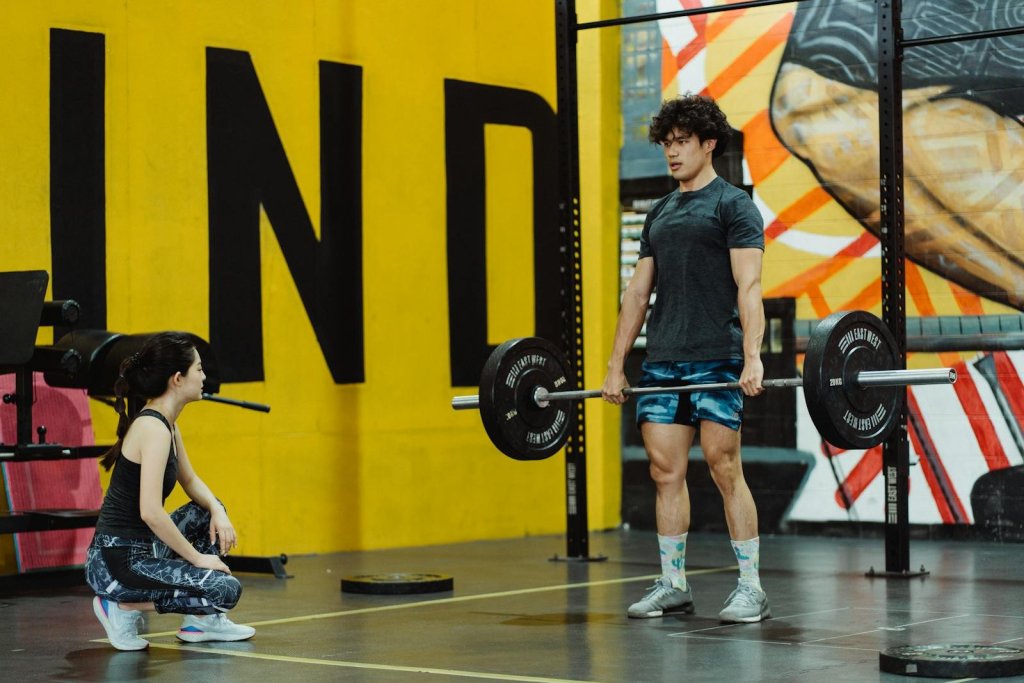
This guide breaks down the 17 best butt exercises for men, explains how each one works, and shows you how to program them safely and effectively using evidence-based guidance from trusted fitness and health organizations.
17 Best Butt Exercises for Men
These butt exercises for men are designed to build strength, power, and lower-body stability. Each movement targets the glutes through proven patterns that support athletic performance and everyday function.
1. Barbell Hip Thrust
How to do it
- Sit with your upper back against a bench and a barbell across your hips
- Drive through your heels and squeeze your glutes to lift your hips
- Stop when your torso is parallel to the floor
- Lower with control
Why it works
This movement directly targets hip extension and allows heavy loading with minimal lower-back strain.
Muscles worked
Gluteus maximus, hamstrings, core stabilizers
Trainer Tip
Pause for 1–2 seconds at the top to maximize glute activation.
2. Back Squat
How to do it
- Stand with feet shoulder-width apart
- Lower into a squat while keeping your chest tall
- Drive upward through your heels
Why it works
Squats load the glutes under full-body tension, supporting strength and muscle growth.
Muscles worked
Glutes, quadriceps, hamstrings, core
Trainer Tip
Sit “between” your hips rather than folding forward to keep glutes involved.
3. Romanian Deadlift (RDL)
How to do it
- Hold a barbell or dumbbells at hip level
- Push hips back with minimal knee bend
- Return to standing by squeezing glutes
Why it works
RDLs emphasize hip hinge mechanics and glute tension through a long range of motion.
Muscles worked
Glutes, hamstrings, spinal stabilizers
Trainer Tip
Stop lowering when your hips stop moving back—not when the weight hits your shins.
4. Bulgarian Split Squat
How to do it
- Place rear foot on a bench
- Lower into a single-leg squat
- Push through the front heel
Why it works
Unilateral loading challenges balance and increases glute engagement.
Muscles worked
Glutes, quads, hamstrings
Trainer Tip
Lean slightly forward to increase glute emphasis.
5. Walking Lunges
How to do it
- Step forward into a deep lunge
- Push through the front heel to stand
- Alternate legs while moving forward
Why it works
Dynamic lunges load the glutes while improving coordination and stability.
Muscles worked
Glutes, quads, hamstrings
Trainer Tip
Take longer steps to increase glute activation.
6. Step-Ups
How to do it
- Stand facing a sturdy box or bench at knee height or lower
- Place one foot fully on the platform
- Drive through the heel to step up
- Bring the opposite foot up, then step down under control
- Complete reps before switching sides
Why it works
Step-ups mimic real-life movements like climbing stairs while placing high demand on hip extension and single-leg stability, both critical for glute strength.
Muscles worked
Gluteus maximus, quadriceps, hamstrings, core stabilizers
Trainer Tip
Avoid pushing off the bottom foot—let the working leg do the work.
7. Sumo Deadlift
How to do it
- Take a wide stance with toes slightly turned out
- Grip the bar inside your knees
- Sit hips down and keep chest tall
- Drive through heels to stand
- Lower with controlled hip hinge
Why it works
The wide stance increases hip external rotation, shifting more load to the glutes compared to conventional deadlifts.
Muscles worked
Glutes, hamstrings, inner thighs, lower back
Trainer Tip
Push knees outward as you lift to maintain glute engagement.
8. Glute Bridge
How to do it
- Lie on your back with knees bent and feet flat
- Brace your core and squeeze glutes
- Lift hips until your body forms a straight line
- Lower slowly with control
Why it works
This exercise isolates hip extension while limiting spinal load, making it ideal for beginners and recovery days.
Muscles worked
Gluteus maximus, hamstrings, core stabilizers
Trainer Tip
Drive through your heels and avoid arching your lower back.
9. Reverse Lunges
How to do it
- Stand tall with feet hip-width apart
- Step one leg backward into a lunge
- Lower until front thigh is nearly parallel
- Push through the front heel to return
Why it works
Reverse lunges reduce knee stress while increasing hip dominance and glute activation.
Muscles worked
Glutes, quadriceps, hamstrings
Trainer Tip
Keep your torso slightly forward to bias the glutes.
10. Kettlebell Swings
How to do it
- Stand with feet shoulder-width apart
- Hinge hips back and swing kettlebell between legs
- Explosively extend hips to swing it forward
- Let the kettlebell fall back into the hinge
Why it works
Swings train explosive hip extension, building power and conditioning while heavily recruiting the glutes.
Muscles worked
Glutes, hamstrings, core, lower back
Trainer Tip
The power comes from the hips—not the arms.
11. Cable Pull-Throughs
How to do it
- Attach a rope handle to a low cable
- Face away from the machine and step forward
- Hinge hips back with arms between legs
- Drive hips forward to stand tall
Why it works
Pull-throughs load the glutes through hip extension without spinal compression, making them joint-friendly.
Muscles worked
Glutes, hamstrings, core
Trainer Tip
Squeeze glutes hard at lockout without leaning back.
12. Lateral Lunges
How to do it
- Stand with feet wide
- Shift hips to one side while bending that knee
- Keep opposite leg straight
- Push through bent leg to return
Why it works
This side-to-side pattern targets the glute medius, improving hip stability and movement control.
Muscles worked
Glutes, inner thighs, quadriceps
Trainer Tip
Sit back into the hip rather than collapsing the knee inward.
13. Single-Leg Deadlift
How to do it
- Hold weight in one hand
- Stand on opposite leg
- Hinge at hips while extending free leg backward
- Return to standing under control
Why it works
Unilateral loading improves balance while increasing glute activation and hip control.
Muscles worked
Glutes, hamstrings, core stabilizers
Trainer Tip
Keep hips square to the floor throughout the movement.
14. Box Squats
How to do it
- Stand in front of a box or bench
- Sit hips back until lightly touching the box
- Pause briefly
- Drive through heels to stand
Why it works
Box squats teach proper hip loading and emphasize posterior-chain strength.
Muscles worked
Glutes, hamstrings, quadriceps
Trainer Tip
Avoid rocking off the box—maintain tension.
15. Frog Pumps
How to do it
- Lie on your back with soles of feet together
- Knees dropped outward
- Drive hips upward by squeezing glutes
- Lower with control
Why it works
The externally rotated hip position maximizes glute activation with minimal load.
Muscles worked
Gluteus maximus
Trainer Tip
Use higher reps and controlled tempo for best results.
16. Curtsy Lunges
How to do it
- Step one leg diagonally behind the other
- Lower into a lunge
- Push through the front heel to stand
Why it works
This movement targets the glute medius and improves lateral hip stability.
Muscles worked
Glutes, quads, hamstrings
Trainer Tip
Keep chest upright and avoid twisting excessively.
17. Banded Glute Kickbacks
How to do it
- Attach a resistance band to ankle
- Brace core and hinge slightly forward
- Extend leg backward against resistance
- Return slowly and repeat
Why it works
Kickbacks isolate hip extension and reinforce mind-muscle connection with the glutes.
Muscles worked
Gluteus maximus
Trainer Tip
Control the return—don’t let the band snap back.
How to Program Butt Exercises for Men
For best results, structure glute training according to evidence-based guidelines:
- Train glutes 2–3 times per week
- Use 8–12 reps for muscle-focused sets
- Rest 48 hours between hard glute sessions
- Combine bilateral and unilateral movements
Health systems such as the Mayo Clinic emphasize progressive loading and proper recovery for safe strength gains.
When to Seek Professional Guidance
Most men can train their glutes safely with proper technique and gradual progression. However, professional guidance is recommended in certain situations to reduce injury risk.
Seek professional support if you:
- Experience persistent hip, knee, or lower-back pain
- Have a recent injury or post-surgical limitation
- Notice significant strength or balance differences between sides
- Feel discomfort even with light resistance and controlled movement
Common Mistakes to Avoid
- Using too much weight with poor hip control
- Skipping warm-ups and mobility work
- Training glutes hard on consecutive days
- Relying only on squats without hip-dominant exercises
Who Should Be Cautious With Butt Exercises?
Use caution and consult a qualified professional if you have:
- Ongoing hip, knee, or lower-back pain
- Recent surgery or injury
- Limited mobility or balance concerns
Guidance from organizations like the National Institute on Aging highlights gradual progression and safety-focused exercise selection.
Frequently Asked Questions
Are butt exercises important for men?
Yes. Strong glutes improve strength, posture, athletic performance, and lower-body power.
How often should men train glutes?
Most men benefit from glute training 2–3 times per week with rest days in between.
Do squats alone build glutes?
Squats help, but best results come from combining squats with hip thrusts, deadlifts, and lunges.
Can butt exercises improve sports performance?
Yes. Strong glutes contribute to sprint speed, jumping, lifting, and change of direction.
Are butt exercises safe for beginners?
When performed with proper form and light loads, they are safe and highly effective.
Conclusion
The best butt exercises for men combine strength, power, and stability to support athletic performance and everyday movement. By training your glutes consistently and progressively, you’ll build a stronger lower body and reduce injury risk.
Start with 2–3 of these exercises per session, focus on form, and progress gradually for long-term results.
References
- ACSM Position Stand: Progression Models in Resistance Training for Healthy Adults (2009)
- Mayo Clinic: Strength training basics (frequency and recovery)
- CDC: Physical Activity Guidelines for Adults (muscle-strengthening 2 days/week)
- WHO 2020 Guidelines on Physical Activity and Sedentary Behaviour (PMC full text)
- Systematic Review: Gluteus Maximus Activation During Common Strength Exercises (2020, PMC)
- Activation of the Gluteus Maximus During Common Strength and Hypertrophy Exercises (JSCR, LWW/NSCA)
- National Institute on Aging: Exercise and physical activity safety basics