
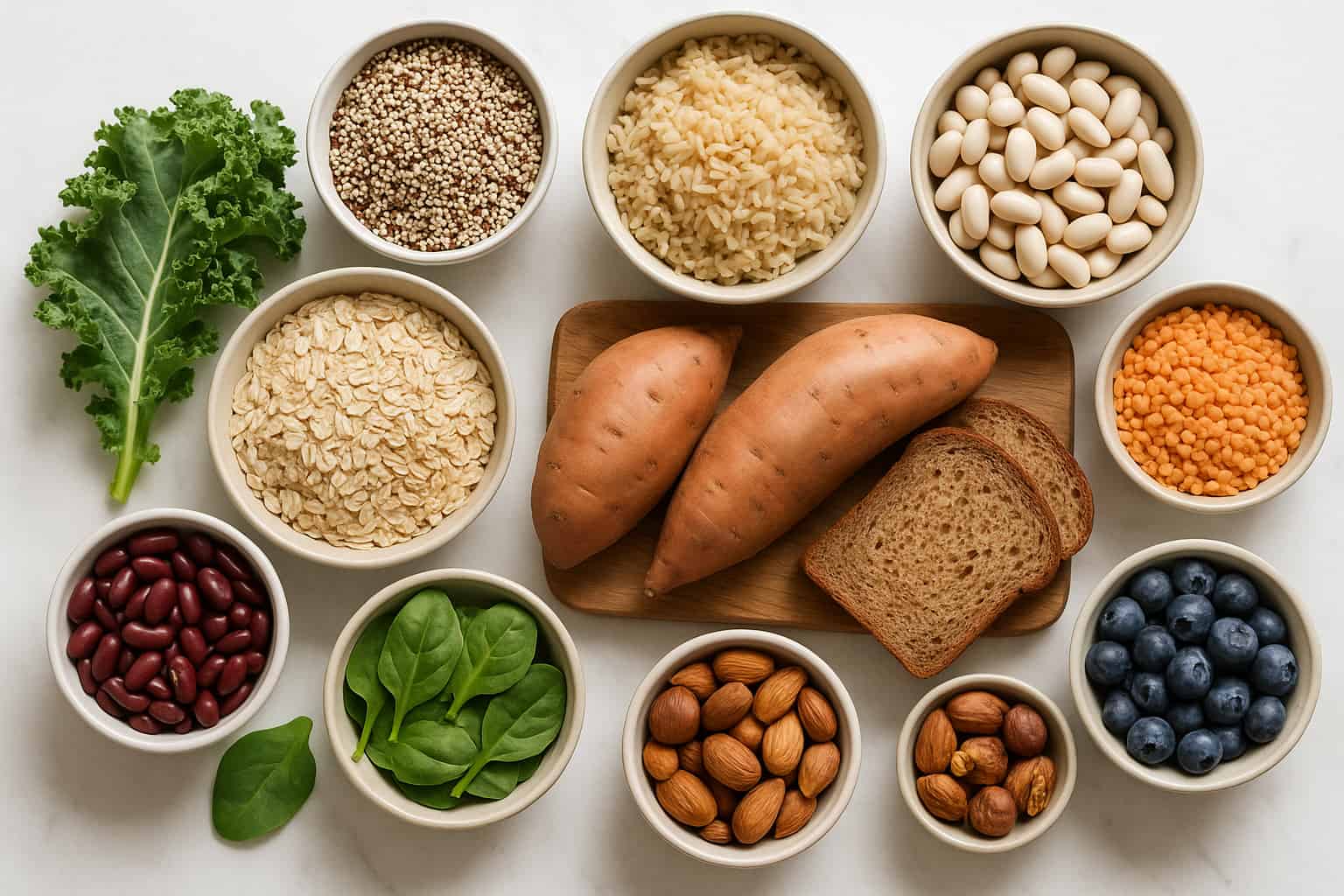
Complex carbohydrates are long chains of sugars found mainly in whole grains, legumes, vegetables, and other fiber-rich plant foods. They digest more slowly than many simple carbohydrates, supporting steady energy, better fullness, and overall nutrition. Understanding how complex carbohydrates work is important because carb quality affects blood sugar, digestion, heart health, and long-term wellness.
Most health authorities—including the Dietary Guidelines for Americans, American Heart Association, CDC, and American Diabetes Association—recommend making complex carbohydrates the main carbohydrate source in a balanced eating pattern. Below, you’ll learn exactly what they are, how they work, the best foods to choose, and how to use them safely in daily meals.
What Are Complex Carbohydrates?
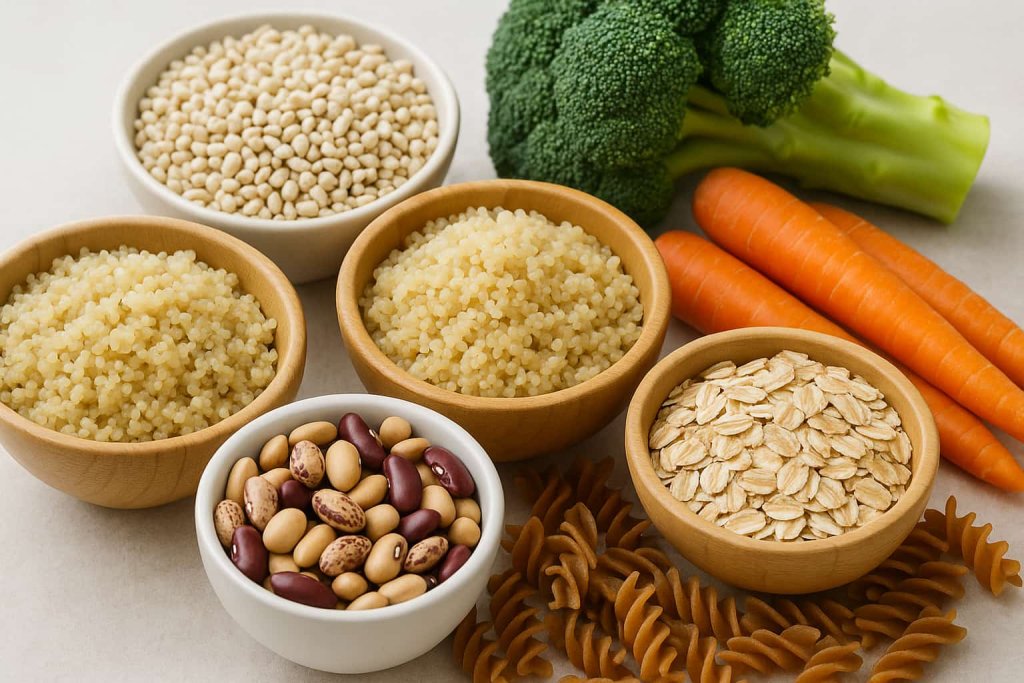
Complex carbohydrates are polysaccharides, meaning they are formed from long, structured chains of sugar molecules. These carbohydrates are naturally present in plant-based foods and play an important role in providing steady energy and supporting overall wellness. Unlike rapidly digested simple sugars, complex carbohydrates contain fiber, vitamins, minerals, and essential plant compounds, which contribute to their nutritional value.
According to the Dietary Guidelines for Americans, choosing nutrient-dense carbohydrate sources—especially those rich in fiber—supports balanced energy and long-term health. Most complex carbohydrates fall into two major categories:
- starches
- dietary fiber.
1. Starches

Starches are complex carbohydrates found in whole grains, legumes, peas, potatoes, sweet potatoes, and other starchy vegetables. When consumed, the body breaks starches down into glucose, which is used for energy or stored as glycogen in muscles and the liver. Because starches contain natural fiber and nutrients—especially when eaten in their whole, unrefined form—they generally digest more slowly than simple sugars.
Examples of starch-rich foods include:
- Whole-wheat pasta
- Brown rice
- Quinoa
- Barley
- Oats
- Beans and lentils
- Potatoes and corn
The USDA MyPlate grains guidance explains that whole grains supply more vitamins, minerals, and fiber than refined grains, making them a more nutrient-dense starch option. You can review this guidance through the USDA’s grains recommendations at:
USDA – Grains Group
2. Dietary Fiber

Dietary fiber is a type of complex carbohydrate that the body does not fully digest. Instead of being broken down like sugars and starches, fiber moves through the digestive system and supports several key functions.
Fiber may help:
- Support digestive regularity
- Promote fullness between meals
- Maintain normal cholesterol levels
- Support healthy blood sugar responses
The Centers for Disease Control and Prevention (CDC) explains these benefits in its official resource on fiber, which highlights how it supports heart health, metabolic wellness, and overall digestive function. Learn more from:
CDC – Fiber and Your Health
High-fiber foods include vegetables, fruits, legumes, whole grains, nuts, and seeds. Choosing fiber-rich complex carbohydrates is one of the most widely recommended strategies for general wellness, according to both the American Diabetes Association and the American Heart Association.
Complex vs. Simple Carbohydrates (Key Differences)

Carbohydrates are categorized into simple and complex types based on their chemical structure and how quickly the body digests them. Understanding the difference helps you choose nutrient-dense foods that support long-term health.
Simple carbohydrates—such as table sugar, sweets, juice, and many refined grain products—break down quickly, which may cause rapid increases in blood sugar. These foods are often low in fiber and essential nutrients.
Complex carbohydrates digest more slowly because they contain natural fiber, longer molecular chains, and beneficial nutrients. This slower digestion supports a more stable and sustained release of glucose, the body’s preferred source of energy.
Key distinctions between simple and complex carbohydrates
- Steadier energy: Complex carbohydrates break down gradually, which may support consistent energy throughout the day.
- Blood sugar balance: Foods high in fiber may help slow glucose absorption and support healthy blood sugar responses.
- Satiety and appetite control: Fiber-rich complex carbs promote fullness, which may help support healthy eating patterns.
- Micronutrient benefits: Whole-food complex carbs provide B vitamins, iron, magnesium, potassium, and antioxidants not typically found in refined simple sugars.
- Diet quality: Whole grains, legumes, vegetables, and fruits generally contribute positively to diet quality, while excessive intake of refined sugary foods may reduce nutrient density.
For evidence-based guidance on carbohydrate quality, see the American Heart Association’s recommendations on choosing whole grains, which emphasize replacing refined grains with minimally processed whole grains for better heart health:
American Heart Association – Whole Grains
Harvard’s nutrition experts also highlight that complex carbohydrates—especially those high in fiber—may support digestive health, heart wellness, and weight management, while simple carbohydrates offer fewer nutritional benefits:
Harvard School of Public Health – Carbohydrates and Health
Overall, while both types of carbohydrates provide energy, complex carbohydrates offer more nutritional value and support a more balanced dietary pattern. Choosing minimally processed plant-based foods as your primary carbohydrate sources aligns with recommendations from the USDA, AHA, CDC, and American Diabetes Association.
How Complex Carbohydrates Work in the Body
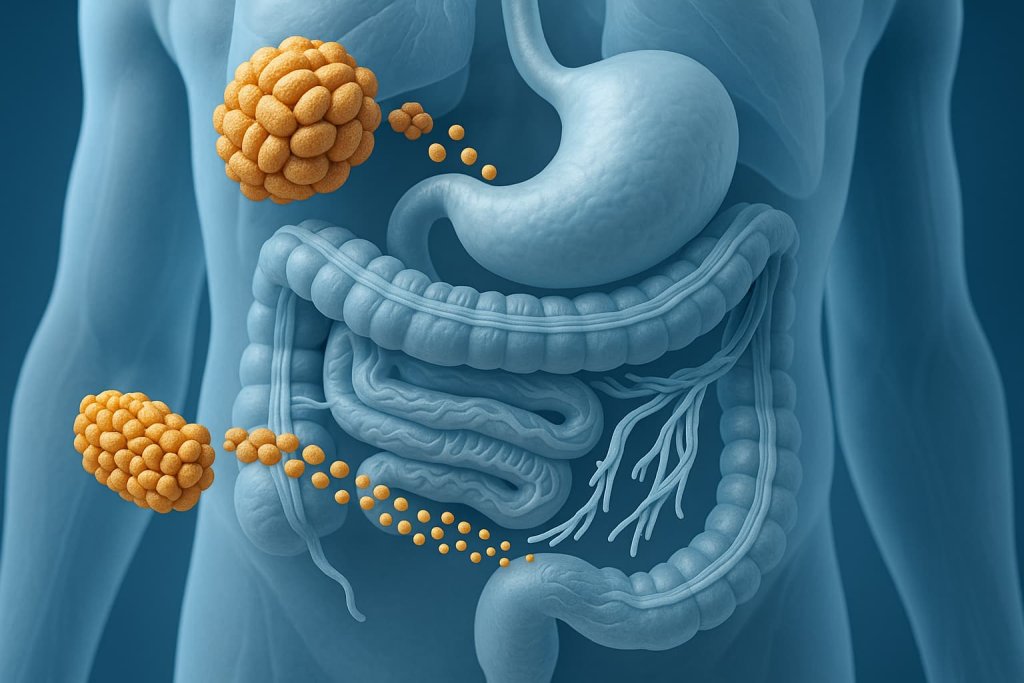
Complex carbohydrates play a central role in how the body produces and maintains energy. After you eat carbohydrate-rich foods, your digestive system gradually breaks the starches in complex carbohydrates into glucose, the primary fuel the body relies on for movement, brain function, and cellular activity.
Unlike simple sugars, which digest quickly and may cause sudden spikes in blood sugar, complex carbohydrates typically digest more slowly—especially when they come from whole, fiber-rich foods such as whole grains, legumes, vegetables, fruits, and nuts. This slower digestion supports more stable energy levels, helps prevent sharp fluctuations in blood sugar, and contributes to better overall metabolic balance.
Health authorities such as the Centers for Disease Control and Prevention (CDC) and the American Diabetes Association (ADA) emphasize that the quality of carbohydrates—particularly fiber content—plays a major role in how the body processes glucose and maintains steady energy.
Role of Fiber
Fiber is an essential component of complex carbohydrates and directly influences how smoothly and steadily the body digests and absorbs nutrients. Because fiber is not fully broken down by the digestive system, it provides structural and metabolic support throughout the gastrointestinal tract.
Below are several evidence-supported benefits of consuming adequate dietary fiber.
Supports digestive regularity
Fiber adds bulk to stool and helps promote smoother, more consistent bowel movements. According to the CDC’s guidance on fiber intake, increasing fiber from vegetables, fruits, legumes, and whole grains may support overall digestive wellness and help maintain regularity as part of a balanced diet.
Reference:
CDC – Fiber: How It Helps Your Health
Helps maintain healthy cholesterol levels
Soluble fiber—found in foods like oats, beans, peas, apples, and barley—binds with certain substances in the digestive tract, which may help maintain normal cholesterol levels when included as part of a heart-conscious eating pattern.
The American Heart Association emphasizes choosing whole grains and increasing fiber intake as a practical strategy for supporting long-term heart wellness.
Reference:
American Heart Association – Whole Grains and Fiber Guidance
Promotes satiety between meals
High-fiber foods digest more slowly, which helps you feel full for longer. This prolonged fullness may support healthier eating patterns by reducing the likelihood of overeating between meals.
Nutrition researchers at the Harvard T.H. Chan School of Public Health highlight that fiber-rich foods contribute to satiety and can improve the overall quality of a diet by replacing highly processed carbohydrates that digest quickly.
Reference:
Harvard School of Public Health – Fiber and Health
Helps stabilize post-meal blood sugar
Because dietary fiber slows the digestion and absorption of carbohydrates, it may support steadier post-meal blood sugar responses—especially for individuals monitoring glucose levels or managing conditions affected by blood sugar fluctuations. The American Diabetes Association advises choosing carbohydrate sources rich in fiber—such as beans, whole fruits, vegetables, and intact whole grains—because these foods typically digest more slowly and may help support more predictable blood glucose effects.
Reference: American Diabetes Association – Understanding Carbohydrates
Health Benefits of Complex Carbohydrates
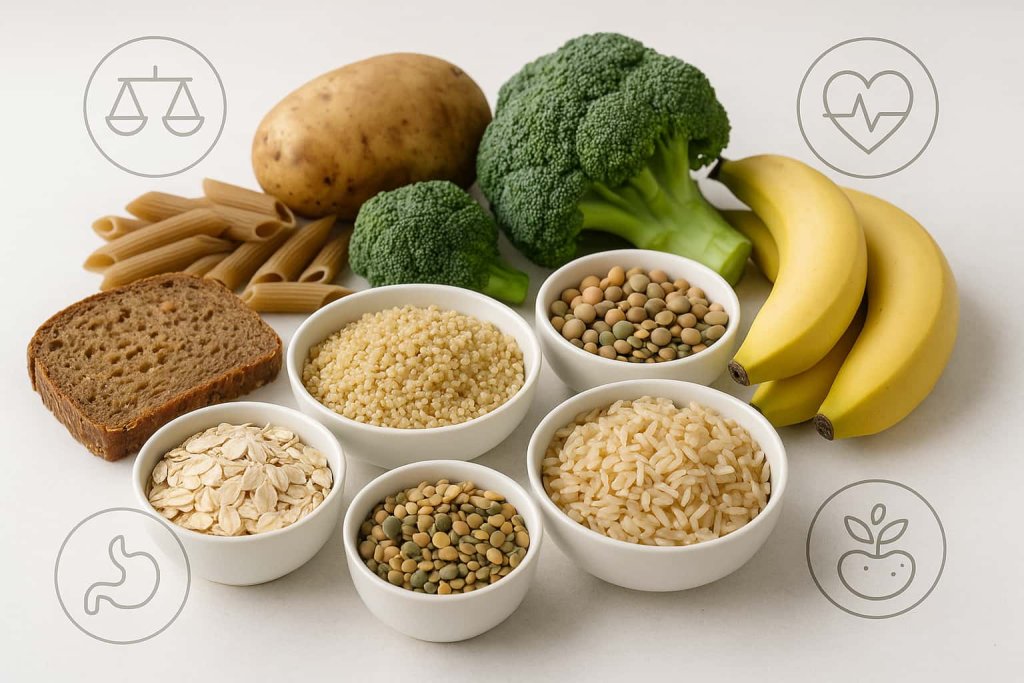
Complex carbohydrate–rich foods—especially whole grains, fruits, vegetables, nuts, and legumes—provide a combination of fiber, vitamins, minerals, and phytonutrients that support many aspects of long-term wellness. Health authorities such as the Harvard T.H. Chan School of Public Health, the USDA, and the American Heart Association (AHA) consistently recommend prioritizing these foods because they digest slowly, support metabolic balance, and are generally more nutrient-dense than refined carbohydrates.
Below are the key evidence-supported benefits of choosing more complex carbohydrates in daily meals.
1. Supports Digestive Health

Complex carbohydrates are naturally rich in dietary fiber, which plays an essential role in maintaining digestive wellness. Fiber adds bulk to stool and helps promote smoother, more regular bowel movements. This steady movement through the digestive tract may support long-term gut health and contribute to overall comfort after meals.
The Centers for Disease Control and Prevention (CDC) explains that fiber is important for digestive health and encourages people to eat a variety of fiber-rich foods—including fruits, vegetables, whole grains, beans, nuts, and seeds—to support regularity and improve overall dietary quality.
Reference:
CDC – Fiber: How It Helps Your Health
The USDA MyPlate guidelines also recommend filling half your plate with vegetables and fruits to boost fiber intake, improve digestion, and increase nutrient density throughout the day.
Reference:
USDA – Vegetables Group
Increasing fiber gradually and drinking enough water may further support digestive comfort as your body adapts.
2. Promotes Steady Energy

Complex carbohydrates digest more gradually than simple sugars, helping provide steady, sustained energy throughout the day. This gradual breakdown may help prevent sharp fluctuations in blood sugar—often referred to as energy “spikes and crashes.”
According to the Harvard School of Public Health, foods made with intact whole grains, legumes, and vegetables digest slowly due to their fiber structure and nutrient density, which supports stable glucose absorption.
Reference:
Harvard – Carbohydrates and Health
This makes complex carbohydrates especially valuable for people seeking sustained energy for work, physical activity, or overall daily function.
3. Supports Heart Health

Fiber-rich complex carbohydrates—including oats, barley, beans, fruits, and vegetables—may help maintain healthy cholesterol levels when consumed as part of a heart-conscious eating pattern. Soluble fiber binds with certain substances in the digestive tract, which may help support cardiovascular wellness.
The American Heart Association recommends choosing whole grains over refined grains because whole grains contain fiber, antioxidants, and nutrients that support heart health.
Reference:
American Heart Association – Whole Grains and Fiber
Replacing refined carbohydrates with fiber-rich complex carbs is also associated with better long-term heart outcomes in population studies.
4. Helps With Healthy Weight Management
Fiber-rich foods digest more slowly, which promotes fullness and may help support appetite control. This slow digestion helps you stay satisfied for longer, making it easier to maintain balanced eating habits.
The Harvard T.H. Chan School of Public Health notes that high-fiber foods—such as vegetables, whole grains, beans, fruits, and nuts—have a natural satiety effect and often provide fewer calories per volume due to their water and fiber content.
Reference:
Harvard – Fiber and Satiety
Including these foods regularly may support healthy weight patterns when combined with overall lifestyle habits.
5. Provides Essential Vitamins and Minerals
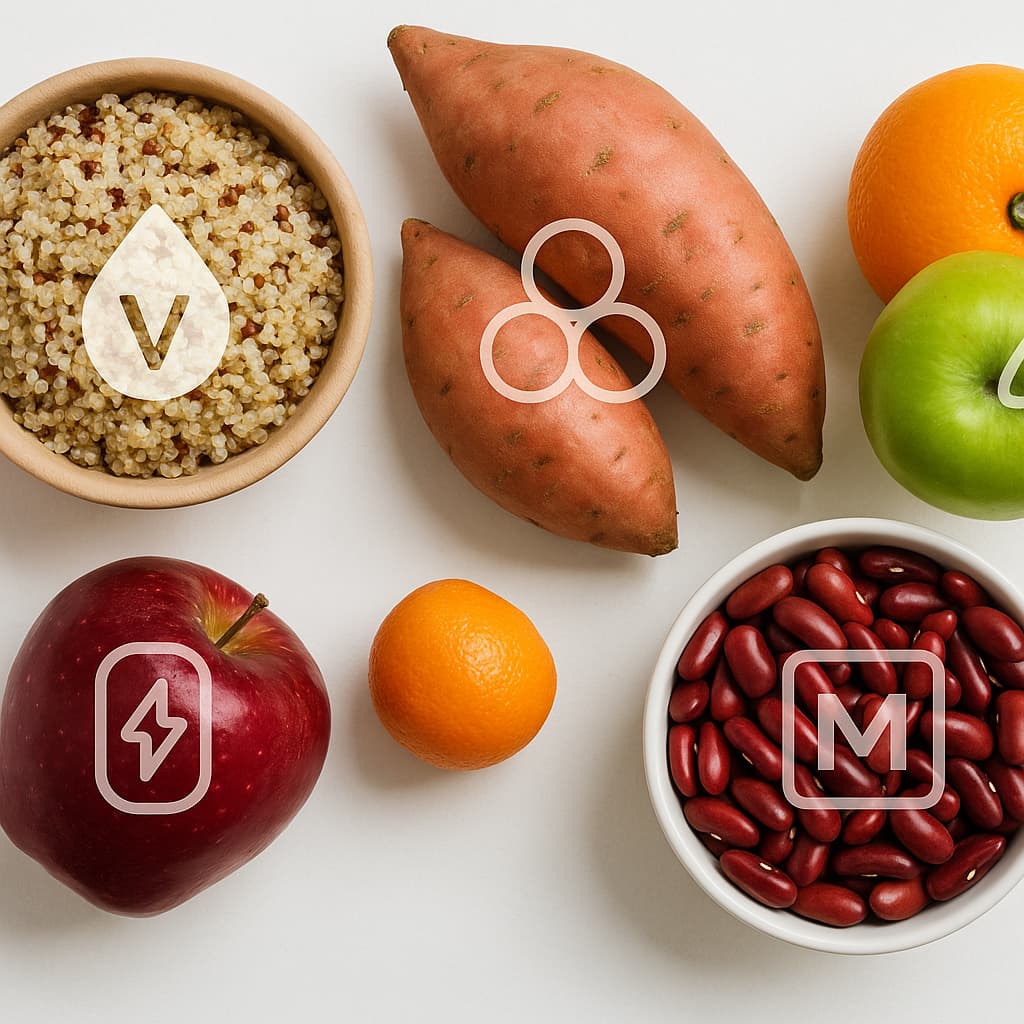
Whole-food complex carbohydrates are rich in nutrients that support numerous bodily functions. These foods commonly provide:
- B vitamins—important for metabolism and energy production
- Magnesium—supports muscle and nerve function
- Potassium—supports blood pressure balance
- Antioxidants—support cellular protection
- Phytonutrients—support overall wellness
Analysis of nutrient databases shows that foods such as sweet potatoes, quinoa, oatmeal, beans, and whole fruits provide a wide range of vitamins, minerals, and beneficial plant compounds. For example, the USDA FoodData Central database offers detailed nutrient profiles for these foods showing their micronutrient content.
Reference:
USDA – FoodData Central
Moreover, an updated review in Nutrition: Micronutrient Intake, Imbalances, and Interventions (via the National Institutes of Health/National Library of Medicine) explains that diets rich in whole grains and legumes deliver essential micronutrients that are often lacking in diets high in refined carbohydrates. These micronutrients include magnesium, zinc, folate, iron, and potassium—making complex carbohydrate–rich foods a vital part of a balanced diet.
Reference:
NIH/NLM – Micronutrient Intake and Whole Grains/Legumes
By choosing intact whole grains, legumes, vegetables, and fruits rather than refined carbohydrate sources, you increase the likelihood of obtaining the full nutrient-package—fiber, minerals, vitamins, and bioactive plant compounds—that supports health over time.
Best Sources of Complex Carbohydrates
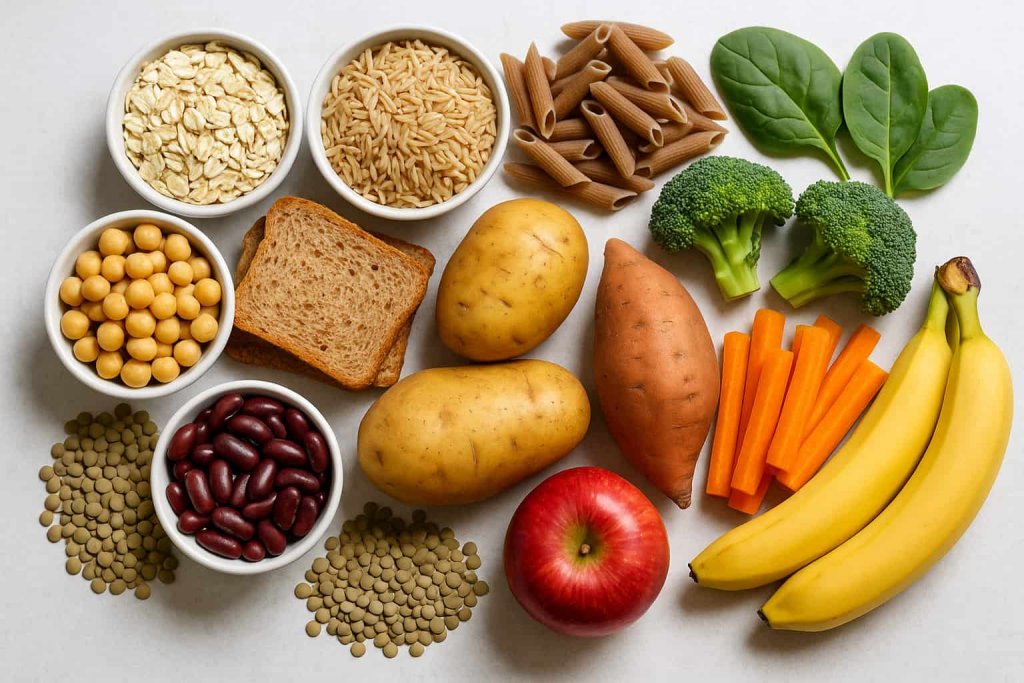
The most beneficial complex carbohydrates come from whole, minimally processed foods. These foods naturally contain fiber, vitamins, minerals, antioxidants, and plant compounds that support overall wellness. Health organizations such as the USDA, Harvard T.H. Chan School of Public Health, and the American Heart Association emphasize choosing these nutrient-dense sources over refined carbohydrate products.
Below are the most reliable, well-studied categories of complex carbohydrate foods.
Whole Grains
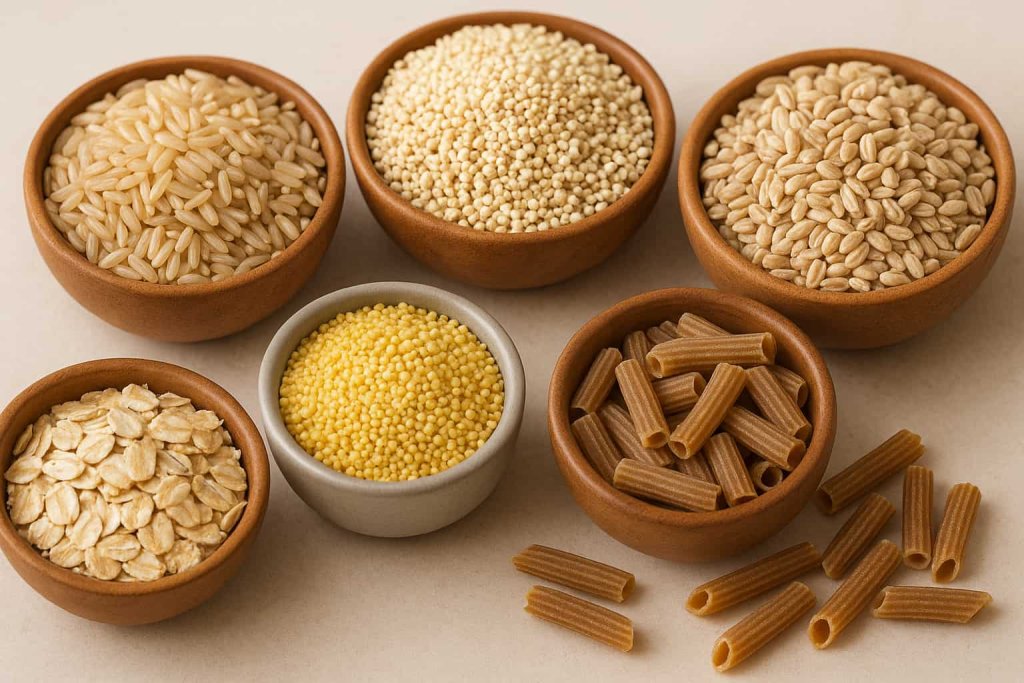
Whole grains contain all three parts of the grain kernel—the bran, germ, and endosperm. This means they retain their natural fiber, B vitamins, minerals, and antioxidants. They digest more slowly than refined grains and may support steadier energy and better nutrient intake.
Examples include:
- Oats (rich in soluble fiber)
- Brown rice (naturally gluten-free, high in minerals)
- Quinoa (contains all nine essential amino acids)
- Whole-wheat bread or pasta (higher in fiber than refined versions)
- Barley (rich in beta-glucan fiber)
- Millet (a mineral-rich gluten-free grain)
The USDA MyPlate Grains Group recommends making at least half of all grains whole grains, emphasizing choices such as oatmeal, whole-wheat pasta, quinoa, popcorn, and brown rice.
Reference:
USDA – Grains Group
Whole grains also appear in the USDA FoodData Central database, where you can explore full nutrient profiles for each grain variety.
Legumes

Legumes are one of the most nutrient-dense sources of complex carbohydrates, containing a combination of fiber, plant-based protein, magnesium, potassium, iron, and resistant starch. Their slow-digesting structure may support balanced energy and healthy blood sugar responses.
Common legumes include:
- Beans (black beans, kidney beans, pinto beans, navy beans)
- Lentils (red, green, brown, and French lentils)
- Chickpeas (garbanzo beans)
- Peas (green peas, split peas, pigeon peas)
The USDA FoodData Central database provides detailed nutrient analyses for all legumes and highlights their fiber and protein content.
Reference:
USDA – FoodData Central
Legumes are widely recommended by organizations such as the American Heart Association for their nutrient density and fiber content.
Starchy Vegetables

Starchy vegetables supply complex carbohydrates along with vitamins, antioxidants, and minerals. They digest more slowly than refined starches and provide additional fiber when eaten with their skins (for potatoes and sweet potatoes).
Examples include:
- Potatoes (rich in potassium and vitamin C)
- Sweet potatoes (contains beta-carotene and fiber)
- Corn (provides fiber and B vitamins)
- Winter squash (butternut, acorn, kabocha—rich in vitamin A and antioxidants)
The USDA MyPlate Vegetables Group recommends including a variety of starchy and non-starchy vegetables to ensure a diverse nutrient intake.
Reference:
USDA – Vegetables Group
These vegetables are generally more nutrient-dense than refined starches such as white bread or pastries.
Fruits & Non-Starchy Vegetables

Although often thought of as simple carbs because they contain natural sugars, most fruits and many non-starchy vegetables provide complex carbohydrates in the form of fiber, plant starches, vitamins, minerals, and antioxidants.
These foods may support:
- Healthy digestion
- Steady energy
- Antioxidant intake
- Balanced nutrient consumption
Examples include:
- Fruits: apples, berries, bananas, pears, citrus fruits, mangoes
- Non-starchy vegetables: leafy greens, broccoli, cauliflower, carrots, bell peppers
According to the Harvard T.H. Chan School of Public Health, fruits and vegetables supply essential nutrients, fiber, and phytonutrients that support overall wellness and help improve diet quality.
Reference:
Harvard – Vegetables and Fruits
The USDA also recommends filling half your plate with fruits and vegetables for optimal nutrient balance and overall dietary quality.
How to Add Complex Carbohydrates Safely to Your Diet

Adding more complex carbohydrates to your daily meals is simple when you focus on whole, nutrient-dense foods. These foods digest more slowly, provide natural fiber, and supply vitamins, minerals, and plant compounds that support overall wellness. Leading nutrition authorities—including the USDA, Harvard T.H. Chan School of Public Health, and the American Heart Association—recommend prioritizing whole grains, vegetables, fruits, legumes, nuts, and seeds as the primary carbohydrate sources in a balanced eating pattern.
Below are safe, practical ways to incorporate complex carbohydrates into your everyday routine.
Build Half Your Plate with Vegetables
One of the most effective ways to increase fiber-rich complex carbohydrates is to fill half your plate with a combination of starchy and non-starchy vegetables. This strategy supplies essential nutrients, promotes fullness, and supports balanced energy.
The USDA MyPlate guidance recommends building meals around vegetables because they provide complex carbohydrates, antioxidants, vitamins, and minerals while being naturally low in added sugars and unhealthy fats.
Reference:
USDA – Vegetables Group
Try adding vegetables to omelets, grain bowls, wraps, pastas, soups, and stir-fries.
Include Whole Grains at Most Meals
Whole grains digest more slowly than refined grains because they retain all three parts of the grain: the bran, germ, and endosperm. This means they naturally provide more fiber, B vitamins, minerals, and phytonutrients.
Simple swaps include:
- Brown rice instead of white rice
- Whole-wheat pasta instead of regular pasta
- Rolled oats instead of instant sweetened packets
- Whole-grain bread instead of refined white bread
- Quinoa, barley, or millet instead of refined grains
The USDA MyPlate – Grains Group recommends making at least half your grains whole grains to increase fiber and support overall diet quality.
Reference:
USDA – Whole Grains Guidance
Eat More Beans and Lentils
Legumes are among the most nutrient-dense sources of complex carbohydrates. They contain fiber, resistant starch, plant-based protein, potassium, magnesium, and iron. Their slow-digesting structure may support steady energy and healthy blood sugar responses.
Easy ways to include legumes:
- Add black beans or chickpeas to salads
- Stir lentils into soups, stews, or curries
- Use hummus as a dip or spread
- Make bean-based grain bowls
- Add peas to stir-fries, rice dishes, or pasta meals
To explore the nutrient composition of specific legumes, the USDA FoodData Central platform provides detailed data for all bean and lentil varieties.
Reference:
USDA – FoodData Central
Choose High-Fiber Snacks
Choosing high-fiber snacks can help support steady energy between meals and reduce reliance on processed, refined carbohydrate snacks.
Examples include:
- Fresh fruit (such as apples, berries, or pears)
- Raw nuts and seeds
- Carrot sticks, celery, or bell peppers with hummus
- Air-popped popcorn
- Whole-grain crackers with nut butter
- Roasted chickpeas
Harvard nutrition experts emphasize that fiber-rich snacks support satiety and may help maintain balanced eating patterns throughout the day.
Reference:
Harvard – Fiber and Satiety
Watch Portion Sizes
Even though complex carbohydrates are nutrient-dense, portion awareness is important—especially for foods higher in starch such as whole grains, potatoes, corn, beans, and lentils. These foods provide steady energy and essential nutrients, but eating them in large amounts may contribute to excess calorie intake. Balanced portions may support healthy weight patterns, steady energy, and overall metabolic wellness.
Helpful portion guidelines include:
- Start with ½ cup of cooked whole grains (such as brown rice, quinoa, or oats) per meal
- Aim for at least 1 cup of vegetables at lunch and dinner
- Choose 1 small piece of fruit or ½ cup chopped fruit for snacks
- Add ¼ cup nuts or seeds to meals or snacks for added fiber and healthy fats
The American Diabetes Association emphasizes that both total carbohydrate intake and portion size are important—particularly for people who monitor blood sugar. Their guidance recommends choosing fiber-rich complex carbohydrates and balancing them with protein and healthy fats to support steadier post-meal glucose responses.
Reference:
American Diabetes Association – Understanding Carbohydrates
Pairing complex carbohydrates with lean protein and healthy fats—such as beans with tofu, brown rice with salmon, or whole-grain pasta with olive oil and vegetables—may further support satiety and help maintain consistent energy levels throughout the day.
Recommended Daily Intake
Understanding how many carbohydrates and how much fiber to consume each day is essential for balanced nutrition. Major health authorities—including the Dietary Guidelines for Americans, the National Institutes of Health (NIH), the Mayo Clinic, and the American Diabetes Association (ADA)—provide evidence-based recommendations to help adults meet their energy needs while supporting metabolic and digestive health.
Below are the most widely accepted guidelines for carbohydrate and fiber intake.
1. Carbohydrates Should Provide 45–65% of Daily Calories
The Dietary Guidelines for Americans recommend that carbohydrates make up 45–65% of your total daily calories. This range supports energy needs for the brain, muscles, and other organs while allowing flexibility for different eating patterns.
For example:
- On a 2,000-calorie diet, this equals 225–325 grams of carbohydrates per day.
- On a 1,600-calorie diet, this equals 180–260 grams per day.
For optimal nutrition, the USDA encourages choosing whole grains, fruits, vegetables, and legumes as the primary carbohydrate sources.
Reference:
Dietary Guidelines for Americans – Carbohydrate Intake
2. Minimum 130 Grams of Carbohydrates Per Day for Adults
Most adults need at least 130 grams of carbohydrates per day, according to scientific consensus summarized by the Mayo Clinic. This amount reflects the minimum glucose required to support essential functions of the brain and central nervous system.
While 130 grams is the baseline minimum, many adults need more—especially those with higher activity levels—because carbohydrates serve as the body’s preferred and most efficient energy source. Choosing nutrient-dense complex carbohydrates, such as whole grains, vegetables, beans, lentils, and fruits, may help support steady energy, better digestion, and overall nutritional balance.
The Mayo Clinic emphasizes focusing on carbohydrate quality by selecting whole-food carbohydrate sources instead of refined grains or added sugars.
Reference:
Mayo Clinic – Carbohydrates: How They Fit in Your Diet
For individuals with specific medical conditions—such as diabetes, metabolic disorders, or digestive sensitivities—carbohydrate requirements may vary. It’s best to follow guidance from a healthcare provider or registered dietitian when determining personalized intake.
3. Aim for 14 Grams of Fiber Per 1,000 Calories
Health authorities recommend aiming for at least 14 grams of dietary fiber for every 1,000 calories consumed. This guideline is reinforced in the Dietary Reference Intakes published by the National Academies of Sciences, Engineering, and Medicine, which outlines fiber needs for adults based on total calorie intake. According to this standard, most adults should target:
- About 25 grams of fiber per day for women
- About 38 grams of fiber per day for men
These targets help support healthy digestion, promote satiety, assist with cholesterol maintenance, and may help moderate post-meal blood sugar responses. Fiber-rich foods such as vegetables, fruits, whole grains, legumes, nuts, and seeds are strongly encouraged as part of a balanced, nutrient-dense eating pattern.
The Dietary Reference Intakes (updated and maintained by the National Academies) provide the authoritative basis for these recommendations:
Authoritative Source: Dietary Reference Intakes for Energy, Carbohydrate, Fiber, Fat, Fatty Acids, Cholesterol, Protein, and Amino Acids
For additional public-health guidance, the CDC explains that fiber supports digestive health and overall metabolic wellness, and also notes that most adults fall short of daily fiber recommendations: CDC – Fiber and Health Overview
4. Focus on Quality, Not Just Quantity
Beyond meeting daily intake goals, the Harvard T.H. Chan School of Public Health emphasizes prioritizing high-quality carbohydrates, including:
- Whole grains
- Legumes
- Fruits
- Vegetables
- Nuts and seeds
These foods provide fiber, vitamins, minerals, and phytonutrients, while refined carbohydrates offer fewer nutrients and digest more quickly.
Reference:
Harvard – Carbohydrates and Health
Possible Side Effects and Precautions
Complex carbohydrates are an important part of a balanced diet, but certain considerations are important—especially for individuals with digestive conditions, food sensitivities, or blood sugar–related concerns. Leading health organizations, including the CDC, American Diabetes Association, National Institutes of Health, and the Celiac Disease Foundation, emphasize that carbohydrate needs vary based on individual health, activity level, and medical guidance.
Below are key safety considerations to keep in mind when increasing or adjusting complex carbohydrate intake.
Digestive Sensitivity
A rapid increase in fiber intake may lead to temporary digestive discomfort such as bloating, gas, or changes in bowel habits. This happens because fiber moves through the digestive tract largely intact, and as intake rises, the gut microbiome needs time to adjust to the increased fermentation activity.
To reduce digestive sensitivity and support smoother adaptation:
- Increase fiber gradually over several days or weeks
- Drink enough water to help fiber move comfortably through the intestines
- Pair fiber-rich foods with balanced meals containing protein and healthy fats
Authoritative guidance from MedlinePlus (U.S. National Library of Medicine) notes that increasing fiber too quickly can lead to gas, bloating, and cramps, and recommends slowly raising intake along with adequate hydration for best tolerance:
MedlinePlus – Dietary Fiber Overview
Blood Sugar Considerations
Even though complex carbohydrates digest more slowly than simple sugars, they still raise blood glucose, which means individuals with diabetes, prediabetes, insulin resistance, or other blood sugar–related conditions should monitor their intake carefully. Important factors to track include:
- Portion sizes
- Total daily carbohydrate intake
- Meal composition (balance of carbs, protein, and healthy fats)
- Timing of carbohydrate consumption
Current guidance from the American Diabetes Association (ADA) explains that carbohydrate amount and type both influence blood sugar levels. The ADA recommends prioritizing fiber-rich carbohydrate sources—such as whole grains, beans, fruits, vegetables, and nuts—because these foods digest more slowly and may support steadier post-meal blood glucose responses compared with refined carbohydrates.
Authoritative Source (ADA – Understanding Carbohydrates)
Pairing complex carbohydrates with lean proteins and healthy fats may further support balanced glucose responses by slowing digestion and helping prevent rapid spikes.
Celiac Disease & Gluten Sensitivity
Individuals with celiac disease or non-celiac gluten sensitivity must avoid gluten-containing grains such as wheat, barley, and rye. However, many nutrient-dense gluten-free whole grains provide excellent sources of complex carbohydrates, fiber, and minerals.
Gluten-free whole grains include:
- Quinoa
- Brown rice
- Millet
- Buckwheat
- Sorghum
- Teff
- Certified gluten-free oats
The Celiac Disease Foundation emphasizes that choosing naturally gluten-free whole grains may help individuals meet their fiber and nutrient needs safely.
Reference:
Celiac Disease Foundation – Gluten-Free Whole Grains
Anyone with suspected gluten intolerance should consult a healthcare provider before removing gluten entirely, as diagnostic testing requires gluten to be present in the diet.
Highly Processed Complex Carbs
Although complex carbohydrates are typically associated with slower digestion and better nutrient quality, not all foods categorized as “complex carbs” are equally nutritious. Many processed foods technically contain complex carbohydrates but behave more like simple sugars due to their low fiber content and rapid digestion.
Examples of highly processed complex carb foods:
- White bread
- Pastries and baked goods
- Many crackers made with refined flour
- Breakfast cereals with added sugars
- Instant noodles
- Sweetened granola bars
The Harvard T.H. Chan School of Public Health notes that refined grains digest quickly and may contribute to rapid blood sugar spikes, reduced satiety, and lower overall nutrient intake compared with whole grains.
Reference:
Harvard – Carbohydrates and Health
Prioritize minimally processed whole grains instead, such as oats, barley, brown rice, quinoa, and whole-wheat products.
Who Should Limit or Avoid Certain Complex Carbohydrates?
While complex carbohydrates are beneficial for most people, some individuals may need to adjust the type or amount they consume based on their health status, digestive tolerance, or medical guidance.
Below are groups who may need to tailor their intake of certain complex carbohydrates.
Diabetes or Prediabetes Considerations
Individuals with diabetes or prediabetes should monitor both portion sizes and total daily carbohydrate intake, even when choosing nutrient-dense complex carbohydrates. Foods such as whole grains, beans, lentils, potatoes, and rice can all fit into a balanced eating pattern, but how much and how they are paired within a meal makes a meaningful difference.
Current guidance from the American Diabetes Association (ADA) emphasizes that carbohydrate amount, type, and meal balance all influence blood sugar levels. The ADA recommends prioritizing high-fiber complex carbohydrates—including whole grains, legumes, vegetables, nuts, and seeds—because they digest more slowly and may support steadier post-meal blood glucose responses compared with refined carbohydrates. Pairing carbohydrates with lean protein and healthy fats may further help promote more gradual digestion and absorption.
Authoritative Source (ADA – Understanding Carbohydrates)
Because carbohydrate needs vary based on medications, insulin use, physical activity, and overall metabolic health, individuals with diabetes or prediabetes should follow personalized guidance from their healthcare provider or a registered dietitian.
Digestive Disorders (IBS, IBD, FODMAP Issues)
People with digestive sensitivities—such as irritable bowel syndrome (IBS), inflammatory bowel disease (IBD), or FODMAP-related symptoms—may experience bloating, gas, or discomfort when consuming certain high-fiber foods.
Potential triggers may include:
- Lentils and beans
- Wheat-based products
- Certain vegetables (onions, garlic, cruciferous vegetables)
- Some fruits high in fermentable carbohydrates
According to the National Institutes of Health (NIH) and clinical nutrition research, some individuals benefit from adjusting fiber intake or choosing lower-FODMAP complex carbohydrates under professional supervision.
Reference:
NIH – Digestive Health Resources
Celiac Disease or Gluten Sensitivity
People with celiac disease, non-celiac gluten sensitivity, or gluten intolerance must avoid gluten-containing grains such as wheat, barley, and rye. However, many nutrient-dense, naturally gluten-free whole grains still provide excellent complex carbohydrates.
Safe gluten-free whole-grain options include:
- Quinoa
- Brown rice
- Millet
- Buckwheat
- Sorghum
- Teff
- Certified gluten-free oats
The Celiac Disease Foundation recommends choosing naturally gluten-free whole grains to help meet fiber and nutrient needs without triggering symptoms.
Reference:
Celiac Disease Foundation – Gluten-Free Whole Grains
Kidney Disease Considerations
Individuals with chronic kidney disease (CKD) may need to limit certain nutrient-dense complex carbohydrate foods because they naturally contain higher amounts of potassium or phosphorus. Ingredients such as potatoes, beans, lentils, nuts, and some whole grains can be healthy for many people, but for those with CKD, these minerals may build up in the bloodstream when the kidneys cannot filter them effectively.
Authoritative guidance from the National Institute of Diabetes and Digestive and Kidney Diseases (NIDDK) explains that people with CKD often require individualized nutrition plans to help manage potassium, phosphorus, sodium, and protein intake. NIDDK notes that mineral needs vary based on CKD stage, lab values, and overall health status.
Authoritative Source (NIDDK – Healthy Eating for Adults with Chronic Kidney Disease)
Because restrictions differ from person to person, it is essential for individuals with CKD to work with a renal dietitian or healthcare provider to balance complex carbohydrate choices with mineral limitations and any other medical nutrition therapy recommendations.
Children, Older Adults, and Those With Poor Appetite
Very high fiber intake may reduce appetite quickly, which can be a concern for:
- Young children
- Older adults
- Individuals with low appetite
- People recovering from illness
These groups may need moderate portions of fiber and a balance of nutrient-dense foods to ensure adequate calorie intake. According to the Harvard T.H. Chan School of Public Health, fiber is important, but intake should be adjusted to individual energy needs and tolerance.
Reference:
Harvard – Fiber and Health
For those with poor appetite, mixing higher-fiber foods with energy-dense options (like healthy fats and proteins) may support overall nutrition.
FAQs About Complex Carbohydrates
1. Are complex carbohydrates better than simple carbohydrates?
In most cases, yes—whole-food complex carbohydrates are generally considered more supportive of long-term wellness than simple carbohydrates. Complex carbs contain natural fiber, vitamins, and minerals, which may support steady energy and digestion. Simple carbs, especially those from refined grains or added sugars, digest quickly and offer fewer nutrients. Health organizations such as the Harvard T.H. Chan School of Public Health recommend prioritizing whole grains, legumes, vegetables, and fruits for better diet quality.
2. Do complex carbs raise blood sugar?
Yes. All digestible carbohydrates—simple or complex—raise blood sugar because they are eventually broken down into glucose. However, high-fiber complex carbohydrates (such as whole grains, beans, vegetables, and whole fruits) typically digest more slowly, which may support steadier post-meal blood sugar responses compared with refined carbohydrates. The American Diabetes Association encourages choosing fiber-rich sources to help maintain more predictable glucose patterns as part of individualized meal planning.
3. Are potatoes a complex carbohydrate?
Yes. Potatoes are considered a starchy vegetable, and their primary carbohydrate is starch, a type of complex carbohydrate. They also supply potassium, vitamin C, and fiber (especially when eaten with the skin). While potatoes are nutritious, portion size matters—particularly for individuals monitoring carbohydrate intake.
4. Can complex carbs support weight management?
Complex carbohydrates high in fiber—such as beans, lentils, vegetables, fruits, oats, and whole grains—may help support healthy weight patterns because they promote fullness, digest more slowly, and help reduce reliance on high-calorie snacks. Harvard nutrition experts note that fiber-rich foods tend to be naturally satisfying and may support appetite control when included as part of balanced meals with protein and healthy fats.
5. Are fruits considered complex carbs?
Yes. Most fruits contain a combination of natural sugars, fiber, water, vitamins, minerals, and plant antioxidants. The presence of fiber means the carbohydrates in fruit digest more gradually than added sugars found in sweets or sodas. The USDA and CDC recommend eating a variety of whole fruits daily because they supply fiber, vitamins, and phytonutrients.
6. Are whole grains good for diabetes?
Yes—whole grains can be part of a diabetes-friendly eating plan when eaten in appropriate portions. The American Diabetes Association recommends whole grains because their fiber content may support steadier post-meal blood sugar responses compared with refined grains. Examples include oats, quinoa, brown rice, barley, whole-wheat pasta, and millet. Individuals with diabetes should follow personalized carbohydrate guidance from a healthcare provider or registered dietitian.
Conclusion
Complex carbohydrates are essential for steady energy, digestive wellness, and overall nutrition. Choosing whole grains, legumes, vegetables, and fruits over refined carbohydrates supports long-term health and makes it easier to maintain balanced eating habits. For best results, follow trusted guidance from USDA, CDC, AHA, and ADA when planning your carbohydrate intake.
This content is for informational purposes only and not medical advice.