
For most people, trying to lose 20 pounds in a month is too aggressive and not the safest goal. A healthier target is usually about 1 to 2 pounds per week, or roughly 4 to 8 pounds in a month, according to the CDC.
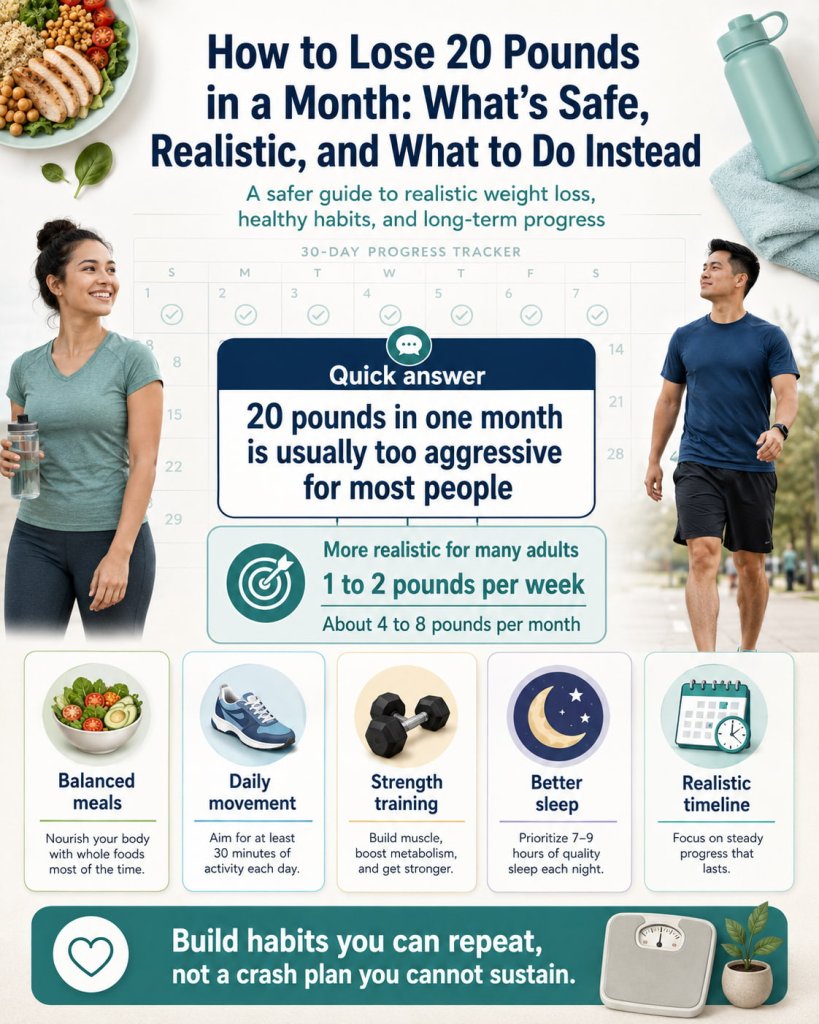
That does not mean your goal is impossible forever. It means the timeline matters. If you want to lose weight and keep it off, the better plan is to build steady habits around food, movement, sleep, and consistency instead of using crash diets or extreme workouts.
Before You Start: Who This Advice Is For
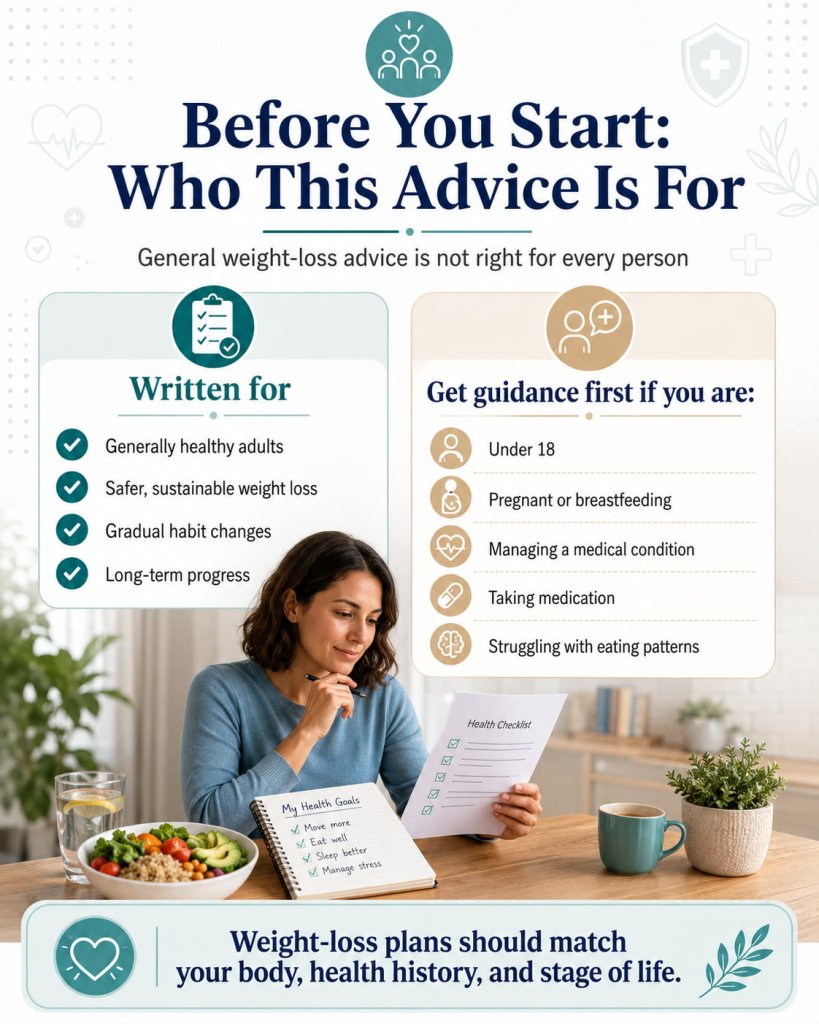
This article is written for generally healthy adults who want to lose weight in a safer, more sustainable way. It is not meant for children, teens, pregnant or breastfeeding people, or anyone with a medical condition that affects weight, appetite, blood sugar, blood pressure, digestion, or eating patterns.
If you are under 18, weight loss should be discussed with a parent or guardian and a healthcare professional. The CDC Child and Teen BMI Calculator uses age- and sex-specific percentiles for ages 2 to 19, so teen weight concerns should not be handled the same way as adult weight-loss plans.
Can You Lose 20 Pounds in a Month?
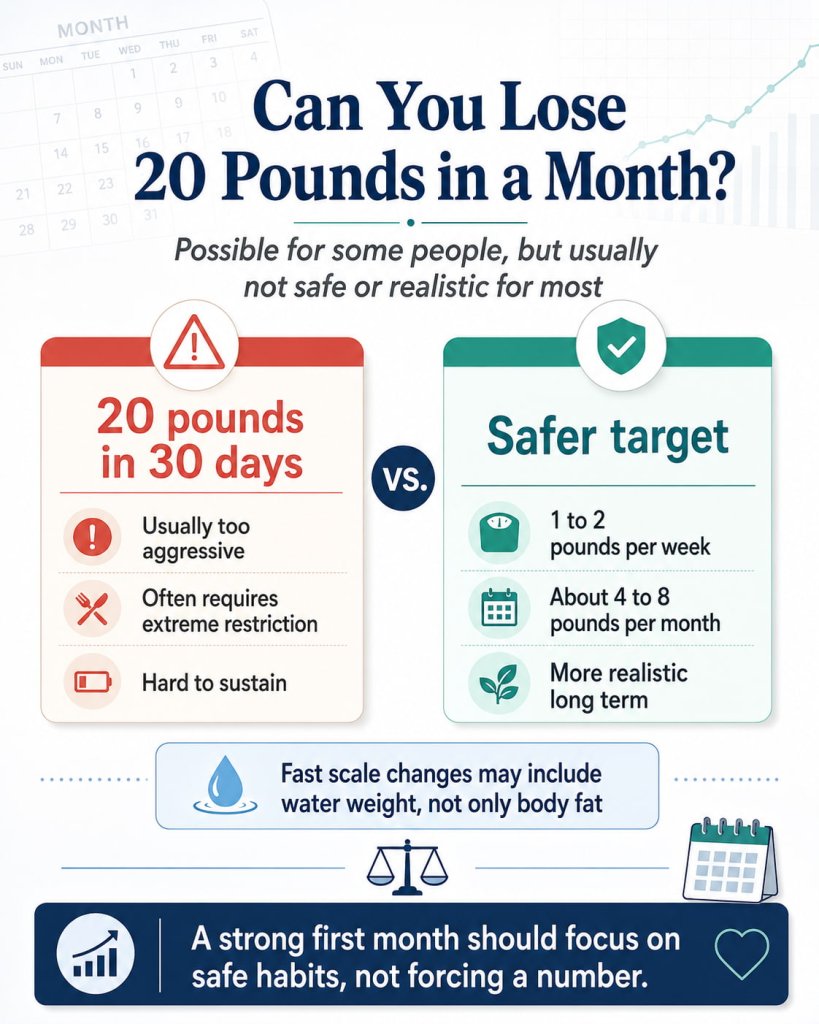
Some people may see a large drop on the scale in the first month, especially if they have a higher starting weight or lose water weight early. But losing 20 pounds of body fat in 30 days is not realistic or safe for most people.
MedlinePlus describes rapid weight loss diets as plans that lead to more than 2 pounds per week over several weeks. These plans usually require eating very few calories and are not meant to be treated as a normal self-guided weight-loss method.
A safer way to answer the question is this:
You may be able to start strong in 30 days, but your goal should be a healthier monthly target, not forcing 20 pounds at any cost.
Why Losing 20 Pounds in a Month Is Usually Too Fast
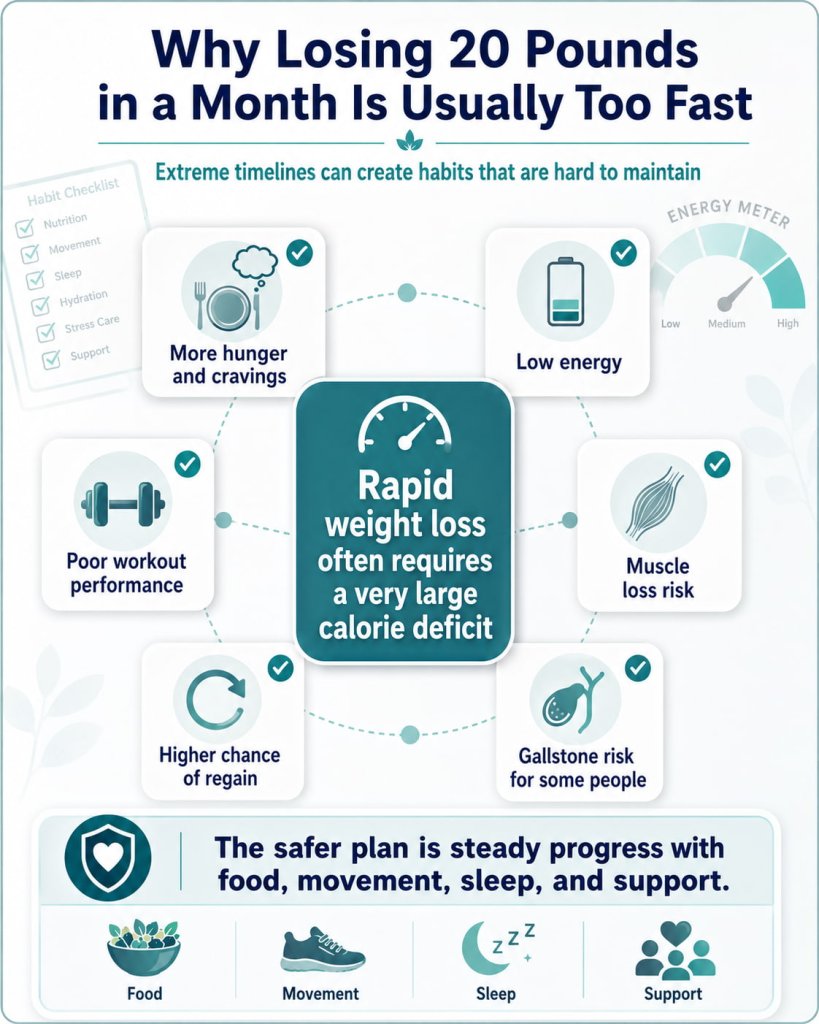
Losing 20 pounds in one month would require a very large and consistent energy deficit. For many people, that leads to choices that are hard to sustain, such as skipping meals, cutting out too many foods, overtraining, or relying on unsafe products.
Rapid weight loss can also come with downsides:
- More hunger and cravings
- Low energy
- Poor workout performance
- Muscle loss if protein and strength training are too low
- Higher chance of regaining weight
- Greater risk for gallstone problems in some people
The NIDDK notes that losing weight too quickly may cause health problems, and very low-calorie diets or weight-loss surgery can raise the risk of gallstones because they may cause rapid weight loss.
What Is a Safe Amount of Weight to Lose in a Month?
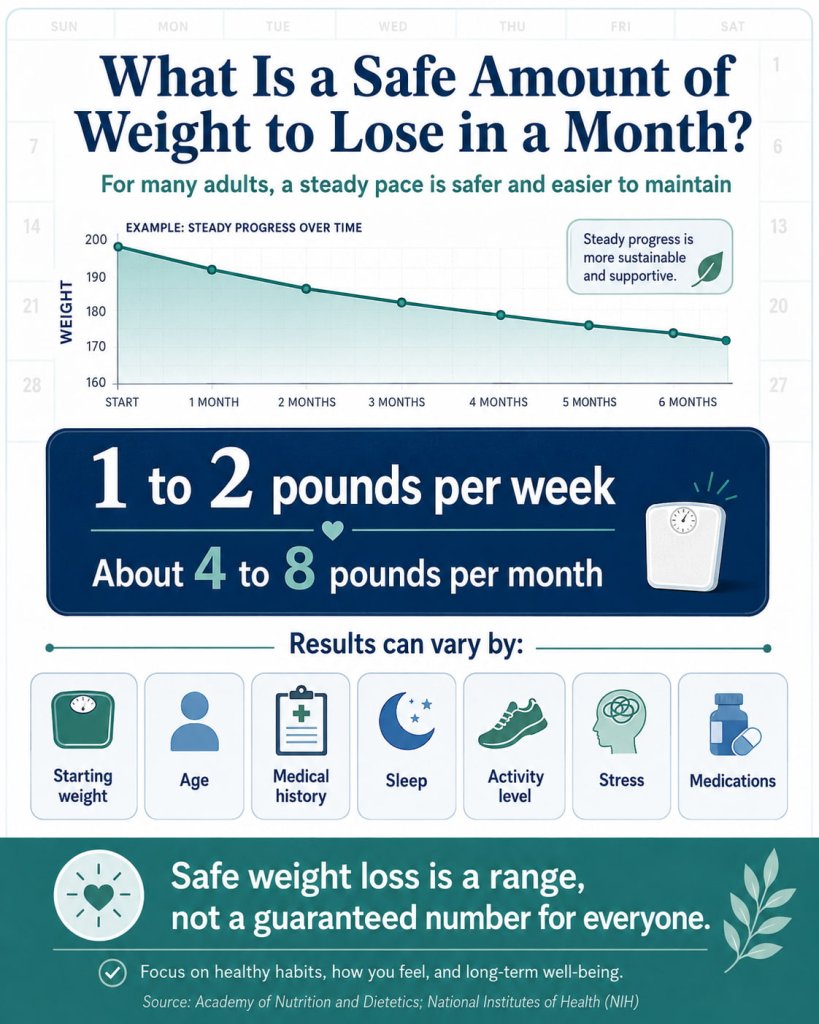
For most adults, a realistic and safer goal is about 4 to 8 pounds per month. This comes from the common public-health guidance of losing about 1 to 2 pounds per week.
That range is not a guarantee. Your results can depend on:
- Starting weight
- Age
- Sex
- Medical history
- Sleep quality
- Activity level
- Stress
- Medications
- Consistency with eating habits
Mayo Clinic also recommends aiming for about 1 to 2 pounds per week over the long term and notes that losing even 5% of your current weight can support health for people who need weight loss.
A Better Timeline for Losing 20 Pounds
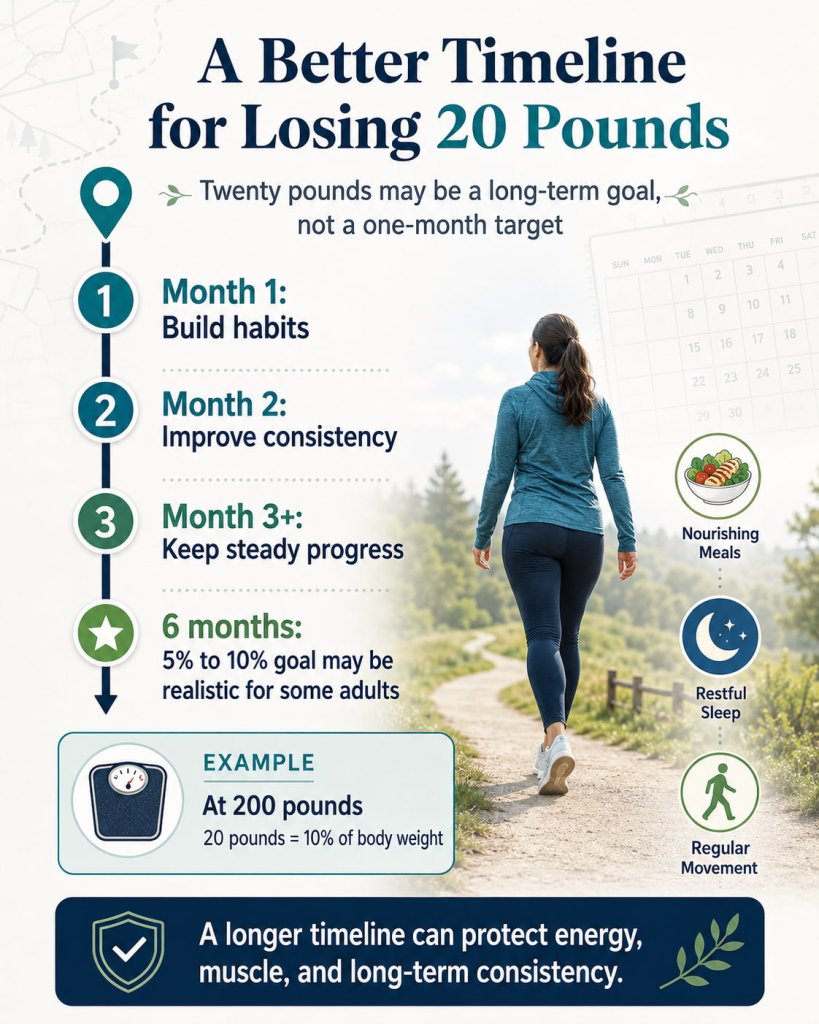
Losing 20 pounds can be a reasonable long-term goal for some adults, but the timeline should usually be longer than one month.
The NIDDK says experts often recommend an initial goal of losing about 5% to 10% of your starting weight within 6 months. For someone who weighs 200 pounds, 20 pounds equals 10% of body weight.
That means 20 pounds may be a realistic goal over several months, not something most people should try to force in 30 days.
Why the Scale May Drop Faster at First
Some people lose several pounds quickly during the first week of a new plan. That does not always mean they lost pure body fat.
Early weight changes can come from:
- Less water retention
- Lower sodium intake
- Less stored carbohydrate
- Smaller food volume in the digestive system
- More regular movement
This is why a fast first week does not always continue at the same pace. A slower, steadier trend is usually more realistic after the early drop.
A Safer 30-Day Plan Instead of Trying to Force 20 Pounds
A better 30-day goal is to build habits that create steady fat loss without extreme restriction. Think of the first month as your foundation.
Week 1: Set a Realistic Target
Start with a goal you can repeat for more than a few days.
Good first-month goals include:
- Lose 4 to 8 pounds if appropriate for your body
- Walk most days of the week
- Eat more protein-rich and fiber-rich meals
- Reduce sugary drinks
- Strength train 2 days per week
- Improve sleep consistency
For a more personalized adult weight-loss estimate, the NIDDK Body Weight Planner can help create calorie and activity plans based on body size, goal weight, and timeline.
Week 2: Build Meals Around Filling Foods
You do not need a crash diet. Focus on meals that help you feel full while supporting nutrition.
A simple plate can include:
- A protein food, such as eggs, fish, chicken, lean meat, Greek yogurt, tofu, beans, or lentils
- High-fiber carbohydrates, such as oats, potatoes, brown rice, fruit, beans, or whole grains
- Vegetables or fruit
- Healthy fats in moderate portions, such as nuts, seeds, olive oil, or avocado
The current Dietary Guidelines for Americans emphasize nutrient-dense foods such as vegetables, fruits, protein foods, dairy, healthy fats, and whole grains while reducing highly processed foods, added sugars, excess sodium, and refined carbohydrates.
Week 3: Add Exercise Without Overdoing It
Exercise helps with weight management, but it should not be used as punishment for eating.
The CDC physical activity guidance recommends that adults get 150 minutes of moderate-intensity activity per week plus 2 days of muscle-strengthening activity.
A practical weekly routine could look like this:
| Goal | Simple starting point |
|---|---|
| Walking | 20 to 30 minutes most days |
| Strength training | 2 days per week |
| Cardio | Brisk walking, cycling, swimming, or incline walking |
| Recovery | At least 1 to 2 easier days per week |
| Daily movement | More steps, stairs, chores, and less sitting |
You do not need intense workouts every day. Consistency matters more than exhaustion.
Week 4: Track Patterns, Not Perfection
Tracking can help, but it should not become obsessive. Use it to notice patterns.
Helpful things to track include:
- Weight trend over several weeks
- Waist measurement if appropriate
- Daily steps
- Protein at meals
- Vegetable and fruit intake
- Sleep time
- Strength workouts completed
- Energy and hunger levels
If tracking calories makes you anxious or leads to extreme restriction, use simpler habits instead, such as balanced plates, regular meals, and fewer sugary drinks.
What to Eat to Support Healthy Weight Loss
The best weight-loss foods are not magic foods. They are foods that help you stay full, meet nutrient needs, and reduce overeating.
Protein-Rich Foods
Protein helps meals feel more satisfying and supports muscle maintenance when paired with strength training.
Good options include:
- Eggs
- Fish
- Chicken or turkey
- Lean beef in moderation
- Greek yogurt or cottage cheese
- Tofu or tempeh
- Beans, lentils, and chickpeas
Fiber-Rich Foods
Fiber helps with fullness and digestive health.
Good options include:
Drinks
Liquid calories can add up quickly. Start with simple swaps:
- Choose water most often
- Replace regular soda with sparkling water
- Limit sweet coffee drinks
- Be careful with smoothies that are mostly juice or added sugar
- Avoid “detox” drinks that promise fast fat loss
What to Avoid When Trying to Lose Weight Fast
Avoid methods that create quick scale changes but do not support long-term health.
Do not rely on:
- Starvation diets
- Skipping meals all day to “save calories”
- Laxatives
- Diet pills without medical guidance
- Detox teas
- Sauna suits or dehydration tricks
- Extreme fasting
- Exercising through pain or dizziness
- Cutting out entire food groups without a medical reason
The NHS defines a very low-calorie diet as fewer than 800 calories per day and says these diets are not suitable or safe for everyone and are not routinely recommended for obesity management.
Stop and Get Medical Help If These Symptoms Happen
Weight loss should not make you feel unsafe or unwell. Stop the plan and talk with a healthcare professional if you notice:
- Dizziness, fainting, or feeling weak often
- Chest pain, shortness of breath, or heart palpitations
- Severe fatigue that does not improve with rest
- Ongoing nausea, vomiting, or diarrhea
- Missed periods or major menstrual changes
- Hair loss, feeling cold all the time, or poor concentration
- Fear around eating, guilt after meals, or feeling unable to eat normally
These signs can mean the plan is too aggressive or not appropriate for your body.
Who Should Not Try Rapid Weight Loss?
Rapid weight loss is especially risky for some people.
Talk with a healthcare professional before trying to lose weight if you are:
- Under 18
- Pregnant or breastfeeding
- Living with diabetes
- Taking medication that affects appetite, blood sugar, or blood pressure
- Managing kidney disease, heart disease, gallbladder disease, or an eating disorder history
- Recovering from surgery or illness
- Losing weight without trying
- Feeling weak, dizzy, faint, or unwell while dieting
For children and teens, weight concerns should be handled with a doctor, parent or guardian, and qualified health professional. A teen should not follow a rapid weight-loss plan without medical guidance.
When to Talk to a Healthcare Provider
A healthcare provider or registered dietitian can help you understand whether weight loss is appropriate and what pace is safe for you.
The NIDDK recommends looking for weight-loss programs that include realistic goals, a healthy eating plan, physical activity guidance, and long-term support.
You should also ask for help if you feel stuck, have a medical condition, or feel pressure to lose weight extremely fast for an event.
Sample 30-Day Healthy Weight-Loss Focus
This is not a crash plan. It is a safer structure for building momentum.
| Focus area | What to do |
|---|---|
| Meals | Build most meals around protein, fiber, and whole foods |
| Drinks | Choose water most often and reduce sugary drinks |
| Movement | Walk or do moderate cardio most days |
| Strength | Train major muscle groups 2 days per week |
| Sleep | Keep a consistent bedtime and wake time |
| Progress | Track weekly trends, not daily perfection |
| Safety | Avoid extreme diets, dehydration, and unverified supplements |
What Good Progress Can Look Like in 30 Days
A successful first month does not have to mean losing 20 pounds. Better signs of progress may include:
- Losing a few pounds at a steady pace
- Having more consistent meals
- Walking more often
- Feeling less out of breath during daily activity
- Getting stronger in basic exercises
- Drinking fewer sugary drinks
- Sleeping more consistently
- Having better control over hunger and cravings
- Feeling more confident with food choices
These changes may look small, but they are the habits that make long-term weight loss more realistic.
Can You Lose 20 Pounds Faster With Exercise Alone?
Exercise helps, but exercise alone is usually not enough for fast weight loss. It is also easy to overdo it if you try to burn off every meal.
A better approach is to combine:
- Balanced meals
- Daily movement
- Strength training
- Cardio you can recover from
- Sleep
- Stress management
- A realistic timeline
This helps protect muscle, energy, and consistency.
Why Weight Loss Is Not Just About Willpower
Weight loss is influenced by more than motivation. Sleep, stress, hormones, medications, medical conditions, food environment, age, and daily routine can all affect hunger, energy, and progress.
That is why two people can follow similar plans and get different results. If your progress is slower than expected, it does not automatically mean you are failing. It may mean your plan needs to be adjusted, or that you need support from a healthcare professional or registered dietitian.
How to Keep the Weight Off After the First Month
Long-term success depends on habits you can keep.
Focus on:
- Eating regular meals
- Keeping protein and fiber in most meals
- Staying active most days
- Strength training every week
- Planning ahead for busy days
- Keeping trigger foods in reasonable portions instead of banning everything
- Getting back on track after one off-plan meal
One high-calorie day does not ruin progress. The pattern over weeks matters more.
FAQs
Is It Possible to Lose 20 Pounds in 30 Days?
It may happen in some cases, especially with medical supervision or a very high starting weight, but it is not a safe or realistic goal for most people. A healthier target is usually 1 to 2 pounds per week.
What Is the Safest Amount of Weight to Lose in a Month?
For most adults, about 4 to 8 pounds per month is a safer and more realistic range. Some people may lose more or less depending on their starting point and health needs.
What Should I Do If I Need to Lose Weight Quickly for an Event?
Avoid dehydration, laxatives, diet pills, and starvation diets. Focus on regular meals, lower-sodium whole foods, walking, sleep, and feeling better in your body. If you need rapid weight loss for medical reasons, work with a healthcare provider.
Can I Lose 20 Pounds in a Month by Not Eating Carbs?
Cutting carbs may cause quick water-weight loss, but that is not the same as losing 20 pounds of fat. Whole-food carbohydrates like fruit, beans, oats, potatoes, and whole grains can fit into a healthy weight-loss plan.
Do I Need to Count Calories?
Not always. Some adults find it helpful, while others do better with simple habits like balanced plates, regular meals, fewer sugary drinks, and more movement. If calorie tracking causes stress or extreme restriction, choose a gentler method or talk with a professional.
Conclusion
Trying to lose 20 pounds in a month is usually too fast for most people. A safer goal is to build a steady plan that helps you lose weight without harming your energy, health, or relationship with food.
Start with realistic progress: eat more filling whole foods, move daily, strength train weekly, sleep better, and avoid extreme shortcuts. If you have a medical condition, are under 18, or feel pressured to lose weight quickly, get guidance from a qualified healthcare professional before making major changes.
This content is for informational purposes only and not medical advice.
References
- CDC — Child and Teen BMI Calculator
- MedlinePlus — Diet for Rapid Weight Loss
- NIDDK — Eating, Diet, and Nutrition for Gallstones
- Mayo Clinic — Weight Loss: 6 Strategies for Success
- NIDDK — Choosing a Safe and Successful Weight-Loss Program
- Dietary Guidelines for Americans — Official Guidance
- CDC — Adding Physical Activity as an Adult
- NHS — Obesity Treatment and Very Low-Calorie Diets